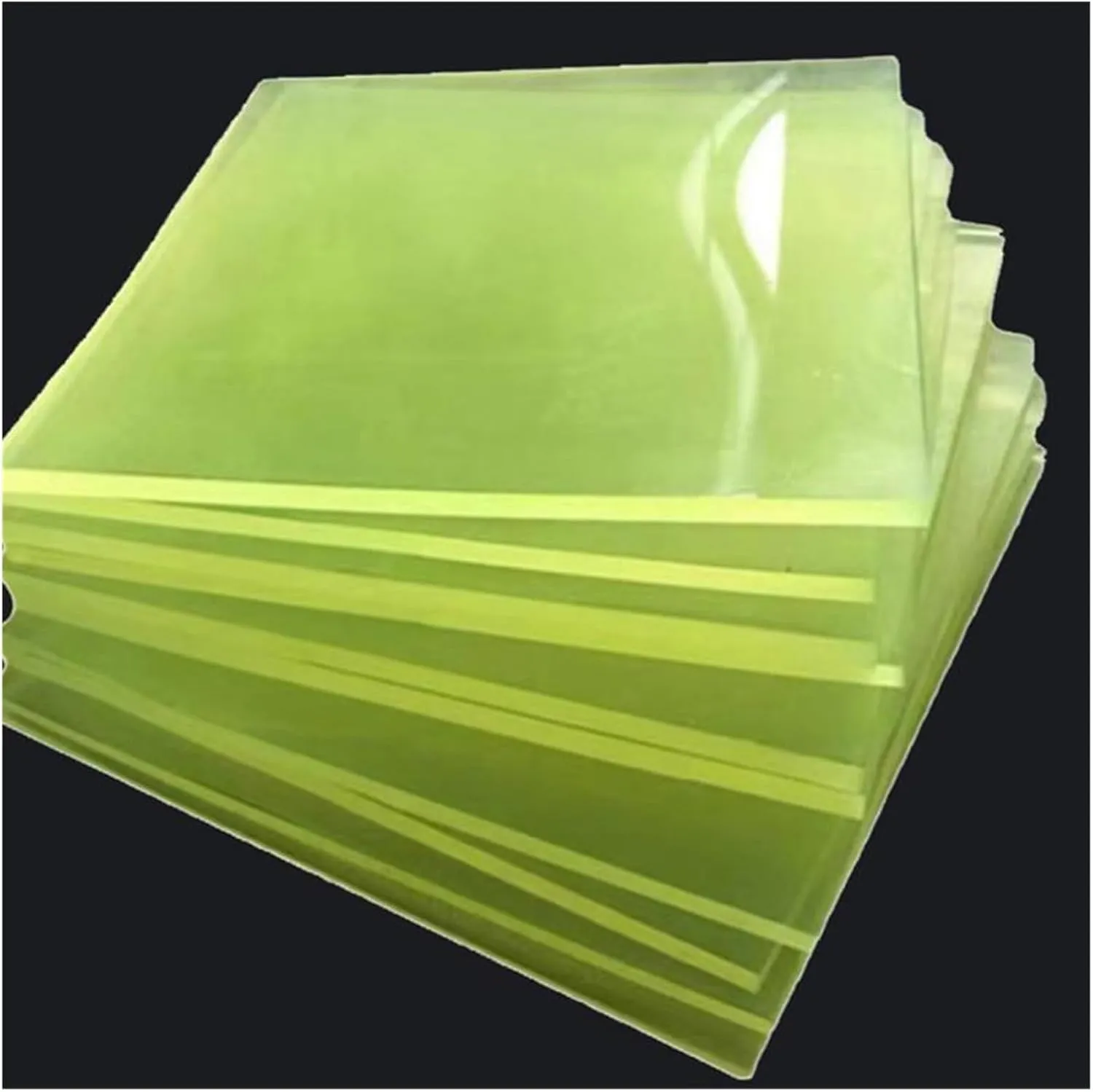
Polyurethane Board – Detailed Introduction
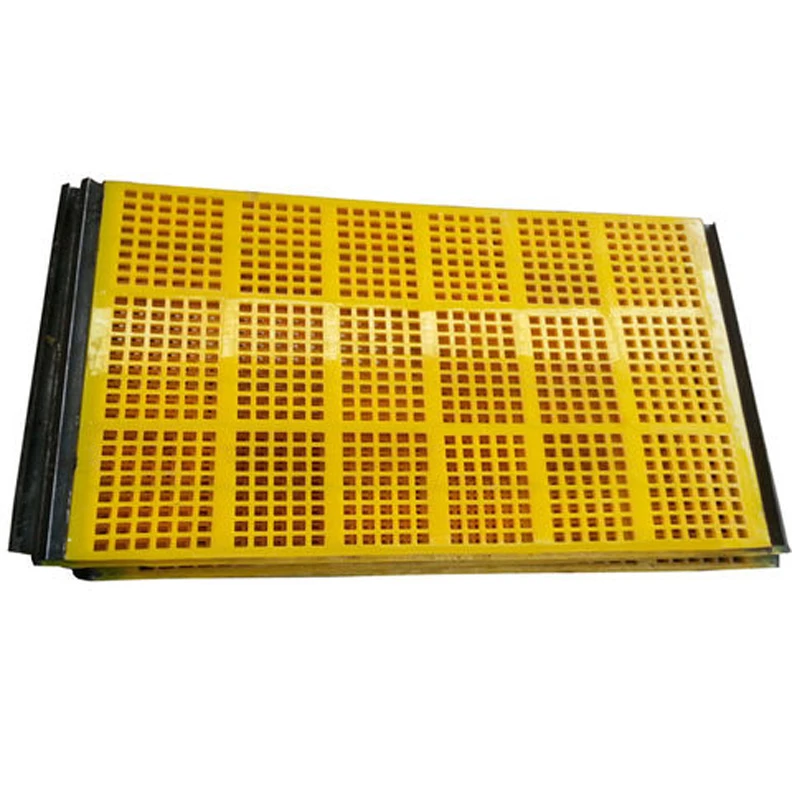
A Polyurethane Board (PU Board) is an industrial material manufactured from high-performance polyurethane elastomer, designed to provide excellent wear resistance, impact resistance, and chemical stability. Polyurethane boards are widely used as protective lining materials, structural components, and wear-resistant parts in industries such as mining, construction, metallurgy, bulk material handling, and manufacturing, where durability and long service life are essential.
Polyurethane combines the elasticity of rubber with the strength and toughness of plastic, making it an ideal solution for applications requiring both flexibility and high mechanical performance.
Structure and Composition
A typical polyurethane board consists of carefully engineered polymer materials formed through casting, molding, or compression processes. The structure generally includes the following elements:
1. Polyurethane Base Material
Polyurethane boards are produced by reacting polyols with isocyanates, forming a highly durable elastomer. The formulation can be adjusted to achieve different hardness levels, flexibility, and resistance properties. Common types include:
• Polyether-Based Polyurethane:
Provides excellent hydrolysis resistance and performs well in humid or water-exposed environments.
• Polyester-Based Polyurethane:
Offers superior abrasion resistance and higher mechanical strength, suitable for heavy wear applications.
2. Reinforcement or Embedded Structures (Optional)
For specialized applications, polyurethane boards may include embedded reinforcements such as metal inserts, fiberglass layers, or fabric backing to improve load-bearing capacity and dimensional stability.
3. Surface Treatment and Customization
The board surface can be customized with grooves, patterns, or textured finishes to improve friction performance, sealing ability, or material flow control. Precision machining and cutting services are also available to meet specific installation requirements.
Advantages and Benefits
✅ Superior Abrasion Resistance
Polyurethane boards demonstrate outstanding resistance to wear and friction, often lasting several times longer than rubber or conventional plastic materials in abrasive environments.
✅ Excellent Impact and Tear Resistance
The elastomer structure absorbs mechanical shocks and reduces cracking or tearing under heavy loads or repeated impact.
✅ Strong Chemical Resistance
PU boards resist oils, solvents, and many industrial chemicals, ensuring stable performance in harsh operating environments.
✅ Wide Hardness Range
Polyurethane boards can be manufactured in hardness ranges from soft elastic materials to rigid structural panels, allowing flexible application design.
✅ Lightweight and Easy Installation
Compared with metal liners, polyurethane boards are lighter and easier to install, reducing labor costs and downtime.
✅ Noise and Vibration Reduction
The elastic properties of polyurethane help reduce operational noise and vibration, improving working conditions and equipment protection.
Anwendungen
Polyurethane boards are widely used across multiple industrial sectors, including:
• Mining and Mineral Processing:
Used as chute liners, hopper liners, and screening surfaces to handle abrasive ores and aggregates.
• Bulk Material Handling Systems:
Applied in conveyor systems, transfer points, and loading equipment to minimize wear and extend equipment life.
• Construction and Engineering:
Used as vibration damping plates, protective panels, and wear-resistant structural components.
• Metallurgy Industry:
Installed in processing equipment to resist high-impact and abrasive materials.
• Manufacturing and Machinery:
Used for machine guards, sealing plates, cutting boards, and cushioning components.
• Agriculture and Recycling Industries:
Applied in sorting, conveying, and protective equipment for handling organic or recycled materials.

Verwandte Produkte
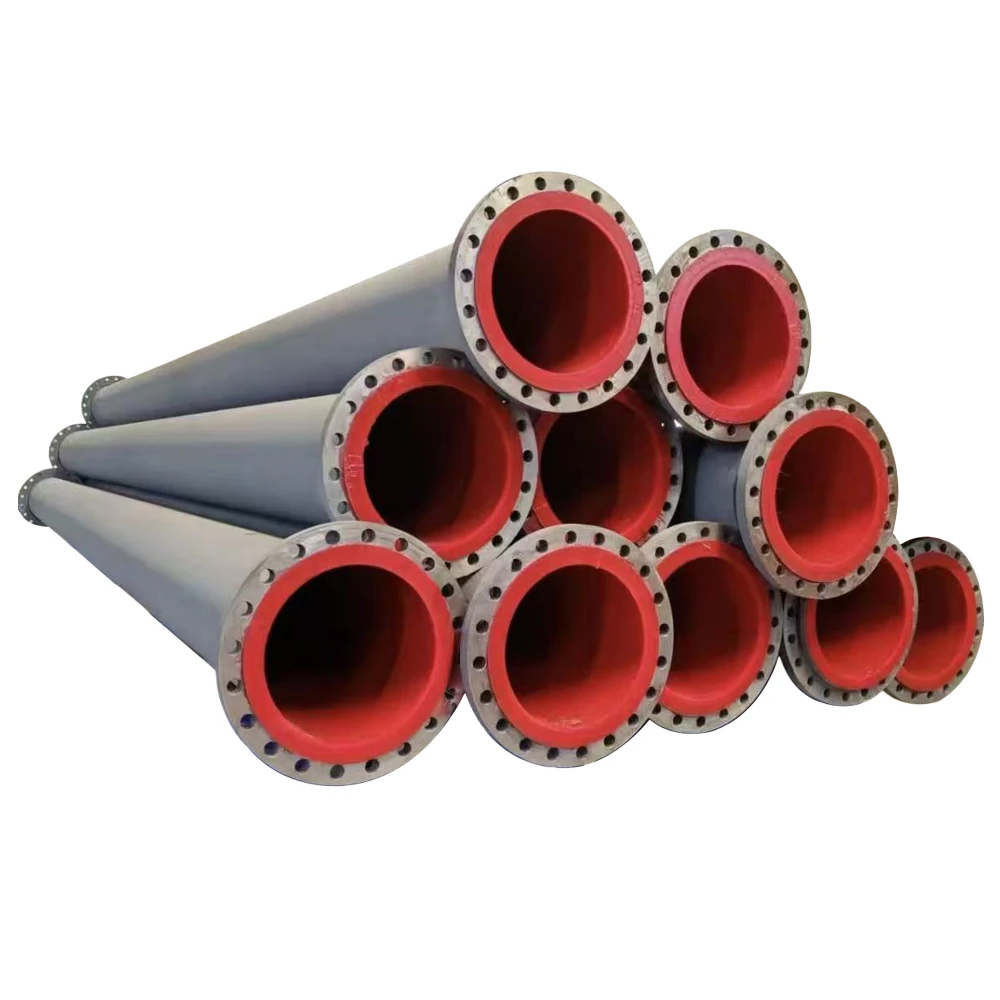
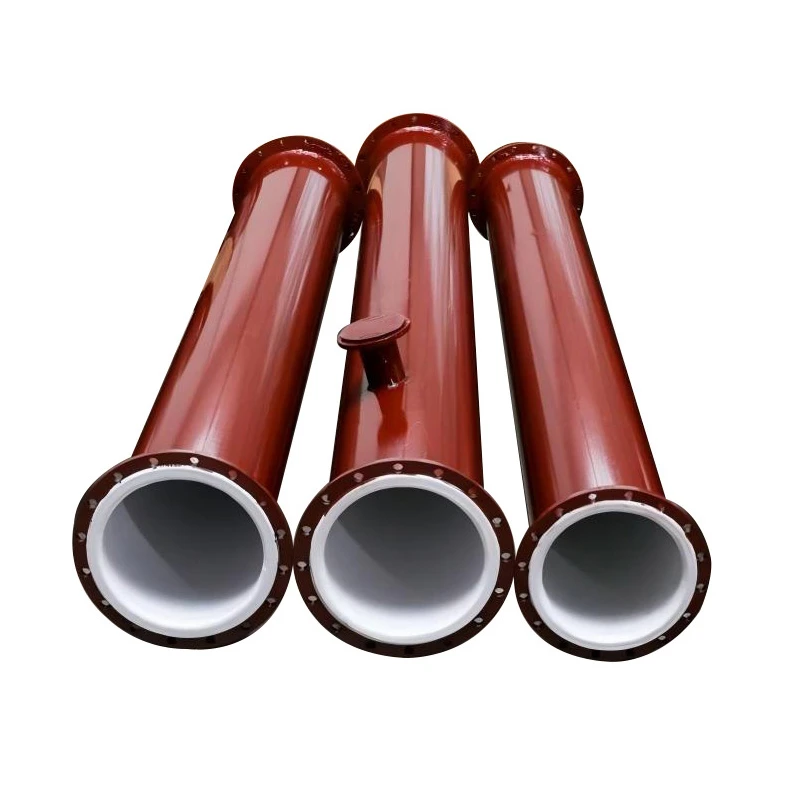
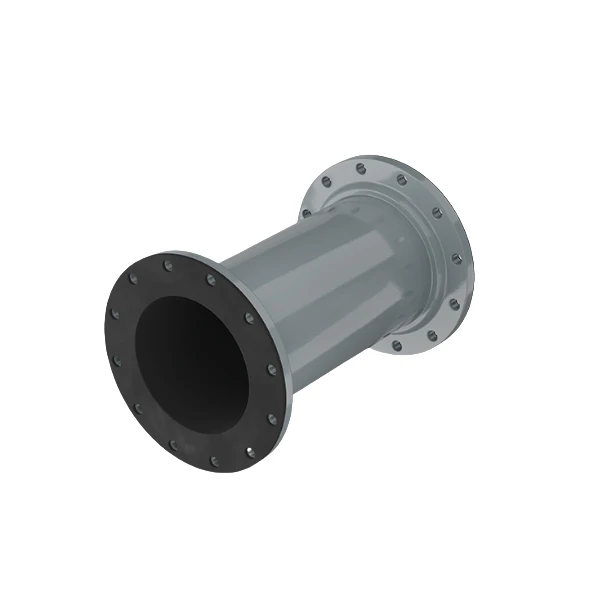
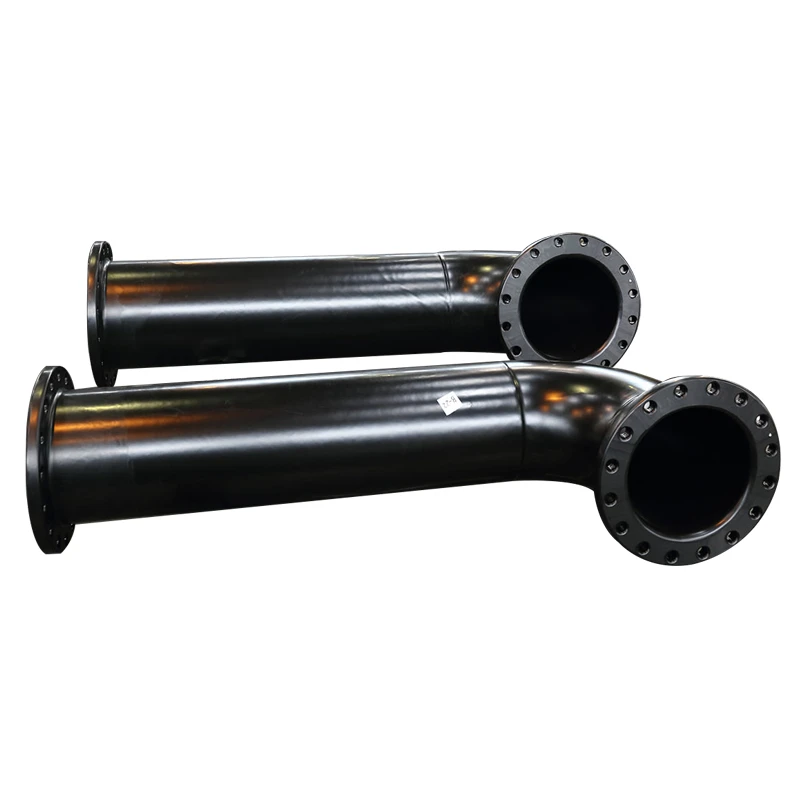
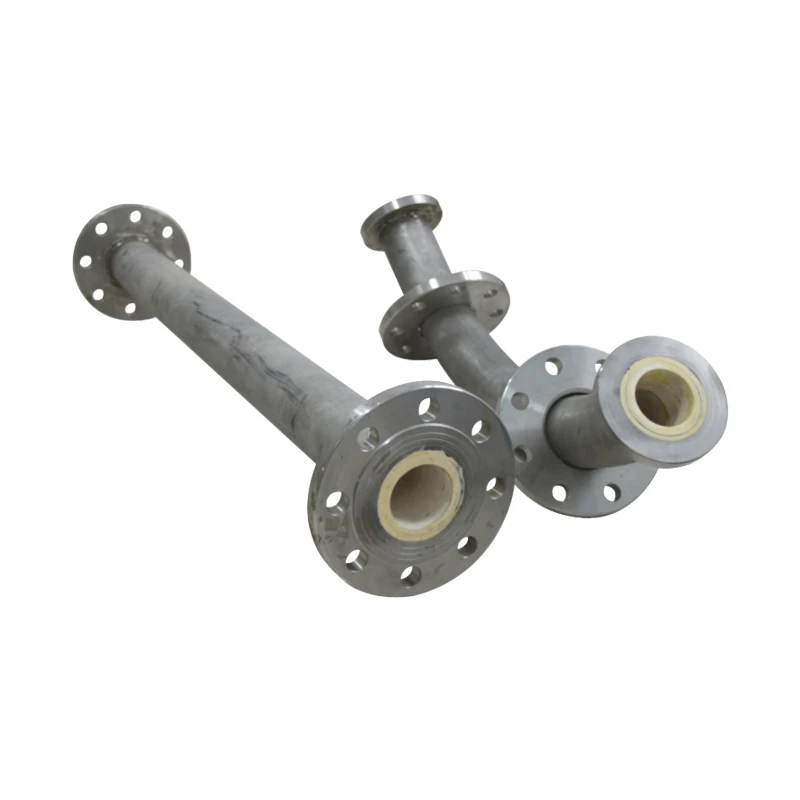
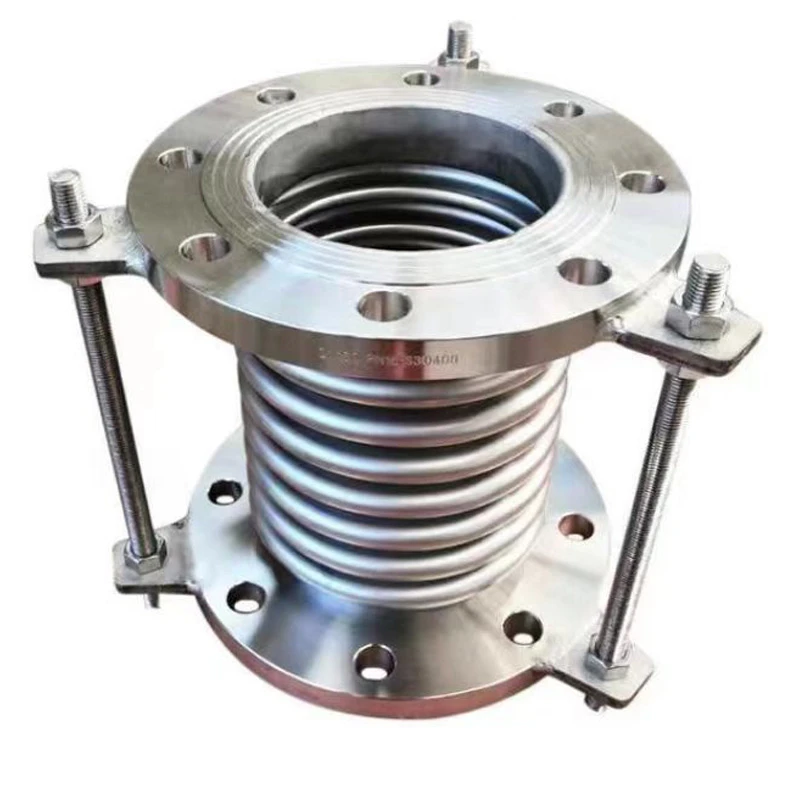
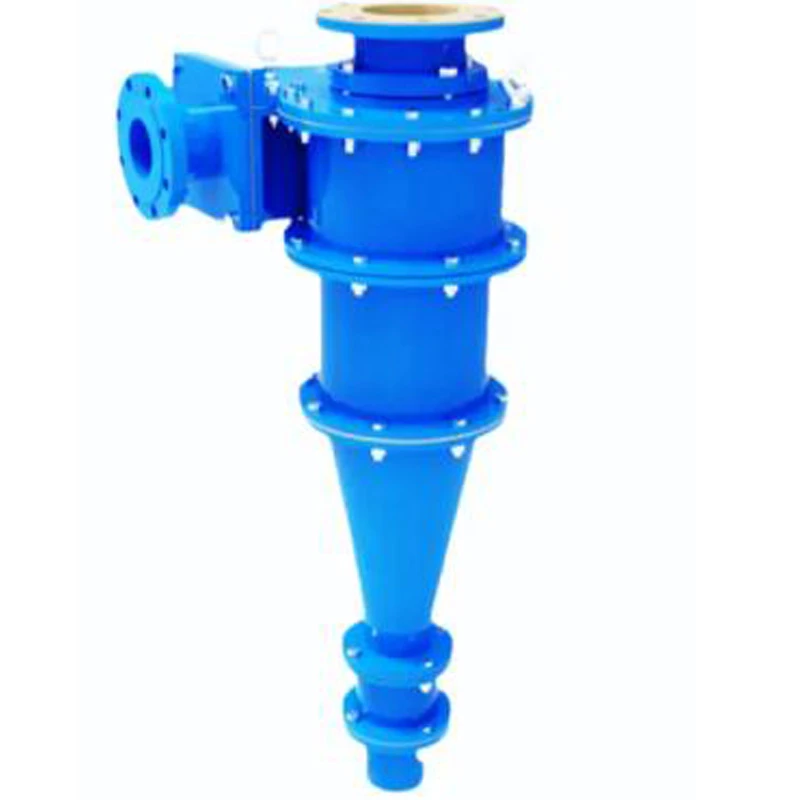
Unsere Hauptprodukte sind mit Polyurethan ausgekleidete Rohre, Armaturen für Bergbauausrüstung und Metallschläuche.



Verwandte Nachrichten
Copyright © 2026 Hebei Qiaowan Metallprodukte Co. LTD. Alle Rechte vorbehalten. Sitemap | Datenschutzrichtlinie