Choosing a Polyurethane Lined Pipe Elbow: Application Fit and Specification Checks
THE BUYER'S GUIDE / SELECTION
Choosing a Polyurethane Lined Pipe Elbow: Application Fit and Specification Checks
A buyer-focused guide to selecting polyurethane lined pipe components, especially the Polyurethane Lined Elbow Pipe, for abrasive and corrosive flows. It covers suitable applications, straight pipe, elbow and tee options, specifications buyers should confirm in writing, and when a PTFE lined pipe may suit strongly corrosive or high-purity media better.

Medium and duty: abrasive solids (slurry, sand, ore, ash, sediment) and high-speed particle impact fit polyurethane lining use
Applications: published uses are mining, power plant ash handling, chemical processing and water treatment
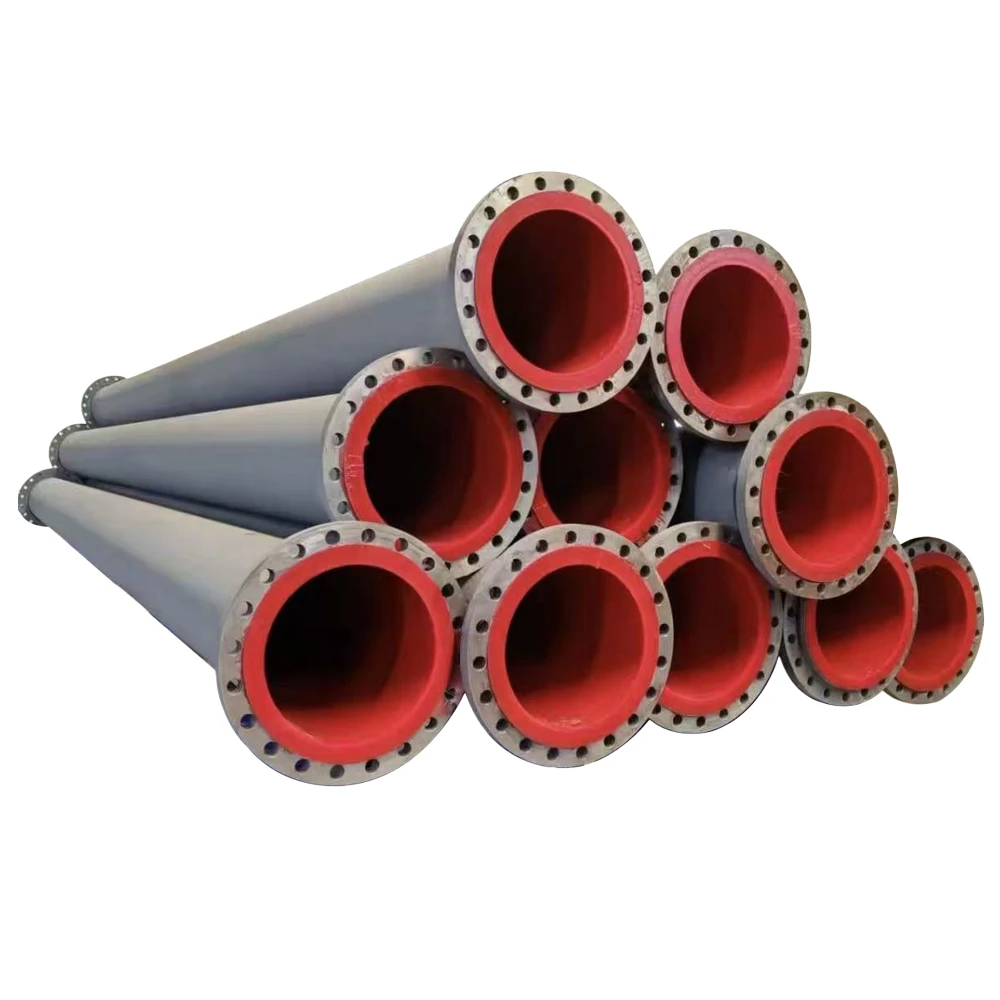
Construction: steel outer shell for mechanical strength with a polyurethane inner lining for wear, impact and chemical resistance
Geometry: elbows come in 45°, 90° or custom bends. Straight pipe and tee fittings are also documented
Customization: dimensions, angles and lining thickness for elbows; sizes, lengths and wall thicknesses for straight pipe
Specification items to confirm in writing: size, lining thickness, pressure rating, temperature limits, end connections, shell material
Chemical severity and purity: for strong acids, alkalis, solvents or high-purity service, compare against the PTFE lined pipe option
Choosing a Polyurethane Lined Pipe Elbow: Application Fit and Specification Checks
When a pipeline carries slurry, sand, ore or other abrasive material, the bends usually take the most wear. A polyurethane lined pipe system, including lined elbows, is built for these conditions. This guide explains how to check whether the Polyurethane Lined Elbow Pipe from Hebei Qiaowan Metal Products Co.LTD. suits your application and which details to confirm before you order. It uses only the published product descriptions. Price, lead time and certifications are not covered and need to be confirmed directly.
1. Start with the medium and the duty
First, define what the line carries. The published applications for the Polyurethane Lined Elbow Pipe are:
- Mining: ore, slurry and other abrasive materials in processing plants
- Power plants: ash handling systems and other high-wear applications
- Chemical processing: diverting corrosive or abrasive fluids
- Water treatment: sediment-rich or corrosive flows
If your duty is mainly abrasion and impact, such as slurry, sand, mining byproducts or high-speed particles, the product description matches your need. The polyurethane lining is described as resistant to wear, and its elastic nature absorbs shocks from high-speed particles.
If your duty is mainly aggressive chemical service, such as strong acids, strong alkalis, organic solvents or highly oxidizing chemicals, or if you need high-purity or hygienic transport, read section 5 before you decide.
2. Understand the construction
The lined elbow has two parts:
- A steel outer shell for mechanical strength and for high-pressure applications
- A polyurethane inner lining for wear resistance, chemical stability and impact absorption
The description says the lining has a smooth, low-friction surface that helps reduce material buildup and flow resistance. The resilient lining also dampens noise and vibration from the flow.
The straight PU Lined Pipe description lists carbon steel, stainless steel or ductile iron as typical outer shell materials, with the lining usually bonded seamlessly to the shell. If you need a specific shell material for the elbow, state it in your inquiry and ask for written confirmation.
3. Match the fitting to your layout
A polyurethane lined steel pipe system usually needs more than one type of component.
| Component | Role in the line | Customization described in the source |
|---|---|---|
| PU Lined Pipe (straight) | Main transport runs | Sizes, lengths and wall thicknesses |
| Polyurethane Lined Elbow Pipe | Changes flow direction at 45°, 90° or custom bends | Dimensions, angles and lining thicknesses |
| Polyurethane Lined Tee Pipe | Junction that splits flow into more than one direction | Size, angle and lining thickness |
For polyurethane lined pipe spools or a full line, list every elbow angle, tee position and straight length so that each component can be quoted against the same requirements.
4. Specification checklist for your inquiry
The published elbow description does not give numbers for diameter range, pressure rating, temperature limits, lining thickness or end connections. Treat these as items to confirm, not assumptions:
- Nominal size and bend angle: 45°, 90° or a custom angle, plus bend radius if your layout needs one
- Lining thickness: described as customizable, so specify what your wear rate requires
- Operating pressure and flow velocity: the description refers to high-pressure, high-velocity conditions but gives no rating. Ask for the design pressure in writing
- Operating temperature: no temperature range is published for the polyurethane lined parts. Confirm that the lining suits your process temperature
- Chemical makeup of the medium: give pH, solids content and particle type so that the lining can be checked against your medium
- End connections and shell material: state your flange standard or other connection type
- Documents and inspection: ask for any certificates, test records or standards you need. None are stated in the source material
The product description says the elbows can reduce maintenance costs and downtime by extending service life. Your actual results will depend on your medium, velocity and operating conditions, so check them against your own operating data.
5. When a polyurethane lined pipe may not be the right choice
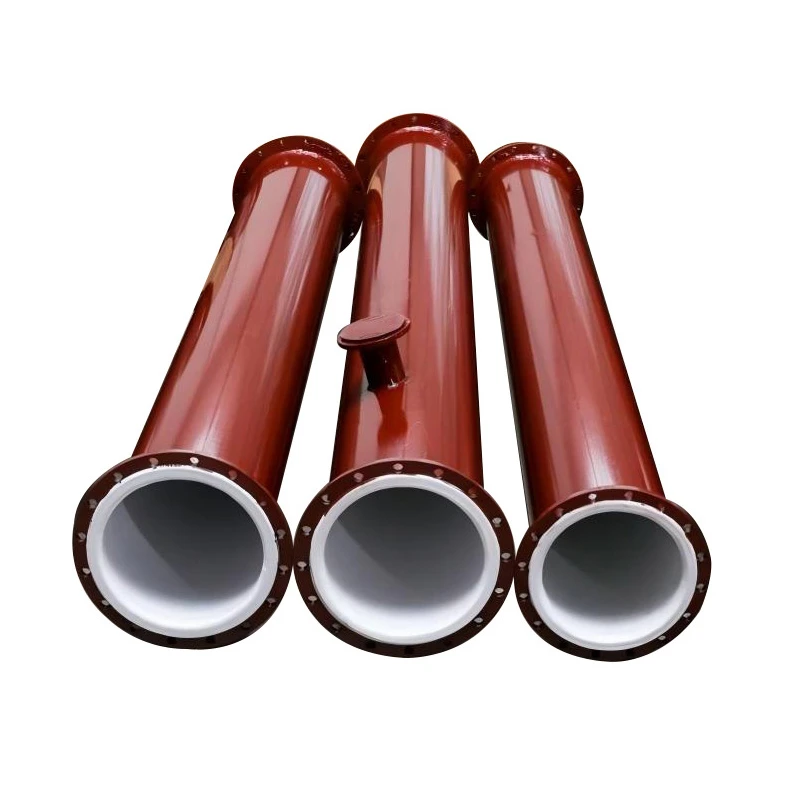
A polyurethane lining is mainly selected for abrasion, impact and general corrosion resistance. For some chemical duties, a PTFE lined pipe is the more specialized option. The PTFE Lined Pipe offers:
- Resists nearly all corrosive media, including strong acids, strong alkalis, organic solvents and highly oxidizing chemicals
- Typically operates from –50°C to +200°C, depending on the design
- Is intended for high-purity and hygienic use, such as pharmaceutical, food, semiconductor and ultra-pure chemical processes
- Is listed with a DN25–DN1200 diameter range, a working pressure typically up to 2.5 MPa, and connection forms that include fixed flanges, loose flanges, threaded ends and welded ends
If your main risk is chemical attack or contamination rather than particle wear, ask whether PTFE lining suits your medium better. If the medium is both highly abrasive and chemically aggressive, send the full media data so that both lining options can be reviewed. Neither source document claims one lining is better than the other for every service.
We have no published material for rubber lined pipe elbows, so this guide does not compare them.
6. Summary: quick fit check
The Polyurethane Lined Elbow Pipe is a reasonable candidate when:
- The medium is abrasive (slurry, sand, ore, ash, sediment) or both abrasive and corrosive
- Direction changes in the line wear out quickly
- You need custom angles, dimensions or lining thicknesses
- Noise and vibration from the flow are a concern
Confirm the details before ordering when your process involves strong acids or solvents, high-purity requirements, temperatures or pressures you haven't verified, or specific certification requirements.
To request a quotation, send Hebei Qiaowan Metal Products Co.LTD. your medium, size, angle, pressure, temperature and connection details. Price, delivery time and documents will be confirmed for your project.
THE PEOPLE

About the author
THE COMPANY
Hebei Qiaowan Metal Products Co.LTD.
Our Vision For metal products, rubber, and plastic products Customer satisfaction is at the heart of everything we do. We take pride in offering exceptional customer service, including technical consultations, design optimization, and comprehensive after-sales support. At Hebei Qiao Wan, we emphasize quality and innovation at every step. From material selection to manufacturing and final testing, we maintain rigorous quality control measures to ensure that our products meet or exceed international standards.
About Us ↗Visit company website ↗YOUR NEXT STEP
Bring your brief. Start a useful conversation.
Use case, specification, quantity and delivery window: make the next conversation specific.




Related Products
Our main products are polyurethane lined pipes, mining equipment fittings and metal hoses.