Reliable pu lined pipe manufacturer with 10+ years experience
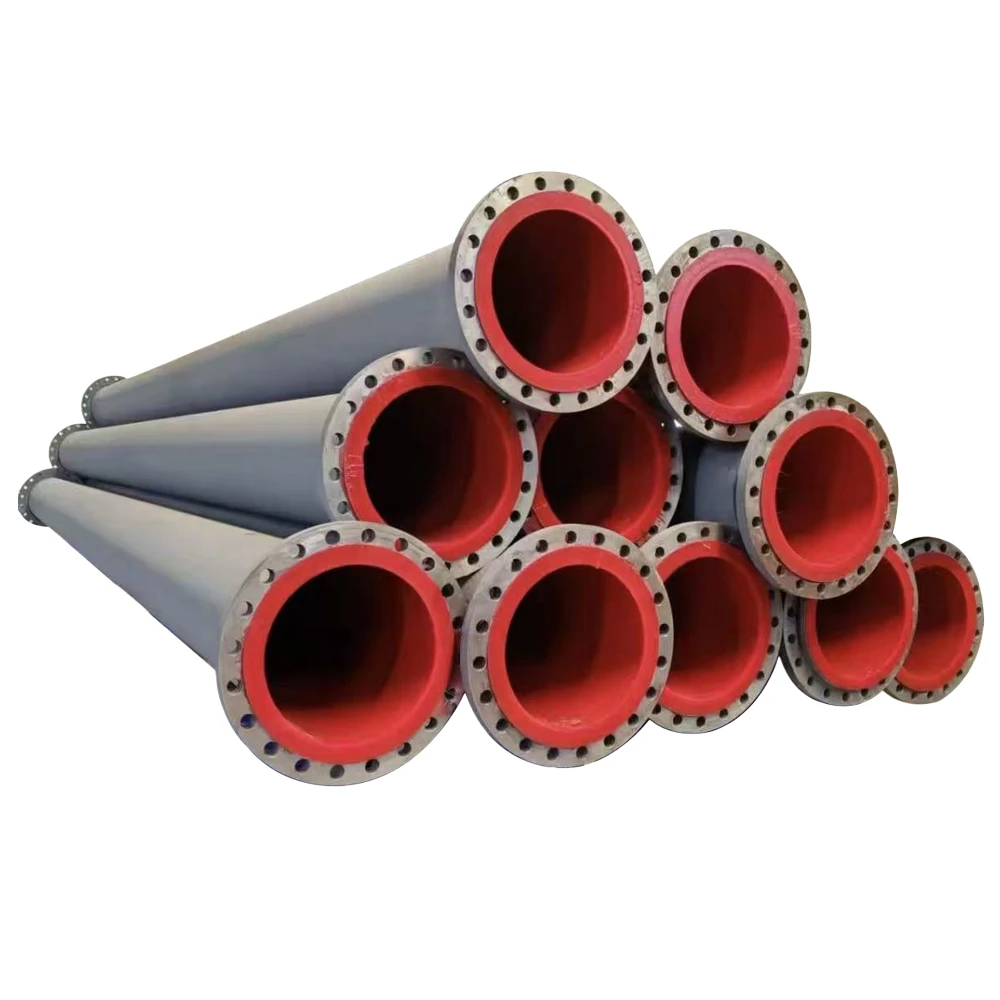
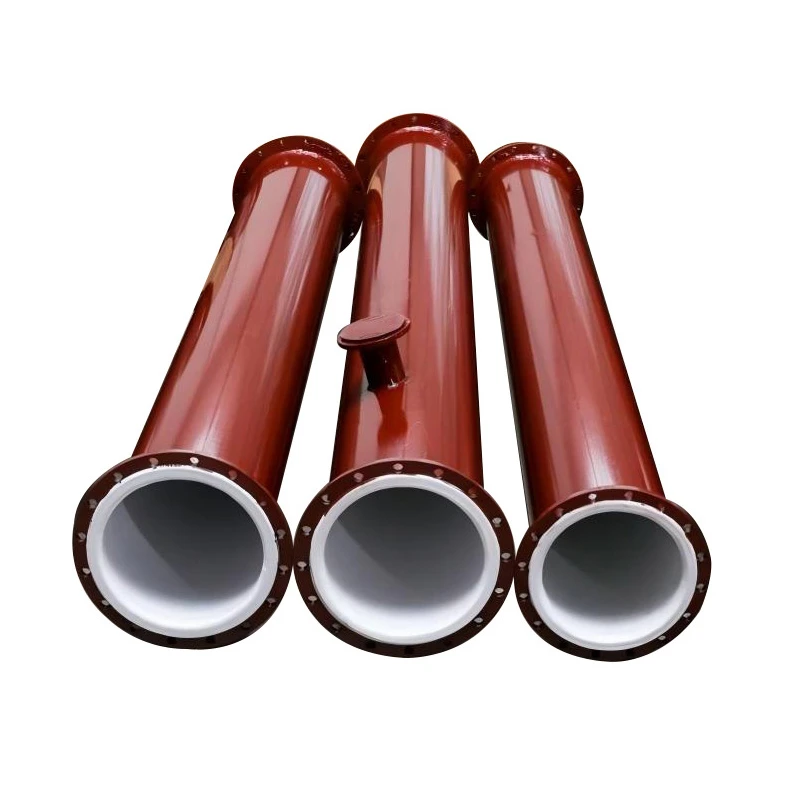
When dealing with highly abrasive slurries or corrosive fluids, the integrity of industrial piping is often the weakest link in production efficiency. Polyurethane (PU) lined pipes offer a critical engineering solution by combining the structural rigidity of steel with the extreme wear resistance of high-performance elastomers. For industries like mining, chemical processing, and oil and gas, selecting a PU lined pipe manufacturer with 10+ years experience is not merely about procurement, but about ensuring long-term operational stability and reducing unplanned downtime caused by liner failure or pipe wall erosion.
These specialized pipelines are engineered to withstand mechanical shocks and chemical aggression that would destroy standard carbon steel or rubber-lined alternatives. By integrating precisely cast polyurethane boards or extruded linings, these systems provide a seamless barrier that extends the service life of the asset significantly. Whether your application involves transporting mineral ores or aggressive industrial chemicals, understanding the technical nuances of PU material selection is key to optimizing your infrastructure.

Technical Composition and Material Engineering of Polyurethane Linings
The performance of a polyurethane lined pipe is fundamentally determined by the chemical formulation of the PU elastomer. Polyurethane is synthesized through the reaction of polyols and isocyanates, allowing engineers to tune the material's properties based on the specific demands of the environment. Generally, two primary types are utilized in industrial lining:
- Polyether-Based Polyurethane: Specifically engineered for environments with high humidity or constant water exposure, offering superior hydrolysis resistance.
- Polyester-Based Polyurethane: Optimized for maximum abrasion resistance and higher mechanical strength, making it the preferred choice for heavy-duty mineral transport.
Beyond the base polymer, the internal structure may include embedded reinforcements such as fiberglass or metal inserts to enhance dimensional stability under high pressure. The bonding process between the steel outer shell and the PU inner layer is critical; advanced casting and molding techniques ensure that the liner does not delaminate under vacuum or thermal expansion, providing a consistent, wear-resistant interior surface.

Core Advantages: Why PU Linings Outperform Conventional Materials
Polyurethane combines the elasticity of rubber with the toughness of hard plastics, creating a unique material profile that addresses several industrial pain points. The most significant advantage is superior abrasion resistance; PU liners often last several times longer than rubber in environments where particulate matter causes constant friction.
Furthermore, the material's ability to absorb mechanical shocks prevents the cracking and tearing often seen in rigid ceramic linings. This impact resistance is coupled with strong chemical stability, allowing the pipes to resist oils, solvents, and a wide array of industrial chemicals. From an operational standpoint, PU boards are significantly lighter than metal liners, which simplifies the installation process and reduces the overall load on support structures, leading to lower labor costs during maintenance cycles.
Industrial Application Scenarios and Integration Logic
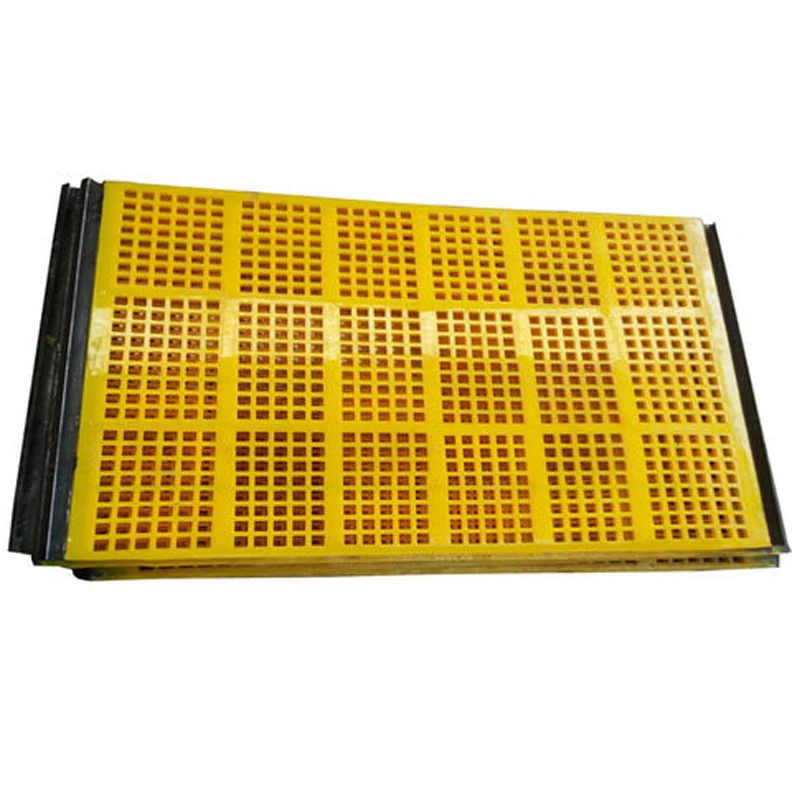
The deployment of polyurethane lined systems is strategic, targeting areas where material flow is most aggressive. In Mining and Mineral Processing, they are indispensable as chute and hopper liners to handle abrasive ores. In Bulk Material Handling, they minimize wear at transfer points, ensuring that the conveyor systems operate without frequent leakages or pipe bursts.
In the Chemical and Metallurgy sectors, these pipes serve as protective conduits for aggressive fluids, preventing the steel housing from corroding. The engineering logic is simple: the PU liner takes the brunt of the wear and chemical attack, while the steel provides the pressure rating required for high-velocity transport. This dual-layer approach is also effective in the Agriculture and Recycling industries for handling organic waste or recycled glass and plastics, where noise and vibration reduction are also desired outcomes of the elastic PU properties.
Material Performance and Selection Matrix
| Material Type | Abrasion Resistance | Hydrolysis Resistance | Recommended Application |
|---|---|---|---|
| Polyether-PU | High | Excellent | Wet Slurries / Water Treatment |
| Polyester-PU | Excellent | Moderate | Dry Ore / Abrasive Minerals |
| Reinforced PU | Very High | High | High-Impact Transfer Points |
| Soft-Grade PU | Medium | High | Vibration Damping / Sealing |
| Hard-Grade PU | Excellent | Moderate | Heavy-Duty Industrial Lining |
Evaluating Suppliers: Quality Control and Manufacturing Precision
Procuring high-performance linings requires more than comparing prices; it requires an evaluation of the manufacturer's technical depth. Quality begins with material selection and extends to the precision of the casting process. A reliable manufacturer must maintain rigorous quality control measures from the initial polymer reaction to the final pressure testing to ensure the product meets international standards.
Critical evaluation points for buyers include the manufacturer's ability to provide customized hardness levels and specialized surface treatments, such as grooves or textured finishes for flow control. The presence of senior engineers and skilled technicians is a marker of a supplier's ability to offer design optimization, ensuring that the liner thickness and material grade are perfectly matched to the specific velocity and chemistry of the transported medium, thereby avoiding over-engineering or premature failure.
Procurement Strategy and Future Maintenance Trends
As industrial operations move toward greater sustainability, the focus is shifting from "lowest initial cost" to "lowest total cost of ownership." This shift favors high-quality polyurethane solutions that reduce the frequency of replacement. Buyers are encouraged to request technical consultations to optimize liner thickness, as excessively thick liners can reduce the internal diameter and increase pumping energy requirements.
Future trends indicate an increase in the use of hybrid liners and smart monitoring systems that can detect liner wear before a breach occurs. For procurement managers, establishing a partnership with a manufacturer capable of producing both standardized and customized solutions is essential for maintaining a flexible supply chain. Prioritizing durability and precision machining ensures that the installation is seamless, minimizing downtime and maximizing the operational life of the piping network.
Technical FAQ: Understanding Polyurethane Lined Systems
What is the main difference between polyether and polyester polyurethane liners?
Polyether-based PU offers superior resistance to water and humidity (hydrolysis), making it ideal for wet environments, while polyester-based PU provides higher mechanical strength and abrasion resistance for dry, heavy-wear applications.
Can PU lined pipes handle high-pressure industrial fluids?
Yes, because the structural strength is provided by the outer steel pipe, while the PU lining provides the protective interior. The pressure rating depends on the steel wall thickness and grade.
How does the lifespan of a PU liner compare to rubber lining?
In highly abrasive environments, polyurethane typically lasts several times longer than traditional rubber due to its higher tear strength and superior hardness options.
Are these pipes customizable for specific industrial dimensions?
Yes, professional manufacturers can provide customized solutions, including specific diameters, wall thicknesses, and customized PU hardness levels based on the client's operational requirements.
What are the signs that a PU liner needs replacement?
Common signs include an increase in the corrosion rate of the outer steel shell, visible thinning of the liner during inspections, or a decrease in flow efficiency due to surface degradation.
Do PU liners reduce operational noise in the plant?
Yes, the elastic properties of polyurethane help absorb vibrations and reduce the noise generated by the transport of bulk materials compared to all-metal piping.
Industry Technical References
- Polyurethane Elastomer Material Properties Research
- International Standards for Industrial Piping and Linings
- ASTM Standards for Abrasion Resistance Testing
- Environmental Guidelines for Industrial Chemical Transport
Ensuring the longevity of your industrial piping requires a balance of material science and precision engineering. By choosing high-performance polyurethane linings, businesses can significantly reduce maintenance costs and enhance operational safety.
Related Industry Insights