iron ore processing

PTFE Bellow

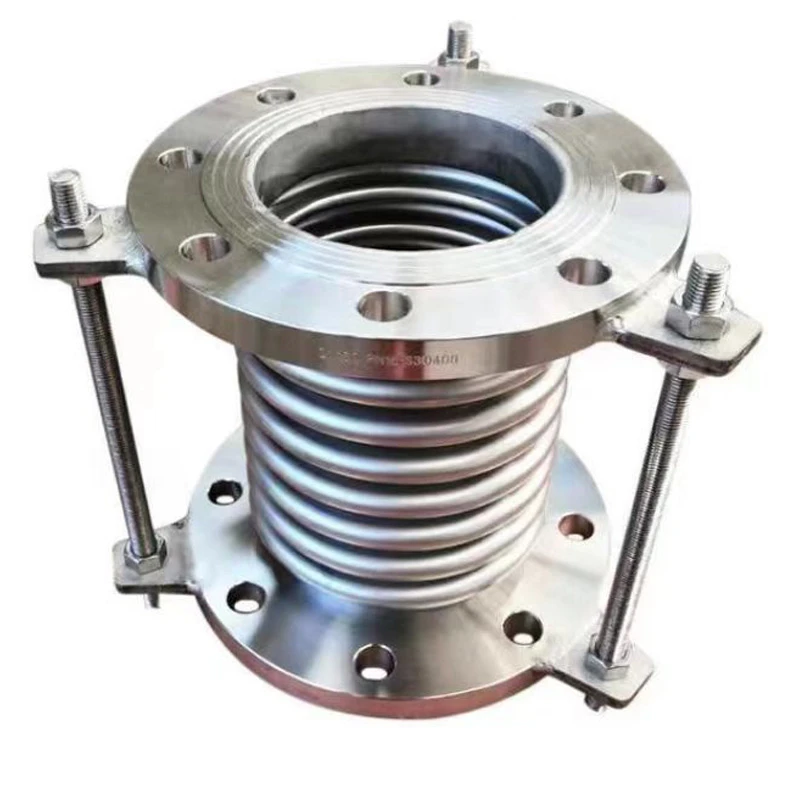
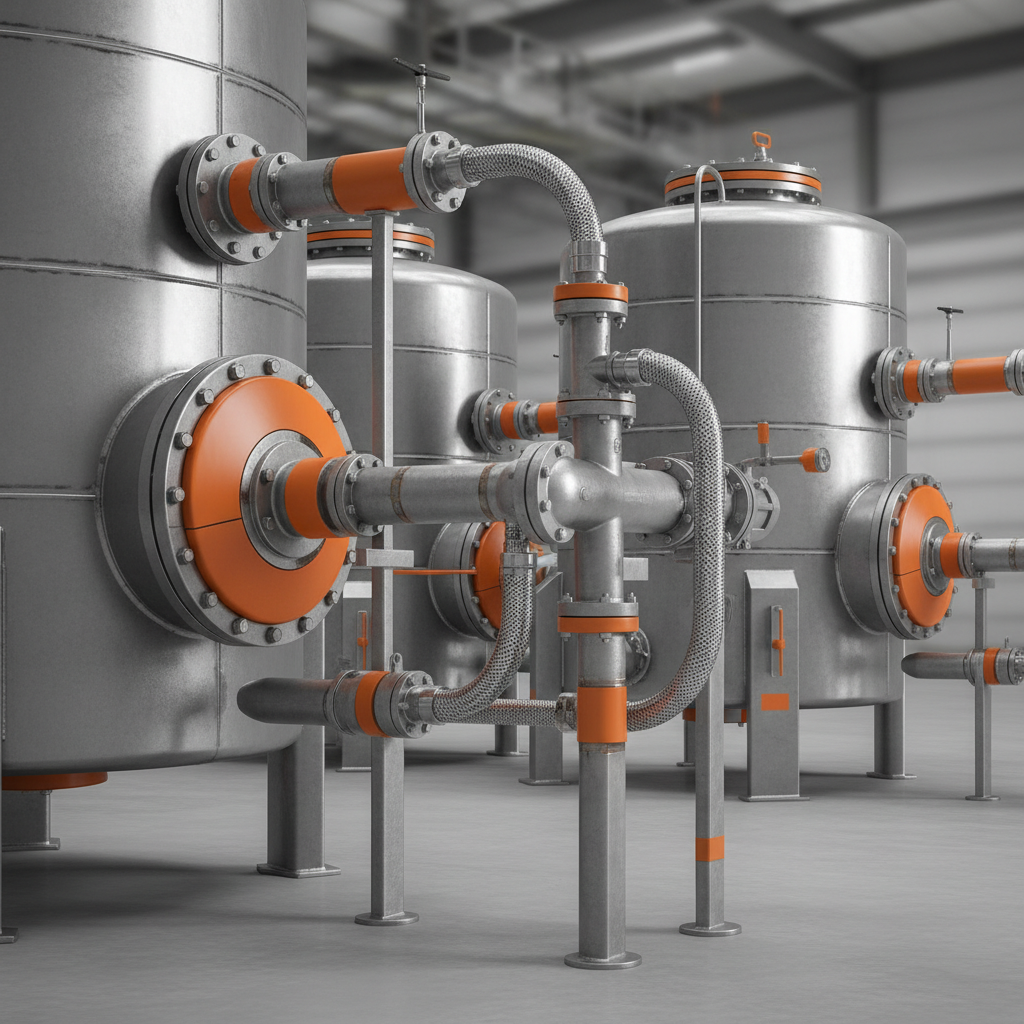
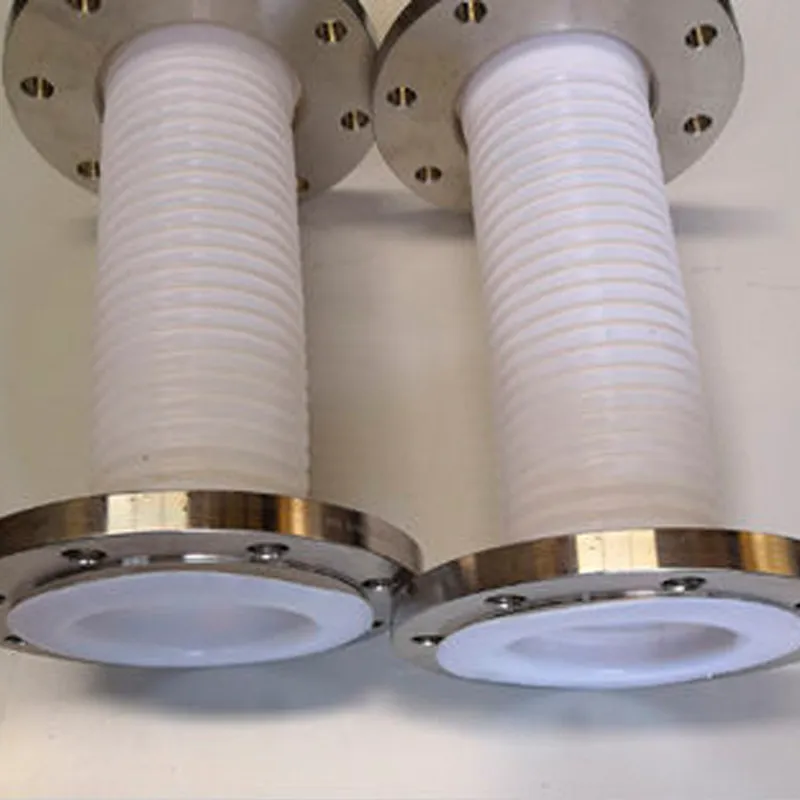
A PTFE bellow is a flexible, bellows-shaped component that is primarily used in various industries for its excellent resistance to chemicals, high temperatures, and mechanical wear. PTFE (Polytetrafluoroethylene) is a synthetic fluoropolymer renowned for its non-stick properties and high chemical resistance, making it ideal for applications in industries that involve harsh environments or extreme conditions. PTFE bellows are typically used in fluid or gas handling systems to provide flexibility, prevent leaks, and absorb movement or vibration.
  • 991
Read More About ptfe bellows manufacturer

Structure and Materials

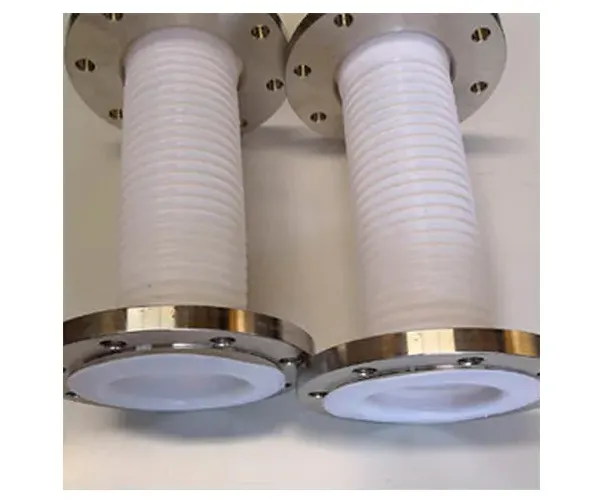
PTFE bellows are typically made by expanding PTFE into a series of folds or pleats, creating a flexible and compressible design. The main advantage of PTFE is its non-reactivity, making it resistant to a wide range of chemicals, including acids, alkalis, and organic solvents. The bellows' structure allows for expansion and compression, accommodating movement, misalignment, or thermal expansion in piping systems or equipment.
The flexibility of PTFE bellows also helps in absorbing vibrations, thermal expansion, and axial or lateral displacements in piping systems or machinery. They can be custom-made in various sizes and designs, depending on the specific requirements of the application, such as the need for strength, flexibility, or resistance to certain temperatures or pressures.

Advantages

PTFE bellows offer numerous advantages over other materials such as rubber or metal bellows.

They provide a long-lasting, chemical-resistant, and flexible sealing solution for harsh environments.

Their ability to absorb movement, thermal expansion, and vibrations makes them an ideal choice in applications where other materials might fail.

Moreover, their non-stick properties ensure smooth operation with minimal maintenance, reducing operational costs.

Key Features

  1.  
  2. 1.Chemical Resistance: PTFE is highly resistant to corrosion and chemical attack, making it suitable for aggressive chemical environments.

  3. 2. High-Temperature Resistance: PTFE can withstand temperatures from -200°C to +260°C, which is ideal for high-temperature applications.

  4. 3.Low Friction: PTFE’s low friction properties allow for smooth operation, minimizing wear and tear on moving parts.

  5. 4. Flexibility and Expansion: PTFE bellows can handle axial and lateral movements, making them suitable for absorbing shocks and reducing stress in mechanical systems.

  6. 5. Durability: PTFE is highly durable and can resist abrasion, ensuring long service life even in challenging environments.


Applications

PTFE bellows are commonly used in industries such as:
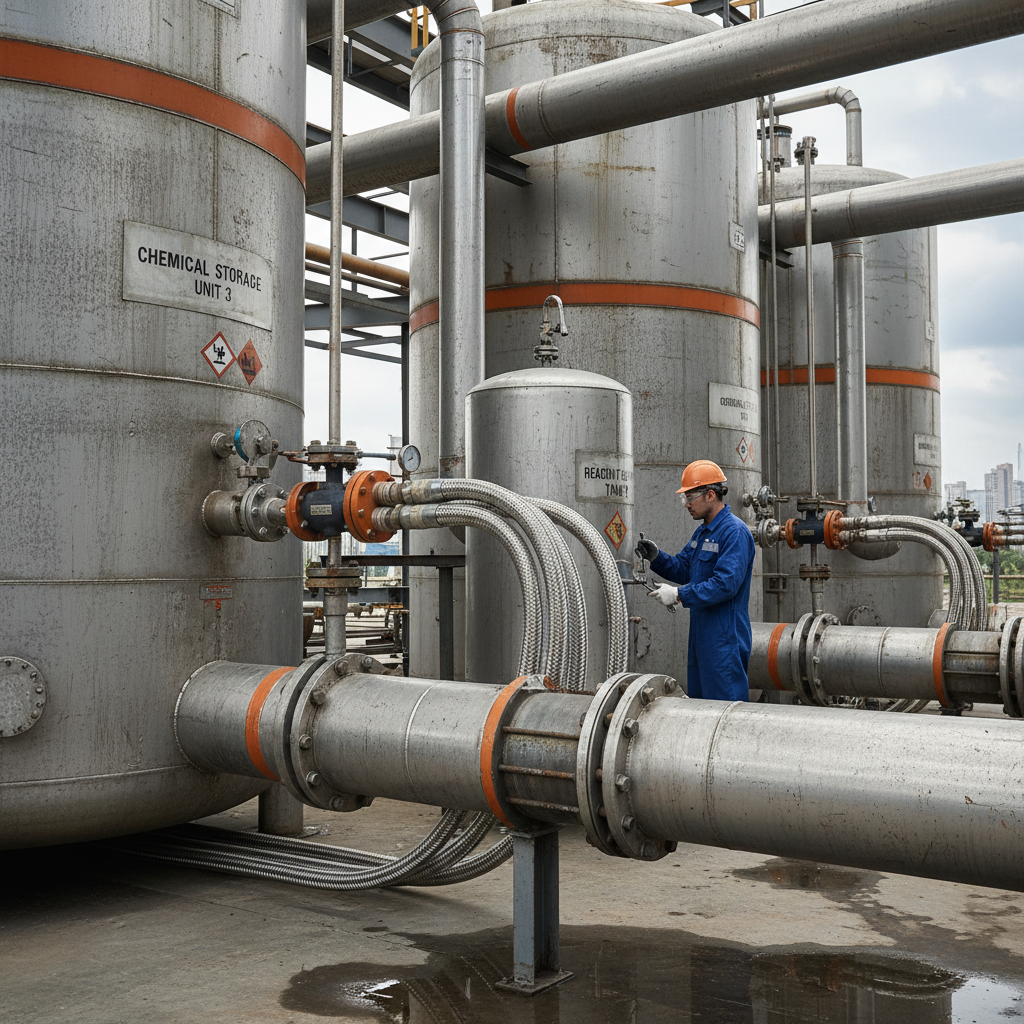
- Chemical Processing: For sealing and protecting systems that handle aggressive or corrosive chemicals.
- Pharmaceuticals: To prevent contamination and maintain sanitary conditions in sensitive manufacturing processes.
- Food Processing: To ensure safe handling of food-grade materials, where non-reactive and non-toxic materials are critical.
- Semiconductor and Electronics: In systems that require high purity and resistance to chemicals and heat.
- Energy: In power plants or other high-temperature systems where thermal expansion needs to be accommodated.


Conclusion

PTFE bellows are essential components in many industrial applications where flexibility, chemical resistance, and durability are required.

Their ability to withstand extreme conditions and their versatility in handling thermal expansion, movement, and pressure make them indispensable in modern engineering.

PTFE Bellow FAQ

What is a PTFE bellow and its main function?

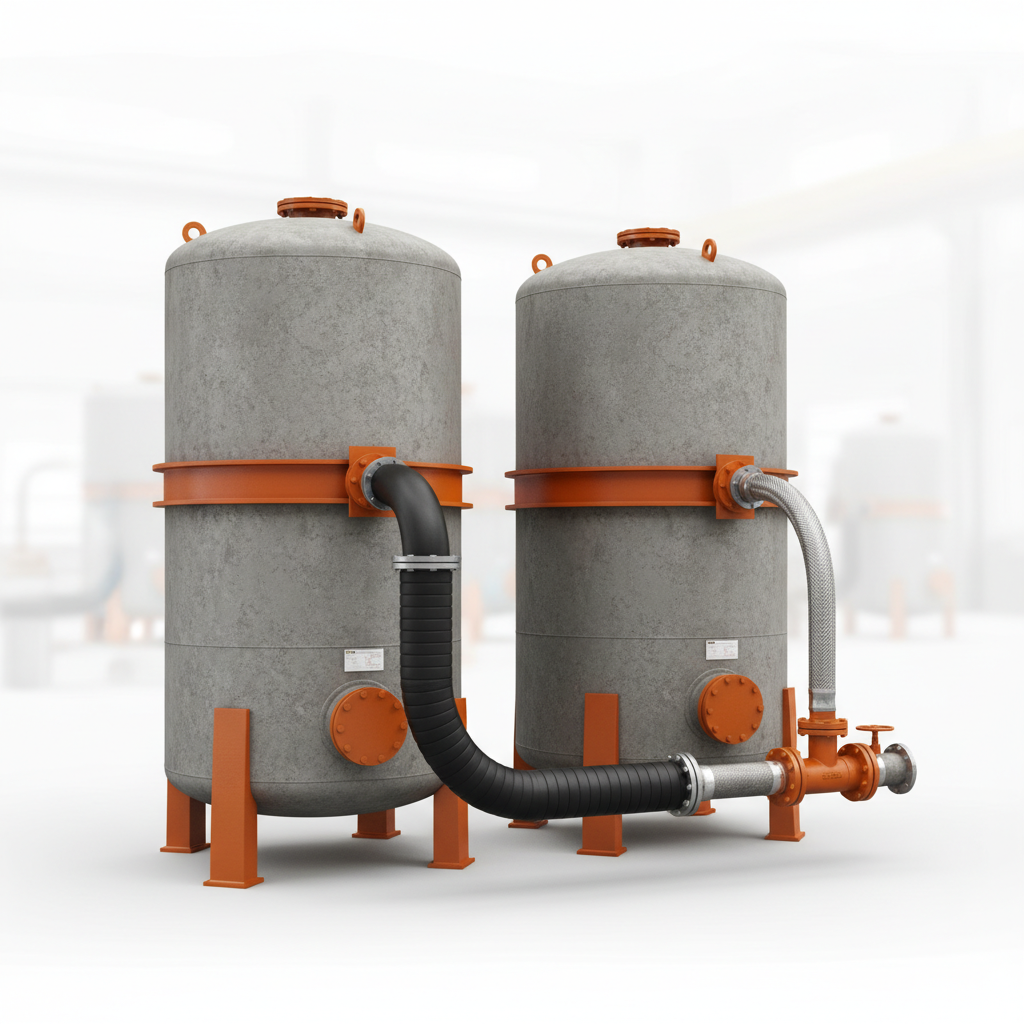
A PTFE bellow is a flexible expansion joint with a PTFE lining. It compensates for pipeline movement, absorbs vibration, and resists chemical corrosion, ensuring safe and reliable fluid transport in industrial applications.

Which industries use PTFE bellows?

PTFE bellows are commonly used in chemical, pharmaceutical, food processing, and high-purity fluid systems. Their flexibility and chemical resistance make them ideal for aggressive and corrosive pipelines.

Can PTFE bellows handle high-pressure pipelines?

Yes, PTFE bellows are designed for medium to high-pressure systems. The PTFE lining protects against chemical attack while maintaining flexibility and vibration absorption under pressure.

Are PTFE bellows resistant to chemical corrosion?

Absolutely, PTFE lining provides excellent resistance to acids, alkalis, and solvents. This prevents pipeline damage and ensures long-term durability in chemical and industrial fluid systems.

How do PTFE bellows reduce pipeline stress?

They absorb thermal expansion, vibrations, and mechanical misalignment. This protects connected equipment, valves, and pipelines from stress-induced damage and reduces maintenance frequency.

Can PTFE bellows be customized?

Yes, PTFE bellows can be customized in diameter, length, pressure rating, and flange type. Customization ensures compatibility with industrial pipelines and optimal performance for specific chemical systems.

How to maintain PTFE bellows?

Inspect for cracks, ensure proper alignment, and avoid overextension or excessive pressure. PTFE’s chemical resistance makes cleaning easier, extending service life and maintaining pipeline safety.

What fluids are suitable for PTFE bellows?

PTFE bellows handle acids, alkalis, solvents, and corrosive mixtures. Their chemical resistance and flexibility make them ideal for chemical plants, pharmaceutical production, and high-purity fluid systems.

PTFE Bellows Have a Unique Structure and Is Suitable for Precision Equipment

Contact Us beneficiation of iron ore
Copyright © 2026 Hebei Qiaowan Metal Products Co.LTD. All Rights Reserved. Sitemap | Privacy Policy | Top Blog
phone
email
Whatsapp
phoneFoot

If you are interested in our products, you can choose to leave your information here, and we will be in touch with you shortly.


  • whatsapp

Need Help?
Drop us a message using the form below.