iron ore processing

PTFE Lined Compensators

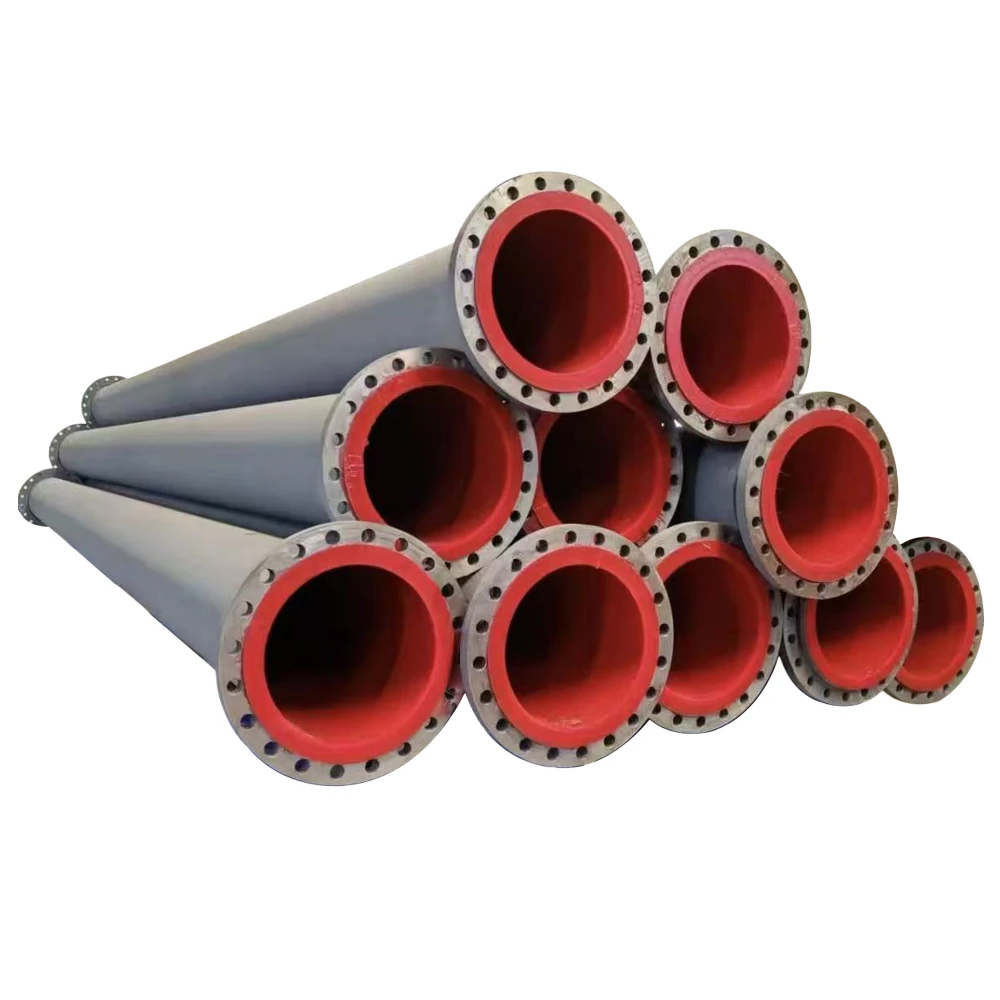
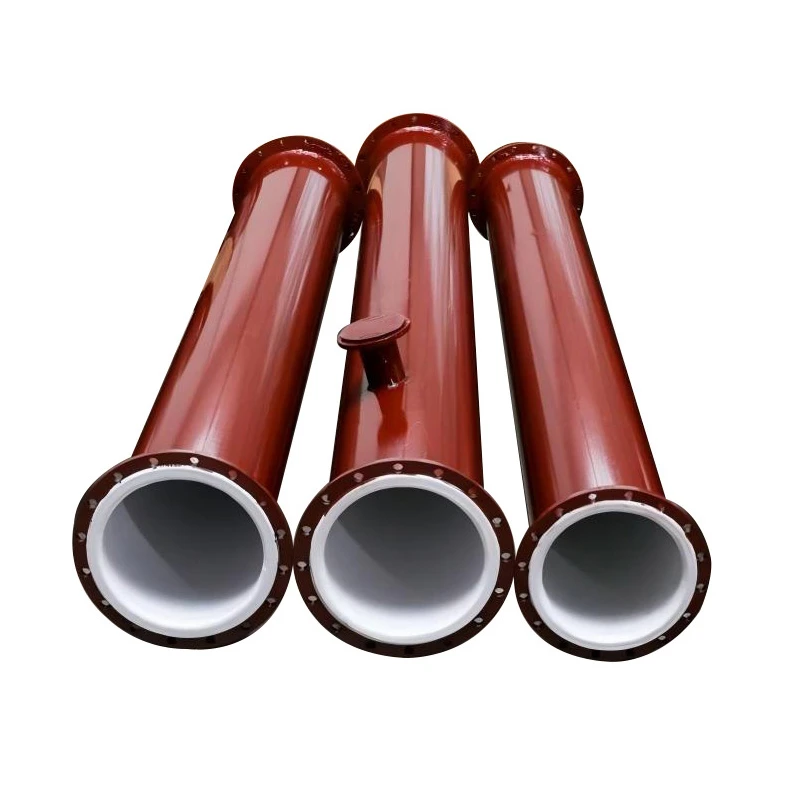
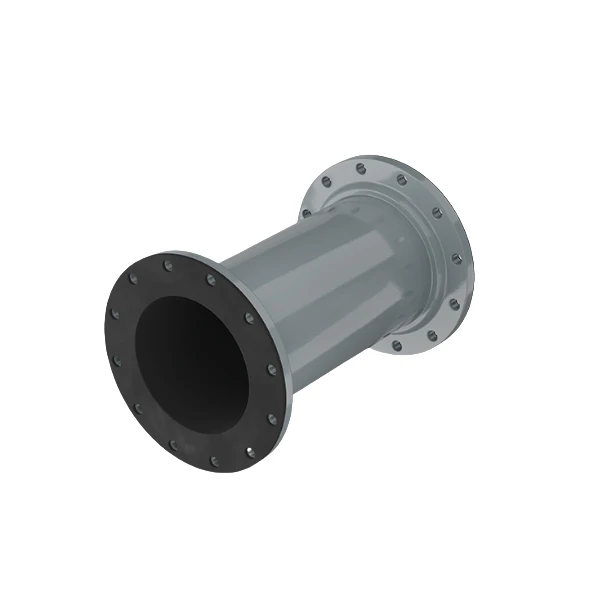
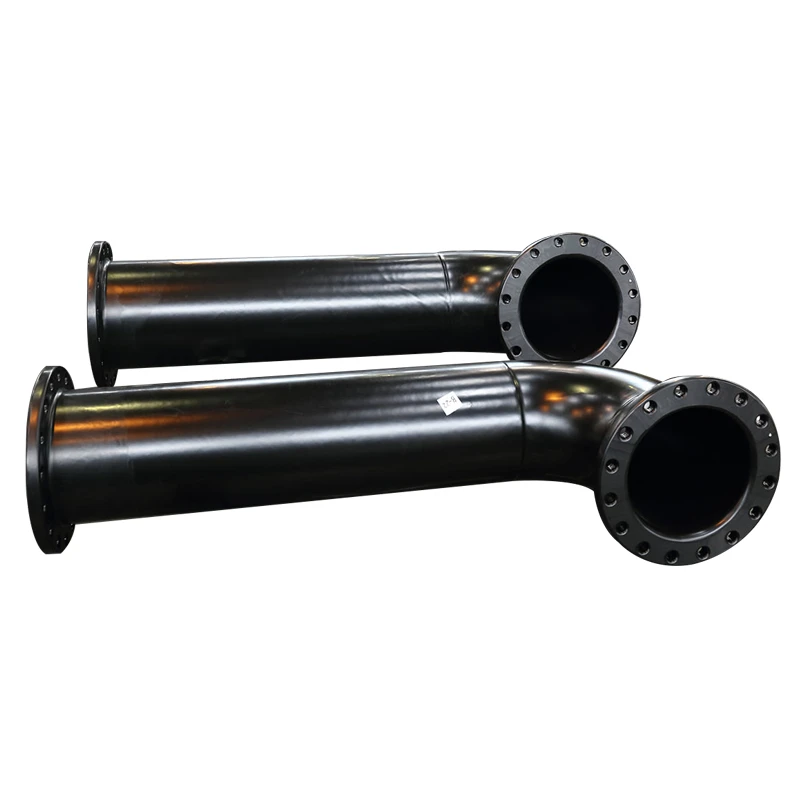
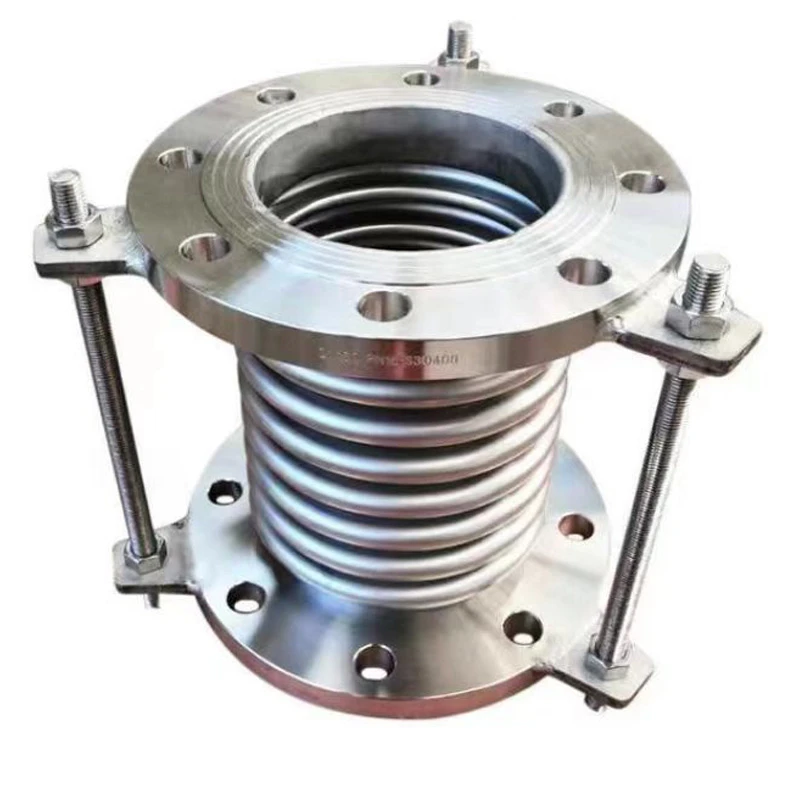
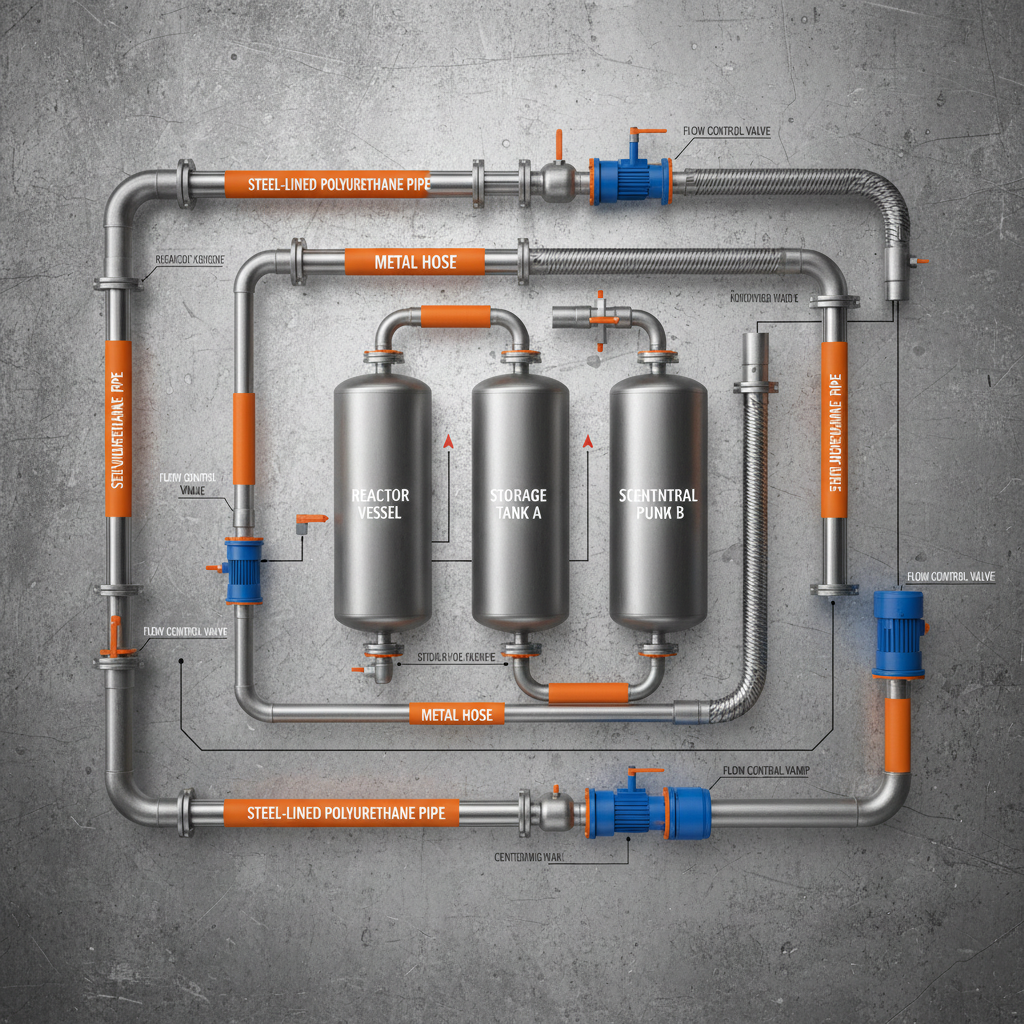
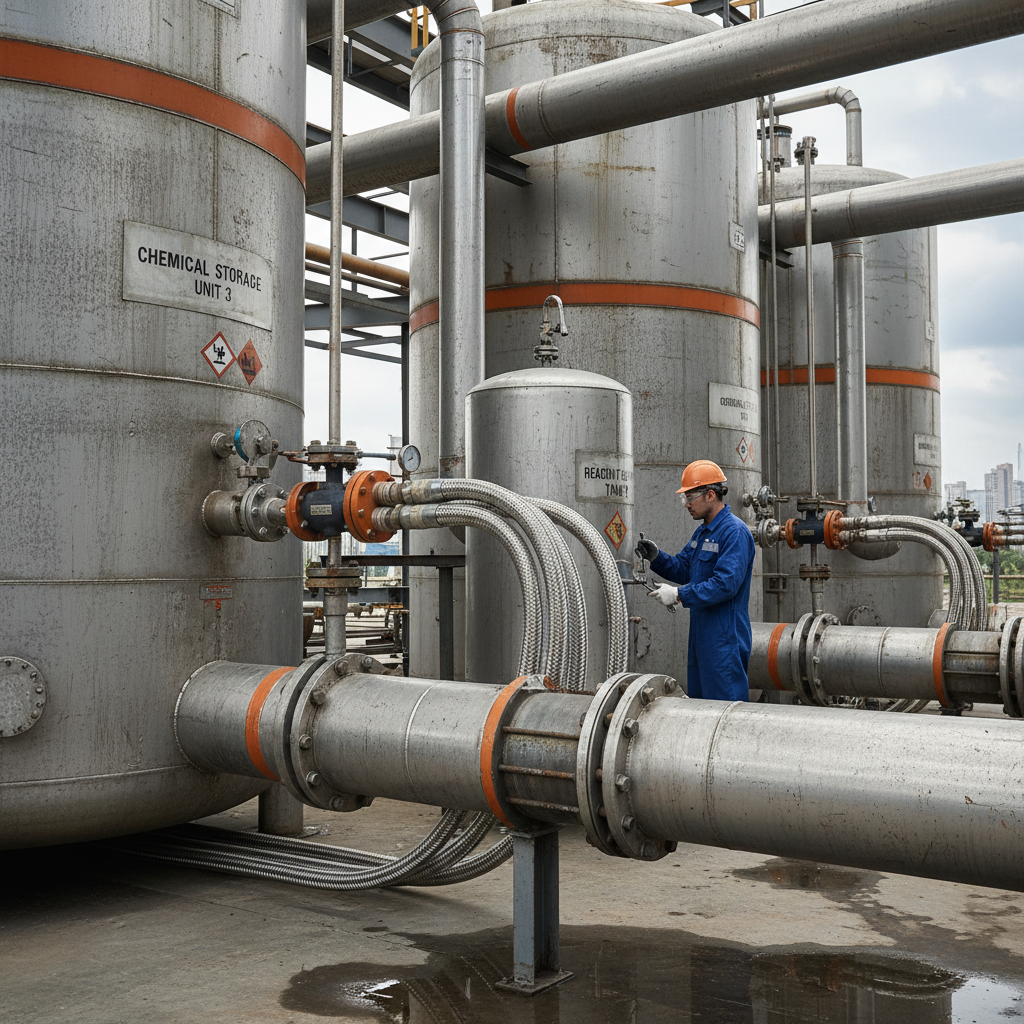
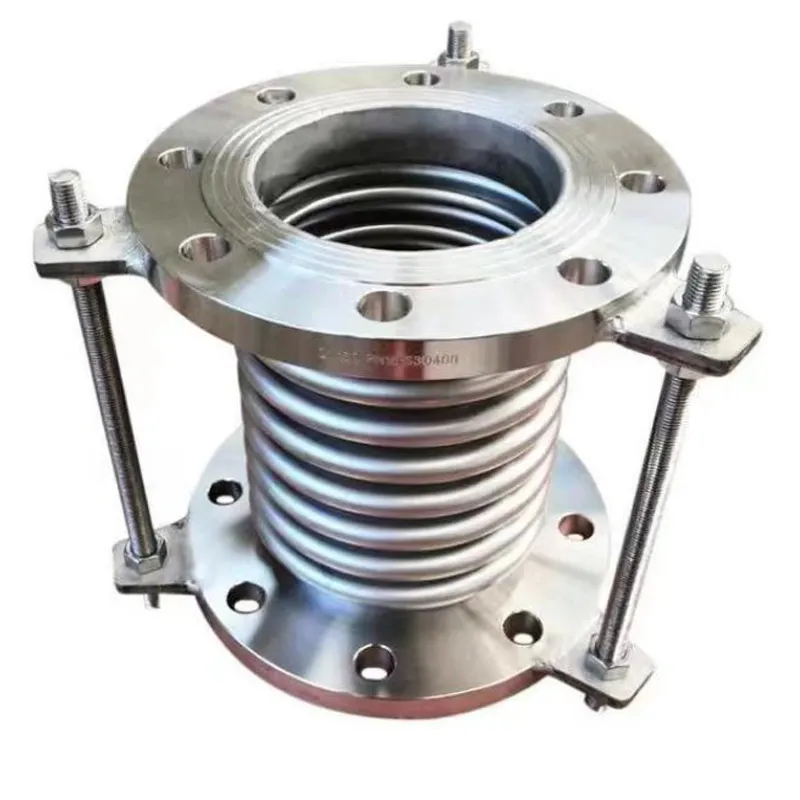
PTFE lined compensators are specialized components designed to absorb thermal expansion, vibrations, and misalignments in industrial pipeline systems. These compensators feature an inner lining made of polytetrafluoroethylene (PTFE), a material known for its exceptional chemical resistance, low friction, and high-temperature tolerance. PTFE-lined compensators are widely used in industries such as chemical processing, petrochemicals, pharmaceuticals, power generation, and food and beverage production, where pipelines carry corrosive, abrasive, or high-temperature media.
  • 771
Read More About ptfe expansion bellows

Structure and Materials

A PTFE-lined compensator typically consists of three main parts:

1. PTFE Lining: The inner layer provides a non-reactive and corrosion-resistant surface, ideal for handling aggressive chemicals and abrasive materials.
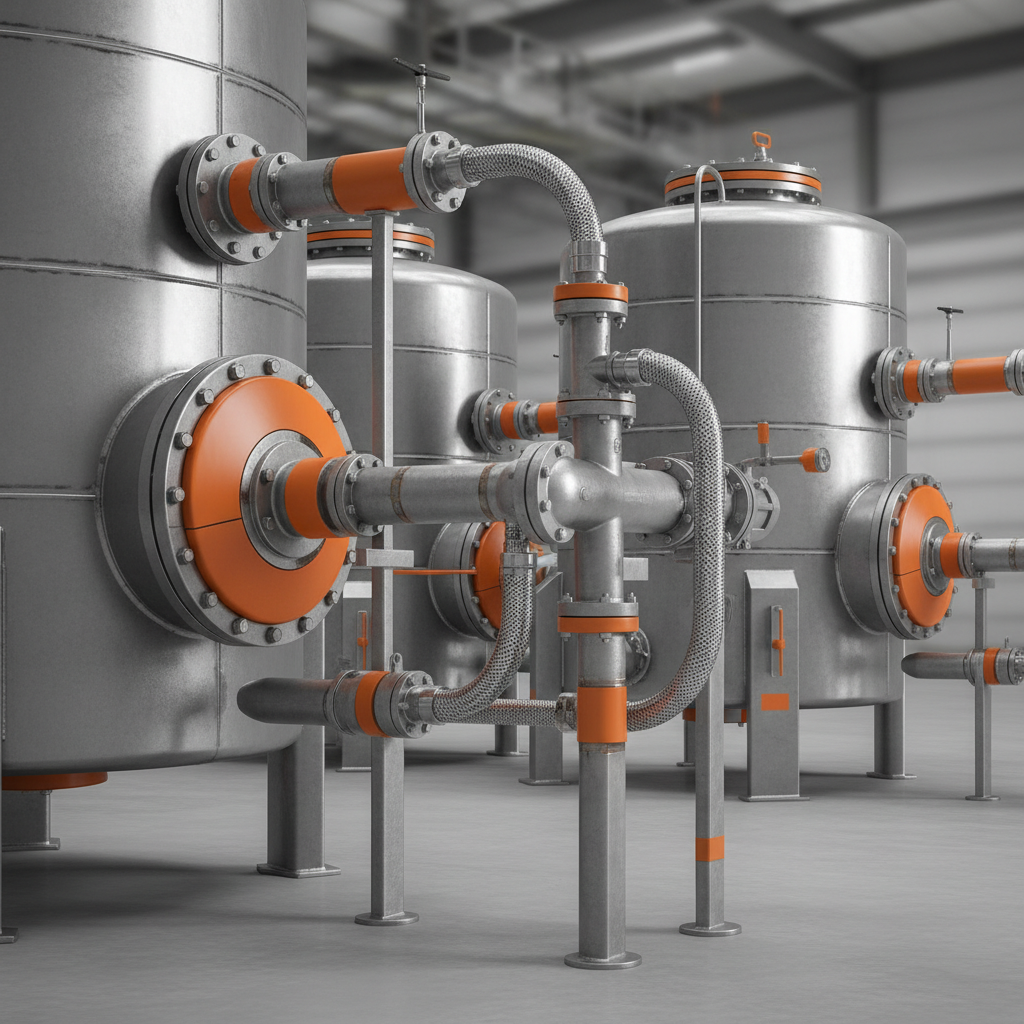
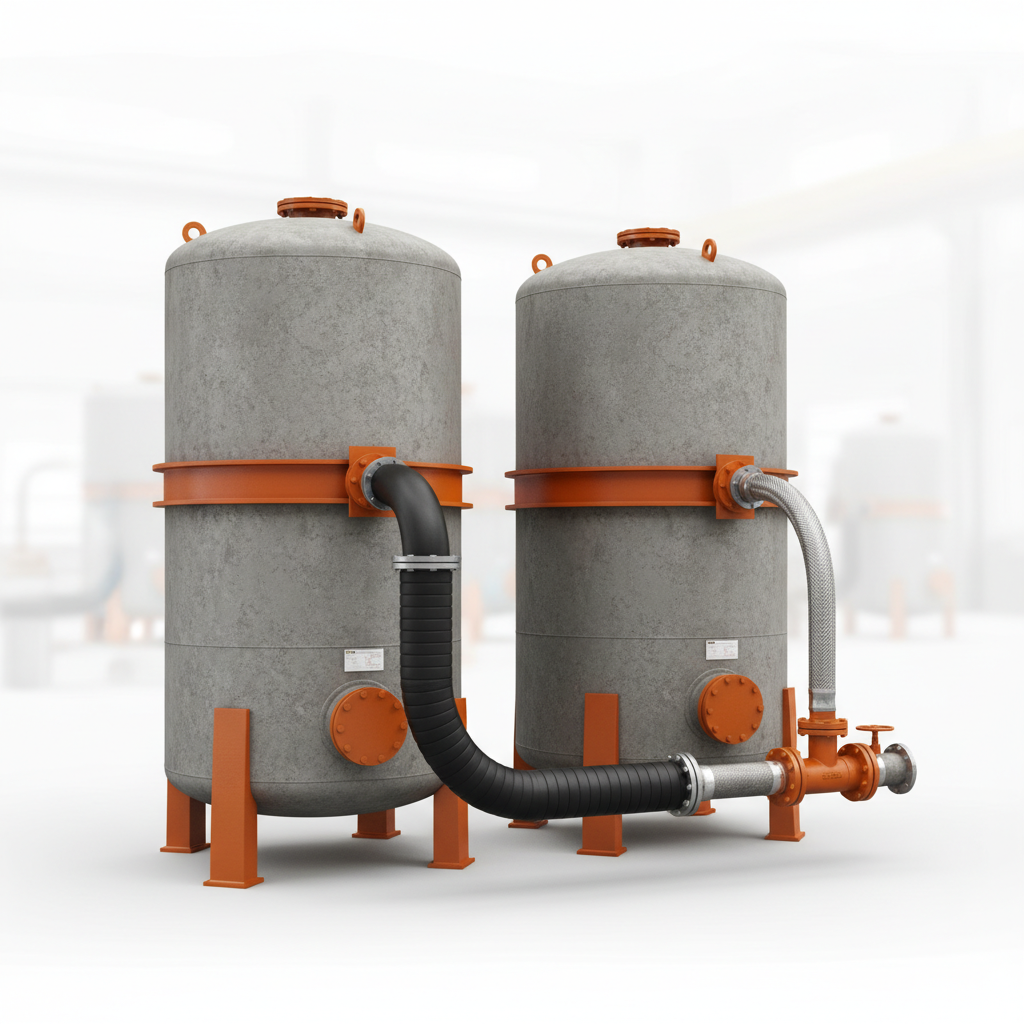
2. Flexible Outer Layer: The outer structure is commonly made of materials such as stainless steel or rubber, offering strength and flexibility to absorb movements and vibrations.
3. Reinforcements: Some designs include reinforcement layers, such as steel rings or fabric, to enhance pressure resistance and durability.

The PTFE lining ensures a smooth surface that reduces friction, prevents material buildup, and maintains the integrity of the transported media.

Advantages

PTFE-lined compensators provide numerous benefits:

 Increased system longevity by preventing corrosion and reducing wear.

Enhanced safety in handling aggressive chemicals and extreme temperatures.

Minimized maintenance costs due to the durability and self-cleaning properties of PTFE.

Improved operational flexibility, as they accommodate pipeline movements and reduce mechanical stress.

Key Features

  1.  
  2. 1.Chemical Resistance: PTFE is highly resistant to acids, alkalis, and solvents, making it suitable for pipelines carrying aggressive or corrosive substances.

  3. 2. Temperature Tolerance:PTFE can handle extreme temperatures, ranging from -200°C to +260°C, without degradation.

  4. 3. Low Friction Coefficient: The smooth PTFE surface reduces energy loss and prevents material adhesion, ensuring efficient flow.

  5. 4. Flexibility: The compensator absorbs thermal expansion, pipeline vibrations, and minor misalignments, protecting the system from stress and damage.

  6. 5. Non-Toxic and Hygienic: PTFE is food-grade and non-reactive, making it suitable for applications in the food and pharmaceutical industries.


Applications

PTFE-lined compensators are used in a wide range of industries, including:
- Chemical Processing: For transporting corrosive acids, alkalis, and solvents.
- Petrochemicals: In pipelines carrying hydrocarbons or aggressive byproducts.
- Food and Beverage: To handle hygienic and non-reactive transportation of food-grade fluids.
- Power Plants: For conveying high-temperature steam or corrosive gases.
- Pharmaceuticals: In processes requiring sterile and contamination-free transport of fluids.

Conclusion

PTFE-lined compensators are essential components for maintaining the safety, efficiency, and longevity of pipeline systems in challenging industrial environments.

Their unmatched chemical resistance, high-temperature tolerance, and flexibility make them an ideal solution for transporting aggressive or sensitive media.

By incorporating PTFE-lined compensators, industries can optimize system performance, reduce downtime, and ensure compliance with safety and environmental standards.

PTFE Lined Compensators FAQ

What is a PTFE lined compensator and why use it?

A PTFE lined compensator absorbs thermal expansion and vibration in pipelines while providing chemical resistance. Ideal for chemical, pharmaceutical, and food processing plants, it protects steel pipelines from stress while maintaining smooth, corrosion-free flow.

Which industries benefit from PTFE lined compensators?

PTFE lined compensators are widely used in chemical processing, food and beverage, and pharmaceutical industries. They handle aggressive chemicals, high temperatures, and thermal expansion, ensuring pipeline integrity and safe fluid transport.

Can PTFE lined compensators handle high temperatures?

Yes, PTFE lined compensators withstand up to 260°C (500°F). They maintain flexibility and chemical resistance in high-temperature pipelines, providing long-term durability in industrial applications.

How do PTFE lined compensators prevent corrosion?

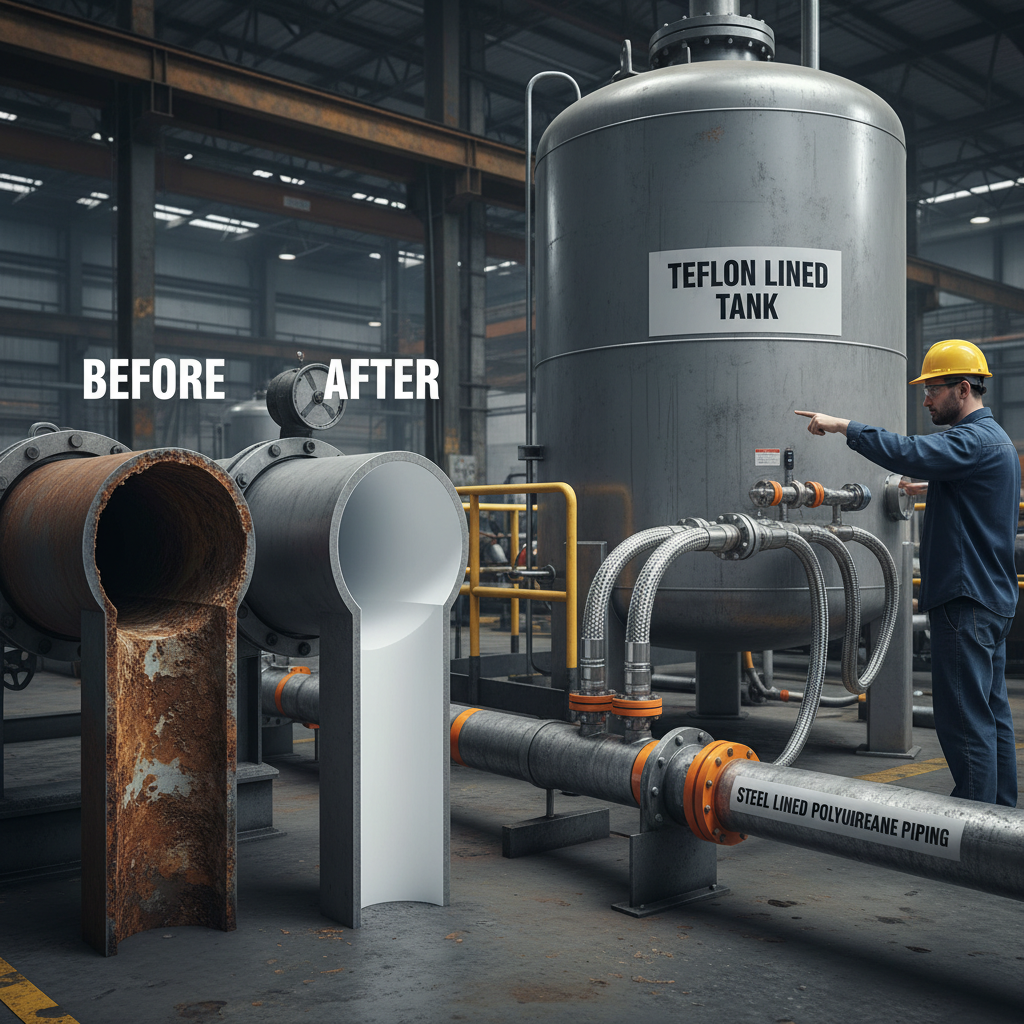
The PTFE lining acts as a barrier between corrosive fluids and metal components, preventing chemical attack and extending the lifespan of the compensator and connected pipelines.

Can PTFE lined compensators reduce pipeline stress?

Yes, they absorb vibration, thermal expansion, and misalignment, reducing mechanical stress on pipelines. This protects joints, valves, and equipment from damage and reduces maintenance costs.

Are PTFE lined compensators customizable?

Yes, they can be customized in size, flange type, and pressure rating. Customization ensures optimal performance and compatibility with specific industrial pipelines and chemical systems.

How to maintain PTFE lined compensators?

Routine inspections, proper alignment, and avoiding overextension or excessive pressure prolong their service life. PTFE’s chemical resistance also simplifies cleaning and reduces wear from aggressive fluids.

What fluids are suitable for PTFE lined compensators?

Ideal for acids, alkalis, solvents, and chemical mixtures. PTFE lining ensures smooth flow and prevents corrosion, making them reliable in chemical, pharmaceutical, and food processing pipelines.

PTFE Lined Bellow Compensates Pipeline Displacement and Ensures System Safety

Contact Us beneficiation of iron ore
Copyright © 2026 Hebei Qiaowan Metal Products Co.LTD. All Rights Reserved. Sitemap | Privacy Policy | Top Blog
phone
email
Whatsapp
phoneFoot

If you are interested in our products, you can choose to leave your information here, and we will be in touch with you shortly.


  • whatsapp

Need Help?
Drop us a message using the form below.