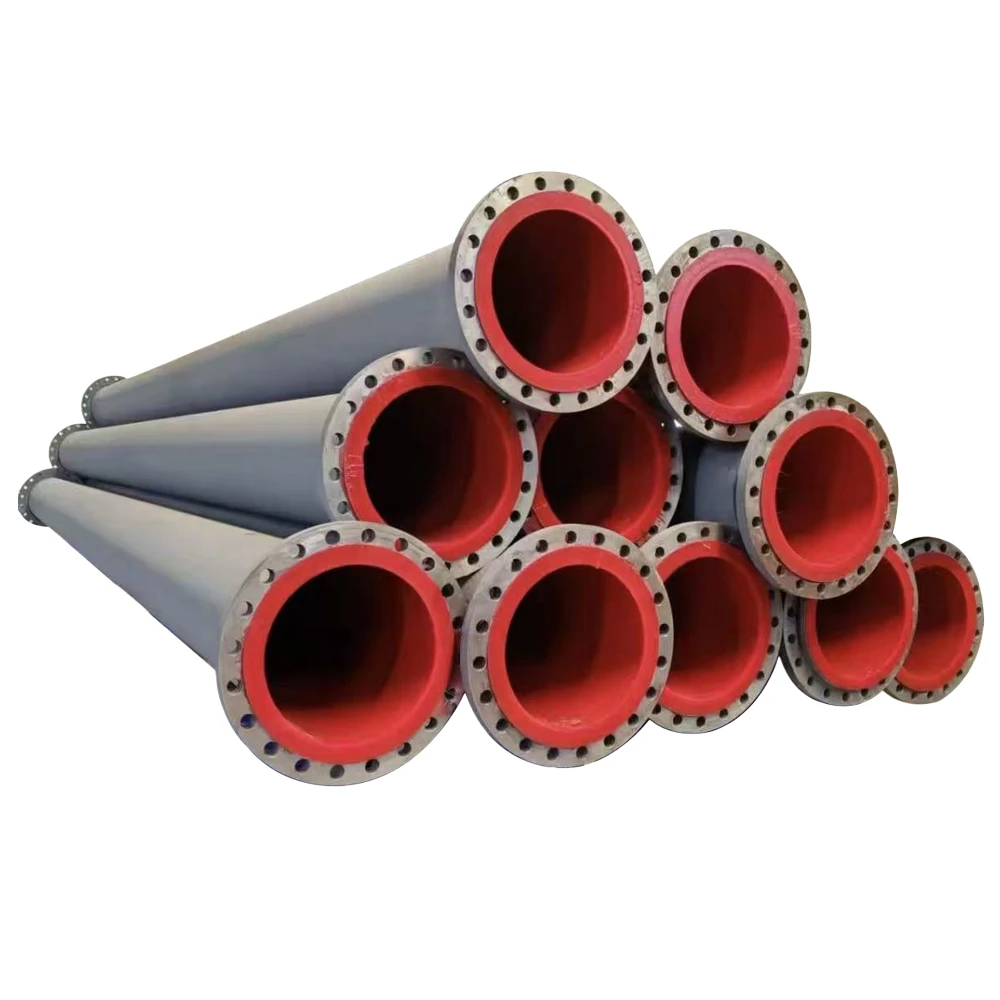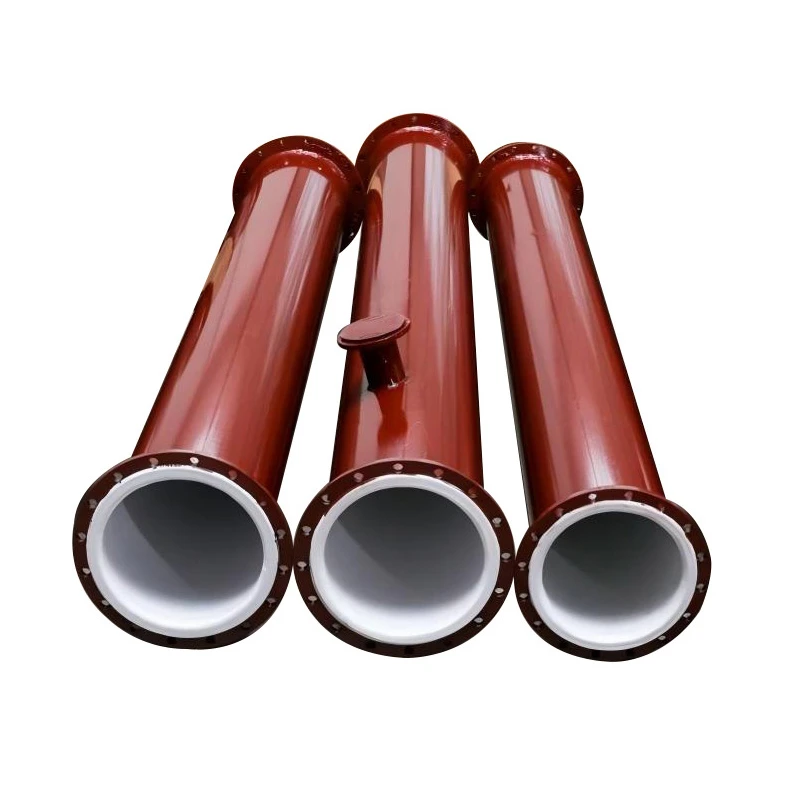

Selecting a pipeline system for abrasive slurry or corrosive media requires a balance between structural rigidity and internal chemical inertness. High-performance polyurethane (PU) lining is often utilized to protect steel substrates from premature wear, significantly extending the operational lifecycle of industrial conduits. This article examines the technical specifications and the regulatory frameworks governing these composite systems, specifically focusing on how pu lined pipe ce certification ensures safety and performance in diverse engineering environments.
In the context of global B2B procurement, the transition from basic plastic piping to steel-lined PU systems is driven by the need for higher pressure tolerances and superior impact resistance. For engineers in the mining, oil and gas, and chemical processing sectors, the primary challenge lies in validating that the lining maintains its adhesion under extreme thermal fluctuations and mechanical stress. Understanding the interplay between the outer metal shell and the internal polymer layer is critical for preventing catastrophic failure in high-risk industrial zones.
Readers will gain a comprehensive understanding of the material properties that define quality PU linings, the specific testing protocols required for international compliance, and the criteria for evaluating suppliers based on engineering expertise. By analyzing the trade-offs between different polyurethane grades and lining methods, project managers can make informed decisions that minimize maintenance downtime and optimize the total cost of ownership for their fluid transport infrastructure.
Compliance Standards for Industrial Lining Pipelines
Industrial piping systems operating in the European Economic Area (EEA) and other regulated markets must adhere to strict safety and quality benchmarks. The certification process is not merely a bureaucratic requirement but a technical validation of the pipe's ability to withstand internal pressures and resist hazardous leaks. For composite pipes, this involves testing the bond between the polyurethane lining and the carbon or stainless steel outer pipe. Rigorous quality control measures—from the raw material selection to the final vulcanization process—are essential to meet these standards. Hebei Qiao Wan Metal Products Co., Ltd. integrates these rigorous quality control measures into their manufacturing workflow, employing a team of senior engineers and technicians to ensure that their steel-lined polyurethane pipelines meet international specifications for durability and safety.
Technical Evaluation of Polyurethane Lined Systems
Evaluating the effectiveness of a lined pipeline requires a multi-dimensional analysis of its mechanical properties, chemical resistance, and structural integrity. The following subsections detail the critical technical factors that determine the performance of PU-lined systems in harsh industrial applications.
Material Composition and Bond Strength
The synergy between the outer steel body and the inner polyurethane layer determines the pipe's overall reliability. A high-quality bond prevents the lining from collapsing or peeling away (delamination) during vacuum conditions or sudden pressure drops. The selection of the PU grade—whether it be an elastomer or a thermoplastic—impacts the elasticity and hardness of the inner wall, which in turn affects how the pipe handles particulate impact.
| Metric | Requirement | Impact of Failure | Validation Method |
|---|---|---|---|
| Adhesion Strength | High-bond molecular link | Lining collapse / Delamination | Pull-off testing |
| Hardness (Shore A/D) | Application-specific | Excessive wear or brittleness | Durometer testing |
| Lining Uniformity | Consistent wall thickness | Localized erosion / Thinning | Ultrasonic measurement |
| Steel Grade | ASTM/DIN standard steel | Structural rupture | Material certification |
| Curing Cycle | Controlled temperature | Residual stress / Cracking | Thermal monitoring |
| Surface Prep | Sa 2.5 grit blasting | Poor bonding / Peeling | Visual/Profilometer check |
Abrasion Resistance Mechanisms
Polyurethane is renowned for its exceptional resistance to abrasive wear, making it superior to many metals in slurry transport. The material absorbs the energy of impacting particles, which prevents the surface from pitting or gouging. In environments like mining or sand dredging, the elasticity of the PU layer allows it to "bounce back" after particle impact, which significantly reduces the rate of material loss compared to rigid linings.
Pressure Rating and Wall Stability
While the PU lining provides chemical and wear protection, the outer steel shell provides the mechanical strength. The pressure rating is determined by the thickness and grade of the steel body. It is vital to calculate the interaction between the internal fluid pressure and the lining's compressive strength to ensure that the pipe does not deform under high-pressure loads, especially in deep-well or high-head pumping applications.
Chemical Compatibility Profiles
PU linings offer a wide range of resistance to oils, greases, and many organic solvents. However, they may be susceptible to strong oxidizing agents or highly concentrated acids. When specifying a system, engineers must verify the polyurethane's chemical compatibility with the transported media to avoid swelling or softening of the lining, which would compromise the flow efficiency and the structural integrity of the internal wall.
Thermal Operating Windows
Temperature limits are a critical constraint for polyurethane. Most industrial PU linings operate effectively within a range from -40°C to +80°C. Beyond these limits, the material may become too brittle (at low temperatures) or lose its mechanical strength (at high temperatures). For applications exceeding these ranges, alternative linings like PTFE may be required, as seen in high-temperature chemical processes.
Certification Requirements for EU Markets
To enter the European market, products often undergo a series of conformity assessments. This involves documenting the manufacturing process, verifying material safety data sheets (MSDS), and conducting pressure tests. Certification ensures that the product meets the Essential Health and Safety Requirements (EHSR) of the relevant directives, reducing the liability for the end-user and providing a guarantee of consistent performance across different production batches.
Installation and Joint Integrity
The weakest point of any lined pipeline is the joint. Ensuring that the lining is continuous across flanges or welded joints is paramount to prevent "edge corrosion" where the medium contacts the steel shell. Specialized jointing techniques or overlapping lining sleeves are often employed to maintain the protective barrier, ensuring that the high-performance characteristics of the PU are maintained throughout the entire pipeline length.
FAQ
What is the primary advantage of PU lining over HDPE in slurry pipes?
Polyurethane offers significantly higher abrasion resistance and tear strength compared to High-Density Polyethylene (HDPE). While HDPE is chemically inert, PU can withstand the impact of larger, sharper particulates in mining slurries without rapid wall thinning, which extends the replacement interval for the pipeline.
How does the steel outer shell contribute to the PU pipe's performance?
The steel shell provides the necessary hoop strength to handle high internal operating pressures that would cause a purely plastic pipe to burst. It also protects the soft PU lining from external mechanical damage and provides a stable base for secure flange mounting and structural support.
What should I check when evaluating a supplier for PU lined pipes?
Buyers should evaluate the supplier's engineering capacity, specifically the presence of qualified technicians and engineers. Check for a documented quality control process, the ability to provide material certifications, and their experience with customized diameters and wall thicknesses to suit specific industrial pressures.
Can PU lined pipes be used for high-temperature chemical transfer?
Generally, no. Polyurethane has temperature limitations (typically up to 80°C). For applications involving strong acids or temperatures up to 200°C, PTFE lined pipes are the industry standard due to their superior thermal stability and near-universal chemical inertness.
What causes the lining to detach from the steel pipe?
Lining detachment, or delamination, is usually caused by poor surface preparation of the steel, improper curing temperatures during manufacturing, or extreme thermal cycling that creates a mismatch in the expansion coefficients between the steel and the polymer.
Are these pipes suitable for high-pressure water management?
Yes, provided the outer steel shell is engineered for the specific pressure requirements. The PU lining adds an extra layer of corrosion protection for the steel, making it ideal for water management systems handling brackish or mildly corrosive water in industrial settings.
References and further reading
- International Standards for Polyurethane Elastomers in Industrial Piping.
- Guidance on Pressure Equipment Directive (PED) for Composite Pipeline Systems.
- Comparative Analysis of Abrasion-Resistant Linings in Mining Operations.