iron ore processing

Rubber Lined Steel Pipe

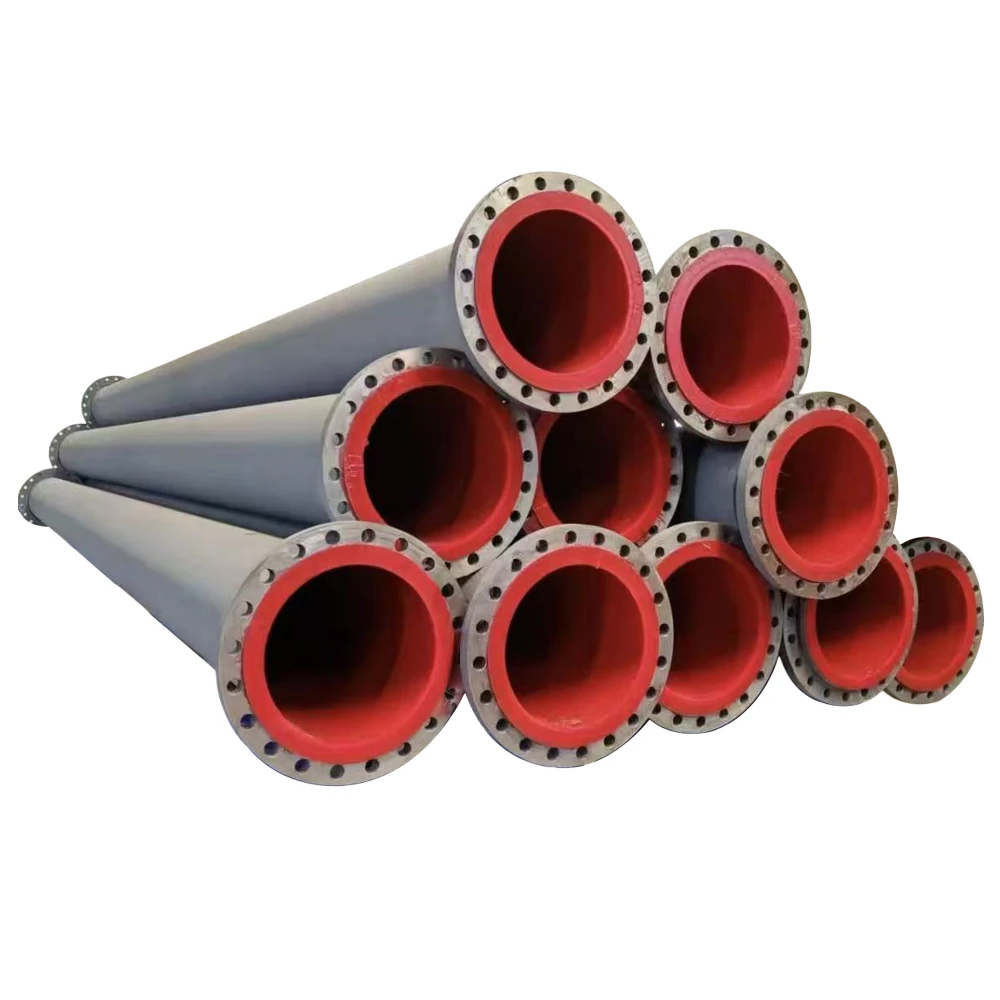
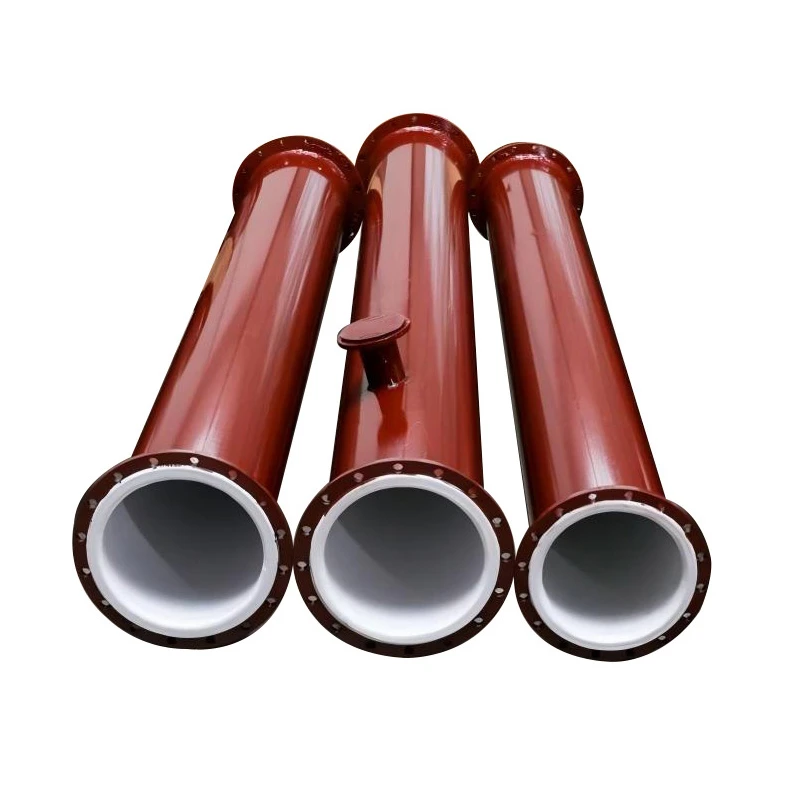
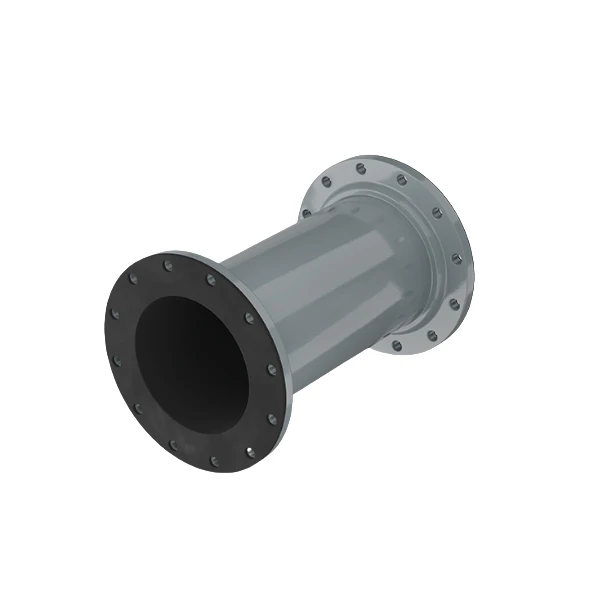
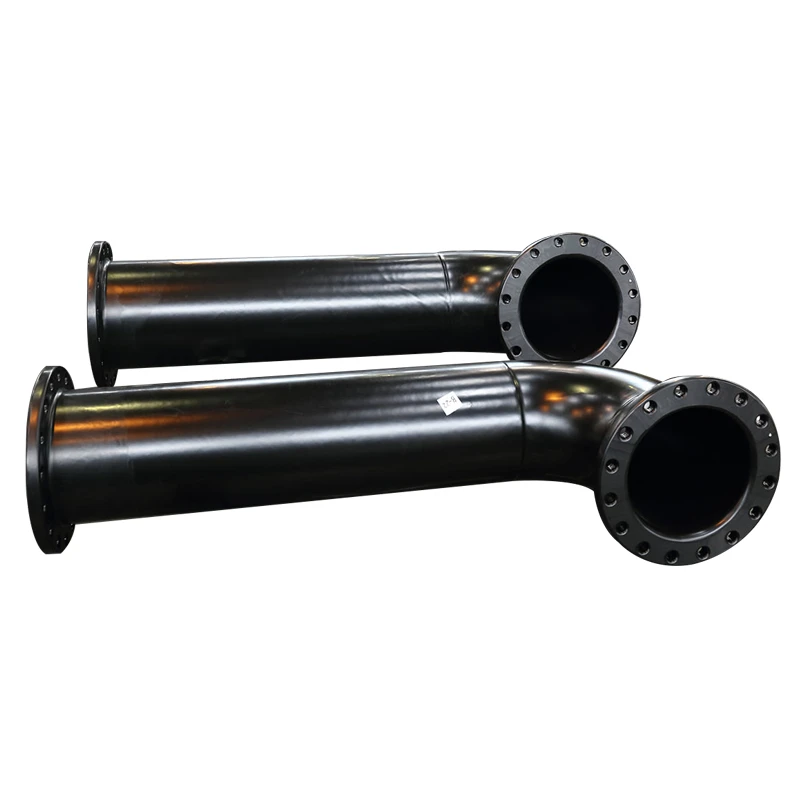
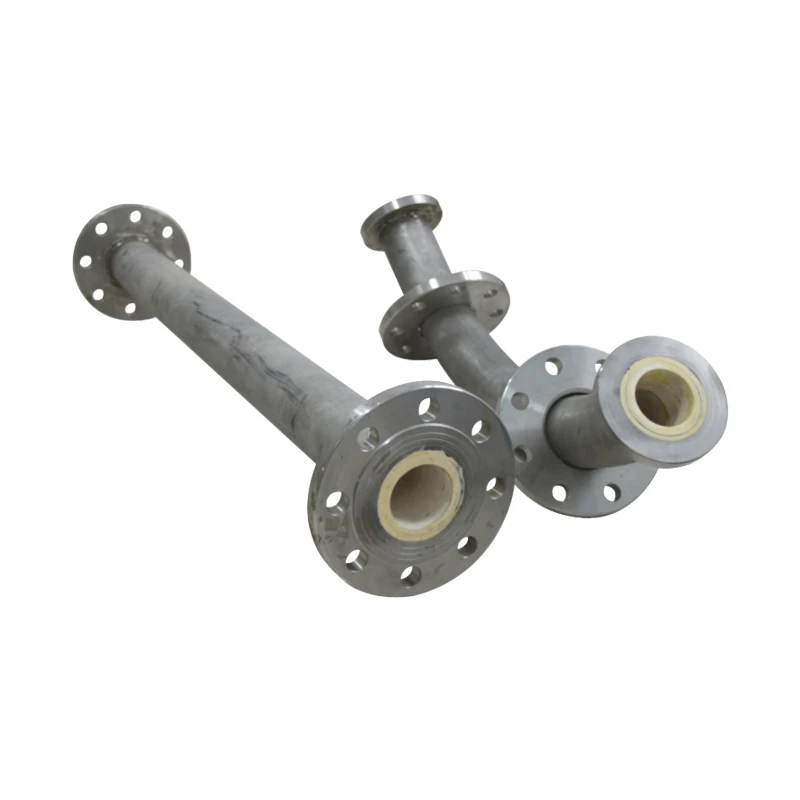
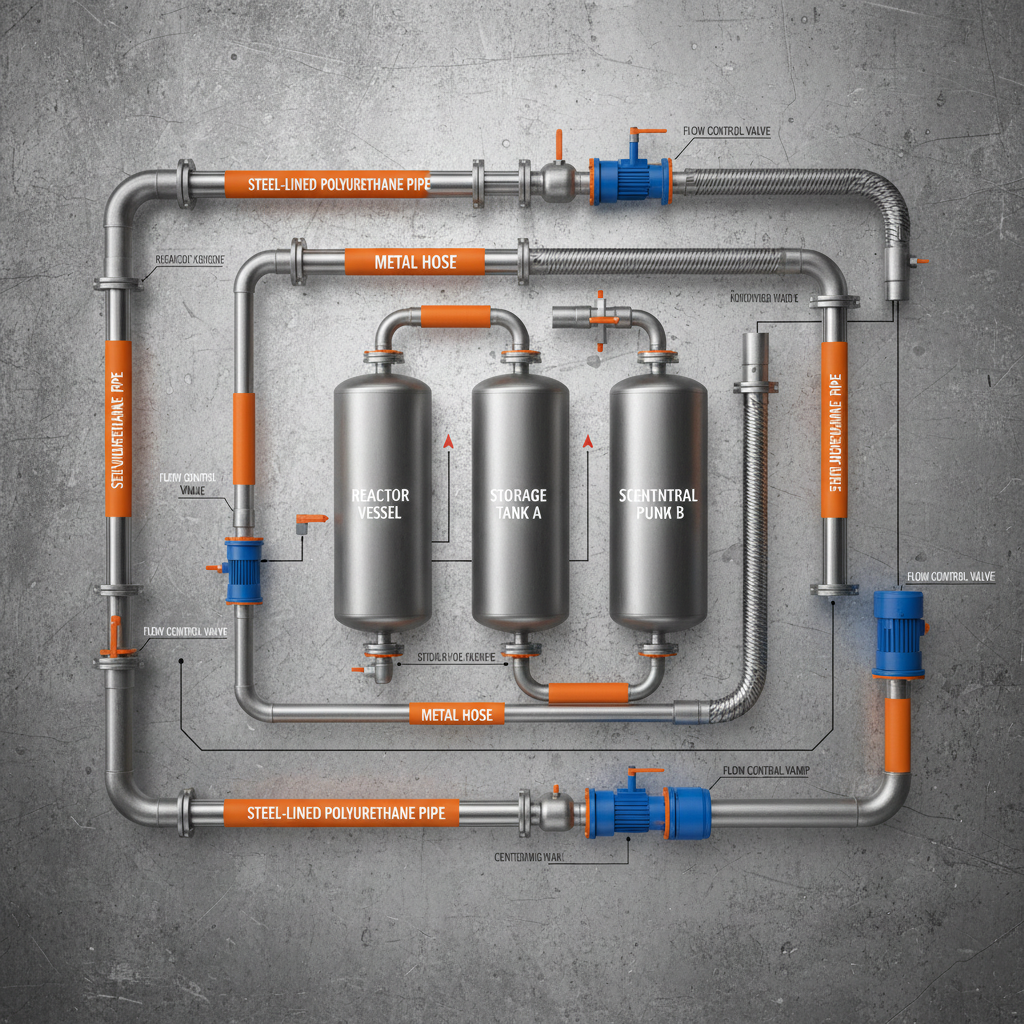
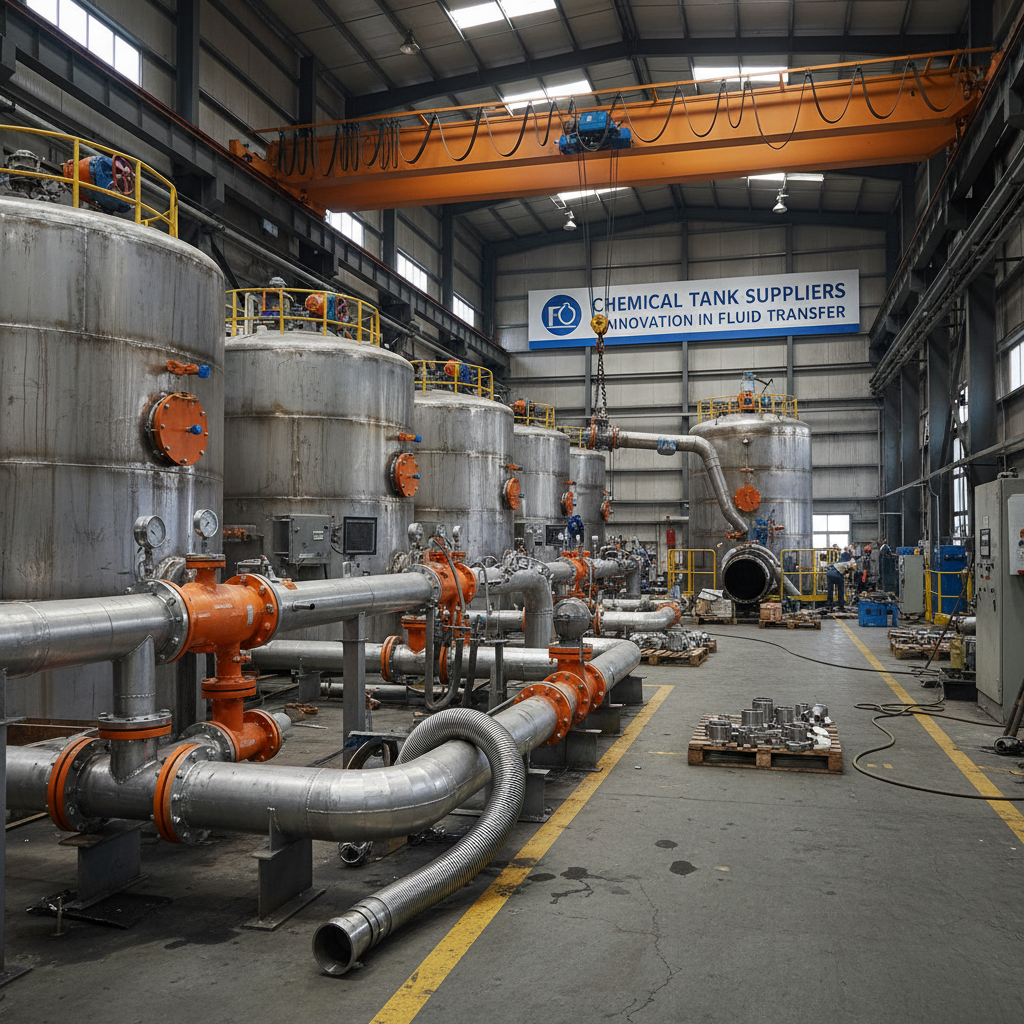
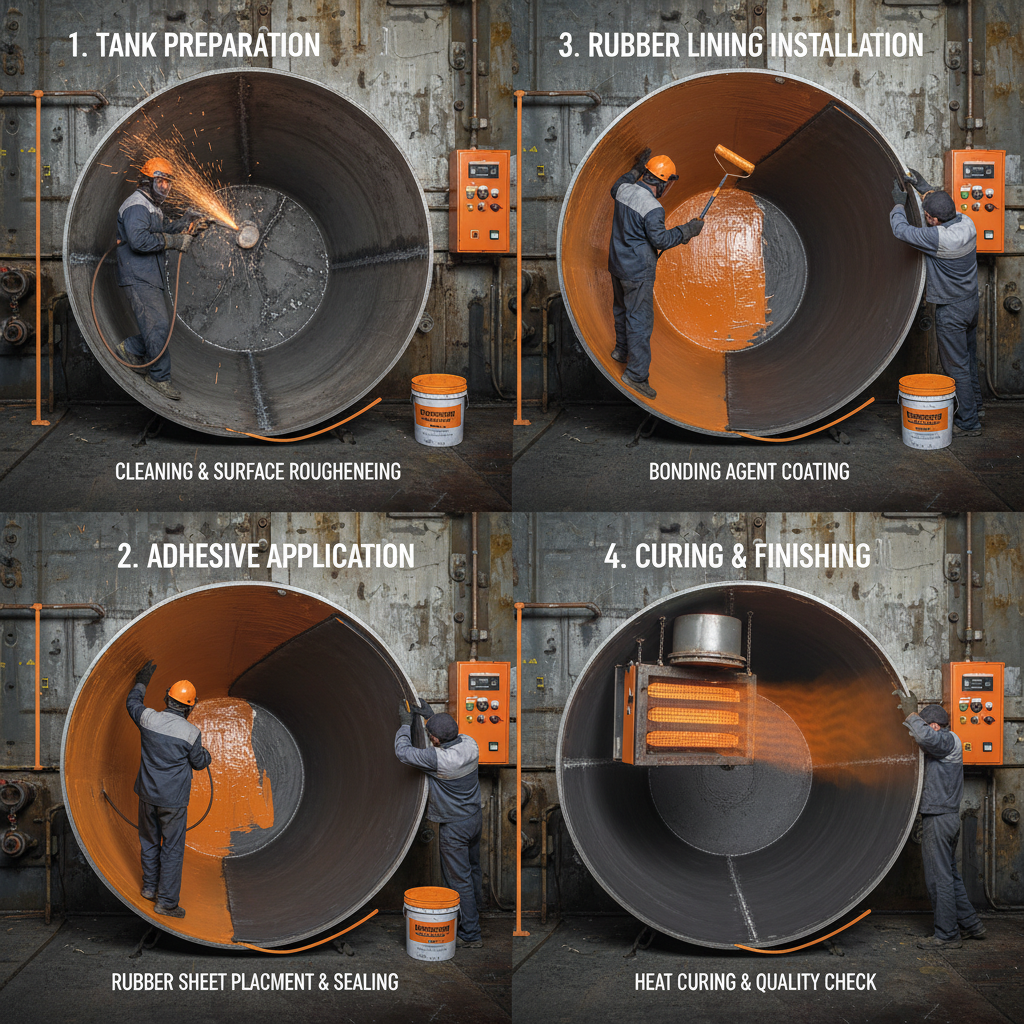
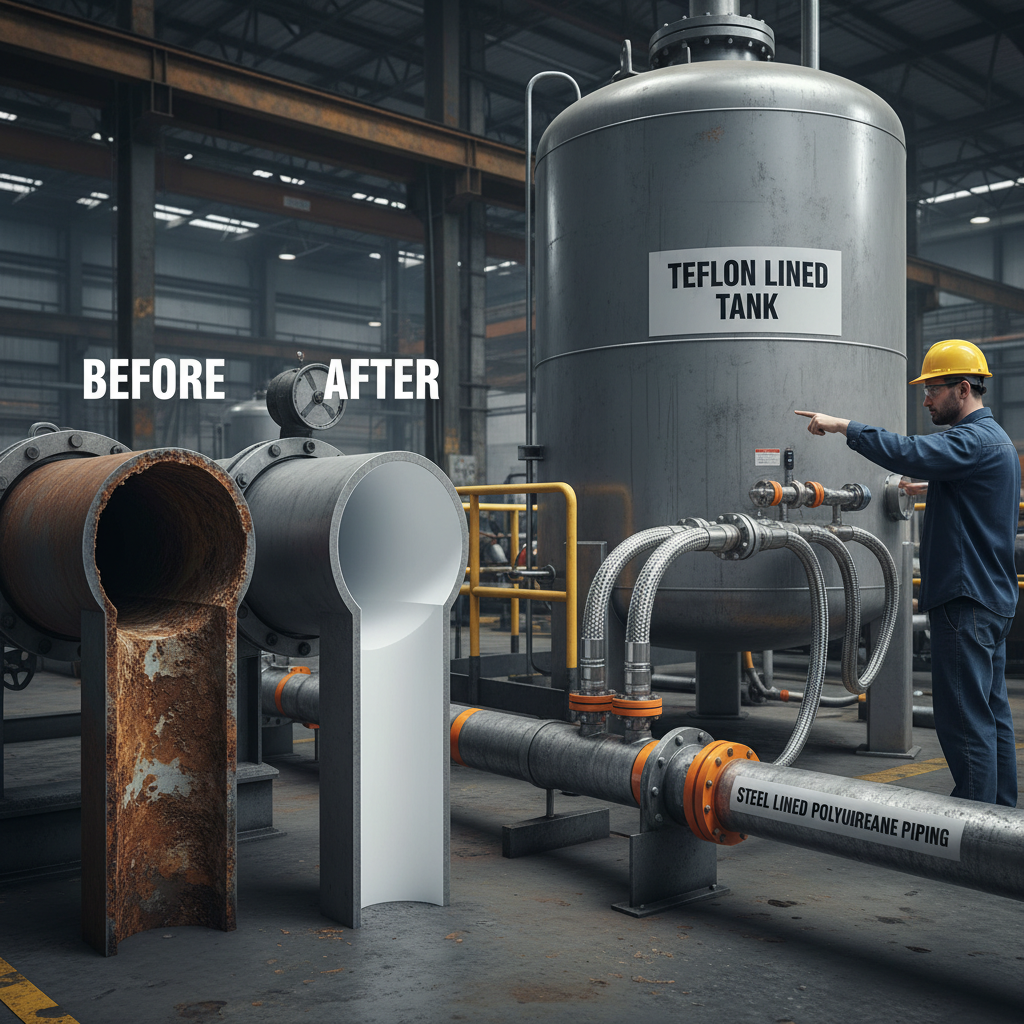
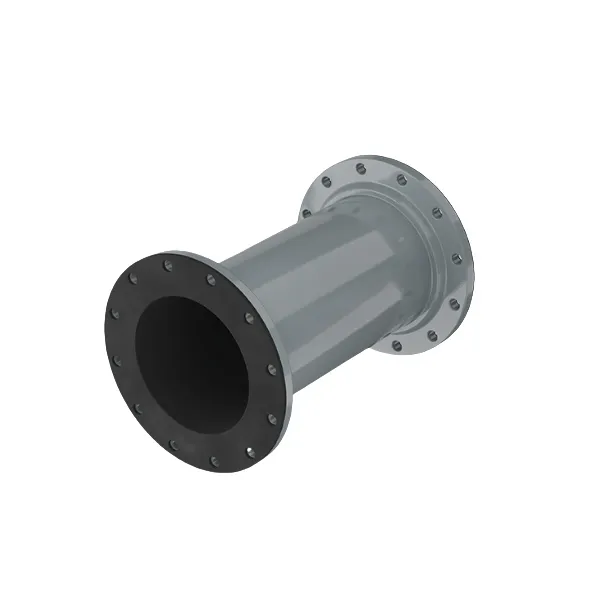
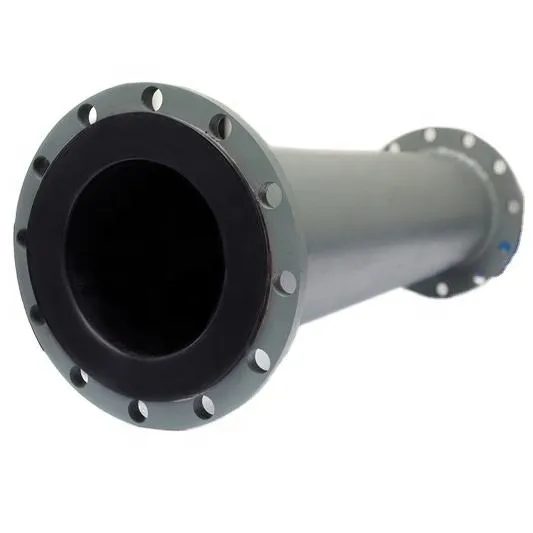
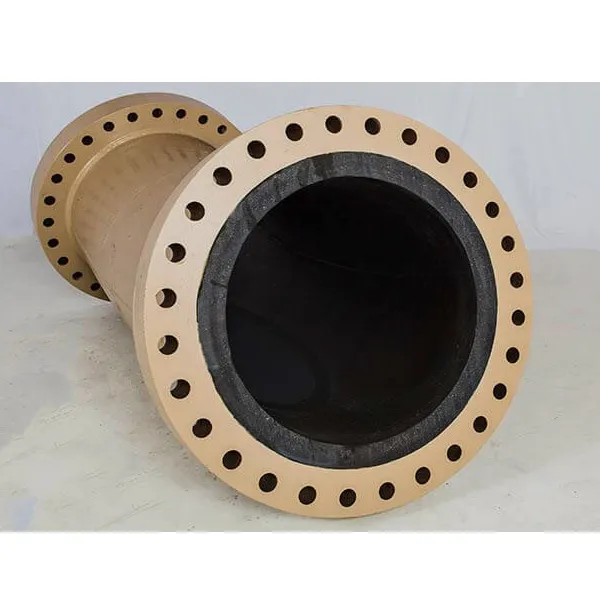
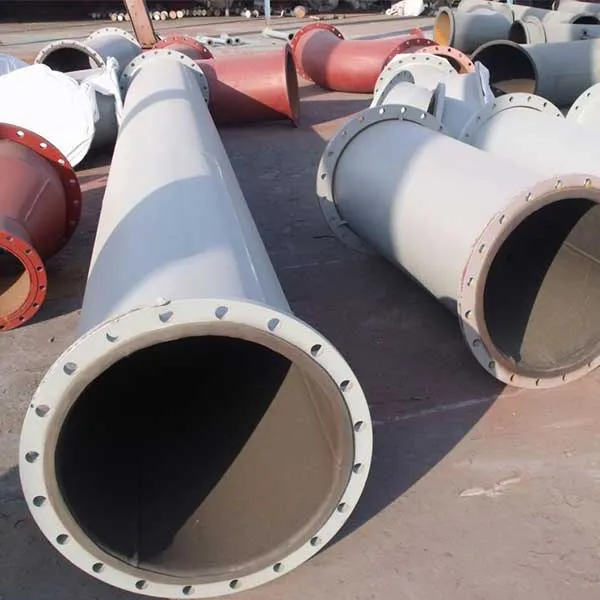
Product Overview Rubber lined steel pipes are innovative composite pipelines that integrate the mechanical strength of steel with the superior corrosion and abrasion resistance of rubber. This unique structure makes them an ideal solution for industries that require reliable, long-lasting, and safe transportation of corrosive and abrasive materials. Unlike traditional steel pipes, which may suffer from rapid wear or chemical corrosion, rubber lined steel pipes provide dual protection, ensuring both durability and cost-effectiveness in demanding applications.
  • 11
  • 13
  • 14
  • 12
Key Features & Advantages

1.Outstanding Corrosion Resistance: The inner rubber lining acts as a protective barrier against acids, alkalis, salt solutions, and a wide range of chemical media, significantly extending service life.

2.Excellent Wear Resistance: Highly effective when transporting slurry, coal ash, sand, gravel, and other abrasive materials, the rubber lining minimizes erosion damage.

3.High Mechanical Strength: The steel outer shell offers excellent pressure-bearing capacity and impact resistance, ensuring safe operation under high-pressure conditions.

4.Extended Service Life: The combination of steel strength and rubber flexibility reduces stress concentration, vibration, and material loss, resulting in long-term stable performance.

5.Wide Temperature Adaptability: Suitable for both high-temperature and low-temperature environments, depending on the selected rubber lining material.

6.Convenient Installation and Maintenance: Available in multiple connection options such as fixed flanges, loose flanges, or welded ends, which simplify installation and replacement.


Applications


Rubber lined steel pipes are widely used in industries such as:

  • Mining and mineral processing for slurry and tailings transportation
  • Metallurgy and steel plants for conveying abrasive dust and residues
  • Power generation plants for ash removal and cooling systems
  • Chemical and petrochemical industries for handling corrosive solutions
  • Dredging projects for sand and mud transportation
  • Water treatment and environmental engineering projects


Technical Specifications


Diameter Range: DN50 – DN1200, with customization available

Lining Materials: Natural rubber, neoprene, butyl rubber, EPDM, or other specialized compounds

Pipe Body: High-quality carbon steel or stainless steel depending on requirements

Working Pressure: Up to 2.5 MPa (customizable)

Standard Length: 6 meters or manufactured according to project needs


Conclusion


With their unique advantages of corrosion resistance, wear resistance, and high strength, rubber lined steel pipes provide an efficient and reliable solution for transporting challenging media. They reduce maintenance costs, extend operational life, and ensure safe operation in even the harshest industrial environments.

Rubber Lined Steel Pipe FAQ

What are rubber lined steel pipes used for?

Rubber lined steel pipes transport abrasive or corrosive fluids safely. Industries like mining, chemical processing, and pulp & paper use them to prevent corrosion, minimize wear, and extend pipeline life.

How does rubber lining protect steel pipes?

The rubber lining acts as a barrier against chemicals, corrosion, and abrasive particles. It improves durability, reduces maintenance, and ensures safe fluid flow in challenging industrial environments.

Can rubber lined pipes handle high temperatures?

3.Standard rubber lined pipes operate up to 80°C (176°F), while special rubber compounds can handle higher temperatures. Temperature limits depend on lining type, thickness, and specific application.

Which fluids are suitable for rubber lined steel pipes?

Rubber lined pipes are ideal for acids, alkalis, slurries, pulp, and wastewater. They resist chemical attack and abrasion, ensuring long-term performance in harsh industrial conditions.

How to maintain rubber lined steel pipes?

Regular inspection for wear, avoiding excessive pressure or sudden flow changes, and keeping fluids clean will extend pipe life. Preventing dry running is crucial for rubber integrity.

Are rubber lined steel pipes cost-effective?

Though slightly more expensive initially, rubber lined pipes save costs by reducing corrosion damage, maintenance, and replacement frequency, offering high long-term value in industrial systems.

What industries commonly use rubber lined steel pipes?

Mining, chemical, pulp & paper, and wastewater treatment industries rely on rubber lined pipes for safe handling of abrasive and corrosive fluids. They are a key component in high-wear pipelines.

Can rubber lined steel pipes be customized?

8.Yes, they can be customized in diameter, length, pressure rating, and rubber lining thickness. Customization ensures compatibility with specific industrial pipelines while maximizing durability and corrosion resistance.

Engineered to withstand the most aggressive chemicals and abrasive slurries, our rubber lined piping systems provide a reliable solution.

Contact Us beneficiation of iron ore

Copyright © 2026 Hebei Qiaowan Metal Products Co.LTD. All Rights Reserved. Sitemap | Privacy Policy | Top Blog
phone
email
Whatsapp
phoneFoot

If you are interested in our products, you can choose to leave your information here, and we will be in touch with you shortly.


  • whatsapp

Need Help?
Drop us a message using the form below.