Comprehensive Guide to Rubber Lined Tanks for Corrosive Material Storage
Rubber Lined Tanks: A Comprehensive Guide
When dealing with corrosive materials in industries like chemical processing, mining, and water treatment, selecting the right storage solution is crucial. Rubber lined tanks offer exceptional protection against corrosion and chemical attack, ensuring longevity and safety. This article provides a detailed overview of rubber lined tanks, their benefits, applications, and factors to consider when choosing the right tank for your specific needs. Investing in a quality rubber lined tank from a trusted supplier like QW Metal is a key step towards secure and efficient operations.
What are Rubber Lined Tanks?
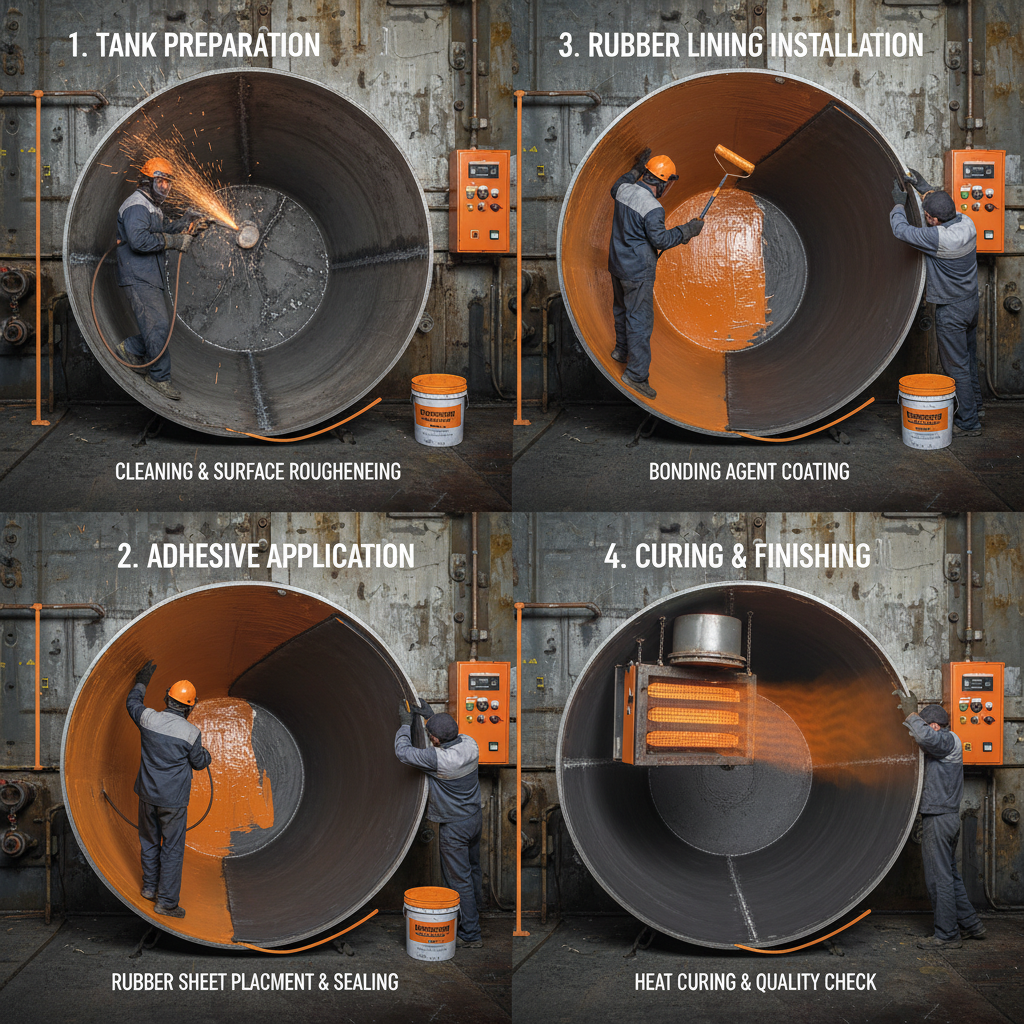
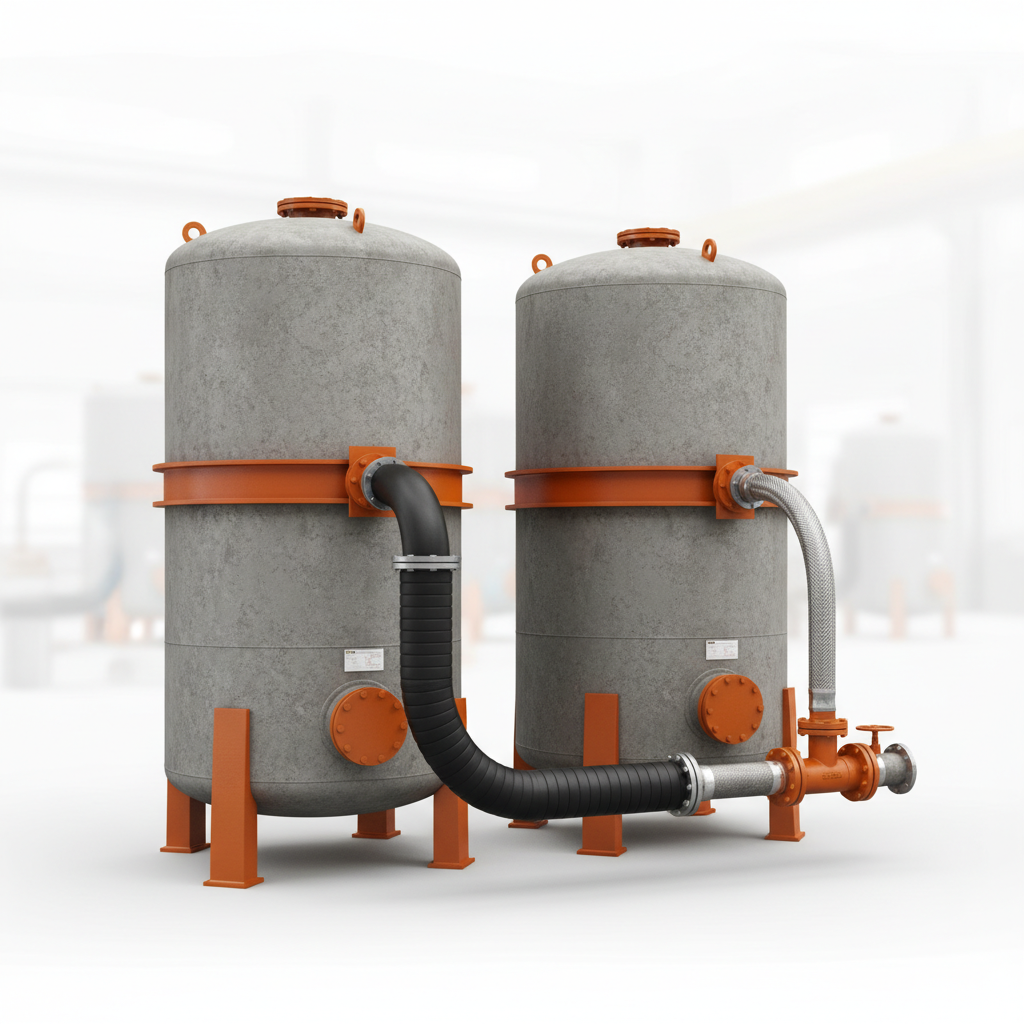
Rubber lined tanks are steel tanks internally coated with a layer of rubber, typically natural rubber, butyl rubber, or EPDM rubber. This lining acts as a barrier between the corrosive substance and the steel, preventing degradation and extending the tank’s service life. The rubber lining is bonded to the steel through a vulcanization process, creating a strong and durable seal. These tanks are designed to safely store a wide range of corrosive liquids and solids, offering a cost-effective solution compared to using exotic alloys. QW Metal specializes in custom-designed rubber lined tanks to meet diverse industrial requirements.
Key Benefits: Superior corrosion resistance, extended tank life, cost-effective solution for corrosive materials, suitable for a wide range of chemicals, and customizable designs.
Applications of Rubber Lined Tanks
Rubber lined tanks find extensive applications across various industries. In the chemical processing industry, they store acids, alkalis, and other corrosive chemicals. Mining operations utilize them for leaching processes and storage of process solutions. Water and wastewater treatment plants employ them for storing chlorine, ferric chloride, and other treatment chemicals. Other applications include pulp and paper manufacturing, food processing, and pharmaceutical industries. The versatility of QW Metal's rubber lined tanks allows for tailored solutions for these diverse applications.
Common Industrial Applications:
• Chemical Storage & Processing
• Mining & Leaching
• Water & Wastewater Treatment
• Pulp & Paper Production
Choosing the Right Rubber Lining: A Comparison
The choice of rubber lining material is critical and depends on the specific chemical being stored and the operating temperature. Natural rubber offers good abrasion resistance and is suitable for a variety of chemicals. Butyl rubber provides excellent resistance to gases and solvents. EPDM rubber excels in resistance to heat, ozone, and weathering. QW Metal's team of experts can help you select the optimal rubber lining for your application.
Factors to Consider When Purchasing Rubber Lined Tanks
Several factors should be considered when purchasing a rubber lined tank. The chemical compatibility of the lining with the stored substance is paramount. The tank’s capacity, dimensions, and design must meet your specific needs. The tank’s construction and fabrication quality are essential for ensuring long-term durability and safety. Finally, choosing a reputable supplier like QW Metal ensures you receive a high-quality product with excellent customer support.
Conclusion: Investing in Reliable Rubber Lined Tank Solutions
Rubber lined tanks are an essential investment for industries dealing with corrosive materials. They provide a safe, reliable, and cost-effective solution for storage and processing. By carefully considering the factors outlined in this article and partnering with a trusted supplier like QW Metal, you can ensure you select the right tank to meet your specific needs and optimize your operations.
Frequently Asked Questions (FAQs)
What is the typical lifespan of a rubber lined tank?
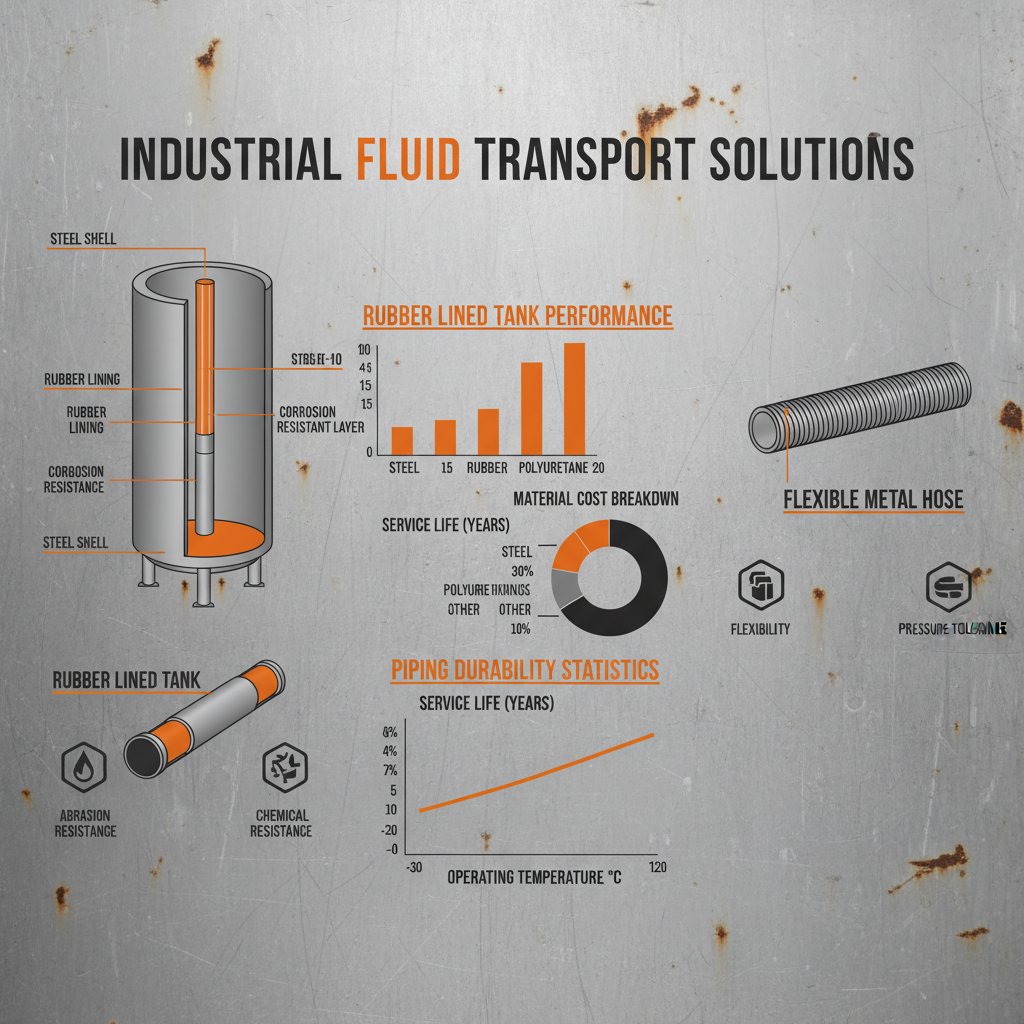
The lifespan of a rubber lined tank varies depending on the chemical being stored, operating temperature, and maintenance practices. Generally, a well-maintained rubber lined tank can last between 10 to 20 years or even longer. Regular inspections are crucial to identify any signs of lining degradation, such as cracking, blistering, or loss of adhesion. Proper maintenance, including avoiding abrasive materials and preventing overexposure to extreme temperatures, can significantly extend the tank's service life. QW Metal offers inspection and repair services to help maximize the lifespan of your tank.
What size rubber lined tanks does QW Metal offer?
QW Metal offers a wide range of rubber lined tanks in various sizes and configurations, from small portable tanks to large, custom-fabricated storage solutions. We can manufacture tanks with capacities ranging from a few hundred liters to several hundred thousand liters. Our tanks can be customized to fit your specific space constraints and operational requirements. We specialize in designing and fabricating tanks to meet unique customer specifications.
Are rubber lined tanks suitable for food-grade applications?
Yes, certain types of rubber linings, such as those made from FDA-approved materials, are suitable for food-grade applications. It’s crucial to specify food-grade requirements when ordering a rubber lined tank to ensure the lining material meets the necessary safety standards and doesn’t leach any harmful substances into the stored food product. QW Metal can provide rubber lined tanks specifically designed and certified for food-grade applications.
What maintenance is required for rubber lined tanks?
Regular inspection is key to maintaining the integrity of your rubber lined tank. Check for any signs of lining damage, such as cracks, blisters, or delamination. Avoid using abrasive cleaning agents or materials that could damage the rubber lining. Implement a regular cleaning schedule to prevent the buildup of deposits that could accelerate corrosion. QW Metal provides maintenance guidelines and repair services to help keep your tank in optimal condition.
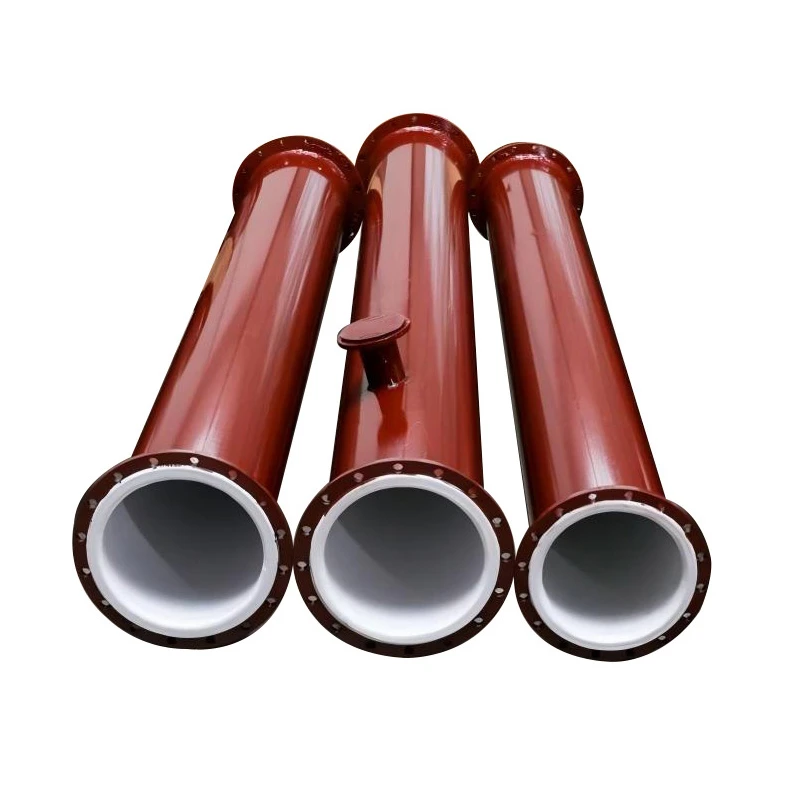
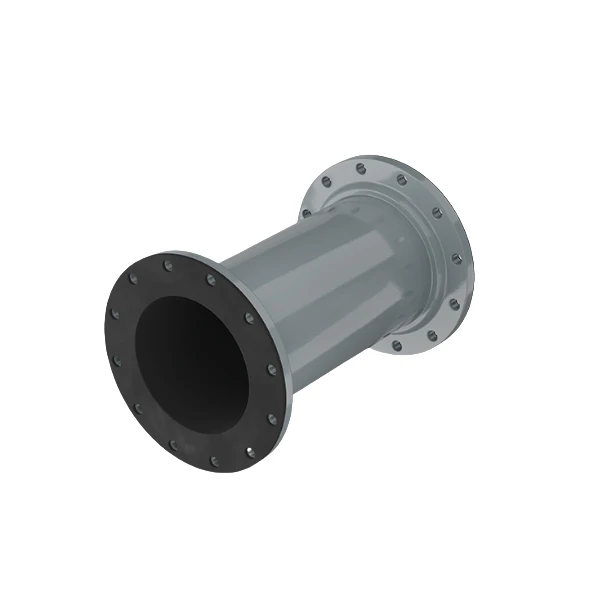
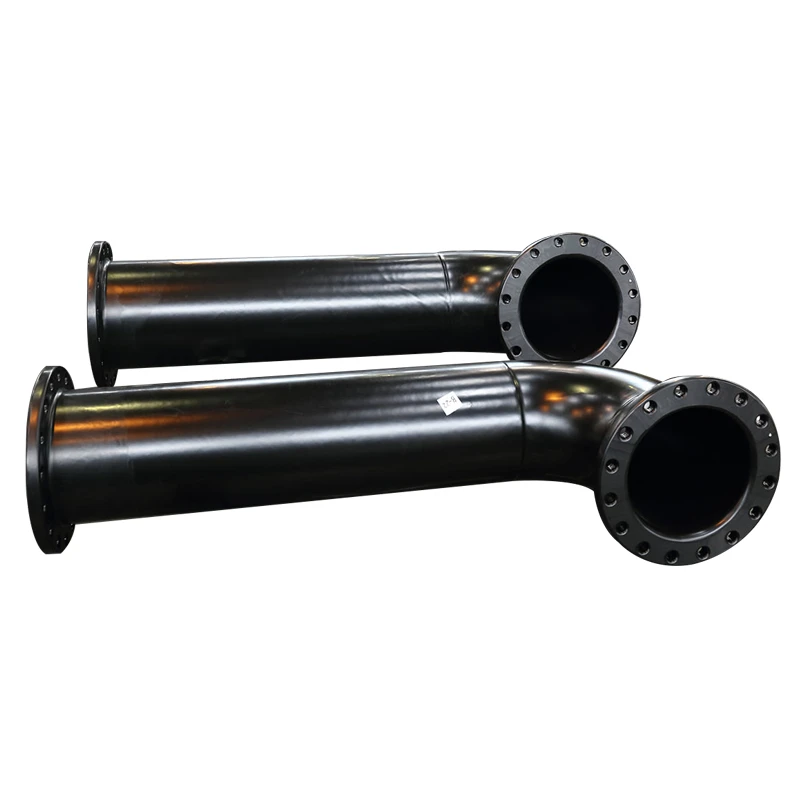
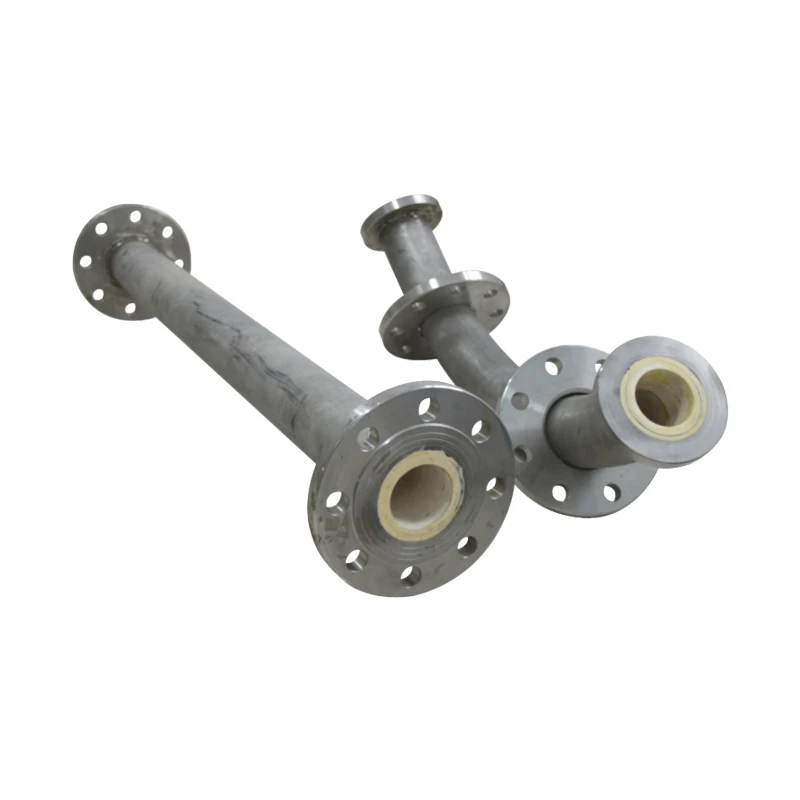
Related Products
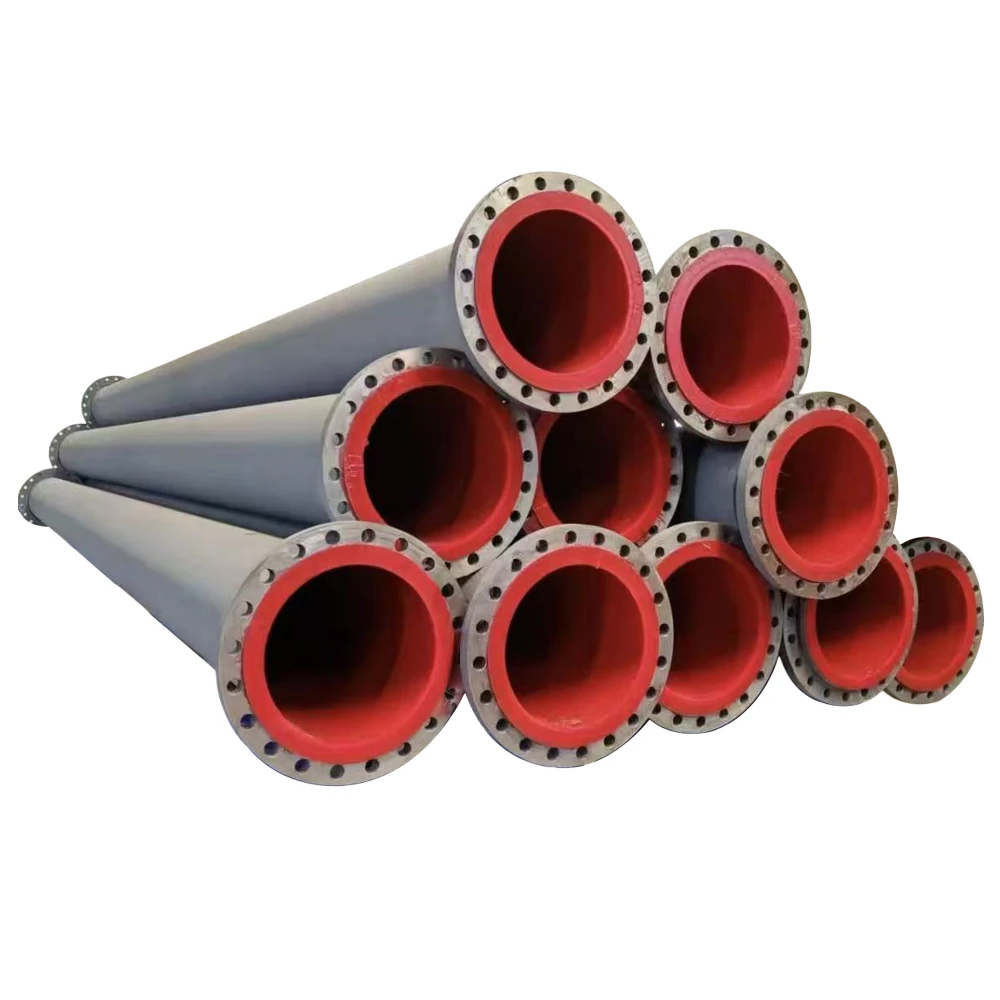
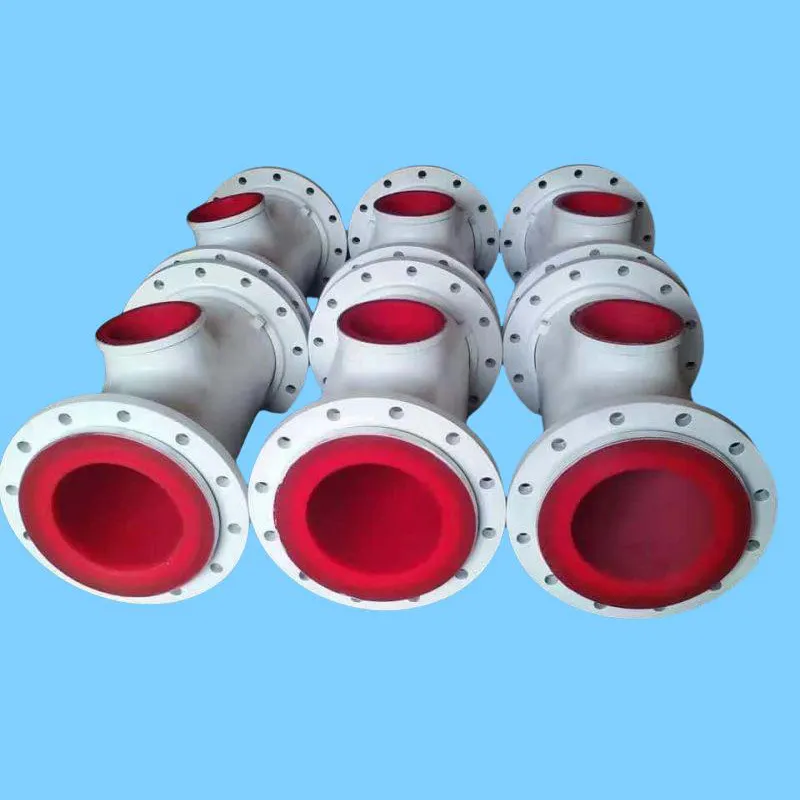
Our main products are polyurethane lined pipes, mining equipment fittings and metal hoses.