iron ore processing

PU Lined Pipe

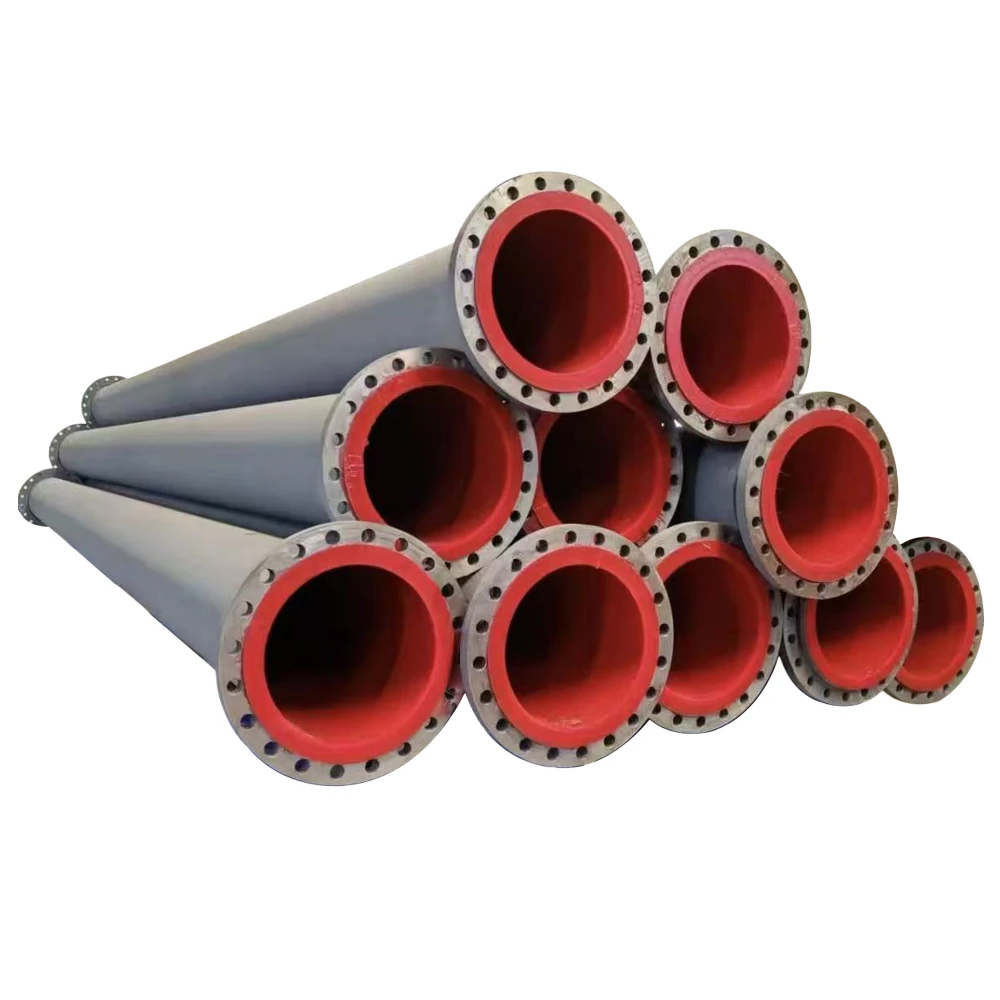
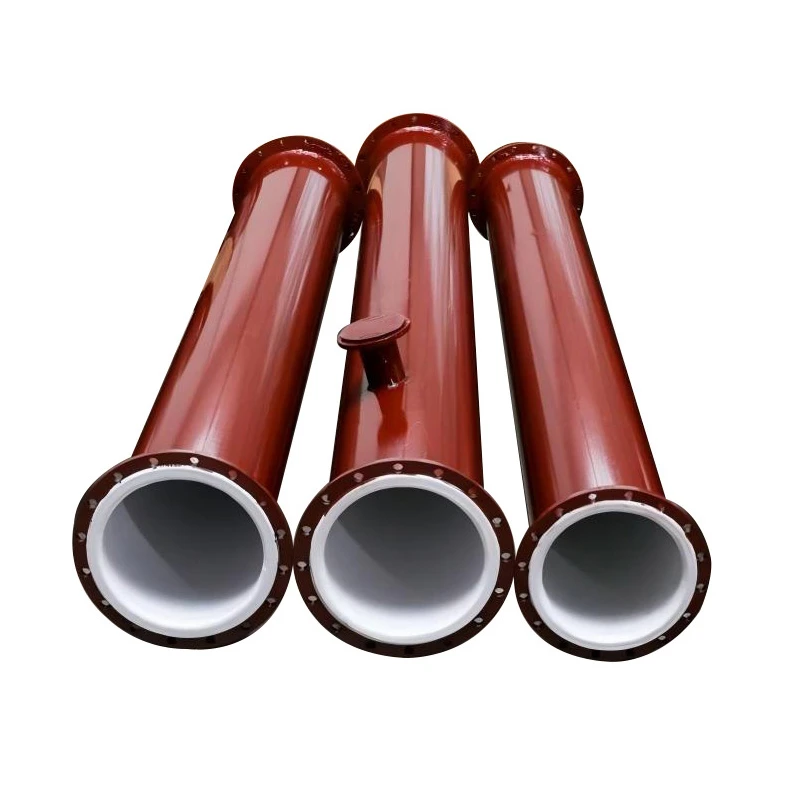
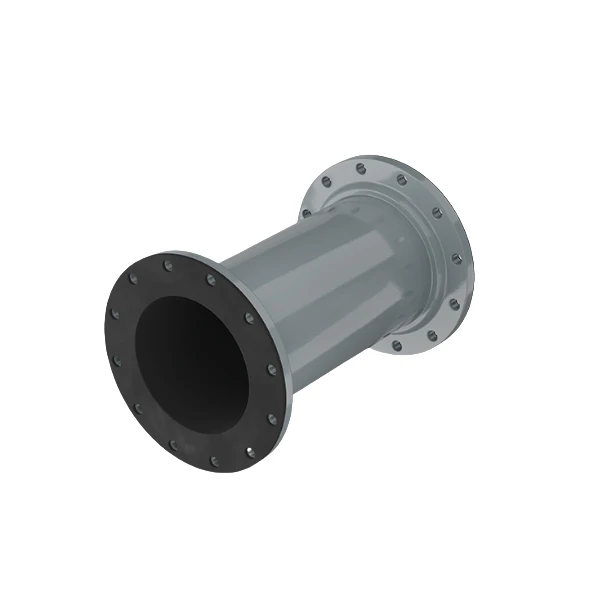
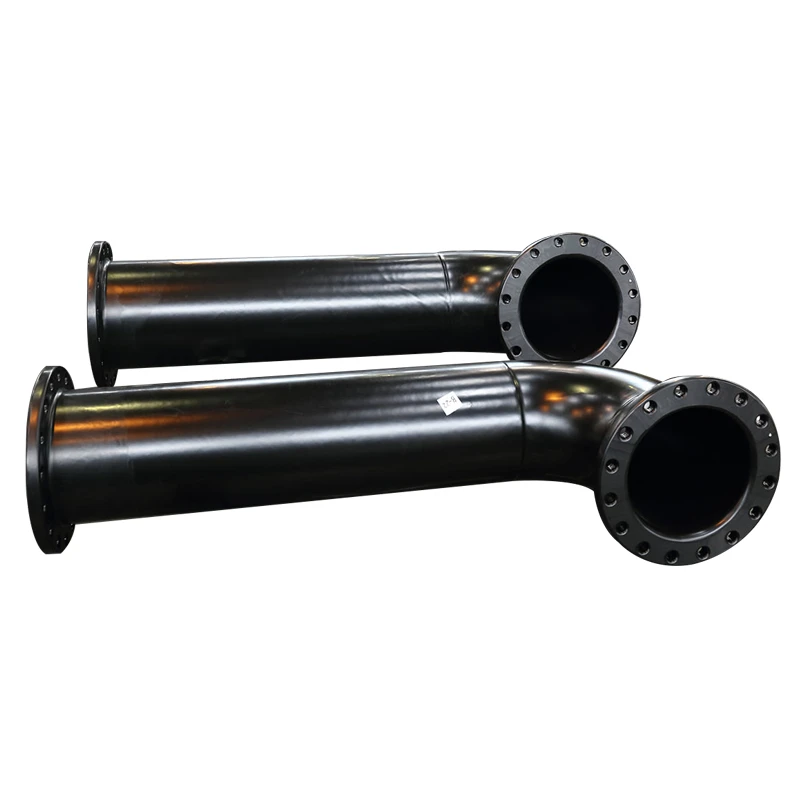
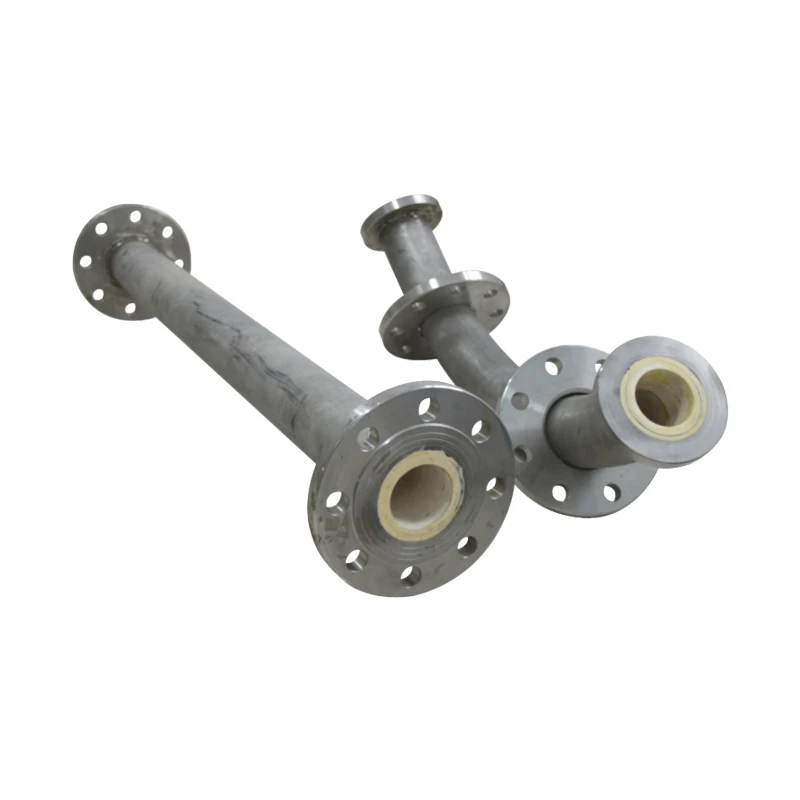
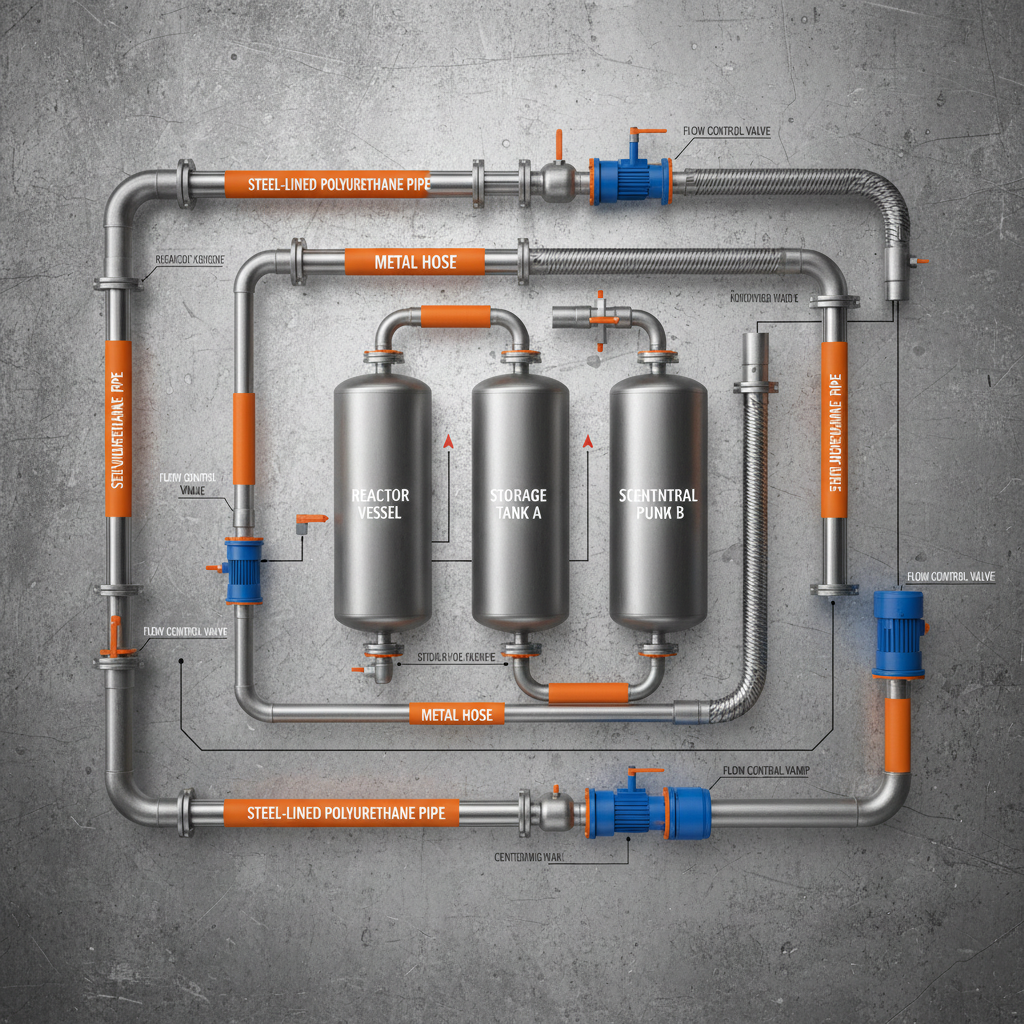
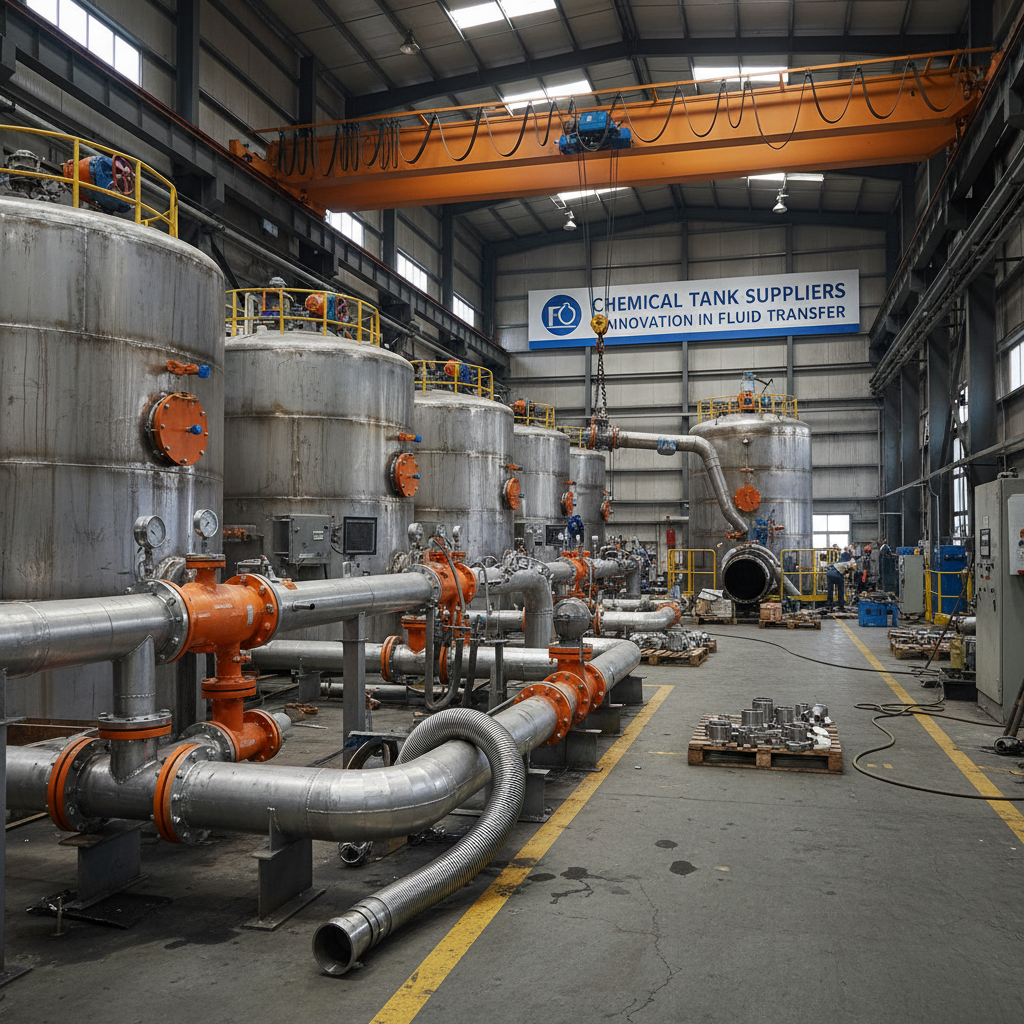
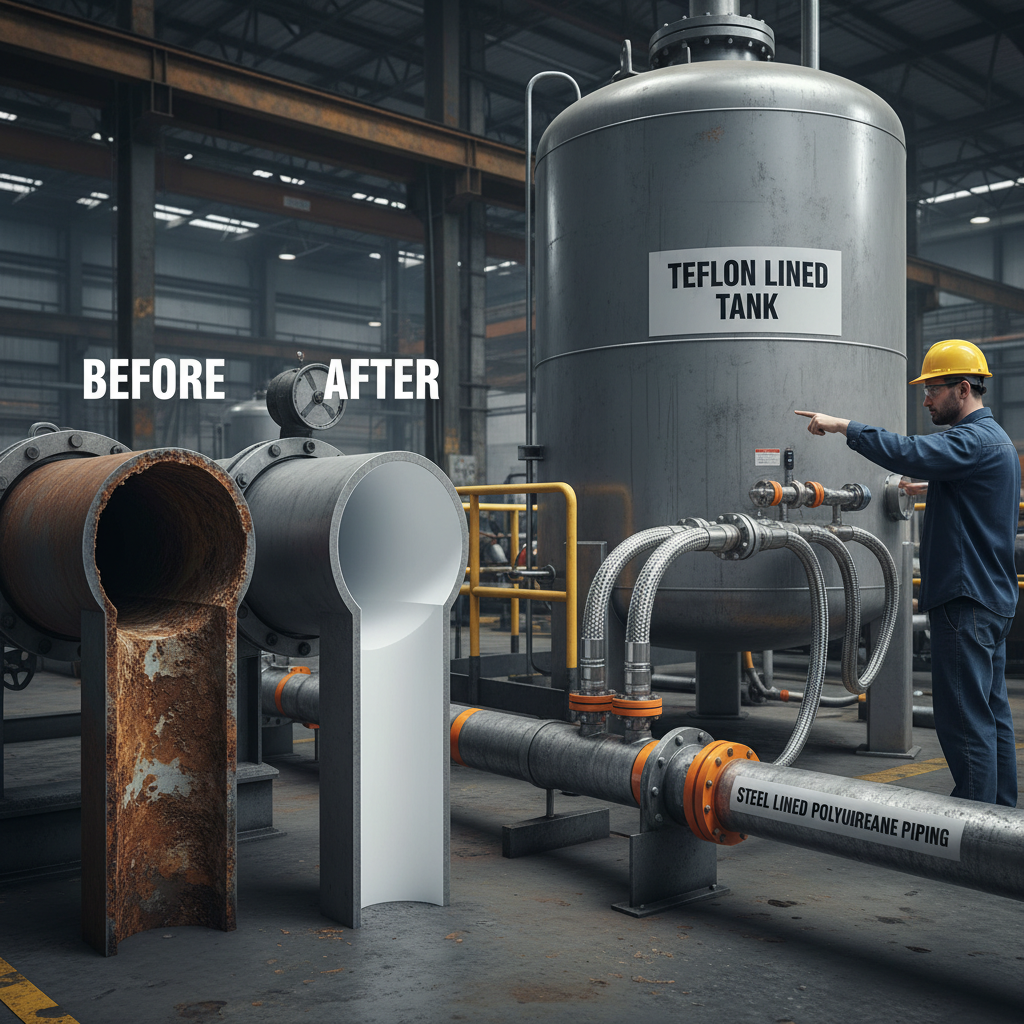
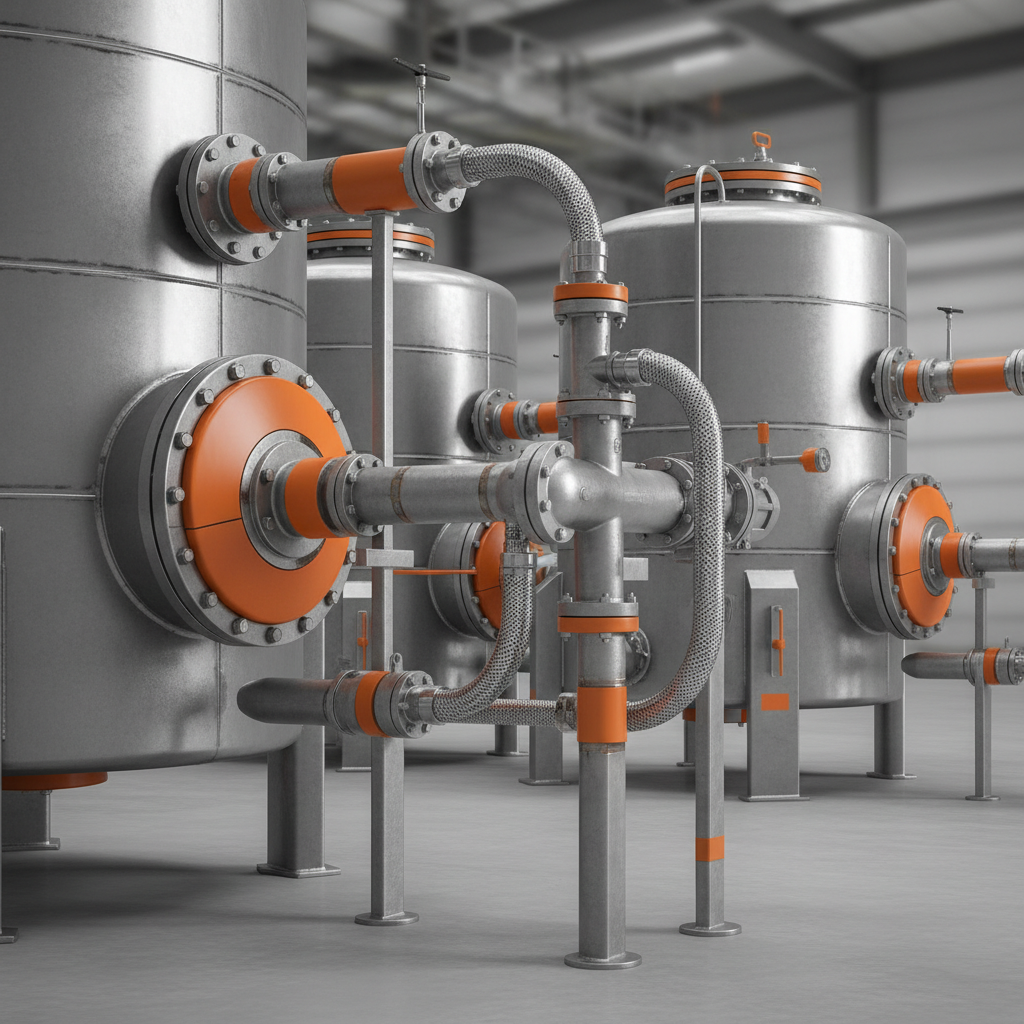
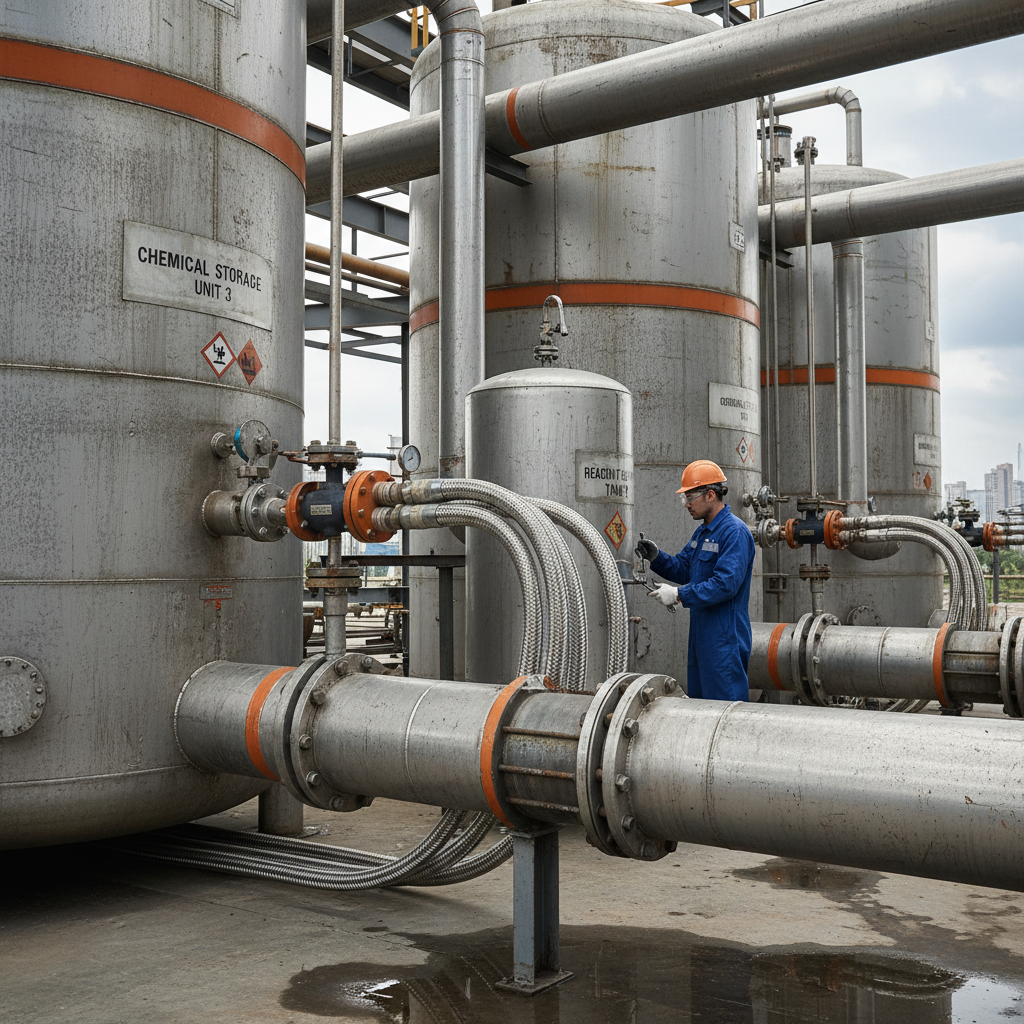
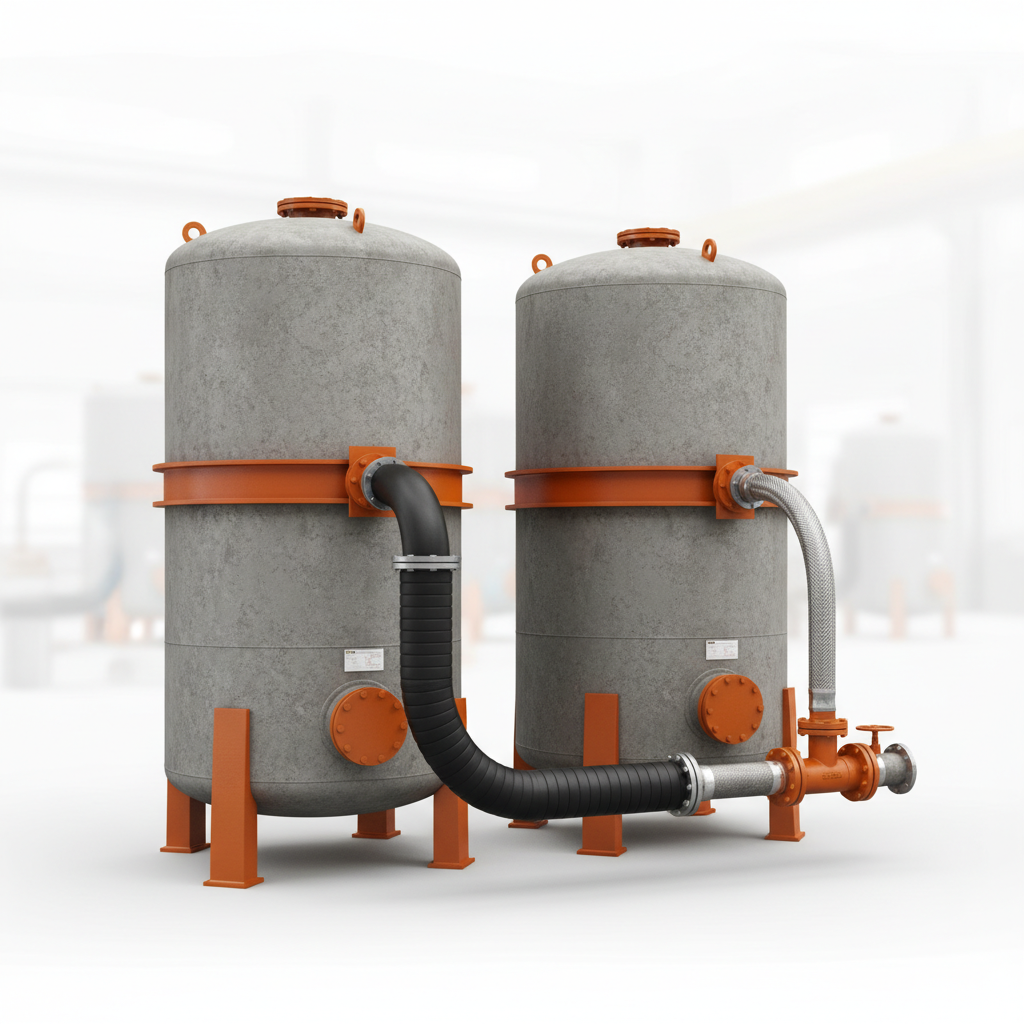
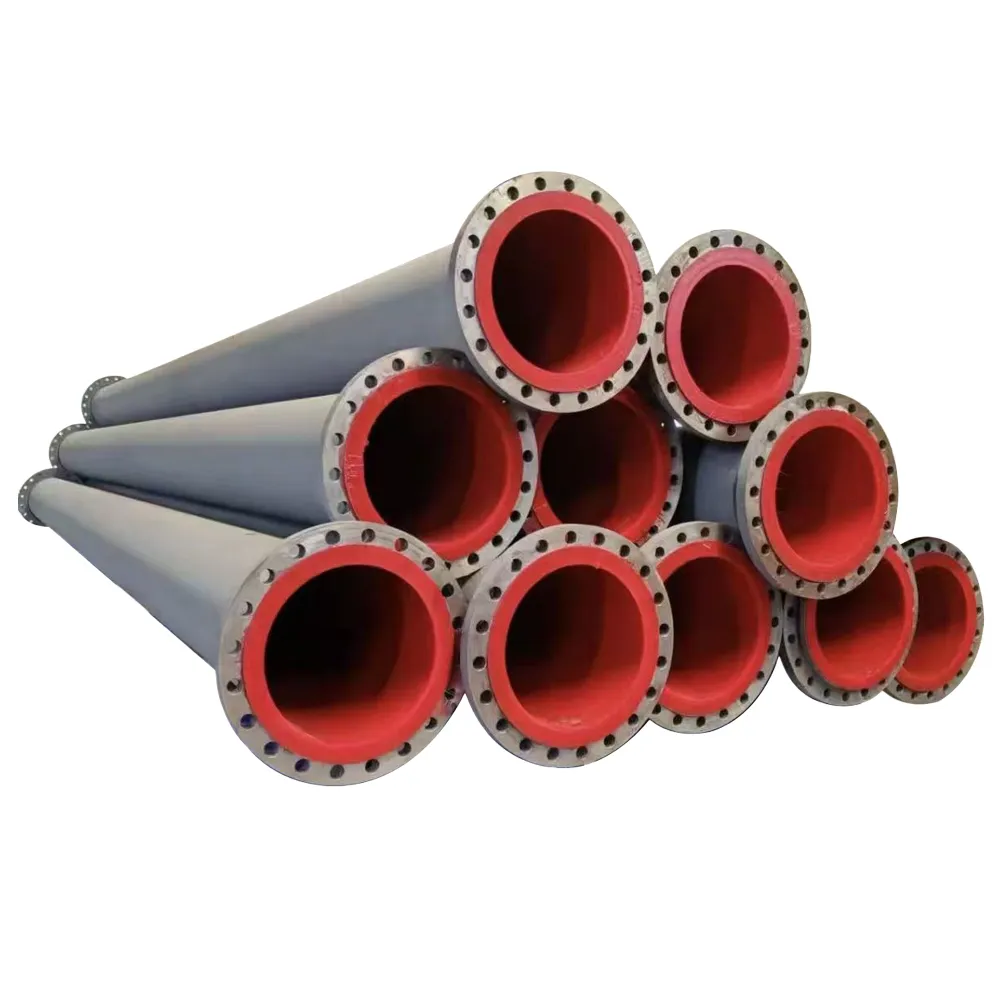
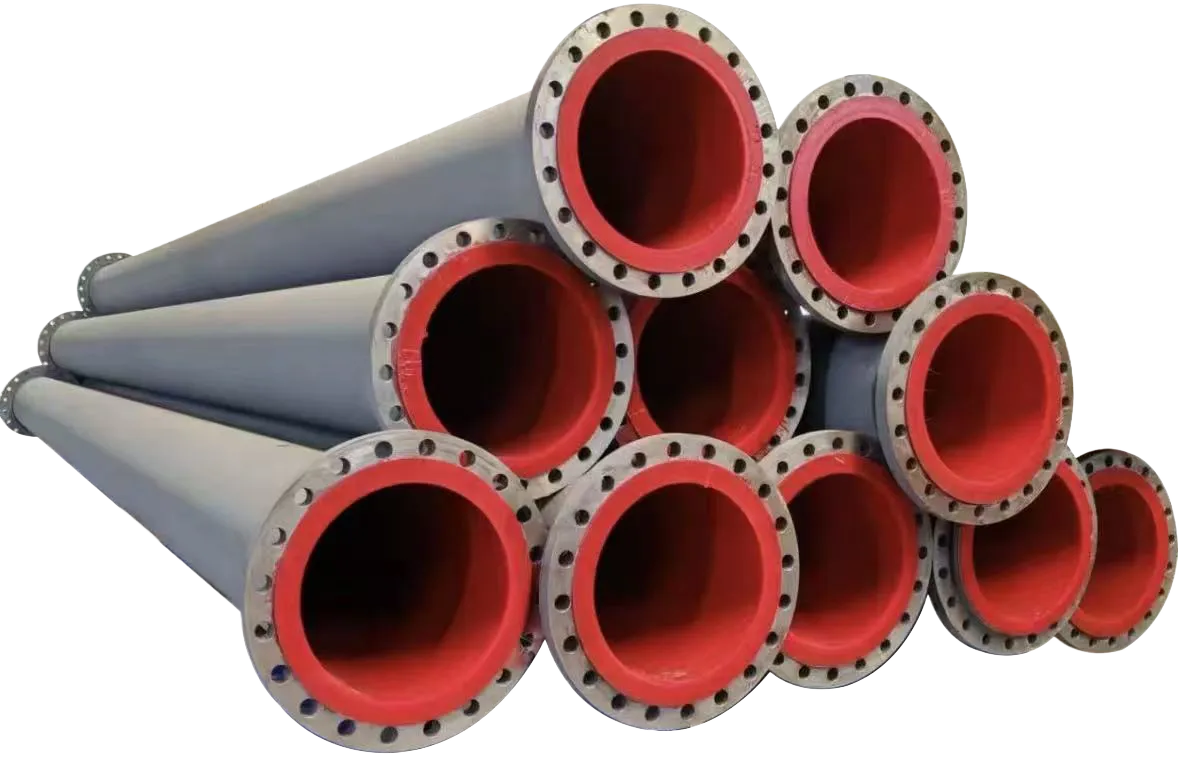
Polyurethane-lined pipes are innovative pipeline components designed to transport abrasive, corrosive, or high-pressure materials efficiently and reliably. These pipes are constructed with a durable steel or metal outer layer for structural strength and an inner lining of polyurethane to resist wear and corrosion. The combination of these materials makes polyurethane-lined pipes an excellent choice for industries such as mining, chemical processing, oil and gas, wastewater treatment, and power generation.
  • 11
Read More About polyurethane pipe suppliers

Structure and Materials

Polyurethane-lined pipes consist of:

1. Outer Shell:Usually made of carbon steel, stainless steel, or ductile iron, this shell provides mechanical strength and pressure resistance.
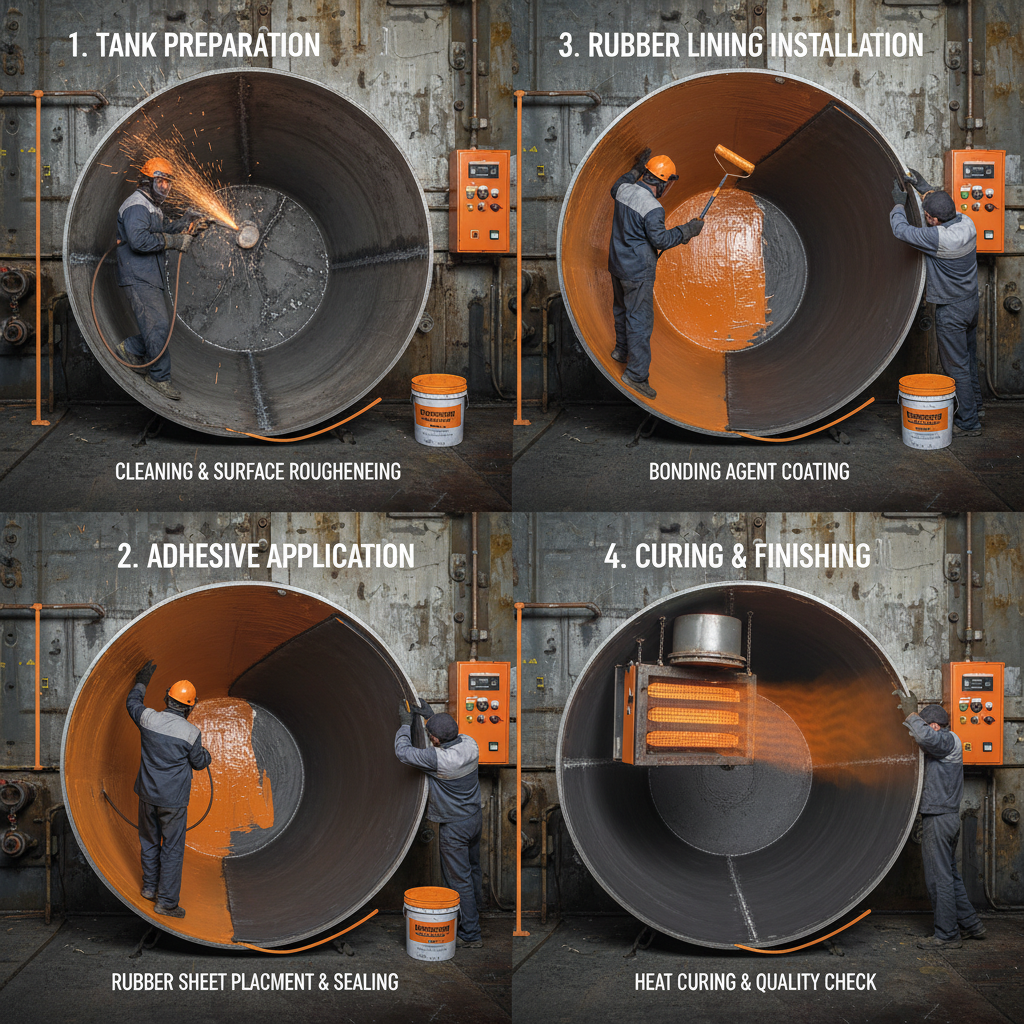
2. Polyurethane Lining: The inner lining is crafted from high-quality polyurethane, which offers exceptional abrasion resistance, impact absorption, and chemical stability. The lining is typically bonded seamlessly to the outer shell to ensure long-lasting performance.

The smooth and low-friction surface of the polyurethane lining enhances material flow, reduces energy consumption, and minimizes material buildup inside the pipe.

Advantages

 Cost Savings: The reduced wear and maintenance result in lower operating costs over the pipe's lifetime.

Operational Efficiency: The low-friction lining improves flow rates and reduces energy consumption.

Environmental Safety: The corrosion resistance ensures no leakage or contamination of transported materials.

Versatility: Suitable for both high-pressure and low-pressure systems, in various industrial environments.

Key Features

  1.  
  2. 1. Abrasion Resistance:Polyurethane is highly resistant to wear caused by abrasive materials such as sand, slurry, and ore.

  3. 2. Corrosion Resistance: The lining protects the pipe from chemical attacks, making it suitable for transporting acidic, alkaline, or saline solutions.

  4. 3. Impact Absorption: Polyurethane’s elasticity absorbs shocks and impacts, protecting the pipe from damage during operation.

  5. 4. Extended Service Life: The durable design reduces maintenance needs and extends the pipe’s lifespan, even under harsh conditions.

  6. 5. Customizable Design:Polyurethane-lined pipes can be manufactured in various sizes, lengths, and wall thicknesses to meet specific operational requirements.


Applications

Polyurethane-lined pipes are widely used in:
- Mining: To transport abrasive slurry, tailings, and crushed ore.
- Chemical Processing: For handling corrosive and reactive chemicals.
- Oil and Gas: In pipelines for crude oil, natural gas, and byproducts with high sand or water content.
- Power Plants:For ash handling and water distribution systems.
- Wastewater Treatment: To convey sludge, grit, and other abrasive materials.

Conclusion

Polyurethane-lined pipes offer unmatched performance, durability, and cost-effectiveness for transporting challenging materials.

Their ability to withstand extreme abrasion, corrosion, and impacts makes them an indispensable solution for industries requiring reliable pipeline systems.

By integrating polyurethane-lined pipes, businesses can achieve higher productivity, reduced maintenance costs, and prolonged equipment lifespan in demanding operational settings.

PU Lined Pipe FAQ

What is a PU lined pipe used for in industrial pipeline systems?

A PU lined pipe is designed for transporting abrasive and corrosive materials such as slurry, sand, and chemicals. The polyurethane lining protects the inner surface of the pipe, reducing wear and extending the pipeline’s service life.

Why choose PU lined pipes instead of traditional steel pipes?

PU lined pipes offer superior wear resistance and corrosion protection compared to traditional steel pipes. They significantly reduce maintenance costs and downtime, especially in industries handling abrasive materials.

Are PU lined pipes suitable for mining slurry transport systems?

Yes, PU lined pipes are widely used in mining slurry transport systems. Their excellent abrasion resistance makes them ideal for conveying materials such as ore, tailings, and sand in harsh operating conditions.

What are the key advantages of polyurethane lining in pipes?

Polyurethane lining provides high wear resistance, flexibility, corrosion resistance, and impact absorption. These features help improve pipeline durability and reduce the risk of leakage or failure.

Can PU lined pipes handle high-pressure and high-flow applications?

Yes, PU lined pipes can be designed to handle high-pressure and high-flow conditions. Proper engineering and material selection ensure they meet the demands of various industrial applications.

What industries commonly use PU lined pipes?

PU lined pipes are commonly used in mining, dredging, power plants, chemical processing, and wastewater treatment industries. They are essential for transporting abrasive and corrosive materials efficiently.

How long do PU lined pipes last in abrasive environments?

PU lined pipes typically last several times longer than unlined pipes in abrasive environments. Their lifespan depends on operating conditions, but they greatly reduce maintenance frequency and replacement costs.

How to maintain PU lined pipes for optimal performance?

To maintain PU lined pipes, regular inspection, proper installation, and monitoring of operating conditions are essential. Avoiding excessive pressure and ensuring correct alignment help extend service life and maintain efficiency.

Polyurethane Lined Pipe Is Corrosion-Resistant, And Chemical Transportation Is Preferred.

Contact Us beneficiation of iron ore

Copyright © 2026 Hebei Qiaowan Metal Products Co.LTD. All Rights Reserved. Sitemap | Privacy Policy | Top Blog
phone
email
Whatsapp
phoneFoot

If you are interested in our products, you can choose to leave your information here, and we will be in touch with you shortly.


  • whatsapp

Need Help?
Drop us a message using the form below.