Industrial Chemical Tanks Selection Guide for Safety and Quality
Industrial Chemical Tanks: The Ultimate Guide to Selection and Safety
In the world of industrial manufacturing and chemical processing, the integrity of storage solutions is non-negotiable. High-quality chemical tanks serve as the backbone of operational safety, ensuring that corrosive, volatile, or hazardous substances are contained without leakage or contamination. Choosing the wrong material or design can lead to catastrophic failures, environmental hazards, and costly downtime. This comprehensive guide explores the critical factors in selecting the right storage systems, focusing on material compatibility, engineering standards, and long-term maintenance to help you optimize your industrial infrastructure.
Material Compatibility for Chemical Tanks
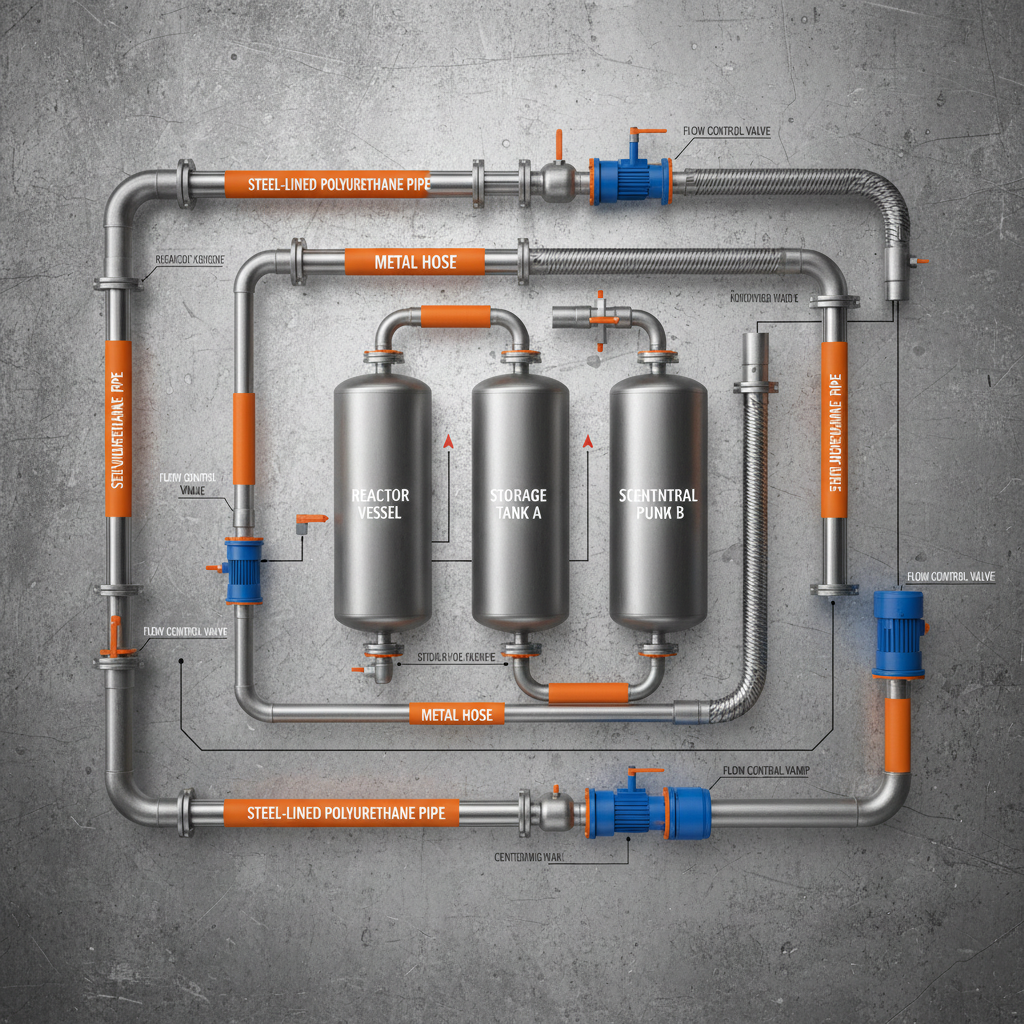
The most critical decision when investing in chemical tanks is the selection of materials. Not all metals or plastics are created equal; a tank that holds sulfuric acid requires entirely different properties than one holding a mild solvent. Stainless steel (304 or 316L) is widely preferred for its excellent corrosion resistance and structural strength. However, for extremely aggressive chemicals, specialized alloys or fluoropolymer linings are often employed. Understanding the pH level, temperature, and concentration of the stored medium is essential to prevent premature degradation and ensure a lifespan of several decades.
Pro Tip: Always request a material compatibility chart from your supplier to cross-reference the specific chemical CAS number with the tank material to avoid unexpected corrosion.
Designing Durable Chemical Tanks for Extreme Environments
Design engineering goes beyond simple volume calculations. Professional chemical tanks must account for hydrostatic pressure, thermal expansion, and seismic loads. The shape of the tank—whether vertical cylindrical, horizontal, or rectangular—impacts the distribution of stress on the walls. Furthermore, the integration of venting systems is crucial to prevent vacuum collapse or over-pressurization during filling and emptying cycles. High-end designs often include double-wall construction (secondary containment) to provide an extra layer of security against leaks, meeting stringent environmental regulations.
Comparing Common Materials for Chemical Tanks
When choosing between different storage mediums, it is helpful to visualize the trade-offs between cost, durability, and chemical resistance. While plastics like HDPE are cost-effective for low-temperature storage, metals provide the structural integrity needed for large-scale industrial applications. The following table provides a detailed comparison to help you determine the best fit for your chemical tanks project.
Maintenance and Safety Standards for Chemical Tanks
Ownership of chemical tanks does not end at installation. To prevent catastrophic failure, a rigorous maintenance schedule is mandatory. This includes non-destructive testing (NDT) such as ultrasonic thickness gauging to monitor wall thinning caused by corrosion. Additionally, regular inspections of gaskets, seals, and valves are necessary to ensure leak-proof operations. Compliance with international standards, such as ASME (American Society of Mechanical Engineers) or API (American Petroleum Institute), provides a framework for safe design, fabrication, and inspection, significantly reducing operational risk.
Product Specifications: Customizing Your Chemical Tanks
Every industrial facility has unique requirements, which is why customization is key. Whether you need integrated heating jackets for viscosity control or specialized agitation systems for mixing, the technical specifications must be precise. Below is a typical specification matrix for industrial-grade chemical tanks to illustrate the level of detail required for a professional order.
Environmental Impact and Regulatory Compliance
Modern industrial operations are under intense scrutiny regarding their environmental footprint. Implementing high-efficiency chemical tanks reduces the risk of soil and groundwater contamination. Regulatory bodies now demand detailed documentation on spill containment and emergency response plans. By utilizing secondary containment berms and automated leak detection sensors, companies can ensure they remain compliant with local and international environmental laws, avoiding heavy fines and protecting the surrounding ecosystem.
Conclusion: Securing Your Operations with Quality Tanks
Selecting the right chemical tanks is a strategic decision that impacts every aspect of your production line, from worker safety to environmental compliance. By focusing on material compatibility, adhering to global engineering standards, and implementing a proactive maintenance strategy, you can ensure a secure and efficient storage environment. Investing in premium, customized storage solutions today prevents the catastrophic costs of failure tomorrow. Trust in expert engineering to protect your assets and your people.
Frequently Asked Questions (FAQs)
How do I determine the correct material for my chemical tank?
Determining the correct material requires a thorough analysis of the chemical's properties. You must identify the pH level (acidity or alkalinity), the concentration of the solution, the operating temperature, and whether the chemical is oxidative. For instance, 316L stainless steel is excellent for many acids, but for highly corrosive halides, you might need FRP or specialized linings. We recommend consulting a material compatibility chart and working with an experienced engineer to ensure the material can withstand the chemical's reactivity over the long term without pitting or stress-corrosion cracking.
What is the difference between single-wall and double-wall chemical tanks?
A single-wall tank consists of a single containment vessel. While effective, any breach in the wall leads directly to a leak. A double-wall tank features an inner primary tank and an outer secondary containment shell. The space between the walls (the interstitial space) can be monitored for leaks. If the primary tank fails, the secondary wall contains the chemical, preventing it from reaching the environment. Double-wall systems are often required by law for hazardous materials to mitigate the risk of environmental contamination and enhance facility safety.
How often should industrial chemical tanks be inspected?
Inspection frequency depends on the aggressiveness of the stored chemical and the tank material. Generally, a visual external inspection should be performed monthly. A detailed internal inspection, including ultrasonic thickness testing and weld analysis, is typically recommended every 2 to 5 years. However, for highly corrosive substances, semi-annual inspections may be necessary. Following a schedule based on API 653 or similar standards ensures that wall thinning is detected early, allowing for repairs before a leak occurs. Regular maintenance extends the lifespan of your chemical tanks and reduces insurance premiums.

Related Products
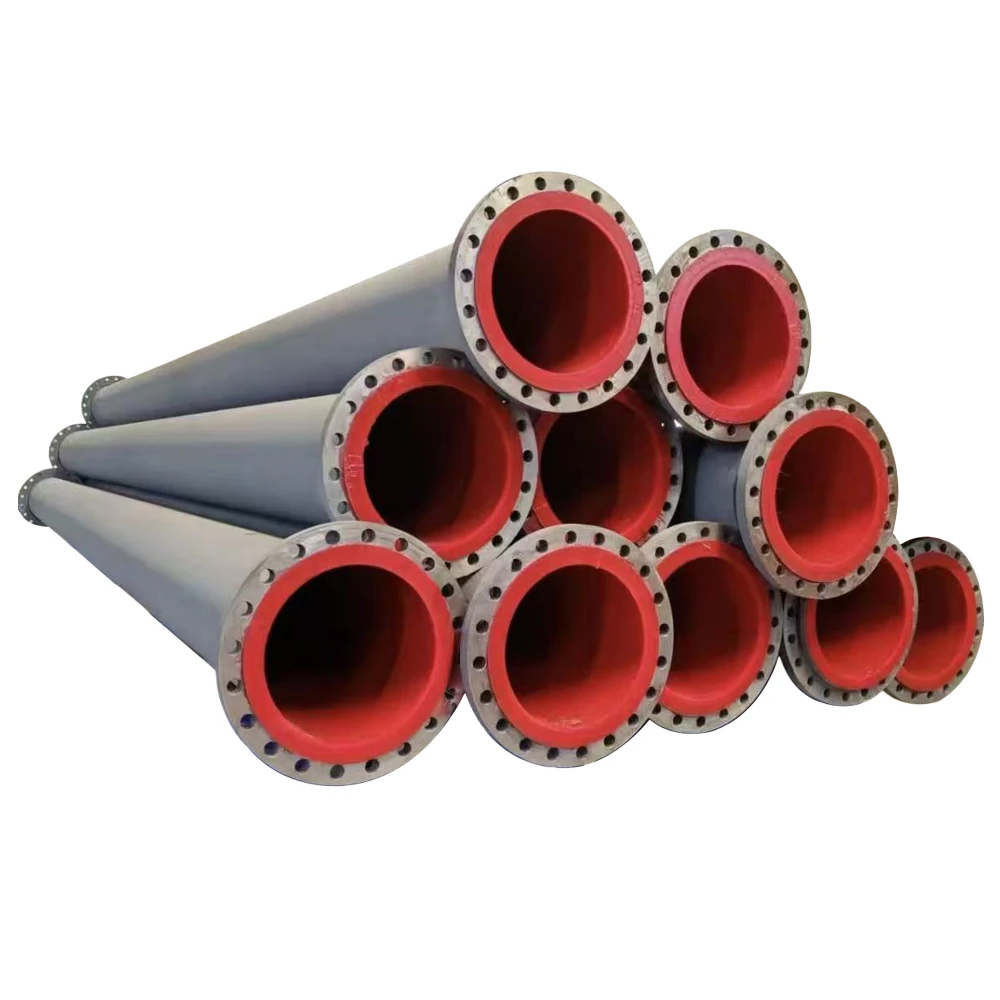
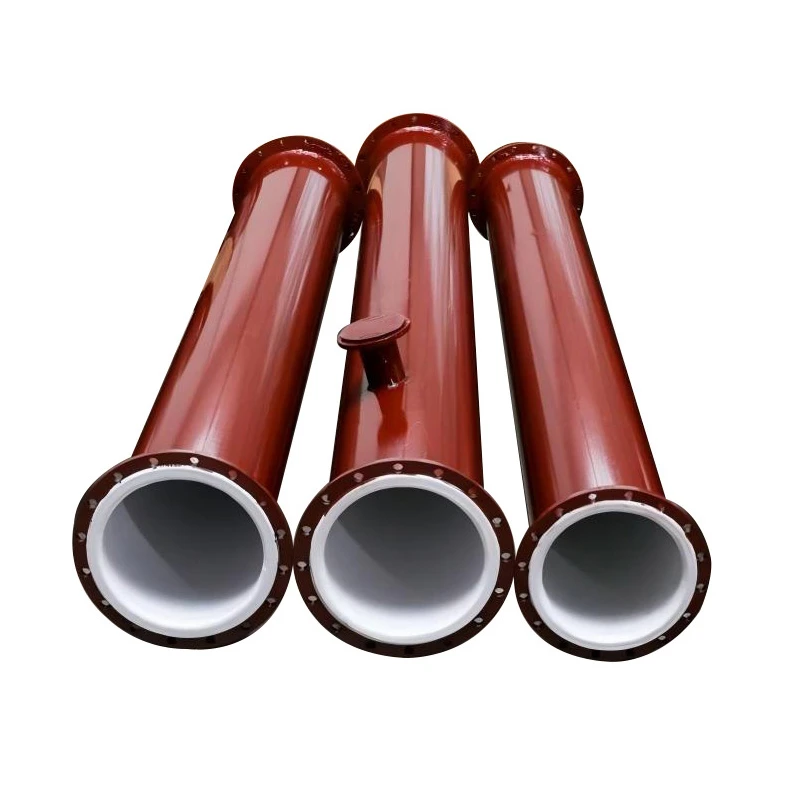
Our main products are polyurethane lined pipes, mining equipment fittings and metal hoses.