Lead ore processing is a critical component in the broader metal extraction industry, representing the initial stage in acquiring lead for countless applications. Globally, the demand for lead, driven by industries like battery manufacturing, construction, and radiation shielding, necessitates efficient and environmentally responsible processing techniques. Understanding the nuances of lead ore processing isn’t just an academic exercise; it’s essential for optimizing resource utilization, minimizing environmental impact, and ensuring a stable supply chain for vital industries.
The relevance of lead ore processing extends beyond purely industrial concerns. Historically, lead exposure posed significant public health challenges, necessitating advancements in processing to minimize harmful emissions and waste. Modern techniques are increasingly focused on sustainable practices, aligning with global efforts to reduce pollution and promote responsible mining. The economic implications are substantial, influencing international trade, job creation, and the development of resource-rich nations.
Efficient lead ore processing is pivotal for unlocking the potential of lead deposits worldwide. From the initial comminution and concentration stages to refining and smelting, each step demands specialized expertise and technology. Improvements in this field directly translate into increased lead production, reduced operating costs, and a more sustainable approach to resource extraction, ultimately benefiting both industry stakeholders and the environment.
The Importance of Lead Ore Processing
Lead ore processing isn't merely about extracting a metal; it’s about unlocking the potential of a raw resource for a multitude of critical applications. From the batteries powering our vehicles and energy storage systems to the protective shielding used in medical facilities and nuclear power plants, lead’s unique properties are essential. Effective lead ore processing directly impacts the availability, cost, and sustainability of these vital components, shaping industries and impacting daily life.
The efficiency and environmental responsibility of lead ore processing are paramount. Historically, lead mining and processing have been associated with environmental concerns. Modern advancements, however, are focusing on minimizing these impacts through innovative technologies and responsible resource management. This includes reducing emissions, recycling materials, and rehabilitating mining sites, ensuring a more sustainable future for the industry.
Defining Lead Ore Processing: From Earth to Element
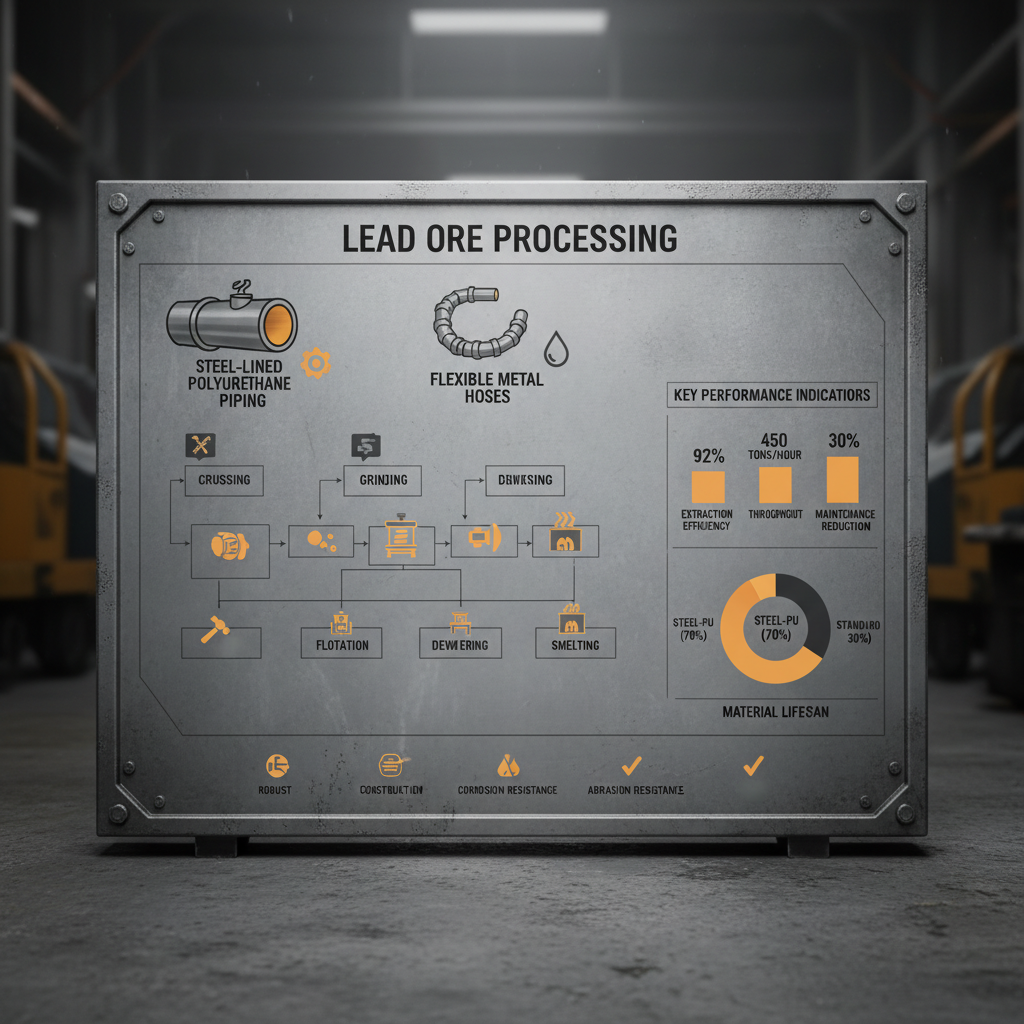
Lead ore processing encompasses a series of operations designed to extract lead from its naturally occurring ores, primarily galena (lead sulfide). This process isn’t a single step, but rather a complex sequence of crushing, grinding, concentrating, and refining operations. The goal is to separate the lead-bearing minerals from the waste rock (gangue) and ultimately produce a high-purity lead concentrate. This concentrate then undergoes further smelting and refining to yield the final lead product.
The connection to modern industry is undeniable. The vast majority of lead produced through ore processing is used in the manufacture of lead-acid batteries, a cornerstone of the automotive industry and increasingly important for energy storage solutions. Beyond batteries, lead finds applications in radiation shielding, construction materials, and various specialized alloys, solidifying its role in numerous sectors.
Understanding the intricacies of lead ore processing is crucial for addressing humanitarian needs as well. While lead exposure is a significant concern, properly processed lead can be used in medical applications, such as X-ray shielding, protecting healthcare professionals and patients. Additionally, advancements in processing technologies are constantly improving the safety and sustainability of lead-related products.
Core Components of Effective Lead Ore Processing
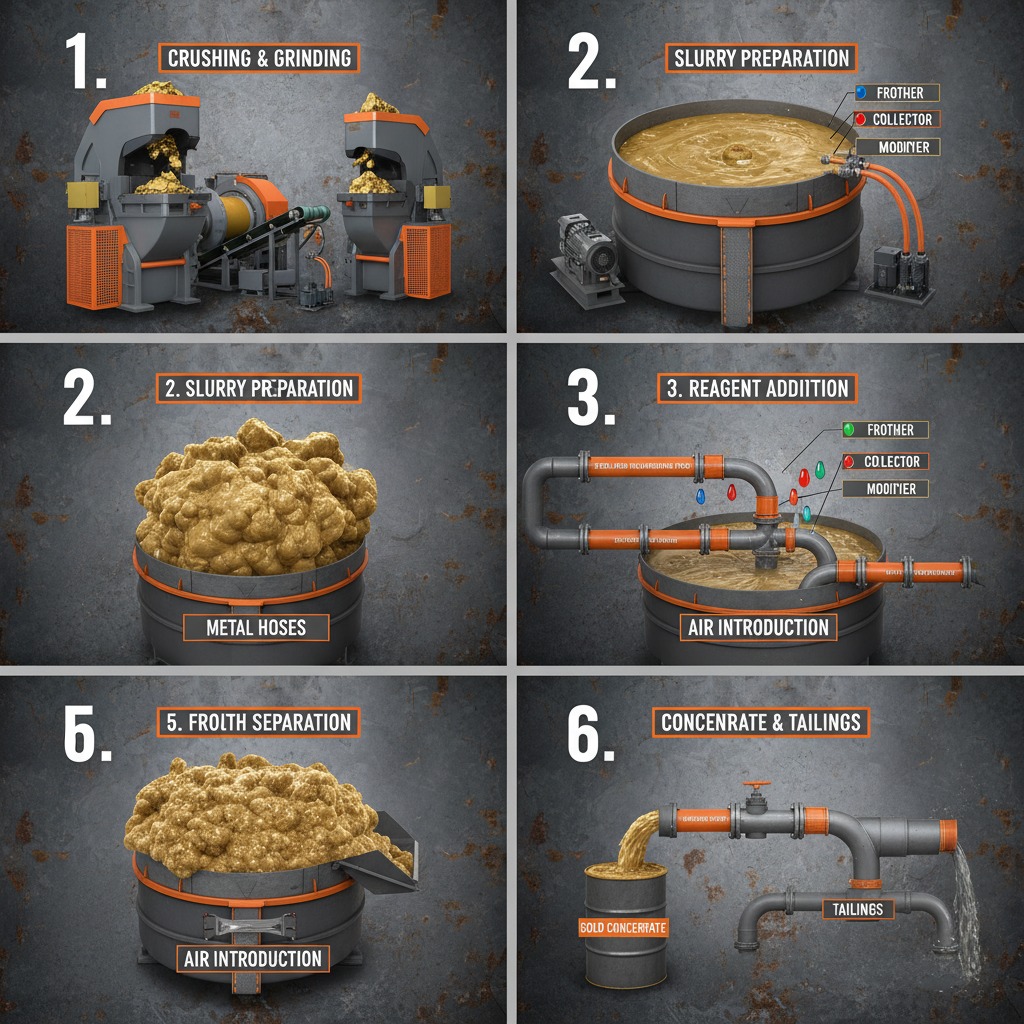
Several key factors determine the effectiveness of lead ore processing. First, Mineral Liberation is critical. This involves the breaking down of the ore to release the lead sulfide minerals from the surrounding gangue. The efficiency of this process directly impacts the subsequent concentration steps. Second, Concentration Techniques, such as froth flotation, are used to selectively separate the lead sulfide minerals based on their surface properties.
Smelting is a core process where the lead sulfide concentrate is heated with fluxes to separate the lead metal from sulfur and other impurities. Modern smelting operations employ advanced technologies to minimize emissions and maximize lead recovery. Finally, Refining processes further purify the lead metal to meet specific industry standards, removing remaining impurities to achieve the desired grade and quality.
These components are interconnected and require careful optimization. Efficient mineral liberation simplifies concentration, high-quality concentration reduces smelting costs, and effective refining ensures the production of a premium lead product. Each stage relies on advanced technologies and skilled personnel to maximize yield and minimize environmental impact.
Global Applications and the Role of Lead Ore Processing
Lead ore processing fuels a vast array of global applications. The most significant is, undoubtedly, the lead-acid battery industry, with over 60% of global lead production dedicated to this sector. These batteries power the automotive industry, provide backup power for telecommunications, and are increasingly used in renewable energy storage systems. The demand for lead-acid batteries continues to grow, particularly in developing nations.
Beyond batteries, lead finds vital uses in radiation shielding, protecting personnel in medical imaging facilities and nuclear power plants. Its high density and ability to absorb radiation make it an indispensable material in these applications. Construction utilizes lead in roofing, flashing, and soundproofing, while specialized alloys containing lead are used in soldering, ammunition, and various industrial applications.
Lead Ore Processing Method Comparison
Advantages and Long-Term Value Proposition
The benefits of efficient lead ore processing are far-reaching. From a cost perspective, optimized processes reduce energy consumption, minimize waste, and maximize lead recovery, directly impacting profitability for mining companies. Environmentally, responsible lead ore processing reduces harmful emissions, protects water resources, and minimizes land disturbance, aligning with global sustainability goals.
Long-term value extends beyond immediate economic and environmental gains. A secure and reliable supply of lead is crucial for supporting critical industries, fostering technological innovation, and ensuring public safety. Investing in advanced lead ore processing technologies creates skilled jobs and promotes economic growth in resource-rich regions, strengthening communities and fostering stability.
Future Trends in Lead Ore Processing Technology
The future of lead ore processing is focused on sustainability and efficiency. One key trend is the development of more environmentally friendly smelting technologies, such as the Ausmelt process, which significantly reduces sulfur dioxide emissions. Another is the increasing adoption of hydrometallurgical techniques, which offer a cleaner and more energy-efficient alternative to traditional pyrometallurgy.
Digitalization and automation are also playing a growing role, with real-time monitoring systems and AI-powered process optimization leading to improved efficiency and reduced waste. Furthermore, advancements in biotechnology are being explored for bioleaching – utilizing microorganisms to extract lead from ores – offering a potentially sustainable and cost-effective solution.
These innovations align with the global push towards a circular economy, emphasizing resource recovery and waste minimization. Integrating these technologies into lead ore processing operations will be critical for ensuring the industry's long-term viability and minimizing its environmental footprint.
Challenges and Innovative Solutions in Lead Ore Processing
Despite advancements, lead ore processing faces ongoing challenges. Complex ore mineralogy, declining ore grades, and stringent environmental regulations all present significant hurdles. The presence of impurities, such as arsenic and antimony, can complicate processing and require specialized treatment to meet environmental standards.
Innovative solutions are emerging to address these challenges. Pre-concentration techniques, such as sensor-based sorting, can remove waste rock before the main processing stages, improving efficiency and reducing costs. Advanced flotation reagents and process control systems are optimizing mineral recovery and minimizing reagent consumption.
Furthermore, research into novel leaching techniques and improved smelting processes is paving the way for more sustainable and efficient lead ore processing. Collaboration between industry, academia, and government is crucial for accelerating innovation and overcoming the remaining challenges.
Summary of Challenges and Solutions in Lead Ore Processing
| Challenge |
Impact on Processing |
Potential Solution |
Expected Outcome |
| Complex Ore Mineralogy |
Reduced lead recovery, increased processing costs |
Advanced Mineralogy Analysis & Targeted Flotation |
Improved Lead Recovery & Efficiency |
| Declining Ore Grades |
Increased processing volume, higher energy consumption |
Pre-Concentration Techniques (Sensor Sorting) |
Reduced Processing Costs & Environmental Impact |
| Environmental Regulations |
Increased treatment costs, operational restrictions |
Advanced Smelting Technologies (Ausmelt) |
Reduced Emissions & Improved Compliance |
| Impurity Presence (Arsenic, Antimony) |
Complicated processing, waste management issues |
Selective Leaching & Waste Stabilization |
Improved Lead Purity & Reduced Environmental Risk |
| Energy Consumption |
High operational costs, carbon footprint |
Hydrometallurgical Processing & Heat Recovery Systems |
Reduced Energy Costs & Lower Emissions |
| Waste Management |
Landfill requirements, potential environmental contamination |
Waste Recycling & Reprocessing Technologies |
Reduced Waste Volume & Resource Recovery |
FAQS
The major environmental concerns stem from potential releases of heavy metals (lead, arsenic) into the surrounding environment, affecting soil, water, and air quality. Historically, smelting operations were significant sources of sulfur dioxide emissions. Modern processing techniques focus on minimizing these impacts through closed-loop systems, waste stabilization, and advanced emission control technologies. Regulatory compliance and responsible waste management are crucial for mitigating these concerns.
Froth flotation is a key concentration technique that selectively separates lead sulfide minerals from gangue. By exploiting differences in surface properties, reagents are used to make the lead sulfide hydrophobic, allowing it to attach to air bubbles and float to the surface, forming a concentrate. This process dramatically increases the lead content, reducing the volume of material requiring further processing and improving overall efficiency and reducing costs.
Hydrometallurgy uses aqueous solutions to extract and recover metals, while pyrometallurgy involves high-temperature processes like smelting. In lead processing, hydrometallurgy offers advantages like lower energy consumption, reduced emissions, and the ability to process complex ores. However, it can be slower and require careful management of chemical reagents. Pyrometallurgy remains dominant but is increasingly complemented by hydrometallurgical techniques.
Several factors impact the cost, including ore grade, mineralogy, energy prices, labor costs, and environmental regulations. Complex ores requiring extensive processing are more expensive to treat. Efficient process control, waste minimization, and the implementation of advanced technologies are vital for reducing operational costs. Transportation costs of ore and concentrate also play a significant role.
Impurities are typically removed through selective leaching, precipitation, or refining processes. Specialized techniques are used to separate and stabilize these elements, minimizing their environmental impact. Sometimes, they are recovered as by-products. The chosen method depends on the concentration and chemical properties of the impurities and is often dictated by environmental regulations.
Automation is increasingly vital for improving efficiency, reducing labor costs, and enhancing process control. Automated systems monitor key parameters like pH, flow rates, and mineral concentrations, making real-time adjustments to optimize performance. Robotic systems are used for sampling, reagent addition, and even some aspects of maintenance, ensuring consistent quality and reducing human error.
Conclusion
In conclusion, lead ore processing is a multifaceted and critical industry, underpinning numerous sectors from automotive and energy storage to healthcare and construction. The journey from raw ore to refined lead involves complex processes, demanding continuous innovation and a commitment to sustainable practices. Understanding the core components, global applications, and future trends of lead ore processing is crucial for stakeholders across the value chain.
Looking ahead, the industry must prioritize environmentally responsible techniques, embrace digital transformation, and invest in research and development to overcome existing challenges. By focusing on sustainability, efficiency, and responsible resource management, lead ore processing can continue to deliver essential materials while minimizing its environmental footprint and contributing to a more sustainable future. Visit our website at lead ore processing to learn more about our solutions.