In the demanding environments of modern industrial slurry transport and chemical processing, the integrity of piping systems is non-negotiable. The introduction of pu lined pipe has revolutionized how engineers approach abrasion and corrosion, providing a robust barrier that extends the operational lifespan of critical infrastructure. By fusing the structural strength of steel with the high-elasticity and wear resistance of polyurethane, these pipes offer a superior alternative to traditional rubber or ceramic linings.
Globally, the shift toward more aggressive mining techniques and the processing of highly abrasive materials has increased the wear rate on standard piping, leading to costly downtime and safety hazards. The adoption of polyurethane lining addresses these challenges by creating a smooth, low-friction internal surface that resists tearing and chemical degradation. This technological evolution is not merely about material substitution but about enhancing the overall efficiency of fluid dynamics in heavy-duty industrial circuits.
Understanding the nuances of pu lined pipe—from its chemical composition to its installation methods—allows plant managers to optimize their maintenance schedules and reduce total cost of ownership. Whether used in tailings management or chemical transport, the strategic application of PU linings ensures that the structural shell remains protected while the interior withstands the most grueling abrasive forces known to the manufacturing sector.
The Material Engineering of pu lined pipe
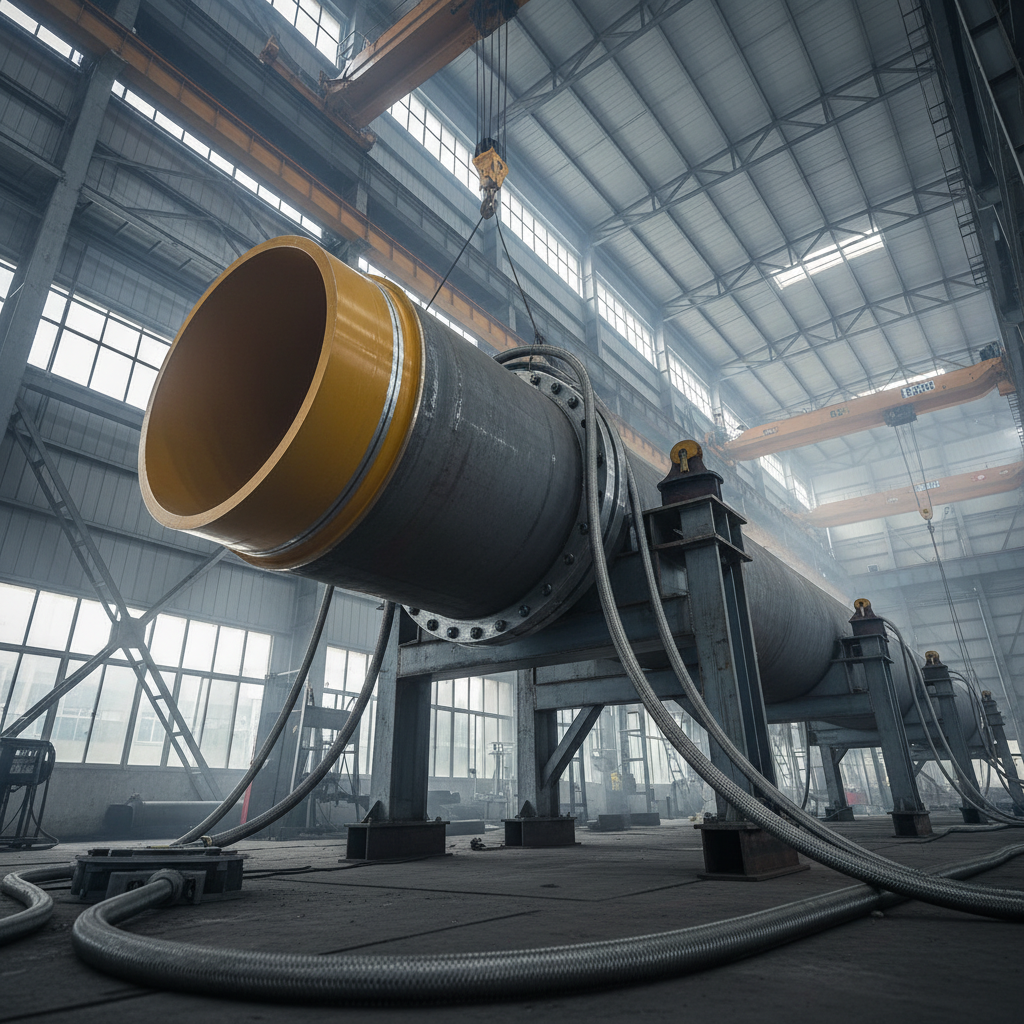
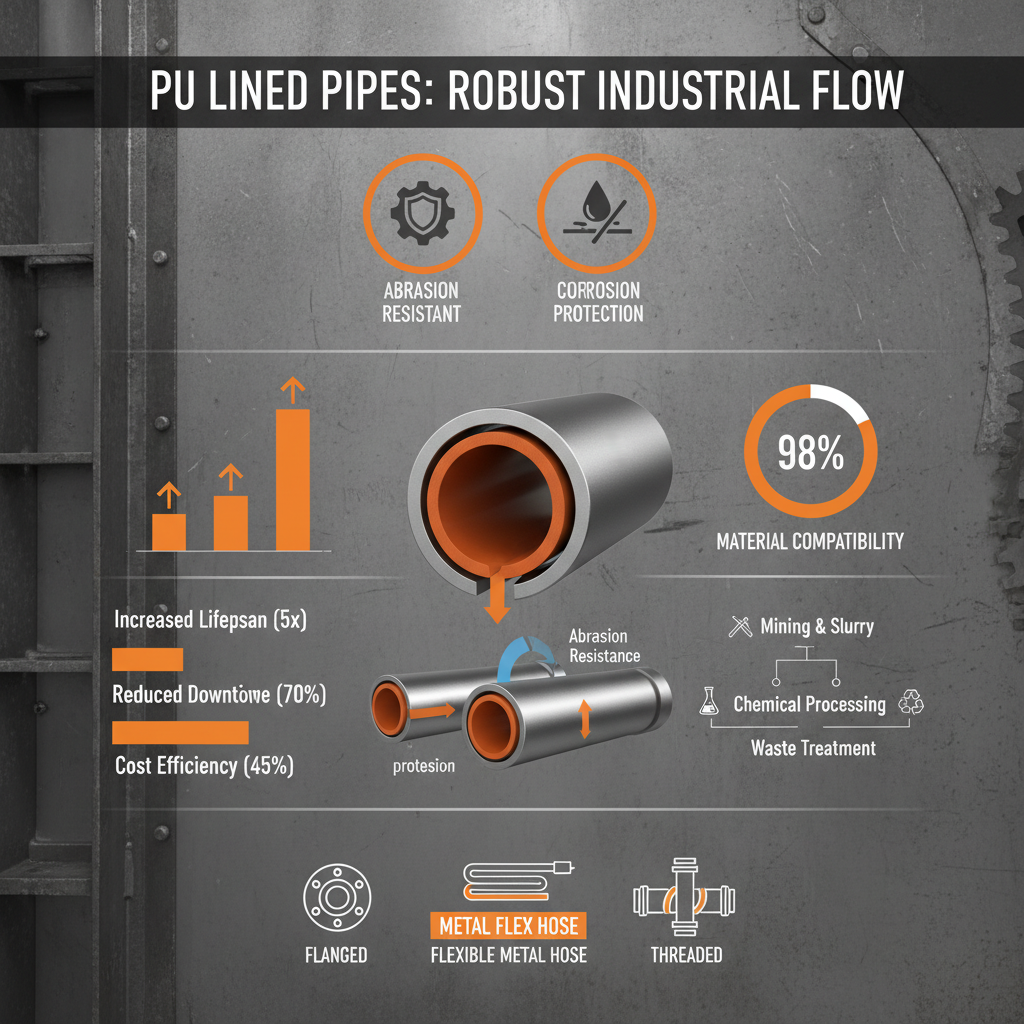
The core engineering behind pu lined pipe lies in the synergistic relationship between the outer carbon steel shell and the inner polyurethane layer. The steel provides the necessary hoop strength to withstand high internal pressures and external mechanical loads, while the PU lining acts as a sacrificial and protective barrier. Unlike rigid linings, polyurethane possesses a unique ability to absorb the energy of impacting particles, effectively "bouncing" abrasive media off the wall rather than allowing it to gouge the surface.
This molecular structure makes the polyurethane lining exceptionally resistant to hydro-abrasion and erosion. Through a precise curing process, the PU is chemically bonded to the steel substrate, preventing delamination—a common failure point in inferior lining systems. This fusion ensures that the pipe maintains a consistent internal diameter and low friction coefficient over thousands of operating hours, which is critical for maintaining flow rates in mining and dredging operations.
Key Performance Factors for Industrial Longevity
When evaluating the lifespan of a pu lined pipe, durability is the primary metric. The hardness of the polyurethane (measured on the Shore A or D scale) must be carefully matched to the abrasive media being transported. A lining that is too hard may crack under impact, while one that is too soft may wear down too quickly. Achieving the "Golden Mean" of hardness ensures maximum resistance to both sliding abrasion and impact wear.
Another critical factor is chemical compatibility. While PU is renowned for its resilience, its performance can vary when exposed to certain solvents or extreme pH levels. High-grade pu lined pipe is engineered with specific additives to resist oxidation and hydrolysis, ensuring that the lining does not soften or swell when transporting complex chemical slurries or saltwater mixtures common in coastal industrial zones.
Finally, the precision of the lining thickness plays a vital role in operational scalability. Consistent wall thickness prevents "thin spots" that could become points of premature failure. Advanced centrifugal casting or extrusion methods are employed to ensure that the polyurethane layer is uniform throughout the length of the pipe, providing a predictable wear life and simplifying the maintenance planning for large-scale industrial installations.
Comparative Analysis: PU vs. Traditional Linings
For decades, rubber and ceramic were the standards for protective linings, but pu lined pipe has emerged as a more versatile solution. Rubber linings, while flexible, often suffer from poor abrasion resistance against sharp-edged particles and are prone to permeation. In contrast, polyurethane offers a significantly higher tear strength and a denser molecular structure, which effectively seals the steel pipe from corrosive agents.
Comparing these to ceramic linings, we find that while ceramics are harder, they are also brittle. In environments subject to vibration or thermal expansion, ceramic tiles can crack or dislodge. The pu lined pipe solves this by providing a continuous, seamless lining that accommodates the natural movements of the piping system without risking catastrophic failure or leakage.
From a cost-benefit perspective, the initial investment in polyurethane may be higher than basic rubber, but the reduction in replacement frequency creates a lower Total Cost of Ownership (TCO). The ability of pu lined pipe to handle a wider range of velocities and particle sizes makes it the most reliable choice for facilities aiming for 24/7 operational continuity.
Efficiency Metrics in Slurry Transport
The operational efficiency of pu lined pipe is largely attributed to its exceptionally low coefficient of friction. In slurry transport, friction leads to pressure drops, which in turn requires more energy from pumping stations to maintain the required flow rate. The smooth interior surface of a PU lining minimizes turbulence and prevents the accumulation of solids, thereby reducing the energy consumption of the entire system.
Beyond energy savings, the reliability of these pipes minimizes unscheduled downtime. In mining operations, a single pipe burst can lead to environmental contamination and massive production losses. By utilizing the high-impact resistance of polyurethane, companies can push their systems to higher capacities with confidence, knowing that the lining can withstand the intermittent surges of heavy ore particles.
Wear Resistance Comparison by Lining Material
Global Applications and Strategic Use Cases
The versatility of pu lined pipe makes it indispensable across various global industries. In the mining sectors of Australia and Canada, these pipes are used extensively for transporting tailings and ore slurries over long distances. The ability of the PU lining to withstand the abrasive nature of quartz and granite particles ensures that the infrastructure remains intact despite the harsh environmental conditions and the aggressive nature of the materials.
Beyond mining, the dredging industry relies on pu lined pipe for harbor maintenance and land reclamation projects. In these scenarios, pipes must handle a mixture of sand, shells, and saltwater. The corrosion resistance of the polyurethane prevents the saltwater from attacking the steel casing, while its wear resistance handles the constant scouring action of the sand, making it a critical component for marine engineering worldwide.
Long-Term Value and Sustainability Impact
Investing in pu lined pipe provides tangible long-term value by drastically reducing the frequency of pipe replacements. In traditional systems, the "wear-and-replace" cycle creates significant waste and requires constant logistical support. By extending the service life of the piping by 3 to 5 times compared to unlined steel, companies reduce their material footprint and lower the carbon emissions associated with the production and transport of replacement steel.
From a safety perspective, the reliability of polyurethane linings mitigates the risk of catastrophic leaks. In chemical plants or mining sites, a pipe failure can lead to hazardous spills that jeopardize worker safety and cause severe environmental damage. The high tear strength and bond integrity of the pu lined pipe provide a level of trust and security, ensuring that hazardous materials are contained securely throughout their transit.
Furthermore, the operational stability offered by PU linings supports a more sustainable approach to resource extraction. By optimizing flow and reducing energy loss, the total electrical load of pumping stations is decreased. This synergy of durability, safety, and energy efficiency positions pu lined pipe as a cornerstone of modern, eco-conscious industrial design.
Future Innovations in Polyurethane Coating Technology
The future of pu lined pipe is being shaped by advances in polymer chemistry and digital monitoring. We are seeing the development of "smart linings" that incorporate nano-sensors to detect wear patterns in real-time. This transition from reactive to predictive maintenance allows operators to identify thinning sections of the lining before a breach occurs, further eliminating unplanned downtime.
Moreover, the industry is moving toward bio-based polyurethanes to reduce the reliance on petroleum-derived chemicals. These new materials aim to maintain the same hardness and abrasion resistance as traditional PU while offering better biodegradability at the end of the product's lifecycle. Such innovations ensure that pu lined pipe remains compliant with increasingly strict global environmental regulations.
Automation in the manufacturing process is also enhancing quality control. Robotic spray-coating and precision centrifugal lining are ensuring an even more uniform application of the material, reducing the margin of error. These improvements in production, combined with the integration of AI-driven fluid dynamics modeling, will allow for the creation of custom-tailored pu lined pipe solutions optimized for specific slurry densities and velocities.
Technical Analysis of PU Lining Performance Across Different Media
| Media Type |
Abrasion Rate (Low-High) |
Chemical Resistance |
Expected Life Extension |
| Iron Ore Slurry |
High |
Excellent |
400% |
| Copper Tailings |
Medium |
Very Good |
350% |
| Sea Sand/Dredge |
High |
Good (Salt-Resistant) |
300% |
| Coal Ash |
Medium |
Excellent |
450% |
| Industrial Waste |
Low-Medium |
Moderate |
250% |
| Gold Mining Slurry |
High |
Very Good |
380% |
FAQS
Polyurethane generally offers significantly higher abrasion resistance than rubber. While rubber is excellent for impact absorption in low-velocity flows, PU possesses a denser molecular structure and higher tear strength, making it far more effective against the sliding abrasion caused by hard particles in high-velocity slurries.
Yes, because the structural integrity is provided by the external steel pipe. The PU lining is a protective interior layer. As long as the steel shell is rated for the intended pressure, the PU lining will function perfectly to protect that shell from internal corrosion and wear.
Lifespan varies based on the abrasive nature of the medium and flow velocity. However, in typical mining slurry applications, a pu lined pipe can last 3 to 5 times longer than unlined carbon steel, often extending the service interval from months to several years.
Minor damage can often be repaired using specialized PU patching kits and bonding agents. For severe wear or structural breaches, section replacement is recommended. Because PU is a thermoplastic/thermoset polymer, professional welding or bonding techniques can restore the seamless internal surface.
Polyurethane is stable within a specific temperature range (typically up to 80-100°C depending on the grade). Extremely high temperatures may cause the lining to soften or degrade. For high-temperature applications, it is important to specify the correct heat-stabilized PU grade during the procurement process.
The choice depends on the particle size and impact angle. Large, sharp particles usually require a medium-hardness PU to absorb impact without cracking. Fine, high-velocity sands require a higher hardness to prevent surface erosion. Consulting with a material expert to match the Shore hardness to your specific media is highly recommended.
Conclusion
The implementation of pu lined pipe represents a strategic shift toward high-performance material engineering in the industrial sector. By combining the unmatched abrasion resistance of polyurethane with the structural robustness of steel, these piping solutions effectively eliminate the primary causes of system failure in slurry and chemical transport. From reducing energy consumption via low friction to dramatically extending the maintenance lifecycle, the advantages are both logical and economic.
Looking forward, as industries strive for greater sustainability and operational efficiency, the role of advanced linings will only grow. Adopting these innovative piping solutions is not just an upgrade in hardware, but an investment in the long-term reliability and safety of industrial infrastructure. To ensure your operations are protected by the highest standards of wear resistance, we invite you to explore our professional range of solutions. Visit our website: www.qwmetal.com