You know, these days everyone’s talking about prefabrication. Prefabricated everything. Modules, components… it’s all the rage. Seems like half the projects I’m on now are trying to build as much offsite as possible. To be honest, it’s a bit of a double-edged sword. On one hand, it should mean faster build times, less weather disruption, and better quality control. But I’ve seen enough botched prefab jobs to know it’s not always that simple. It all comes down to the details, the real details, the ones you don’t find on a spec sheet.
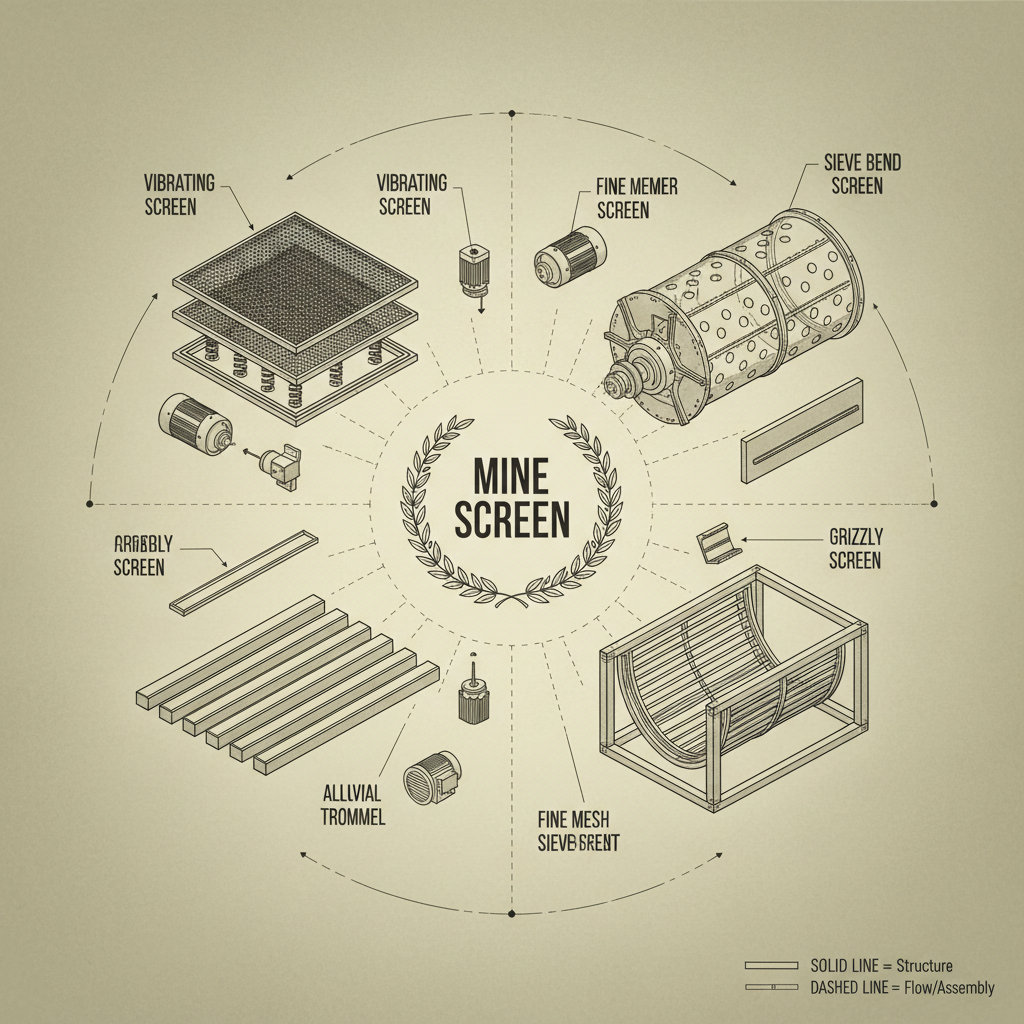
And that’s where types of screens in mineral processing come in. Because a lot of this prefabrication… it involves separating and concentrating materials, right? Sorting, classifying, getting the good stuff from the… well, the not-so-good stuff. And that always requires some kind of screening. Used to be, you'd just slap a simple mesh screen on something and call it a day. But things are getting way more sophisticated.
It's funny, you start looking into types of screens in mineral processing and it's a whole world. It’s not just about getting rocks through holes, it’s about efficiency, wear resistance, and, frankly, not wanting to be replacing screens every other week.
The Growing Demand for Efficient types of screens in mineral processing
Have you noticed the push for higher throughput? Everyone wants to process more material, faster. It’s driven by demand, of course, but also by the rising cost of labor and the need to minimize environmental impact. More efficient types of screens in mineral processing directly address those issues. A seemingly small improvement in screen efficiency can translate into huge savings over the life of a mine or processing plant. And believe me, the owners notice that.
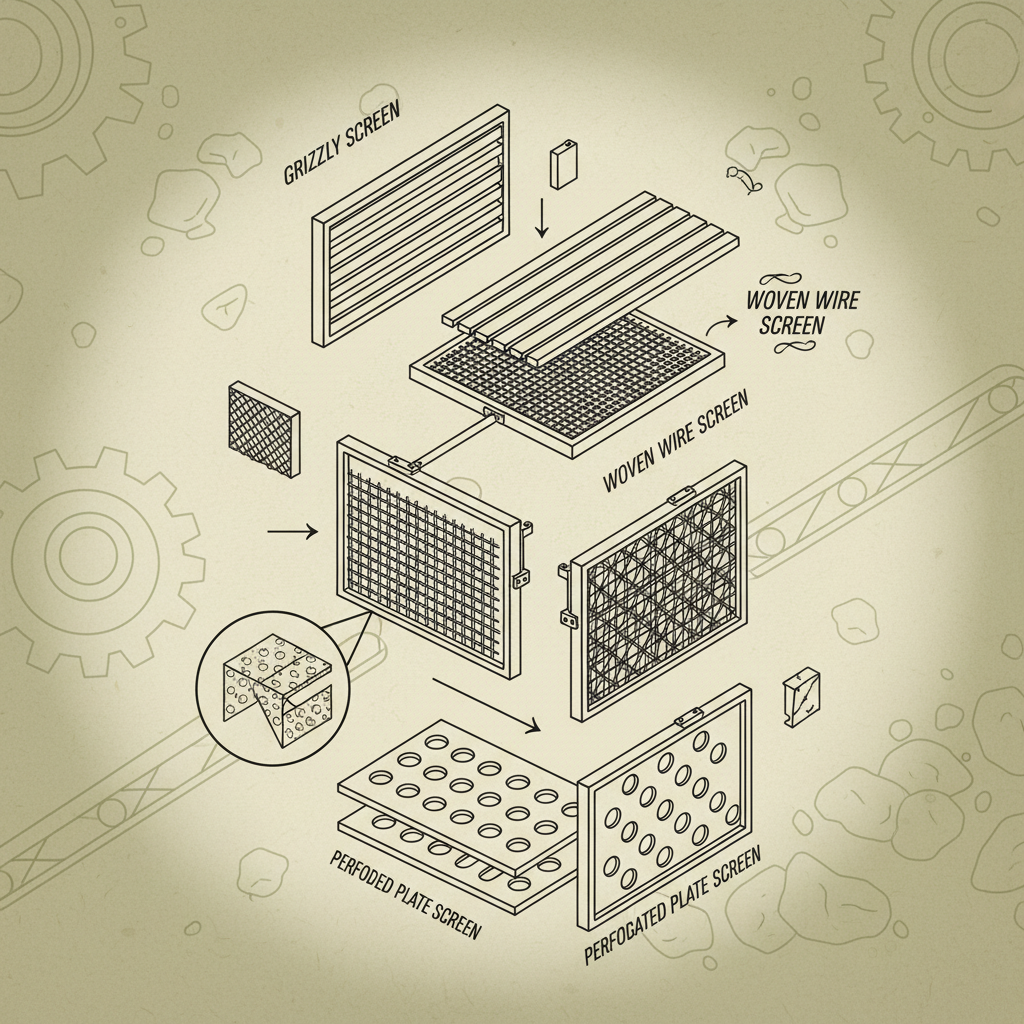
We're seeing a move away from the basic woven wire mesh to more sophisticated options like polyurethane screens, rubber screens, and even modular composite screens. They're not cheap, mind you, but they often pay for themselves in reduced downtime and increased output.
Common Pitfalls in types of screens in mineral processing Design
Strangely enough, one of the biggest problems I see is over-engineering. Folks get so focused on the theoretical performance of a screen that they forget about the practical realities of the job site. You design a screen with super-tight tolerances and fancy materials, but then it gets clogged with sticky clay or oversized rocks. Then what? You’ve got a multi-thousand dollar piece of equipment that’s sitting idle, and someone’s gotta go out there and clean it.
Another common mistake is undersizing the screen area. They try to save money upfront, thinking they can get away with a smaller screen. But that just leads to increased wear and tear, more frequent cleaning, and reduced throughput. It always comes back to bite them.
And don't even get me started on the anchoring systems. If the screen isn't properly secured, it'll vibrate loose and eventually fail. I encountered this at a copper mine in Chile last time – the entire screen deck came apart during a shift change. Big mess, big delay.
Materials Used in Modern types of screens in mineral processing
Now, let's talk materials. Woven wire is still around, obviously. It's cheap and readily available. But the quality varies wildly. You get what you pay for, you know? Then you have polyurethane screens. These are incredibly durable and resistant to abrasion, especially in applications dealing with harsh materials. They have a kind of…rubbery smell, almost like a car tire, when they're new. You can actually feel the flexibility, and they hold up surprisingly well to impacts.
Rubber screens are another option, often used for wet screening applications. They're less abrasive than polyurethane, but they can wear out faster. I've noticed that the smell of rubber screens is pretty distinctive – it's kind of sweet and acrid at the same time. Handling them, they feel a little sticky. You gotta wear gloves!
And then there are the composite screens. These are usually made from a combination of materials, like rubber and steel, to provide the best of both worlds. They’re pricey, but sometimes they’re the only option for really demanding applications. Later… Forget it, I won't mention the cost.
Real-World Testing and Performance of types of screens in mineral processing
Look, lab tests are fine and dandy, but they don't tell you the whole story. I’ve seen screens perform beautifully in a controlled environment and then fall apart after a week on site. The real test is how they hold up to the constant vibration, the impact from rocks, the exposure to the elements… the abuse they take in the field.
We do a lot of on-site testing, mostly involving monitoring screen wear and throughput over time. We'll measure the percentage of undersize material that passes through the screen, the percentage of oversize material that gets stuck, and the overall screen efficiency. We also visually inspect the screens for cracks, tears, and other damage. It’s not glamorous work, but it’s essential.
types of screens in mineral processing Performance Ratings
How Users Actually Interact with types of screens in mineral processing
It’s funny, you design these things thinking people will follow the instructions, maintain them properly, and generally treat them with respect. But that’s rarely the case. Most of the time, they just get hammered on until they break, and then someone calls us to fix it.
I’ve seen guys using crowbars to pry rocks out of screens, using welding torches to repair tears, and even driving forklifts over them. They don’t care about the fancy materials or the precise engineering. They just want to keep the material flowing.
Advantages and Disadvantages of Different types of screens in mineral processing
Each type has its sweet spot. Woven wire is cheap, but wears quickly. Polyurethane is durable, but can be expensive. Rubber is good for wet applications, but not so much for abrasion. Composite screens offer the best of both worlds, but they’re a pain to repair. Anyway, I think the key is to match the screen to the application. You wouldn’t use a delicate screen for processing granite, just like you wouldn’t use a heavy-duty screen for sorting fine sand.
Honestly, the biggest disadvantage of any screen is the downtime required to replace it. That’s where the money is lost.
Customization Options and Case Studies in types of screens in mineral processing
These days, everything is customizable. Aperture size, material thickness, frame design… you name it. Last month, that small boss in Shenzhen who makes smart home devices insisted on changing the interface to , and the result was a three-week delay because the existing screen system couldn’t handle it. He wanted a specific mesh pattern for filtering out tiny metal shavings during production. It was a headache, but we got it done.
We also did a project for a lithium mine in Australia where they needed a screen that could withstand extremely abrasive materials and high temperatures. We ended up using a custom-designed composite screen with a ceramic coating. It wasn’t cheap, but it lasted three times longer than the standard screens they were using.
That’s the kind of stuff I enjoy – solving problems and finding solutions that actually make a difference.
A Summary of Common types of screens in mineral processing Parameters
| Screen Type |
Material Composition |
Typical Applications |
Estimated Lifespan (Months) |
| Woven Wire |
Carbon Steel, Stainless Steel |
Sand, Gravel, Coal |
3-6 |
| Polyurethane |
Polyurethane Elastomer |
Aggregates, Mining, Recycling |
12-18 |
| Rubber |
Natural Rubber, Synthetic Rubber |
Wet Screening, Dewatering |
6-12 |
| Composite |
Rubber & Steel, Polyurethane & Steel |
Heavy Duty Mining, High Impact Applications |
18-24 |
| Tensioned Wire |
Stainless Steel Wire |
Fine Particle Separation, Scalping |
9-15 |
| Modular |
Polyurethane, Rubber, Composite |
Various Applications, Easy Replacement |
Varies Based on Material |
FAQS
Honestly? They focus too much on the price. A cheap screen might save you money upfront, but it'll end up costing you more in the long run due to downtime, repairs, and reduced efficiency. It's like buying a cheap wrench – it'll strip the bolt and leave you stranded. You gotta invest in quality, especially when it comes to something as critical as screening.
At least once a week, if not more often, depending on the application. Look for cracks, tears, worn-out apertures, and any other signs of damage. A small tear can quickly turn into a big problem, so it’s better to catch it early. And don’t forget to check the anchoring system – loose bolts can cause the screen to vibrate loose and fail.
Polyurethane screens are much more durable and abrasion-resistant than woven wire. They can withstand higher impact forces and are less prone to tearing. They also offer better screening efficiency and require less maintenance. Plus, they're often lighter weight, which makes them easier to handle and install.
Sometimes they can be repaired, especially if the damage is minor. Small tears can be patched, and worn-out apertures can be reinforced. However, in many cases, it's more cost-effective to simply replace the screen. The labor cost of repairing a screen can often exceed the cost of a new one.
Avoid using metal tools, as they can damage the screen surface. A high-pressure water jet is usually the best option. You can also use a rubber scraper or a brush with soft bristles. The key is to be gentle and avoid applying excessive force.
Humidity can significantly impact screen performance, especially for fine particle separation. High humidity can cause particles to clump together, reducing the open area of the screen and increasing the risk of blinding. Proper ventilation and dehumidification can help mitigate these effects.
Conclusion
So, yeah, types of screens in mineral processing might not be the most glamorous part of the industry, but it’s a critical one. It’s about finding the right balance between cost, durability, efficiency, and practicality. It's about understanding the materials, the applications, and the real-world conditions that these screens will be subjected to.
Ultimately, whether this thing works or not, the worker will know the moment he tightens the screw. Don’t underestimate the importance of good design, quality materials, and proper installation. And always remember – a well-chosen screen can save you a lot of headaches down the road. Learn more about our screen solutions here.