Comprehensive Guide to Choosing the Right Chemical Storage Tank Solutions
Choosing the Right Chemical Storage Tank: A Comprehensive Guide
Selecting the appropriate chemical storage tank is crucial for businesses handling hazardous materials. Proper storage protects personnel, the environment, and ensures regulatory compliance. This article explores key considerations when choosing a chemical storage tank, covering materials, types, safety features, and factors to ensure long-term reliability. Investing in the right tank is an investment in safety and operational efficiency. We'll cover everything you need to know to make an informed decision.
Understanding Different Chemical Storage Tank Materials
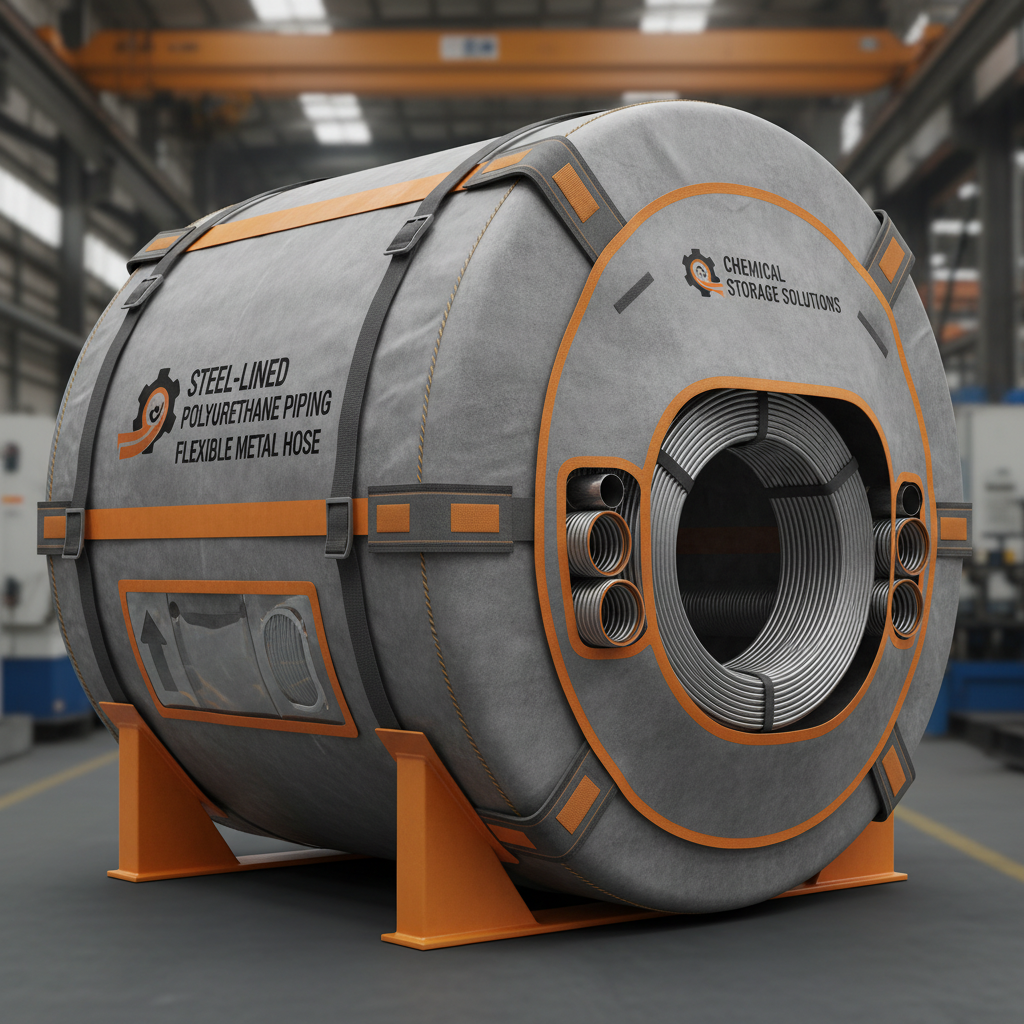
The material of a chemical storage tank is paramount. Common materials include polyethylene (PE), polypropylene (PP), fiberglass reinforced plastic (FRP), and stainless steel. Each material has unique properties regarding chemical compatibility, strength, and cost. PE and PP are excellent for many acids and bases but may not withstand certain solvents. FRP offers broad chemical resistance and is lightweight but can be susceptible to delamination. Stainless steel is highly durable and corrosion-resistant but is more expensive. The chemical being stored directly dictates the best material choice.
Types of Chemical Storage Tanks
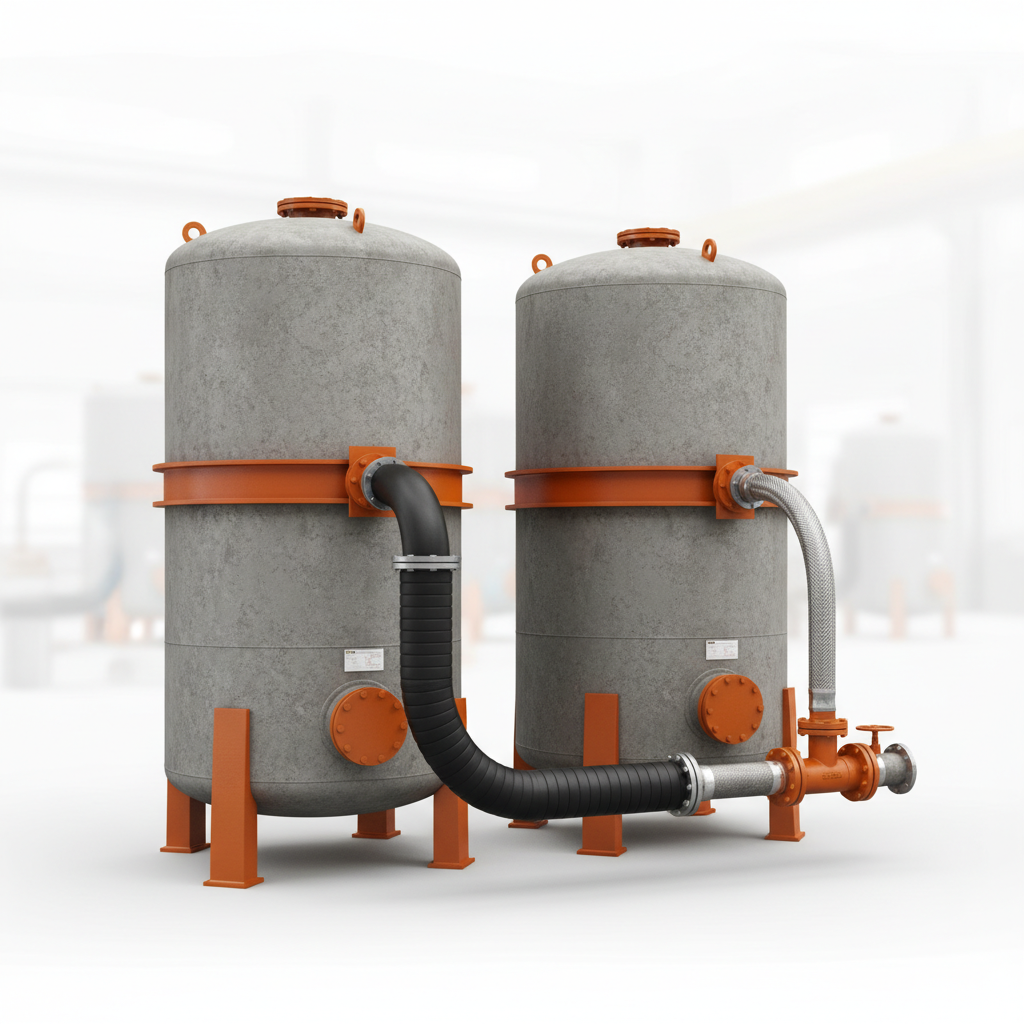
Chemical storage tanks come in several types, each suited for specific applications. Vertical tanks are common for larger volumes and require less floor space. Horizontal tanks are ideal for lower volumes and easier access for maintenance. Cone bottom tanks facilitate complete drainage, essential for some chemicals. Open-top tanks are used for non-volatile substances where ventilation is adequate. Double-walled tanks provide an extra layer of protection against leaks and spills, enhancing safety and environmental responsibility. Understanding these options is vital for optimal storage.
Key Considerations: Choosing the correct tank type depends on the volume of the chemical, the need for complete drainage, and safety requirements.
Essential Safety Features for Chemical Storage Tanks
Safety is paramount when storing chemicals. Key safety features include vents to relieve pressure build-up, level indicators for accurate volume monitoring, and containment systems to control spills. Emergency relief vents (ERV) are critical for preventing tank rupture in the event of fire exposure. Leak detection systems provide early warning of potential leaks. Grounding and bonding are essential to prevent static electricity build-up, especially with flammable liquids. Regular inspections and maintenance are vital for ensuring these features function correctly. QW Metal prioritizes these safety features in their tank designs.
Chemical Storage Tank Materials: A Comparative Analysis
Choosing the right material can be challenging. Here's a comparison to help you decide:
Regulations and Compliance for Chemical Storage
Storing chemicals is subject to stringent regulations. In the US, these include EPA guidelines and OSHA standards. These regulations cover tank design, construction, labeling, and containment requirements. Compliance is crucial to avoid penalties and ensure responsible environmental practices. Local regulations may also apply, so it's essential to check with your local authorities. QW Metal tanks are designed to meet or exceed these standards.
Selecting the Right Chemical Storage Tank: Key Considerations
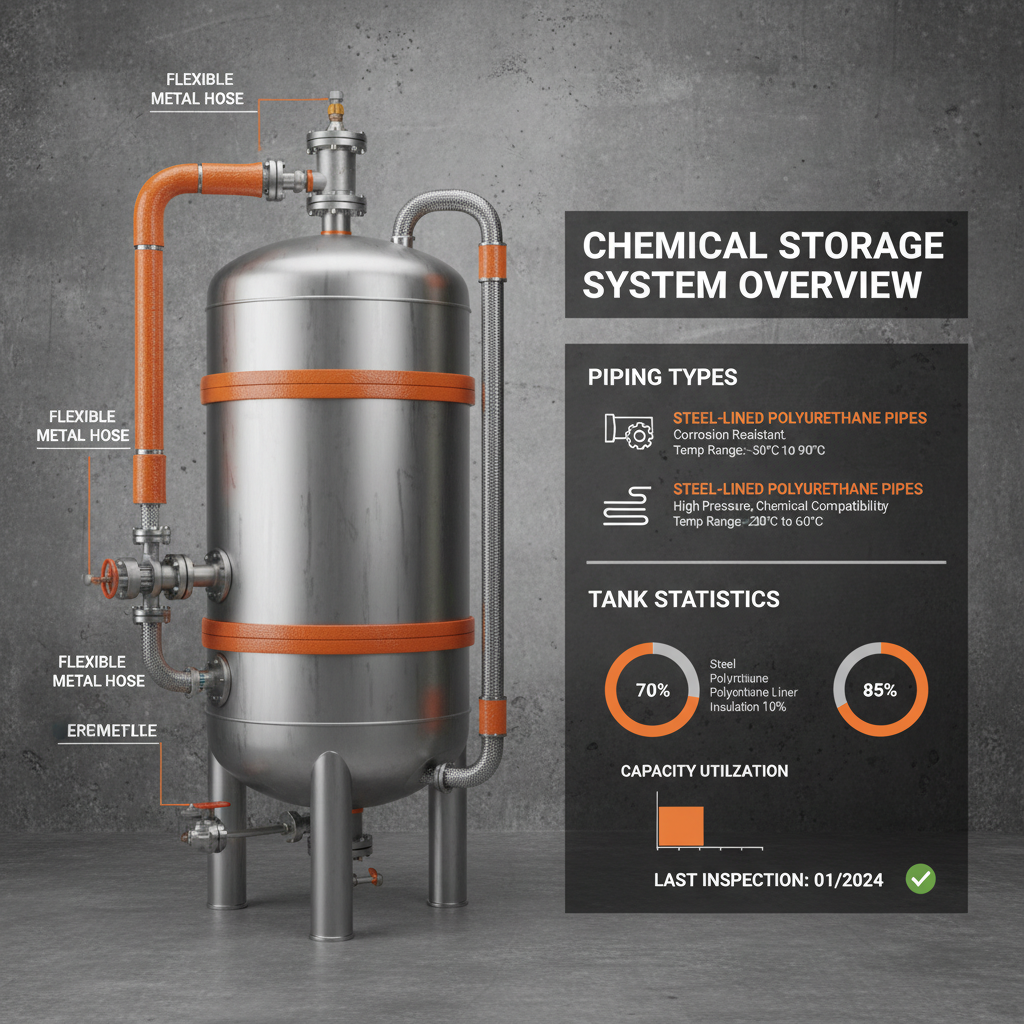
Choosing the right chemical storage tank requires careful consideration. Factors to evaluate include the specific chemical being stored, the volume required, the site's environmental conditions, and applicable regulations. Long-term cost of ownership, including maintenance and replacement, should also be considered. A reputable supplier like QW Metal can provide expert guidance and customized solutions to meet your specific needs. Investing in a quality tank ensures safety, compliance, and peace of mind.
Conclusion: Prioritizing Safety and Compliance
Choosing the right chemical storage tank is a critical decision with significant implications for safety, environmental protection, and regulatory compliance. By carefully considering the factors outlined in this article, and partnering with a trusted supplier like QW Metal, you can ensure you select a tank that meets your specific needs and provides long-term reliability.
Frequently Asked Questions (FAQs)
What is the typical lifespan of a chemical storage tank?
The lifespan of a chemical storage tank varies significantly depending on the material, the chemical stored, and environmental conditions. Polyethylene tanks typically last 15-20 years with proper care. Fiberglass tanks can last even longer, up to 25-30 years. Stainless steel tanks, with their superior corrosion resistance, can have a lifespan exceeding 50 years. Regular inspections and maintenance are critical for maximizing the lifespan of any tank. Factors like UV exposure, temperature fluctuations, and the abrasive nature of some chemicals can accelerate degradation.
How often should I inspect my chemical storage tank?
Regular inspections are essential. You should perform a visual inspection at least monthly, looking for cracks, leaks, corrosion, or any signs of damage. A more thorough inspection, including checking vents, level indicators, and containment systems, should be conducted annually, or more frequently if the tank stores particularly hazardous materials. Keep detailed records of all inspections and maintenance activities. Following a schedule ensures that issues are detected and addressed promptly.
What type of containment is required for chemical storage tanks?
Containment requirements vary depending on the chemical being stored and local regulations. Generally, secondary containment is required for tanks storing hazardous materials. This can be in the form of a dike, berm, or double-walled tank. The containment system must be able to hold at least 110% of the tank’s capacity. Proper containment prevents environmental contamination in the event of a leak or spill. Regulations often specify materials and construction standards for containment systems.
Can QW Metal assist with regulatory compliance?
Yes, QW Metal offers expertise and support to help you navigate chemical storage regulations. We design and manufacture tanks to meet or exceed relevant standards. Our team can provide guidance on selecting the appropriate tank materials and safety features to ensure compliance with EPA, OSHA, and local requirements. We can also provide documentation and certifications to support your compliance efforts.
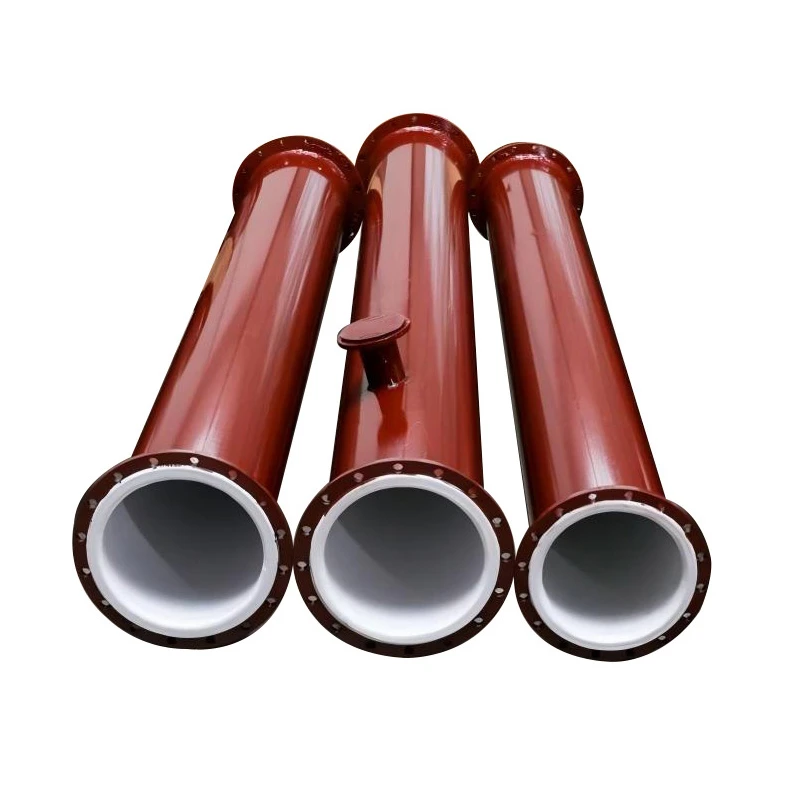
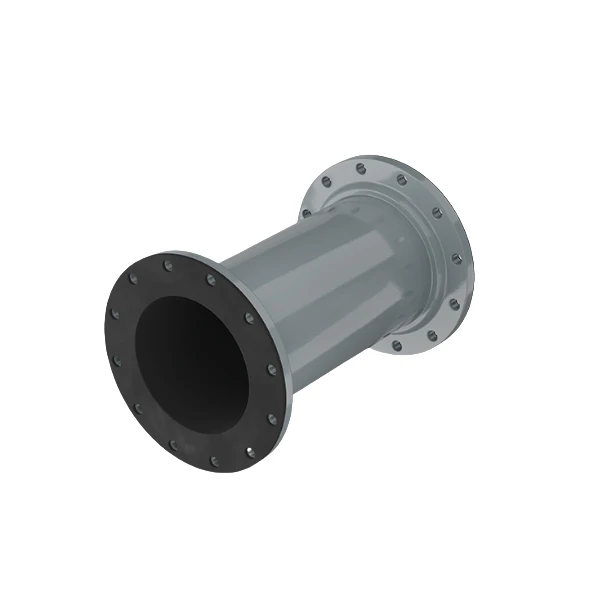
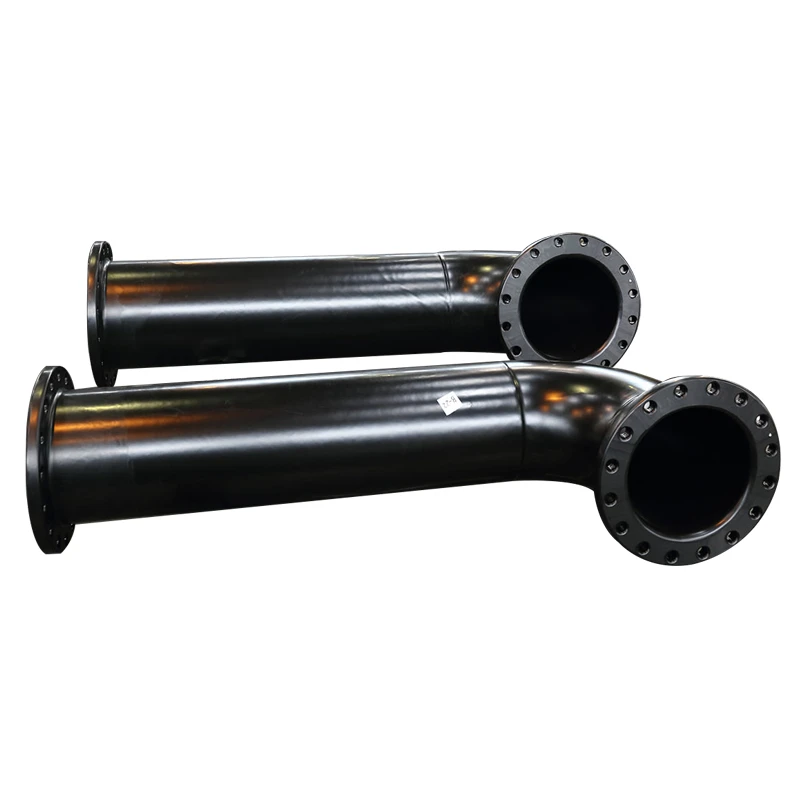
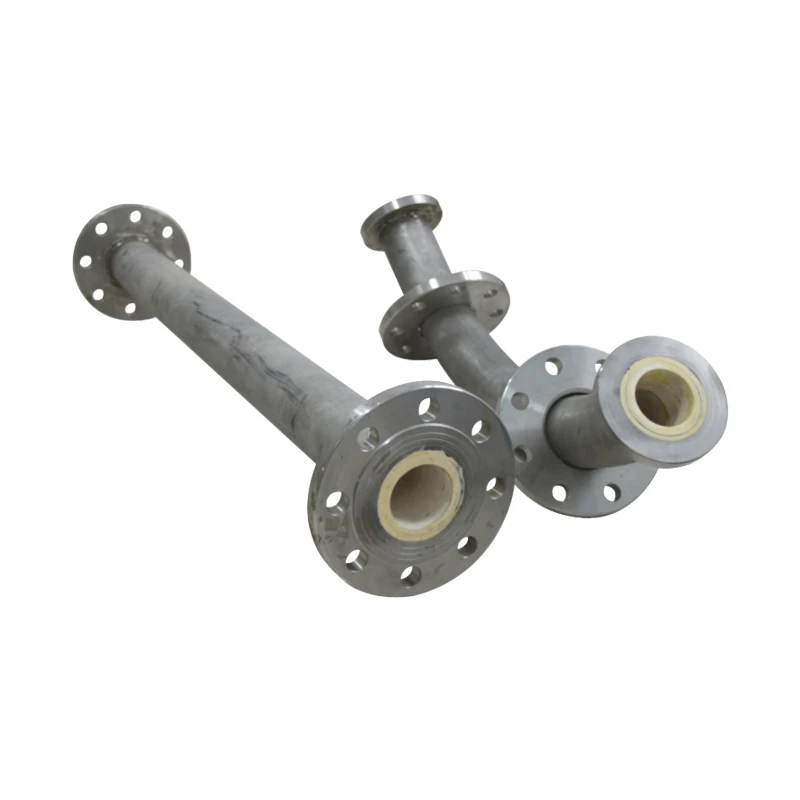

Related Products
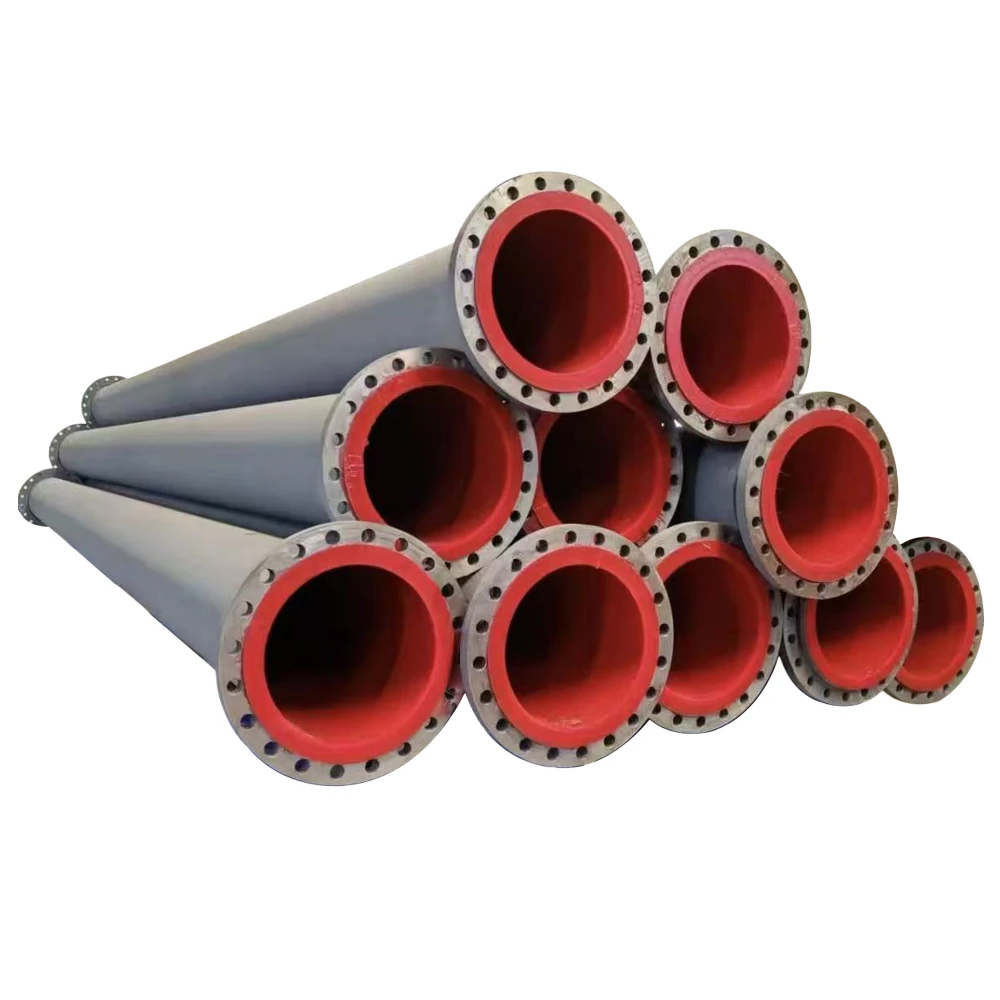
Our main products are polyurethane lined pipes, mining equipment fittings and metal hoses.