Iron, pulled directly from its ore, is the backbone of modern civilization. It’s not just about steel skyscrapers or the cars we drive. It’s about the tools that built those things, the infrastructure that supports us, and frankly, much of what allows us to live the way we do. From the humble nail to the complex machinery of industrial plants, iron, refined from its raw state, remains indispensable. Understanding where this vital material comes from and how it’s processed isn't just an academic exercise; it's fundamental to grasping the challenges and opportunities facing industries globally. It underpins everything from construction to manufacturing and increasingly, sustainable development efforts.
The global demand for iron from its ore is staggering, and constantly increasing. According to the World Steel Association, global crude steel production reached nearly 1.9 billion tonnes in 2023. That’s a lot of iron ore being mined, processed, and transformed. This demand is driven by rapid urbanization in developing countries, particularly in Asia, and the continued need for infrastructure investment worldwide. However, the extraction and processing of iron ore isn’t without its problems. Environmental concerns, resource depletion, and geopolitical factors all play a role in shaping the supply chain and driving innovation in the industry.
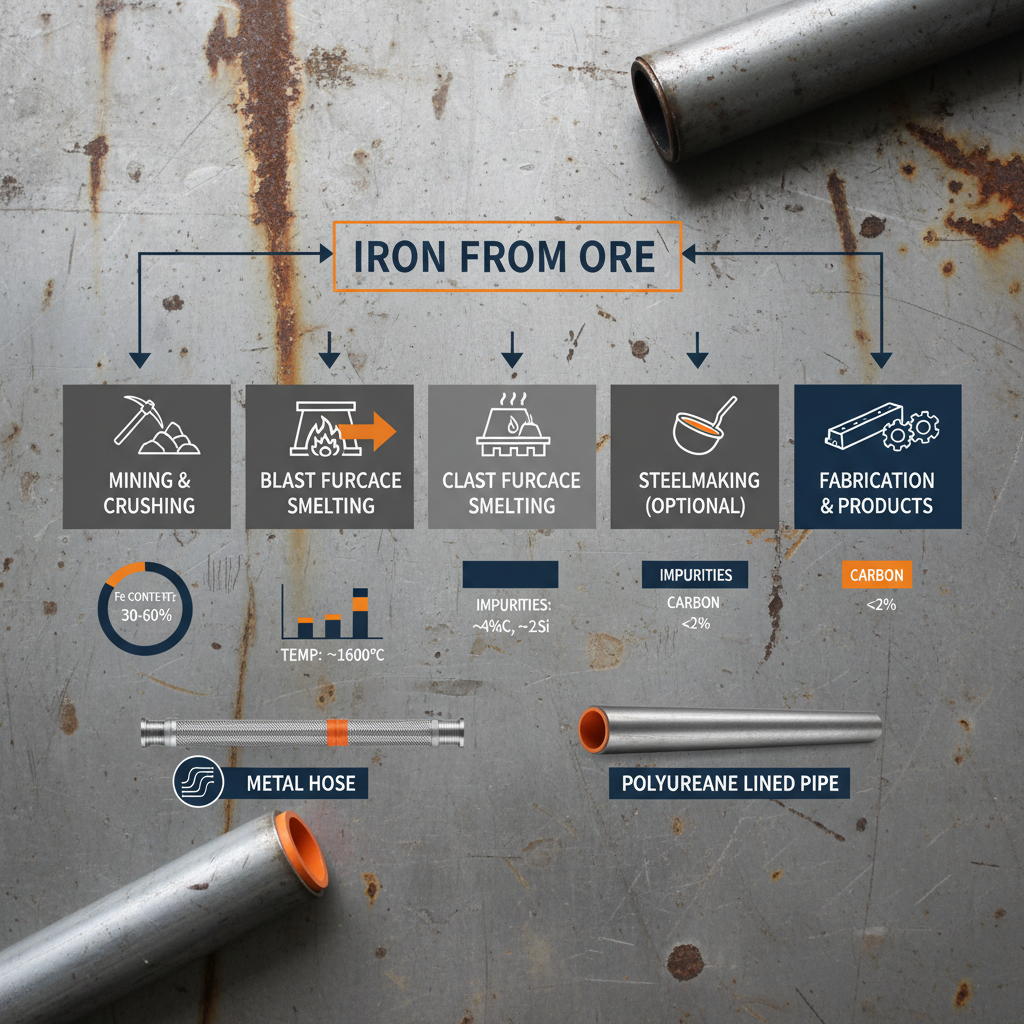
Essentially, 'iron from its ore' refers to the entire process of extracting iron from its naturally occurring minerals (primarily iron oxides) and converting it into usable metallic iron. It's not just about digging something up; it's a complex chain of operations involving mining, beneficiation (improving ore quality), reduction (removing oxygen from the iron oxides), and refining. The resulting iron, or more commonly steel, then becomes the building block for countless applications, impacting everything from housing and transportation to energy and healthcare. It's a process that's been refined over millennia, but still faces constant pressure to become more efficient and sustainable.
The Global Importance of iron from its ore
The sheer scale of iron from its ore production is difficult to grasp. It’s not simply a commodity; it’s the foundation of modern economies. Look around any construction site, any factory, any port – you'll find evidence of iron's influence. Countries with significant iron ore reserves, like Australia, Brazil, and Russia, wield substantial economic power. But it’s not just about the raw material; it’s about the entire supply chain, from mining to transportation to steelmaking, creating countless jobs and supporting entire communities.
The industry is also facing increasing scrutiny regarding its environmental impact. Mining operations can lead to deforestation, habitat loss, and water pollution. The energy-intensive process of converting iron ore to steel contributes significantly to greenhouse gas emissions. Therefore, innovation in more sustainable mining practices and steelmaking technologies is critical for the future.
Defining Iron Extraction and Processing
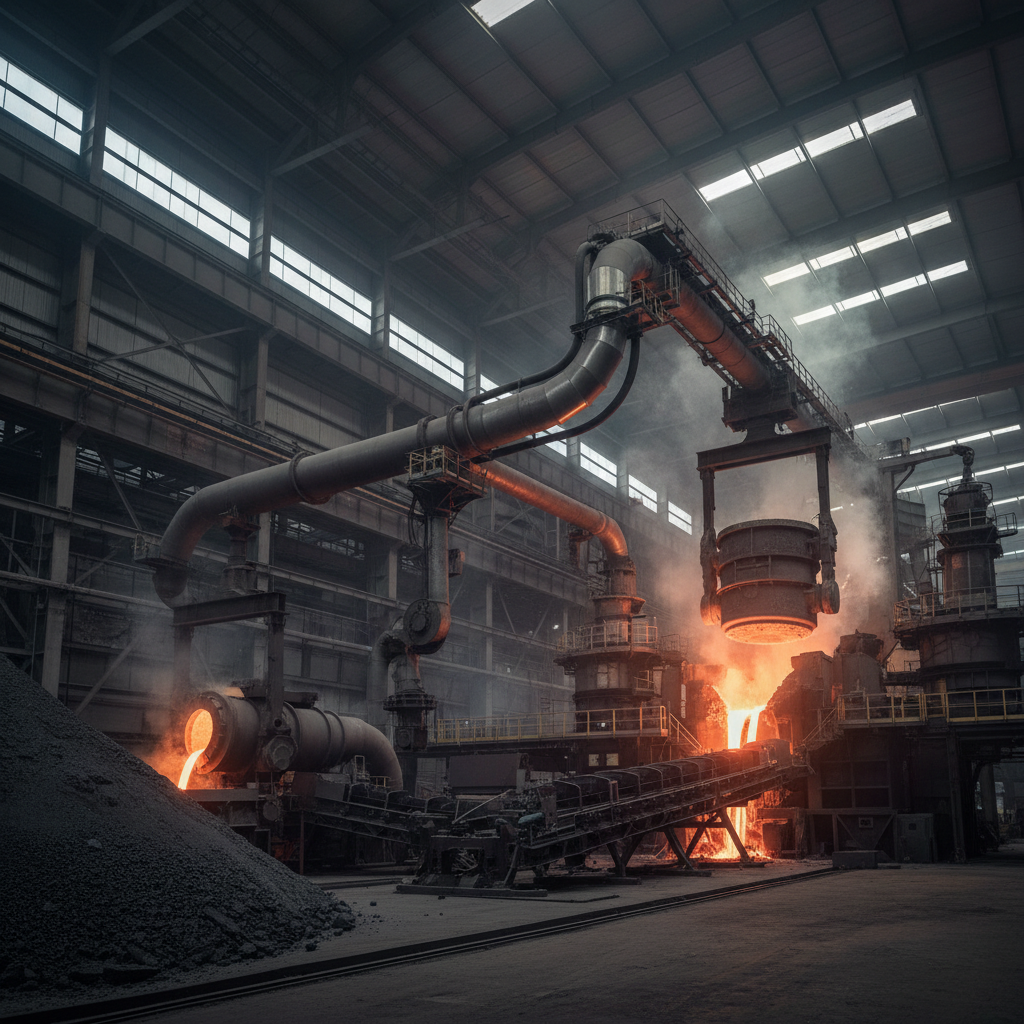
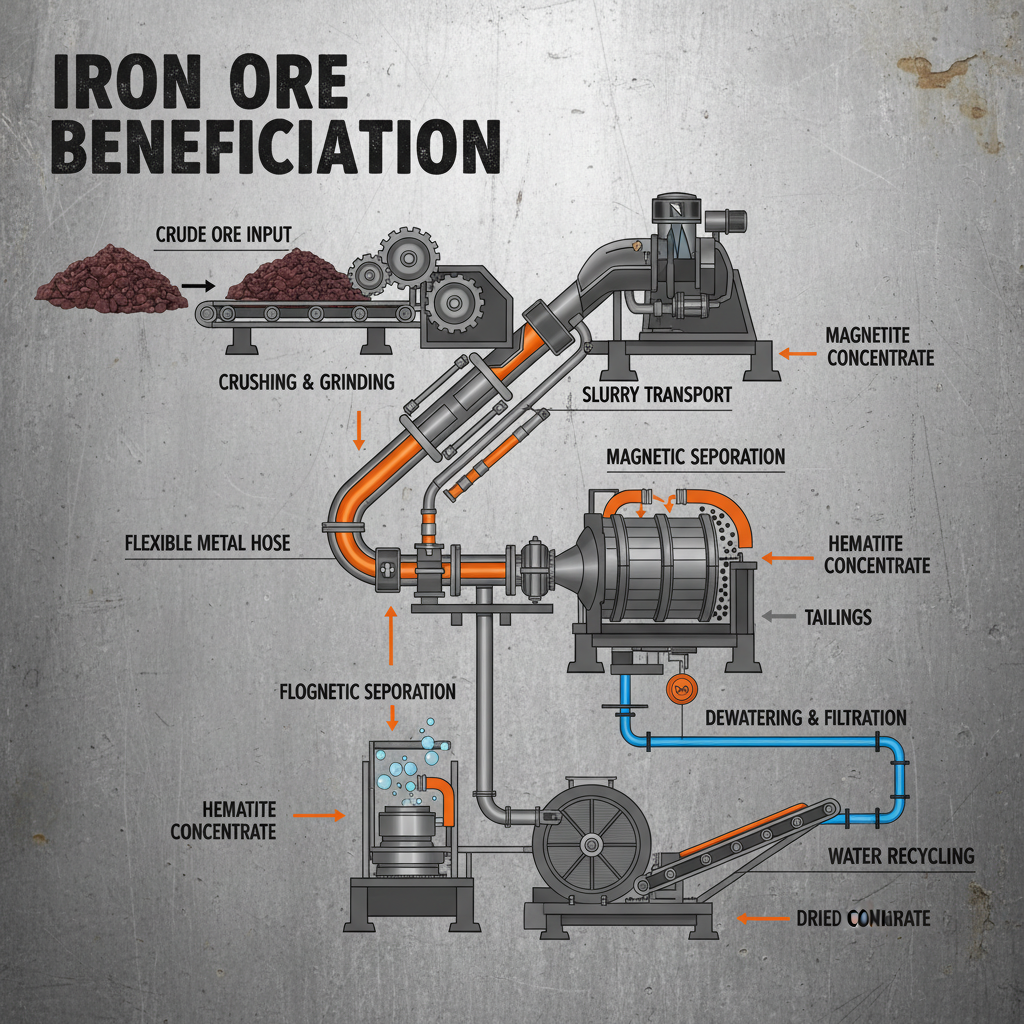
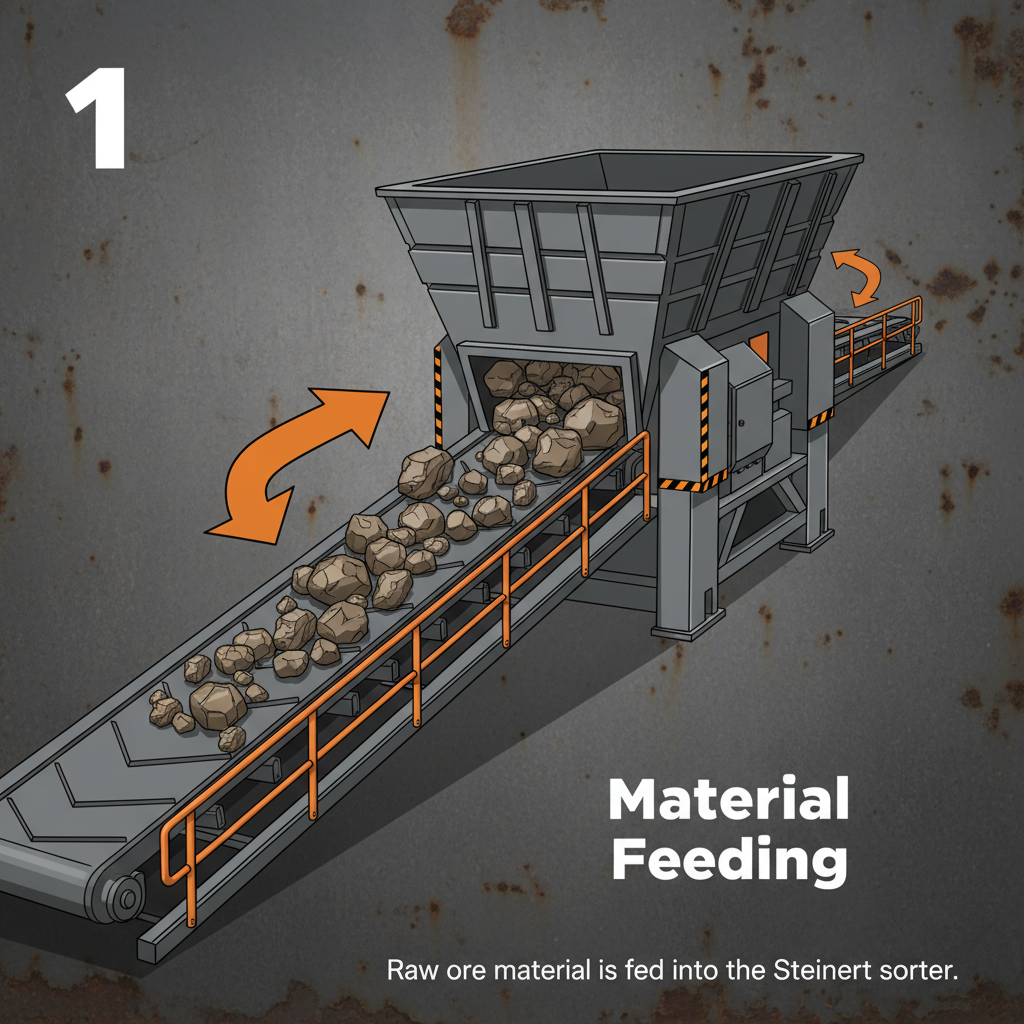
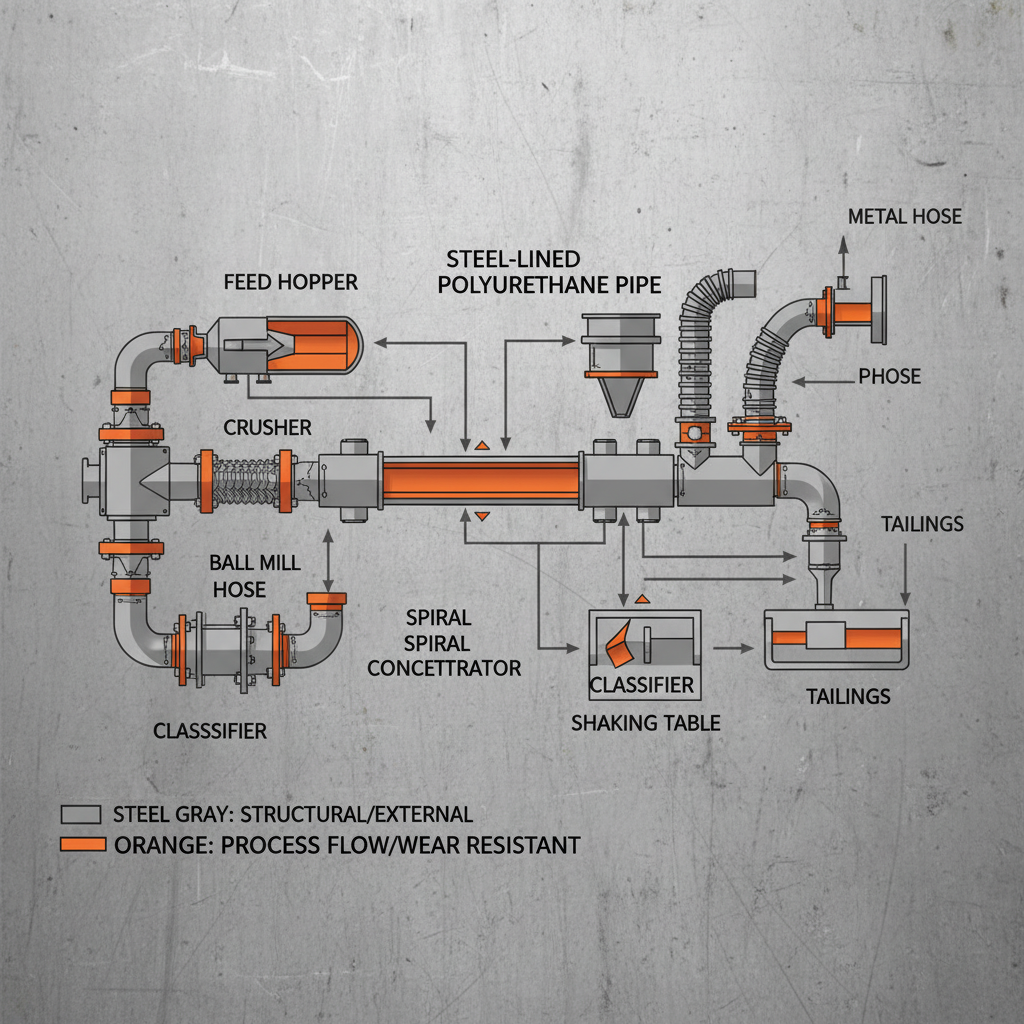
Let's get down to basics. Iron doesn't usually exist in nature in a pure metallic form. It's almost always found combined with other elements as iron oxides – things like hematite (Fe2O3) and magnetite (Fe3O4). 'Iron from its ore' isn’t just picking up rocks; it’s a carefully orchestrated process. First, the ore is mined, often in large open-pit mines. Then, it goes through beneficiation – crushing, grinding, and separating the valuable iron-bearing minerals from the waste material (gangue). This isn't glamorous work, but it’s crucial for increasing the iron content of the ore.
Next comes the reduction stage, typically done in a blast furnace. Here, the iron oxides are heated with coke (a carbon-rich fuel) and limestone. The coke removes the oxygen from the iron oxide, leaving behind molten iron. Limestone acts as a flux, helping to remove impurities. This molten iron is then refined to remove further impurities and create different grades of steel, tailored for specific applications.
The entire process demands serious engineering expertise. It's not just about the chemistry; it's about managing immense heat, controlling complex reactions, and ensuring safety. I’ve spent years troubleshooting issues in blast furnaces and beneficiation plants; believe me, it’s a far cry from a textbook diagram.
Key Factors in Iron Ore Beneficiation
Beneficiation is where you really start to see the value added. It’s about turning a relatively low-grade ore into something that’s economically viable to process. Several factors are critical here. Particle size is huge – you need to grind the ore to a point where the iron minerals can be effectively separated from the gangue. Magnetic separation is a common technique, particularly for magnetite, as it's naturally magnetic.
Another key factor is froth flotation. This process uses chemicals to create bubbles that selectively attach to the iron minerals, allowing them to float to the surface and be collected. The chemistry involved is complex, and it needs to be carefully optimized for each ore type. Water quality is also crucial – you need clean water for efficient separation. And increasingly, companies are focusing on minimizing waste and recovering valuable byproducts from the gangue.
The grade of the ore, the mineralogy, and the presence of impurities all impact the beneficiation process. Some ores are naturally easier to upgrade than others. That’s why geologists and mining engineers work so closely together to assess the economic viability of a deposit before any mining begins. It’s a constant balancing act of cost, efficiency, and environmental impact.
Applications Across Industries
Where isn’t iron from its ore used? That’s almost the better question. Construction is the obvious one – reinforcing bars (rebar) in concrete, structural steel for buildings and bridges, roofing materials. But think about automotive manufacturing – the chassis, engine blocks, body panels. Then there’s the machinery used in agriculture, mining, and manufacturing itself.
The energy sector relies heavily on steel for pipelines, wind turbine towers, and oil and gas infrastructure. Even the packaging industry utilizes steel for cans and containers. In post-disaster relief operations, prefabricated steel shelters provide rapid and durable housing. And increasingly, we're seeing iron and steel used in renewable energy technologies, like concentrated solar power plants.
Iron Ore Processing Efficiency by Method
Advantages and Long-Term Value
Steel, derived from iron from its ore, boasts unmatched strength and durability. That’s why it’s the preferred material for critical infrastructure. It's recyclable, reducing the need for virgin ore extraction and minimizing environmental impact. While the initial cost can be significant, the long lifespan and low maintenance requirements of steel structures offer substantial long-term economic benefits.
From a societal perspective, reliable steel infrastructure is fundamental to economic growth and quality of life. Safe bridges, robust buildings, and efficient transportation systems are all built on the strength of iron and steel. And let’s not forget the safety aspect – steel structures are inherently fire-resistant, providing crucial protection in emergencies.
Future Trends in Iron Production
The industry is on the cusp of some major changes. There’s a huge push to reduce carbon emissions from steelmaking. Hydrogen-based steelmaking, using hydrogen instead of coke as a reducing agent, is gaining traction. Direct Reduced Iron (DRI) technology, coupled with electric arc furnaces, offers a lower-carbon alternative to traditional blast furnaces.
Digitalization is also playing a growing role. AI-powered process optimization can improve efficiency and reduce waste. Predictive maintenance, using sensors and data analytics, can minimize downtime and extend the lifespan of equipment. And there's a growing focus on circular economy principles – designing products for disassembly and reuse, and maximizing the recovery of valuable materials.
We’re also seeing exploration into alternative iron ore sources, like using iron-rich tailings from other mining operations. It's about maximizing resource utilization and minimizing environmental impact.
Challenges and Sustainable Solutions
One of the biggest challenges is the environmental impact of mining and processing. Restoring mined land, managing water resources, and reducing air pollution are all critical concerns. Another challenge is the volatility of iron ore prices, which can impact the profitability of steelmakers. Geopolitical instability and supply chain disruptions also pose risks.
Sustainable solutions involve investing in cleaner technologies, like hydrogen-based steelmaking and carbon capture and storage. Implementing stricter environmental regulations and promoting responsible mining practices are also essential. Companies are also exploring partnerships with local communities to ensure that mining operations benefit the people who live nearby.
Ultimately, the future of iron from its ore depends on our ability to balance economic growth with environmental responsibility. It's a complex challenge, but one that we must address to ensure a sustainable future for all.
Summary of Sustainable Solutions for Iron Ore Production
| Solution Area |
Implementation Strategy |
Environmental Impact Reduction |
Cost-Effectiveness (1-10) |
| Hydrogen Steelmaking |
Replace coke with green hydrogen as a reducing agent. |
Significant reduction in CO2 emissions. |
6 |
| Carbon Capture & Storage (CCS) |
Capture CO2 emissions from blast furnaces and store them underground. |
Reduces atmospheric CO2 concentration. |
5 |
| Waste Heat Recovery |
Capture and reuse waste heat from steelmaking processes. |
Reduces energy consumption and emissions. |
8 |
| Water Recycling |
Implement closed-loop water systems to minimize water usage. |
Conserves water resources and reduces water pollution. |
7 |
| Land Reclamation |
Restore mined land to its original condition or create new ecosystems. |
Mitigates environmental damage and biodiversity loss. |
4 |
| Circular Economy Initiatives |
Design products for disassembly and maximize material recovery. |
Reduces waste and resource depletion. |
6 |
FAQS
The most significant challenge is undoubtedly the substantial greenhouse gas emissions associated with the process, particularly from the energy-intensive reduction of iron oxides. Deforestation related to mine establishment and water pollution from runoff are also critical concerns. Mitigating these requires a shift to more sustainable technologies like hydrogen-based steelmaking and responsible land management practices.
The iron content, impurity levels, and mineralogy of the ore all dramatically influence the efficiency and cost of steel production. Higher-grade ore requires less processing, lowering energy consumption and costs. Impurities like silica and alumina need to be removed, adding to the complexity and expense. The type of iron oxide present dictates the appropriate beneficiation and reduction techniques.
Several technologies are gaining momentum. Direct Reduced Iron (DRI) coupled with Electric Arc Furnaces offers a lower-carbon alternative to blast furnaces. Hydrogen-based steelmaking is promising but requires significant infrastructure investment. AI and machine learning are being applied to optimize processes and improve efficiency. Furthermore, research into utilizing iron-rich tailings is expanding.
Minimizing impact requires proactive engagement with local communities. This includes transparent communication, fair compensation for land use, job creation and training programs, and investment in local infrastructure. Respecting indigenous rights and cultural heritage is also paramount. Collaborative approaches, where mining companies work in partnership with communities, are most effective.
Recycling steel is incredibly important. Steel is one of the most recycled materials globally, and using scrap steel significantly reduces the demand for virgin iron ore. This lowers energy consumption, reduces emissions, and conserves natural resources. Electric Arc Furnaces are particularly well-suited to processing scrap steel, making them a key component of a circular economy.
Despite efforts to reduce steel consumption, global demand for iron ore is expected to remain strong in the long term, driven by urbanization in developing countries and ongoing infrastructure needs. However, the type of iron ore demanded will likely shift, with a preference for higher-grade ores and materials suitable for more sustainable production methods. Innovation in steelmaking will play a vital role in shaping future demand.
Conclusion
From its humble beginnings as ore pulled from the earth, iron remains the bedrock of modern society. The process of extracting and refining it is complex, impactful, and constantly evolving. Understanding the challenges – environmental concerns, resource depletion, and geopolitical instability – is crucial. Addressing these demands a commitment to sustainable practices, technological innovation, and responsible resource management.
The future of iron from its ore isn't just about producing more steel; it's about producing it better. Investing in cleaner technologies, promoting circular economy principles, and fostering collaboration between industry, governments, and communities are all essential steps. By embracing a more sustainable approach, we can ensure that this vital resource continues to support progress and improve lives for generations to come. Visit our website at qwmetal.com to learn more about our commitment to sustainable iron production.