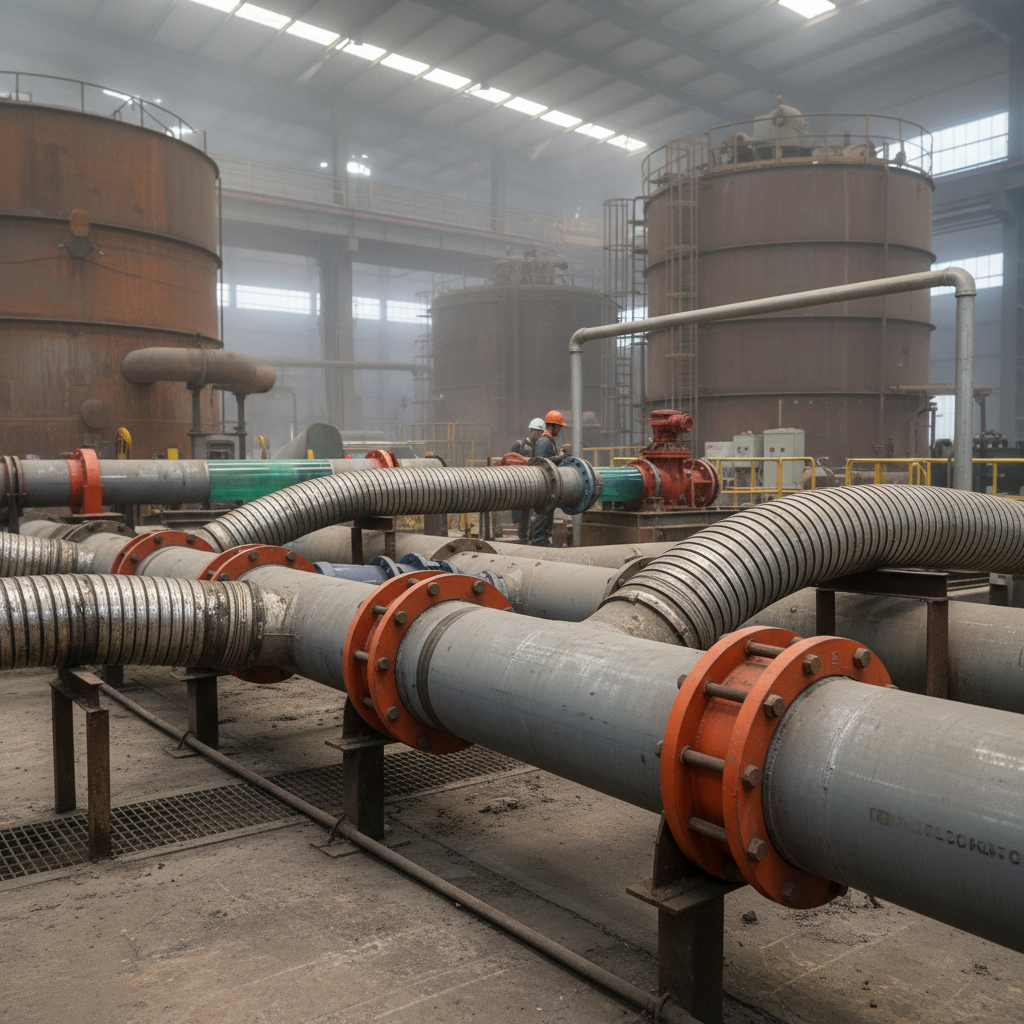
Leaching copper ore is a cornerstone of modern copper production, a process vital for supplying this essential metal to countless industries globally. It's not just about digging up rocks; it's a complex interplay of chemistry, engineering, and environmental considerations. Demand for copper continues to soar, driven by advancements in renewable energy, electric vehicles, and infrastructure development. Understanding how we efficiently and responsibly extract this crucial resource is paramount. From the arid landscapes of Chile to the high-altitude mines of Arizona, leaching is enabling access to copper deposits previously considered uneconomical, and frankly, unreachable. This is a game changer for meeting future demands and ensures we can continue powering a rapidly evolving world.
The industry’s focus is shifting towards maximizing recovery rates from lower-grade ores. Traditional smelting methods are energy-intensive and generate significant emissions. Leaching offers a potentially less environmentally damaging alternative, particularly with the development of more sustainable leaching agents and closed-loop systems. However, it’s not without its challenges. Maintaining long-term environmental stability, especially concerning water management and preventing acid mine drainage, are critical hurdles we continuously strive to overcome. Proper implementation and meticulous monitoring are essential to maintain sustainability.
Essentially, we’re talking about dissolving copper from ore using chemical solutions, then collecting that copper-rich solution. It’s a far cry from the image of panning for gold, but it’s equally impactful. The process has grown beyond simply being a mining technique; it’s becoming integral to the entire supply chain of copper, bridging the gap between raw material and the components that underpin our modern lives. This impacts everything from the wiring in your home to the batteries powering electric vehicles.
The Fundamentals of leaching copper ore
At its core, leaching copper ore is about bringing the metal into a solution so we can separate it from the waste rock. It's a chemical process – think of it like making coffee, but with copper and a whole lot more safety regulations. The efficiency of this process depends on factors like ore type, solution chemistry, and the physical characteristics of the ore body. What works brilliantly in the Atacama Desert won’t necessarily translate directly to the mountains of Montana – we're constantly adapting based on site-specific conditions.
I’ve spent years watching these processes unfold on the ground, and it’s more than just textbook chemistry. It's about understanding how the ore responds to different leachants, how fluid flow impacts recovery, and how to manage the environmental impact responsibly. You quickly learn that a slight tweak to the process can mean the difference between a successful operation and a costly setback.
Global Significance and Industry Context
Copper is absolutely vital for modern infrastructure. It's in everything – power grids, telecommunications, transportation, and increasingly, renewable energy systems like wind turbines and solar panels. Global demand is projected to increase significantly in the coming decades, fueled by the transition to a greener economy. According to the World Bank, copper demand is expected to double by 2050. That’s a massive amount of metal, and we can't meet that demand relying solely on traditional, high-grade ore deposits.
This is where leaching copper ore comes into its own. It unlocks the potential of lower-grade ores and previously inaccessible deposits, expanding the resource base. Countries like Chile, Peru, and the United States are major players in this field, leveraging leaching technologies to maintain their position as leading copper producers. The entire global supply chain depends on continuous improvements and innovative advancements in leaching techniques.
The real challenge we face isn't just producing more copper, but doing so sustainably. The mining industry is under increasing scrutiny regarding its environmental footprint, and leaching operations are no exception. Responsible water management, minimizing chemical usage, and preventing acid mine drainage are paramount concerns, and are the drivers for innovation in our field.
Defining the leaching copper ore Process
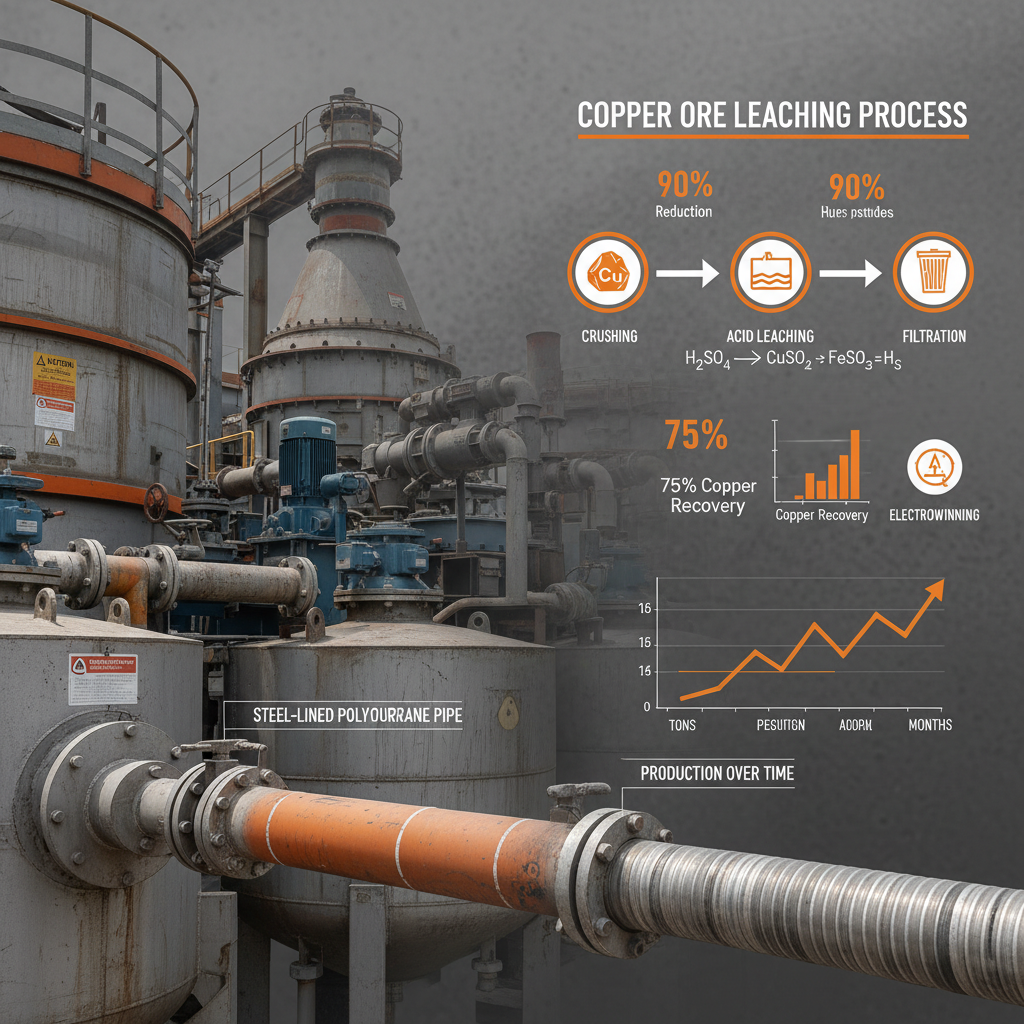
Leaching, simply put, is the process of extracting a soluble constituent from a solid material by means of a liquid – the leaching solution. In the case of copper, we’re typically using acidic solutions, such as sulfuric acid, sometimes with additions like iron to accelerate the process. The solution percolates through the ore body, dissolving the copper minerals.
There are a couple of main types: heap leaching and in-situ leaching. Heap leaching involves piling crushed ore into large “heaps” and spraying the leaching solution over them. The solution drains through the heap, collecting the dissolved copper. In-situ leaching, a more complex technique, involves injecting the solution directly into the ore body underground, recovering the copper-rich solution via wells. Each method has its pros and cons depending on the ore characteristics and geological setting.
After the leaching process, the copper-rich solution undergoes a series of purification steps, typically involving solvent extraction and electrowinning, to produce high-purity copper metal. It’s a multi-stage process that requires precise control and monitoring to maximize recovery and minimize environmental impact.
Core Components of Effective leaching copper ore
Successfully implementing leaching copper ore hinges on several key factors. Firstly, ore characteristics are crucial. The mineralogy, porosity, and permeability of the ore body significantly impact leaching efficiency. We need to understand exactly what we’re dealing with – how the copper is bound within the rock matrix. Secondly, leachant chemistry needs to be optimized. Selecting the right leaching agent, concentration, and pH is critical for maximizing copper dissolution.
Thirdly, fluid flow and distribution are paramount. Ensuring even distribution of the leaching solution throughout the ore body is essential for maximizing contact time and recovery rates. Then, we've got environmental management. Maintaining water quality, preventing acid mine drainage, and minimizing chemical usage are non-negotiable. And finally, operational control and monitoring - we need real-time data and adaptive systems to respond to changing conditions.
Leaching Copper Ore - Process Efficiency Ratings
Real-World Applications of leaching copper ore
You'll find leaching operations spanning the globe, particularly in arid and semi-arid regions where water availability isn't a major constraint. Chile’s Atacama Desert is a prime example, hosting some of the world’s largest copper mines utilizing heap leaching. In the southwestern United States, you’ll see both heap and in-situ leaching being employed extensively.
Beyond large-scale mining, leaching is also being utilized in smaller, artisanal mining operations, although these often present significant environmental challenges if not managed responsibly. The use of leaching is expanding into the recovery of copper from electronic waste, offering a sustainable approach to resource recovery.
Advantages and Long-Term Value Proposition
The economic benefits of leaching copper ore are clear: it allows us to access lower-grade resources that would otherwise be uneconomical to mine, expanding the global copper supply. But the value extends far beyond economics. From a sustainability perspective, leaching can have a lower environmental footprint than traditional smelting, especially with improvements in water management and reagent recovery.
The social impact is also significant. These operations create jobs in remote areas, contributing to local economies. However, it's critical that these jobs are safe, and that communities benefit from the economic activity. Long-term, investing in leaching technology is investing in a secure supply of copper for a sustainable future.
Future Trends and Innovation in leaching copper ore
The future of leaching copper ore is focused on optimization and sustainability. We're seeing a lot of research into bioleaching – using microorganisms to accelerate the leaching process, reducing reliance on harsh chemicals. Another area of innovation is in developing more selective leaching agents that target only the copper minerals, minimizing the dissolution of unwanted elements.
Digitalization is playing a huge role too, with real-time monitoring systems and data analytics helping us optimize process control and predict potential issues before they arise. Automation is increasing, improving safety and efficiency. Ultimately, the goal is to develop leaching processes that are not only economically viable but also environmentally responsible and socially beneficial.
We are also exploring hybrid approaches combining different leaching techniques for synergistic effects. For instance, pre-treatment of ore with certain reagents followed by traditional leaching can significantly enhance recovery rates. The combination of cutting edge research and on-the-ground practical experience is going to be key.
Summary of Challenges and Potential Solutions in leaching copper ore
| Challenge |
Impact on leaching copper ore |
Potential Solution |
Implementation Cost (1-10) |
| Low Ore Grade |
Reduced Copper Recovery |
Optimized Leaching Chemistry & Bioleaching |
7 |
| Water Scarcity |
Limited Leaching Operations |
Water Recycling & Alternative Leachants |
6 |
| Acid Mine Drainage |
Environmental Contamination |
Neutralization & Liners |
8 |
| Reagent Consumption |
High Operational Costs |
Reagent Recovery Systems |
9 |
| Complex Ore Mineralogy |
Reduced Leaching Efficiency |
Pre-Treatment Methods & Selective Leaching |
7 |
| Monitoring & Control |
Suboptimal Process Performance |
Real-Time Data Analytics & Automation |
5 |
FAQS
The biggest concerns revolve around water contamination from leaching solutions and the potential for acid mine drainage. We mitigate these through careful water management, using liners to prevent seepage, and neutralizing acidic runoff. Responsible operation is paramount. Ongoing monitoring and reclamation efforts are also crucial to minimize long-term environmental impact. We’re constantly striving for closed-loop systems to minimize discharge.
Heap leaching involves piling crushed ore above ground and spraying it with a leaching solution, while in-situ leaching injects the solution directly into the ore body underground. In-situ leaching avoids the need for extensive excavation, reducing surface disturbance. However, it’s more complex to control and monitor, and requires a detailed understanding of the subsurface geology. It’s not suitable for all ore deposits.
Bioleaching uses naturally occurring microorganisms to oxidize and dissolve copper minerals, reducing the need for harsh chemical reagents. It’s a slower process than traditional leaching, but it's significantly more environmentally friendly. Research is ongoing to enhance the efficiency of bioleaching and expand its application to a wider range of ore types. It’s a key component of the future of sustainable mining.
Ore grade, recovery rate, reagent costs, energy consumption, water availability, and environmental compliance costs all play significant roles. A detailed feasibility study is essential to assess the economic viability of any project. We also need to consider permitting requirements and community relations. It’s a complex calculation, and optimization is key to ensuring profitability.
We're seeing increased use of automation, real-time monitoring systems, and data analytics. These technologies allow us to optimize process control, predict potential issues, and improve recovery rates. Geomodeling and simulation tools are also used to better understand ore body characteristics and optimize leaching parameters. Digital twins are becoming increasingly common.
Leaching solutions can be corrosive and hazardous. Strict safety protocols are essential, including the use of personal protective equipment, proper handling procedures, and emergency response plans. Regular training for all personnel is critical. We also invest in robust containment systems to prevent spills and leaks. Safety is always our top priority.
Conclusion
Leaching copper ore represents a crucial and evolving field in modern mining. It’s not simply a technique, but a complex interplay of chemical processes, environmental responsibility, and economic viability. From unlocking low-grade deposits to reducing the environmental footprint of copper production, leaching is essential for meeting the world’s growing demand for this vital metal. Continuous innovation in areas like bioleaching, reagent recovery, and digital process control will be critical to ensure the long-term sustainability of this industry.
Looking ahead, a holistic approach—integrating cutting-edge technology with stringent environmental safeguards and community engagement—will define the future of leaching. To learn more about our capabilities and how we're advancing sustainable copper extraction, visit our website: leaching copper ore.