Comprehensive Guide to Selecting the Right Chemical Tanks for Your Industry
Choosing the Right Chemical Tanks: A Comprehensive Guide
When handling corrosive or volatile substances, the correct storage solution is paramount. Chemical tanks are essential for a wide range of industries, from water treatment and chemical processing to agriculture and pharmaceuticals. Selecting the appropriate tank material, size, and features is crucial for safety, compliance, and longevity. This guide provides an in-depth look at chemical tanks, covering various types, considerations, and best practices. Ensuring secure chemical storage minimizes risk and maximizes operational efficiency.
Understanding Different Types of Chemical Tanks
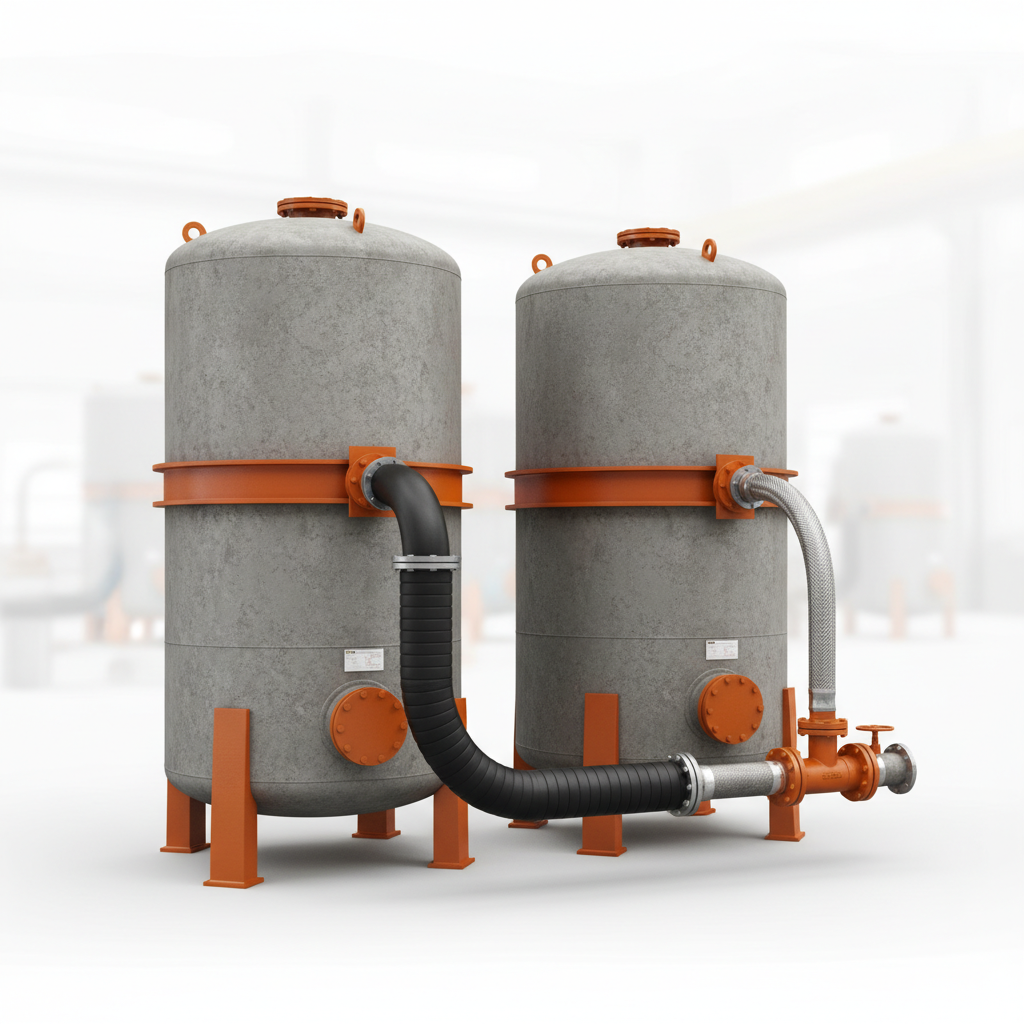
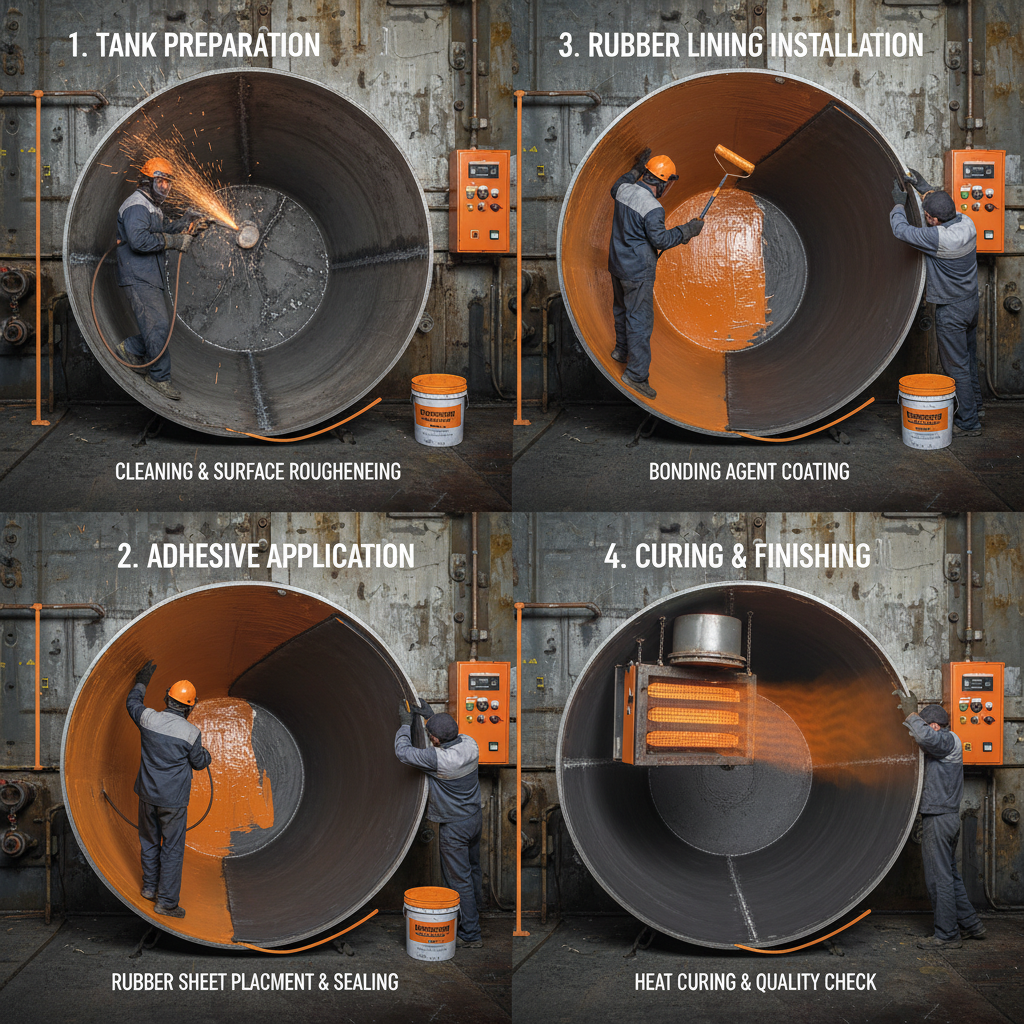
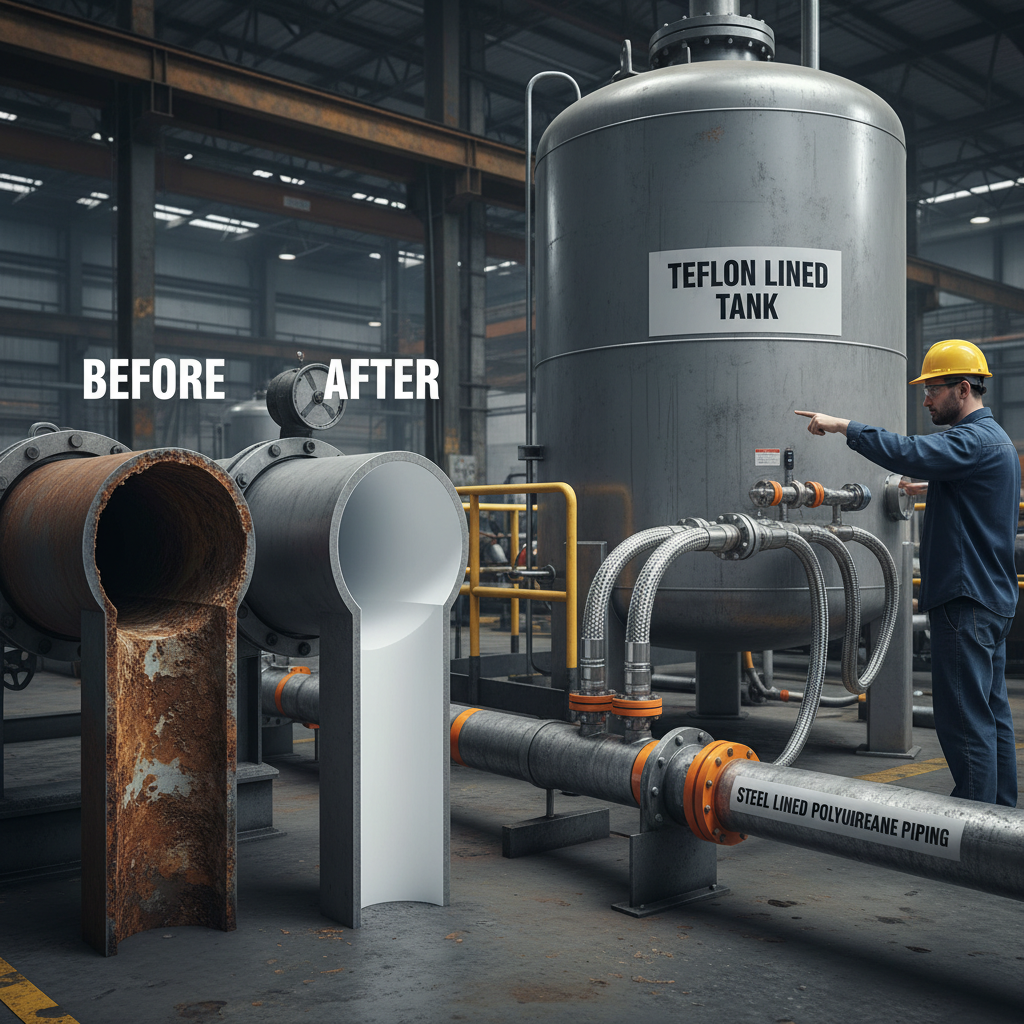
Chemical tanks are manufactured from a variety of materials, each with unique properties and suitability for specific chemicals. Polyethylene tanks are popular for their excellent chemical resistance and cost-effectiveness, ideal for many acids, bases, and salts. Fiberglass Reinforced Plastic (FRP) tanks offer superior corrosion resistance and are lightweight, making them suitable for highly aggressive chemicals. Stainless steel tanks are robust and durable, often used for high-purity applications and where temperature control is critical. Carbon steel tanks are more economical but require lining to prevent corrosion. The best material depends on the chemical being stored, concentration, temperature, and regulatory requirements. At QW Metal, we offer a diverse range of chemical tank solutions tailored to your specific needs.
Key Considerations: Chemical compatibility, temperature range, specific gravity of the stored liquid, and potential for UV exposure are vital factors when choosing a chemical tank material.
Factors to Consider When Selecting Chemical Tanks
Beyond the tank material, several other factors influence the best choice. Tank size and capacity must align with storage needs and future expansion plans. The tank’s design – whether vertical or horizontal – affects space utilization and installation requirements. Features like secondary containment, level sensors, and access ports enhance safety and operational efficiency. Compliance with industry regulations (e.g., SPCC, EPA) is non-negotiable. Proper ventilation and grounding are also critical safety considerations. The ideal chemical tank solution balances functionality, safety, and cost-effectiveness.
Essential Tank Features:
• Secondary Containment: Prevents spills and environmental contamination.
• Level Sensors: Monitor liquid levels for efficient inventory management.
• Access Ports: Facilitate inspection, cleaning, and maintenance.
• Ventilation Systems: Manage fumes and maintain air quality.
Chemical Tank Materials: A Comparative Analysis
Choosing the right material is the most important decision. The following table compares the common materials used for chemical tanks, highlighting their strengths and weaknesses. This comparison will aid in making an informed decision based on your specific application.
Industry Applications of Chemical Tanks
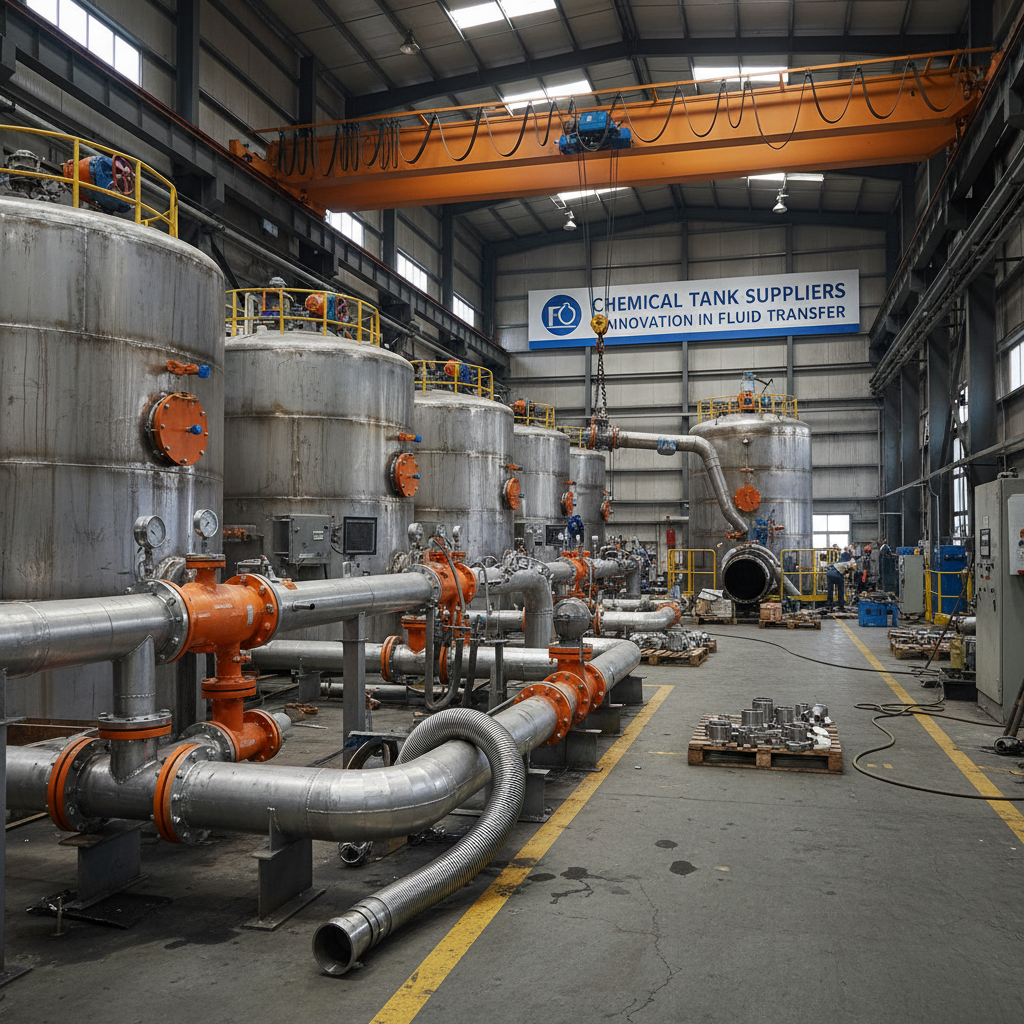
The versatility of chemical tanks makes them indispensable across various industries. Water and wastewater treatment plants rely on them for storing chemicals used in purification processes. Chemical manufacturing facilities utilize tanks for raw material storage, process intermediates, and finished products. Agricultural operations employ tanks for fertilizer and pesticide storage. Pharmaceutical companies demand high-purity tanks for sensitive compounds. The food and beverage industry uses them for ingredient storage. QW Metal serves a diverse clientele across these sectors, providing customized tank solutions to meet their unique demands.
Ensuring Long-Term Reliability and Compliance
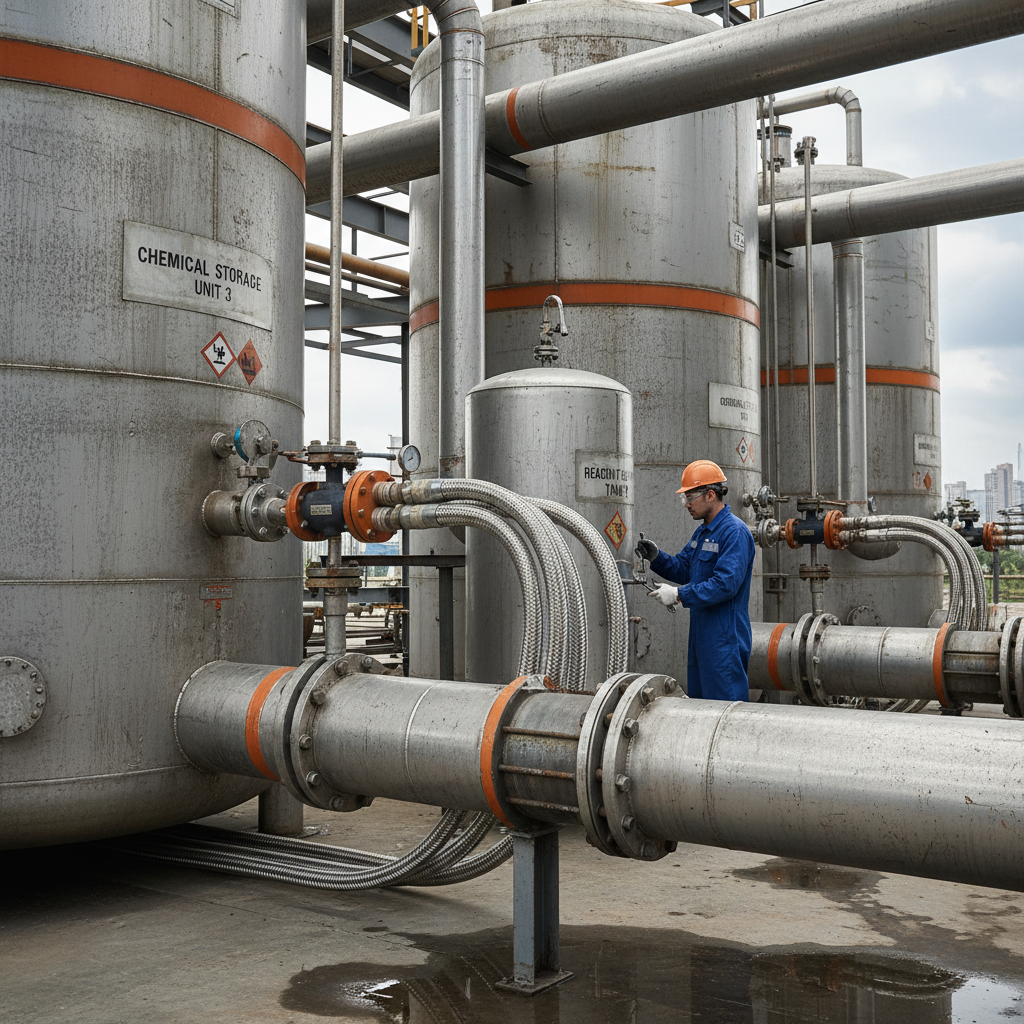
Proper maintenance and regular inspections are essential for ensuring the longevity and safe operation of chemical tanks. Implement a routine inspection schedule to identify potential corrosion, leaks, or structural damage. Adhere to all relevant safety regulations and industry standards. Train personnel on safe handling procedures and emergency response protocols. Regular cleaning and preventative maintenance extend tank life and minimize the risk of costly repairs or environmental incidents. Partner with a reputable supplier like QW Metal for expert guidance and ongoing support.
Conclusion: Investing in Quality Chemical Tank Solutions
Choosing the right chemical tank is a critical investment in safety, compliance, and operational efficiency. By carefully considering the chemical being stored, environmental conditions, and regulatory requirements, you can select a tank that provides reliable long-term performance. QW Metal is committed to providing high-quality chemical tanks and expert guidance to help you optimize your storage solutions.
Frequently Asked Questions (FAQs)
What is the best material for storing hydrochloric acid?
Hydrochloric acid is a highly corrosive substance. Polyethylene (PE) and polypropylene (PP) tanks are often preferred due to their excellent chemical resistance to HCl. However, the concentration of the acid and temperature play crucial roles. For high concentrations and elevated temperatures, FRP tanks with a suitable resin system may be required. Stainless steel (316) can also be used, but it's more expensive. Always consult a chemical compatibility chart and an experienced tank supplier to ensure the chosen material is suitable for your specific application.
How often should chemical tanks be inspected?
Chemical tanks should be visually inspected at least monthly, and a more thorough inspection should be conducted annually. Inspections should focus on identifying signs of corrosion, cracks, leaks, or damage to the tank’s structure and accessories. Regularly check fittings, valves, and seals. Document all inspection findings and address any issues promptly. A qualified technician should perform the annual inspection, especially for critical tanks.
What is secondary containment, and why is it important?
Secondary containment is a protective barrier surrounding a chemical tank to contain spills or leaks. It's typically a bund wall, a drip pan, or a containment pallet. It’s crucial for preventing environmental contamination and protecting personnel. Regulations often mandate secondary containment for specific chemicals and tank capacities. The containment volume should be sufficient to hold at least 110% of the largest tank’s capacity.
What are the key regulatory requirements for chemical tank storage?
Key regulatory requirements vary depending on location and the chemicals being stored. In the US, important regulations include those from the EPA (Environmental Protection Agency), OSHA (Occupational Safety and Health Administration), and state-specific regulations. SPCC (Spill Prevention, Control, and Countermeasure) plans are often required for facilities storing oil and certain hazardous substances. Compliance involves proper tank design, secondary containment, spill response plans, and regular inspections.

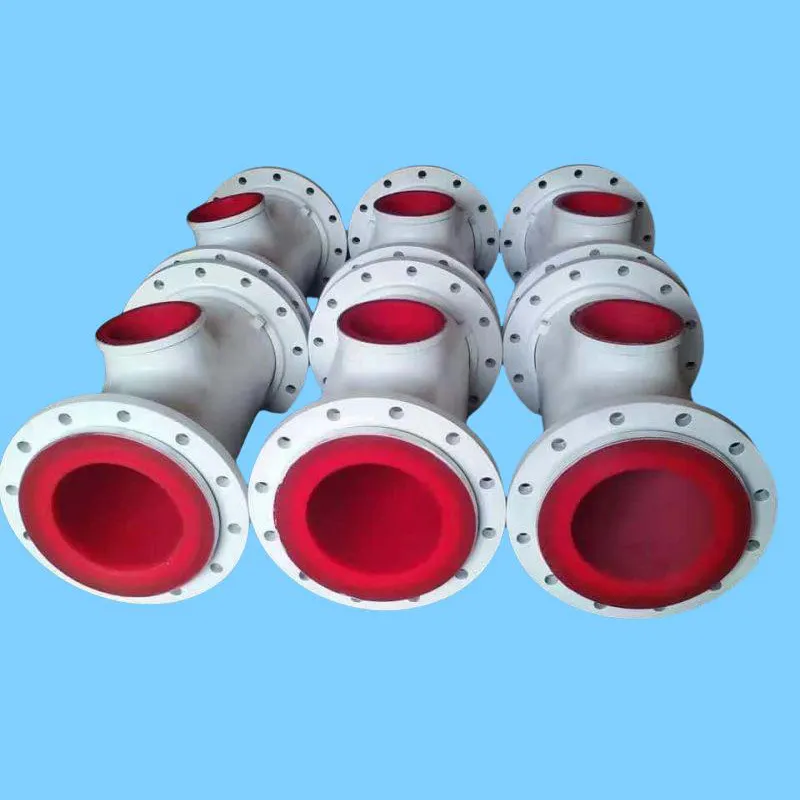
Related Products
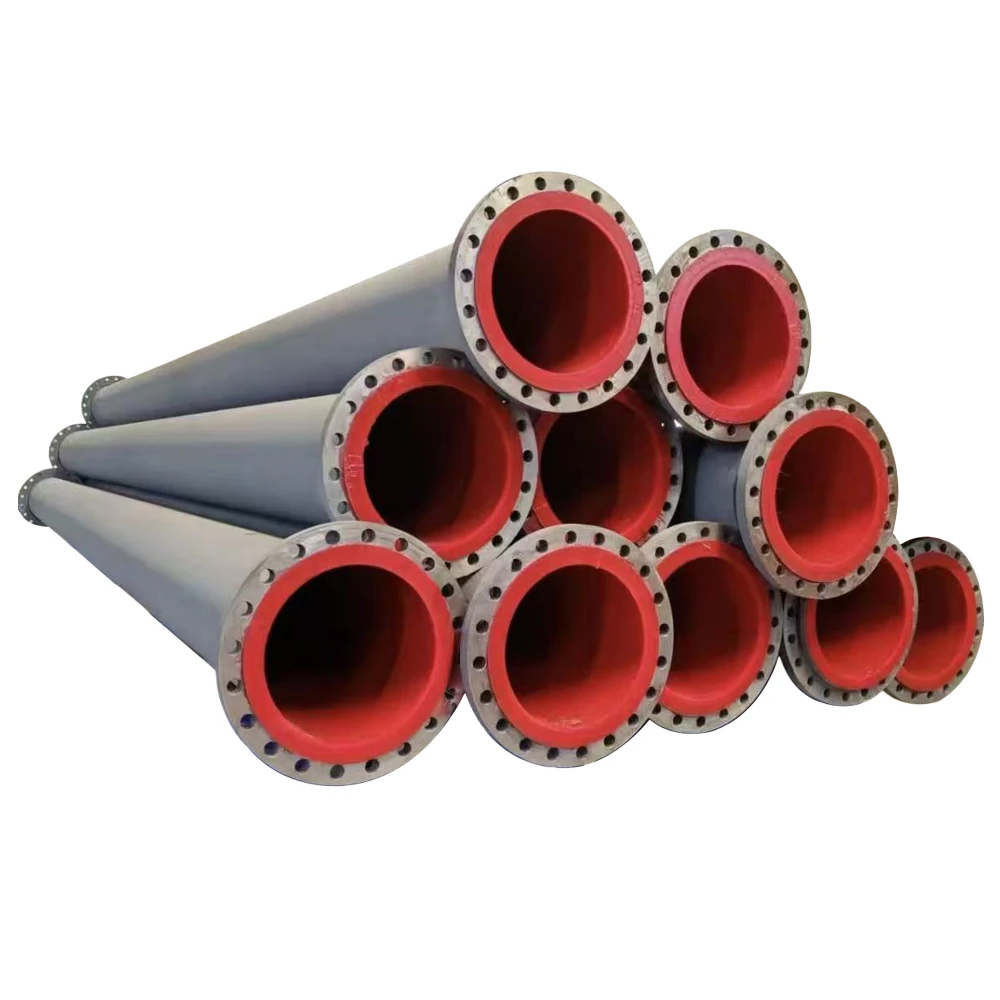
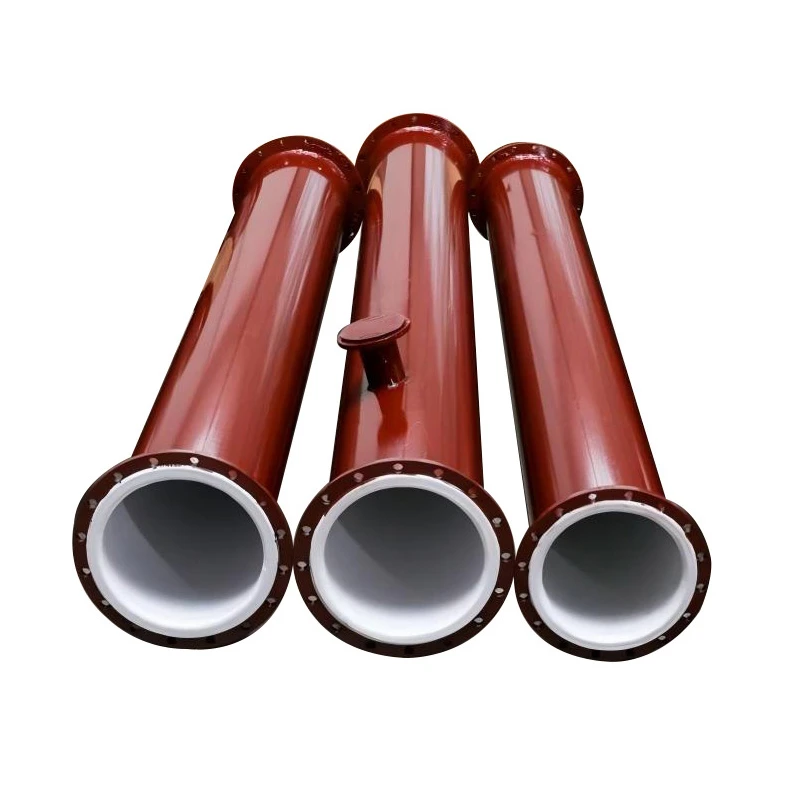
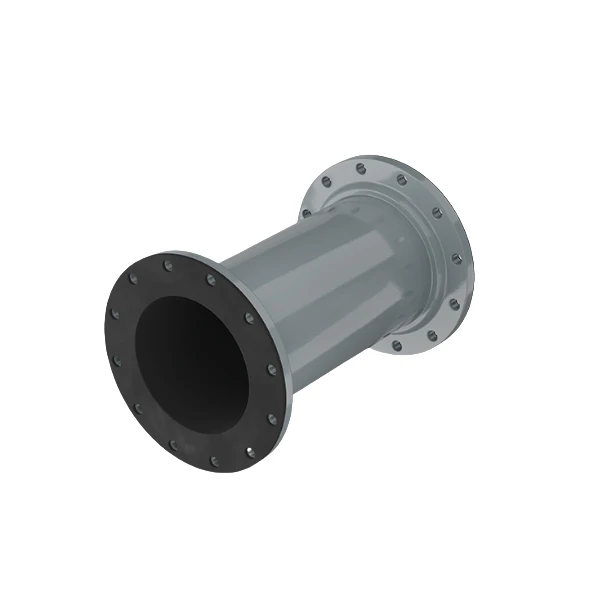
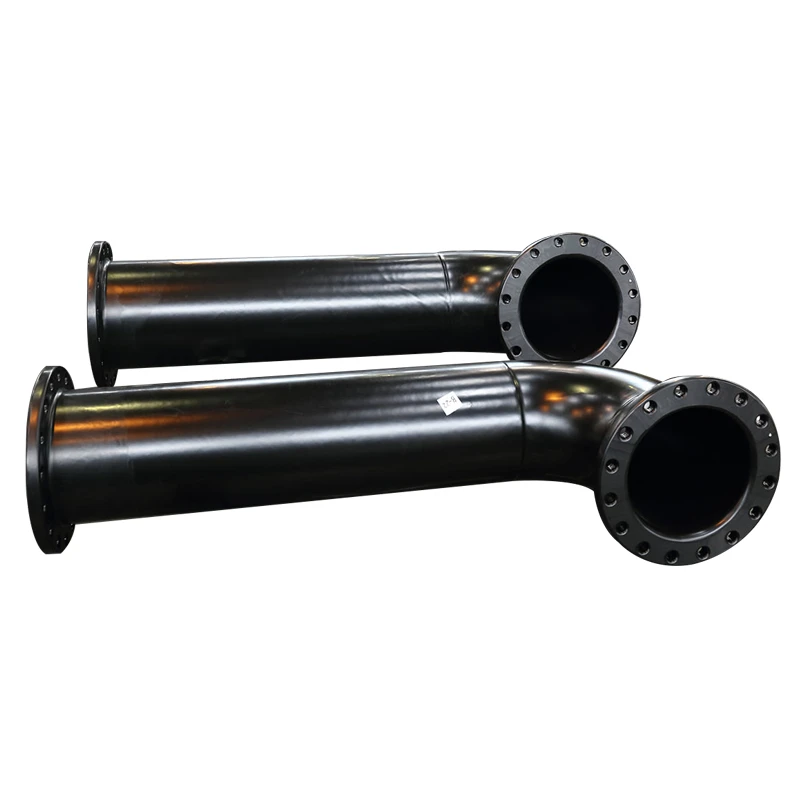
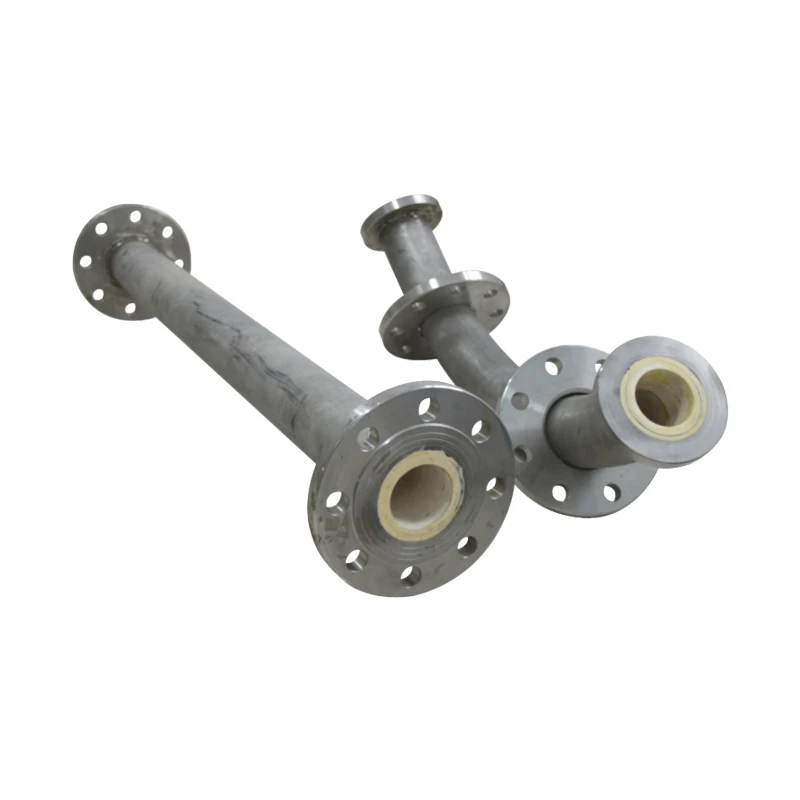
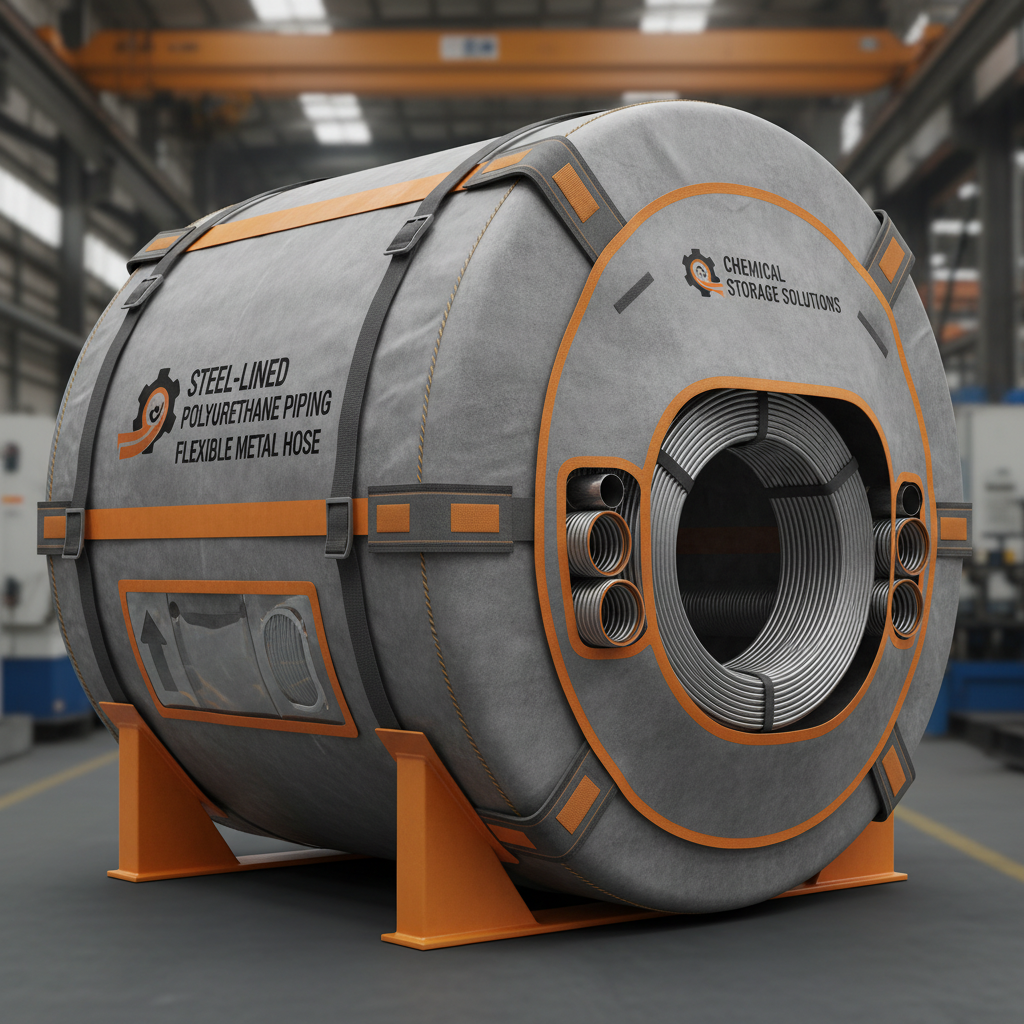
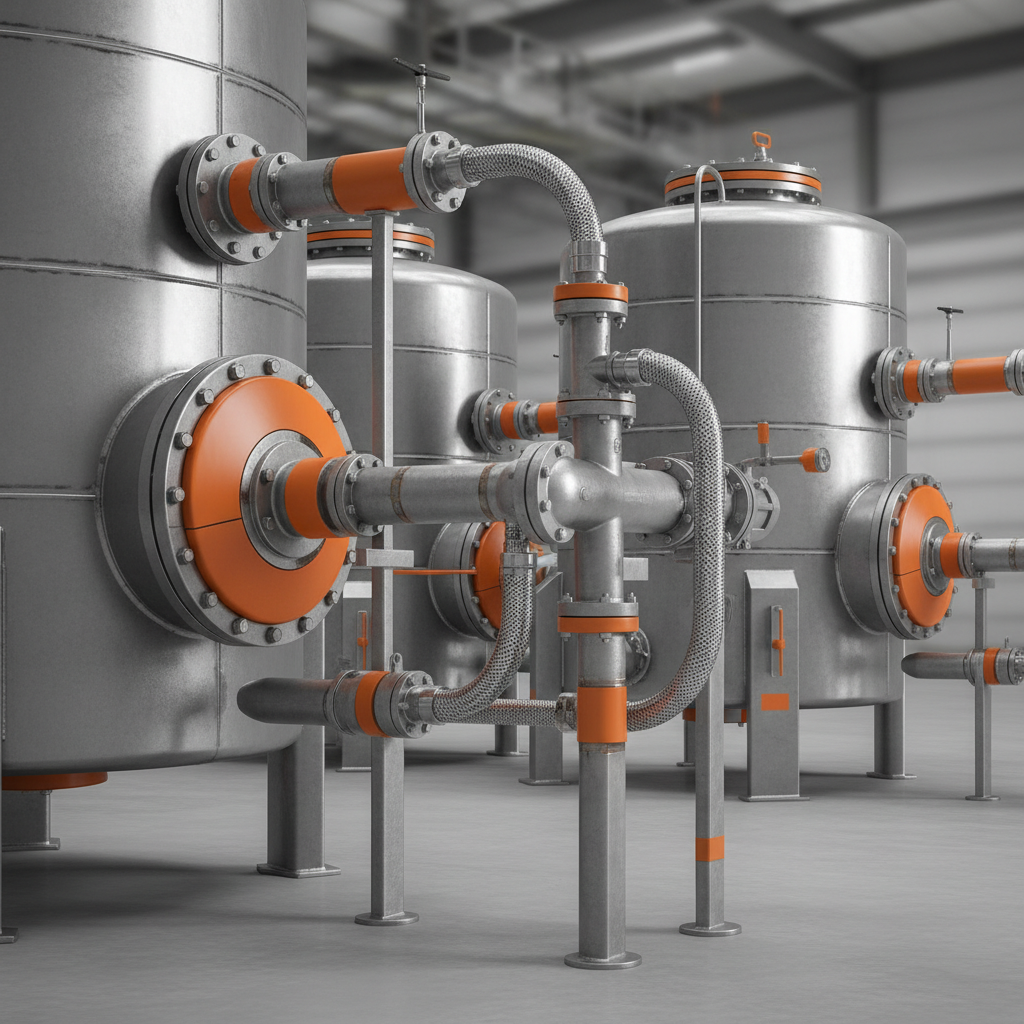
Our main products are polyurethane lined pipes, mining equipment fittings and metal hoses.