Comprehensive Guide to Acid Tanks Applications Materials and Safety Considerations
Understanding Acid Tanks: Applications, Materials, and Considerations
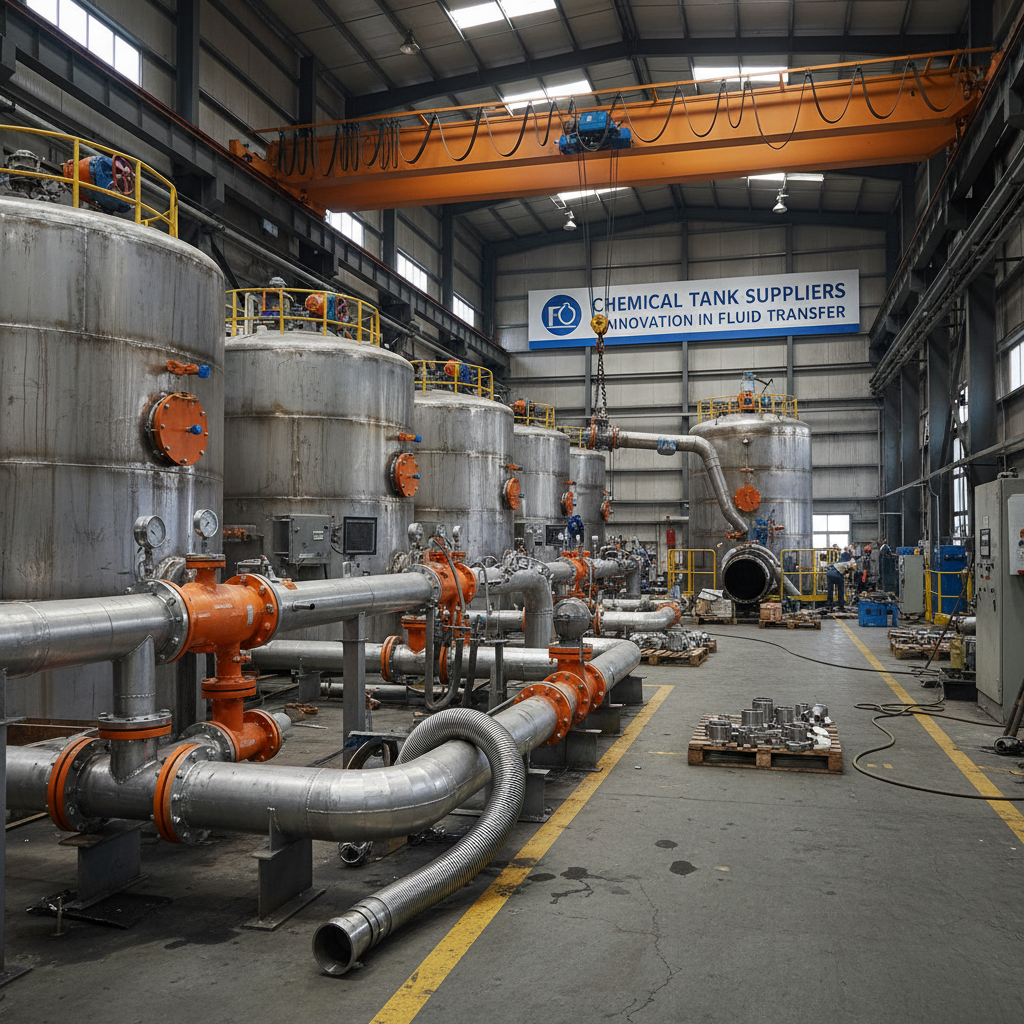
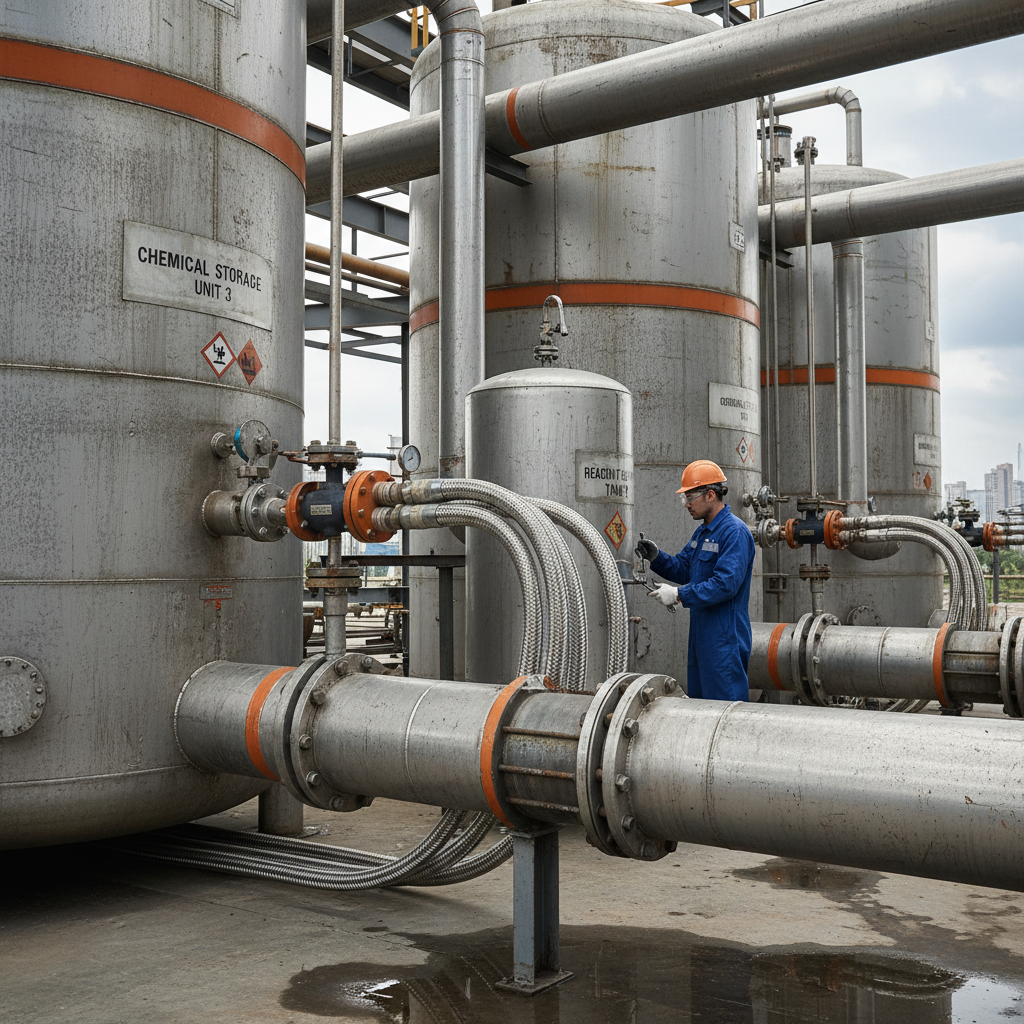
Acid tanks are crucial components in a variety of industrial processes, providing safe and reliable containment for corrosive materials. From chemical manufacturing to wastewater treatment, understanding their design, materials, and safety features is paramount. This article will delve into the world of acid tanks, exploring their applications, common materials of construction, key design considerations, and best practices for maintenance and safety. Properly selected and maintained acid tanks are essential for ensuring operational efficiency and protecting personnel and the environment.
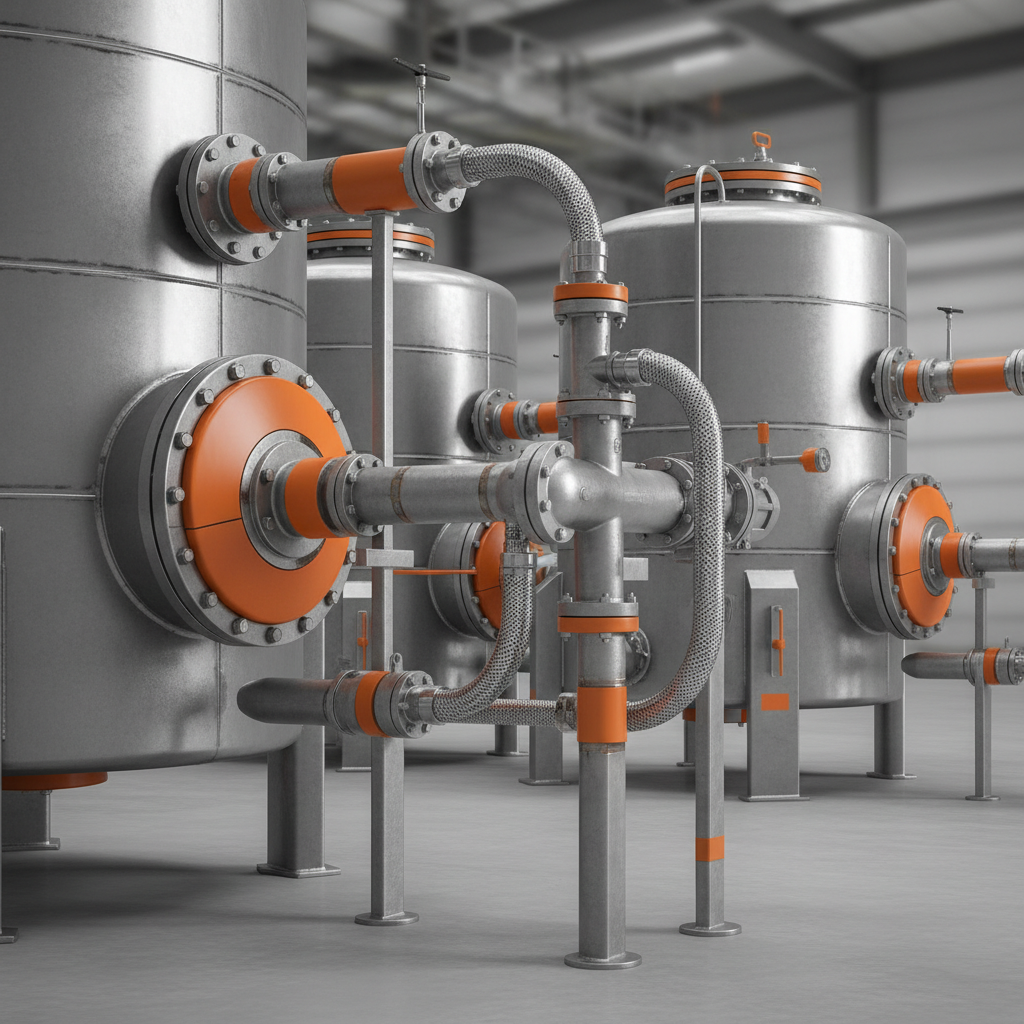
Key Applications of Acid Tanks
Acid tanks find widespread use across numerous industries. In the chemical processing sector, they are essential for storing and handling concentrated acids used in production. Wastewater treatment plants utilize acid tanks for pH neutralization and chemical precipitation processes. The metal finishing industry relies on them for pickling, etching, and electroplating solutions. Furthermore, they are common in the pharmaceutical industry for reagent storage and in the food and beverage industry for cleaning and sanitizing processes. The specific design and materials chosen will vary based on the concentration and type of acid being stored, as well as the operational requirements of the application.
Core Applications: Chemical processing, wastewater treatment, metal finishing, pharmaceutical manufacturing, food & beverage sanitation.
Common Materials Used in Acid Tank Construction
The selection of appropriate materials is paramount when constructing acid tanks. Several materials offer excellent resistance to corrosion, each with its own strengths and weaknesses. Polypropylene (PP) and Polyvinyl Chloride (PVC) are popular choices for lower concentration acids due to their cost-effectiveness and good chemical resistance. However, for stronger acids and higher temperatures, materials like Fiberglass Reinforced Plastic (FRP), stainless steel (specifically 316L grade), and certain specialized alloys are necessary. The specific acid being stored, its concentration, temperature, and any potential contaminants will dictate the best material selection. QW Metal specializes in the fabrication of custom acid tanks using a variety of these materials, tailored to meet specific customer needs.
Material Selection Guide:
• Polypropylene (PP): Good for lower concentration acids, cost-effective.
• PVC: Similar to PP, suitable for less aggressive chemicals.
• FRP: Excellent corrosion resistance, widely used for various acids.
• Stainless Steel 316L: High strength, excellent for strong acids and high temperatures.
Comparing Material Performance: Corrosion Resistance
Understanding the corrosion resistance of different materials is crucial for selecting the optimal material for an acid tank. The following table provides a comparative overview of common materials and their resistance to various acids.
Critical Design Considerations for Acid Tanks
Beyond material selection, several design factors are crucial for ensuring the safe and efficient operation of acid tanks. These include proper venting to prevent pressure buildup from fumes, adequate secondary containment to capture spills, and corrosion allowance in the tank wall thickness to account for material loss over time. Agitation systems, such as mixers, may be necessary to maintain homogeneity and prevent stratification. Additionally, access ports for inspection and cleaning should be incorporated into the design. QW Metal's engineers are experienced in designing tanks that meet stringent industry standards and customer-specific requirements.
Safety and Maintenance Best Practices
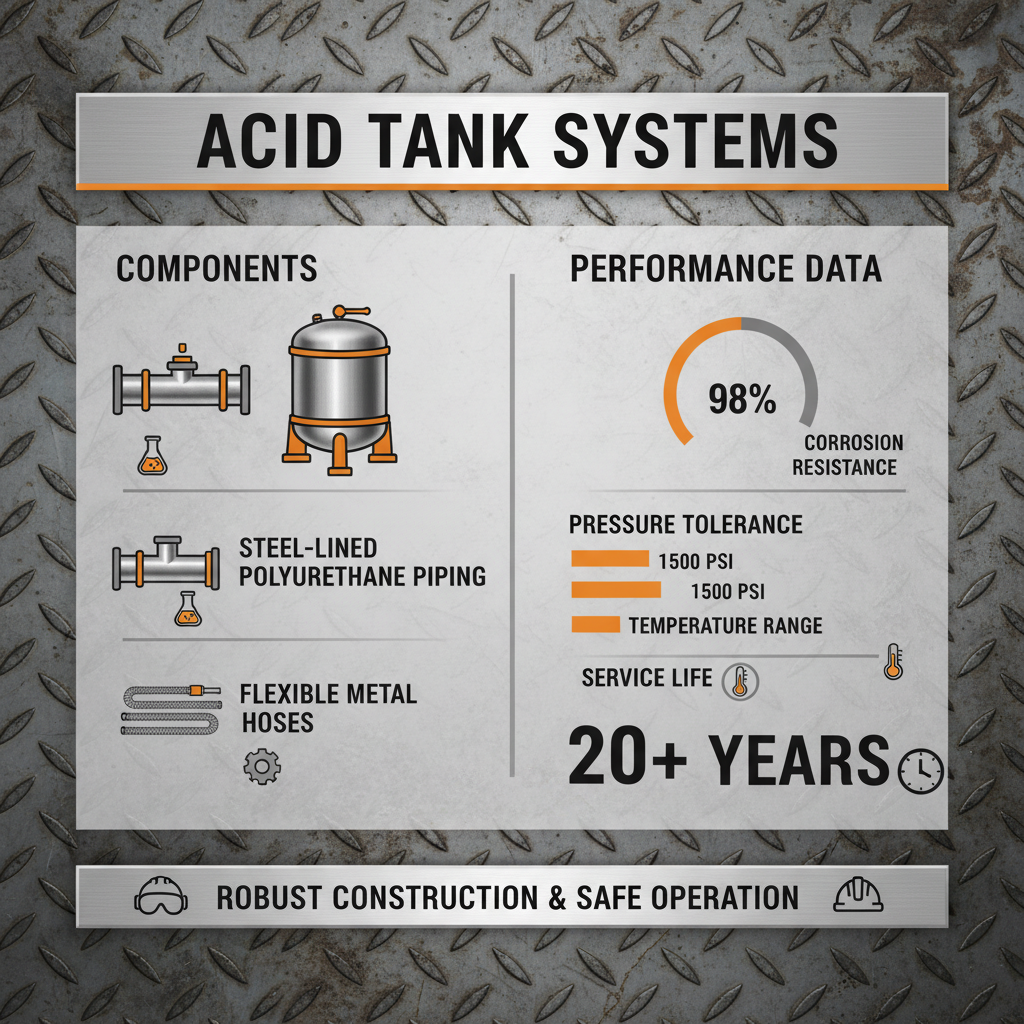
Regular inspection and maintenance are essential for ensuring the long-term integrity and safe operation of acid tanks. This includes visual checks for signs of corrosion, leaks, or damage. Periodic thickness measurements can help monitor material loss and predict the remaining service life. Promptly address any identified issues, such as repairing leaks or replacing corroded components. Properly train personnel on safe handling procedures and emergency response protocols. Implement a preventative maintenance schedule to minimize the risk of unexpected failures.
Conclusion: Reliable Acid Tank Solutions
Choosing the right acid tank and implementing a robust maintenance program are critical for operational safety and efficiency. QW Metal offers a comprehensive range of custom-engineered acid tanks, coupled with expert guidance and support, to meet the unique needs of your application. Contact us today to discuss your specific requirements.
Frequently Asked Questions (FAQs)
What factors influence the cost of an acid tank?
Several factors contribute to the cost of an acid tank, including the material of construction, tank size and capacity, design complexity (e.g., presence of mixers, heating/cooling jackets, secondary containment), and any required certifications or testing. Custom fabrication will generally be more expensive than standard tank models, but it allows for a tailored solution that meets your exact specifications. The quantity ordered can also impact the price, with larger orders typically benefiting from economies of scale. QW Metal provides competitive pricing and transparent quotes based on your specific requirements.
What is secondary containment and why is it important?
Secondary containment refers to a barrier or system designed to contain spills or leaks from an acid tank. This could be a concrete dike, a liner within a containment basin, or a double-walled tank. It’s crucial for preventing environmental contamination, protecting personnel, and ensuring regulatory compliance. Regulations often mandate secondary containment for tanks storing hazardous materials, and it’s a best practice even when not legally required. The capacity of the secondary containment should be sufficient to hold the entire contents of the tank, plus an allowance for rainfall.
How often should an acid tank be inspected?
The frequency of acid tank inspections depends on several factors, including the type of acid stored, the tank's age, and the severity of the operating environment. However, a general guideline is to conduct visual inspections at least monthly, looking for signs of corrosion, leaks, cracks, or damage to the tank and its components. More detailed inspections, including thickness measurements and non-destructive testing, should be performed annually or as recommended by a qualified engineer. Maintain detailed records of all inspections and maintenance activities.
Can acid tanks be customized to specific dimensions and configurations?
Yes, QW Metal specializes in custom-designed and fabricated acid tanks. We can tailor the tank's dimensions, shape, materials, and features to meet your precise requirements. This includes incorporating specific nozzle locations, access ports, agitation systems, and other modifications. Our engineering team will work closely with you to understand your application and develop a solution that optimizes performance and safety.
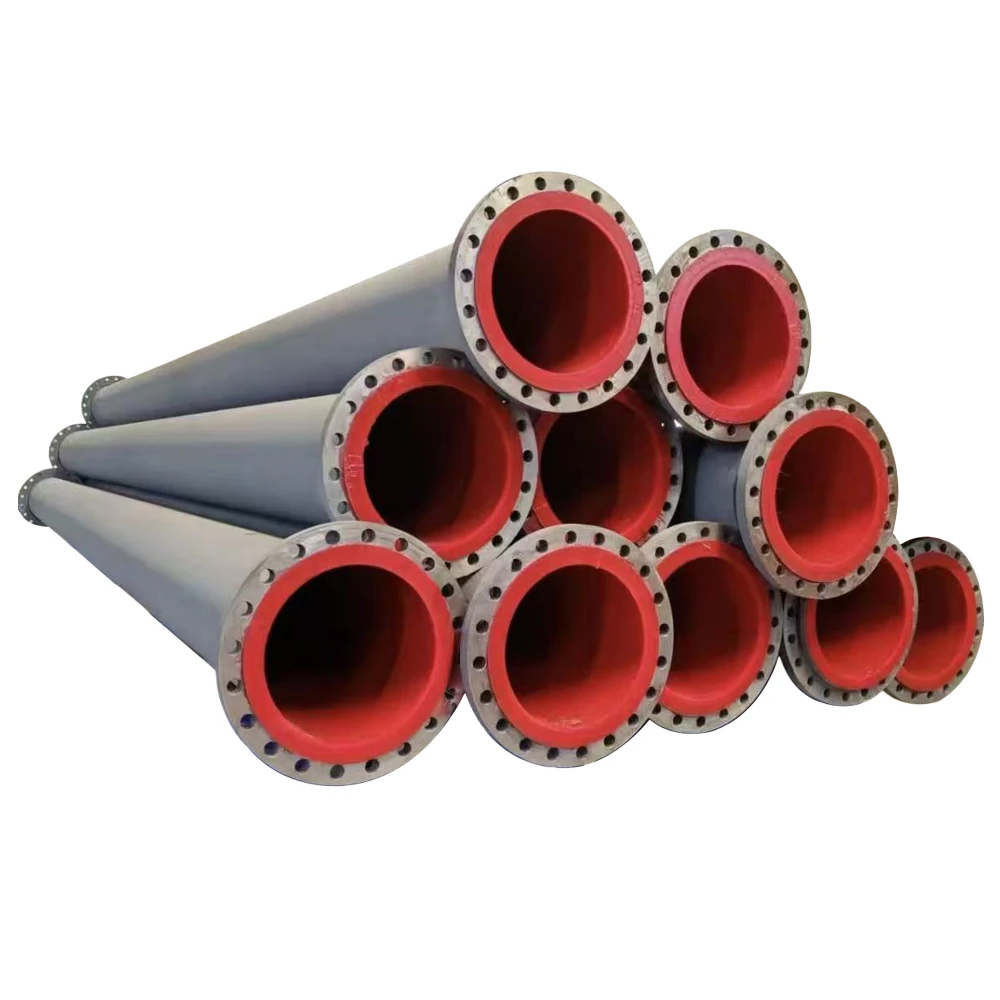
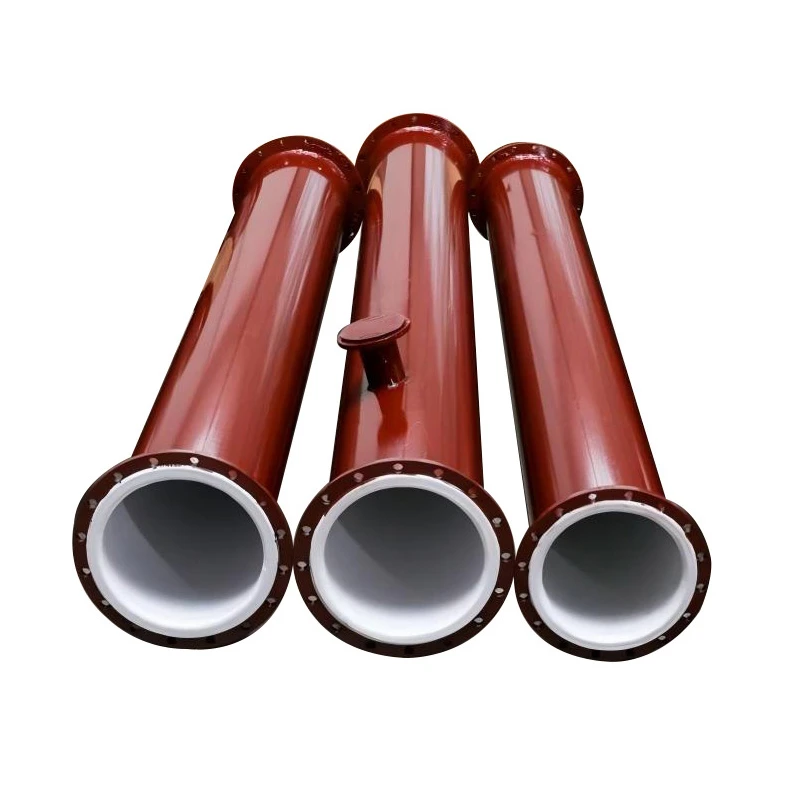
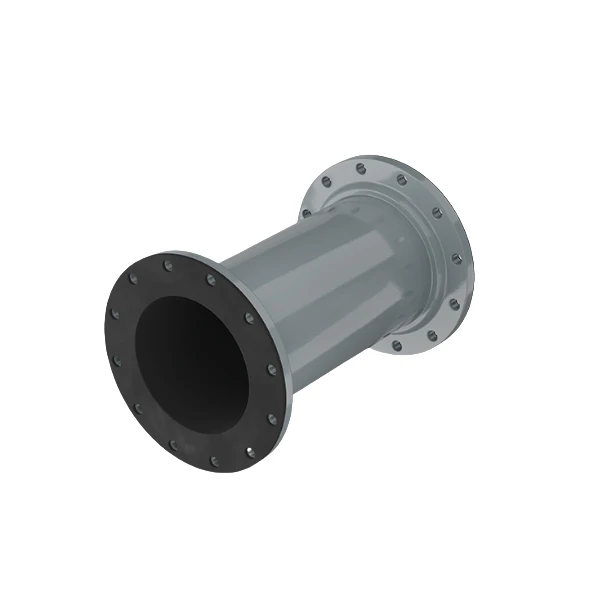
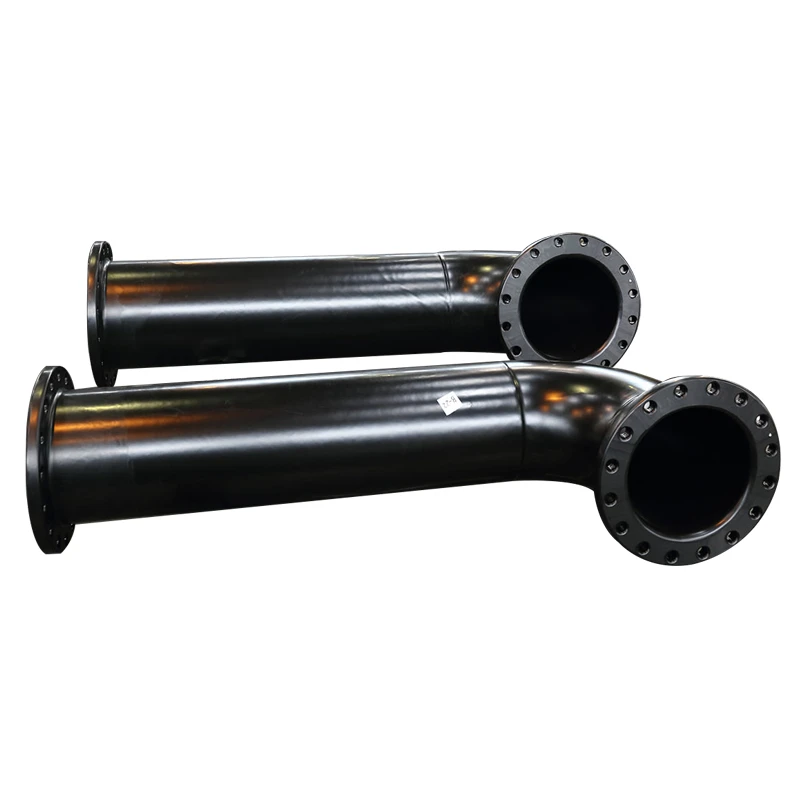
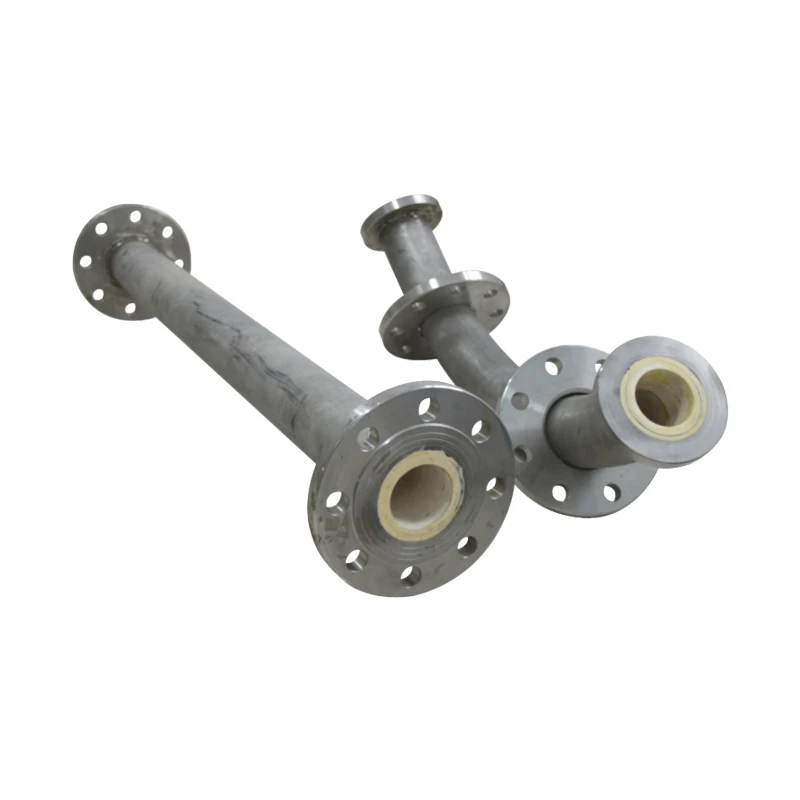
Related Products
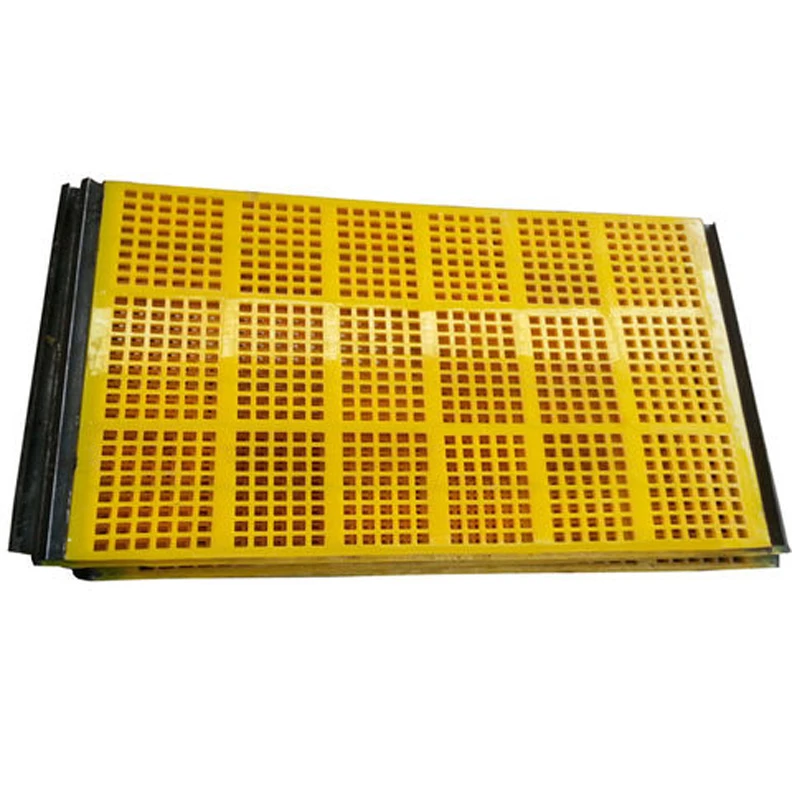
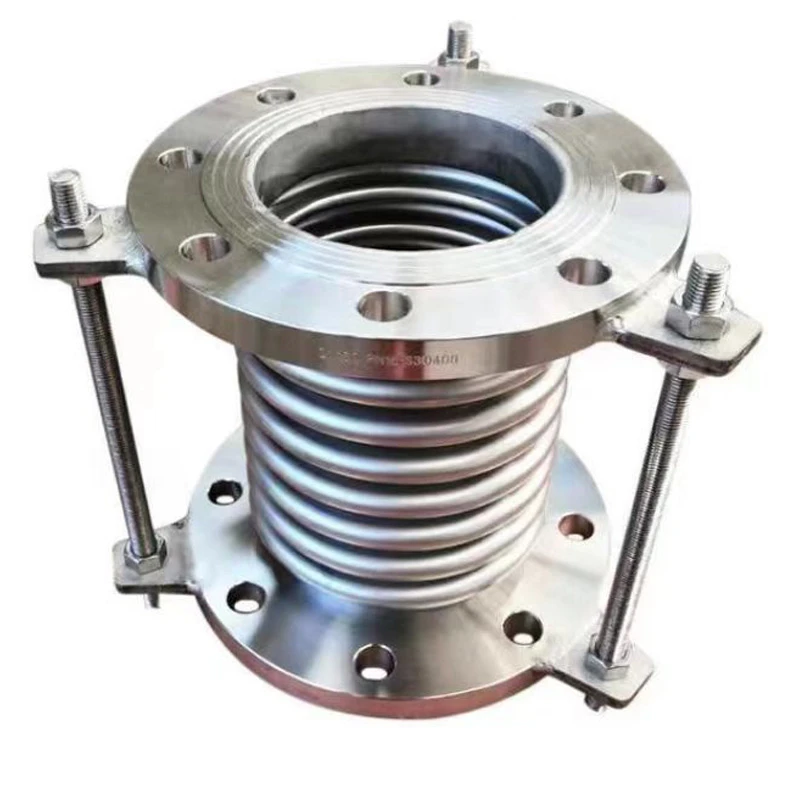
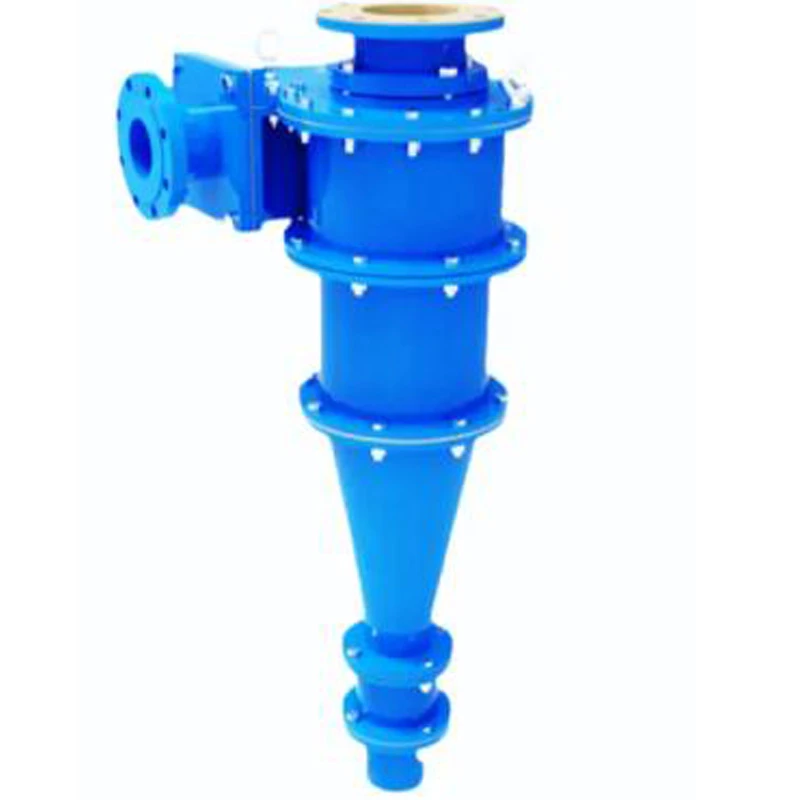
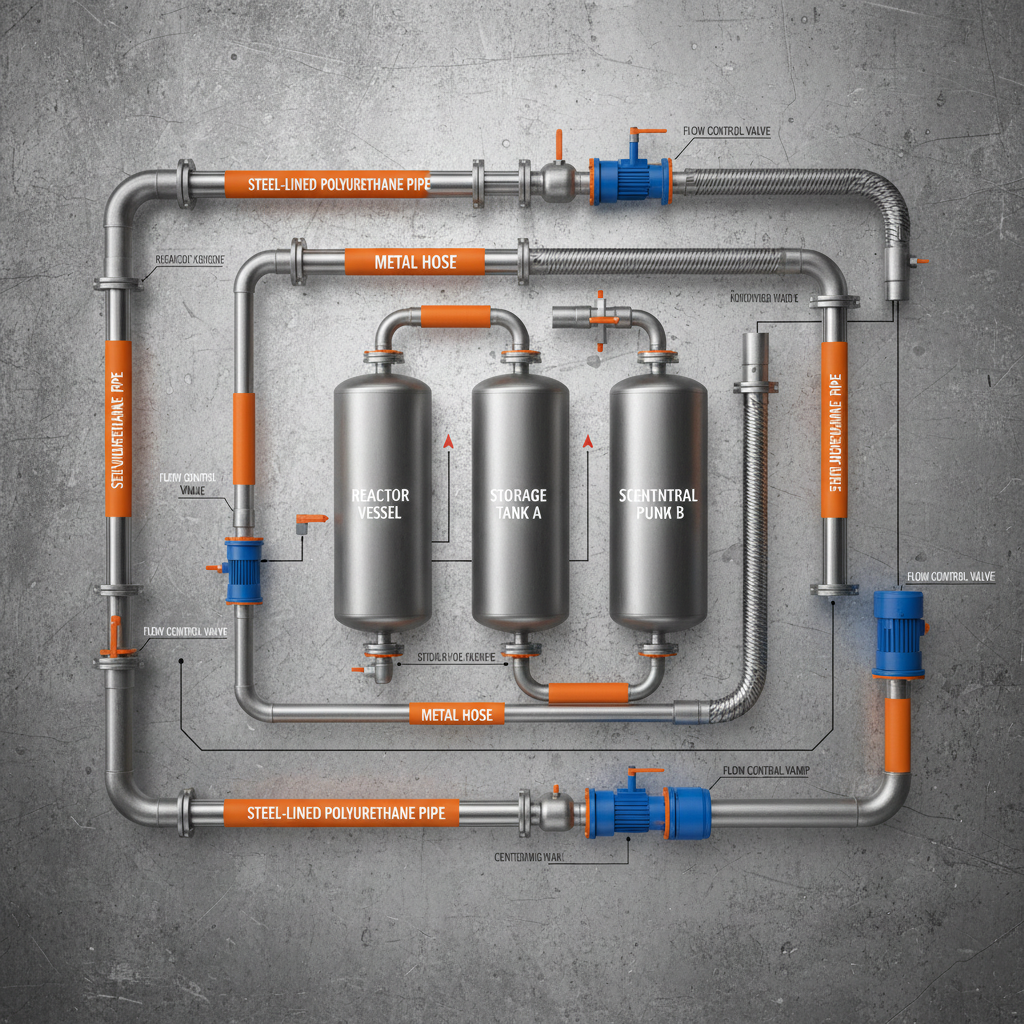
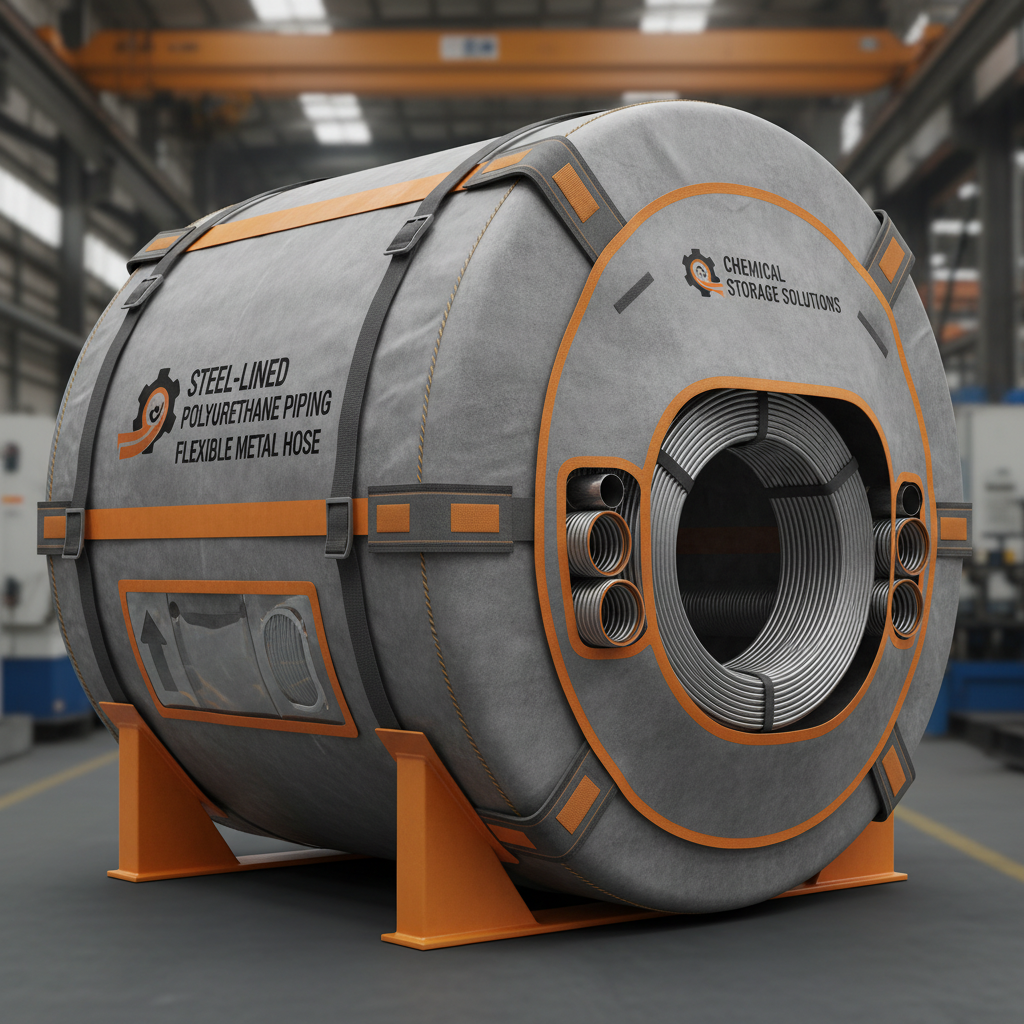
Our main products are polyurethane lined pipes, mining equipment fittings and metal hoses.