Top Industrial Chemical Tank Suppliers for Safe Storage Solutions
Finding Reliable Chemical Tank Suppliers for Industrial Storage
Selecting the right storage solution for hazardous materials is not just about capacity; it is about safety, compliance, and longevity. For businesses operating in the pharmaceutical, petrochemical, or water treatment sectors, partnering with experienced chemical tank suppliers is the most critical step in mitigating operational risks. A high-quality tank prevents leakage, resists corrosion, and ensures that volatile substances are stored under precise conditions. In this guide, we will explore the essential factors you must consider when evaluating suppliers, the materials that define tank durability, and how to ensure your investment meets international safety standards.
Critical Criteria for Choosing Chemical Tank Suppliers
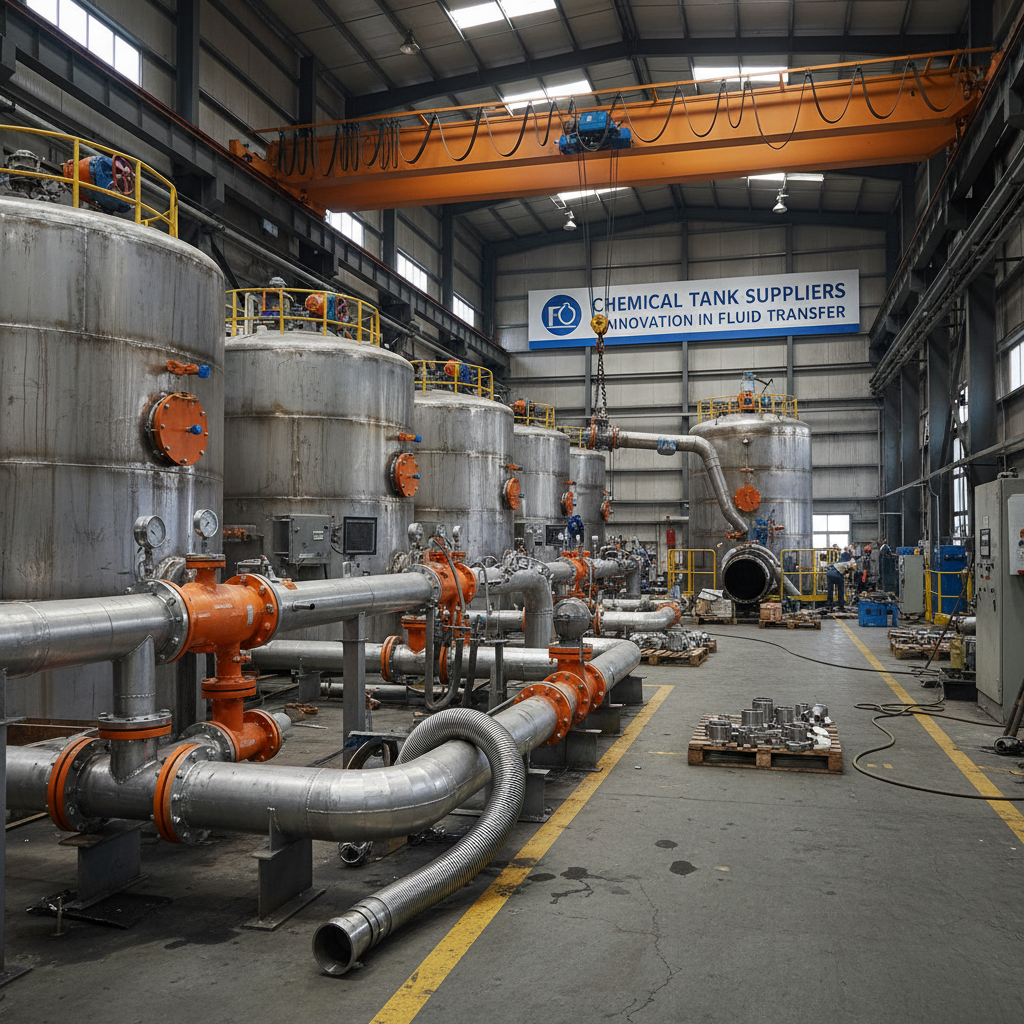
Not all chemical tank suppliers are created equal. When vetting a partner, the first priority should be their certification and compliance record. Whether it is ASME, ISO, or regional environmental regulations, certifications provide an objective guarantee of quality. Additionally, evaluate their engineering capabilities. A professional supplier doesn't just sell a "catalog product" but provides custom engineering to match the specific pH levels, temperature requirements, and pressure constraints of your chemical agent. Finally, look for a track record of after-sales support, including installation guidance and maintenance audits, to ensure the tank's operational lifespan is maximized.
Expert Tip: Always request a material mill certificate. This document verifies the exact composition of the metal or polymer used, ensuring it can withstand the specific corrosivity of your chemicals.
Material Comparison: Stainless Steel vs. Composite Tanks
One of the most frequent dilemmas when consulting with chemical tank suppliers is choosing between stainless steel and composite (FRP) materials. Stainless steel is renowned for its strength and high-temperature tolerance, making it ideal for pressurized systems. On the other hand, Fiber Reinforced Plastic (FRP) offers unparalleled resistance to highly corrosive acids and salts where metal would fail. The choice depends entirely on the chemical's reactivity and the ambient environment of the storage facility.
Technical Specifications Provided by Top Chemical Tank Suppliers
When reviewing quotes from chemical tank suppliers, the technical data sheet is your most important document. A professional specification sheet should clearly outline the wall thickness, welding standards (such as TIG or MIG), and the type of surface finish (e.g., electropolishing for pharma-grade tanks). Understanding these metrics helps you predict the tank's failure points and schedule preventive maintenance. Below is a standard specification example for a mid-sized industrial chemical storage unit.
Safety Features and Risk Mitigation
Safety is the non-negotiable core of chemical storage. Leading chemical tank suppliers integrate advanced safety features directly into the design. This includes secondary containment (double-wall tanks) to prevent soil contamination in case of a primary leak. Additionally, venting systems are crucial; they prevent pressure buildup from chemical vapors, which could otherwise lead to structural failure. Automated level sensors and leak detection alarms are also recommended for high-risk substances to allow for immediate emergency response.
Installation and Maintenance Best Practices
Once you have procured your equipment from trusted chemical tank suppliers, the installation phase begins. A tank is only as safe as its foundation. Ensuring a level, reinforced concrete pad prevents structural stress and tipping. For maintenance, a scheduled Non-Destructive Testing (NDT) program—using ultrasound or X-ray—can identify wall thinning or internal corrosion before a leak occurs. Regular cleaning and inspection of gaskets and seals are also paramount to prevent hazardous fumes from escaping into the workplace.
The Impact of Customization on Operational Efficiency
Standard tanks often lead to wasted space or inefficient flow. The most competitive chemical tank suppliers offer bespoke design services that optimize the layout of your facility. Customization options include specialized agitators for mixing, heating/cooling jackets for temperature-sensitive chemicals, and precision-engineered nozzles for seamless integration with existing piping. By tailoring the tank to the specific process flow, companies can reduce pumping energy, minimize chemical residue, and increase overall throughput.
Conclusion: Securing Your Future with Quality Storage
Investing in industrial storage is a long-term commitment to safety and efficiency. By partnering with professional chemical tank suppliers, you ensure that your infrastructure can withstand the harshest chemical environments while remaining compliant with global safety laws. From choosing the right material to implementing a strict maintenance schedule, every detail counts. Prioritize quality over the lowest bid to avoid the catastrophic costs of failure and ensure a stable, secure operational environment for your business.
Frequently Asked Questions (FAQs)
How do I know which material is best for my chemical?
The best way to determine the material is to consult a chemical compatibility chart and discuss the specific properties of your substance with your chemical tank suppliers. You must consider the chemical's concentration, temperature, and whether it is an acid, base, or solvent. For example, while SS316L is great for many applications, it can be corroded by concentrated chlorides, where a plastic-lined or FRP tank would be far superior. Always provide the SDS (Safety Data Sheet) to your supplier for an accurate recommendation.
What is the typical lead time for custom chemical tanks?
Lead times vary significantly depending on the complexity of the design and the material chosen. A standard off-the-shelf tank might ship within a few weeks, but a custom-engineered pressure vessel usually takes 8 to 16 weeks. This timeline includes the engineering design phase, material procurement, precision welding, and critical safety testing (such as X-ray or hydrostatic tests). To shorten this period, it is recommended to finalize technical specifications early and provide clear facility blueprints to your supplier.
Are secondary containment tanks required by law?
In most jurisdictions, yes—especially if you are storing hazardous, toxic, or flammable materials. Environmental protection agencies often mandate that the secondary containment must be able to hold at least 110% of the volume of the largest tank within the bunded area. This prevents ground contamination in the event of a catastrophic failure. Professional chemical tank suppliers can help you design integrated double-wall systems that satisfy these legal requirements while saving floor space.
How often should a chemical tank be inspected?
While daily visual checks for leaks or bulging are essential, a comprehensive technical inspection should be performed annually or bi-annually. This includes checking the integrity of the linings, inspecting weld joints for stress cracks, and testing the functionality of vents and alarms. For tanks holding highly aggressive chemicals, ultrasound thickness testing is recommended every two years to monitor the rate of internal corrosion and predict the remaining service life of the vessel.
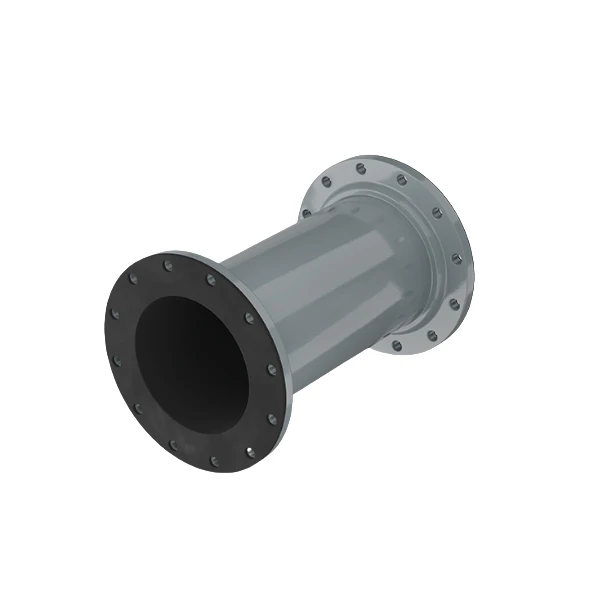
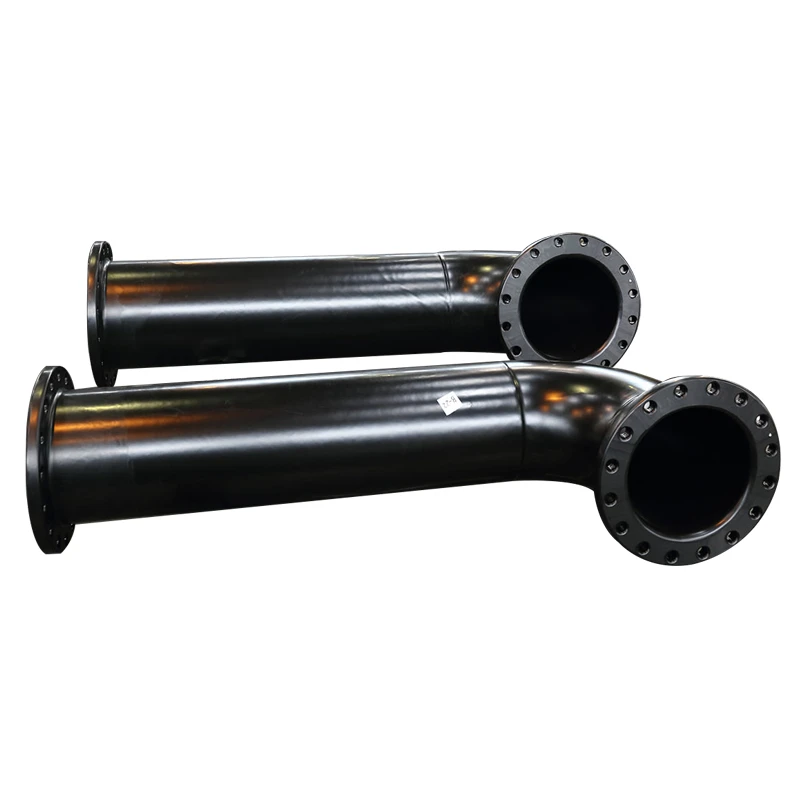
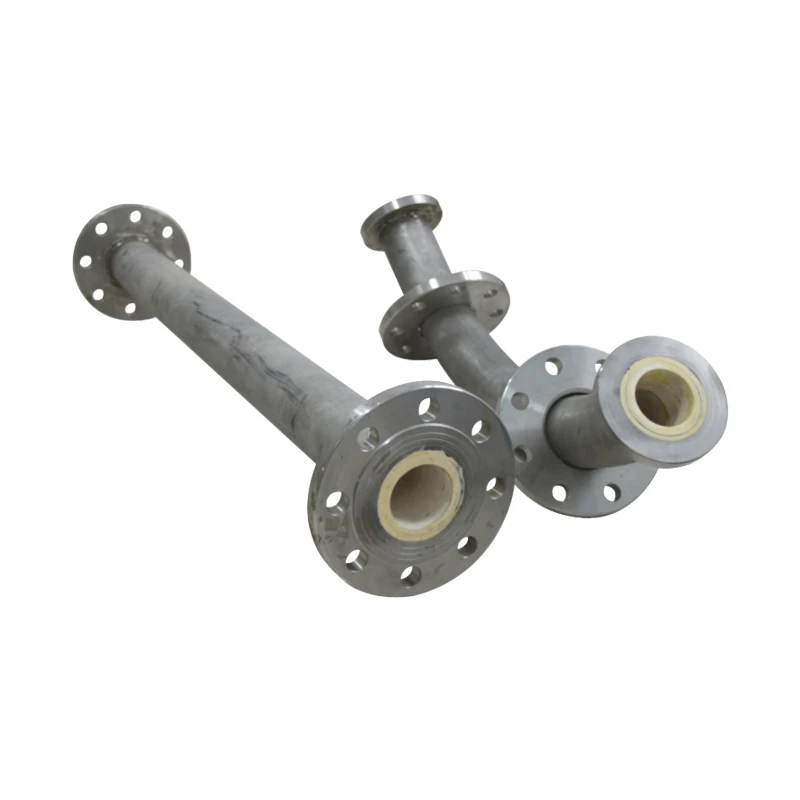

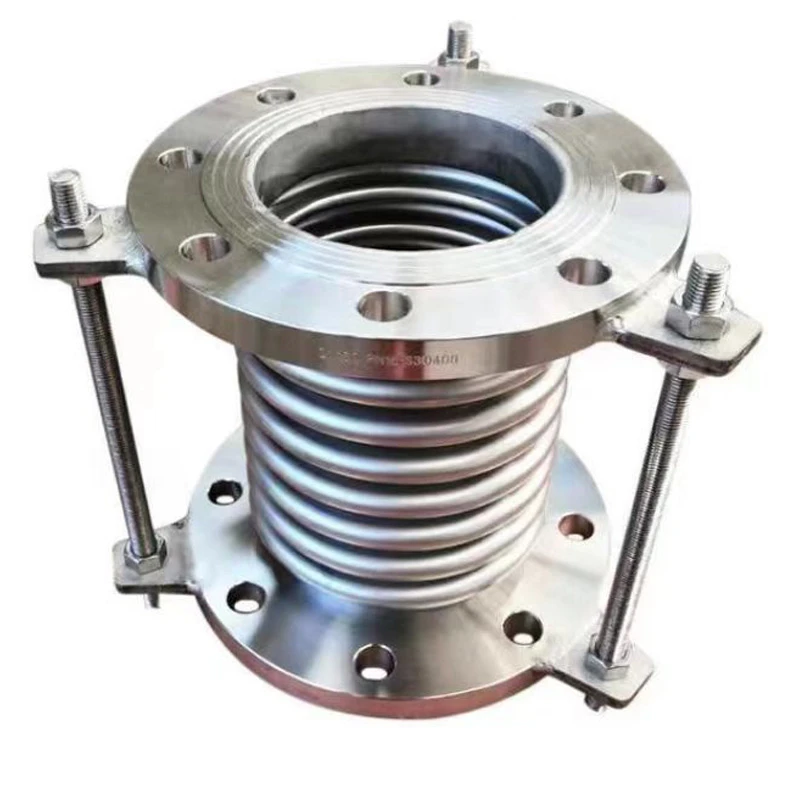
Related Products
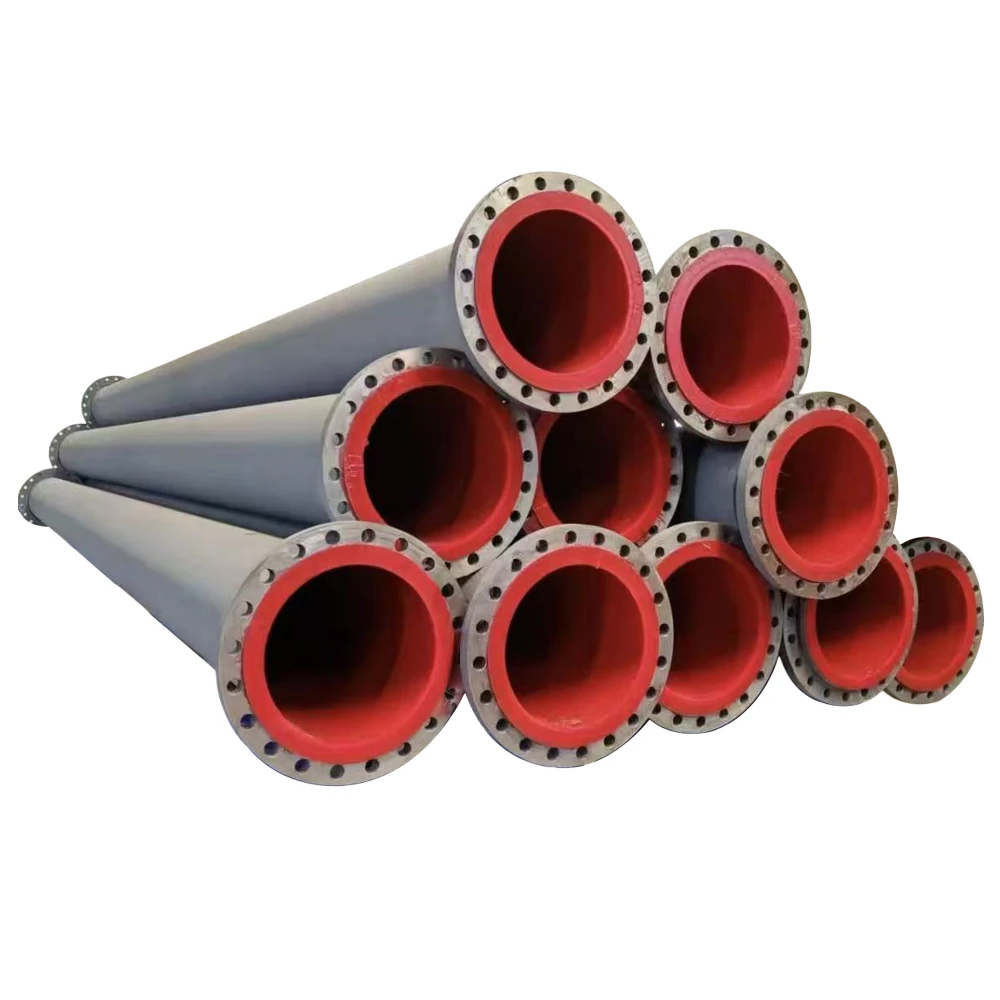
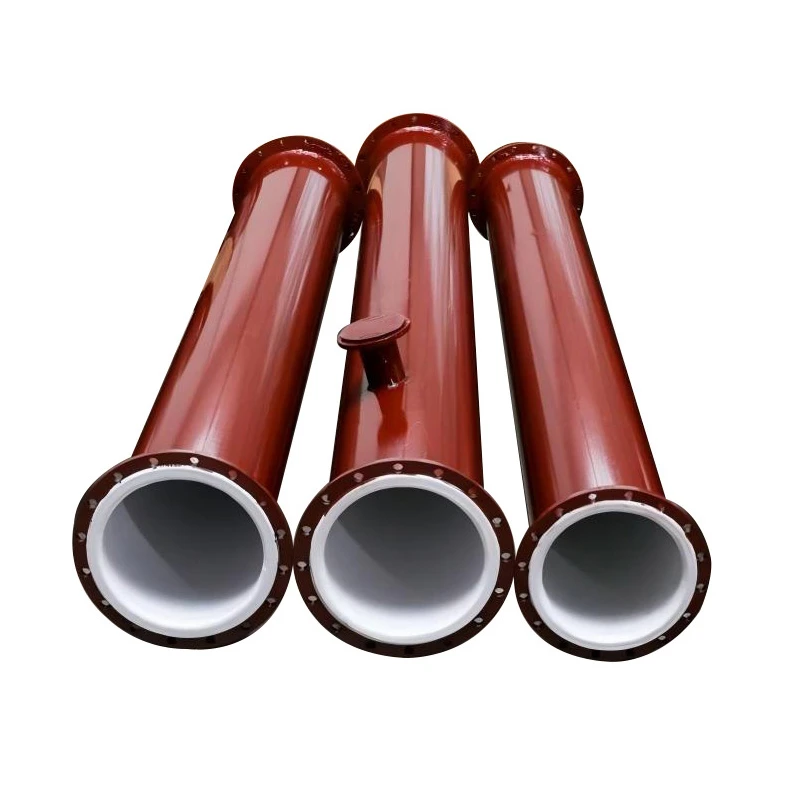
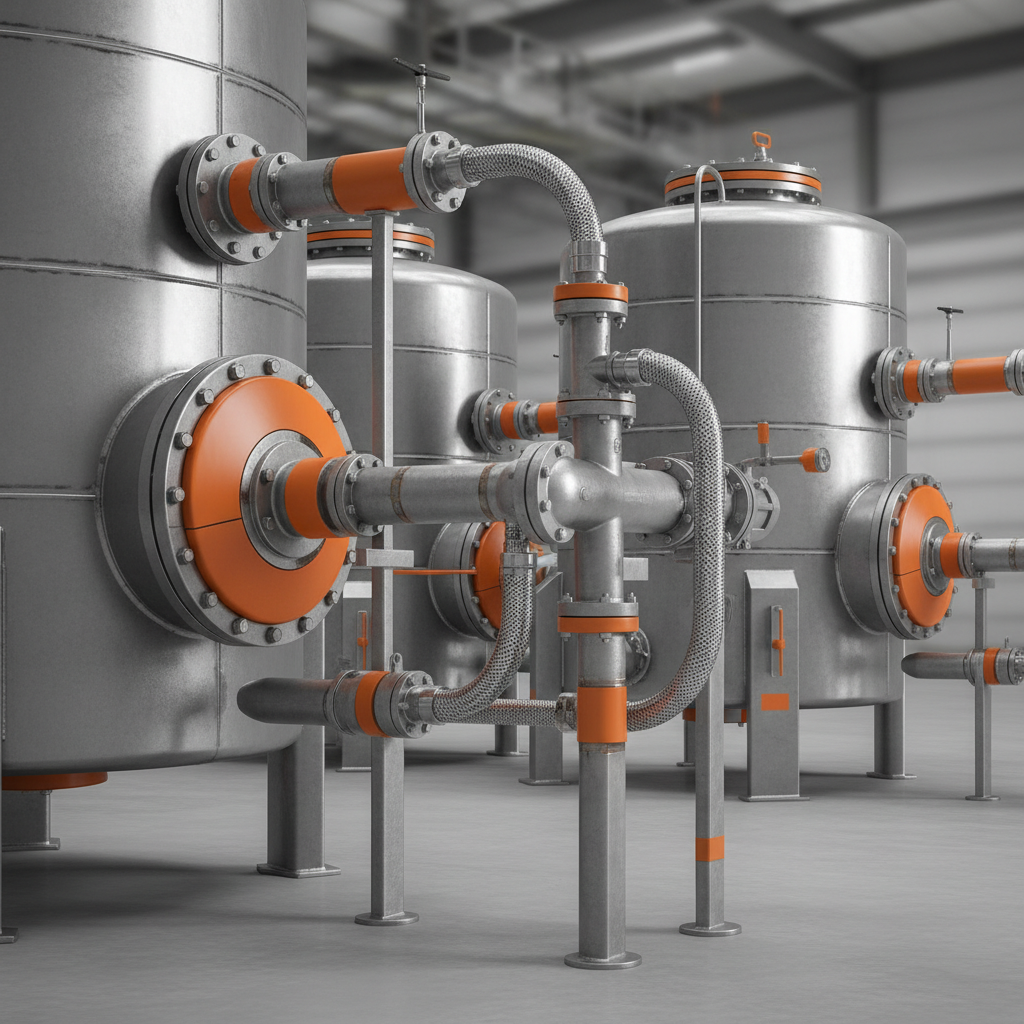
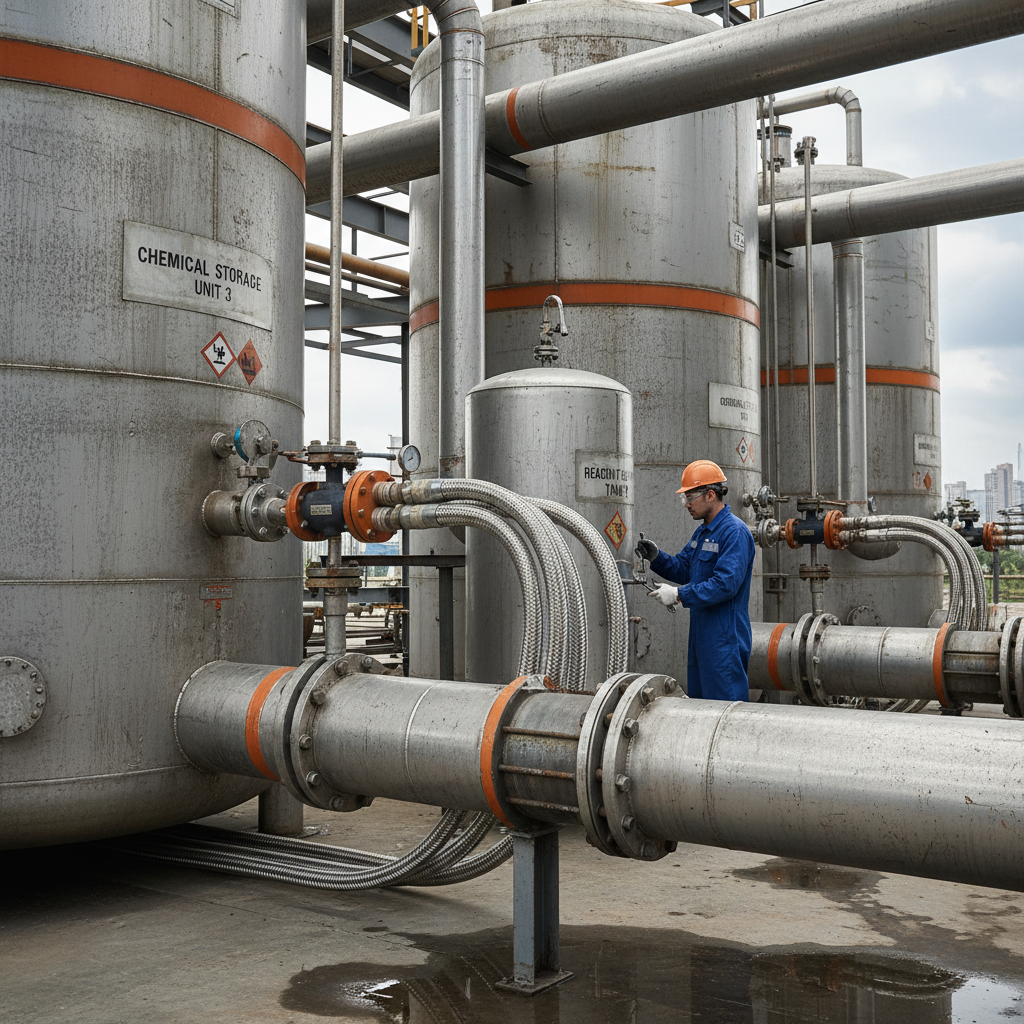
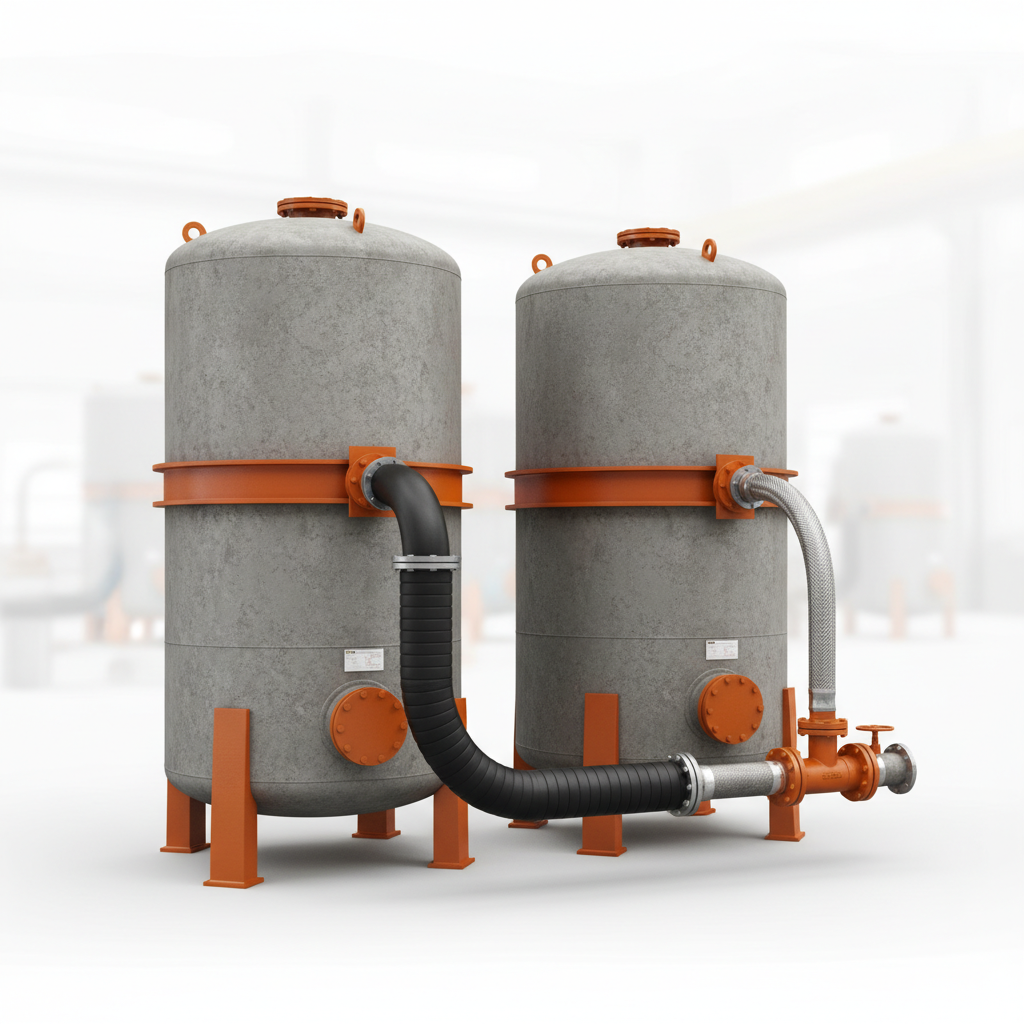
Our main products are polyurethane lined pipes, mining equipment fittings and metal hoses.