Comprehensive Guide to Safe Tank Chemical Storage and Handling Practices
Understanding Tank Chemical Storage and Handling
Safely storing and handling tank chemicals is paramount for businesses across various industries. Improper management can lead to environmental hazards, safety risks, and significant financial consequences. This article provides a comprehensive guide to best practices for tank chemical storage, covering tank selection, safety protocols, and regulatory compliance. Choosing the right approach ensures operational efficiency and minimizes potential risks. We'll explore critical factors like material compatibility and leak detection systems.
Selecting the Right Tank Material for Chemical Storage
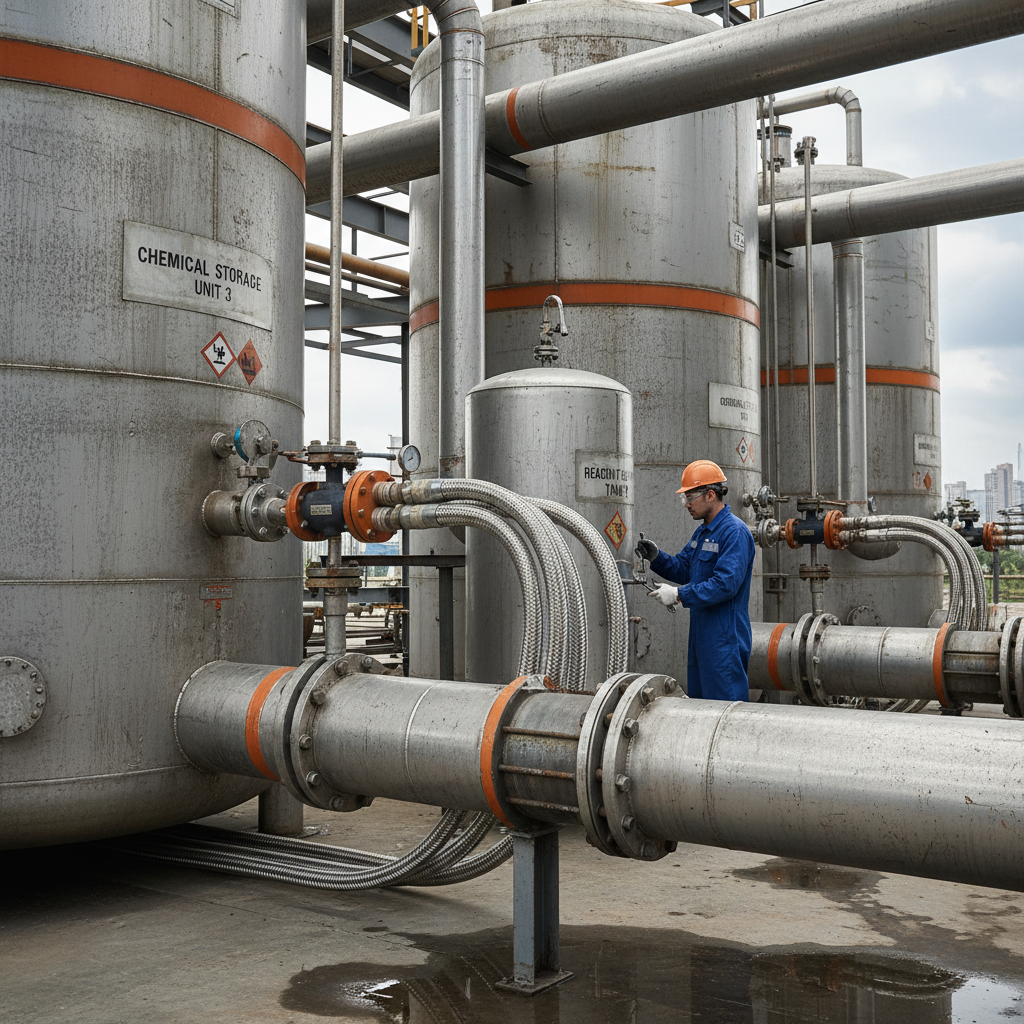
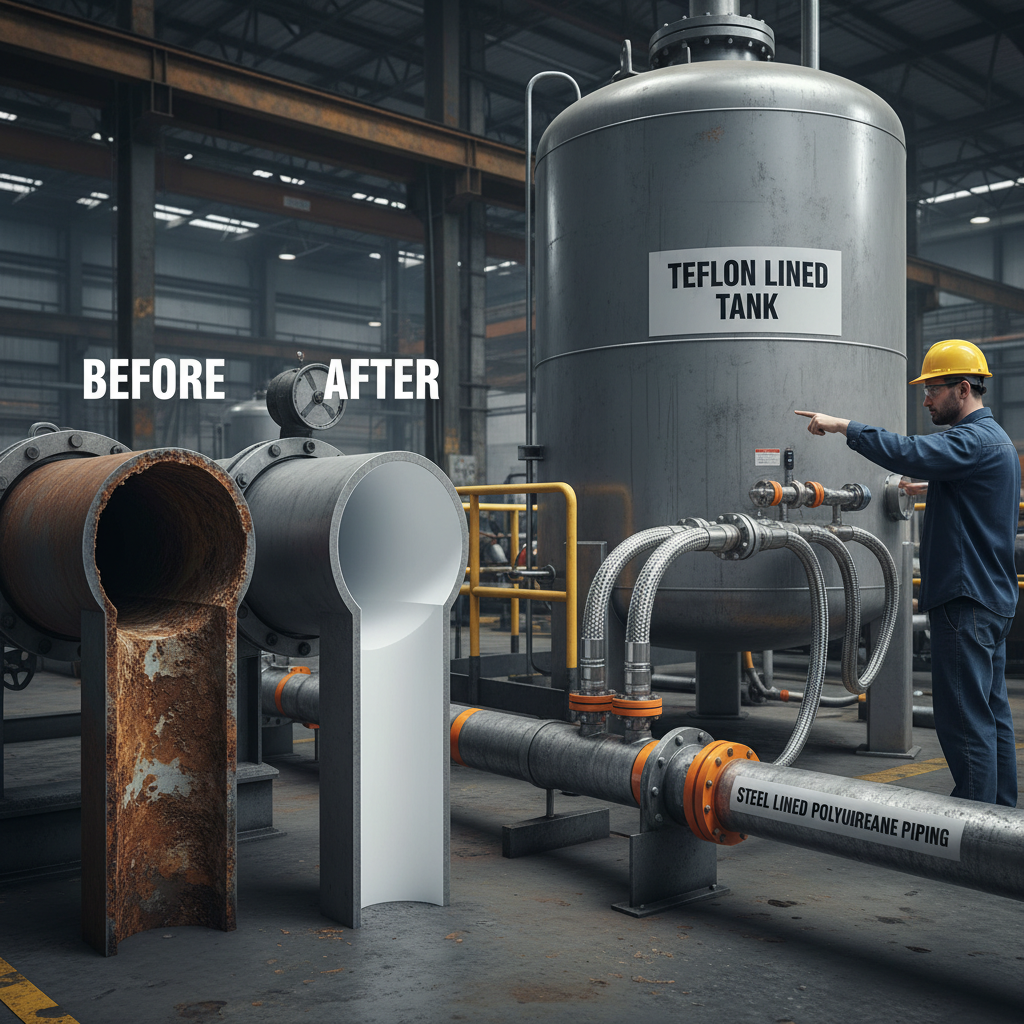
The material of your tank is critical. It must be compatible with the specific chemical being stored. Common materials include stainless steel, polyethylene, fiberglass, and carbon steel (often with a lining). Each material has unique advantages and disadvantages regarding chemical resistance, cost, and longevity. Stainless steel, for example, offers excellent corrosion resistance but is more expensive. Polyethylene is cost-effective but may not be suitable for all chemicals. Qwmetal offers a range of storage tanks crafted from high-quality materials, tailored to various chemical properties. Explore our tank options to find the perfect solution for your needs.
Key Consideration: Chemical compatibility charts are essential for determining the appropriate tank material for specific substances. Always consult these charts before making a decision.
Essential Safety Features for Tank Chemical Storage
Beyond material selection, several safety features are crucial. These include: level indicators to prevent overfilling, pressure relief valves to manage internal pressure, ventilation systems to control fumes, and secondary containment systems to contain spills. Leak detection systems are especially vital, providing early warning of potential breaches. Regular inspections of all safety features are a must, as is employee training on proper handling procedures. Qwmetal tanks can be equipped with integrated safety features, providing a comprehensive solution.
Safety Feature Benefits:
• Prevents overfilling and spills
• Controls internal pressure
• Detects leaks early
• Protects personnel and the environment
Tank Chemical: A Comparison of Common Materials
Choosing the right material for your tank chemical storage needs involves considering the specific chemical, its concentration, and environmental factors. Here’s a comparison of common materials:
Regulatory Compliance for Tank Chemical Storage
Adhering to local, state, and federal regulations is non-negotiable. These regulations often cover tank design, construction, storage requirements, spill prevention, and reporting procedures. Common regulations include those set by the EPA and OSHA. Staying informed about these requirements and maintaining accurate records is crucial for avoiding penalties and ensuring environmental protection. Qwmetal provides tanks that meet many industry standards, but it’s your responsibility to ensure full compliance with applicable laws.
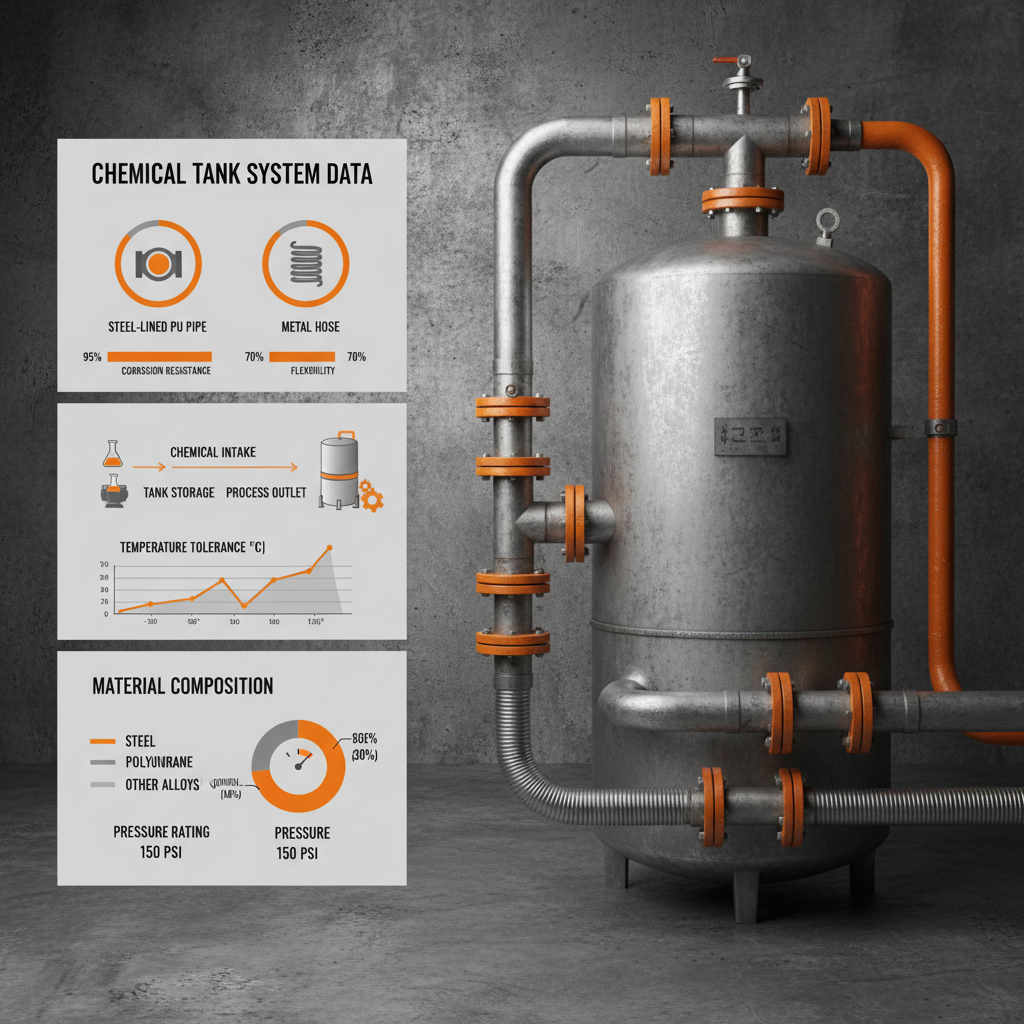
Product Specifications - Qwmetal Storage Tanks
Qwmetal offers a range of storage tanks designed for safe and reliable chemical storage. Here are some key specifications:
Conclusion: Prioritizing Safety in Tank Chemical Management
Effective tank chemical storage and handling require a proactive approach that encompasses material selection, safety features, regulatory compliance, and ongoing monitoring. By implementing best practices and partnering with a reputable tank provider like Qwmetal, businesses can significantly reduce risks and ensure a safe, environmentally responsible operation.
Frequently Asked Questions (FAQs)
What is secondary containment, and why is it important?
Secondary containment refers to a system designed to capture spills or leaks from a primary storage tank. This can include berms, dikes, or double-walled tanks. It’s crucial because it prevents chemicals from entering the environment, contaminating soil and water, and posing risks to human health. Regulations often mandate secondary containment for specific chemicals and tank sizes. Implementing a robust secondary containment system is a key element of responsible tank chemical management.
How often should tank chemical storage areas be inspected?
Inspections should be conducted regularly, with the frequency depending on the type of chemicals stored and regulatory requirements. A visual inspection should be performed at least monthly, looking for signs of leaks, corrosion, or damage to tanks and safety equipment. More detailed inspections, including pressure testing and equipment calibration, should be conducted annually or as recommended by a qualified professional. Maintaining a log of all inspections is essential for demonstrating compliance.
What training should employees receive regarding tank chemical handling?
Employees involved in handling tank chemicals should receive comprehensive training on topics such as chemical hazards, proper personal protective equipment (PPE) usage, spill response procedures, emergency contact information, and relevant regulatory requirements. Training should be documented and updated periodically. The goal is to ensure employees understand the risks involved and can safely perform their tasks.
What is the best way to prevent corrosion in storage tanks?
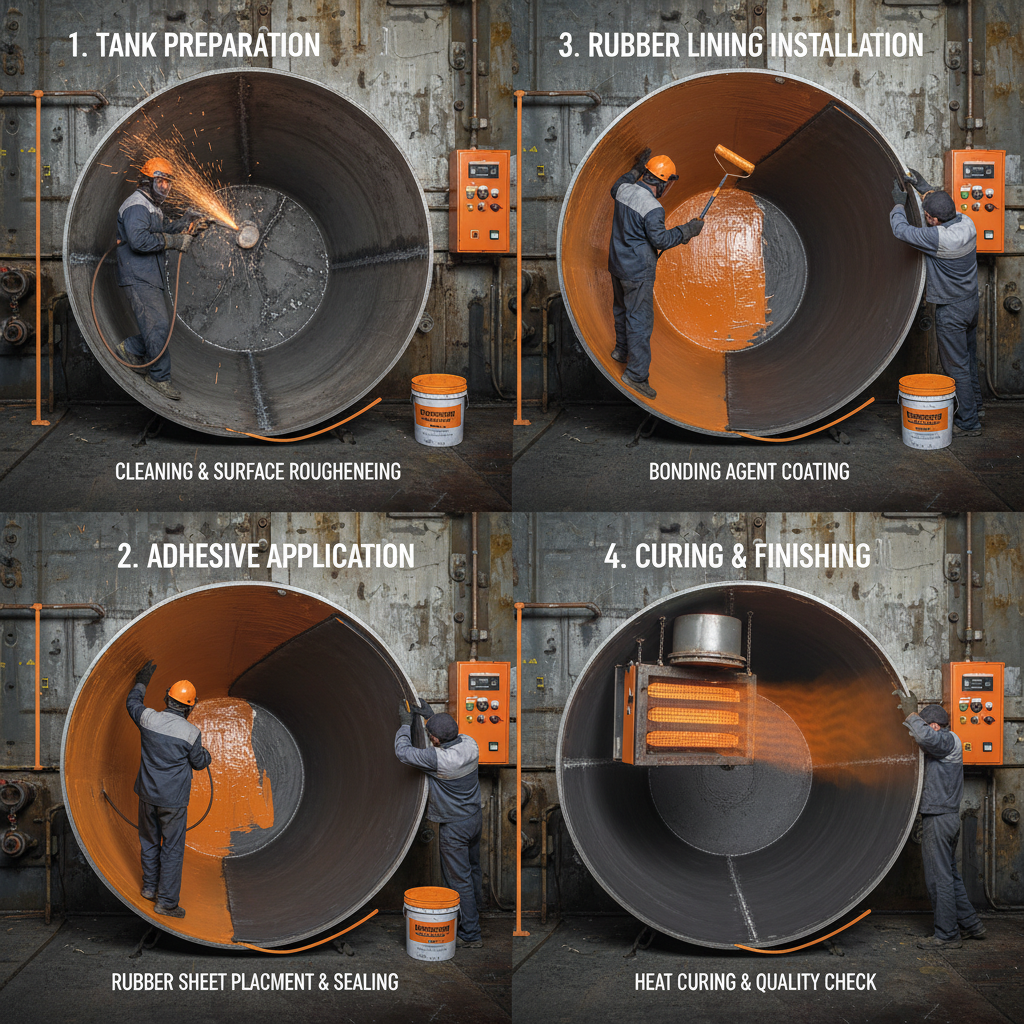
Corrosion prevention depends on the chemical being stored. Using a compatible tank material is the first step. For carbon steel tanks, applying a protective lining can significantly extend their lifespan. Regular inspections for signs of corrosion are also critical. Consider using corrosion inhibitors in some cases, and ensure proper ventilation to reduce moisture buildup. Qwmetal offers tanks with various protective coatings to mitigate corrosion.

Related Products
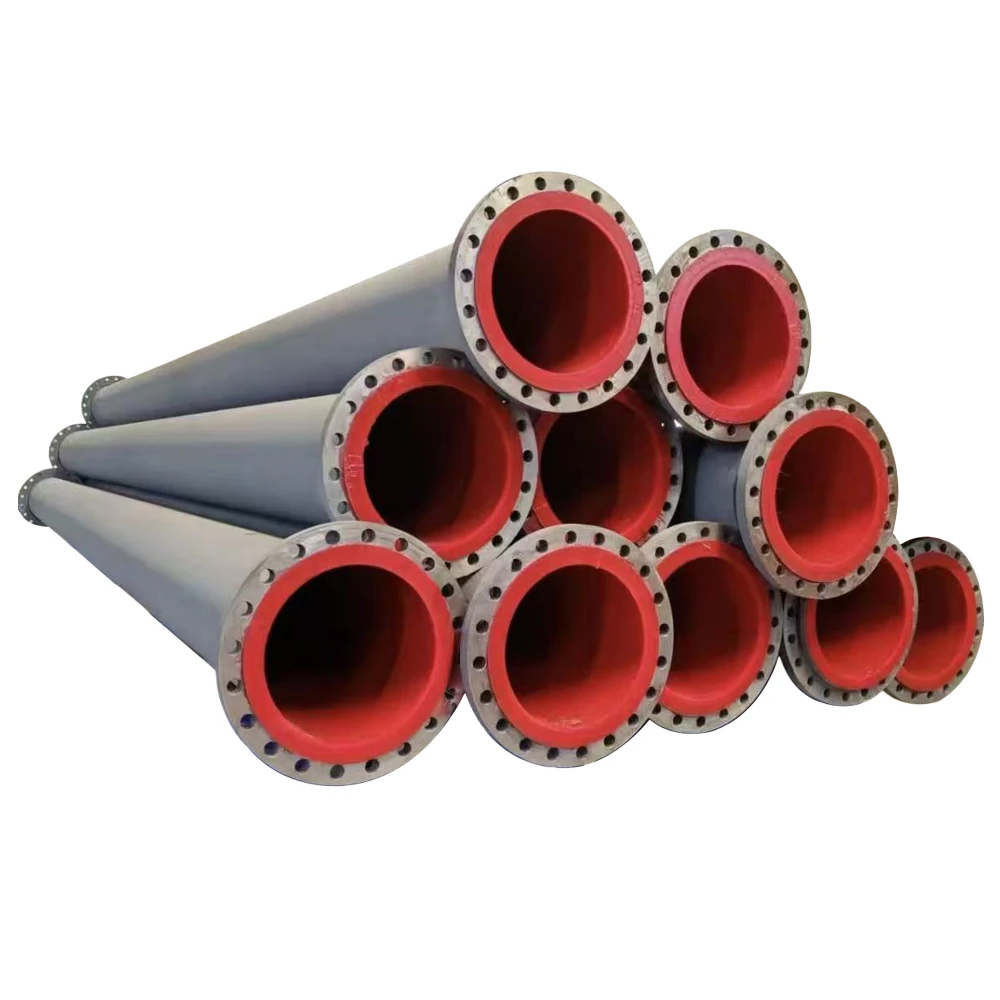
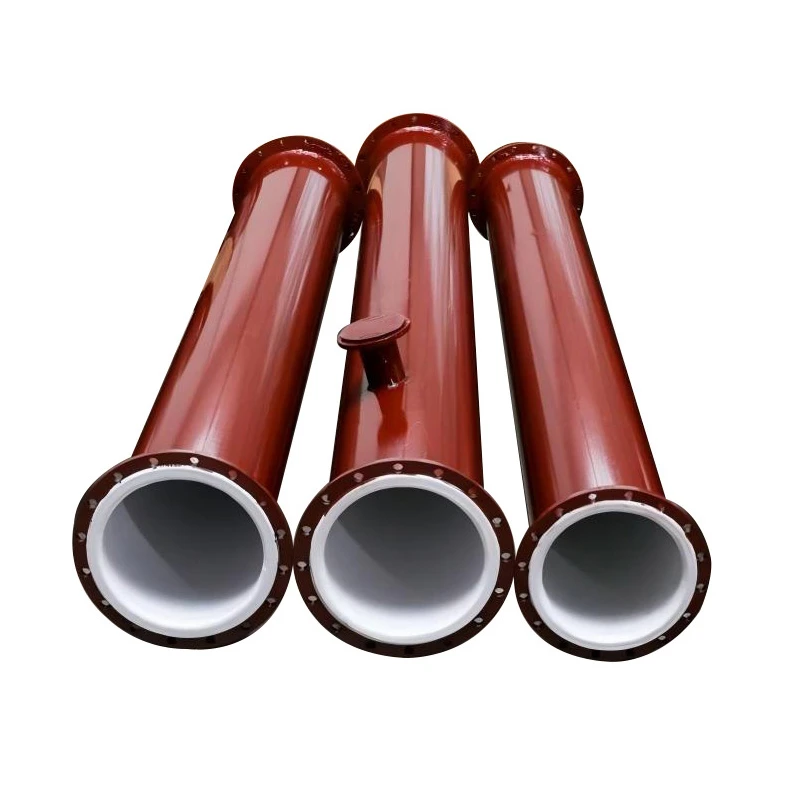
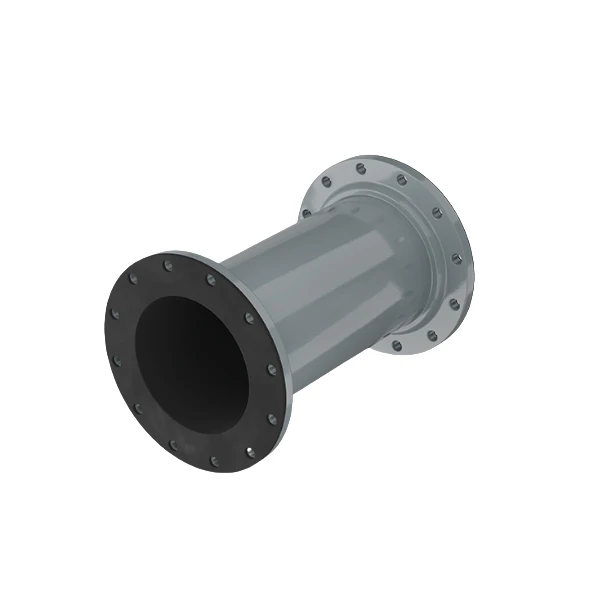
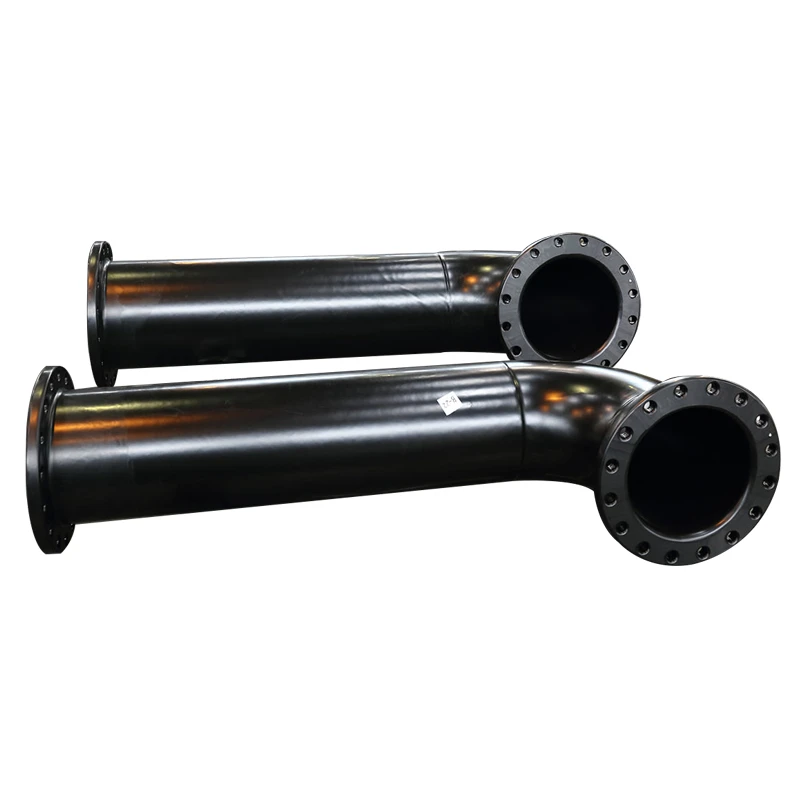
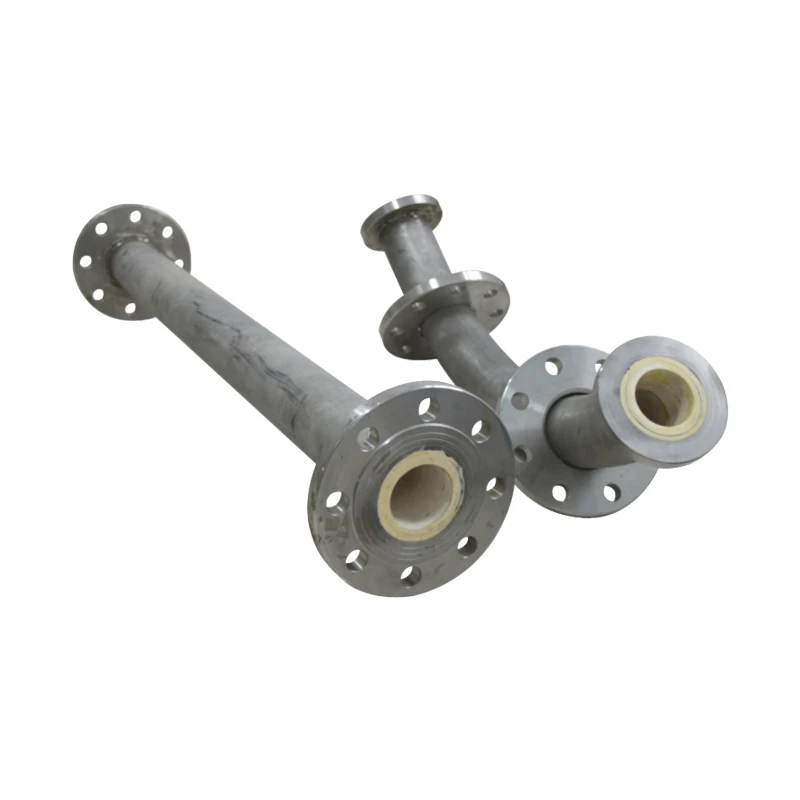
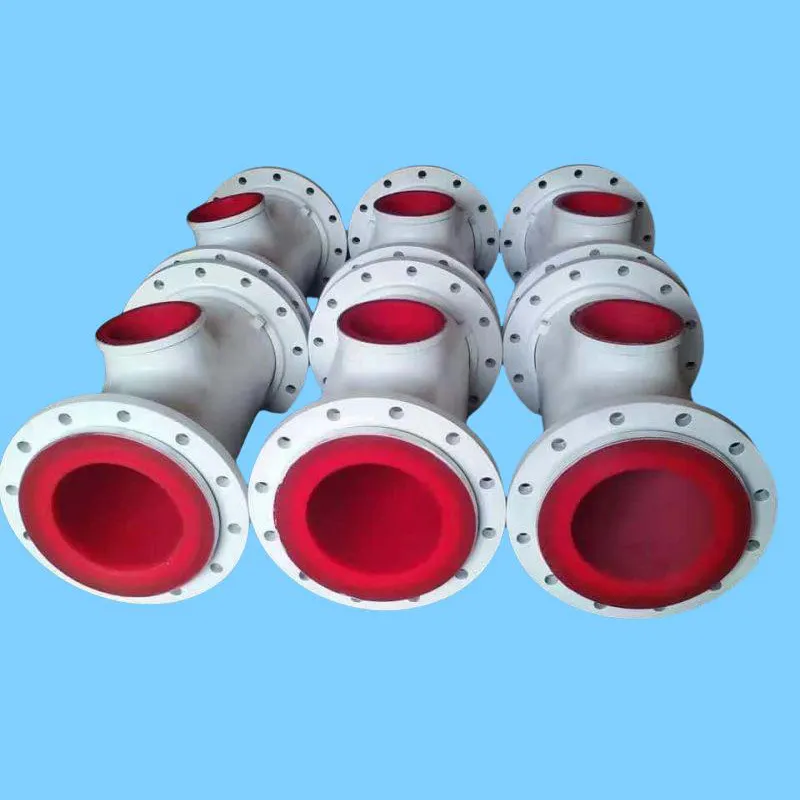
Our main products are polyurethane lined pipes, mining equipment fittings and metal hoses.