Heap leaching of copper ore is a cornerstone of modern copper production, allowing extraction from lower-grade ores that were previously uneconomical to process. This technique has become increasingly vital as high-grade deposits are depleted globally, requiring innovative solutions to meet the ever-growing demand for copper—a critical material in everything from electrical wiring to renewable energy infrastructure. Understanding the nuances of heap leaching is paramount for mining engineers, environmental scientists, and anyone involved in the sustainable development of copper resources.
Globally, copper production is projected to face a significant supply gap in the coming decades, driven by the energy transition and increasing urbanization. The International Copper Study Group (ICSG) forecasts a substantial deficit if new production capacity isn’t brought online. Heap leaching plays a crucial role in bridging this gap, accounting for a significant portion of copper production worldwide. This process isn’t without its challenges; environmental concerns and operational optimization require continuous research and development to ensure responsible and efficient resource extraction.
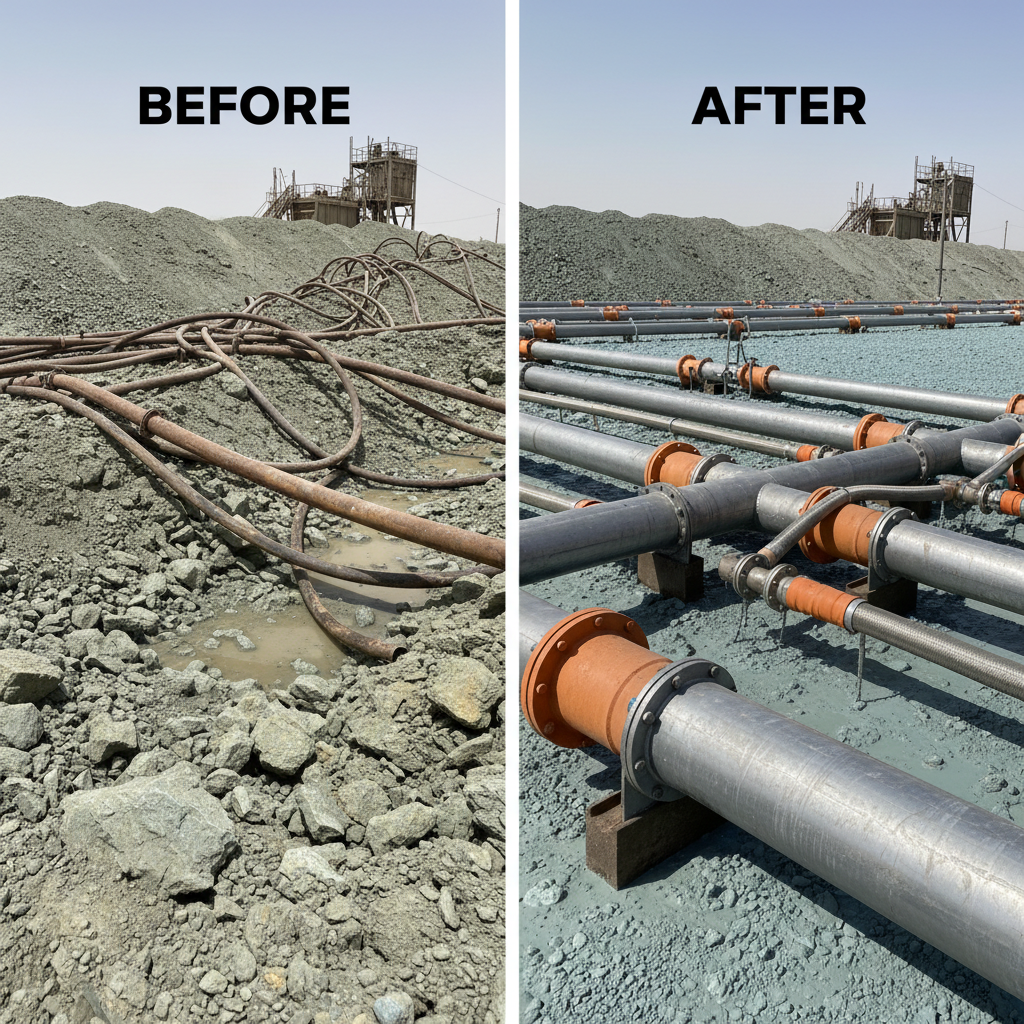
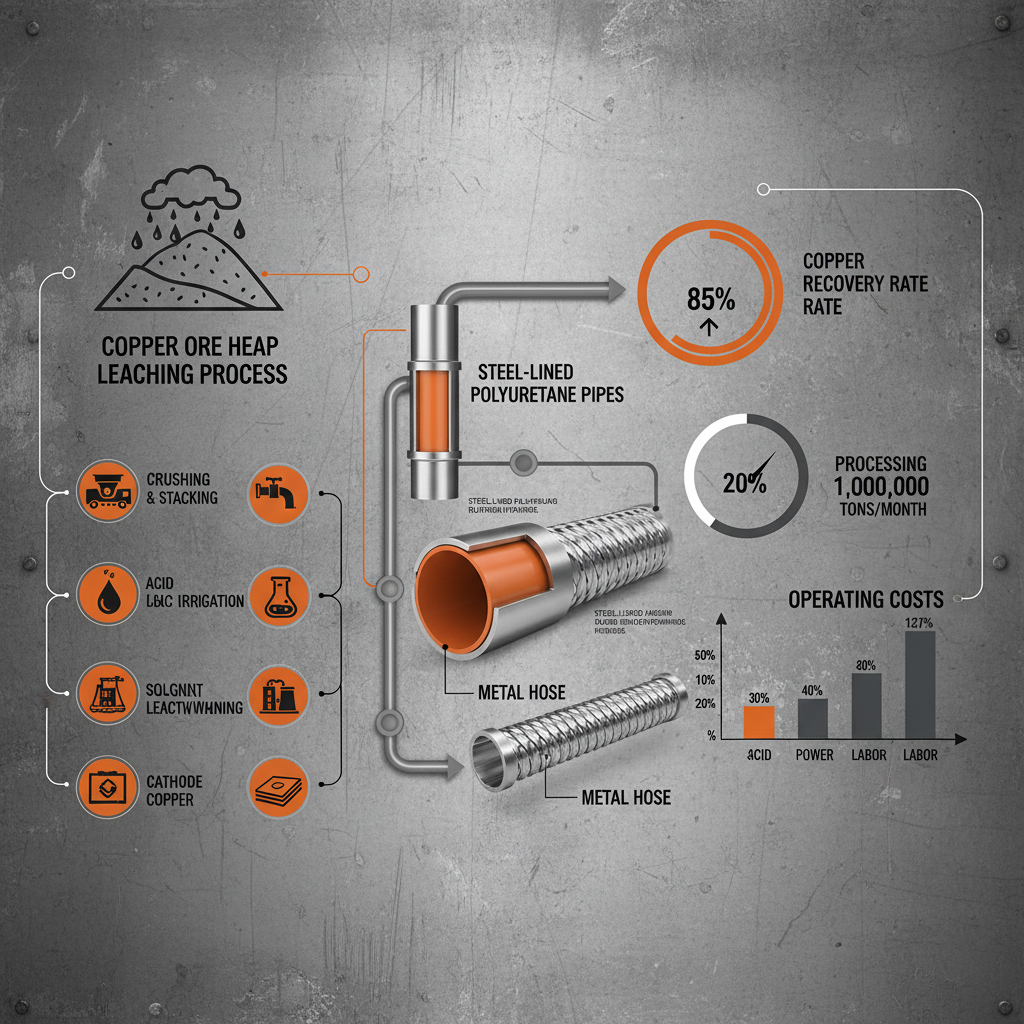
At its core, heap leaching of copper ore is a metallurgical process where copper is dissolved from crushed ore using a leaching solution – typically a dilute sulfuric acid solution. The ore is piled into large heaps on an impermeable base, and the solution is sprinkled over the heap, percolating through the ore and dissolving the copper minerals. The copper-rich solution, known as 'pregnant leach solution,' is collected and processed to recover the copper. It’s a relatively low-cost method compared to traditional smelting, making it ideal for low-grade ores, but demands careful management to avoid environmental impacts.
The Significance of Heap Leaching of Copper Ore
As someone who’s spent years on mine sites, I can tell you firsthand that heap leaching has revolutionized copper recovery. It's not glamorous work – it's about understanding ore characteristics, solution chemistry, and managing environmental controls. But without it, a huge percentage of the world's copper reserves would remain untouched. We’re talking about getting at copper deposits that were simply too low-grade to be profitable using traditional methods.
This process really shifted things, especially for smaller mining operations or those dealing with complex ore bodies. It allowed them to become economically viable, contributing significantly to global copper supply. It’s also crucial for extending the life of existing mines, recovering value from previously discarded materials.
Global Context and Industry Relevance
Copper is absolutely vital to the world’s economy, and its demand is only going to increase. Look at the push for electric vehicles, renewable energy infrastructure—all of these require significant amounts of copper. The World Bank estimates that the demand for copper will double by 2050. That’s a huge challenge for the mining industry.
Heap leaching specifically accounts for roughly 30-40% of global copper production, depending on the year and prevailing market conditions. Major copper-producing countries like Chile, Peru, the United States, and Australia heavily rely on heap leaching techniques to maintain output levels. The process is particularly important in regions with arid climates, where water scarcity makes traditional smelting less practical.
The ISO 14001 environmental management standard is becoming increasingly important for heap leaching operations. Companies are under pressure to demonstrate responsible environmental practices, including minimizing water usage, preventing acid mine drainage, and rehabilitating heap leach sites after closure.
Defining Heap Leaching of Copper Ore
Simply put, heap leaching of copper ore involves building a large ‘heap’ of crushed ore and applying a leaching solution to it. This solution, usually dilute sulfuric acid, dissolves the copper minerals, forming a copper-rich solution. It’s a bit like making coffee – the water (leaching solution) percolates through the grounds (ore) and extracts the desired component (copper).
Unlike underground or open-pit mining followed by milling and smelting, heap leaching bypasses several energy-intensive stages. This is a big advantage in terms of both cost and environmental impact. However, it’s not a 'quick fix'. The leaching process can take weeks, months, or even years to achieve optimal copper recovery. It's a long game.
The process is intimately tied to modern industrial needs. Without a reliable copper supply, advancements in technology – from smartphones to sustainable energy systems – would be severely hampered. It’s a foundational process for a modernizing world, and a critical aspect of the mineral resource industry.
Key Factors in Heap Leaching Efficiency
Several factors are critical for maximizing copper recovery from heap leaching. Ore characteristics are paramount—porosity, permeability, and mineralogy all play a role. A porous ore allows for better solution penetration, while permeability dictates how quickly the solution can flow through the heap. The specific copper minerals present also influence the leaching process.
Solution chemistry is another key factor. Maintaining the correct pH and oxidant levels is crucial for efficient copper dissolution. Proper control of these parameters prevents scaling, clogging, and other issues that can reduce recovery. Then there's the heap design itself – size, shape, and layering influence solution flow and copper extraction.
Heap Leaching Efficiency Factors
Global Applications and Use Cases
Heap leaching is widely employed in arid and semi-arid regions with favorable geological conditions. Chile's Atacama Desert and Peru's southern highlands are prime examples, hosting numerous large-scale heap leach operations. These locations benefit from low rainfall, reducing water management challenges, and the presence of suitable low-grade copper deposits.
In the United States, heap leaching is common in states like Arizona, Nevada, and Utah. It's frequently used for extracting copper from porphyry deposits—large, low-grade ore bodies. Beyond large-scale mining, heap leaching also finds application in smaller, artisanal mining operations in various parts of the world, though these often lack the rigorous environmental controls of larger facilities.
Advantages and Long-Term Value
The economic advantages of heap leaching are substantial. Lower capital and operating costs compared to traditional smelting make it attractive for low-grade ores. Reduced energy consumption also contributes to lower costs and a smaller carbon footprint. This allows for the economic extraction of resources that would otherwise be left in the ground.
From a sustainability perspective, responsible heap leaching can minimize environmental impact through careful water management, waste rock handling, and site rehabilitation. The process also contributes to job creation in mining communities and provides a vital source of copper for a growing global economy.
Future Trends and Innovations in Heap Leaching
We’re seeing increasing interest in bioleaching – using microorganisms to enhance copper dissolution. This can reduce the reliance on harsh chemicals like sulfuric acid. Another trend is the use of advanced modeling and simulation techniques to optimize heap design and leaching parameters, improving recovery rates and reducing environmental risks.
Digital technologies, like real-time monitoring of solution chemistry and heap temperature, are becoming more prevalent. This data-driven approach allows for better process control and proactive identification of potential problems. Automated heap irrigation systems are also being developed to improve solution distribution and reduce water usage.
The integration of renewable energy sources, such as solar power, to power heap leach operations will further enhance sustainability.
Summary of Challenges and Solutions in Heap Leaching of Copper Ore
| Challenge |
Impact on Production |
Potential Solution |
Implementation Cost (1-10) |
| Acid Mine Drainage (AMD) |
Environmental contamination, regulatory issues |
Improved liner systems, water treatment plants |
8 |
| Solution Channeling |
Reduced copper recovery, uneven leaching |
Heap design optimization, irrigation improvements |
6 |
| Clay Content in Ore |
Reduced permeability, slower leaching rates |
Ore pre-treatment, agglomeration |
7 |
| Water Scarcity |
Operational limitations, increased costs |
Water recycling systems, alternative leaching solutions |
9 |
| Low Copper Grades |
Reduced profitability, economic viability |
Enhanced leaching techniques, optimized heap designs |
5 |
| Heap Stability |
Potential heap collapse, operational disruption |
Proper heap construction, slope stabilization |
4 |
FAQS
The most significant environmental concern is the potential for acid mine drainage (AMD), generated when sulfide minerals are exposed to air and water, creating sulfuric acid. Proper liner systems, water treatment, and careful waste rock management are critical mitigation strategies. Water usage and potential contamination of groundwater are also important considerations, requiring rigorous monitoring and control measures.
The leaching process is not quick! It can range from several months to several years, depending on the ore characteristics, leaching solution chemistry, and climate conditions. Initial recovery rates are usually highest, but copper extraction continues at a slower rate over time. The process is continually monitored and adjusted to optimize copper recovery.
Heap leaching is most effective for low-grade copper oxide ores, such as chalcocite, covellite, and malachite. It's also used for some sulfide ores that have been partially oxidized. Porphyry copper deposits, characterized by disseminated copper mineralization, are common targets for heap leaching. The ore needs to be crushable and permeable to allow for effective solution percolation.
Significant upfront costs include constructing the impermeable base liner, crushing and stacking equipment, irrigation systems, and solution collection infrastructure. Ongoing operational costs include sulfuric acid, water, electricity, labor, and environmental monitoring. Site rehabilitation costs must also be factored into the long-term financial planning.
The pregnant leach solution (PLS) typically undergoes a process called solvent extraction-electrowinning (SX-EW). Solvent extraction separates the copper from the solution, and then electrowinning uses electricity to deposit the copper onto cathodes, producing high-purity copper metal. Other methods, like precipitation, are also sometimes used.
Water management is absolutely crucial. You need to minimize water usage, prevent contamination, and effectively manage the runoff. Closed-loop systems, where water is recycled, are becoming increasingly common. Proper drainage controls, leak detection systems, and water treatment are essential for environmental protection and operational efficiency.
Conclusion
Heap leaching of copper ore remains a vital process for sustainably meeting global copper demands. Its ability to economically extract copper from low-grade ores, combined with ongoing advancements in technology and environmental management, ensures its continued relevance in the future. Understanding the complex interplay of ore characteristics, solution chemistry, and engineering design is crucial for maximizing recovery and minimizing environmental impact.
Looking ahead, continued innovation in areas like bioleaching, automated monitoring, and water recycling will be key to optimizing heap leach operations. By embracing these advancements and prioritizing responsible environmental practices, we can unlock the full potential of this technology while ensuring a sustainable future for copper production. For more information on our services and expertise in heap leaching, visit our website: heap leaching of copper ore.