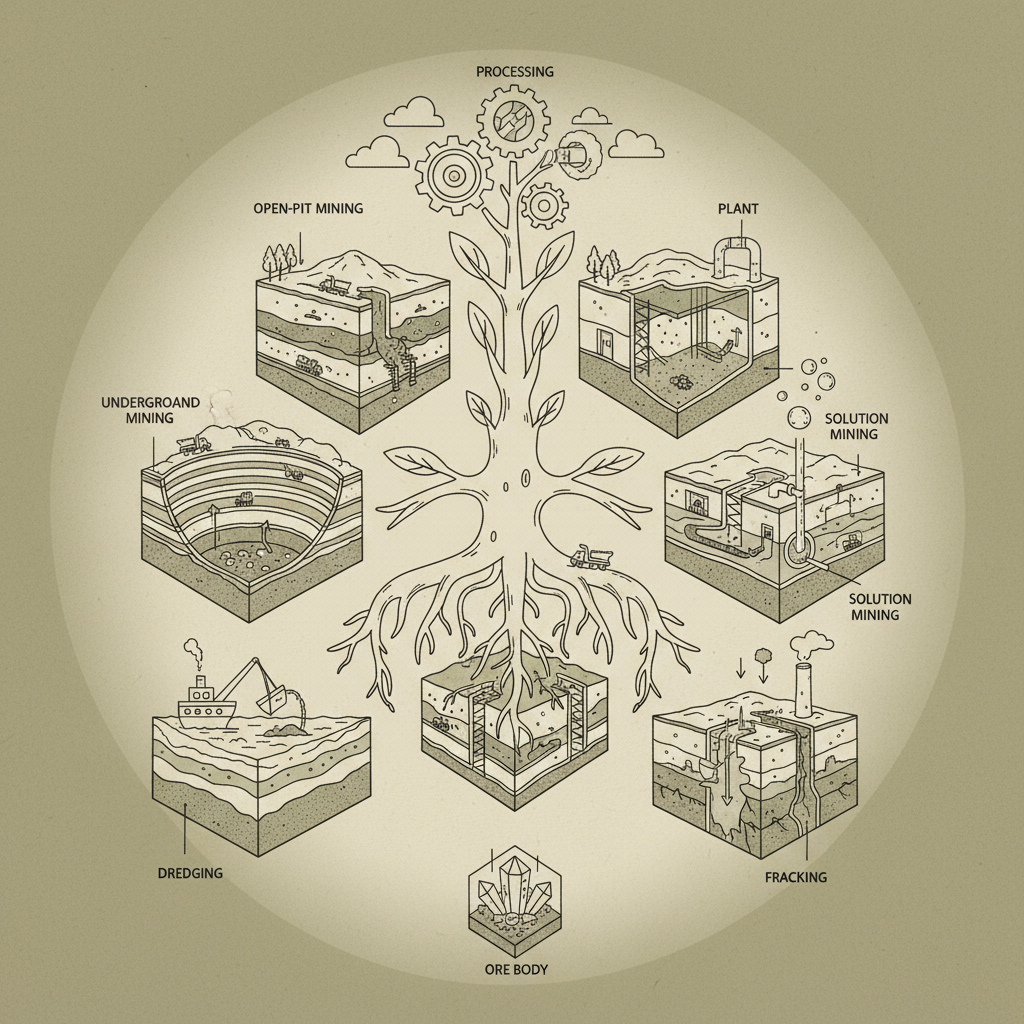
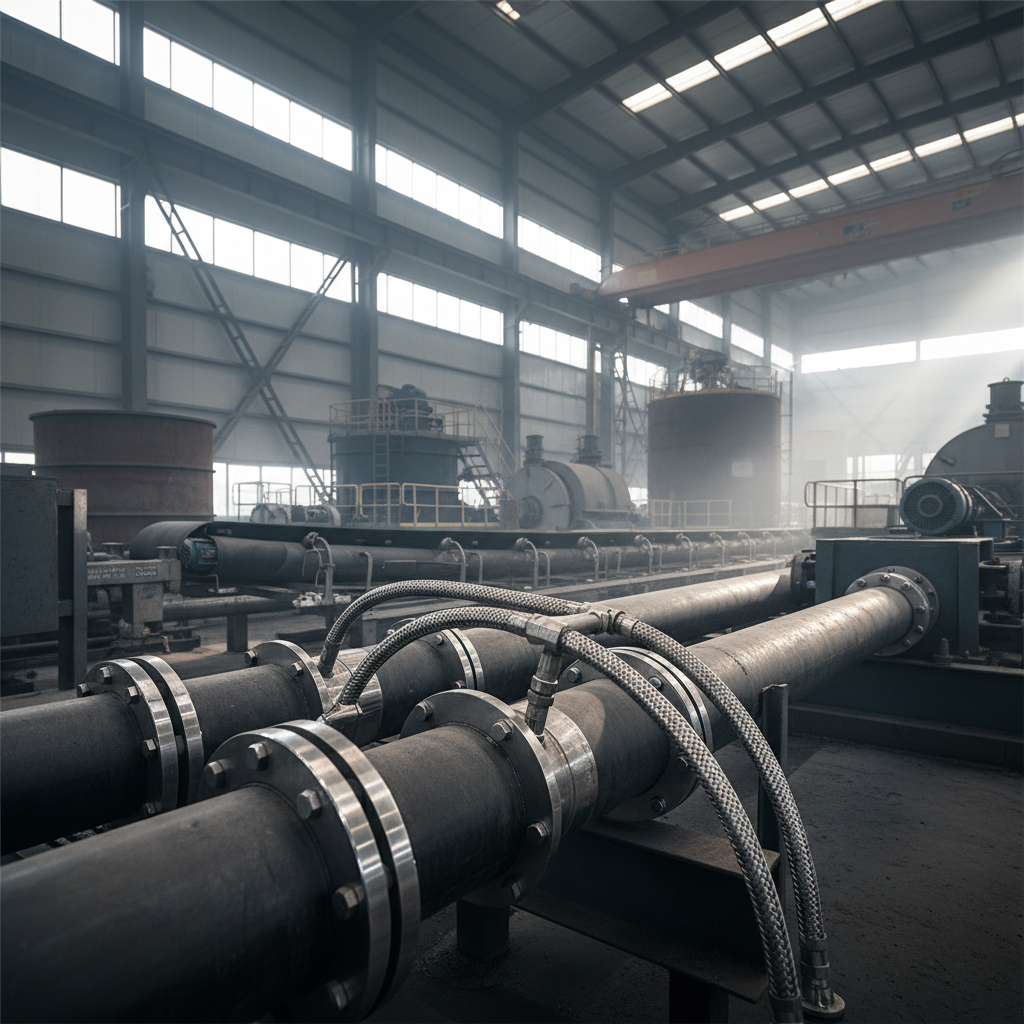
The beneficiation of copper ore is a crucial process in modern mining, transforming low-grade ores into a concentrated form suitable for smelting. This is especially important as high-grade copper deposits become increasingly scarce, requiring innovative techniques to economically extract copper from more challenging sources. Understanding the principles and methods of beneficiation is vital for optimizing resource utilization and minimizing environmental impact.
Globally, the demand for copper continues to rise, driven by its essential role in electrification, construction, and renewable energy technologies. The effective beneficiation of copper ore directly impacts the supply chain, influencing the cost of electricity infrastructure, electric vehicles, and various industrial applications. Improvements in beneficiation techniques translate to greater efficiency and sustainability in copper production.
Beneficiation processes are becoming increasingly sophisticated, incorporating advanced technologies like froth flotation, magnetic separation, and bioleaching to maximize recovery rates and reduce waste. This ongoing evolution is critical for meeting future copper demands while adhering to stringent environmental regulations and promoting responsible mining practices.
Introduction to Beneficiation of Copper Ore
Beneficiation of copper ore refers to the process of selectively altering the physical and chemical characteristics of mined ore to separate the valuable copper minerals from the waste rock (gangue). This is a multi-stage process designed to increase the concentration of copper, making it economically viable for further processing into metallic copper. beneficiation of copper ore is a cornerstone of the copper industry.
The primary goal of beneficiation is to reduce the volume of material sent for smelting, lowering energy consumption and minimizing environmental impact. Modern beneficiation techniques prioritize maximizing copper recovery while reducing waste generation and water usage, aligning with principles of sustainable mining and resource management.
Global Relevance and Challenges
Copper is a fundamental material in the global economy, with applications spanning construction, transportation, electronics, and renewable energy. As global populations grow and infrastructure development accelerates, the demand for copper is projected to increase significantly. This heightened demand places considerable pressure on existing copper resources and necessitates efficient beneficiation processes.
However, many copper ore bodies contain relatively low concentrations of copper minerals, making direct smelting economically unfeasible. The challenge lies in developing and implementing beneficiation methods that can effectively concentrate these dilute ores, ensuring a sustainable supply of copper to meet global needs. According to the International Copper Study Group (ICSG), global copper mine production is consistently increasing, however, much of this growth relies on improved beneficiation technologies.
Furthermore, the environmental impact of mining and beneficiation remains a critical concern. Traditional beneficiation methods can generate substantial waste and consume significant amounts of water and energy. Innovative approaches are needed to mitigate these impacts and promote responsible copper production, leading to increased investment in cleaner beneficiation technologies.
Defining Beneficiation of Copper Ore
In its simplest form, beneficiation of copper ore is the process of upgrading the ore by removing unwanted materials. It’s not just about separating the copper minerals; it’s about preparing the ore for the subsequent smelting or leaching stages. The specific techniques employed depend on the type of ore, the size and distribution of the copper minerals, and the desired concentration level.
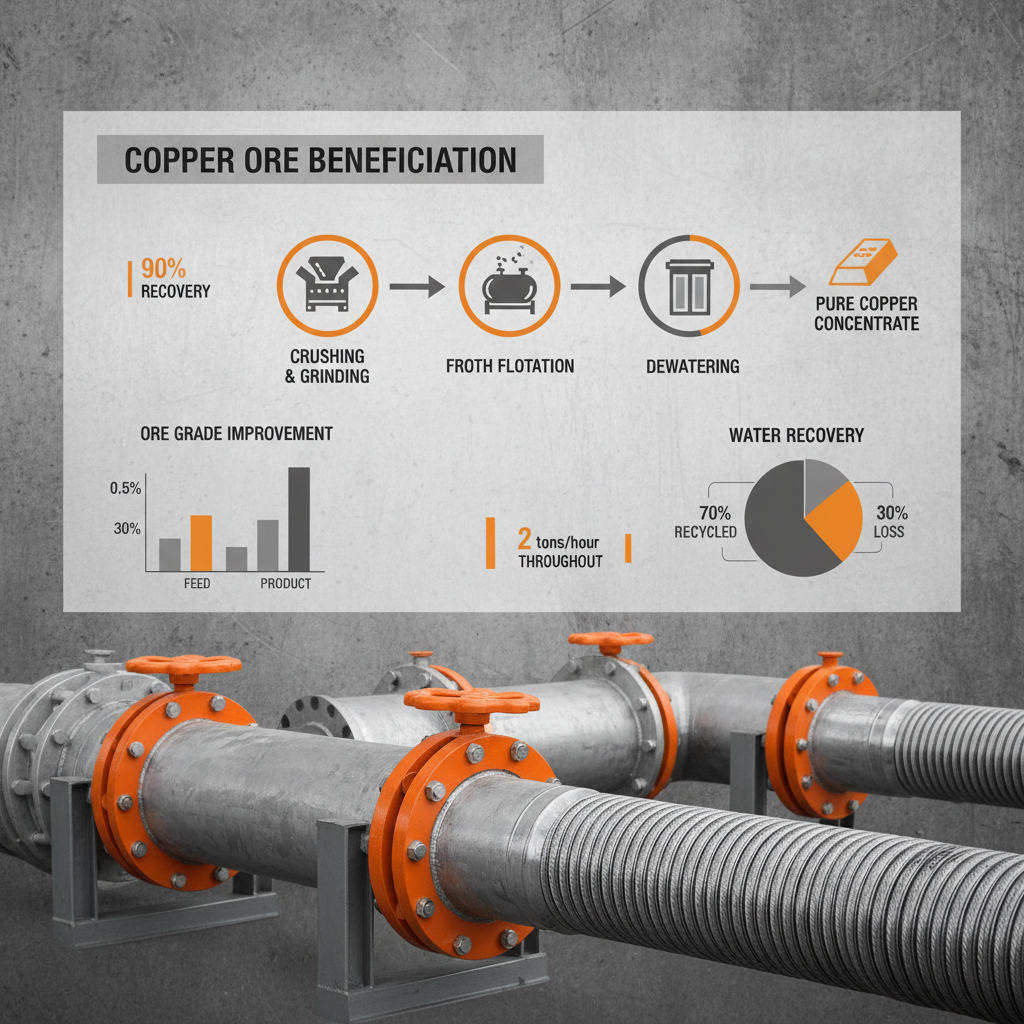
Beneficiation bridges the gap between mining and metal production, transforming a raw, low-grade material into a concentrated feedstock. This process involves a series of unit operations, including crushing, grinding, screening, gravity separation, magnetic separation, and, most commonly, froth flotation. Each stage is designed to selectively isolate and concentrate the copper-bearing minerals.
The connection to modern industry and humanitarian needs is undeniable. Copper is essential for building the infrastructure that supports modern life, from power grids and telecommunications networks to transportation systems and water treatment facilities. Effective beneficiation ensures a reliable supply of this critical resource, underpinning economic growth and improving quality of life worldwide.
Key Factors in Copper Ore Beneficiation
Several key factors influence the success of beneficiation processes. Firstly, Mineralogy plays a critical role; understanding the types of copper minerals present (e.g., chalcopyrite, chalcocite, bornite) and their association with gangue minerals is essential for selecting the appropriate separation techniques. Secondly, Particle Size is crucial. Optimizing the grinding process to achieve the ideal particle size distribution is vital for maximizing liberation and recovery.
Thirdly, Reagent Chemistry in froth flotation significantly impacts separation efficiency. Selecting the right collectors, frothers, and modifiers ensures selective attachment to the copper minerals and the formation of stable froth for recovery. Finally, Water Management is paramount, as beneficiation processes often require substantial water volumes. Implementing efficient water recycling and treatment systems minimizes environmental impact and reduces operating costs.
Beneficiation of Copper Ore Method Efficiency
Global Applications and Use Cases
Beneficiation of copper ore is practiced globally, with significant operations in countries like Chile, Peru, China, the Democratic Republic of Congo, and the United States. In Chile, the world’s largest copper producer, beneficiation is crucial for processing the vast porphyry copper deposits found in the Andes Mountains. Similarly, in Peru, beneficiation is employed to upgrade copper concentrates extracted from various mining operations.
In remote industrial zones, particularly in developing countries, mobile beneficiation plants are increasingly being deployed to process ores closer to the source, reducing transportation costs and logistical challenges. These plants often utilize modular designs for rapid deployment and scalability. In post-disaster relief operations, rapid beneficiation can assist in extracting valuable resources from debris and rubble, contributing to recovery efforts.
The techniques applied vary based on ore characteristics and economic factors. For example, the use of bioleaching is gaining traction in certain regions due to its lower environmental impact, while froth flotation remains the dominant method for many sulfide ore bodies. beneficiation of copper ore has seen many advanced technologies applied.
Advantages and Long-Term Value
The advantages of effective beneficiation extend beyond economic gains. Reduced energy consumption and lower waste generation contribute to a more sustainable mining operation, minimizing the environmental footprint. Improved copper recovery translates to increased resource efficiency, maximizing the value extracted from each ore body.
From a societal perspective, beneficiation supports economic development by creating jobs and generating revenue for local communities. Responsible beneficiation practices enhance the reputation of mining companies and foster trust with stakeholders. The long-term value lies in securing a reliable supply of copper, a critical material for a sustainable future.
Future Trends and Innovations
The future of beneficiation of copper ore is closely linked to advancements in several key areas. Automation and artificial intelligence (AI) are being integrated into beneficiation plants to optimize process control, improve efficiency, and reduce labor costs. Digitalization, including real-time data analysis and predictive modeling, is enabling proactive maintenance and optimized performance.
Furthermore, research into novel beneficiation techniques, such as enhanced gravity separation and selective leaching, is ongoing. The pursuit of more environmentally friendly reagents and the development of closed-loop water systems are crucial for minimizing the environmental impact of beneficiation. These innovations are critical for meeting the growing demand for copper in a sustainable and responsible manner.
Challenges and Solutions
Despite advancements, several challenges remain in the beneficiation of copper ore. Complex ore mineralogy, particularly the presence of fine-grained and interlocked minerals, can hinder effective separation. The increasing scarcity of high-grade ores necessitates processing of lower-grade materials, which often require more complex and costly beneficiation circuits.
Solutions include employing advanced comminution techniques to improve mineral liberation, utilizing more selective reagents in froth flotation, and implementing innovative separation technologies like sensor-based sorting. Collaborative research between mining companies, equipment manufacturers, and research institutions is crucial for developing and deploying these solutions.
Addressing water scarcity is another significant challenge. Implementing water recycling systems, utilizing alternative water sources, and optimizing water usage in beneficiation processes are essential for sustainable operation. Furthermore, responsible tailings management practices are critical for minimizing environmental risks associated with beneficiation waste.
Summary of Factors Influencing Beneficiation Process Selection
| Ore Mineralogy |
Copper Grade |
Particle Size Distribution |
Environmental Regulations |
| Dominantly sulfide minerals (chalcopyrite) |
Low (0.2-0.5%) |
Fine-grained (P80
|
Stringent water discharge limits |
| Oxide minerals (malachite, azurite) |
Medium (0.8-1.5%) |
Coarse-grained (P80 > 300µm) |
Emphasis on tailings stabilization |
| Mixed sulfide-oxide minerals |
Variable (0.5-1.0%) |
Wide range (P80 50-200µm) |
Mandatory water recycling |
| High in clay minerals |
Low (0.1-0.3%) |
Very fine-grained (P80
|
Strict dust control measures |
| Presence of deleterious elements (arsenic) |
Medium (0.7-1.2%) |
Moderate (P80 100-250µm) |
Regulations on arsenic containment |
| Complex silicate gangue minerals |
High (1.5-2.0%) |
Coarse (P80 > 500µm) |
Emphasis on waste rock characterization |
FAQS
Froth flotation is by far the most common method for beneficiation of copper sulfide ores. This process selectively separates copper minerals from gangue based on differences in surface hydrophobicity. Collectors are added to the slurry to make the copper minerals water-repellent, allowing them to attach to air bubbles and float to the surface, where they are collected as concentrate. Its effectiveness and scalability make it ideal for large-scale operations.
Particle size is critical because it directly impacts mineral liberation. If particles are too large, the copper minerals remain locked within the gangue, hindering separation. Too small, and losses can occur due to sliming and difficulty in flotation. Achieving an optimal particle size distribution through grinding is essential for maximizing copper recovery. Different beneficiation methods also have specific size requirements for optimal performance.
Key environmental concerns include water consumption, waste rock generation (tailings), and potential chemical contamination from reagents used in flotation. Water usage can be mitigated through recycling and closed-loop systems. Tailings require careful management and stabilization to prevent environmental damage. Selecting environmentally friendly reagents and implementing robust monitoring programs are also crucial for minimizing impact.
Bioleaching, using microorganisms to extract copper from ore, can be a more sustainable alternative in certain cases. It often requires lower energy input and can be effective on ores that are difficult to process using conventional methods. However, bioleaching is generally slower than other processes and may not be suitable for all ore types. Its environmental impact depends on careful management of the leaching solution and associated byproducts.
Reagent chemistry is fundamental to successful froth flotation. Collectors selectively adsorb onto the surface of copper minerals, making them hydrophobic. Frothers create stable air bubbles that carry the copper minerals to the surface. Modifiers control pH and suppress unwanted minerals. Proper reagent selection and dosage optimization are critical for maximizing copper recovery and minimizing the recovery of gangue materials.
Tailings, the waste material from beneficiation, are typically disposed of in tailings storage facilities (TSFs). Modern TSFs are designed to prevent environmental contamination and ensure long-term stability. Management strategies include thickening and dewatering tailings to reduce water content, employing liner systems to prevent seepage, and implementing monitoring programs to detect potential leaks or failures. Research is also ongoing into alternative tailings disposal methods, such as dry stacking.
Conclusion
Beneficiation of copper ore is an essential process for ensuring a sustainable supply of this critical resource. From optimizing mineral liberation and reagent selection to embracing innovative technologies like automation and bioleaching, continuous advancements in beneficiation techniques are vital for maximizing copper recovery, minimizing environmental impact, and meeting growing global demand. A deep understanding of ore mineralogy, particle size distribution, and process control is crucial for achieving efficient and responsible beneficiation.
Looking ahead, the future of beneficiation will be shaped by the increasing focus on sustainability and circular economy principles. Investing in research and development, promoting collaboration between industry and academia, and adopting best practices in water management and waste disposal are essential steps towards a more sustainable copper industry. Visit our website today to learn more about our solutions!