Froth flotation of copper is a crucial process in the mining industry, enabling the efficient separation of valuable copper minerals from unwanted gangue materials. This technique is fundamentally important for accessing a vital resource powering modern infrastructure and technology. Globally, copper demand continues to rise driven by electrification, renewable energy technologies, and burgeoning economies, making froth flotation a cornerstone of responsible resource extraction. Understanding its principles and advancements is key to optimizing production, minimizing environmental impact, and ensuring a sustainable supply of this critical metal.
The significance of froth flotation of copper extends beyond economic considerations. The process directly impacts sustainability efforts within the mining sector by influencing resource utilization efficiency and waste generation. Continual improvements in flotation technology contribute to reduced energy consumption, lower water usage, and minimized environmental footprint. Furthermore, the process provides livelihoods for countless individuals involved in mining operations worldwide, underscoring its socio-economic importance in resource-rich regions.
Ultimately, mastering froth flotation of copper is not merely a technical pursuit but a crucial element in balancing global demand for copper with responsible environmental stewardship and sustainable economic development. The continued innovation within this field promises enhanced efficiency, reduced environmental impact, and a more secure supply of this vital metal for future generations.
The Fundamentals of froth flotation of copper
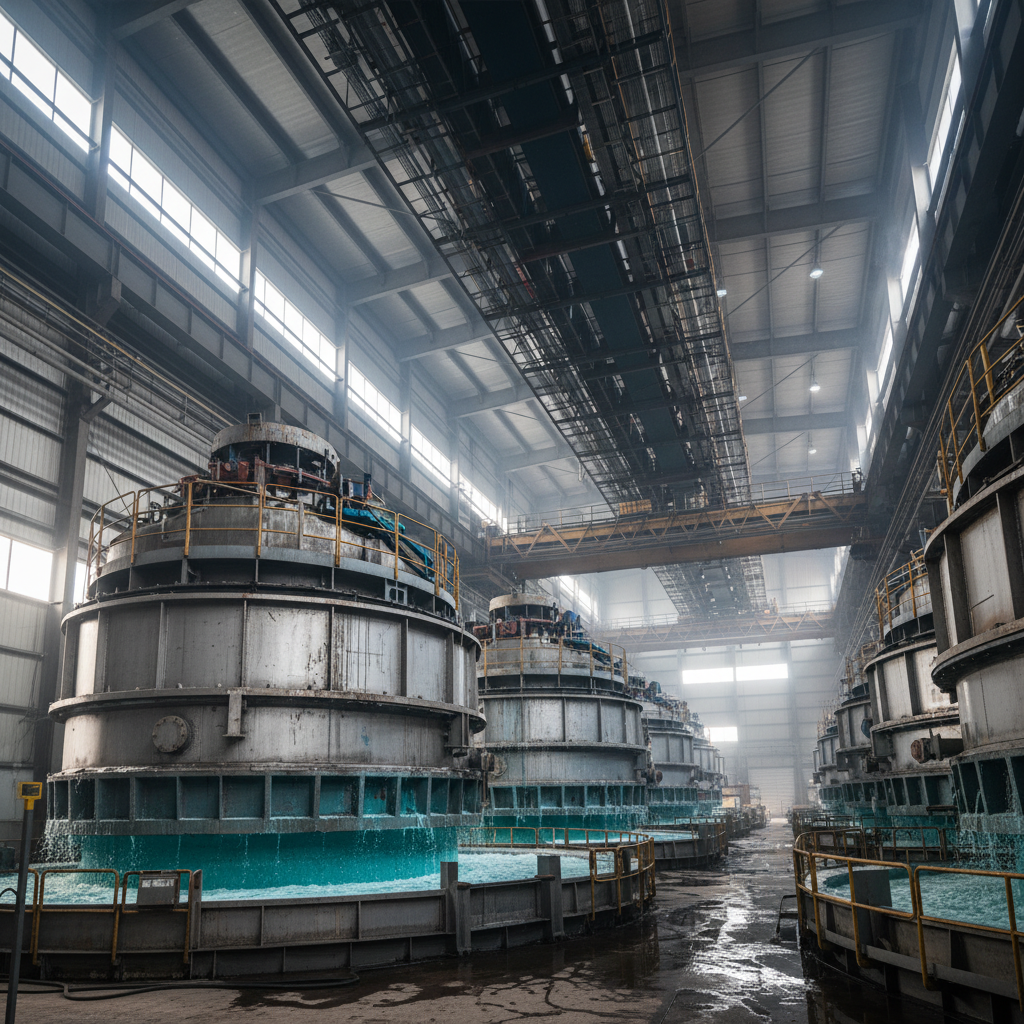
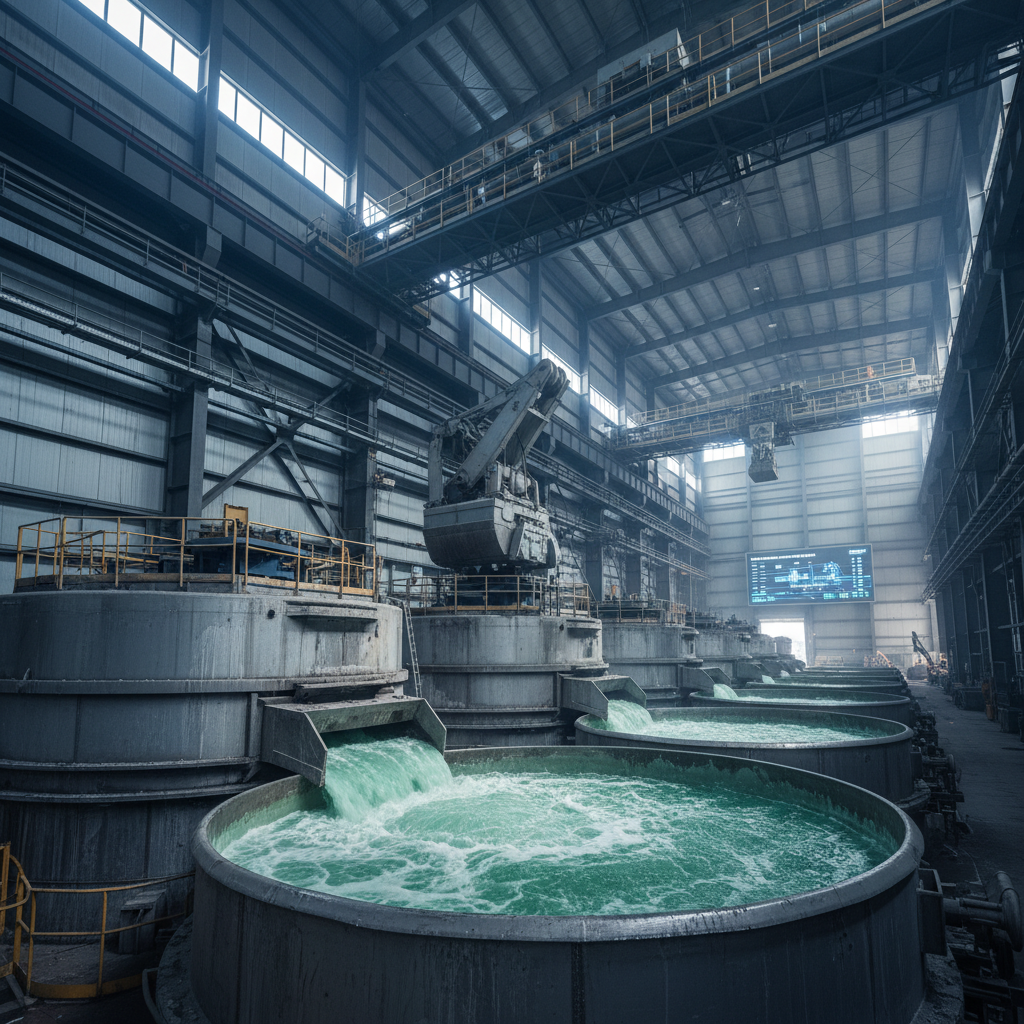
Froth flotation of copper is a physico-chemical process used to separate copper-bearing minerals from other materials. It relies on differences in surface hydrophobicity – the tendency of a mineral to repel water. Copper minerals are rendered hydrophobic through the addition of collectors, chemicals that selectively adhere to the desired minerals.
These hydrophobic particles then attach to air bubbles introduced into a slurry, rising to the surface and forming a froth layer that is skimmed off, concentrating the copper minerals. This process is vital because most copper ores contain relatively low concentrations of copper, requiring concentration before further processing.
Global Significance and Market Dynamics
Copper is an indispensable metal in modern society, used extensively in electrical wiring, construction, transportation, and renewable energy systems. Global copper demand has surged in recent years, driven primarily by infrastructure development in emerging economies and the increasing adoption of electric vehicles and green technologies. The International Copper Study Group (ICSG) projects continued demand growth in the coming years, placing significant pressure on copper producers to optimize their extraction and processing methods.
Froth flotation of copper plays a central role in meeting this demand, as it is the most widely used method for concentrating copper ores globally. Major copper-producing countries like Chile, Peru, China, the Democratic Republic of Congo, and the United States heavily rely on this technology. The efficiency of froth flotation directly impacts the cost and availability of copper, influencing global commodity markets and economic stability.
Increasingly, the industry is challenged by declining ore grades and the need to process more complex ores. This necessitates continuous innovation in froth flotation techniques to maintain production levels and minimize environmental impact, leading to research into novel collectors, optimized bubble size distributions, and advanced process control systems.
Defining froth flotation of copper: A Detailed Explanation
In essence, froth flotation of copper is a separation technique predicated on exploiting differences in the surface chemical properties of minerals. Ores typically contain a mixture of valuable copper minerals (like chalcopyrite, bornite, and chalcocite) and unwanted gangue minerals (like quartz, pyrite, and feldspar). The aim is to selectively separate the copper minerals from this complex mixture.
The process begins with grinding the ore into a fine slurry and mixing it with water. Then, specific chemical reagents are added: collectors to render the copper minerals hydrophobic, frothers to create stable air bubbles, modifiers to enhance selectivity, and depressants to prevent unwanted minerals from floating. The slurry is agitated, allowing air to be dispersed throughout, forming bubbles.
Hydrophobic copper minerals attach to these air bubbles and rise to the surface, forming a stable froth. The froth, enriched in copper minerals, is skimmed off, while the remaining slurry (tailings) containing the gangue minerals is discarded. This froth is then further processed to recover the concentrated copper.
Key Components and Factors Influencing Efficiency
Several key components contribute to the efficiency of froth flotation of copper. The collector is paramount; xanthates are commonly used, selectively adsorbing onto copper minerals and making them hydrophobic. The frother, typically alcohols like MIBC (methyl isobutyl carbinol), creates stable bubbles essential for carrying the minerals to the surface. Modifiers, such as lime or cyanide, control the pH and enhance selectivity by depressing unwanted minerals.
Beyond the chemical reagents, factors like particle size, pulp density, air flow rate, and agitation intensity significantly influence flotation performance. Optimal particle size ensures sufficient surface area for collector adsorption. Maintaining appropriate pulp density balances mineral recovery and froth stability. Precise control of air flow and agitation creates the ideal bubble size distribution and mixing, maximizing collision efficiency between bubbles and hydrophobic particles.
Comparative Efficiency of Froth Flotation Methods
Applications of froth flotation of copper Worldwide
Froth flotation of copper is implemented across the globe in various mining operations. In Chile, the world’s largest copper producer, the process is integral to extracting copper from porphyry copper deposits. Similar applications exist in Peru, where froth flotation is employed to process both porphyry and volcanogenic massive sulfide (VMS) deposits.
China utilizes froth flotation extensively to process complex sulfide ores and lower-grade deposits. The Democratic Republic of Congo leverages the technology to treat copper-cobalt ores, which are becoming increasingly important for battery production. In the United States, froth flotation is used in Arizona and Montana to extract copper from porphyry and skarn deposits, respectively.
Advantages and Long-Term Value Proposition
The primary advantage of froth flotation of copper lies in its ability to efficiently concentrate valuable minerals from low-grade ores, making previously uneconomic deposits viable. This directly translates to increased resource availability and reduced reliance on high-grade deposits, enhancing long-term supply security. Furthermore, advancements in flotation technology are leading to lower energy consumption and reduced water usage, promoting sustainability.
From a socio-economic perspective, froth flotation generates employment opportunities in mining communities and contributes to economic growth. The reliability and scalability of the process make it suitable for operations of varying sizes, from large-scale industrial facilities to smaller artisanal mines. Investing in optimized froth flotation processes is an investment in responsible resource management and sustainable economic development.
Future Trends and Innovative Technologies
Future trends in froth flotation of copper are centered around automation, digitalization, and sustainable practices. The integration of advanced sensors, machine learning algorithms, and real-time process control systems promises improved efficiency, optimized reagent usage, and reduced operational costs. Research is also focused on developing more environmentally friendly collectors and frothers, minimizing the use of hazardous chemicals.
Innovative technologies like enhanced gravity separation combined with froth flotation are gaining traction. Exploring alternative energy sources for powering flotation circuits and implementing closed-loop water systems are also key areas of development. The pursuit of selective flotation techniques capable of separating multiple valuable minerals simultaneously represents a significant step towards maximizing resource recovery and minimizing waste generation.
Summary of Challenges and Potential Solutions in froth flotation of copper
| Challenge |
Impact on froth flotation of copper |
Potential Solution |
Implementation Feasibility (1-10) |
| Declining Ore Grades |
Reduced Copper Recovery |
Optimized Collector Regimes and Particle Size Control |
8 |
| Complex Ore Mineralogy |
Selectivity Issues & Lower Recovery |
Advanced Mineral Liberation Analysis & Tailored Reagent Schemes |
7 |
| Water Scarcity |
Operational Constraints & Environmental Concerns |
Closed-Loop Water Systems & Alternative Water Sources |
6 |
| Reagent Consumption |
High Operational Costs & Environmental Impact |
Real-Time Reagent Control & Bio-based Collectors |
9 |
| Energy Intensive Operation |
High Carbon Footprint & Operating Costs |
Energy-Efficient Agitation Systems & Renewable Energy Integration |
7 |
| Tailings Management |
Environmental Risks & Land Use |
Dry Stacking of Tailings & Improved Tailings Dams |
5 |
FAQS
Copper recovery rates in froth flotation vary based on ore characteristics, but generally range between 70% and 95%. Achieving optimal recovery requires careful control of process parameters like pH, reagent dosage, and particle size distribution. Complex ores often present greater challenges, requiring more sophisticated techniques to maximize copper extraction. Advanced process control systems and optimized reagent schemes can consistently push recovery rates towards the higher end of this spectrum.
Collector type significantly influences froth flotation performance by affecting mineral hydrophobicity. Xanthates are the most commonly used due to their effectiveness and cost-efficiency, but they can be less selective. Dithiophosphates offer improved selectivity but are often more expensive. Newer collectors, like mercaptobenzothiazole (MBT), are being explored for their ability to float specific copper minerals. The optimal collector choice depends on the ore's mineralogy and desired selectivity.
The main environmental concerns include the use of potentially harmful chemicals (collectors, frothers, modifiers), tailings disposal, and water consumption. Reagent spills can contaminate water sources, and improper tailings management can lead to acid mine drainage. Sustainable practices, like closed-loop water systems, using biodegradable reagents, and dry stacking of tailings, are crucial to mitigate these impacts and ensure responsible mining operations.
Automation is being integrated through real-time monitoring of key process variables using sensors and advanced control systems. This allows for automated adjustment of reagent dosage, pulp density, and air flow to optimize performance. Machine learning algorithms are also being used to predict flotation behavior and identify potential issues. Ultimately, automation aims to improve efficiency, reduce costs, and enhance process stability in froth flotation of copper.
pH plays a critical role in froth flotation of copper by influencing the surface charge of both copper minerals and gangue minerals. Maintaining the optimal pH is vital for promoting selective adsorption of collectors onto copper minerals while preventing the flotation of unwanted materials. Lime (calcium hydroxide) is often used to increase pH and depress iron sulfides, ensuring effective copper mineral separation. Careful pH control is essential for maximizing copper recovery and minimizing contamination.
Particle size is a critical parameter in froth flotation. Too coarse a particle size limits collector adsorption due to reduced surface area. Too fine, and particles can become difficult to separate and may exhibit entrainment in the froth. Optimal particle size distribution is achieved through careful grinding and classification. Modern flotation circuits often incorporate multi-stage grinding and classification systems to ensure that the particle size is ideal for maximizing copper recovery.
Conclusion
Froth flotation of copper remains the cornerstone of copper production globally, a vital process enabling access to a resource essential for modern society. Its adaptability, coupled with ongoing innovation in reagent chemistry, process control, and automation, ensures its continued relevance. Understanding the fundamental principles and challenges associated with this technology is paramount for optimizing resource utilization and minimizing environmental impact.
Looking ahead, advancements in sustainable practices, digitalization, and the development of environmentally friendly reagents will shape the future of froth flotation of copper. Investing in research and development, coupled with a commitment to responsible mining practices, will guarantee a secure and sustainable supply of copper for generations to come. To learn more about our services and solutions related to froth flotation, visit our website: www.qwmetal.com.