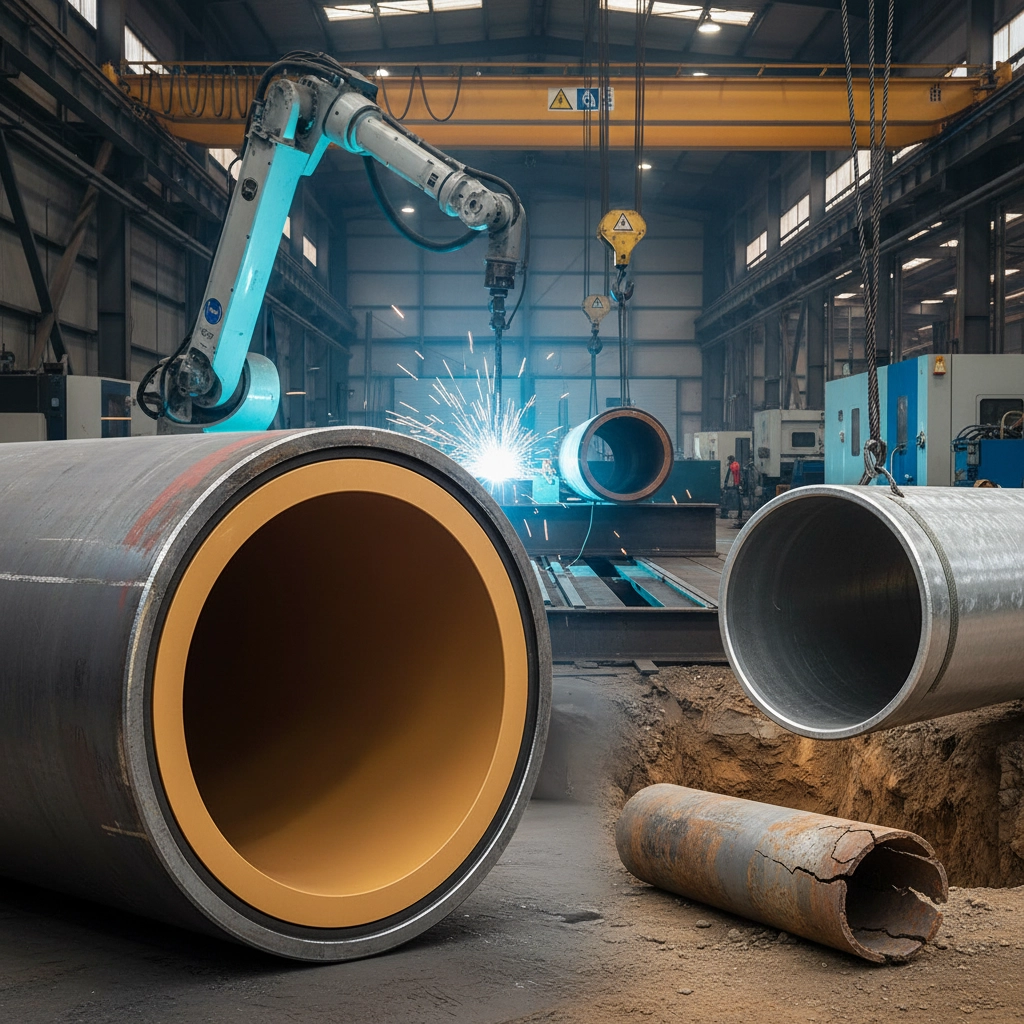
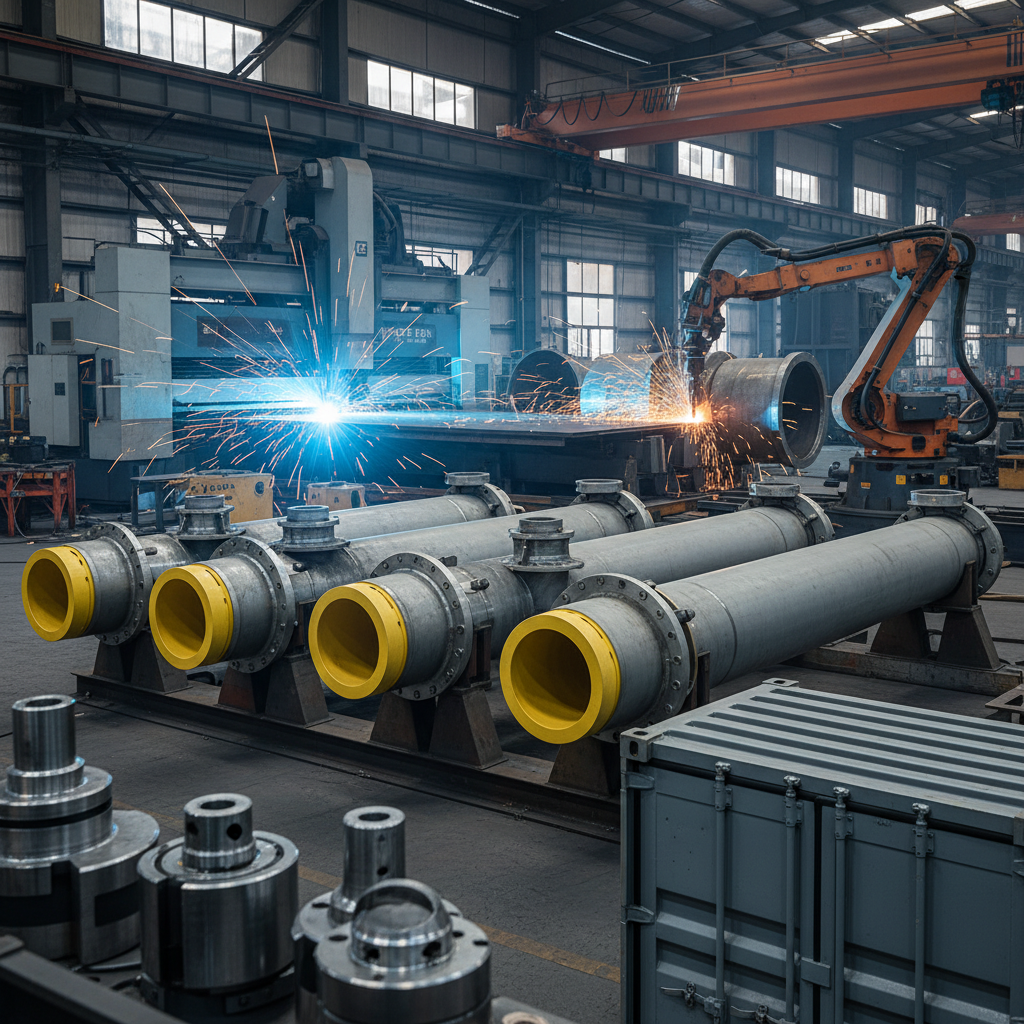
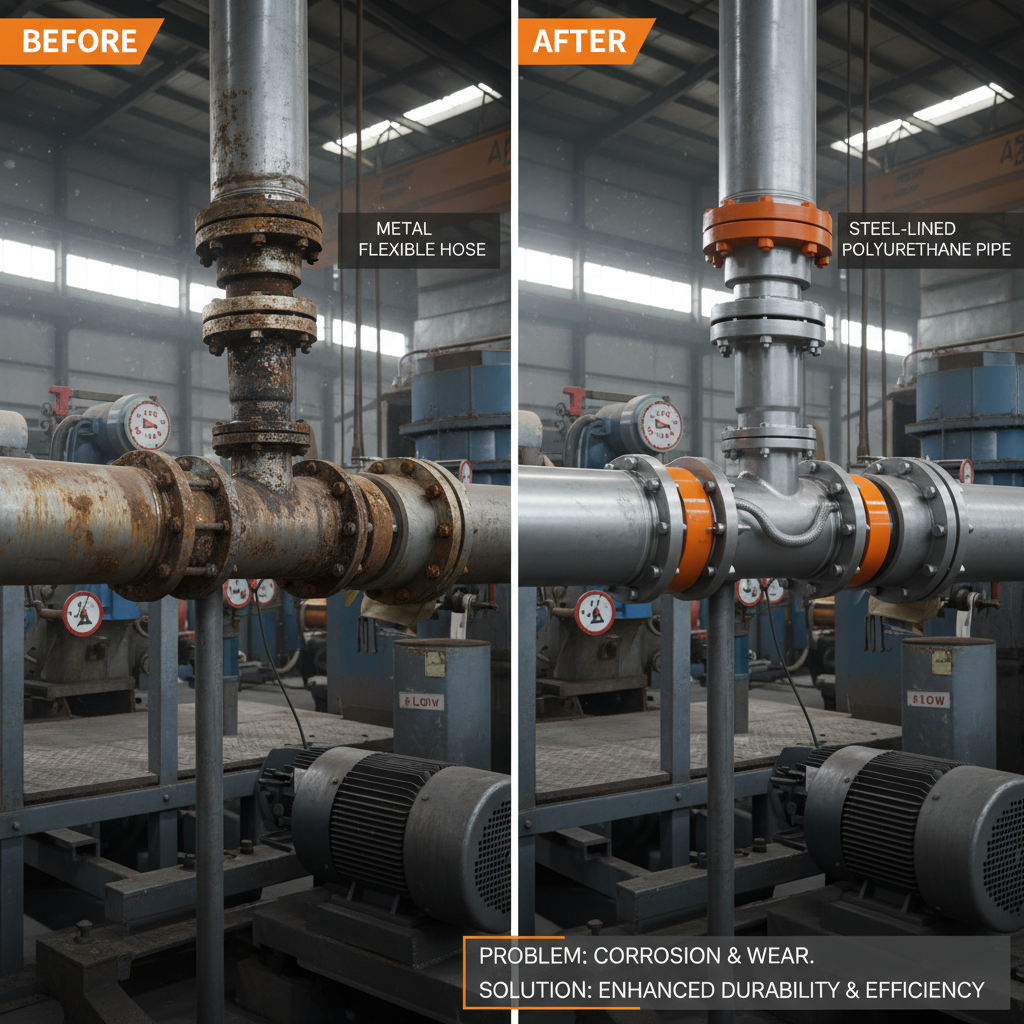
In the demanding world of industrial fluid transport, the battle against chemical erosion and abrasive wear is constant. A corrosion resistant pu lined pipe serves as a critical defense mechanism, combining the structural strength of steel with the resilient chemical properties of polyurethane. This hybrid engineering approach ensures that volatile substances can be transported safely over long distances without compromising the integrity of the piping system.
Global industrial standards are shifting toward materials that not only resist leaks but also extend the operational lifecycle of mining and chemical infrastructure. By integrating high-performance polyurethane linings, companies can significantly reduce downtime caused by pipe bursts or wall thinning. The adoption of these specialized linings is no longer just an upgrade but a necessity for facilities dealing with slurry, acids, and abrasive particulates.
Understanding the nuances of corrosion resistant pu lined pipe technology allows plant managers and engineers to optimize their maintenance schedules and lower total cost of ownership. Whether it is in the depths of a mineral processing plant or within a sophisticated chemical refinery, the right lining material acts as the primary safeguard against environmental contamination and catastrophic industrial failure.
Global Relevance of Corrosion Resistant PU Lined Pipe
On a global scale, the degradation of metallic infrastructure due to corrosion costs the world economy billions of dollars annually. In sectors like mining and wastewater treatment, the transport of abrasive slurries leads to rapid wall thinning in standard carbon steel pipes. The introduction of corrosion resistant pu lined pipe has revolutionized how these industries approach asset management, offering a barrier that is virtually impervious to many corrosive agents.
By adhering to ISO quality standards and leveraging advanced polymer chemistry, manufacturers have created piping solutions that withstand extreme pressure and chemical volatility. This is particularly critical in regions with aggressive soil conditions or high-salinity environments, where external and internal corrosion can occur simultaneously, necessitating a robust, multi-layered defense strategy.
Defining the Engineering of PU Lined Piping
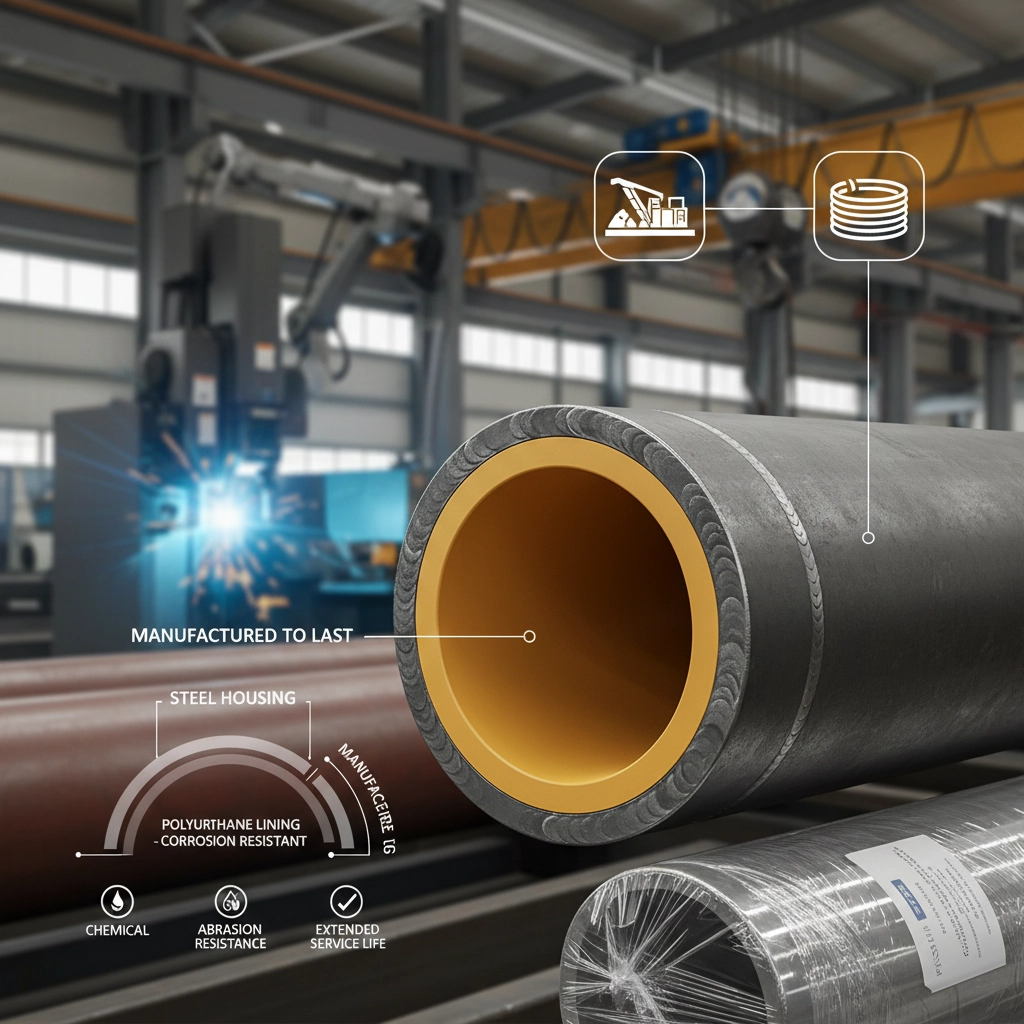
At its core, a corrosion resistant pu lined pipe is a composite product consisting of a heavy-duty outer steel shell and an internal lining made of high-grade polyurethane (PU). The steel provides the necessary mechanical strength to withstand high operating pressures, while the PU layer acts as a sacrificial and protective shield, preventing the corrosive medium from ever touching the metal surface.
Unlike traditional rubber linings, polyurethane offers a superior balance of hardness and elasticity. This allows the pipe to absorb the impact of large particles in a slurry without cracking, while remaining hard enough to resist the "scouring" effect of high-velocity fluids. This synergy makes it an ideal choice for modern industrial humanitarian needs, such as clean water transport in contaminated zones.
The bonding process—whether through centrifugal casting or thermal spraying—is what defines the quality of the pipe. A seamless bond ensures that no gaps exist between the liner and the steel, eliminating the risk of "blistering" or liner collapse under vacuum conditions, which is a common failure point in lower-quality lining alternatives.
Core Components of Durable Lining Systems
The efficacy of a corrosion resistant pu lined pipe depends heavily on its Material Purity. High-grade polyurethane resins are used to ensure that the lining remains stable across a wide range of temperatures and pH levels, preventing the polymer from degrading when exposed to harsh acidic or alkaline environments.
Abrasion Resistance is the second critical factor. The molecular structure of the PU liner is designed to dissipate energy upon impact. This means that when sharp mineral fragments strike the inner wall of the corrosion resistant pu lined pipe, the material flexes slightly and bounces back, drastically reducing the rate of material loss compared to ceramic or epoxy coatings.
Finally, Chemical Compatibility ensures the long-term viability of the system. Engineers must match the specific grade of polyurethane to the medium being transported—be it oil-based slurries or aqueous corrosive chemicals—to ensure that the lining does not swell or soften over time, maintaining a smooth bore for optimal flow.
Practical Applications Across Global Industries
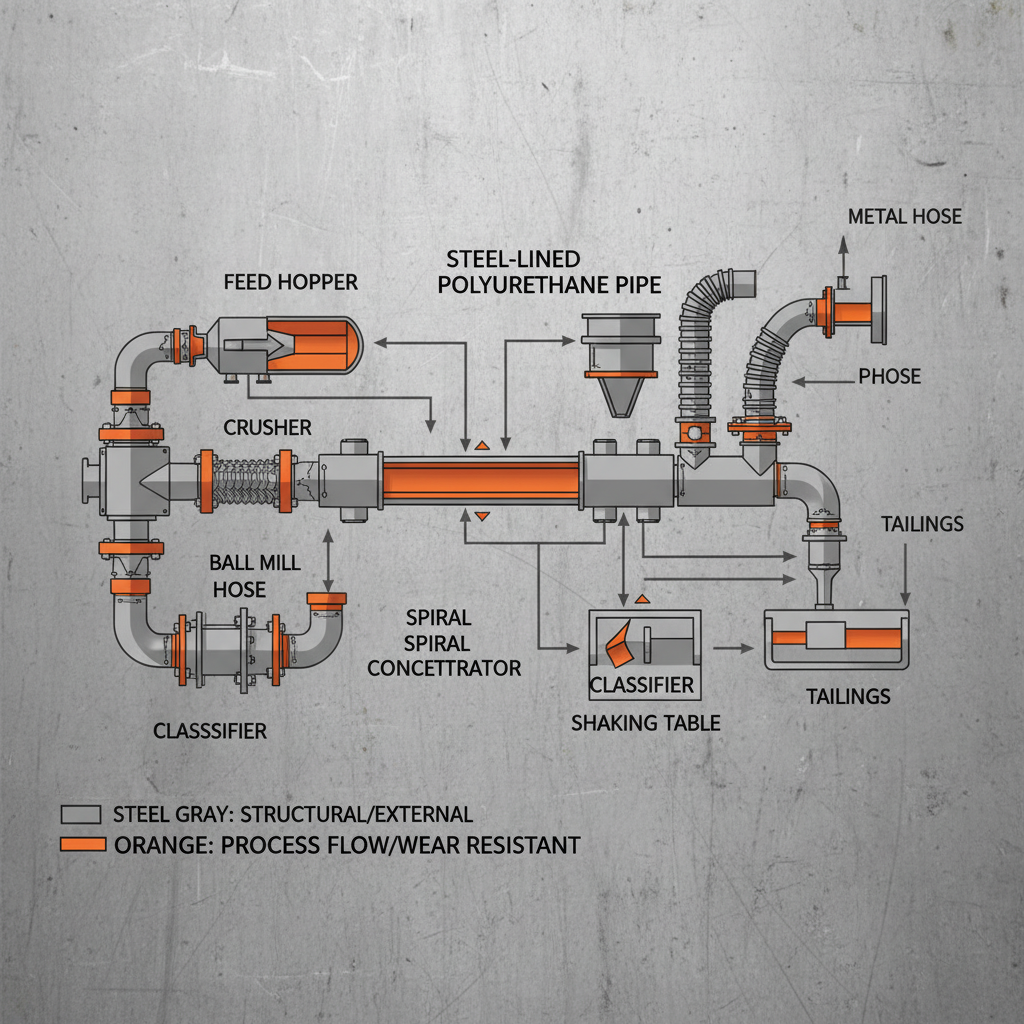
In the mining sector, particularly in the copper and gold belts of South America and Australia, corrosion resistant pu lined pipe is used extensively for tailings transport. These pipes handle a mixture of crushed rock and chemical reagents that would eat through standard piping in a matter of months, ensuring that waste is moved safely to storage facilities without leaks.
Beyond mining, these pipes are vital in remote industrial zones for desalination plants and chemical processing units. For instance, in coastal regions where saltwater intrusion accelerates metallic corrosion, the PU lining provides a critical waterproof barrier that preserves the structural integrity of the plant's circulatory system, reducing the need for frequent and costly replacements.
Performance Comparison of Lining Materials for Corrosion Resistant PU Lined Pipe
Long-Term Value and Operational Advantages
The primary advantage of investing in corrosion resistant pu lined pipe is the drastic reduction in operational expenditure (OPEX). While the initial procurement cost may be higher than that of unlined steel, the extended service life—often 3 to 5 times longer in abrasive environments—means fewer replacements and less unplanned downtime.
From a sustainability perspective, these pipes contribute to a smaller environmental footprint by preventing leaks of hazardous materials into the surrounding soil and groundwater. The reliability of PU linings fosters a sense of trust and safety for operators, knowing that the risk of a catastrophic pipe failure is minimized through advanced material science.
Future Innovations in Polymer Linings
The next generation of corrosion resistant pu lined pipe is moving toward "smart linings." Researchers are integrating conductive polymers or sensors within the PU layer to monitor wall thickness in real-time. This digital transformation allows for predictive maintenance, where a pipe signals its own need for repair before a breach actually occurs.
Furthermore, there is a growing trend toward bio-based polyurethanes to reduce the reliance on petroleum-derived chemicals. These green polymers aim to maintain the same level of corrosion resistance while improving the recyclability of the piping system at the end of its life cycle, aligning industrial growth with global carbon-neutrality goals.
Automation in the lining process, such as robotic spray application and laser-guided quality checks, is also increasing the consistency of the lining thickness. This ensures that every inch of the corrosion resistant pu lined pipe provides uniform protection, eliminating weak spots that were previously common in manual application processes.
Overcoming Implementation Challenges
Despite their benefits, implementing corrosion resistant pu lined pipe systems can be challenging, particularly during the installation phase. The rigidity of the steel shell combined with the specific thermal expansion coefficient of the PU liner requires precise jointing and welding techniques to avoid stressing the lining at the connection points.
Another common hurdle is the selection of the wrong PU grade for a specific chemical medium. Some polyurethanes may swell when exposed to certain solvents, which can lead to liner detachment. The solution lies in comprehensive fluid analysis and collaborating with materials experts to specify the exact polymer formulation required for the intended application.
To overcome these issues, many firms are adopting modular piping kits where the lining is applied in a controlled factory environment rather than on-site. This ensures maximum quality control and allows for the use of specialized curing ovens that create a more durable bond between the PU and the steel.
Comparison of PU Lining Grades and Their Performance Metrics
|
PU Grade Type
|
Abrasion Resistance
|
Chemical Stability
|
Typical Lifespan (Years)
|
| Standard PU |
Medium |
Moderate |
3-5 |
| High-Hardness PU |
Excellent |
Moderate |
5-8 |
| Chemical-Grade PU |
Medium |
Excellent |
7-10 |
| Hybrid PU-Polymer |
High |
High |
8-12 |
| Elastic PU |
High (Impact) |
Low |
4-6 |
| Extreme-Temp PU |
Medium |
High |
6-9 |
FAQS
Polyurethane offers a significantly higher resistance to abrasion and tearing than natural or synthetic rubber. While rubber is flexible, PU provides a harder surface that resists the "cutting" action of sharp particles in a slurry. Additionally, PU generally has better adhesion to the steel substrate, reducing the risk of liner delamination over time.
Depending on the slurry concentration and flow velocity, a high-quality corrosion resistant pu lined pipe can last between 5 to 12 years. This is vastly superior to uncoated carbon steel, which might fail in less than a year under the same conditions. Regular monitoring of wall thickness is recommended to optimize replacement cycles.
While PU is highly resistant to many chemicals, it is not universal. It excels with most oils, greases, and dilute acids. However, extremely strong oxidizing agents or certain solvent-based chemicals can cause the lining to swell or degrade. It is essential to specify the correct PU grade based on the chemical composition of the transported fluid.
Yes, because the pressure is borne by the outer steel shell, not the lining. The polyurethane provides the chemical and abrasion protection, while the steel ensures the pipe can handle the designated PSI rating. This combination allows for the safe transport of corrosive materials at industrial pressures.
Modern bonding involves rigorous surface preparation (like sandblasting) followed by the application of a primer and the PU resin. Techniques such as centrifugal casting spin the liquid PU at high speeds, forcing it against the walls for a dense, void-free layer. Thermal curing then locks the bond, ensuring no gaps exist for fluids to seep through.
Yes, they are sustainable primarily because they prevent environmental contamination by eliminating leaks. Furthermore, by extending the replacement cycle of the pipes, the overall consumption of steel and energy used in manufacturing is significantly reduced, contributing to a more sustainable industrial lifecycle.
Conclusion
The implementation of corrosion resistant pu lined pipe represents a strategic shift toward durability and efficiency in industrial fluid transport. By successfully merging the mechanical robustness of steel with the chemical resilience of polyurethane, these pipes solve the perennial problem of rapid erosion in mining and chemical sectors. From reducing maintenance costs to enhancing environmental safety, the value proposition is clear: higher reliability leads to greater operational stability.
Looking forward, the integration of smart sensors and bio-polymers will further refine the efficiency of these systems. For companies seeking to optimize their infrastructure, transitioning to high-performance lined piping is a critical step in future-proofing their operations against the harsh realities of corrosive environments. To explore the best lining solutions for your specific needs, visit our website: www.qwmetal.com