You know, I’ve been running around construction sites for, well, too long to count. And lately, everyone's talking about smart rebar – those things with sensors embedded. It's all the rage, apparently. Honestly, though, it’s not that revolutionary. It's just… another layer of complexity, right? But, there's a reason everyone's chasing it. Quality control, mostly. And, I’ll admit, fewer call-backs.
What I've noticed is, a lot of designers get hung up on the sensor accuracy. They chase these insane specs, thinking that a 0.01% difference in stress reading is going to save the world. It won’t. What will save the world is a sensor that doesn’t get smashed to bits when a guy drops a concrete block on it. Believe me, I’ve seen it.
And the material… the casing is the biggest headache. Most people go for the high-density polymers, you know, the stuff that smells like burnt plastic when you drill it. It’s tough, sure, but it’s also brittle. I prefer the epoxy-coated ones, they have a little give. Feels more forgiving, and they don't smell quite as bad. We tried a carbon fiber casing once… a disaster. Too expensive, too fragile. Forget about it.
Introduction to Types of Crushers in Mineral Processing
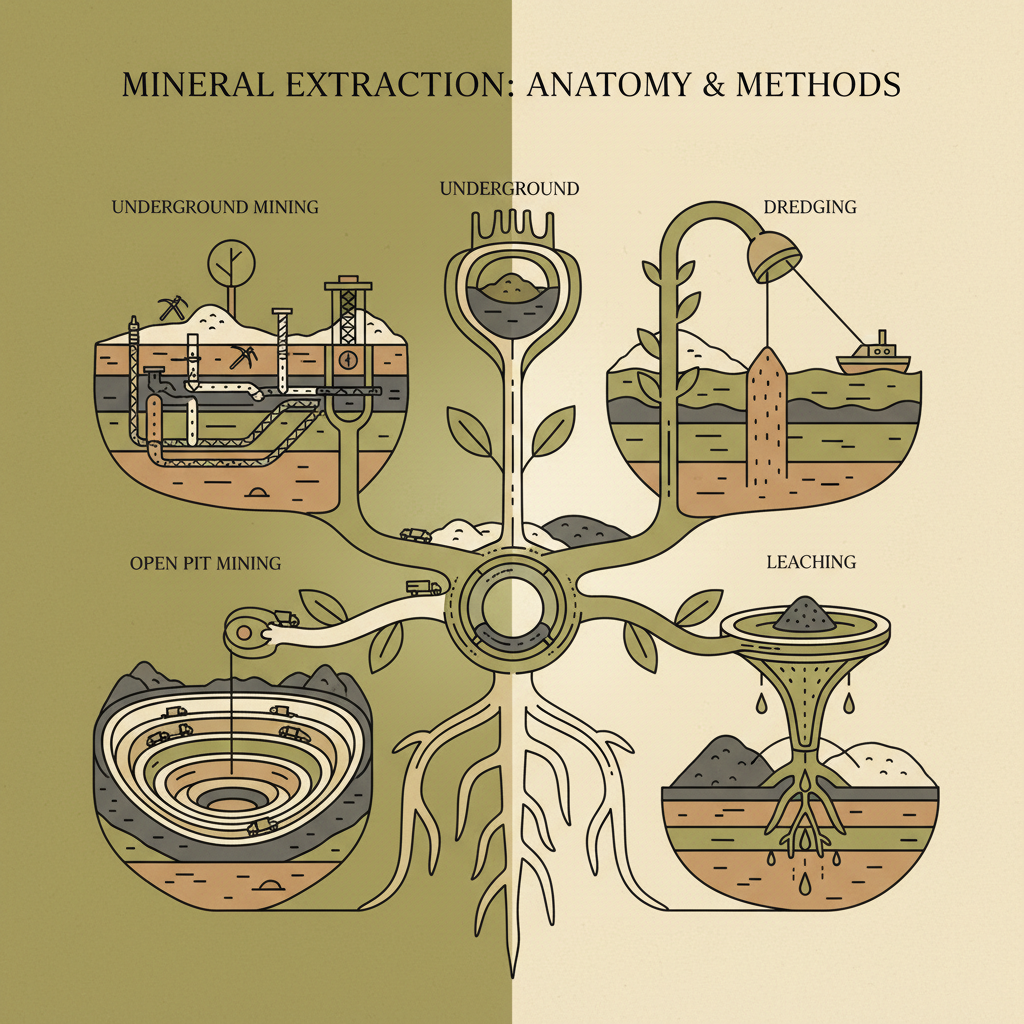
Types of crushers in mineral processing. It sounds simple, right? But it's the backbone of everything. From getting the materials out of the ground to preparing them for, well, pretty much anything we build. It's a surprisingly complex field.
The demand is massive. The UN estimates a 60% increase in mineral demand by 2040, driven largely by renewable energy infrastructure and urbanization. That means a lot more crushing. And with increased demand comes increased pressure for efficiency, sustainability, and, frankly, not blowing things up. It's a big responsibility.
Understanding the different types of crushers, their applications, and their limitations is critical. It’s not just about picking the cheapest option; it’s about optimizing the entire process, reducing waste, and ensuring the long-term viability of resource extraction. Get it wrong, and you're looking at downtime, cost overruns, and potential environmental disasters.
Global Relevance and Industry Context
Globally, the mineral processing industry is a multi-trillion-dollar market. It’s heavily concentrated in regions like Australia, Chile, China, and South Africa, but the impact is felt everywhere. Everything from your smartphone to your car relies on materials processed through crushing. It’s a truly global supply chain. And, frankly, it's been under a lot of strain lately.
We're seeing increased scrutiny from environmental groups and stricter regulations on waste disposal. Sustainability is no longer a buzzword; it’s a necessity. ISO standards are becoming increasingly stringent, forcing companies to invest in more efficient and environmentally friendly crushing technologies. To be honest, it’s about time.
The biggest challenge right now? Balancing increasing demand with shrinking resources and a growing emphasis on sustainability. That’s where innovation in types of crushers in mineral processing comes in. New technologies are needed to reduce energy consumption, minimize waste, and extract valuable materials from lower-grade ores. It’s a tough problem, but someone’s gotta solve it.
Defining Types of Crushers in Mineral Processing
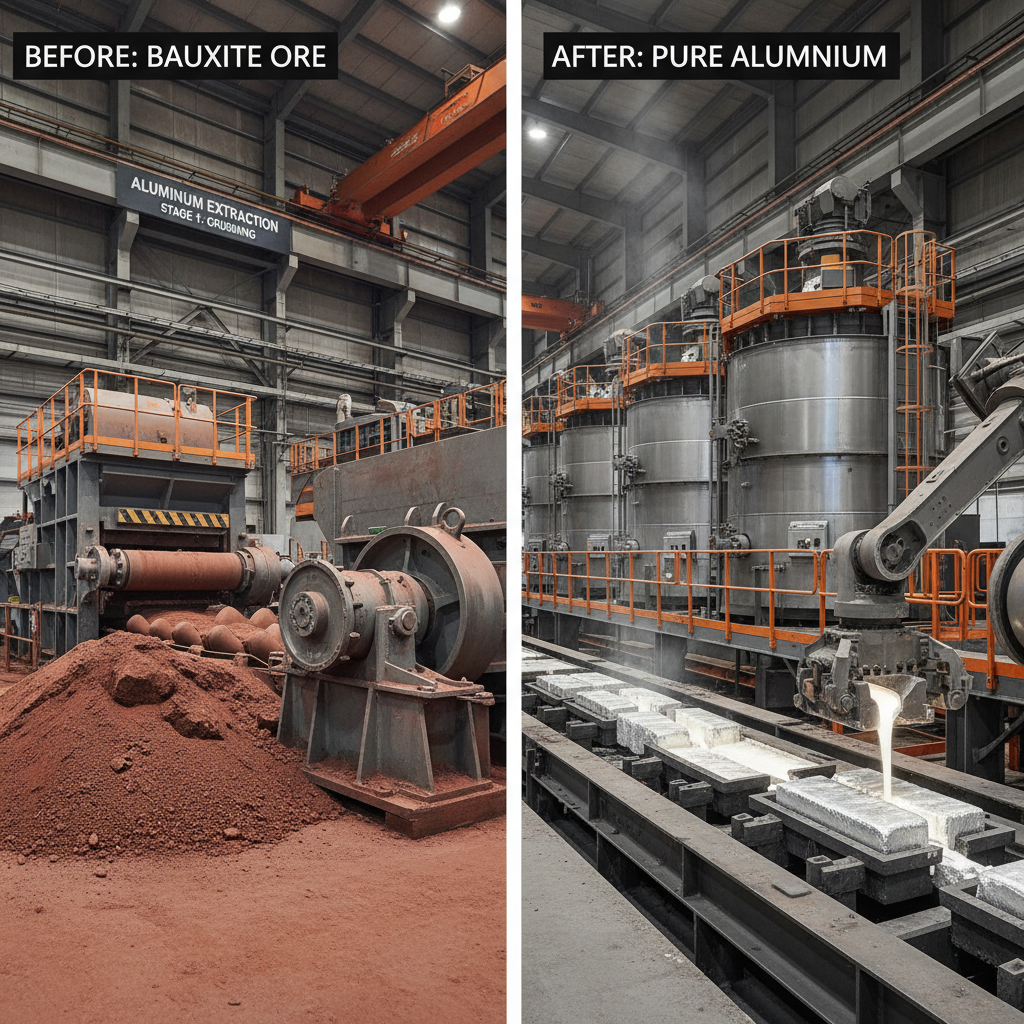
Okay, so what are types of crushers in mineral processing? Simply put, they're machines designed to reduce the size of large rocks and minerals into smaller, more manageable pieces. It’s the first step in extracting valuable resources from raw materials. It’s not glamorous work, but it’s essential.
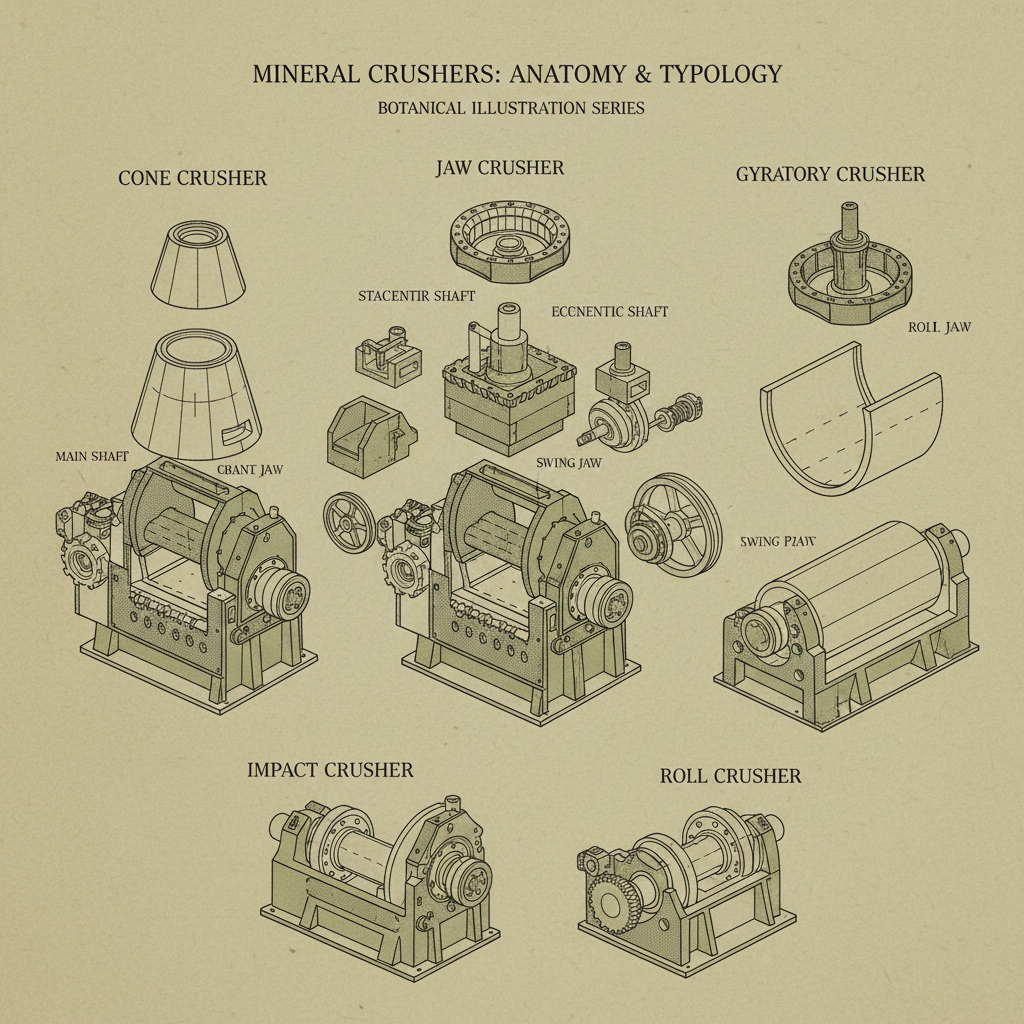
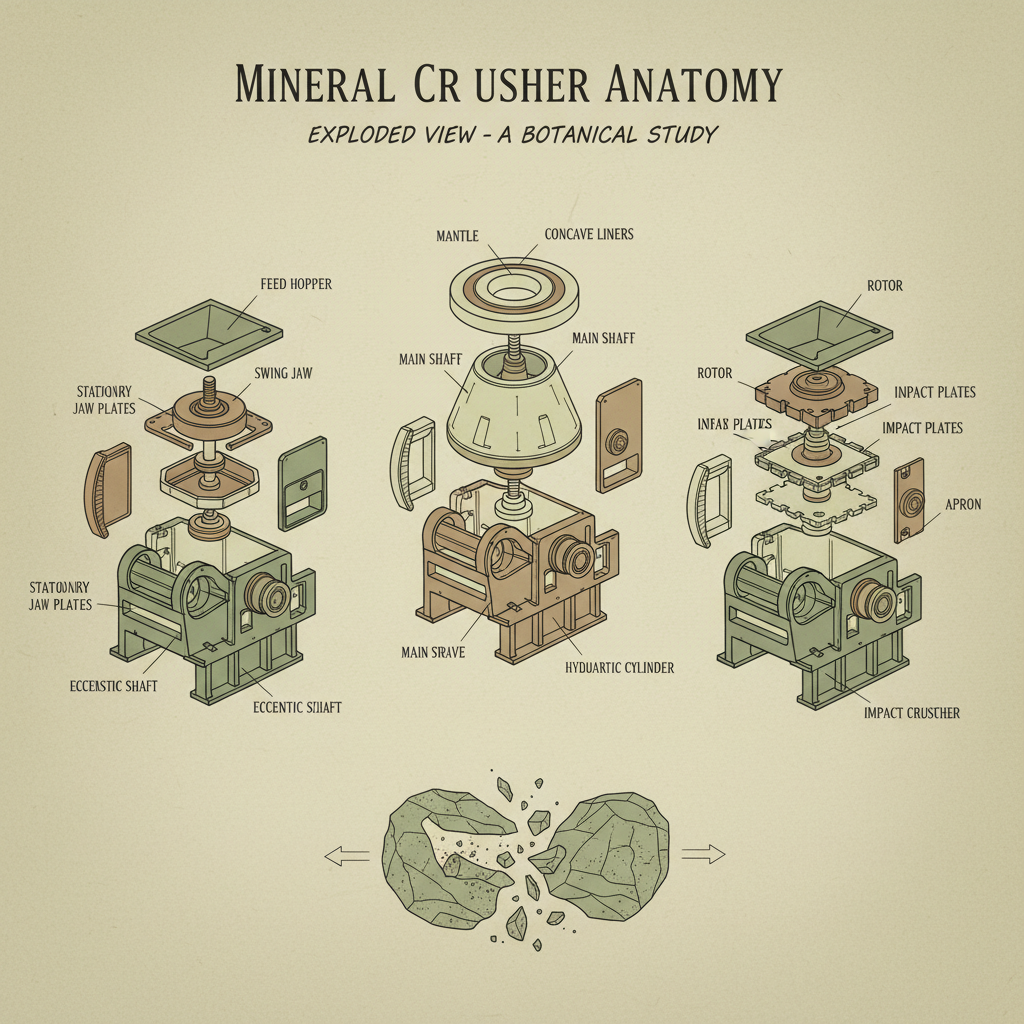
Now, there are different approaches. You’ve got your jaw crushers, cone crushers, impact crushers, gyratory crushers… the list goes on. Each one has its strengths and weaknesses, and the best choice depends on the specific application. The type of material, its hardness, and the desired output size all play a role. It's never a one-size-fits-all situation.
This ties directly into modern industry because, without efficient crushing, everything grinds to a halt. From steel production to cement manufacturing to the extraction of rare earth elements needed for electronics, types of crushers in mineral processing are absolutely fundamental. And humanitarian needs? After disasters, quick and efficient crushing is vital for producing aggregate for rebuilding infrastructure.
Key Factors in Crusher Selection
When you're picking a crusher, it’s not just about horsepower. Several key factors come into play. First, there’s Durability. These machines take a beating. They need to withstand constant impact and abrasion. You need something that can hold up under continuous operation, preferably for years, with minimal downtime.
Then you’ve got Scalability. Can the crusher handle variations in feed size and throughput? A mine might start with a certain volume of ore, but that can change rapidly. You need a machine that can adapt. Cost Efficiency is, of course, critical. Not just the initial purchase price, but also the operating costs – energy consumption, maintenance, and replacement parts. Those add up quickly.
Crusher Performance Comparison
Global Applications and Use Cases
You see these machines everywhere. In large-scale mining operations in Australia and Chile, they’re crushing iron ore, copper, and lithium. In China and India, they're processing coal and aggregates for infrastructure projects. Even in remote areas of Africa, you’ll find mobile crushers being used to process materials for local construction. Strangely, I even saw a small jaw crusher being used to recycle concrete in a small town in Vermont last year.
In post-disaster relief operations, mobile crushers are invaluable for producing aggregate from rubble to rebuild roads and buildings. They can be deployed quickly and efficiently, even in challenging terrain. And in remote industrial zones, they provide a crucial link in the supply chain, ensuring that raw materials are available for local industries. I encountered this at a limestone quarry in Montana last time.
The applications are incredibly diverse. From building highways to producing fertilizers to extracting precious metals, types of crushers in mineral processing are integral to countless industries. It's a pretty wide-reaching field, when you think about it.
Advantages and Long-Term Value
The tangible benefits are obvious: reduced material costs, increased production efficiency, and improved product quality. But there’s more to it than that. Investing in the right crushing technology can also improve safety, reduce environmental impact, and enhance a company’s reputation. Anyway, I think these are pretty important things.
From a sustainability perspective, modern crushers are designed to minimize energy consumption and reduce dust emissions. This not only lowers operating costs but also helps companies comply with increasingly stringent environmental regulations. And from a social impact standpoint, efficient crushing operations can create jobs and support local communities. It's not just about profits; it's about doing the right thing.
Future Trends and Innovations
We’re starting to see a lot of exciting developments in the field. Automated crushing systems, driven by AI and machine learning, are becoming more prevalent. These systems can optimize crushing parameters in real-time, maximizing efficiency and minimizing waste. The future of crushing is definitely going to be data-driven.
Another trend is the development of more energy-efficient crushing technologies. Electric crushers, powered by renewable energy sources, are gaining traction as companies look to reduce their carbon footprint. And there's a lot of research going into new materials and designs that can improve crusher durability and performance. The integration of digital twins for predictive maintenance is also huge.
Summary Table of Crusher Attributes
| Crusher Type |
Typical Feed Material |
Output Size Range (mm) |
Maintenance Frequency (Months) |
| Jaw Crusher |
Hard, abrasive rock |
50-300 |
6-12 |
| Cone Crusher |
Medium to hard rock |
10-100 |
3-6 |
| Impact Crusher |
Soft to medium rock |
5-50 |
2-4 |
| Gyratory Crusher |
Large, hard rock |
75-400 |
12-18 |
| Roll Crusher |
Soft, friable materials |
2-25 |
4-8 |
| Vertical Shaft Impactor (VSI) |
Various materials for shaping |
0.5-10 |
3-6 |
FAQS
For seriously hard rock, you want a gyratory or cone crusher. They're built to take a beating. Gyratory crushers are the workhorses for primary crushing – massive machines that can handle huge volumes. Cone crushers are better for secondary and tertiary crushing, producing a finer product. Honestly, though, proper maintenance is more important than the type of crusher. A well-maintained jaw crusher can outlast a poorly maintained cone crusher any day.
That depends on a lot of factors. Hardness, abrasiveness, moisture content, desired output size… you name it. Generally, for very hard and abrasive materials, you'll need a jaw or gyratory crusher. For softer materials, an impact crusher might be sufficient. It's always best to do some testing with a sample of your material to see which crusher performs best. Don't just go off what the salesman tells you.
It varies wildly. A well-maintained crusher can last 20 years or more. But it really depends on the application and the operating conditions. A crusher running 24/7 in a harsh environment will have a much shorter lifespan than one used intermittently in a controlled setting. Regular inspections and preventative maintenance are crucial for maximizing lifespan.
Safety is paramount. Crushers are powerful machines with a lot of moving parts. You need to ensure that all operators are properly trained and follow all safety procedures. Lockout/tagout procedures are essential during maintenance. And always wear appropriate personal protective equipment, including safety glasses, hearing protection, and steel-toed boots. Seriously, don't mess around with these things.
It's huge. Energy costs can be a significant portion of operating expenses. Modern crushers are designed to be more energy-efficient, with features like variable-speed drives and optimized crushing chambers. Switching to an electric crusher, powered by renewable energy, can significantly reduce your carbon footprint and operating costs. It's a win-win.
Absolutely. Manufacturers can often customize crushers to meet specific requirements. Last month, that small boss in Shenzhen who makes smart home devices insisted on changing the interface to for easier integration with their automated systems, and the result was a delay of two weeks! But, it's possible to modify crushing chambers, adjust speed settings, and add specialized wear parts to optimize performance for a particular material.
Conclusion
So, there you have it. Types of crushers in mineral processing are a complex but crucial part of modern industry. From selecting the right machine to ensuring proper maintenance and prioritizing safety, there's a lot to consider. The advancements in automation, energy efficiency, and materials are continually shaping the future of this field, making it more sustainable and productive.
Ultimately, whether this thing works or not, the worker will know the moment he tightens the screw. You can have all the fancy sensors and AI algorithms in the world, but if the machine isn’t built tough and easy to maintain, it’s not going to last. That’s just the way it is. And if you want to learn more, check out our website at www.qwmetal.com.