search
Selecting a pipeline for extreme chemical environments often comes down to a trade-off between structural rigidity and chemical inertness. While stainless steel offers strength, it remains susceptible to specific corrosive agents that can compromise industrial safety and operational uptime.
The emergence of fluoropolymer linings has shifted this dynamic, allowing engineers to encapsulate high-strength metal shells within a chemically impervious barrier. This composite approach ensures that the pipeline can withstand high external pressures while remaining untouched by the aggressive media flowing within.
When standard specifications fail to meet the unique demands of a specific chemical process, the shift toward a custom ptfe lined pipe becomes a technical necessity rather than a luxury, providing tailored protection for specialized industrial fluid transport.


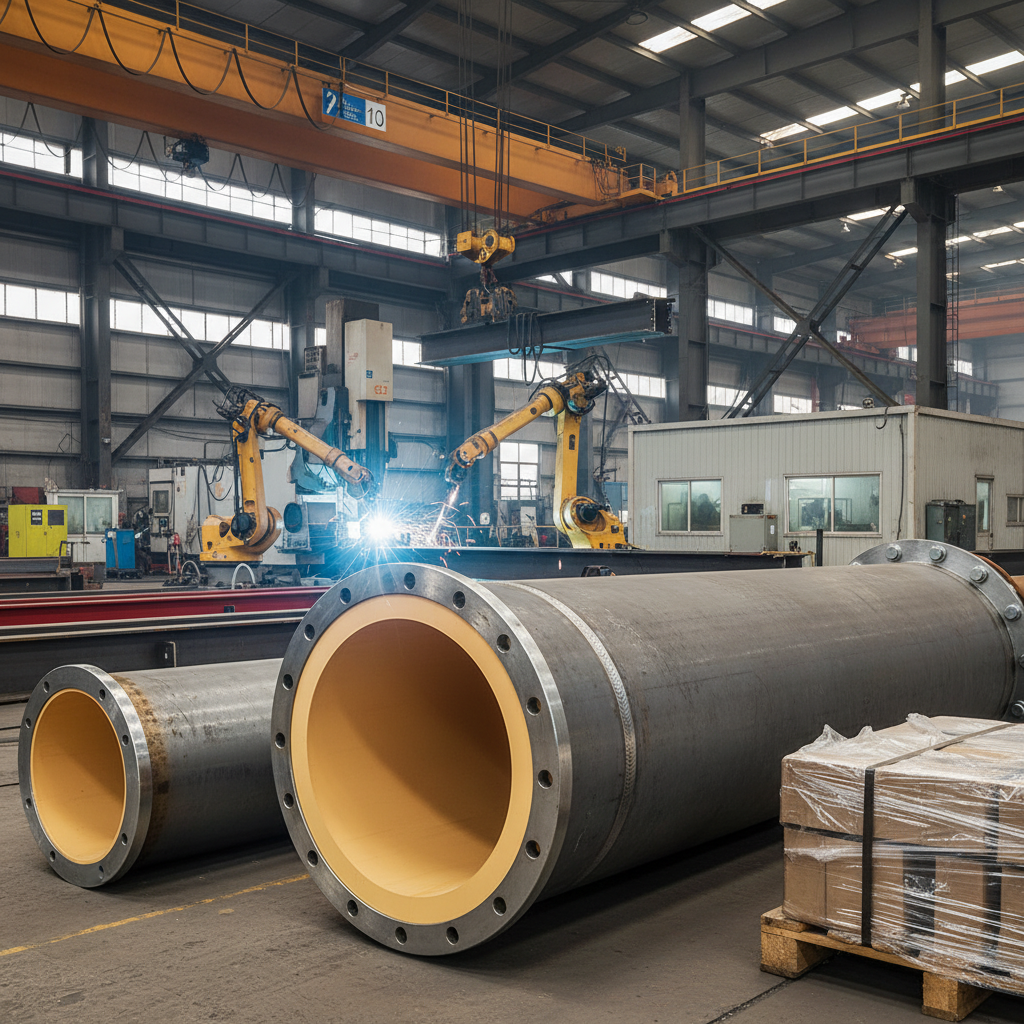
Polytetrafluoroethylene (PTFE) is utilized in lining because of its exceptional carbon-fluorine bond strength, which creates a nearly inert surface. When this material is integrated into a steel outer shell, the resulting pipeline leverages the compressive strength of metal and the chemical immunity of the polymer.
Unlike monolithic plastic pipes, a lined system prevents the "creep" or deformation associated with thermoplastics under high pressure. The metal casing acts as a structural exoskeleton, allowing the PTFE liner to focus solely on protecting the system from internal corrosion and abrasion.
Customization in lined piping is not merely about length and diameter; it involves the precise calibration of liner thickness relative to the medium's permeation rate. Different chemicals can migrate through polymers at varying speeds, meaning a custom specification must account for the specific molecular weight of the transported fluid to prevent "blistering" or liner collapse.
Furthermore, the termination methods—such as fixed flanges or loose flanges—determine how the system handles thermal expansion. Because PTFE and carbon steel have vastly different coefficients of thermal expansion, a customized design must incorporate tolerances that prevent the liner from buckling or pulling away from the flange face during temperature cycling.
The integration of high-grade outer materials, such as SS316L or specialized carbon steels, further refines the pipe's ability to withstand external environmental corrosion, ensuring that the structural integrity of the shell matches the longevity of the internal lining.
The efficiency of a composite pipeline depends heavily on the bond between the lining and the host pipe. While some systems rely on mechanical interference, others utilize advanced bonding agents or thermal fusing to minimize the gap between the PTFE and the steel.
Interface stability is the primary determinant of pipeline lifespan; any gap between the liner and the shell can become a reservoir for permeated gases, eventually leading to structural failure through liner collapse under vacuum conditions.
To mitigate these risks, precision manufacturing techniques are employed to ensure concentricity. This ensures that the fluid velocity remains uniform across the bore, reducing localized turbulence that could otherwise lead to premature wear of the fluoropolymer surface.
When comparing lining materials, PTFE often outperforms alternatives like HDPE or rubber in terms of chemical purity and temperature range. While HDPE is excellent for water management and mild acids, it lacks the extreme chemical resistance required for concentrated organic solvents or highly aggressive halogenated compounds.
The following index illustrates the relative effectiveness of various lining materials across five critical industrial performance vectors, highlighting why customized PTFE solutions are preferred for high-specification chemical transfer.
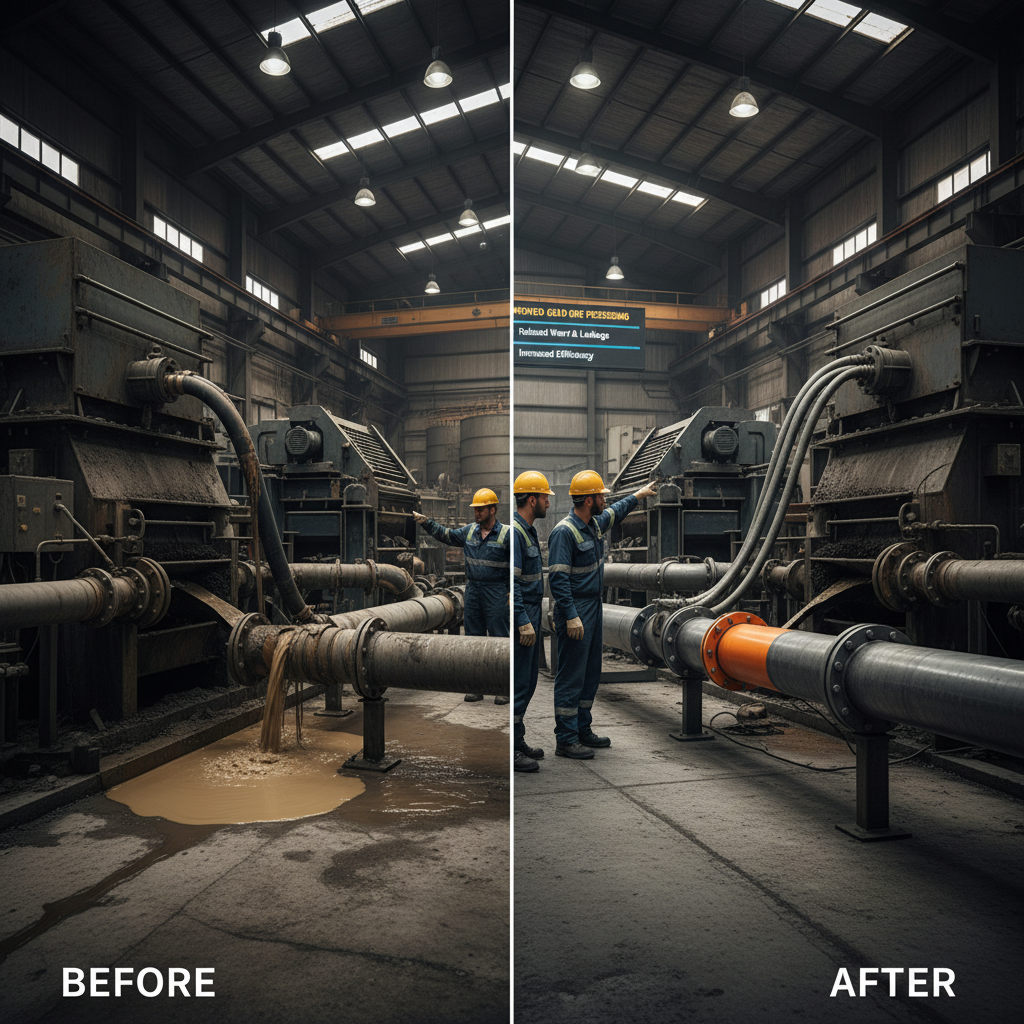
In a typical chemical processing plant, pipelines are often exposed to a rotation of different media during batch cleaning cycles. A system utilizing custom PTFE lining allows the facility to use aggressive solvents for decontamination without risking the integrity of the main piping infrastructure. This versatility reduces the need for separate dedicated lines for different chemicals.
Similarly, in the pharmaceutical industry, the non-stick and low-friction nature of the PTFE bore prevents material buildup and ensures zero contamination. Hebei Qiao Wan Metal Products Co., Ltd. applies this logic to their broader range of lined products, ensuring that whether it is a specialized PTFE liner or a polyurethane solution, the product is matched to the specific wear and corrosion profile of the environment.
The industry is moving away from "off-the-shelf" lining toward application-specific engineering. Early lined pipes often suffered from liner collapse due to insufficient vacuum resistance or poor flange sealing. Modern standards now prioritize the "total system" approach, where the liner, the shell, and the connection hardware are engineered as a single unit.
Digital modeling of fluid dynamics now allows manufacturers to predict exactly where turbulence will occur, enabling them to customize the liner thickness or the internal geometry of the pipe to extend the operational life. This shift from reactive replacement to predictive engineering has significantly lowered the total cost of ownership for plant operators.
Sustainability is also driving a change in material sourcing, with an emphasis on creating pipelines that can be easily refurbished. By replacing the liner while retaining the metal shell, industries can reduce waste and lower the carbon footprint associated with full pipeline replacement.
Choosing between different lined options requires a systematic evaluation of the fluid's chemistry, the operating temperature, and the mechanical stress on the system. While PTFE is the gold standard for chemical inertness, other materials like HDPE or Polyurethane may be more cost-effective for abrasive slurries or wastewater.
The decision process should begin with a "worst-case scenario" analysis, identifying the most aggressive chemical or the highest pressure peak the pipe will encounter. If the medium includes high-concentration acids or solvents, the investment in a custom PTFE solution is typically justified by the avoidance of unplanned shutdowns.
The following table provides a decision-making framework for selecting the appropriate lining material based on the primary operational challenge.
| Primary Requirement | Recommended Liner | Suitability Index | Key Limitation |
|---|---|---|---|
| Extreme Acid/Solvent | PTFE | High | Thermal Expansion |
| High Abrasion Slurry | Polyurethane | High | Temp Limit < 100°C |
| Mild Corrosives/Water | HDPE | Medium | Chemical Permeation |
| General Industrial Waste | Rubber | Medium | Solvent Sensitivity |
| High-Temp Stability | PTFE/PFA | High | Higher Initial Cost |
| High-Wear Mining | Ceramic Lined | High | Brittleness/Impact |
Standard plastic piping relies on the plastic itself for structural support, which limits its pressure and temperature capabilities. A custom PTFE lined pipe combines a fluoropolymer interior for chemical resistance with a steel exterior for mechanical strength. This allows the system to handle significantly higher pressures and temperatures than monolithic plastic pipes while maintaining a completely inert internal environment.
Liner collapse occurs when the external pressure of the steel shell exceeds the internal pressure of the PTFE liner, often during vacuum operations or when gases permeate the liner and condense. To prevent this, customized designs may include specific liner thicknesses, specialized bonding techniques, or venting systems to equalize pressure, ensuring the liner remains stable against the shell wall.
Industries dealing with highly aggressive chemicals, such as pharmaceutical manufacturing, semiconductor fabrication, petrochemical refining, and specialty chemical production, benefit most. These sectors require absolute purity and zero corrosion to avoid contaminating high-value products or risking catastrophic leaks in hazardous environments.
The choice depends on the chemistry and temperature of the medium. HDPE is ideal for water, slurry, and mild acids at temperatures typically below 80°C. PTFE is required for concentrated acids, strong bases, organic solvents, and high-temperature applications. If your process involves highly aggressive chemicals or requires extreme purity, PTFE is the necessary choice despite the higher cost.
Maintenance focuses on the inspection of flange faces and seals to ensure no leaks are bypassing the liner. Because the inner bore is highly resistant to scaling and corrosion, internal cleaning is infrequent. However, periodic pressure tests and visual inspections of the connection points are recommended to ensure the thermal expansion tolerances have not been compromised.
On-site modification is generally discouraged as cutting or welding the outer shell can damage the internal liner if not done with precision equipment. Customizations should be finalized during the design phase. If field adjustments are necessary, they must be performed by specialists using approved methods to ensure the integrity of the lining is not breached.
The integration of PTFE linings within metallic shells represents a sophisticated balance of chemistry and physics, solving the age-old conflict between strength and corrosion resistance. By focusing on customized parameters—from liner thickness to thermal expansion tolerances—industrial operators can build systems that are not only safer but significantly more durable.
As industrial processes become more complex and environmental regulations more stringent, the move toward precision-engineered composite piping is essential. Investing in a tailored solution today prevents the costly failures of tomorrow, ensuring that infrastructure can evolve alongside the demanding requirements of modern chemical and mineral processing.