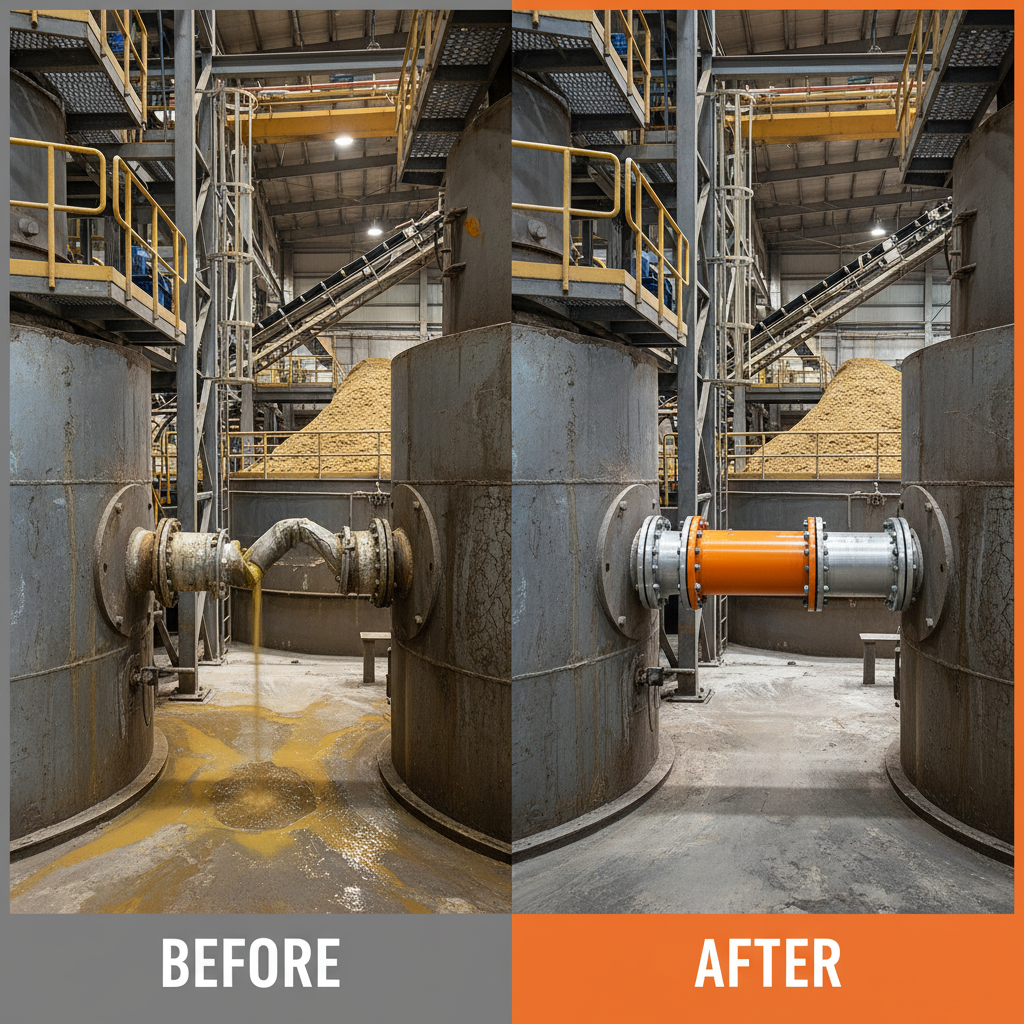
In the demanding world of industrial fluid transport, the quest for materials that combine structural strength with extreme chemical resistance has led to the widespread adoption of the pu lined seamless pipe. This advanced engineering solution addresses the critical vulnerability of standard steel piping—corrosion and abrasion—by integrating a high-performance polyurethane interior with a robust, seamless steel exterior.
Understanding the synergy between the seamless steel shell and the polyurethane lining is essential for engineers operating in mining, chemical processing, and dredging. By eliminating the weld seams common in standard pipes, the pu lined seamless pipe significantly reduces the risk of leakages and structural failure under high pressure, ensuring an uninterrupted operational flow in the most hostile environments.
Globally, the shift toward sustainable industrial practices has placed a premium on equipment longevity. Implementing a pu lined seamless pipe system not only lowers the frequency of costly replacements but also minimizes environmental risks associated with hazardous spills, making it a cornerstone of modern anti-corrosion infrastructure.
Global Industry Context of PU Lined Seamless Pipe
On a global scale, the demand for high-durability piping is driven by the expansion of deep-sea mining and complex chemical synthesis. According to industrial standards aligned with ISO guidelines, the failure of piping systems due to abrasion accounts for a significant percentage of unscheduled downtime in the mining sector. The pu lined seamless pipe emerges as a critical solution, bridging the gap between the rigidity of steel and the elasticity of polymers.
In regions like Australia, Canada, and Brazil, where aggressive slurry transport is common, the traditional reliance on thick-walled steel pipes has proven inefficient due to rapid internal erosion. The introduction of polyurethane lining allows these industries to maintain thinner steel walls while achieving superior wear resistance, effectively optimizing the weight-to-strength ratio of the entire transport system.
Defining the PU Lined Seamless Pipe Architecture
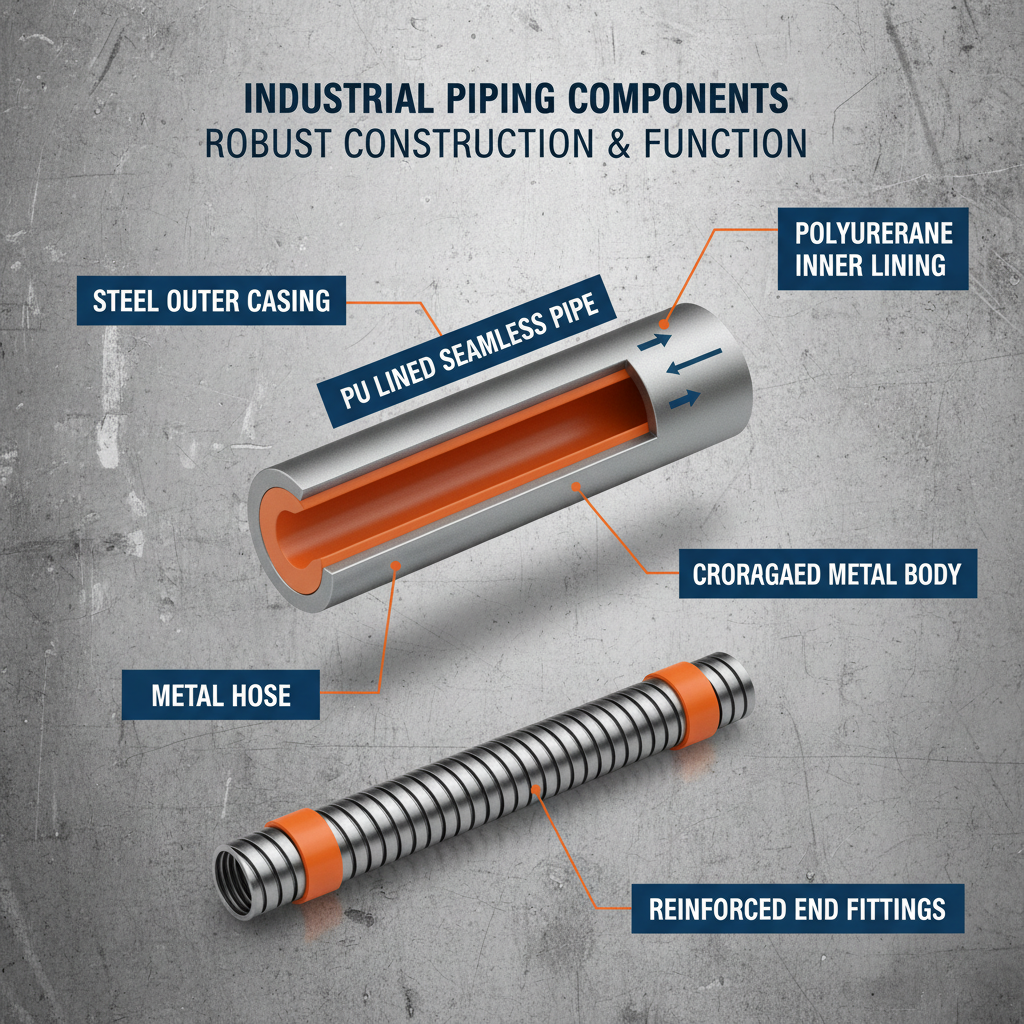
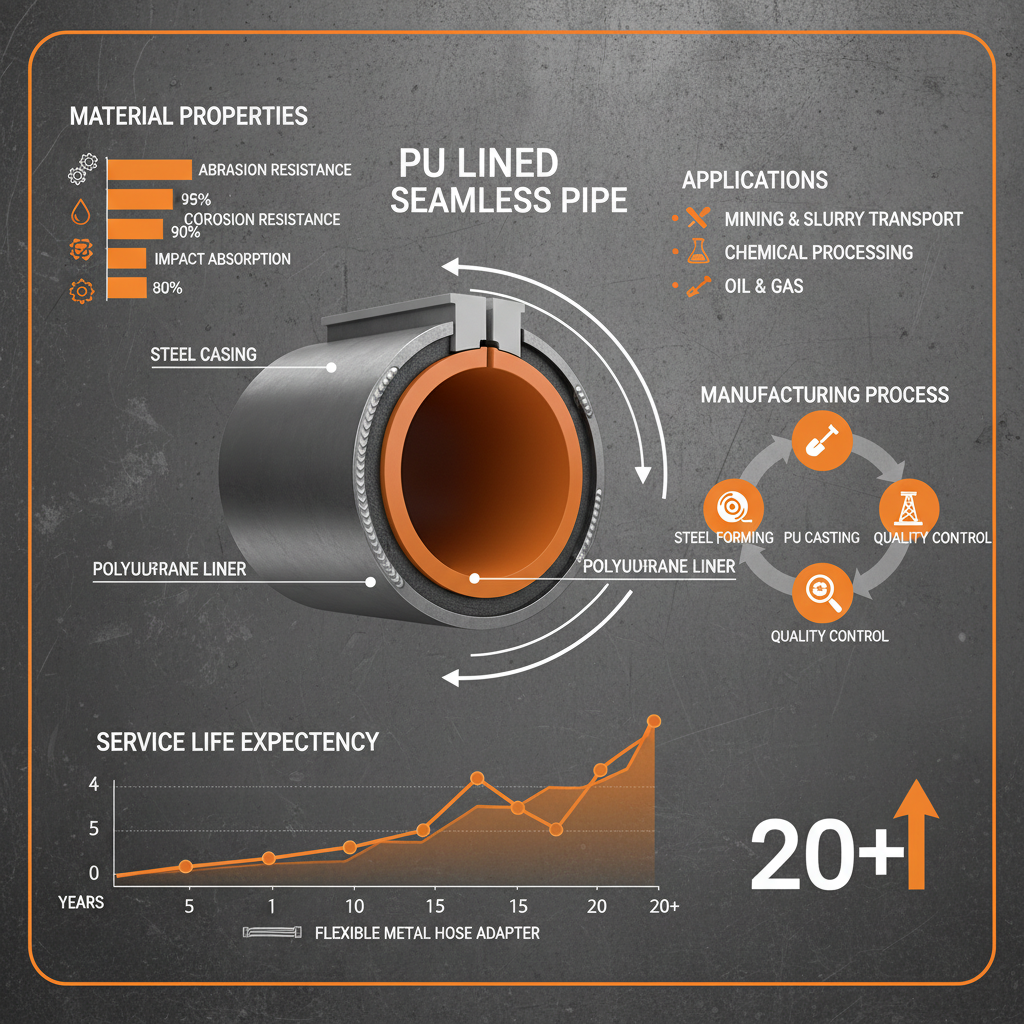
In simple terms, a pu lined seamless pipe is a hybrid conduit consisting of a seamless carbon steel outer tube and a precision-cast polyurethane inner layer. Unlike welded pipes, the seamless outer shell is manufactured through extrusion or piercing, removing the "heat-affected zone" where corrosion typically starts. This creates a monolithic pressure vessel that can withstand extreme external loads.
The interior polyurethane lining acts as a sacrificial and protective barrier. Polyurethane is selected for its unique ability to absorb the energy of impacting particles—such as sand, ores, or chemical crystals—rather than allowing them to gouge the surface. This "bounce-back" effect is what separates a high-quality pu lined seamless pipe from standard rubber-lined alternatives.
Modern humanitarian and industrial needs, particularly in clean water transport and toxic waste management, require piping that guarantees zero leakage. The seamless nature of the host pipe, combined with the chemically inert properties of the PU lining, ensures that contaminants do not leach into the environment, fulfilling strict environmental safety protocols.
Core Technical Factors for Performance
The durability of a pu lined seamless pipe is primarily determined by the bonding strength between the steel and the polymer. Proper surface preparation, such as grit blasting to a specific profile, ensures that the polyurethane adheres chemically and mechanically, preventing "delamination" or "blistering" when the pipe is subjected to vacuum conditions or rapid pressure changes.
Scalability and versatility are achieved through the adjustment of the polyurethane's hardness (measured in Shore A or Shore D). For high-impact slurry, a softer, more elastic lining is used in the pu lined seamless pipe to absorb shocks; for high-velocity fine particles, a harder lining is employed to provide maximum abrasion resistance.
Cost efficiency is realized over the total lifecycle of the installation. While the initial investment in a pu lined seamless pipe may be higher than that of uncoated steel, the reduction in maintenance intervals and the elimination of frequent patching lead to a significantly lower Total Cost of Ownership (TCO).
Global Applications and Industrial Use Cases
The application of the pu lined seamless pipe is most evident in the mining industry, particularly in the transport of tailings and ore slurries. In remote industrial zones of the Andes or the African Copperbelt, these pipes are used to move abrasive materials over long distances without the risk of catastrophic wall thinning.
Beyond mining, these pipes are indispensable in dredging operations. When extracting sediment from harbors or riverbeds, the mixture of water, salt, and abrasive silt would destroy standard piping in weeks. A pu lined seamless pipe provides the necessary resilience to handle these fluctuating conditions while maintaining a smooth internal bore to reduce friction losses.
Performance Analysis of Various PU Lined Seamless Pipe Configurations
Long-term Value and Operational Advantages
The most tangible benefit of adopting a pu lined seamless pipe is the drastic increase in operational reliability. In high-stakes environments, the psychological value of "trust" in the equipment cannot be overstated; knowing that the piping can withstand unexpected surges in abrasive load provides engineers with the confidence to optimize flow rates for maximum productivity.
From a sustainability perspective, the extended lifespan of these pipes reduces the carbon footprint associated with the manufacturing and transportation of replacement steel. By choosing a pu lined seamless pipe, companies transition from a "fail-and-fix" mentality to a "predict-and-prevent" strategy, aligning their operations with global ESG (Environmental, Social, and Governance) goals.
Future Trends in Polyurethane Lining Technology
The next generation of pu lined seamless pipe technology is moving toward "smart linings." Researchers are integrating nano-sensors into the polyurethane layer to monitor wall thickness in real-time. This digital transformation will allow operators to detect internal wear via a digital twin, eliminating the need for manual ultrasonic testing and reducing hazardous inspections.
Furthermore, the industry is exploring the use of bio-based polyurethanes to replace petroleum-derived polymers. These eco-friendly linings aim to provide the same abrasion resistance as traditional PU while reducing the environmental impact of the production process, making the pu lined seamless pipe a truly green industrial component.
Automation in the lining process—using robotic centrifugal casting—is also improving the uniformity of the lining thickness. This ensures that every millimeter of the pu lined seamless pipe provides consistent protection, removing the human error associated with manual spraying or pouring techniques.
Challenges and Expert Engineering Solutions
One of the primary challenges with pu lined seamless pipe installation is the thermal expansion coefficient difference between steel and polyurethane. If not managed, extreme temperature fluctuations can cause the lining to pull away from the shell. Expert solution: The use of specialized primers and "graded" polyurethane layers that transition in hardness to absorb thermal stress.
Another common limitation is the vulnerability of polyurethane to certain strong oxidizing agents and high-temperature steam. To overcome this, engineers often recommend a hybrid approach, utilizing specialized fluoro-elastomer additives within the PU matrix of the pu lined seamless pipe to enhance chemical compatibility without sacrificing abrasion resistance.
Lastly, the precision of jointing these pipes is critical. Since the lining extends to the edge, standard welding can burn the PU. The professional solution involves using specialized flanged couplings or internal sleeve joints that maintain the continuity of the pu lined seamless pipe lining across the connection point, preventing localized corrosion at the joints.
Comparative Analysis of PU Lined Seamless Pipe Performance Parameters
| Lining Grade |
Abrasion Resistance |
Chemical Stability |
Service Life (Years) |
| Standard PU Lining |
High |
Moderate |
5-8 |
| High-Density PU |
Very High |
Moderate |
8-12 |
| Chemical-Grade PU |
Moderate |
Very High |
6-10 |
| Elastic-Impact PU |
Very High |
Low |
7-11 |
| Nano-Composite PU |
Extreme |
High |
12-20 |
| Unlined Steel |
Low |
Very Low |
1-3 |
FAQS
Polyurethane offers significantly higher abrasion resistance and tear strength compared to natural or synthetic rubber. While rubber is excellent for purely corrosive environments, the pu lined seamless pipe is far more effective when the fluid contains abrasive solids, as it resists gouging and cutting much better than rubber does.
The choice depends on the particle size and velocity. For large, chunky particles at low speeds, a lower Shore hardness is preferred to absorb impact. For fine, high-velocity sands, a higher Shore hardness (Hard PU) is used in the pu lined seamless pipe to prevent the particles from "sandblasting" the surface.
Yes. Because the outer shell is a seamless steel pipe, the structural pressure rating is determined by the steel's wall thickness and grade. The PU lining does not contribute to the pressure strength but provides the necessary internal protection, allowing the pu lined seamless pipe to operate under high-pressure industrial conditions safely.
Depending on the slurry concentration and flow velocity, a pu lined seamless pipe typically lasts 5 to 15 times longer than an unlined carbon steel pipe. In many mining operations, this extends the replacement cycle from every 1-2 years to every 10+ years.
The bonding process involves rigorous surface preparation (sandblasting) followed by the application of a chemical bonding agent. The polyurethane is then cast or sprayed and cured under controlled temperatures, ensuring a covalent bond between the polymer and the steel of the pu lined seamless pipe.
Yes, primarily because they prevent leaks of hazardous slurries into the soil and groundwater. Additionally, their extreme longevity reduces the total volume of steel scrap generated by the industry, making the pu lined seamless pipe a sustainable choice for long-term infrastructure.
Conclusion
The pu lined seamless pipe represents a sophisticated intersection of metallurgy and polymer science, offering an unparalleled solution to the dual challenges of corrosion and abrasion. By combining the leak-proof integrity of seamless steel with the resilient, energy-absorbing properties of polyurethane, this piping system ensures maximum uptime, reduced maintenance costs, and enhanced safety across the mining and chemical sectors.
Looking forward, as industries push toward deeper extraction and more corrosive processing, the evolution of smart, bio-based linings will further solidify the role of the pu lined seamless pipe in global infrastructure. Investing in high-quality lined piping today is not merely an equipment upgrade, but a strategic commitment to operational excellence and environmental stewardship. Visit our website for more professional solutions: www.qwmetal.com