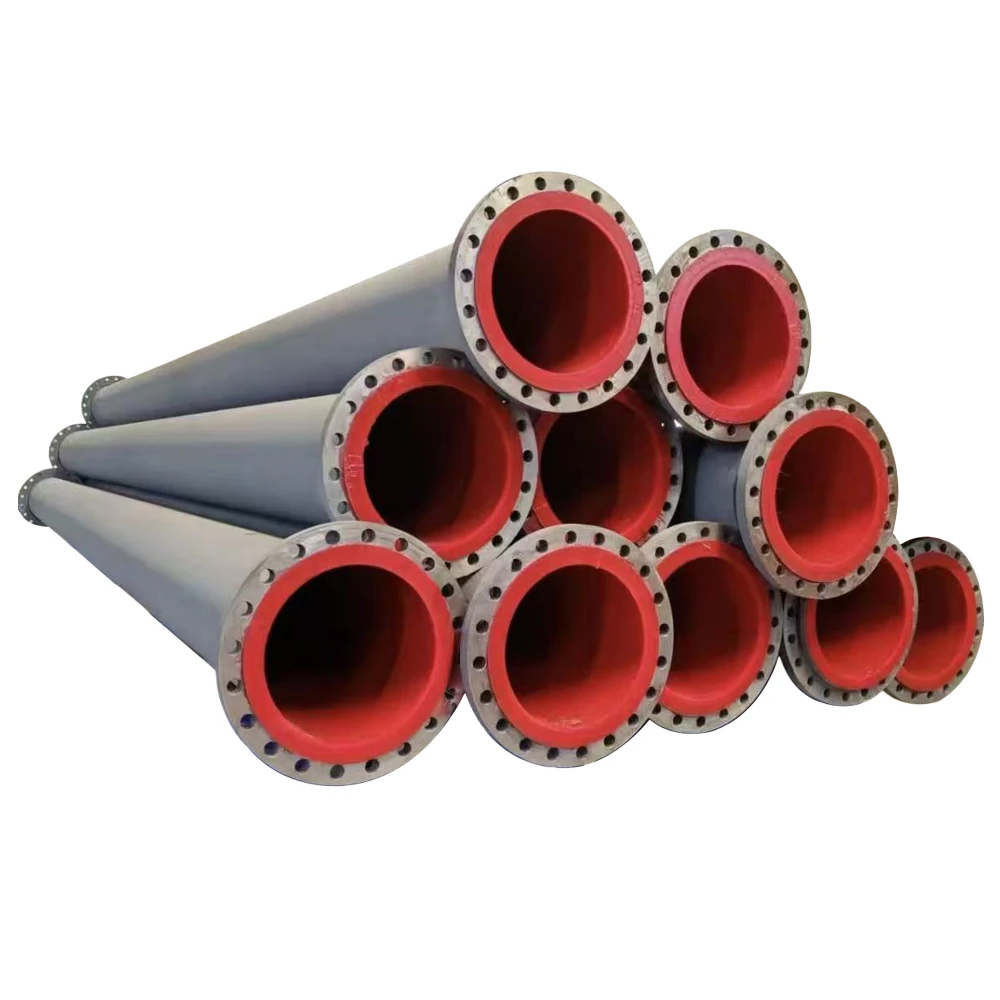
Advanced PTFE lined pipe fitting Solutions for Ecuador's Industrial Sector

High-performance corrosion-resistant lining systems engineered for the demanding mining and oil environments of South America.

Advanced PTFE lined pipe fitting Solutions for Ecuador's Industrial Sector

Providing Ecuadorian industries with superior abrasion and chemical resistance through state-of-the-art lining technologies, ensuring operational longevity in harsh environments.

Current State of Industrial Piping in Ecuador

Analyzing the challenges of corrosion and wear in the Andean and Coastal regions.

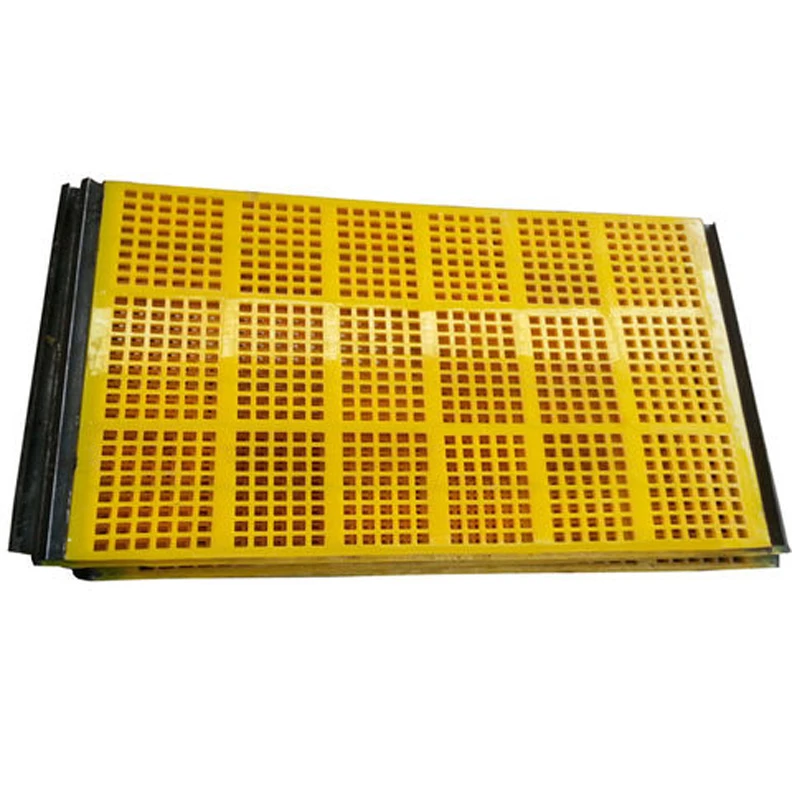
In Ecuador, the industrial landscape is heavily driven by petroleum extraction in the Oriente region and mining operations in the Andes. These sectors face extreme challenges due to the transport of highly abrasive slurries and corrosive chemicals. Traditional steel piping often fails prematurely, leading to costly downtime and environmental risks, creating a critical demand for Rubber lined pipe fittings to handle heavy impact wear.

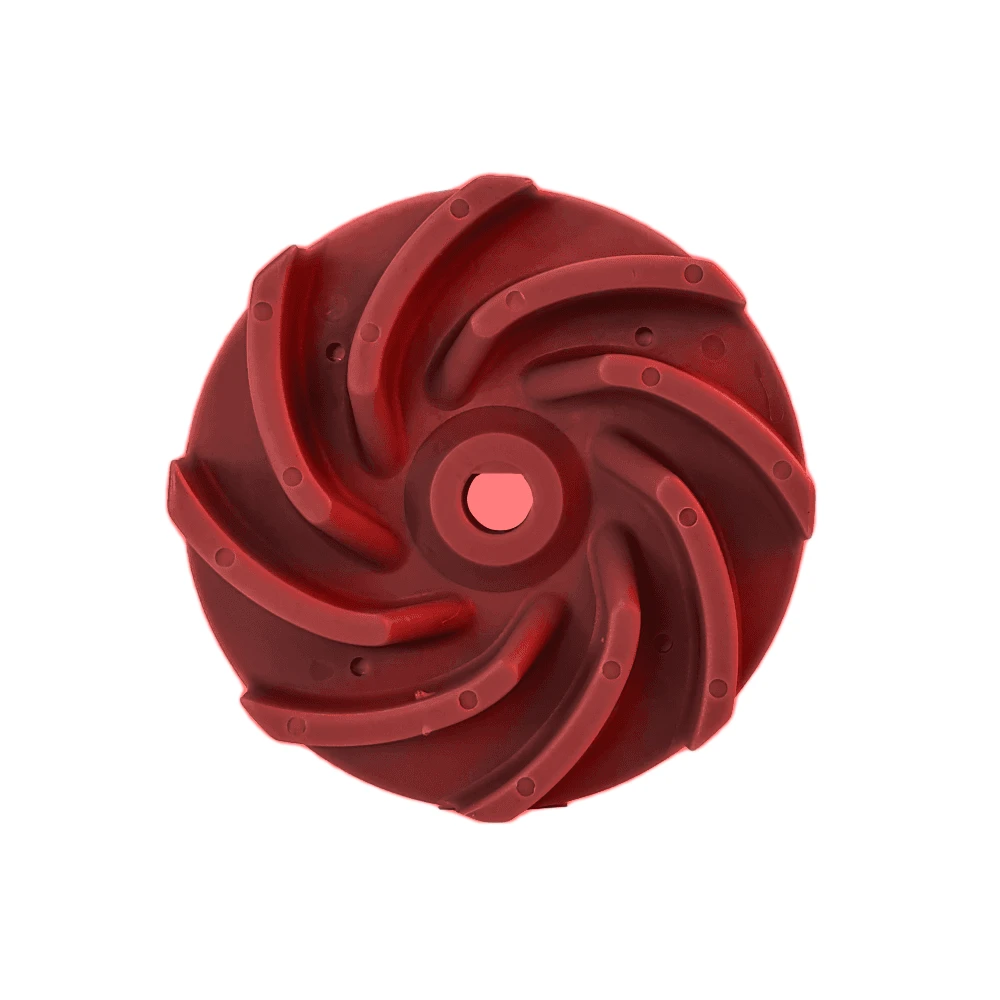
The coastal regions of Ecuador, characterized by high humidity and saline air, accelerate the external corrosion of piping systems. This environmental stress, combined with internal chemical aggression, has pushed local engineers to transition toward advanced polymers. The integration of PU lined pipe has become a strategic choice for those seeking a balance between elasticity and hardness in slurry transport.

Despite the progress, many facilities still rely on outdated lining methods that suffer from delamination. There is a growing market shift toward precision-engineered components such as the PU lined elbow to eliminate turbulence-induced erosion at bend points, ensuring a more stable flow rate and extended maintenance cycles for Ecuadorian plants.
Evolution and Trajectory of Lining Technology

From basic rubber coatings to high-precision fluoropolymer linings.

Market Development History

During the 1990s and early 2000s, the Ecuadorian market primarily utilized basic rubber linings. While effective for general abrasion, these systems lacked the chemical specificity required for complex mineral processing. This era was defined by frequent replacements and manual patching of leaks.

Between 2010 and 2020, the industry saw a technical iteration toward Polyurethane (PU) and PTFE. The introduction of the PU lined tee allowed for more complex piping architectures in mining plants, providing superior resistance to the "sand-blasting" effect of ore slurries compared to traditional rubber.

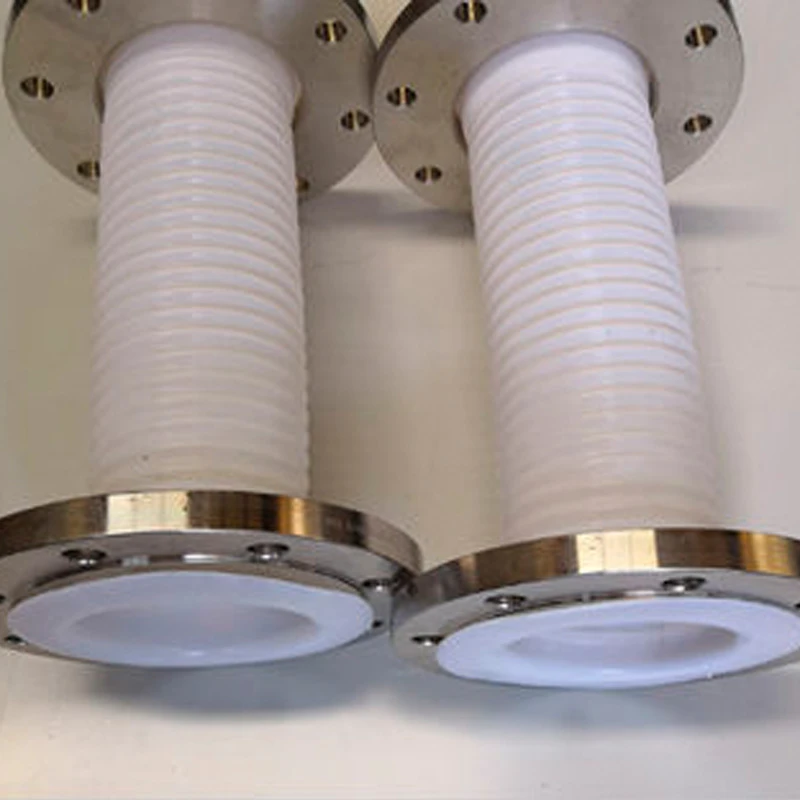
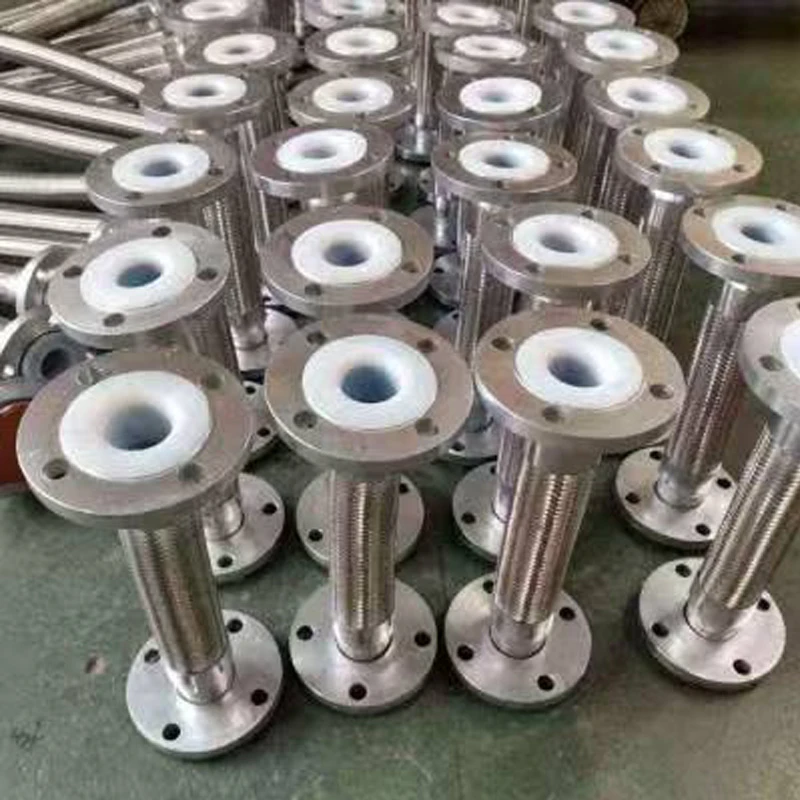
By 2023, the focus shifted toward "Zero Leakage" initiatives. This led to the adoption of high-grade fluoropolymers, where the PTFE lined pipe fitting became the gold standard for transporting aggressive acids and solvents in the chemical processing plants of Guayaquil and Quito.

Future Development Trends

Nano-Composite Hybrid Linings

The next 3 years will see the rise of nano-reinforced PU, increasing the tear strength of the lining by 40% to handle larger particle sizes in mining.

Smart Monitoring Integration

Integration of embedded sensors within the lining wall to provide real-time wear data, moving from scheduled maintenance to predictive maintenance.

Eco-Friendly Fluoropolymers

A shift toward PFA and advanced PTFE variations that comply with stricter South American environmental regulations regarding PFAS emissions.

Industry Trends and Future Outlook

Strategic directions for metal lining and fitting manufacturing.

Material Optimization
Transitioning from standard polymers to high-density PU and PTFE for extreme pressure environments.
Modular Fitting Design
Implementing quick-swap lining inserts to reduce the MTTR (Mean Time To Repair) in mining plants.
Digital Twin Modeling
Using CFD simulations to optimize the geometry of lining to minimize fluid turbulence.
Sustainable Sourcing
Reducing carbon footprints in the manufacturing process of steel shells for lined pipes.

Industry Outlook

The future of the metal lining industry in Ecuador is inextricably linked to the modernization of its extractive industries. Google search trends indicate a significant rise in queries for "corrosion-resistant alloys" and "polymer lining life-cycle," suggesting that local procurement officers are shifting from "lowest initial cost" to "lowest total cost of ownership."

Over the next 5 years, we expect a surge in demand for multi-layer lining systems. By combining the impact resistance of rubber with the chemical inertness of PTFE, manufacturers can provide specialized solutions that withstand the unique volatile conditions of South American mineral processing.

Local Application Scenarios in Ecuador

Practical implementation of lined piping across diverse Ecuadorian sectors.

1. Gold Mining Slurry Transport in the Andes

In high-altitude mining operations, the transport of abrasive gold ore requires PU lined pipe to prevent rapid wall thinning and pipe bursts due to high-velocity particulate flow.

2. Oil Refinery Acid Handling in Esmeraldas

Refineries utilize PTFE lined pipe fitting components to handle sulfuric acid and other corrosive catalysts, ensuring zero leakage and compliance with safety standards.

3. Banana Pulp Processing in Coastal Zones

Agricultural processing plants use Rubber lined pipe fittings to manage organic waste slurries, where the elasticity of the rubber absorbs the impact of irregular organic debris.

4. Chemical Fertilizers Plant in Guayaquil

For the distribution of phosphoric acid, the use of a PU lined elbow is critical to prevent erosion at high-stress change-of-direction points in the pipeline.

5. Hydroelectric Power Plant Silt Removal

Silt removal systems at hydroelectric dams implement PU lined tee junctions to split flow paths of abrasive sediment without compromising the structural integrity of the steel pipe.

Brand Story

Global Development Journey of Hebei Qiaowan Metal Products Co., Ltd.

Foundational Excellence

Established with a vision to solve the industry's most stubborn corrosion problems, we began by perfecting the bonding process between steel and polymers.

Technical Breakthroughs

We developed a proprietary vulcanization technique that eliminates air bubbles in lining, significantly reducing the risk of delamination in high-pressure systems.

Global Market Expansion

Expanding our footprint to South America, we tailored our product lines to meet the specific abrasive challenges of the Ecuadorian mining sector.

Certification and Standards

Achieving international quality certifications, ensuring that every fitting produced meets rigorous global safety and durability standards.

Future Vision

Our mission is to lead the transition toward sustainable, ultra-long-life piping systems that eliminate industrial leaks and protect the environment.

Comprehensive Lined Piping Portfolio for Ecuador

A full suite of corrosion and abrasion-resistant components for South American industrial projects.

Frequently Asked Questions in Ecuador

Technical guidance for selecting the right lining for your application.

What is the best alternative to rubber for abrasive slurry in Ecuador?

For high-velocity abrasive slurries, a PU lined pipe is often superior to rubber because it offers higher tear strength and better abrasion resistance, specifically for mineral processing.

How does PTFE lining perform against aggressive acids?

A PTFE lined pipe fitting provides near-universal chemical resistance, making it ideal for the most aggressive acids and solvents used in chemical plants.

Can I use PU lined elbows in high-temperature environments?

Polyurethane has temperature limits. If your process exceeds 80-100°C, we recommend switching from a PU lined elbow to a PTFE-based solution for thermal stability.

What are the advantages of Rubber lined pipe fittings over PU?

Rubber lined pipe fittings are generally more flexible and better at absorbing large-particle impacts, making them cost-effective for lower-velocity, high-impact waste lines.

How to prevent delamination in PU lined tee junctions?

Delamination is prevented by using high-precision bonding agents and controlled thermal curing. Our PU lined tee units undergo vacuum testing to ensure a perfect bond.

What is the average lifespan of a PTFE lining in refineries?

Depending on the chemical concentration and flow velocity, a high-quality PTFE lined pipe fitting can last 10-15 years, significantly reducing the frequency of system overhauls.

Request a Technical Consultation

Optimize your industrial piping systems with our expert engineering support. We provide tailored lining solutions for the unique environmental conditions of Ecuador.

Contact Us Now
phone
email
Whatsapp
phoneFoot

If you are interested in our products, you can choose to leave your information here, and we will be in touch with you shortly.


  • whatsapp

Need Help?
Drop us a message using the form below.