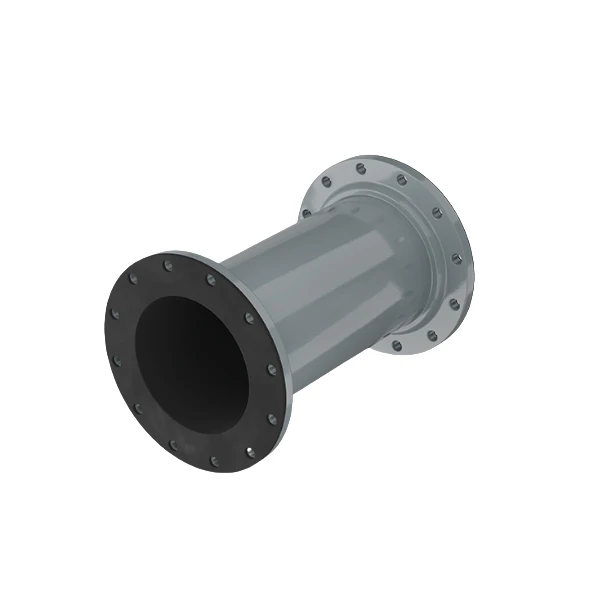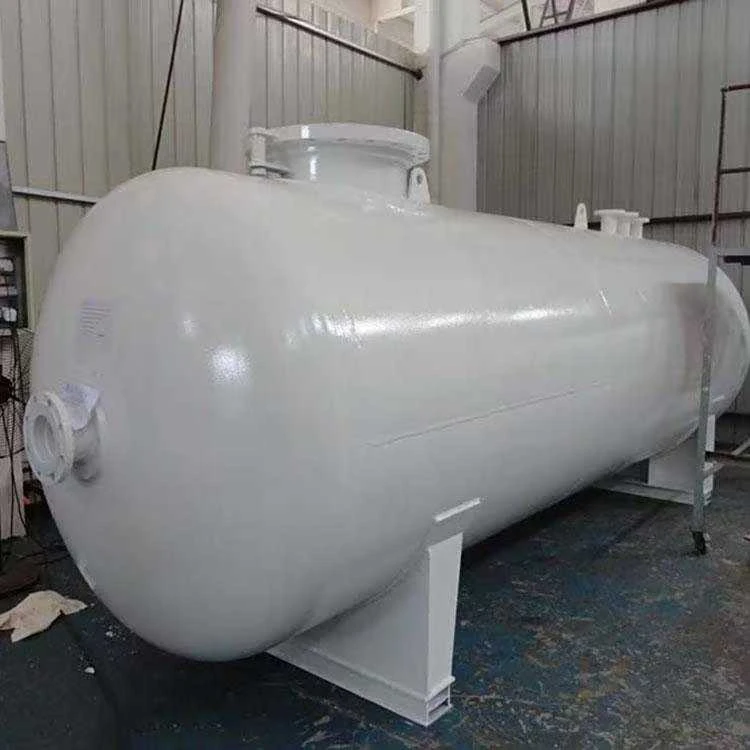
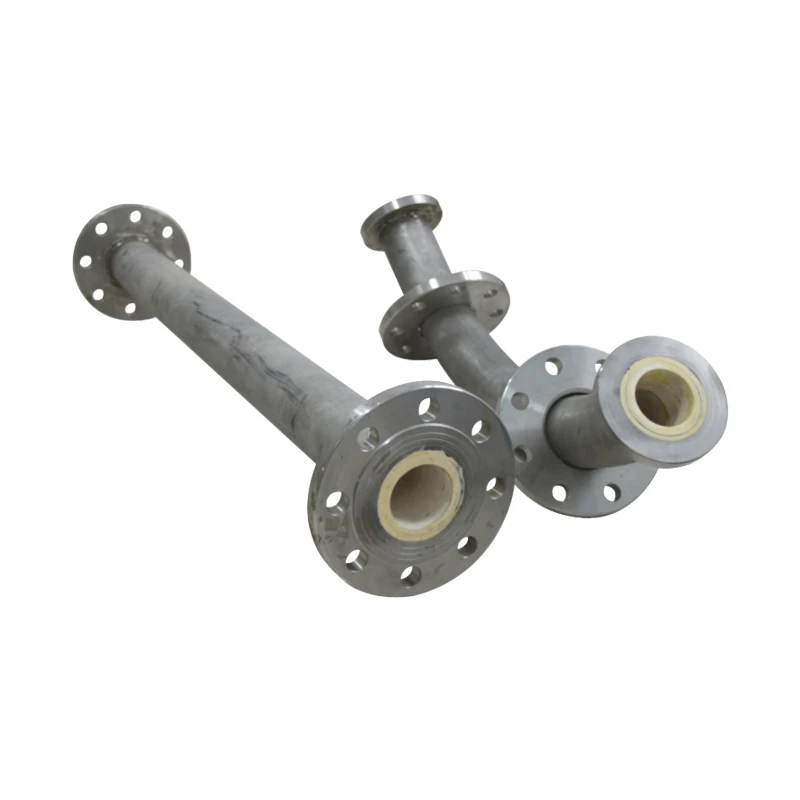
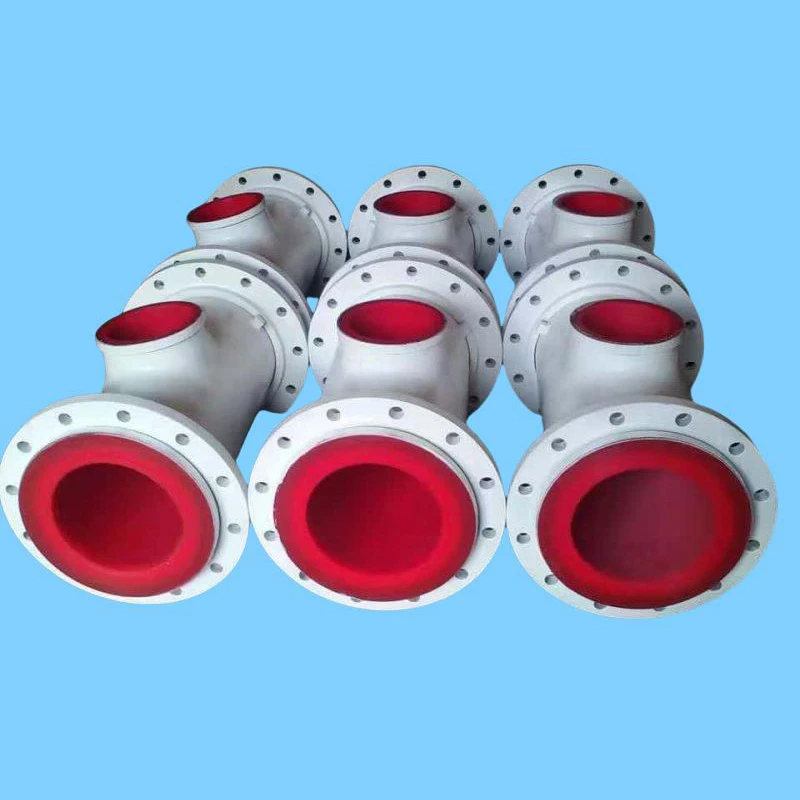
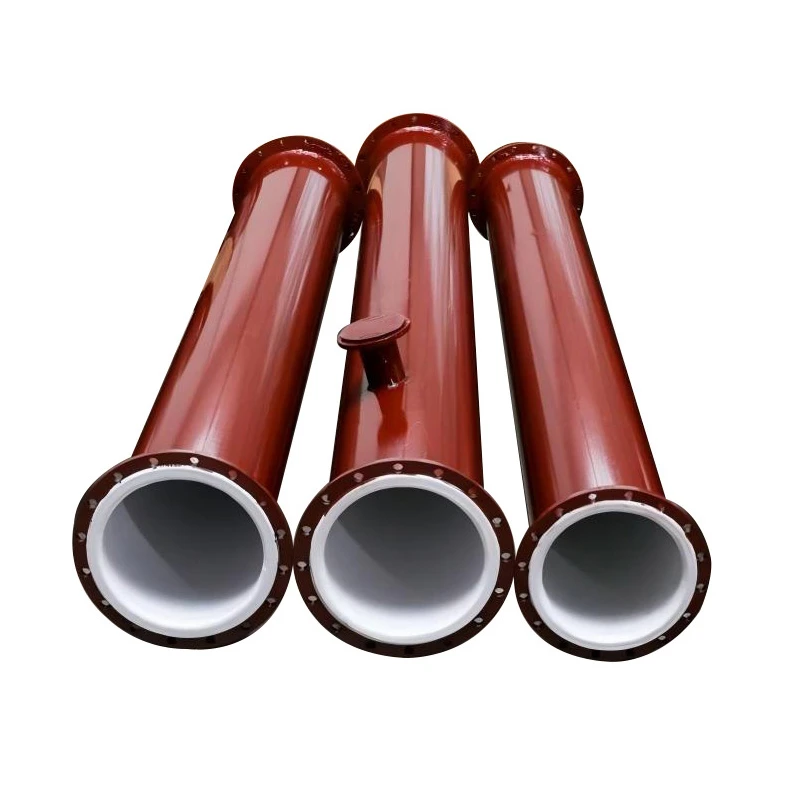
Industrial Lining Solutions for Venezuela: High-Performance PTFE lined pipe fitting

Engineering corrosion-resistant fluid transport systems tailored for the Venezuelan oil, gas, and chemical processing sectors.

Industrial Lining Solutions for Venezuela: High-Performance PTFE lined pipe fitting

Providing the heavy industry of Venezuela with advanced protective lining technologies to ensure operational safety and long-term durability in extreme environments.

The Current State of Industrial Piping in Venezuela

Analyzing the challenges of corrosion and abrasion in South American heavy industry.

In Venezuela, the industrial landscape is dominated by the oil and gas sector, where the transport of highly corrosive crude and chemical agents requires specialized equipment. The high humidity and saline coastal environments accelerate the degradation of standard carbon steel pipes, making the adoption of PU lined pipe essential for reducing maintenance downtime.

Many existing facilities are dealing with aging infrastructure that struggles to meet modern safety standards. The shift toward using Rubber lined pipe fittings has become a strategic necessity for slurry transport and abrasive mining operations in the Orinoco Belt, where traditional materials fail prematurely.

Furthermore, the increasing demand for chemical precision in local refineries has led to a surge in the utilization of PU lined elbow and tee components, which provide a critical barrier against chemical attack and internal erosion.
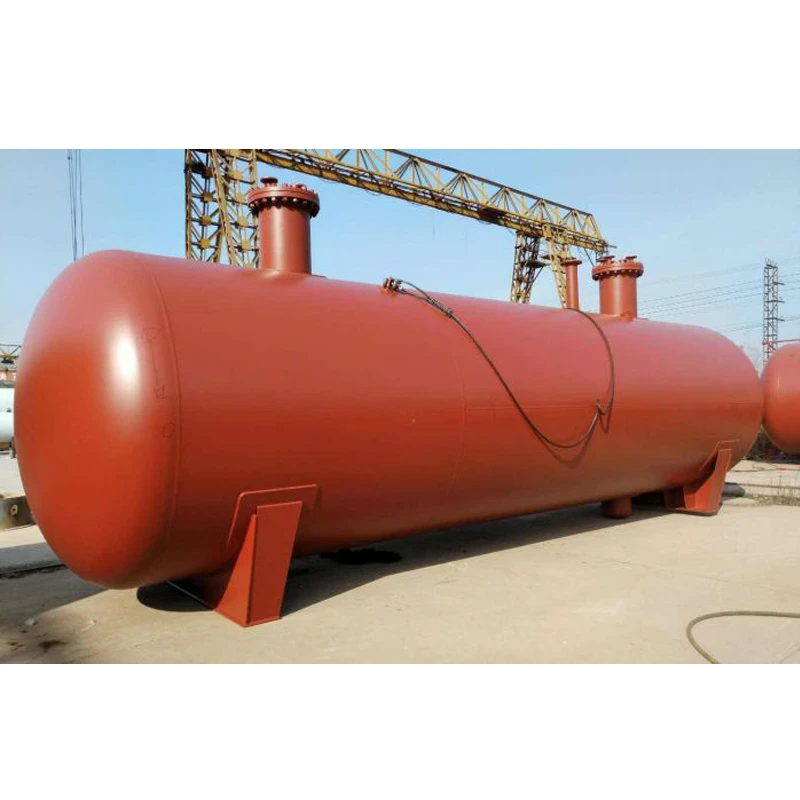
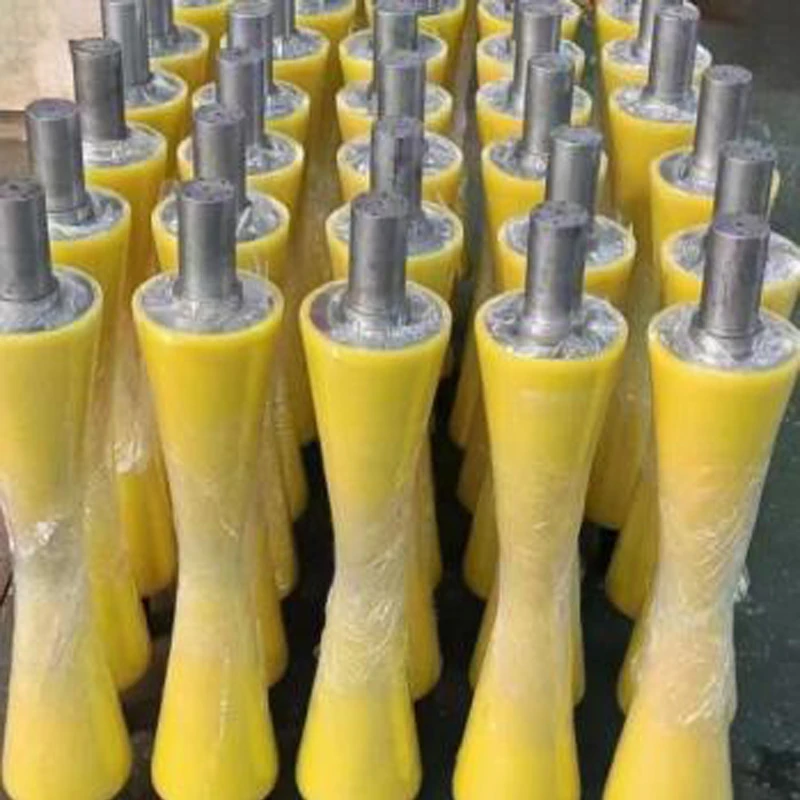
Evolution and Technical Trajectory of Lining Systems

From basic coatings to high-performance engineered polymers.

Market Development History

Historically, the Venezuelan market relied on simple epoxy coatings and thick-walled steel during the mid-20th century. However, these provided limited resistance to the aggressive sulfuric compounds found in local heavy crude oil, leading to frequent pipe bursts and leaks.

Between 2000 and 2015, there was a significant transition toward polymer linings. The introduction of PU lined tee and specialized joints allowed for better fluid dynamics and a marked increase in the lifespan of piping networks in chemical plants.

In the last decade, the focus has shifted toward "Ultra-High Performance" materials. The integration of fluoropolymers and advanced elastomers has enabled the industry to handle higher temperatures and more volatile chemicals with near-zero permeability.

Future Development Trends

Smart Composite Integration

We anticipate a move toward "intelligent" linings that incorporate sensor technology to detect thin-wall sections before a breach occurs, reducing the risk of environmental spills.

Enhanced Thermal Resistance

Future iterations will focus on expanding the temperature range of polymer linings, allowing PTFE lined pipe fitting components to operate in higher-heat steam environments.

Eco-Friendly Polymer Sourcing

Driven by global ESG standards, the trend is moving toward bio-based polyurethane and recyclable rubber compounds to minimize the ecological footprint of industrial installations.

Industry Outlook and Technological Forecasting

Predicting the next 3-5 years of fluid handling evolution in Venezuela.

Anti-Corrosive Dominance
Increased adoption of PTFE and PU linings to combat the acidic nature of Venezuelan heavy oil.
Modular Installation
Shift toward prefabricated lined modules to reduce on-site installation time in remote areas.
Abrasion Resistance
Developing hyper-elastic rubber linings specifically for the sandy terrains of Venezuelan mines.
Life Cycle Costing
Moving from lowest-bid procurement to Total Cost of Ownership (TCO) models for piping.

Industry Outlook

Based on Google search trends in the region, there is a growing interest in "maintenance-free piping" and "chemical-resistant fittings." This indicates that Venezuelan plant managers are prioritizing long-term reliability over short-term capital expenditure.

We expect the integration of high-grade polymers to become the default standard for all new refinery projects in Venezuela, ensuring compliance with international safety and environmental regulations.

Localized Application Scenarios in Venezuela

Practical implementations of lined piping systems in Venezuelan industrial hubs.

01. Orinoco Heavy Oil Extraction

Using PU lined pipe to transport viscous, abrasive heavy crude, reducing friction and preventing internal wall erosion during extraction.

02. Coastal Chemical Processing Plants

Implementation of PTFE lined pipe fitting in facilities near the Caribbean coast to resist both internal chemical corrosion and external salt-spray oxidation.

03. Mining Slurry Transport in Bolivar State

Deploying Rubber lined pipe fittings for the movement of mineral tailings, providing the impact resistance necessary for heavy particulate flow.

04. Refinery Desalination Units

Integrating PU lined elbow components in water treatment and desalination loops to handle brine and aggressive cleaning agents.

05. Industrial Waste Acid Neutralization

Utilizing PU lined tee joints in waste management systems to ensure leak-proof transport of neutralized acidic effluents.

Brand Story

Global Development Journey of Hebei Qiaowan Metal Products Co., Ltd.

Foundation of Excellence

Started as a dedicated forge shop, focusing on the precision manufacturing of basic metal connectors for the regional domestic market.

Technical Diversification

Expanded into polymer lining technologies, mastering the fusion of metal strength and polymer chemical resistance.

International Expansion

Established strategic export channels to South America, specifically solving the corrosion challenges of the Venezuelan oil sector.

Certification and Quality

Achieved international ISO and quality certifications, ensuring every fitting meets the rigorous demands of global petrochemical standards.

Future Vision

Committed to developing zero-leakage, ultra-durable lining solutions that protect both industrial assets and the global environment.

Comprehensive Lined Piping Portfolio for the Venezuelan Market

A full suite of corrosion-resistant solutions designed for maximum operational uptime.

Common Industrial Piping Questions in Venezuela

Technical insights for procurement engineers and plant managers.

Which is better for Venezuelan crude oil: PU lined pipe or Rubber lined?

For abrasive slurry and high-impact particulates, rubber is superior. However, for chemical resistance and smoother flow of viscous oils, PU lined pipe is the preferred choice.

How does a PTFE lined pipe fitting handle high-pressure chemicals?

The PTFE lining provides near-universal chemical inertness, while the outer metal shell provides the structural strength to withstand high operating pressures.

What is the lifespan of a PU lined elbow in abrasive environments?

Depending on the flow velocity and particulate size, a high-grade PU lined elbow can last 3-5 times longer than uncoated carbon steel pipes.

Are Rubber lined pipe fittings suitable for saltwater environments?

Yes, rubber linings provide an excellent barrier against salt-water corrosion, making them ideal for coastal industrial installations in Venezuela.

Can a PU lined tee be welded on-site?

The outer metal shell can be welded, but extreme care must be taken to protect the internal PU lining from heat damage during the process.

How to choose between PTFE and PU lining for chemical transport?

Choose PTFE for extreme temperatures and highly aggressive acids; choose PU for abrasion resistance and general chemical handling at moderate temperatures.

Request a Technical Consultation

Our engineering team is ready to provide customized lining specifications for your projects in Venezuela.

Contact Us Now
phone
email
Whatsapp
phoneFoot

If you are interested in our products, you can choose to leave your information here, and we will be in touch with you shortly.


  • whatsapp

Need Help?
Drop us a message using the form below.