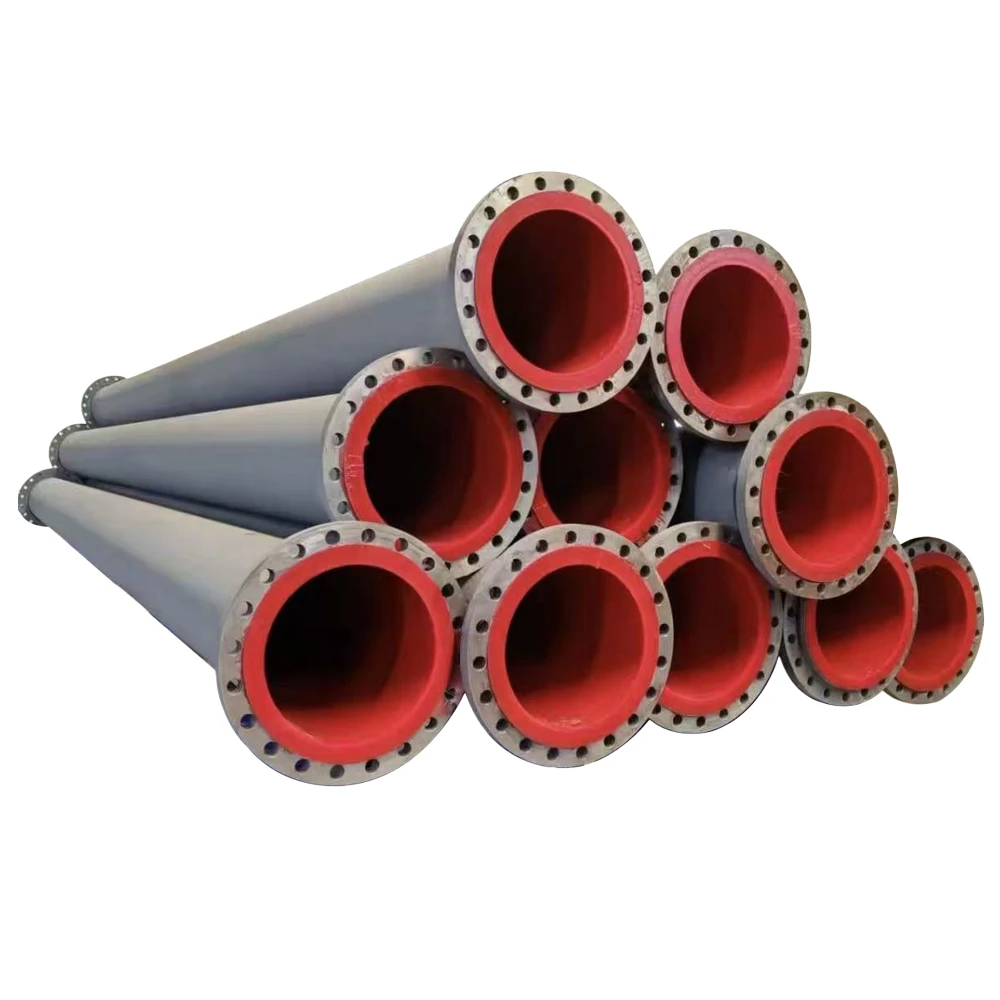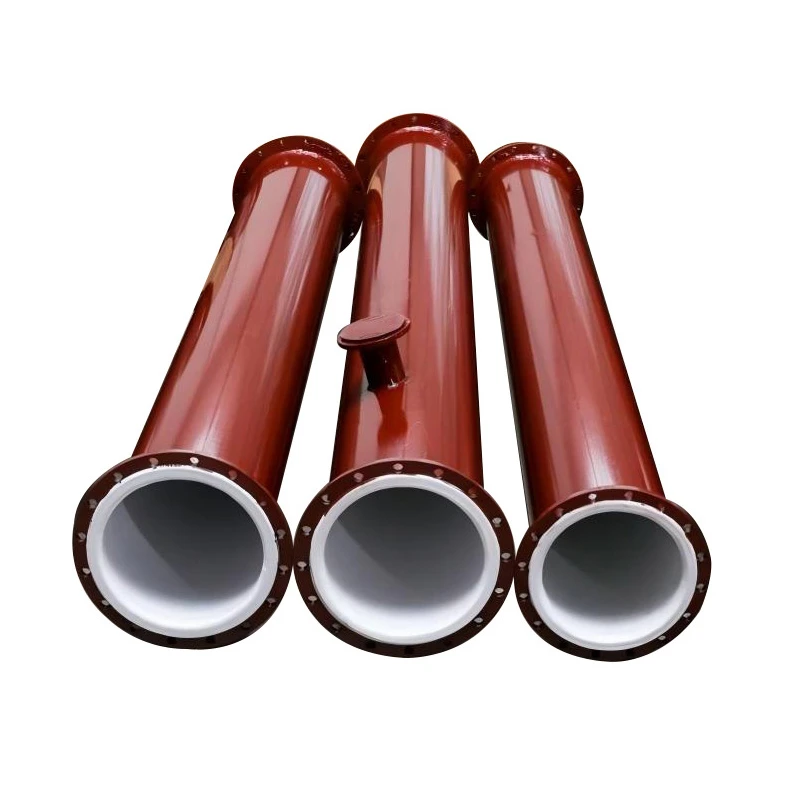

Polytetrafluoroethylene (PTFE) lined piping systems represent a critical engineering solution for the transport of highly corrosive and temperature-sensitive media. By integrating a non-reactive fluoropolymer lining within a high-strength metal shell, these systems bridge the gap between the chemical resistance of plastics and the mechanical durability of steel. This article examines the technical architecture and procurement considerations essential for industrial fluid handling.
In complex chemical processing and pharmaceutical environments, the primary challenge is preventing material contamination while ensuring structural integrity under high pressure. Standard metallic pipes often succumb to oxidation and acid attack, whereas unreinforced plastics fail under mechanical stress. The synthesis of these materials allows for the safe transfer of aggressive substances without the risk of leakage or degradation of the transport medium.
Readers will explore the specific material synergies that define these hoses, the critical temperature thresholds for operation, and the evaluation criteria for selecting a manufacturing partner. For those managing procurement, understanding the trade-offs between flexibility and pressure rating is key to optimizing the lifecycle value of wholesale ptfe lined pipe installations in harsh industrial settings.
Engineering Fundamentals of PTFE Lining
The core utility of a PTFE-lined system lies in the molecular structure of Polytetrafluoroethylene. The strong carbon-fluorine bonds create a virtually inert surface that resists almost all known chemicals, including concentrated acids, alkalis, and organic solvents. From an engineering perspective, the lining acts as a sacrificial and protective barrier, while the outer metal layer—typically stainless steel—provides the necessary hoop strength to withstand internal pressure and external mechanical impact. This dual-layer approach ensures that the system can be integrated into existing industrial piping networks without compromising safety. Furthermore, the low coefficient of friction inherent to PTFE minimizes turbulence and pressure drops across the line, enhancing overall energy efficiency in fluid transport. The manufacturing process requires precise extrusion and bonding techniques to ensure that the lining remains seamless and free of voids, which would otherwise lead to premature failure through permeation or collapse under vacuum conditions.
Strategic Sourcing and Technical Evaluation
Selecting the appropriate lining system requires a multi-dimensional analysis of the operational environment, the chemical properties of the media, and the mechanical constraints of the installation site. The following sections break down the critical technical factors that influence performance and longevity.
Material Composition and Synergies
The performance of the hose is determined by the interaction between the PTFE inner core and the metal exterior. While the PTFE handles the chemistry, the outer layer manages the physics. Stainless steel is preferred for its own corrosion resistance and structural rigidity, ensuring the hose does not kink during installation.
| Component | Primary Material | Key Function | Critical Property |
|---|---|---|---|
| Inner Lining | Virgin PTFE | Chemical Barrier | Non-reactivity |
| Outer Layer | Stainless Steel | Structural Support | Tensile Strength |
| Reinforcement | Steel Braiding | Pressure Control | Burst Resistance |
| End Fittings | Alloy Steel/SS | System Integration | Leak-proof Sealing |
| Interface | Bonding Agent | Lining Stability | Adhesion Strength |
| External Wrap | Polymer/Metal | Abrasion Shield | Wear Resistance |
Thermal Stability and Cryogenic Performance
One of the most significant advantages of PTFE is its extraordinary temperature range, remaining functional from -200°C to +260°C. This makes it indispensable for cryogenic applications, such as the transport of liquefied gases, where other polymers would become brittle and crack. At the upper end of the spectrum, it maintains stability in high-heat chemical reactions, preventing the lining from melting or releasing volatile organic compounds (VOCs) into the process stream.
Chemical Inertness and Permeation Resistance
PTFE is chemically inert, meaning it does not react with the media it transports. This is crucial in the pharmaceutical and food industries to avoid contamination. However, procurement specialists must evaluate the "permeation rate"—the speed at which small gas molecules can migrate through the polymer wall. In high-vacuum or highly toxic environments, the thickness of the PTFE lining must be optimized to prevent hazardous leaks through the material itself.
Mechanical Reinforcement and Pressure Ratings
While PTFE is chemically strong, it is mechanically soft. To prevent the hose from bursting or expanding under pressure, additional metal braids are applied. The number of braids and the weave density directly correlate to the maximum allowable working pressure (MAWP). Buyers must ensure that the specified pressure rating exceeds the peak system surge pressure to avoid catastrophic failure.
Flow Dynamics and Friction Reduction
The smooth internal surface of PTFE significantly reduces fluid friction. This "slick" characteristic prevents the buildup of sticky residues or precipitates, which are common in chemical processing. By minimizing the boundary layer friction, these pipes reduce the load on pumps and decrease the likelihood of clogging, thereby lowering long-term maintenance costs and improving throughput.
Industrial Application Environments
These systems are deployed across diverse sectors: in Petrochemicals for crude oil byproducts, in Pharmaceuticals for sterile bioprocessing, and in Mining for abrasive slurry transport. In each case, the configuration varies; for instance, food-grade applications require specific PTFE purity levels, while oil and gas applications prioritize the external corrosion resistance of the metal shell.
Procurement Quality Assurance
When evaluating suppliers, technical capacity is paramount. Hebei Qiao Wan Metal Products Co., Ltd. utilizes a team of senior engineers and technicians to optimize design and material selection. Quality assurance should focus on the seamlessness of the lining and the precision of the end-fitting attachments, as these are the most common points of failure in inferior products.
FAQ
What is the main difference between a PTFE-lined hose and a standard rubber hose?
The primary difference is chemical and thermal resistance. Rubber hoses degrade when exposed to strong acids or extreme temperatures. PTFE is nearly inert, allowing it to handle aggressive chemicals and temperatures from -200°C to +260°C without degrading, while the metal outer layer provides superior mechanical strength compared to rubber.
Can these hoses be used for food-grade applications?
Yes, PTFE is widely used in food and beverage industries because it is non-toxic and does not react with food-grade liquids or oils. Its smooth surface prevents bacterial buildup and ensures that no contaminants are introduced into the product stream during transfer.
How do I determine the correct pressure rating for my application?
You must identify the maximum peak pressure your system will reach, including potential surges. Compare this against the hose's Maximum Allowable Working Pressure (MAWP). It is recommended to choose a hose with a rating at least 20-25% higher than your peak operating pressure for a safety margin.
What causes the inner lining of a PTFE pipe to fail?
The most common causes of failure are mechanical collapse under vacuum (if the lining is not properly bonded), thermal shock from rapid temperature swings, or physical punctures during installation. Ensuring a high-quality, seamless lining during manufacturing is the best way to prevent these issues.
Is customization available for non-standard lengths or fittings?
Yes, professional manufacturers like Hebei Qiao Wan offer customized solutions. This includes adjusting the hose length, selecting specific metal alloy shells for different environments, and designing custom end-fittings to match the existing piping infrastructure of the client.
How should I maintain PTFE-lined hoses to extend their lifespan?
Regularly inspect the outer metal shell for corrosion or mechanical damage. Avoid exceeding the minimum bend radius to prevent stressing the PTFE lining. Periodic flushing of the line helps remove any accumulated precipitates that could cause localized pressure points or flow restrictions.
References and further reading
- Fluoropolymer Material Properties and Chemical Compatibility Guide.
- Industrial Piping Design Standards for Corrosive Media Transport.
- ASTM International Standards for PTFE Tubing and Linings.