High Performance Industrial PTFE Lined Pipe Manufacturer Guide
Selecting high-performance piping systems for abrasive or corrosive media is a critical decision for industrial plant managers. While many options exist, the integration of advanced polymer linings within a robust structural shell provides the optimal balance of strength and chemical resistance. Whether managing slurry in mining or transporting aggressive chemicals in processing plants, the goal is to minimize downtime caused by premature wear and leakage.
For those seeking a reliable ptfe lined pipe manufacturer, understanding the synergy between the outer carrier and the internal lining is essential. By utilizing materials like polyurethane or PTFE, industries can achieve superior impact absorption and chemical inertness. This guide explores the technical architecture and application logic of high-durability lined piping solutions, ensuring your infrastructure stands the test of time in the harshest environments.

Engineering Architecture: Combining Structural Integrity with Advanced Surface Protection
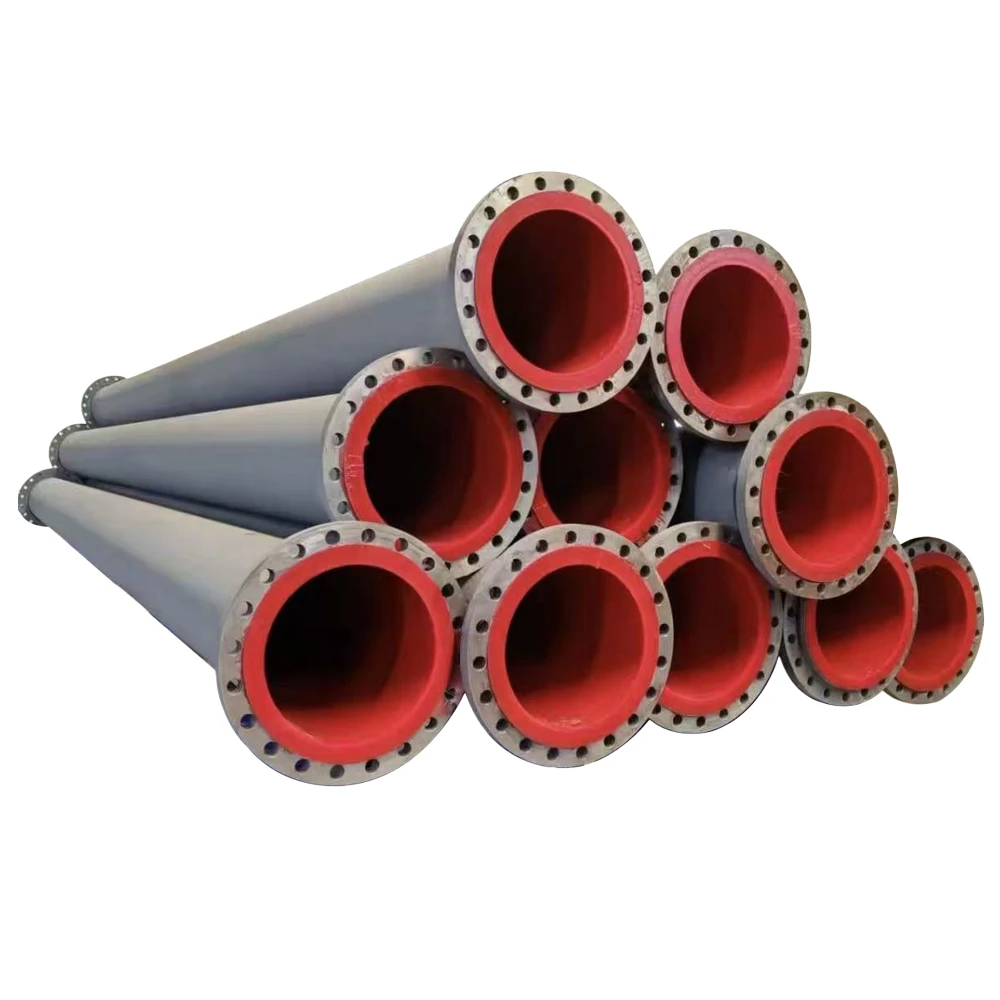
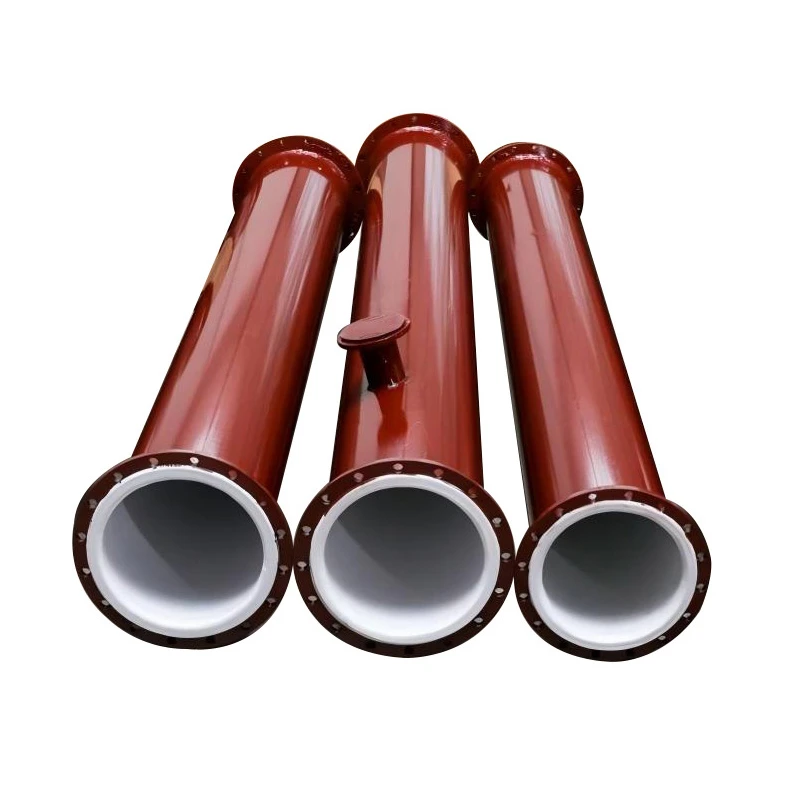
The efficacy of an industrial pipe depends on its ability to handle both internal pressure and external environmental stressors. The structural design typically features a dual-layer approach: a high-strength core—often composed of steel or a reinforced polymer—and a specialized inner lining. The core serves as the skeletal framework, providing the necessary mechanical strength to support heavy loads and withstand high-pressure fluid transportation without deformation.
The inner layer, such as polyurethane, is engineered to act as a sacrificial and protective barrier. Unlike standard metallic pipes, these linings offer exceptional wear resistance and impact absorption. This combination prevents the external shell from coming into direct contact with abrasive particles or corrosive agents, which is why such a ptfe lined pipe manufacturer focuses on the bonding quality between the core and the lining to prevent delamination under thermal cycling or pressure surges.
Furthermore, the integration of high-quality bearings and sealing systems in associated components, like carrier rollers, ensures that the entire conveyor or transport system operates with minimal friction. By reducing the coefficient of friction at the surface, energy efficiency is improved, and the operational noise is significantly dampened, creating a safer and more sustainable working environment.

Operational Advantages Over Traditional Steel and Rubber Alternatives
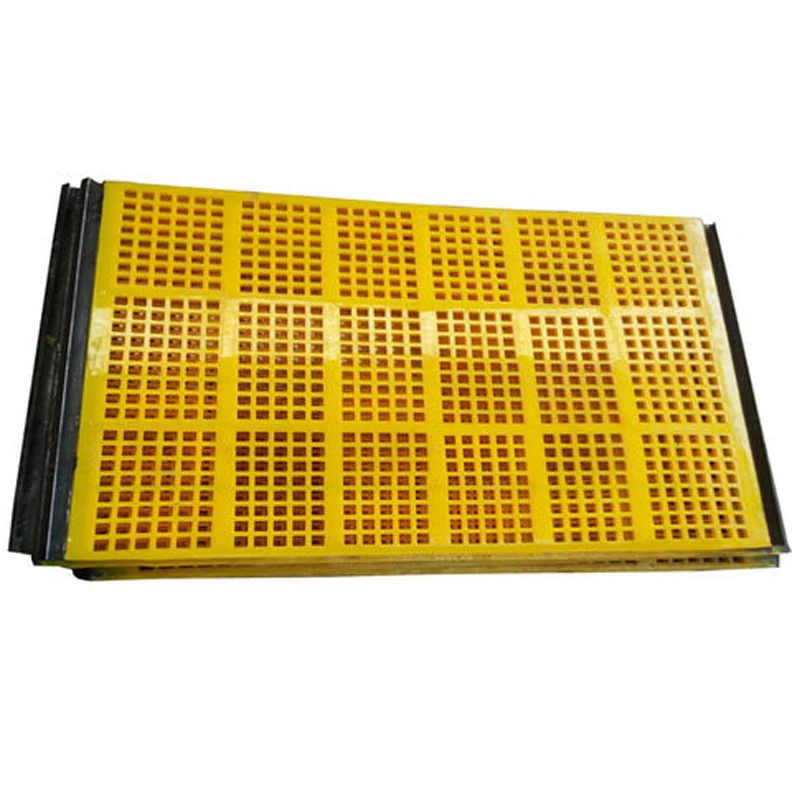
When comparing modern lined pipes to traditional steel or rubber options, the most immediate advantage is the extended service life. Steel pipes are prone to rapid erosion when transporting slurry, and rubber often lacks the chemical resilience required for aggressive industrial solvents. Polyurethane-lined systems bridge this gap by offering a surface that is harder than rubber yet more flexible than steel, allowing it to absorb the kinetic energy of impacting materials without cracking.
From a procurement perspective, the reduction in maintenance costs is a primary driver. Because the polyurethane layer resists rust and corrosion, these pipes are ideally suited for wet or chemically aggressive settings where traditional materials would fail within months. This durability leads to a significant decrease in unplanned downtime, which is often the most expensive part of industrial operations.
Additionally, the lightweight nature of advanced polymer linings contributes to lower installation costs and reduced energy consumption during system operation. The dampening effect of the lining also protects the rest of the piping network from vibration-induced fatigue, enhancing the overall reliability of the fluid or material transport chain.
Industry-Specific Applications and Environmental Suitability
The versatility of lined piping makes it a staple across several heavy-duty sectors. In Mining and Quarrying, these pipes are indispensable for transporting coal, ore, and aggregates. The high abrasion resistance ensures that the internal walls do not thin out despite the constant flow of jagged minerals.
In the Chemical and Food Processing industries, the non-toxic and non-reactive properties of the lining are paramount. For food-grade applications, polyurethane's compliance with safety standards ensures no contamination occurs during transport. Meanwhile, in chemical processing, the lining prevents the aggressive reagents from eating through the structural steel, ensuring leak-free operations.
Construction and Water Management also benefit from these solutions. Handling cement and asphalt requires materials that can withstand both high viscosity and abrasive textures. By utilizing customized lining thicknesses and diameters, engineers can optimize flow rates while maximizing the pipe's lifespan against the grinding action of building materials.
Technical Performance and Selection Matrix
| Evaluation Factor | Steel Piping | Rubber Lined | PU/PTFE Lined | Recommended Use |
|---|---|---|---|---|
| Wear Resistance | Moderate | Medium | Exceptional | High-abrasion slurry |
| Corrosion Risk | High | Low | Very Low | Acidic/Alkaline media |
| Impact Absorption | Low | High | Very High | Heavy mineral transport |
| Maintenance Cycle | Frequent | Moderate | Extended | Remote site operations |
| Weight/Efficiency | Heavy | Medium | Lightweight | Energy-sensitive systems |
Evaluating Supplier Capabilities and Quality Control Standards
Partnering with an experienced fabrication firm is as important as the material choice itself. A professional supplier should demonstrate a rigorous quality control process that spans from raw material selection to final pressure testing. For instance, the bonding process between the lining and the core must be flawless; any void or air pocket can lead to lining collapse under vacuum or high-pressure conditions.
Hebei Qiao Wan Metal Products leverages a team of senior engineers and technicians to provide not just standardized pipes, but optimized designs tailored to specific flow dynamics. The ability to offer technical consultations and design optimization allows buyers to avoid over-specifying materials, thereby reducing costs without compromising performance.
When vetting a supplier, buyers should look for comprehensive after-sales support and a proven track record in diverse environments. The capacity to provide customized solutions—such as specific lining thicknesses or custom spool sizes—indicates a manufacturer's ability to handle complex engineering requirements rather than simply selling off-the-shelf products.
Future Trends in Protective Piping and Sustainable Procurement
The industry is moving toward "smarter" piping systems that incorporate sustainability and longevity. There is an increasing shift toward recyclable polymers and the optimization of lining thicknesses to reduce material waste. By utilizing precise engineering, manufacturers can now provide pipes that are thinner yet stronger, reducing the overall carbon footprint of the manufacturing process.
For procurement managers, the focus is shifting from the lowest initial purchase price to the Total Cost of Ownership (TCO). Investing in higher-grade lined pipes reduces the frequency of replacements and the environmental impact of waste piping. This sustainable approach aligns with global industrial trends toward circular economies and reduced operational waste.
As automation and high-pressure processing become more common, the demand for pipes that can handle extreme vibrations and temperature fluctuations will grow. Future innovations will likely involve hybrid linings that combine the chemical resistance of PTFE with the mechanical toughness of polyurethane, providing a "universal" solution for the most challenging industrial fluids.
Frequently Asked Questions About Lined Piping Solutions
What is the primary difference between PU lining and standard rubber lining?
Polyurethane (PU) generally offers significantly higher abrasion and tear resistance than rubber. While rubber is excellent for some chemical applications, PU provides a harder surface that is far more durable when transporting abrasive materials like ore or sand, resulting in a much longer service life.
How do I determine the correct lining thickness for my application?
Lining thickness depends on the abrasive nature of the medium, the flow velocity, and the expected operational lifespan. We recommend technical consultations with engineers to analyze the particle size and concentration of your slurry to optimize the thickness for cost and performance.
Can these lined pipes be customized for non-standard diameters?
Yes, professional manufacturers can produce both standardized and customized solutions. Custom diameters and lengths are common for complex industrial layouts, ensuring a precise fit and reducing the need for excessive joints which are often the weakest points in a system.
Are polyurethane lined pipes suitable for food-grade applications?
Yes, provided that the specific grade of polyurethane used is non-toxic and meets the relevant food safety certifications. Their smooth surface also prevents material buildup, making them easier to clean and sanitize than porous alternatives.
What causes lining failure, and how can it be prevented?
The most common causes are improper bonding during manufacturing, extreme temperature spikes beyond the material's rating, or severe mechanical impact. Prevention involves strict quality control during production and ensuring the operating environment stays within the material's technical specifications.
How does a lined pipe affect the energy efficiency of a conveyor system?
The smooth internal surface of polymer linings reduces fluid friction and turbulence. In the case of rollers, the polyurethane coating reduces rolling resistance and noise, which lowers the energy required to drive the system and reduces wear on the motors.
Technical References and Industry Standards
- ISO Standards for Industrial Piping and Materials
- ASME B31.3 Process Piping Code
- ASTM International - Polymer Lining Specifications
- EPA Guidelines for Chemical Transport Safety
Optimizing your fluid transport system requires a strategic blend of material science and precision engineering. By choosing the right lining and a capable manufacturing partner, you can ensure operational continuity and significantly lower your long-term maintenance costs. If you are ready to enhance your system's durability, contact our engineering team for a customized consultation.
Related Articles