Comprehensive Guide to Rubber Lined Tanks for Corrosion Resistance
Rubber Lined Tanks: A Comprehensive Guide
Rubber lined tanks are essential storage solutions for a wide range of industries, offering corrosion resistance and maintaining product integrity. These tanks are widely used for storing chemicals, water, and other corrosive materials. Understanding the benefits, applications, and types of rubber linings is crucial for selecting the right tank for your specific needs. This article provides an in-depth look at rubber lined tanks, their construction, and considerations for choosing a reliable supplier like QW Metal.
What are Rubber Lined Tanks?
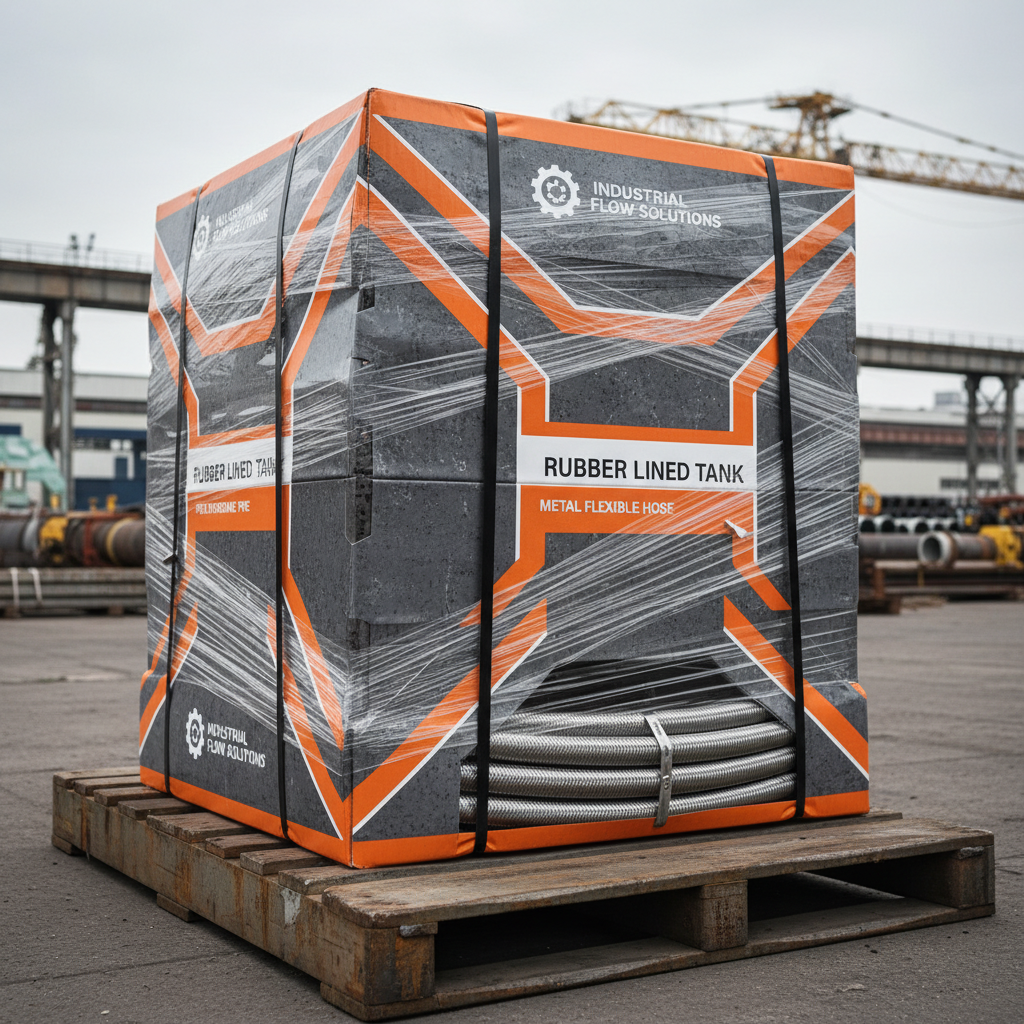
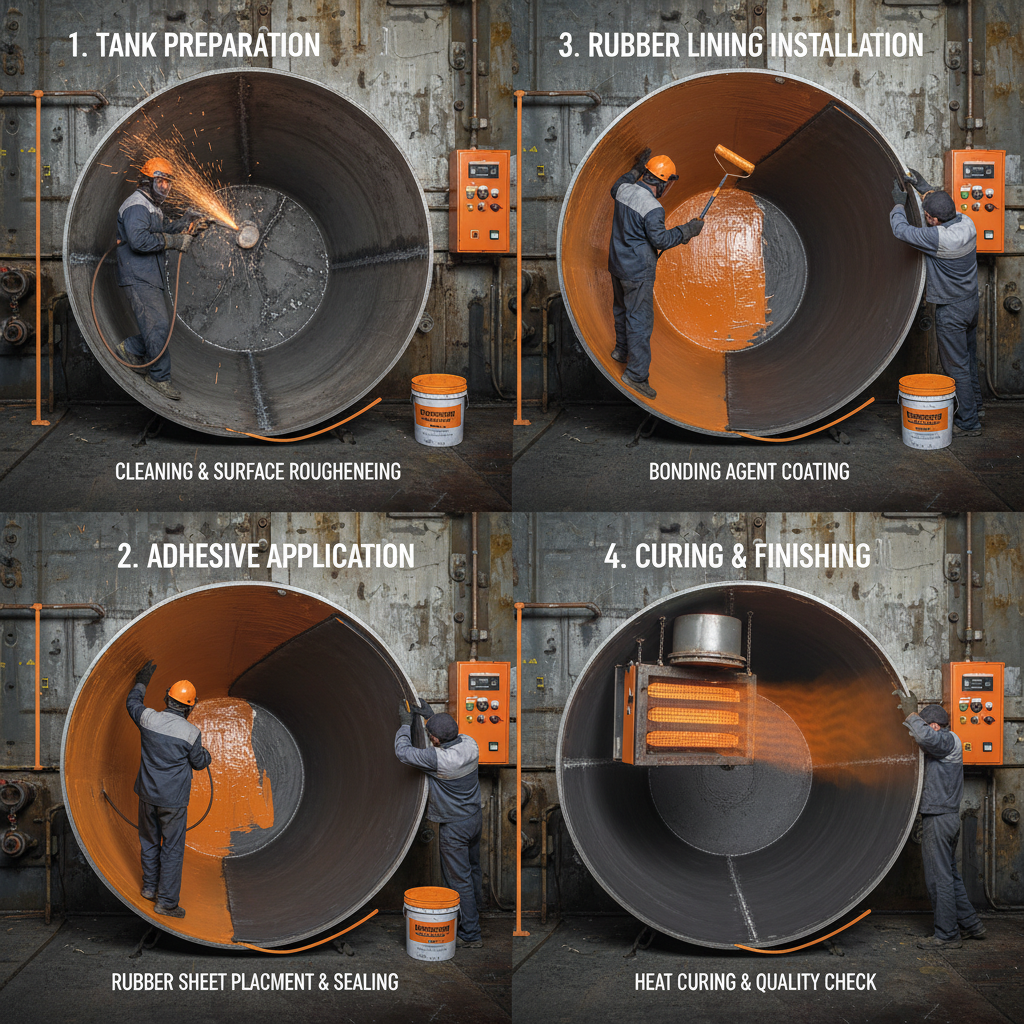
A rubber lined tank is a steel tank internally coated with a layer of rubber. This lining acts as a barrier between the stored material and the steel, preventing corrosion and contamination. The rubber layer protects the tank's structural integrity while safeguarding the purity of the contained substance. Common rubber materials used include natural rubber, butyl rubber, neoprene, and EPDM, each offering unique chemical resistance properties. The thickness of the rubber lining varies depending on the application and the corrosiveness of the stored material. QW Metal specializes in providing custom rubber lining solutions tailored to specific client requirements.
Key Benefits: Corrosion resistance, product purity, extended tank lifespan, reduced maintenance costs, and suitability for diverse applications.
Common Rubber Lining Materials & Their Applications
Different rubber materials provide varying levels of resistance to specific chemicals and temperatures. Choosing the right rubber is critical for optimal performance and longevity. Here's a comparison of commonly used materials:
Rubber Material Comparison:
• Natural Rubber: Excellent elasticity, good abrasion resistance, suitable for mild chemicals.
• Butyl Rubber: High impermeability to gases, excellent resistance to acids and alkalis.
• Neoprene: Good resistance to oils, chemicals, and weathering.
• EPDM: Outstanding resistance to ozone, UV radiation, and weathering.
Rubber Lined Tank Applications
The versatility of rubber lined tanks makes them suitable for a wide range of industries and applications, including chemical processing, water treatment, food and beverage production, pharmaceuticals, and mining. They are used to store acids, alkalis, solvents, potable water, wastewater, and various other corrosive or sensitive liquids. The selection of the proper rubber lining material depends on the characteristics of the stored media. QW Metal provides customized solutions for diverse industrial requirements.
Factors to Consider When Choosing a Rubber Lined Tank Supplier
Selecting a reputable supplier is crucial for ensuring the quality and reliability of your rubber lined tank. Consider factors such as the supplier’s experience, manufacturing capabilities, quality control processes, and customer support. A qualified supplier will offer customized solutions, technical expertise, and adherence to industry standards. QW Metal offers a comprehensive range of rubber lined tanks with a commitment to quality and customer satisfaction.
Quality Control and Standards
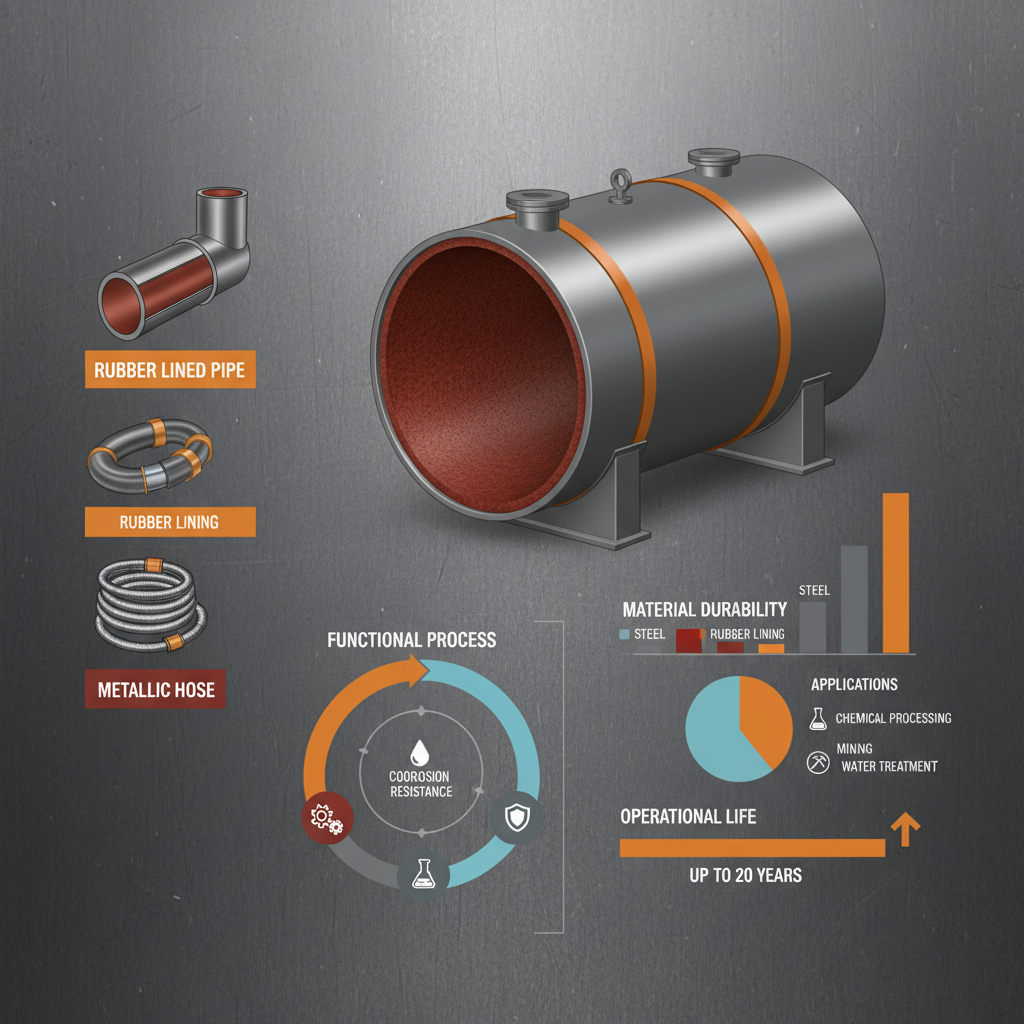
Reputable manufacturers implement rigorous quality control measures throughout the production process, from material selection to final inspection. These measures ensure the rubber lining is properly bonded to the steel substrate, free from defects, and meets specified performance requirements. Compliance with relevant industry standards, such as ASTM and ISO, is also essential. QW Metal maintains strict quality control standards and provides comprehensive documentation for all its products.
Conclusion: Investing in a Reliable Rubber Lined Tank
Choosing the right rubber lined tank is a critical decision for ensuring safe and efficient storage of corrosive materials. By carefully considering the application requirements, rubber lining materials, and supplier qualifications, you can select a tank that delivers long-term performance and value. Partnering with a trusted manufacturer like QW Metal guarantees a quality product and exceptional service.
Frequently Asked Questions (FAQs)
What is the typical lifespan of a rubber lined tank?
The lifespan of a rubber lined tank varies depending on factors such as the type of rubber lining, the stored material, temperature, and maintenance practices. Generally, a well-maintained rubber lined tank can last 10-20 years or even longer. Regular inspections are crucial to identify any signs of degradation or damage. Preventative maintenance, such as cleaning and recoating, can extend the tank's lifespan. QW Metal provides guidance on proper tank maintenance to maximize its service life.
Can rubber lined tanks be repaired?
Minor damage to the rubber lining can often be repaired. However, extensive damage may require a complete re-lining. The repair process typically involves cleaning the damaged area, applying a suitable rubber patching compound, and curing it to ensure a strong bond. QW Metal offers repair services for rubber lined tanks, providing a cost-effective alternative to replacement.
What size rubber lined tanks are available?
Rubber lined tanks are available in a wide range of sizes and configurations, from small tanks with capacities of a few gallons to large tanks holding thousands of gallons. They can be custom-designed to meet specific space and volume requirements. QW Metal specializes in manufacturing custom rubber lined tanks to exact customer specifications.
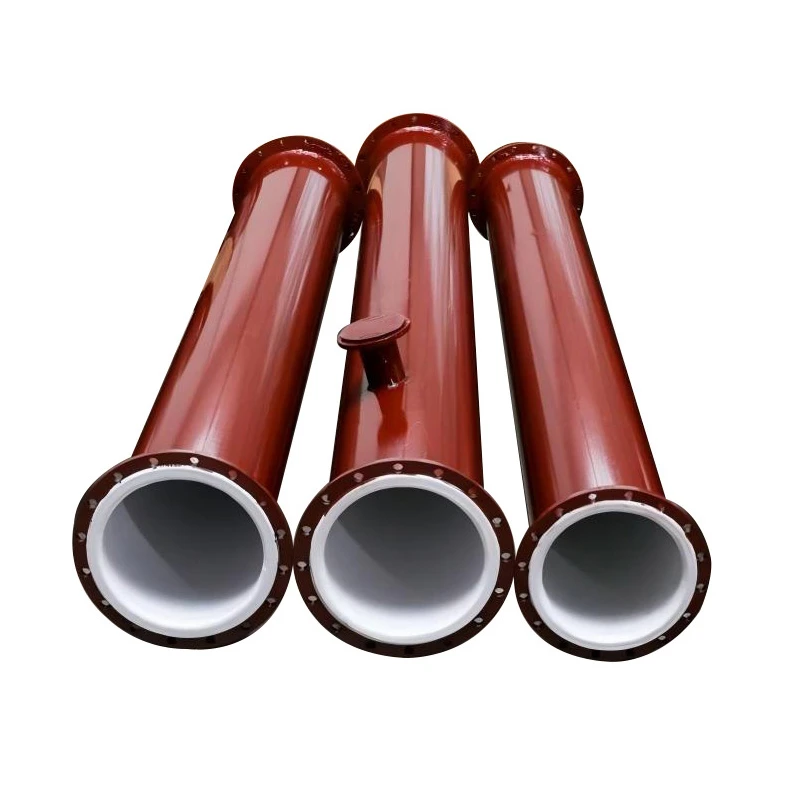
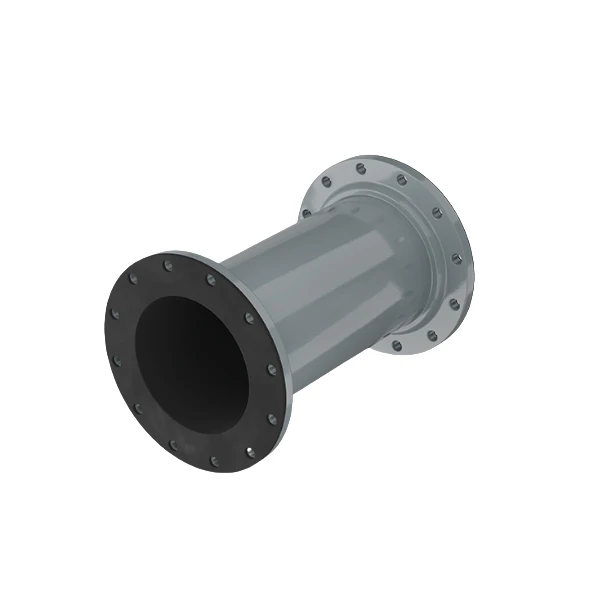
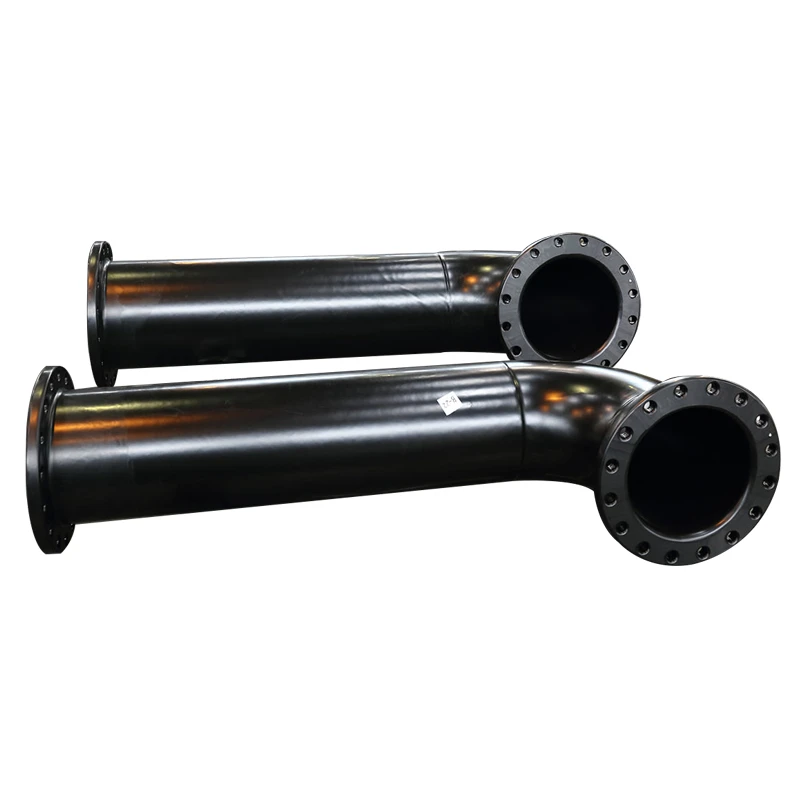
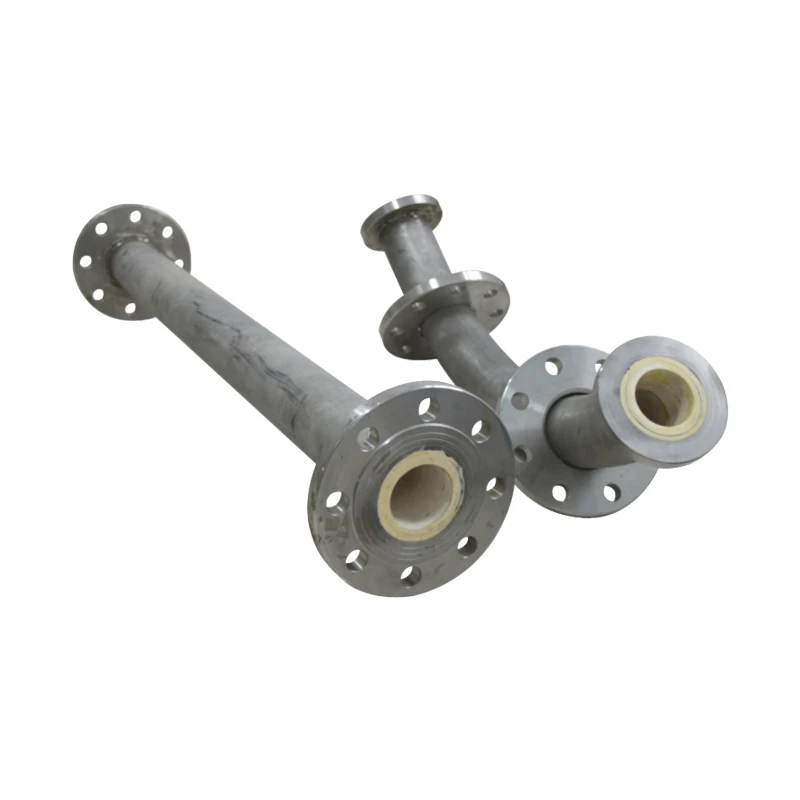
Related Products
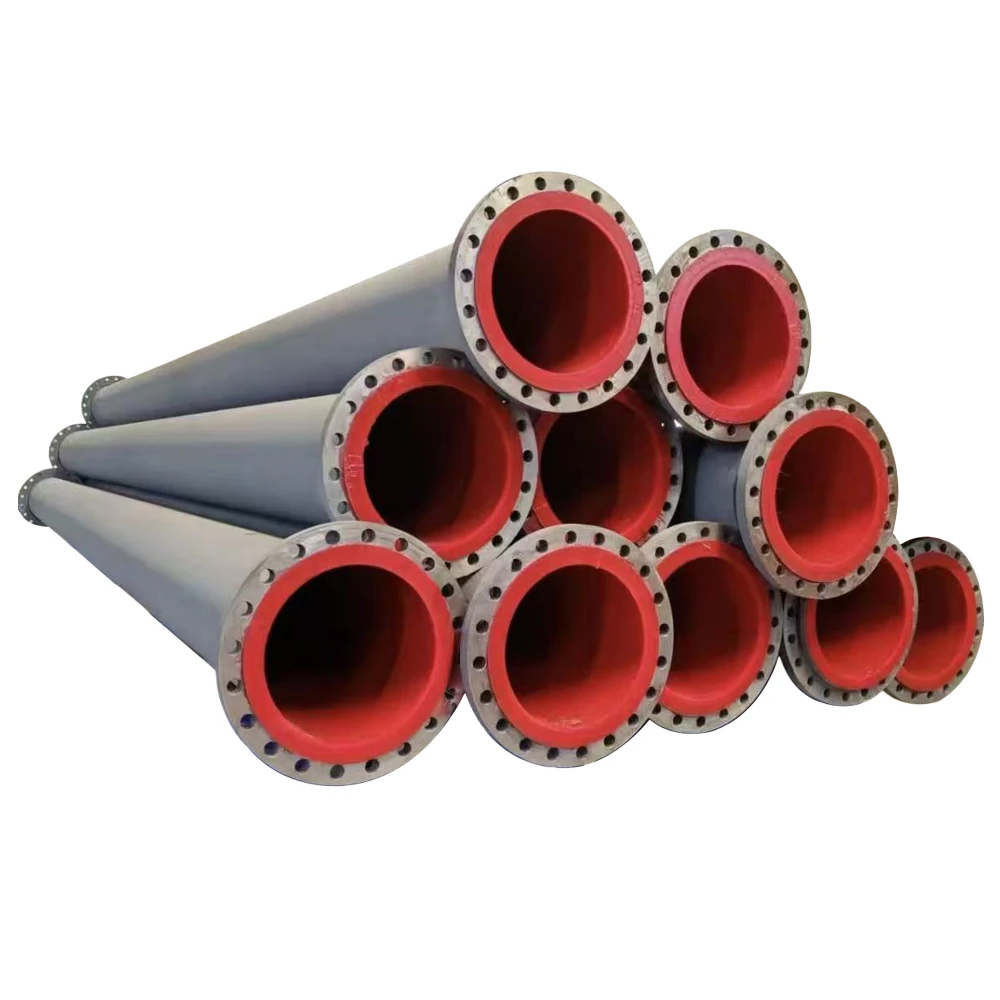
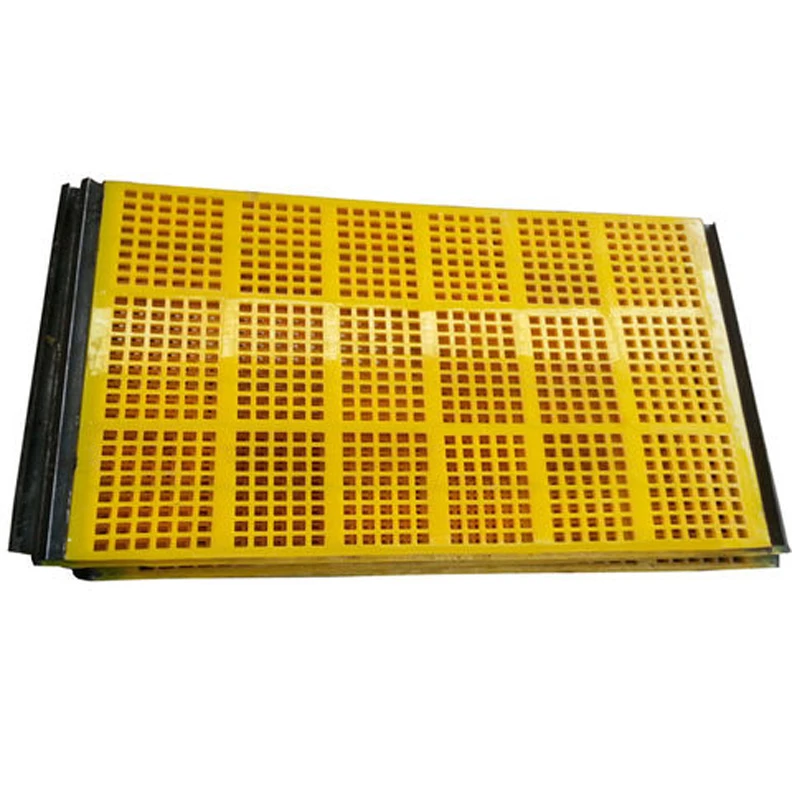
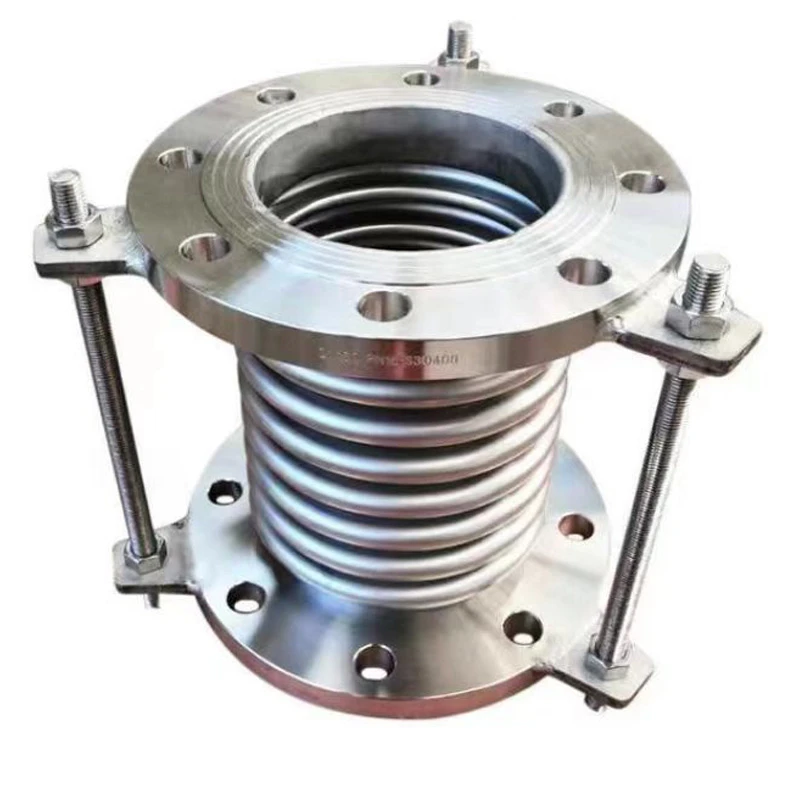
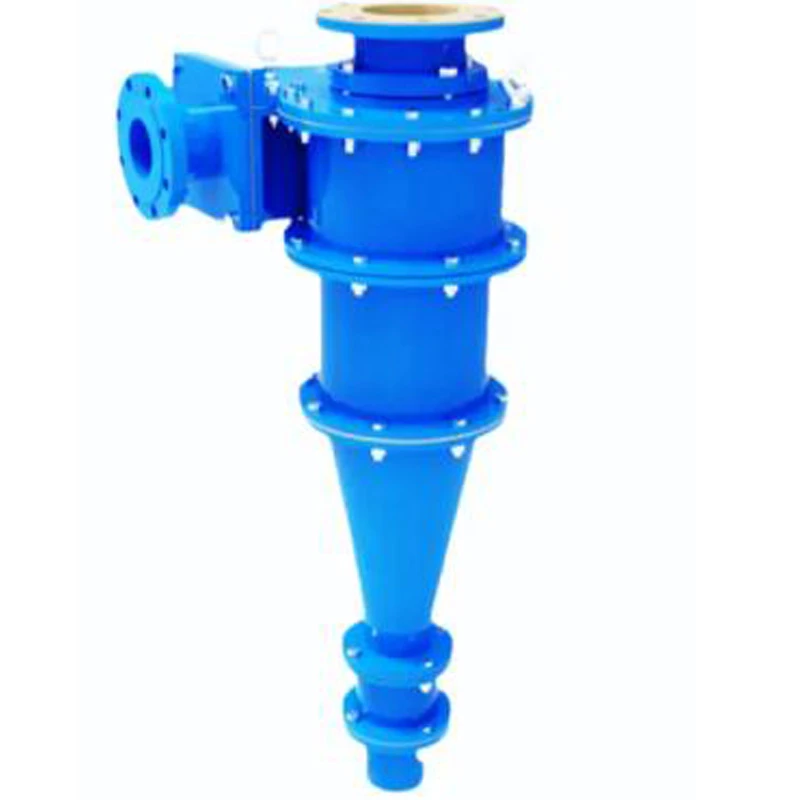
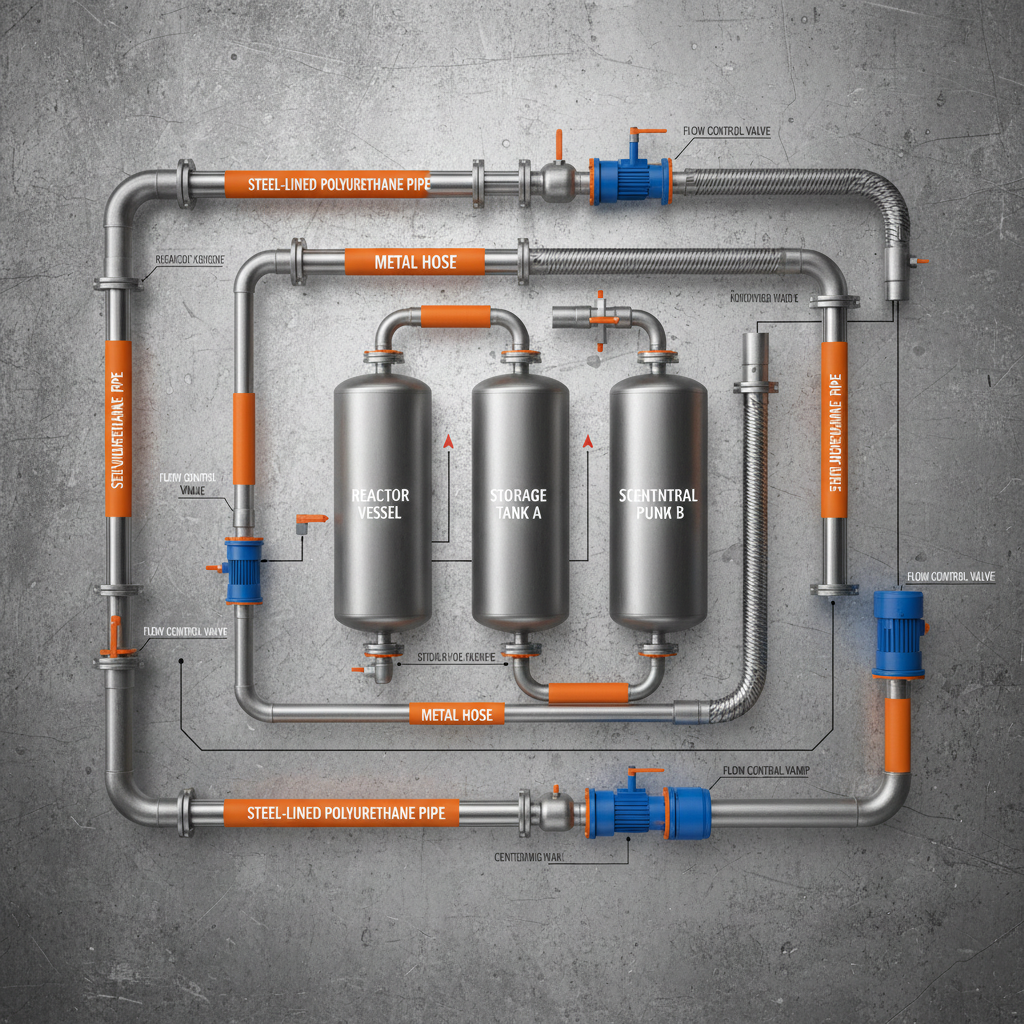
Our main products are polyurethane lined pipes, mining equipment fittings and metal hoses.