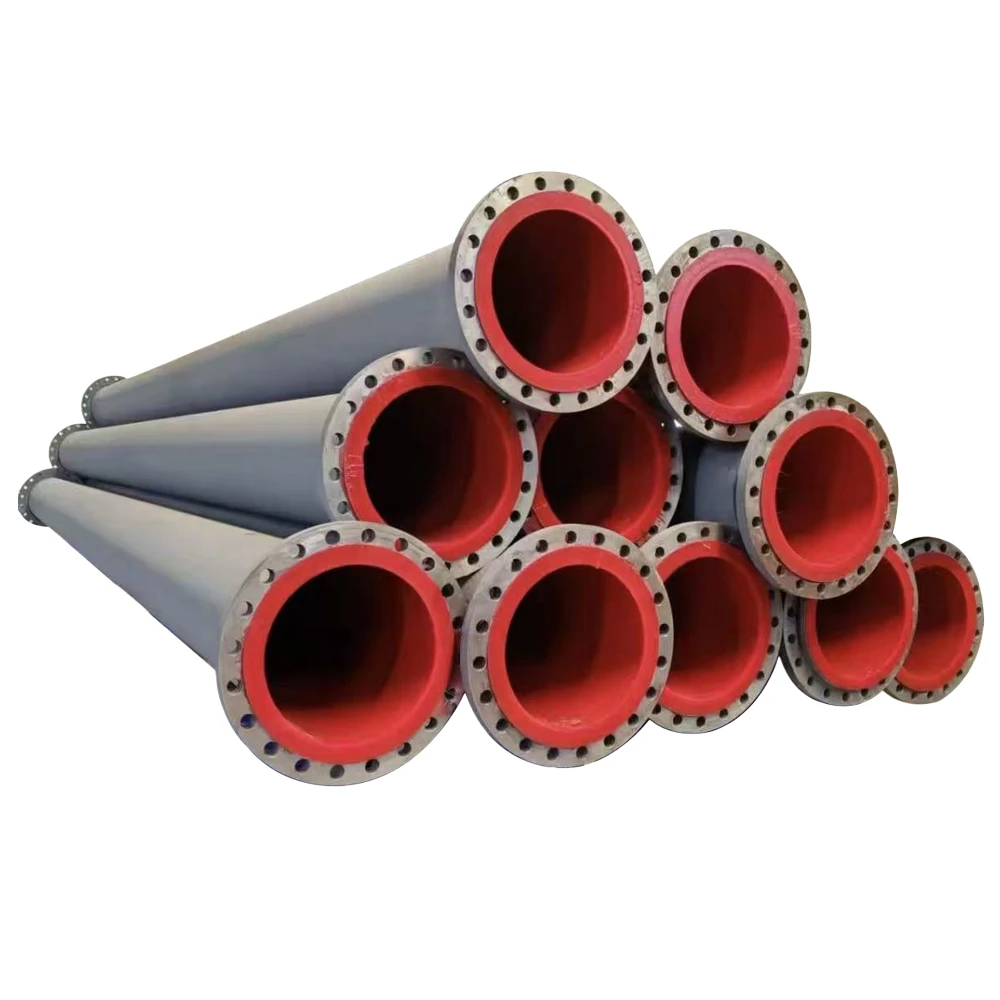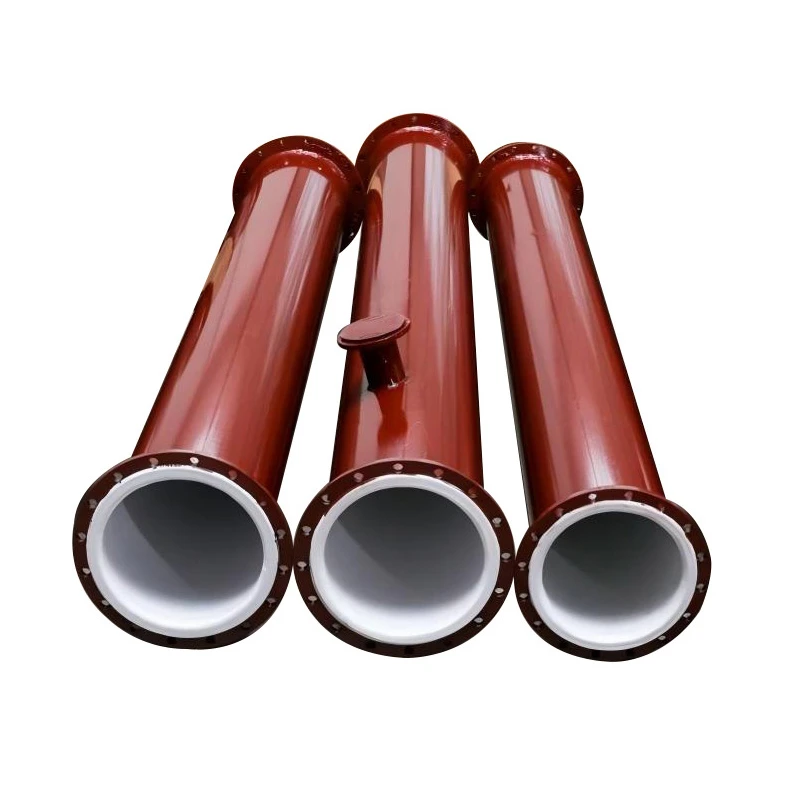

For industrial operations involving highly corrosive chemicals or extreme temperatures, selecting the right conduit system is critical for safety and longevity. A ptfe lined pipe supplier provides specialized solutions where an inner fluoropolymer lining protects a robust outer metal shell from chemical attack. This article examines the technical necessity of lined piping and how to evaluate these systems for demanding B2B procurement needs.
In sectors like chemical processing, pharmaceutical manufacturing, and water treatment, standard steel piping often fails due to rapid oxidation or acid erosion. By integrating Polytetrafluoroethylene (PTFE), engineers can combine the mechanical strength of steel with the near-universal chemical inertness of fluoropolymers. This hybrid approach prevents leaks and reduces the frequency of unplanned shutdowns caused by pipeline degradation.
Readers will gain insights into the material selection criteria, the trade-offs between different lining thicknesses, and the essential quality checks required when vetting a manufacturing partner. By understanding the synergy between the lining and the supporting structure, procurement officers can ensure their infrastructure meets international safety standards while optimizing the total cost of ownership.
Corrosion Resistance in Fluid Transport
The fundamental challenge in industrial fluid transport is the conflict between structural integrity and chemical compatibility. Metal pipes offer the necessary pressure resistance but are vulnerable to corrosion. Conversely, pure plastic pipes lack the strength for high-pressure applications. This is where the concept of a ptfe lined pipe supplier becomes essential, providing a composite solution that utilizes a metal exterior for support and a non-reactive interior for fluid contact. PTFE is chosen for its exceptionally low coefficient of friction and its ability to resist almost all known chemicals, including strong acids and bases. This prevents the internal walls from pitting or thinning over time, which is the primary cause of catastrophic pipe failure in chemical plants. By isolating the structural metal from the corrosive medium, these systems extend the operational lifecycle of the plant's infrastructure significantly.
Evaluating Lined Piping Solutions
Choosing a lining system requires a deep dive into the specific operating environment of the facility. It is not merely about the material, but how that material is bonded to the carrier pipe and how it behaves under fluctuating thermal and pressure conditions. The following analysis breaks down the critical technical dimensions that determine the success of a piping installation.
Material Compatibility Analysis
Not all linings are created equal. While PTFE is the industry standard for versatility, the grade of the polymer and the method of insertion affect the final performance. Buyers must analyze the specific chemicals being transported to ensure no permeation occurs. For highly aggressive media, the thickness of the lining must be calculated to prevent "blistering," where gases permeate the liner and create pockets under pressure.
| Requirement | Risk Factor | Critical Check | Impact on Value |
|---|---|---|---|
| Chemical Inertness | Polymer Permeation | Material Grade Certs | Reduced Leakage |
| Structural Strength | Outer Shell Corrosion | Wall Thickness | Increased Safety |
| Surface Smoothness | Flow Turbulence | Lining Uniformity | Lower Energy Cost |
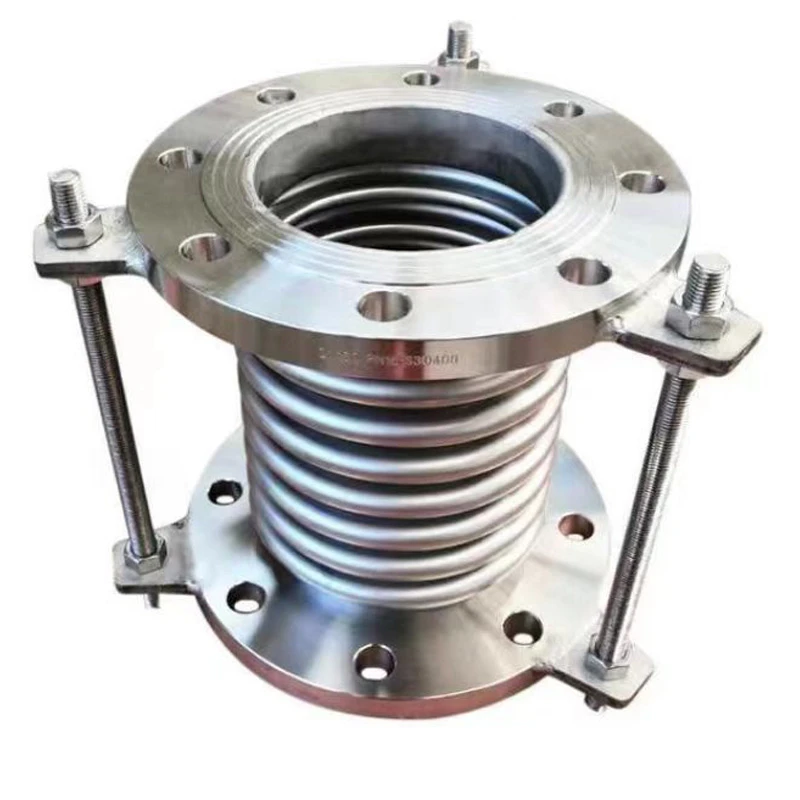
| Thermal Range | Liner Contraction | Expansion Joints | Longer Lifespan |
| Pressure Rating | Liner Collapse | Vacuum Resistance | Operational Stability |
| Custom Fit | Joint Leaks | Flange Precision | Easier Maintenance |
Thermal Stability Factors
Temperature fluctuations cause the metal shell and the internal liner to expand and contract at different rates. This differential thermal expansion can lead to the liner buckling or pulling away from the flanges. High-quality systems incorporate specialized anchoring methods to maintain the liner's position. When evaluating a system, it is vital to confirm the maximum and minimum operating temperatures to ensure the polymer does not reach its deformation point or become too brittle.
Pressure Handling Capabilities
While the liner provides chemical protection, the outer metal shell bears the mechanical load. For high-pressure environments, the thickness of the steel casing must be precisely engineered. In vacuum conditions, the liner is susceptible to collapse if not properly supported. Technical specifications should clearly state the burst pressure and the safe working pressure (SWP) to prevent structural failure during pressure spikes.
Wear Resistance Comparison
In applications involving slurries or abrasive particles, the wear resistance of the lining is paramount. While PTFE is excellent for chemicals, some industrial processes may require polyurethane linings for superior abrasion resistance. Hebei Qiao Wan, for instance, specializes in steel-lined polyurethane pipelines designed specifically for high-solid-content fluids and abrasive slurries, providing a more durable alternative where mechanical wear exceeds chemical corrosion.
Industry Specific Applications
The application varies by sector: mining operations prioritize abrasion resistance for mineral processing, while chemical plants prioritize chemical purity. In wastewater treatment, the focus is often on resisting a wide range of mixed contaminants. Tailoring the lining material—whether it be fluoropolymers for acids or polyurethane for mining slurries—ensures that the piping system is optimized for the specific operational stress of the industry.
Installation Best Practices
Incorrect installation is a leading cause of early system failure. Flanges must be aligned perfectly to avoid stressing the liner, which could lead to cracks or leaks. Using the correct torque specifications for bolts is essential to ensure a tight seal without crushing the internal lining. Professional guidance on design optimization and technical consultations during the installation phase are highly recommended to avoid costly errors.
Supplier Quality Verification
A reliable partner should provide comprehensive documentation, including material test reports and pressure test certifications. Experience in customized solutions is a key indicator of a supplier's capability, as every industrial site has unique geometric and chemical requirements. Verifying the engineering team's expertise—such as the presence of senior engineers and technicians—ensures that the products meet international quality standards.
FAQ
What is the primary advantage of using lined pipes over solid plastic pipes?
The primary advantage is the combination of mechanical strength and chemical resistance. Solid plastic pipes often lack the structural integrity to handle high pressures or external mechanical stresses. Lined pipes use a metal outer shell to provide the necessary strength and pressure rating, while the internal lining ensures the fluid does not corrode the metal, offering a safer and more durable solution for industrial use.
How do I choose between PTFE and polyurethane linings?
The choice depends on the primary threat to the pipe. If the main concern is chemical corrosion from acids or solvents, PTFE is the ideal choice due to its near-universal chemical inertness. If the application involves transporting abrasive slurries, sand, or high-solid fluids (common in mining), polyurethane is superior because it offers much higher abrasion and wear resistance than fluoropolymers.
Can lined pipes be customized for specific project dimensions?
Yes, professional manufacturers provide customized solutions including specific diameters, wall thicknesses, and flange types to match existing infrastructure. Customization also extends to the lining material formulation and thickness to meet specific pressure and temperature requirements of the project, ensuring a seamless fit and optimal performance in the field.
What are the common signs of liner failure?
Common signs include external corrosion of the metal shell (indicating the liner has been breached), unexpected pressure drops, or the presence of contaminants in the fluid stream. In some cases, "blistering" may occur, where gas pockets form between the liner and the shell, potentially leading to a collapse of the inner wall under vacuum or high-pressure cycles.
How should I evaluate a potential lining system vendor?
A buyer should check for a proven track record in the specific industry, the availability of senior engineering support for design optimization, and adherence to international quality standards. Requesting material certifications and pressure test reports is essential. A vendor that offers comprehensive after-sales support and technical consultations usually provides better long-term value.
What is the typical lifespan of an industrial lined pipe?
The lifespan varies greatly based on the medium and operating conditions. However, compared to unlined carbon steel in corrosive environments, lined pipes can last several times longer. Proper installation, avoiding extreme thermal shocks, and regular inspections can maximize the lifecycle, often extending the time between replacements to several years or decades depending on the chemical aggressiveness.
References and further reading
- Industrial Piping Standards for Fluoropolymer Linings - Engineering Handbook.
- Chemical Resistance Guides for PTFE and Polyurethane Materials.
- Guidelines for High-Pressure Fluid Transport in Corrosive Environments.
Related Articles