Acid Tanks: Safety, Applications, and Innovations in Industrial Chemical Storage
Understanding Acid Tanks: Essential Containers for Industrial Safety and Efficiency
When we talk about acid tanks, we're referring to a niche but crucial component in many industries worldwide. These tanks safely store corrosive chemicals like sulfuric or hydrochloric acid, preventing environmental damage and workplace hazards. Globally, the demand for reliable acid storage solutions has surged alongside industrial growth and stricter safety regulations. Knowing the ins and outs of acid tanks isn’t just a technical detail—it directly impacts worker safety, environmental sustainability, and operational efficiency.
Global Industry Context: Why Acid Tanks Matter Now More Than Ever
Urging the conversation beyond technical specs, acid tanks play a significant role in sectors spanning mining, chemical processing, water treatment, and more. According to the ISO, the global chemical production capacity has steadily increased, reaching over 2 billion tons annually. This boom, however, raises stakes for chemical handling and storage safety worldwide.
In fact, statistics from the United Nations Environment Programme highlight that improper storage and leakage incidents involving acid tanks contribute significantly to environmental pollution each year. Add to that the growing legislative pressure, where many countries now enforce stringent rules on chemical containment — acid tanks have never been more central to industrial compliance and humanitarian risk mitigation.
What Exactly Are Acid Tanks?
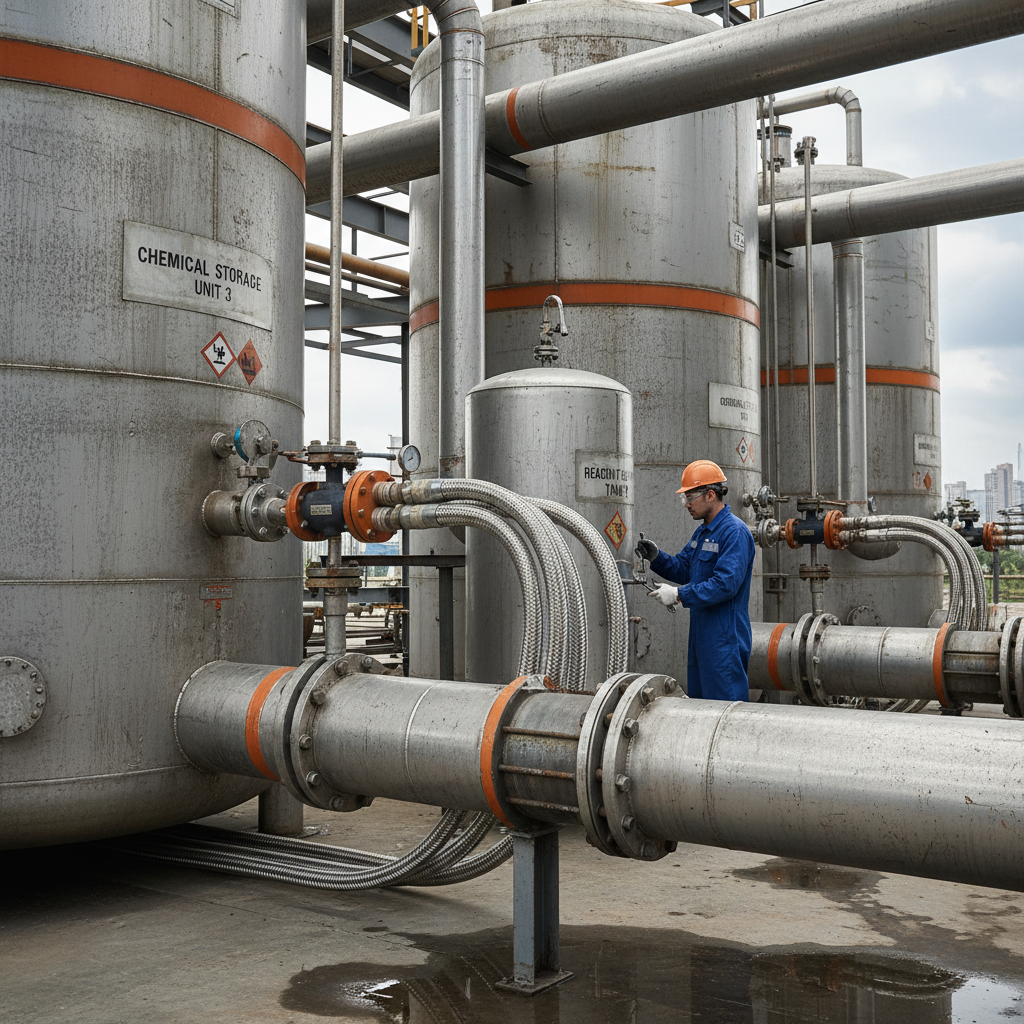
Simply put, an acid tank is a storage vessel designed specifically to hold strong corrosive acids without degrading or leaking. They are typically made from corrosion-resistant materials like stainless steel, polypropylene, or fiberglass-reinforced plastics. These tanks can range in size and form—from small portable containers to massive stationary installations.
In industrial terms, acid tanks are indispensable for processes such as acid pickling in metal fabrication, pH control in wastewater plants, or chemical synthesis. Their role extends even to humanitarian needs where clean and safe chemical storage supports water purification efforts in disaster zones or remote environments.
Core Components of Acid Tanks
1. Durability
The key to acid tank longevity lies in materials that resist corrosion and chemical reactions. Fiberglass-reinforced plastic tanks, for example, combine strength and acid resistance — they don’t rust and can last decades under the right conditions.
2. Scalability
Whether a small lab or a sprawling refinery, acid tanks come in sizes that fit specific facility needs. Modular designs allow easy expansion or field replacement, which is a lifesaver when operations grow unpredictably.
3. Safety Features
Modern acid tanks usually include venting systems, leak detectors, and double-wall construction to reduce accident risks. Safety valves prevent pressure build-up, protecting both infrastructure and personnel.
4. Cost Efficiency
Though upfront costs vary depending on materials and complexity, investing in quality acid tanks often reduces long-term expenses by minimizing maintenance and avoiding costly spills or regulatory fines.
5. Environmental Compliance
Acid tanks designed to meet international environmental standards help companies avoid violations. This is particularly critical where acid leakage could quickly contaminate soil or waterways.
Typical Acid Tank Product Specifications
| Specification | Description |
|---|---|
| Material | Fiberglass Reinforced Plastic (FRP) / Polypropylene / Stainless Steel |
| Capacity | 100 liters to 50,000 liters |
| Pressure Rating | Atmospheric to 1.0 bar internal pressure |
| Temperature Range | -20°C to +60°C (material dependent) |
| Certification | ISO 9001, UL Listed, CE marked |
Mini takeaway: Acid tanks are engineered with careful material choice and safety features, balancing between durability, compliance, and operational versatility.
Global Applications and Real-World Use Cases
The reach of acid tanks is vast. In Asia’s bustling industrial hubs, acid storage tanks support steel manufacturing lines that demand constant acid pickling processes. Mining operations in South America rely on acid tanks for storing sulfuric acid used in ore processing.
In Europe, water treatment plants use acid tanks for dosing chemicals that control pH, ensuring safe water discharge. Oddly enough, even humanitarian efforts capitalize on acid tanks — NGOs deploy acid storage units to treat water in post-disaster zones where safe chemical handling is critical.
Vendor Comparison: Leading Acid Tank Suppliers
| Vendor | Material Options | Compliance Certifications | Price Range (USD) |
|---|---|---|---|
| QW Metal | FRP, Stainless Steel, Polypropylene | ISO 9001, CE | $3,000 - $30,000 |
| ACME Tanks | Polyethylene, FRP | UL Listed, ASTM Compliant | $2,500 - $25,000 |
| GlobalChem Storage | Stainless Steel, FRP | ISO 14001, CE Mark | $4,000 - $35,000 |
Advantages and Long-Term Value of Acid Tanks
On the face of it, investing in quality acid tanks means fewer leaks, reduced maintenance costs, and compliance peace of mind. But beyond the numbers, it’s also about safety and trust. Workers know they’re handling hazardous acids in equipment designed specifically to protect them; communities downwind can feel reassured that strict containment minimizes environmental risks.
Moreover, when manufacturers choose sustainable materials and efficient designs, the entire lifecycle of an acid tank—right up to responsible recycling—embodies industrial responsibility. It’s a little reassuring in an increasingly complex world of chemicals and risk.
Future Trends & Innovations Shaping Acid Tank Technology
Looking ahead, smart acid tanks embedded with sensors for real-time monitoring are growing more common, integrating into the Internet of Things (IoT) frameworks to anticipate leaks or pressure changes long before any incident. Materials science is making strides too, with new composite polymers promising even greater resistance at lower costs.
On the policy side, sustainability push means vendors are innovating eco-friendlier coatings and promoting modular designs that cut down waste. The combination of digitization and greener materials seems poised to redefine acid tank safety and efficiency in the next decade.
Challenges & Cutting-Edge Solutions
Despite the advances, acid tanks face challenges like material fatigue under extreme chemical exposure, temperature fluctuations, and occasional compatibility issues with novel acids. Engineers often wrestle with balancing cost against the durability and compliance requirements— because frankly, cheap tanks often cost more over time.
Thankfully, advanced coatings, improved manufacturing controls, and predictive maintenance technologies help combat these issues. Regular audits, maintenance regimes, and vendor collaborations form the backbone of safe acid tank operation in complex settings.
Frequently Asked Questions About Acid Tanks
- Q: What materials are best for storing sulfuric acid in tanks?
A: Fiberglass reinforced plastic (FRP) and high-grade stainless steel are preferred due to their strong resistance to sulfuric acid’s corrosive properties. Polypropylene is also used for less concentrated acids. - Q: How often should acid tanks be inspected for safety?
A: Industry standards suggest at least annual inspections. However, high-stress environments may require bi-annual or quarterly checks, especially when storing highly concentrated acids. - Q: Are acid tanks easy to relocate?
A: Smaller tanks with modular designs can be transported and redeployed easily, but larger stationary tanks require specialized equipment and planning to move safely. - Q: How do I ensure compliance with environmental regulations?
A: Choosing tanks certified to ISO and local standards, implementing leak detection systems, and maintaining thorough documentation are key practices to stay compliant.
Wrapping Up: The Long-Term Promise of Reliable Acid Tanks
At the end of the day, acid tanks embody a blend of engineering, safety, and environmental stewardship. They’re not just steel or plastic vessels — they’re critical safeguards protecting people and the planet from hazardous substances. For any industry reliant on chemical storage, understanding and choosing the right acid tanks is a long-term investment in security and sustainability.
If you want to explore top-tier acid tanks designed for diverse industrial needs, visit our website at https://www.qwmetal.com for detailed product options and expert guidance.
References:
- ISO Chemical Industry Standards
- United Nations Environment Programme
- Wikipedia: Acid Storage (informational overview)
Sometimes, it feels like the unseen vessels — the acid tanks humming quietly behind the scenes — are just as vital as the factories and plants themselves.
Related Products
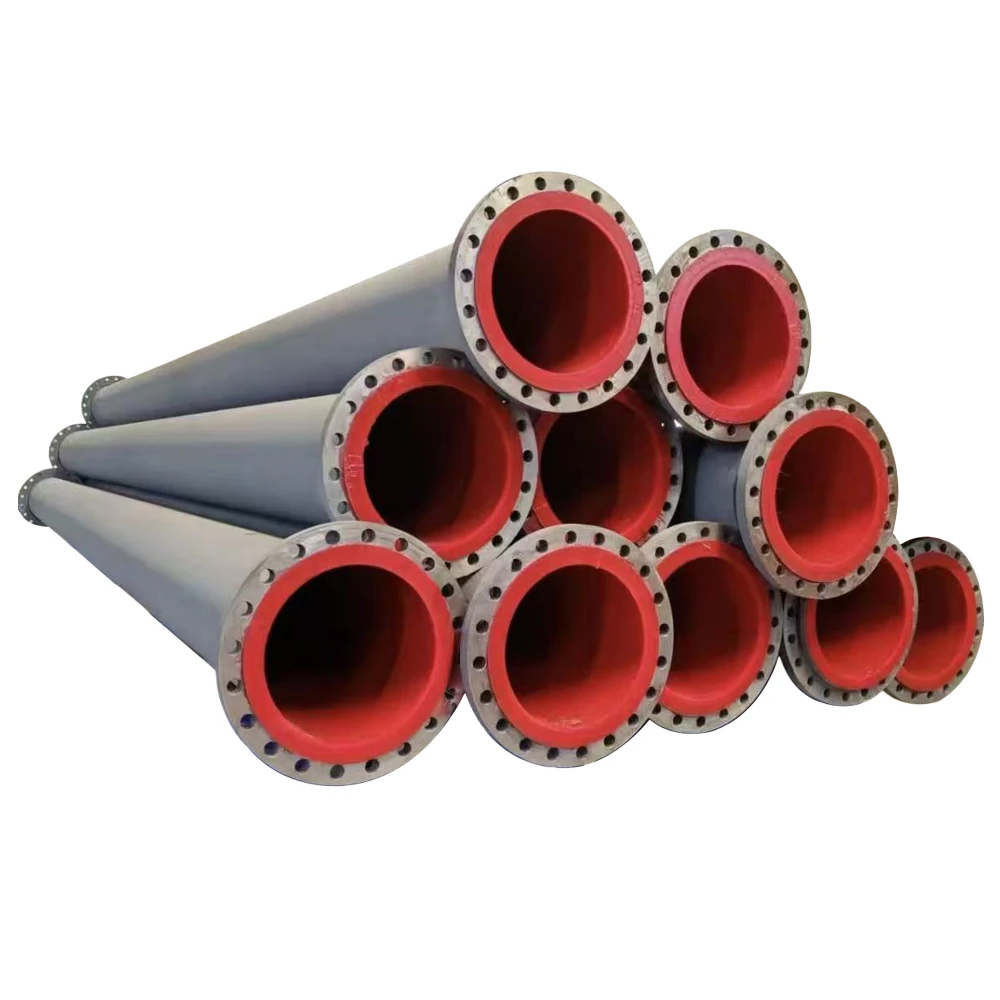
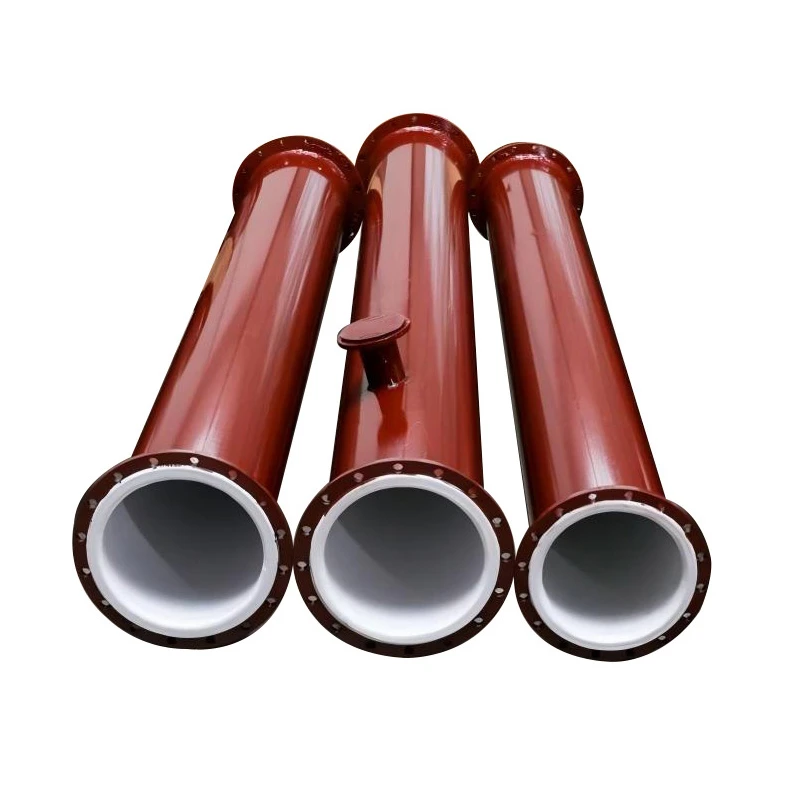
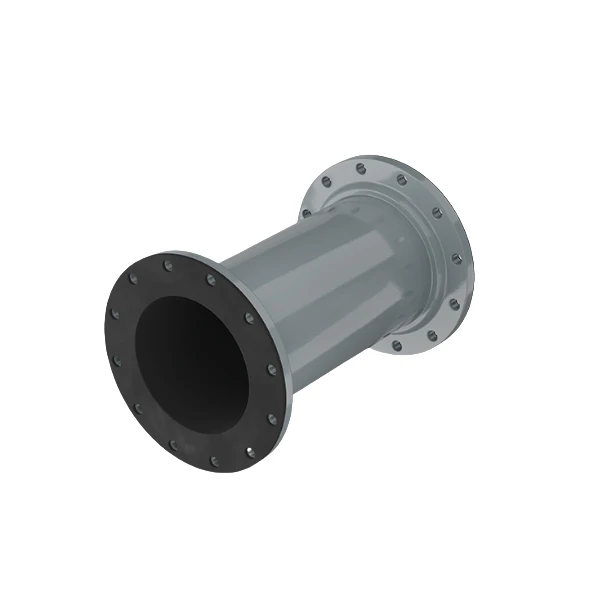
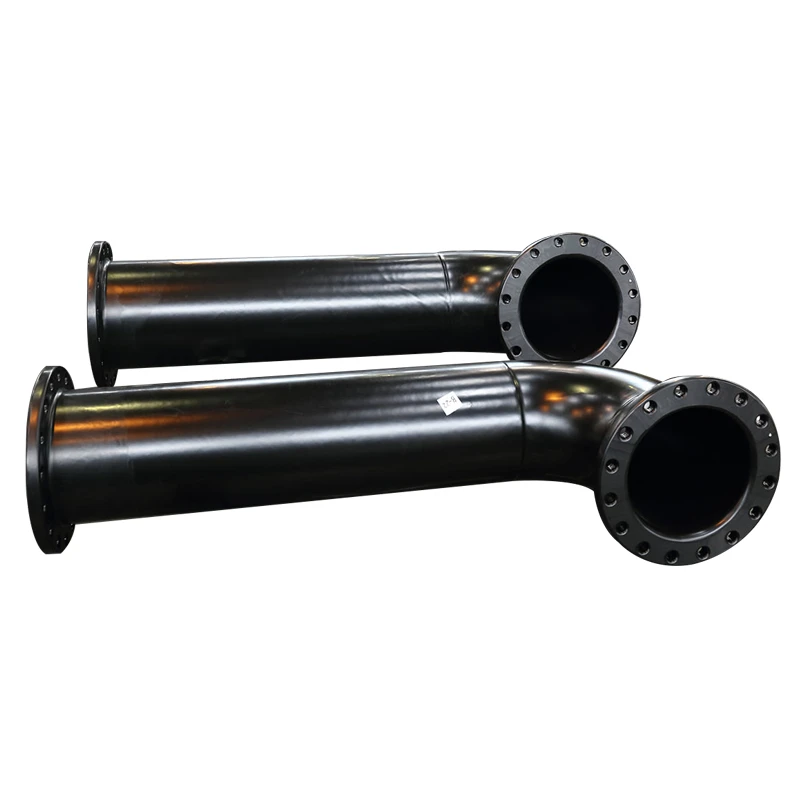
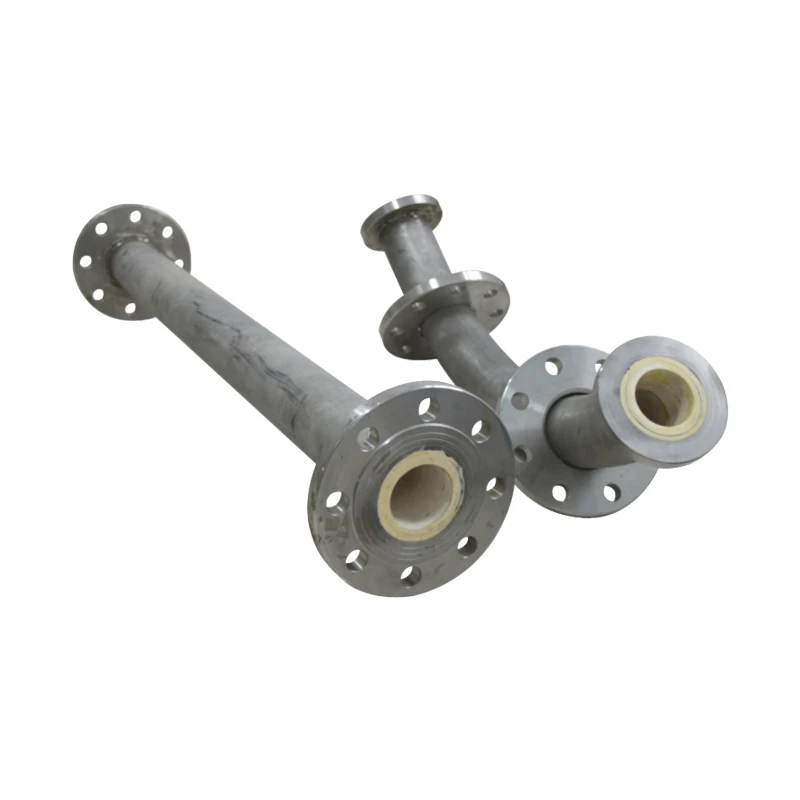
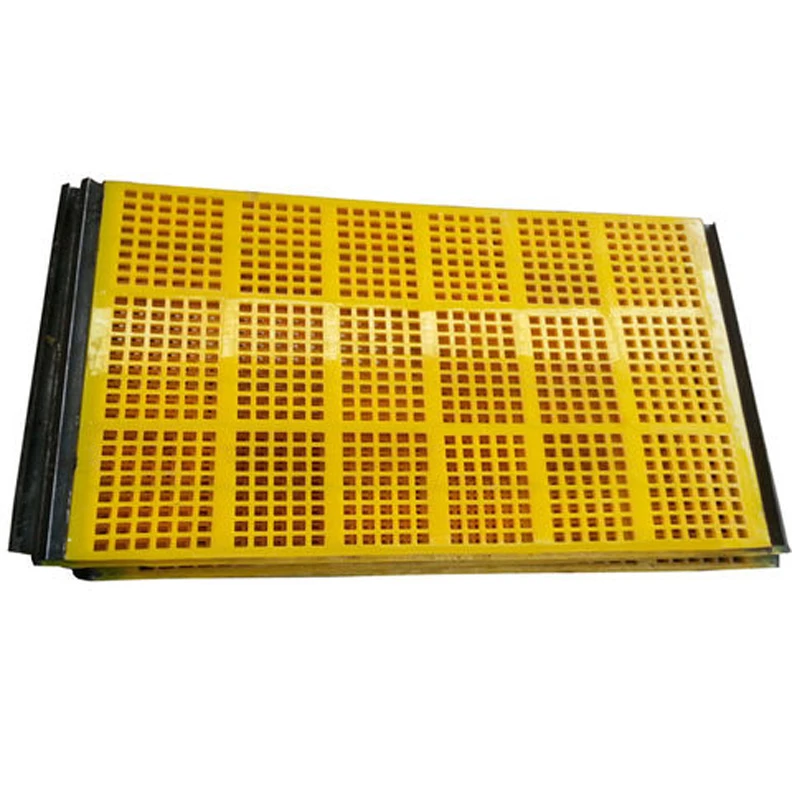
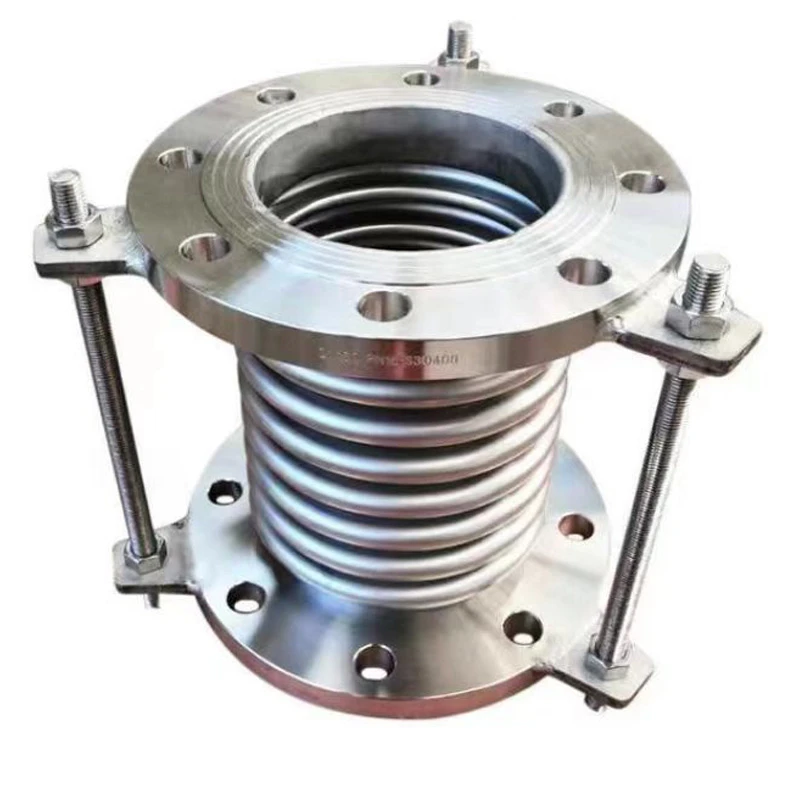
Our main products are polyurethane lined pipes, mining equipment fittings and metal hoses.