Chemical Tanks: Durable Storage Solutions for Industry & Safety
Understanding Chemical Tanks: Essential Containers for Industry and Beyond
Chemical tanks are more than just storage containers. In the vast machinery of global industry, they play a crucial role — quietly but indispensably storing everything from corrosive acids to industrial solvents. Understanding these vessels isn't just an exercise in engineering; it’s a window into how modern industries manage risk, safety, and environmental stewardship.
Globally, the market for chemical tanks is expanding steadily, tied closely to growth in sectors like pharmaceuticals, water treatment, and petrochemicals. According to the International Organization for Standardization (ISO), millions of tonnes of chemicals safely rely on these tanks yearly, making them vital to maintaining supply chains and reducing hazardous spills. So, why does really knowing about chemical tanks matter? Because in a world increasingly conscious of safety and sustainability, their design, deployment, and maintenance can make or break compliance and operational success.
What Are Chemical Tanks?
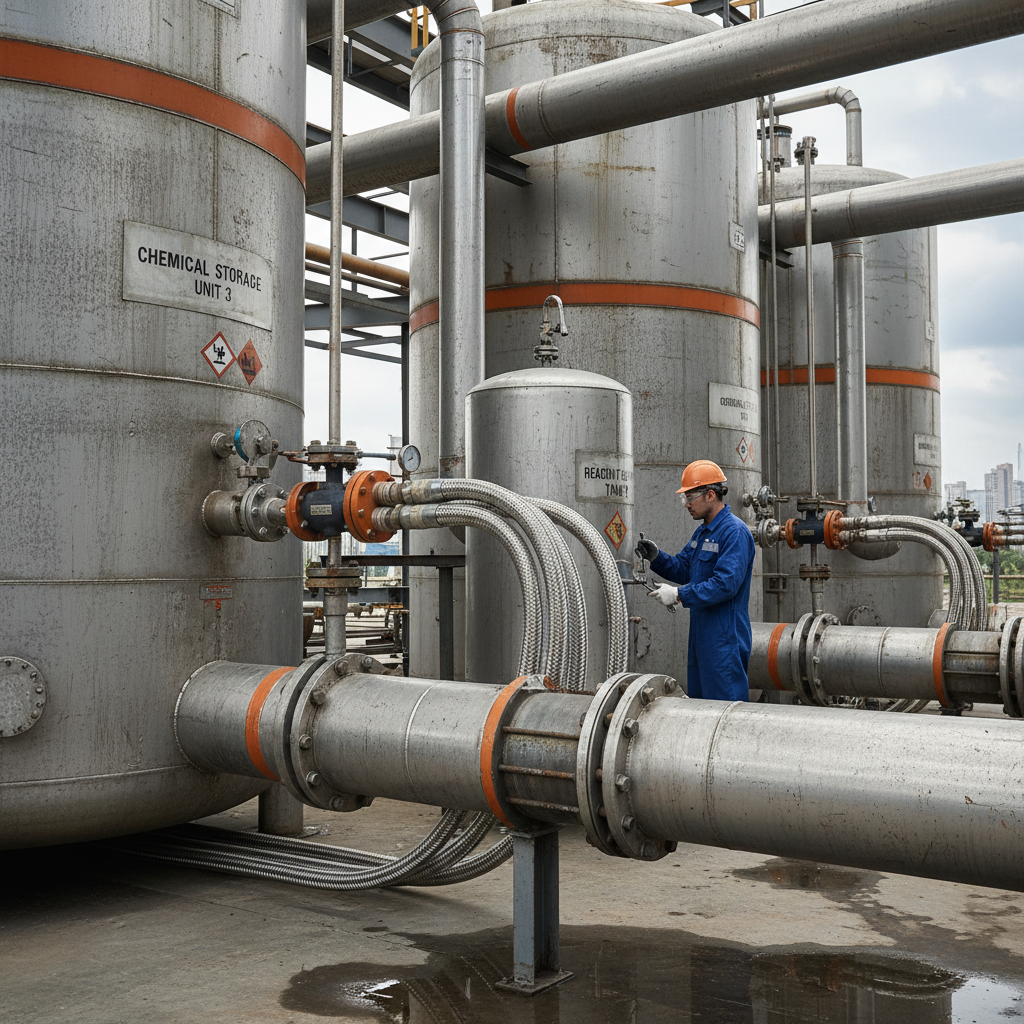
Simply put, chemical tanks are specialized vessels designed to store or transport chemicals safely. Their walls are engineered to resist corrosion, leaks, and temperature extremes — conditions typical in handling dangerous or reactive substances. They enable industries to store raw materials and finished products, ensuring that these materials do not contaminate the environment or endanger personnel.
From industrial complexes to humanitarian sites that require safe water storage, chemical tanks serve diverse and often critical functions. Oddly enough, a good chemical tank blends raw industrial toughness with precision engineering, adapting to the needs of modern delivery and storage challenges.
Key Factors in Chemical Tank Selection
Durability
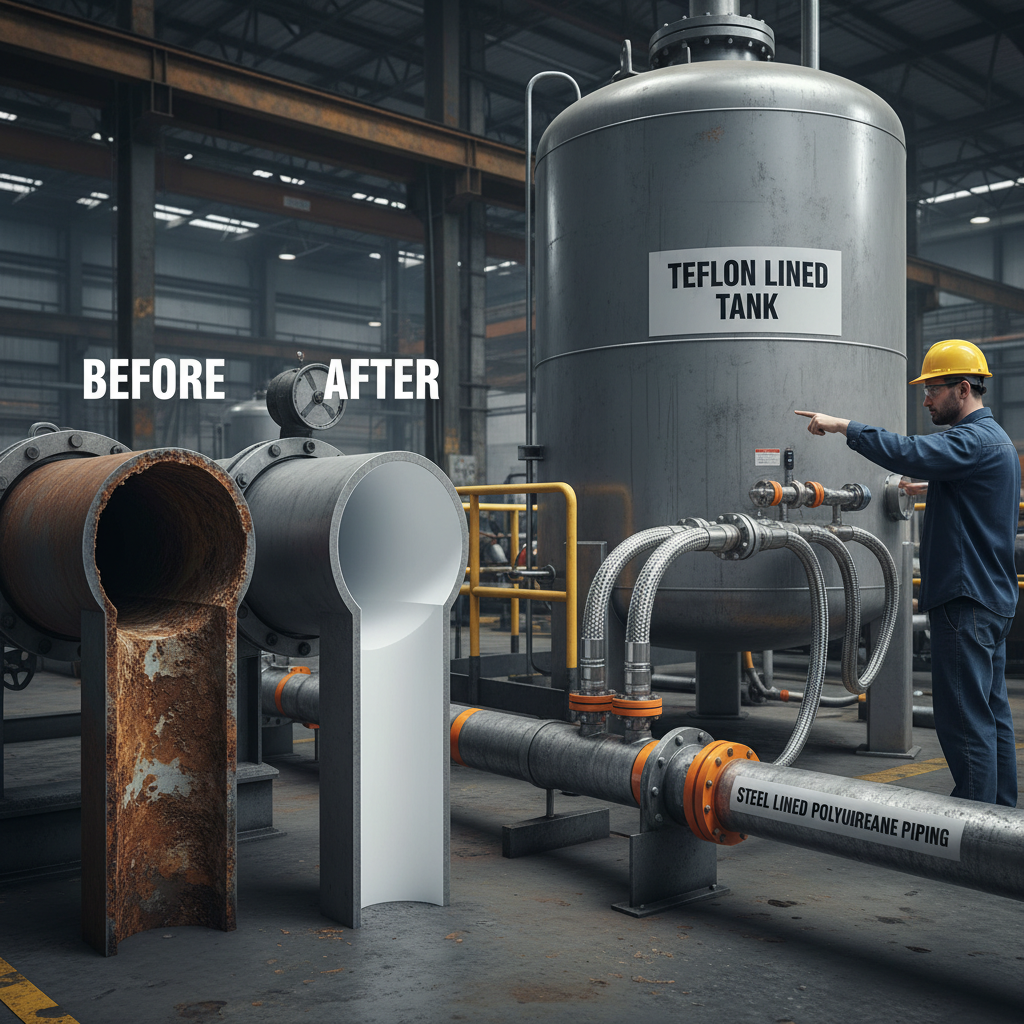
A chemical tank’s material is its first line of defense. Tanks must handle corrosive chemicals like sulfuric acid or caustic soda without degrading. Common materials include stainless steel, polyethylene (HDPE), and fiberglass-reinforced plastic (FRP). Each has its place depending on the chemical nature and intended lifespan.
Capacity and Scalability
From small pilot plants requiring 100-liter tanks to massive industrial sites needing tanks of over 10,000 liters, capacity matters. Scalability also means considering modular designs — which allow tanks to be added or removed as demand shifts.
Compliance and Safety
Tanks must meet various international and local regulations — think ISO 9001 or American Petroleum Institute (API) standards. These codes ensure structural integrity, environmental safety, and worker protection, minimizing liability and risks.
Cost Efficiency
While the upfront cost varies — stainless steel tanks are pricier than polyethylene options — a tank’s total cost of ownership should factor in maintenance, lifespan, and chemical compatibility. Sometimes paying more upfront prevents costly downtime or replacements.
Customization and Integration
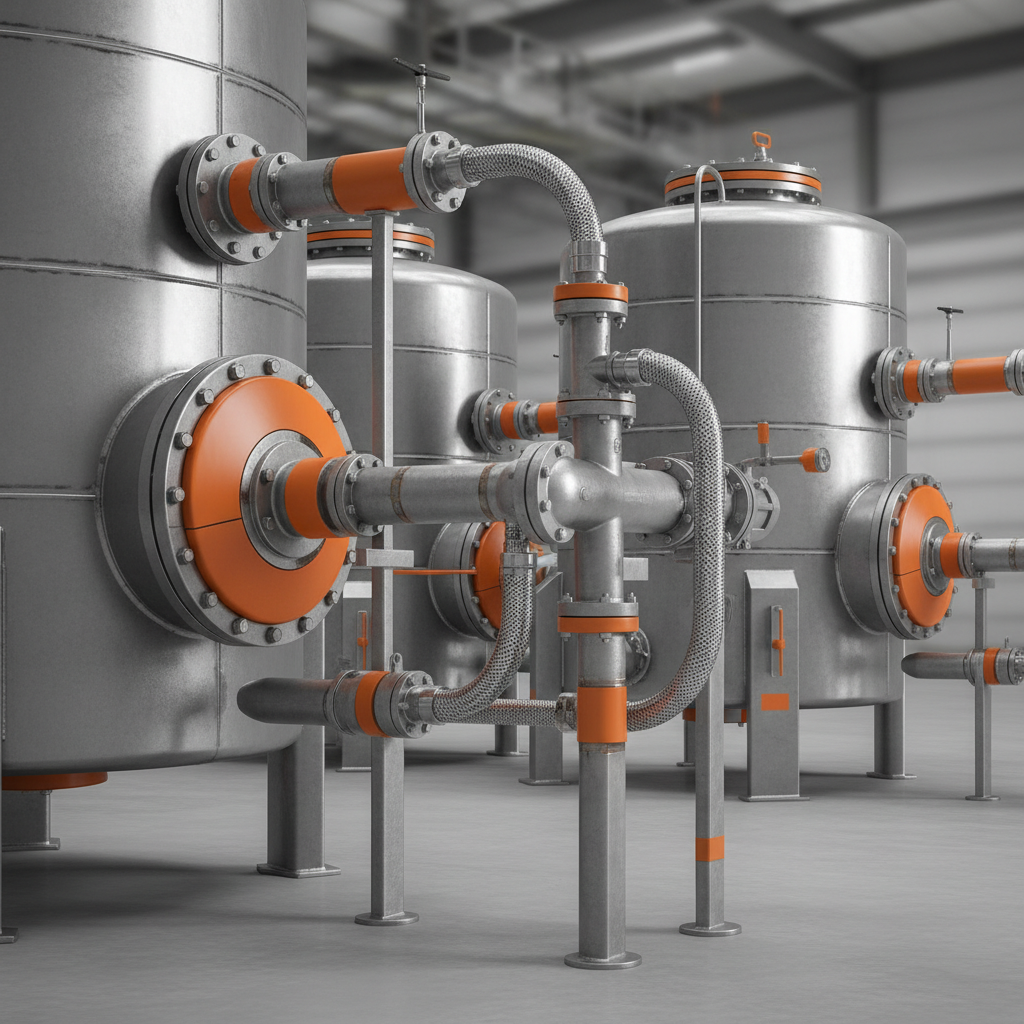
Increasingly, chemical tanks are engineered with advanced features such as embedded sensors for real-time monitoring, or custom fittings to integrate with automated chemical dosing systems. These innovations aid process control and reduce human error.
Product Specification Table
| Feature | Standard Grade Tank | Premium Corrosion Resistant Tank |
|---|---|---|
| Material | HDPE | 316L Stainless Steel |
| Capacity | 500 - 5000 Liters | 1000 - 10,000 Liters |
| Temperature Range | -20°C to 50°C | -40°C to 150°C |
| Certifications | ISO 9001, EPA Compliant | ISO 9001, API 650, UL Listed |
| Typical Use | Non-aggressive Chemicals, Water Storage | Highly Corrosive Acids, Industrial Solvents |
How Are Chemical Tanks Used Worldwide?
Industrial giants in Asia and Europe rely heavily on large-volume chemical tanks for manufacturing, while agricultural sectors in North America use them for storing fertilizers safely. In humanitarian aid and disaster relief efforts, rugged chemical tanks often store potable water or treat waste safely—helping to maintain dignity and health in crisis zones.
For instance, NGOs operating in flood-prone regions commonly deploy mobile chemical tanks that purify water onsite, preventing disease outbreaks. Similarly, petrochemical plants in the Middle East depend on high-resistance tanks to contain volatile substances under harsh desert conditions. I once spoke with an engineer in Germany who mentioned that the newest tanks even come equipped with IoT sensors to monitor chemical levels and temperature remotely — making operations smoother and safer, frankly.
Vendor Comparison Table
| Vendor | Material Speciality | Price Range | Custom Engineering | Lead Time |
|---|---|---|---|---|
| QW Metal | Stainless Steel, Carbon Steel | $$$ | Full Custom Engineering | 4-6 weeks |
| Poly-Tech Tanks | High-Density Polyethylene | $ - $$ | Limited Custom Options | 2-3 weeks |
| Fiberglass Solutions | Fiberglass Reinforced Plastic | $$ | Moderate Customization | 3-5 weeks |
Advantages and Long-Term Value of Chemical Tanks
- Safety: Properly engineered tanks prevent leaks and exposures that could result in worker injuries or environmental disasters.
- Cost Savings: Investing in durable tanks reduces maintenance costs and extends operational uptime.
- Environmental Responsibility: Modern tanks with compliant designs help companies meet sustainability goals and avoid penalties.
- Technological Integration: Sensors and automation facilitate smarter monitoring and process control, making chemical handling more reliable.
In a nutshell, chemical tanks embody trust — trust that a hazardous chemical won’t escape containment, trust in a company’s commitment to worker safety, and trust in technological progress making things better all around.
Future Trends & Innovations
The next decade promises interesting developments for chemical tanks. Green materials like bio-composites could replace plastics, dramatically shrinking environmental footprints. Automation and IoT integration will likely become standard, with remote diagnostics and predictive maintenance saving time and preventing disasters.
Additionally, evolving policies on chemical storage and transportation—especially under organizations like the UN or IMO—push manufacturers toward safer, greener designs. Some innovators also look at modular, rapidly deployable tanks designed for disaster response, environmental cleanup, and off-grid industrial uses.
Challenges and Expert Solutions
Of course, the picture isn’t all rosy. Chemical tanks face challenges like:
- Material degradation: Long-term exposure to harsh chemicals can induce failures — careful material selection and regular inspections help mitigate this.
- Price pressures: Balancing cost with performance is tricky. The solution? Lifecycle costing and predictive models that prioritize value over sticker price.
- Regulatory complexity: Operating in multiple jurisdictions demands flexible designs that meet diverse standards — a challenge for designers and vendors alike.
Many engineers recommend routine third-party inspections and employing smart sensors to catch small issues before they become catastrophic. Frankly, these approaches are what save industries millions and even lives.
Frequently Asked Questions About Chemical Tanks
- What materials are best for highly corrosive chemicals?
- Stainless steel, especially grades like 316L, and fiberglass-reinforced plastics are preferred for highly corrosive chemicals due to their resistance to chemical breakdown and longevity. HDPE is suitable for less aggressive substances.
- How often should chemical tanks be inspected?
- Inspection frequency depends on chemical type, tank age, and local regulations. Generally, annual inspections are standard, but tanks holding hazardous chemicals may require more frequent checks.
- Can chemical tanks be customized for specific industrial processes?
- Yes, many manufacturers offer custom engineering options, including specialized fittings, sensor integration, and size adaptations to fit unique process requirements.
- Are chemical tanks environmentally friendly?
- Modern tanks made with recyclable materials and designed to prevent leaks contribute positively to environmental safety. However, the environmental impact also depends on the manufacturing and disposal processes.
- How do I choose a reliable vendor for chemical tanks?
- Look for vendors with certified compliance (ISO, API), positive client references, customization options, and strong after-sales support. Vendors like QW Metal are well-regarded in this space.
Conclusion: Why Chemical Tanks Matter for Today and Tomorrow
Chemical tanks represent a fascinating intersection of engineering, safety, and environmental responsibility. Their role in industry, humanitarian efforts, and emerging technologies can’t be overstated. Choosing the right tank is a strategic decision that affects cost, compliance, and confidence in operations.
If you're interested in exploring durable, compliant, and customizable chemical tanks, I invite you to visit our website at QW Metal. The future demands trusted partners who understand both the chemistry and the container.
Mini takeaway: Chemical tanks might seem simple, but they’re actually sophisticated enablers of modern industry’s safety and sustainability goals.
References:
1. ISO Chemical Storage Standards
2. Container - Wikipedia
3. United Nations Environment Programme

Related Products
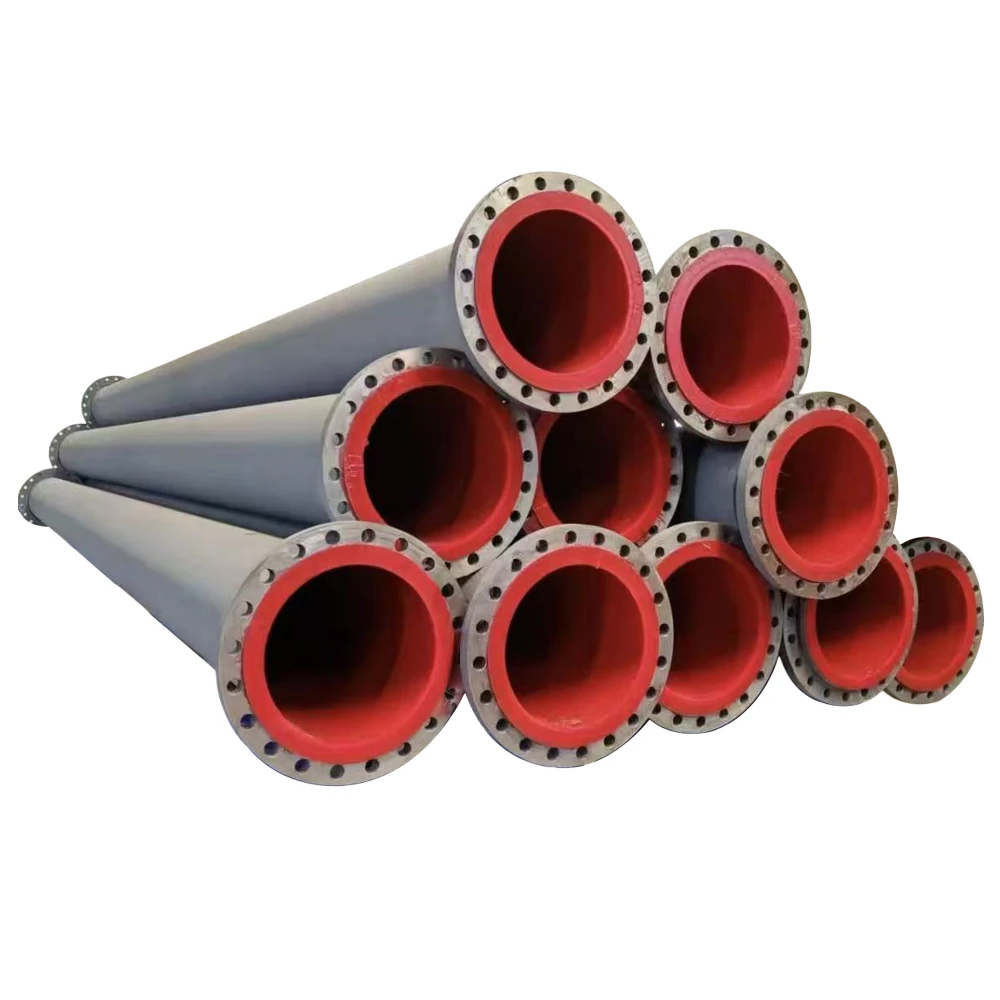
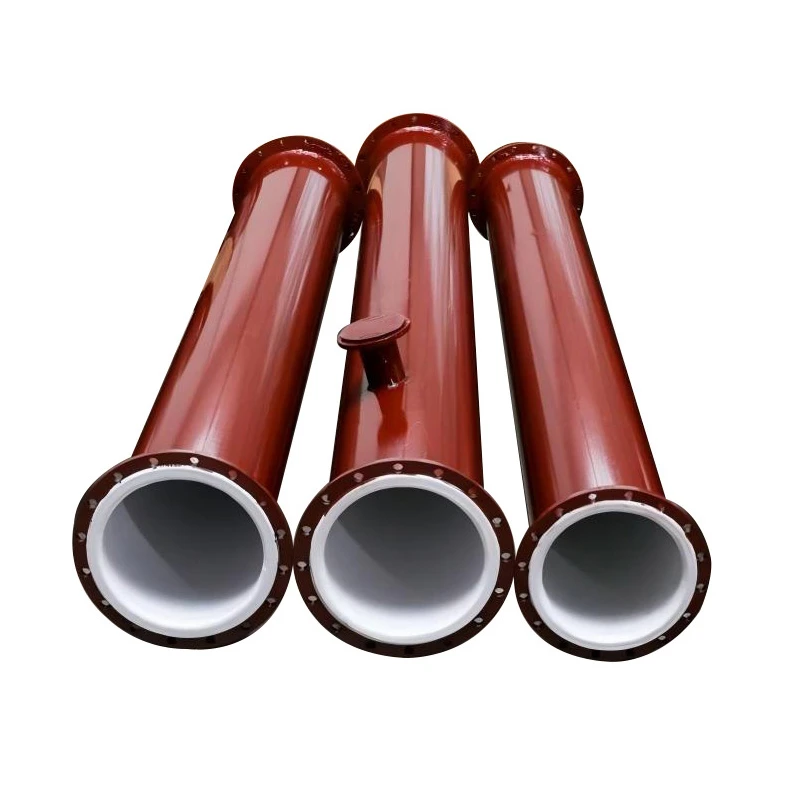
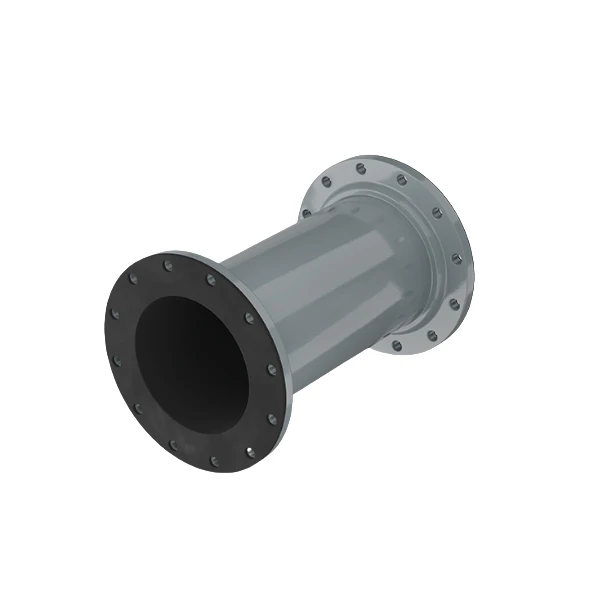
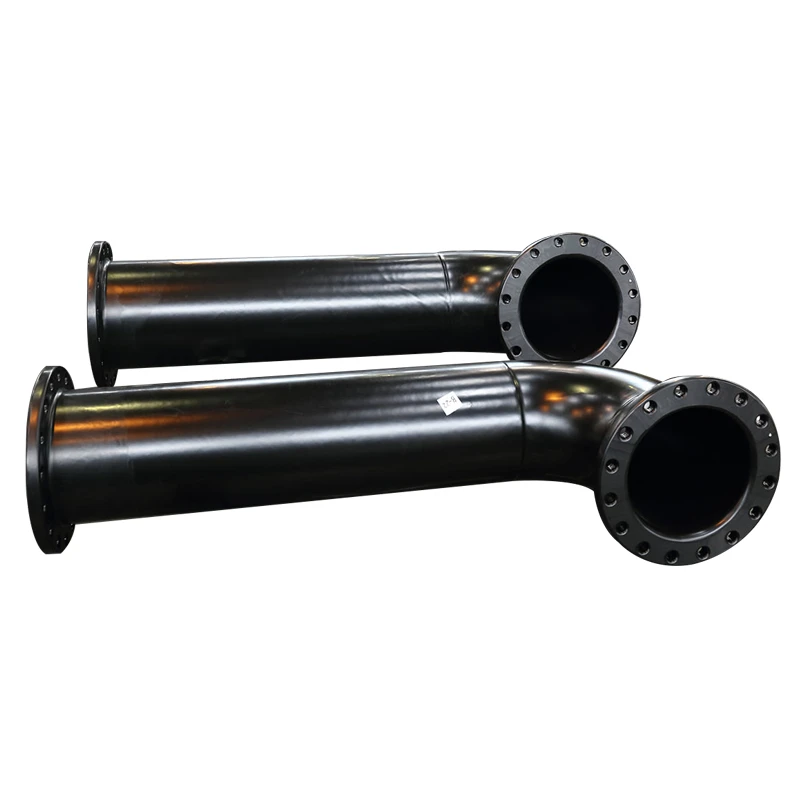
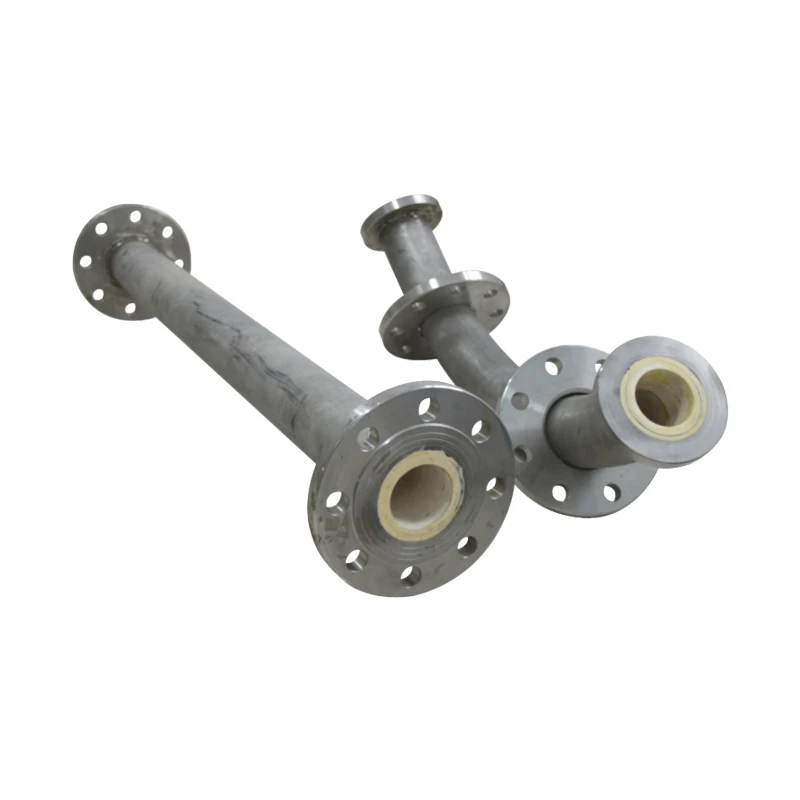
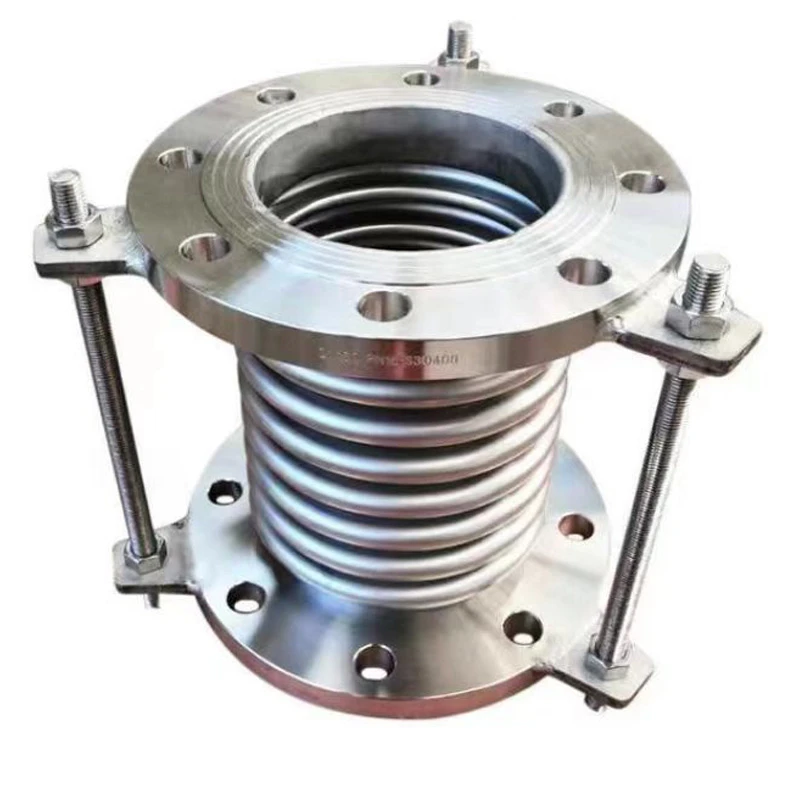
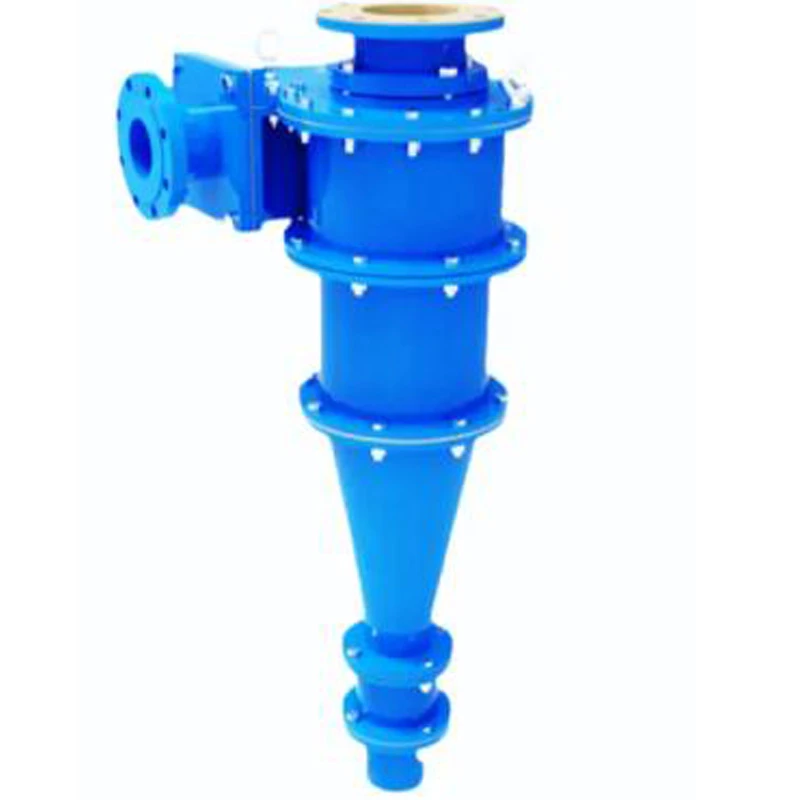
Our main products are polyurethane lined pipes, mining equipment fittings and metal hoses.