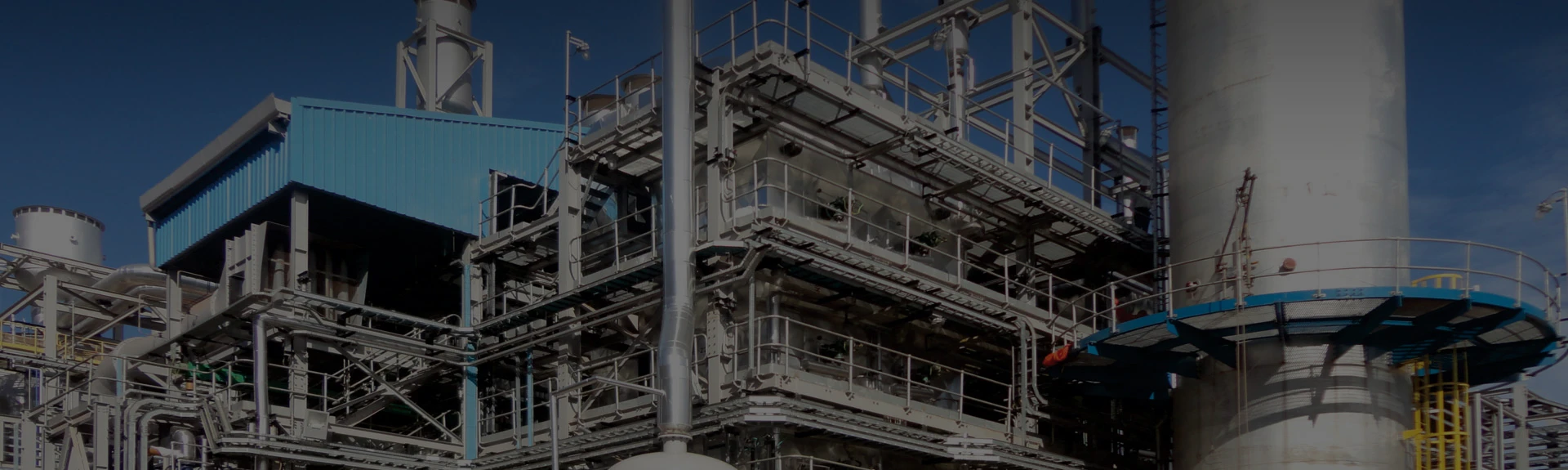
Chemical Tanks: Essential Storage Solutions for Global Industry & Safety
Chemical Tanks: Global Importance and Modern Industrial Backbone
Chemical tanks play a pivotal role in safely storing, transporting, and managing chemicals essential for industries ranging from agriculture to pharmaceuticals. Why does this matter on a global scale? Well, efficient chemical storage directly affects supply chains, safety standards, and environmental stewardship worldwide. Understanding chemical tanks is key for industries aiming to meet regulatory compliance and sustainability goals, especially as demand for reliable storage solutions surges with expanding industrialization and urbanization.
Introduction: Why Chemical Tanks Matter Globally
Across continents, industries rely on chemical tanks — vessels designed to handle a variety of liquids and gases under controlled conditions. According to the International Organization for Standardization (ISO), global chemical production has grown steadily; this trend naturally demands safer and more efficient containment systems.
One challenge? Many facilities in emerging economies still struggle with outdated or inadequate storage infrastructure, leading to environmental hazards and supply disruptions. Chemical tanks help us confront these issues head-on by providing secure containment, reducing leak risks, and facilitating regulatory compliance worldwide.
What Exactly Are Chemical Tanks?
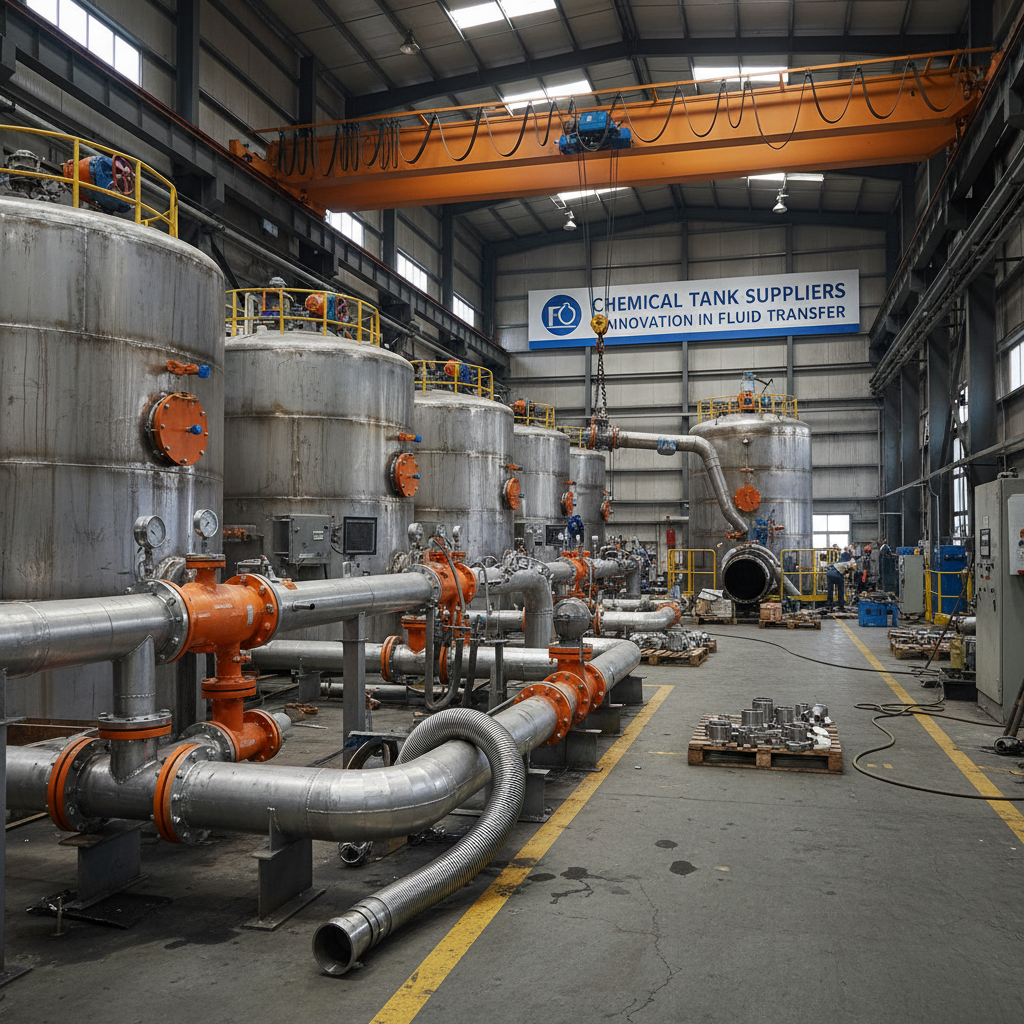
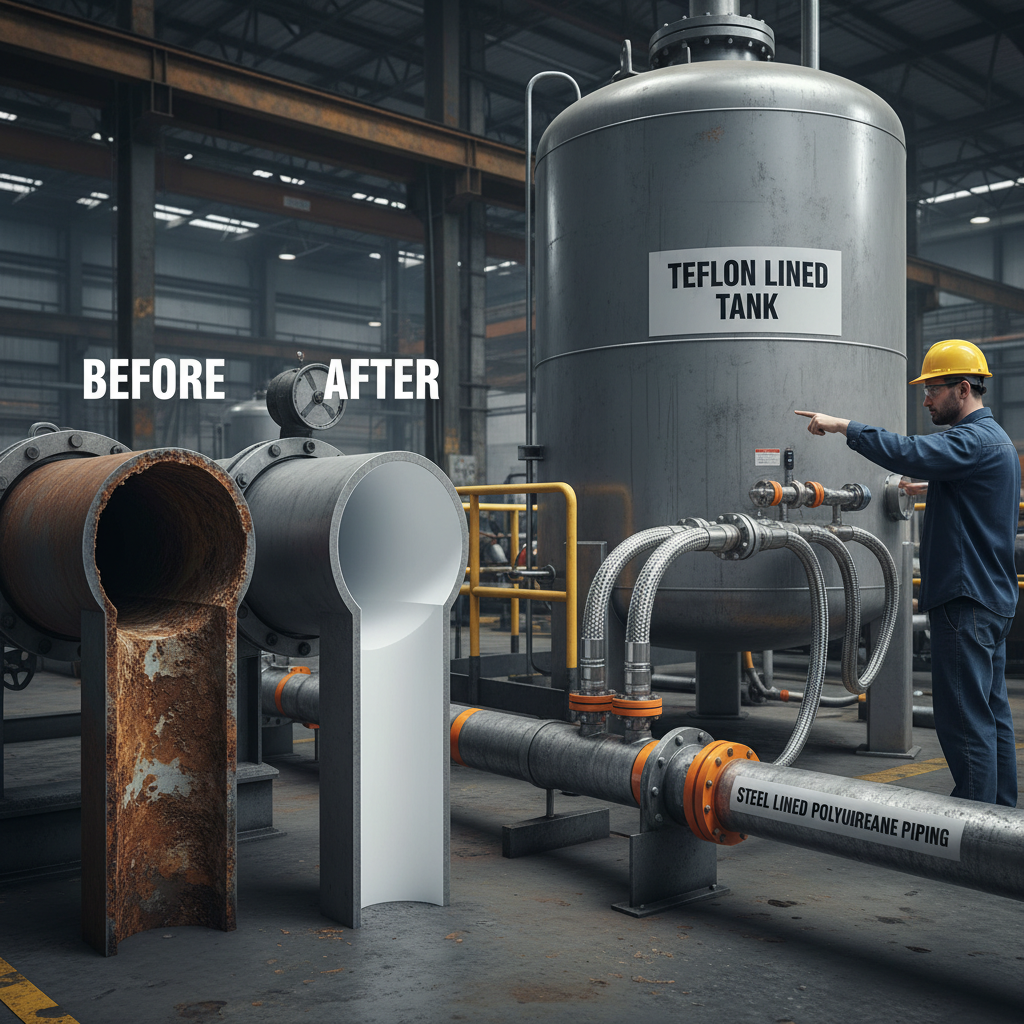
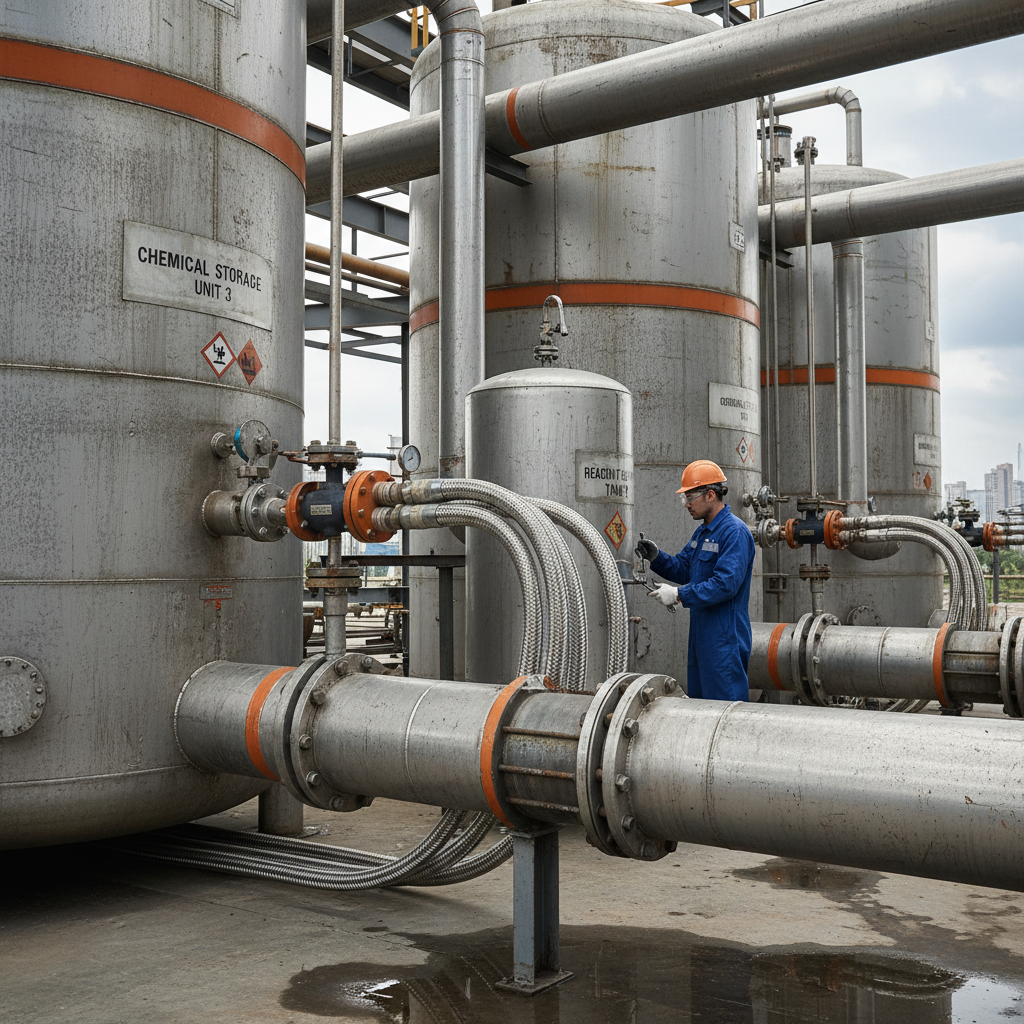
At their simplest, chemical tanks are containers designed specifically for storing chemicals safely. They’re built with materials and engineering to resist corrosion, contain volatile substances, and withstand mechanical stress. They exist in countless shapes and sizes, from small drums to massive on-site storage units, and they’re absolutely critical in industries like mining, water treatment, agriculture, and pharmaceuticals.
Oddly enough, these tanks also serve humanitarian needs — for example, they’re used for safely transporting cleaning agents and disinfectants in emergency relief efforts. In that sense, chemical tanks do more than hold substances; they protect people.
Key Factors When Considering Chemical Tanks
1. Durability
You want a tank that lasts decades without leaking or degrading. Many chemical tanks are made of high-grade stainless steel, fiberglass-reinforced plastic (FRP), or specialized polymers — each suited to different chemicals and conditions.
2. Scalability
Storage needs vary widely. Some sites require compact tanks on trucks; others need enormous stationary tanks. Scalability is about picking models that fit your current needs while allowing future expansion.
3. Cost Efficiency
Initial building costs, maintenance, and lifecycle all matter. For instance, FRP tanks might cost less upfront and resist corrosion better but can be brittle under extreme cold compared to steel.
4. Safety Features
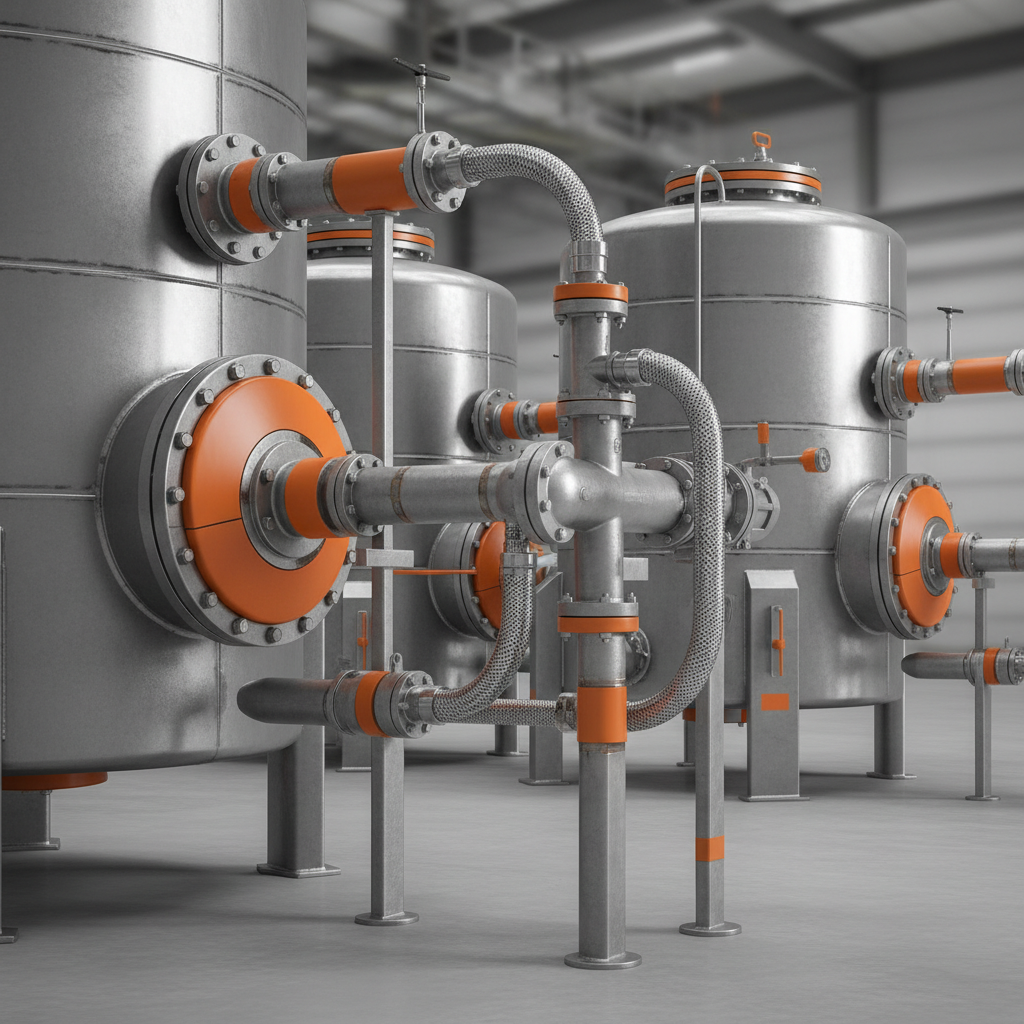
Venting systems, secondary containment, and pressure-relief valves are standard but crucial for preventing accidents, especially when storing volatile chemicals.
5. Compliance & Certification
Global and local standards dictate tank design, often requiring certifications from bodies like the American Society for Testing and Materials (ASTM) or ISO, ensuring tanks meet safety and environmental mandates.
Common Chemical Tank Specifications
| Specification | Typical Range/Value | Remarks |
|---|---|---|
| Material | Stainless Steel, FRP, Carbon Steel | Depends on chemical compatibility |
| Capacity | 100 L to 10,000,000 L+ | Customizable per application |
| Temperature range | -40°C to 150°C | Varies by material |
| Pressure rating | Vacuum to 5 bar | Based on chemical volatility |
| Lifespan | 15 to 50+ years | With proper maintenance |
Global Applications & Use Cases
- Industrial Manufacturing: Chemical tanks facilitate safe storage in petrochemical plants in regions like the Middle East and USA.
- Agriculture: Fertilizer production and pesticide formulation often rely on tanks, especially in booming markets like India and Brazil.
- Water Treatment: Municipal facilities across Europe use chemical tanks for storing disinfectants and coagulants to ensure clean water supply.
- Humanitarian Relief: In disaster-struck zones, tanks for transporting chemicals used in sanitation and disease control are vital — an often overlooked but critical use case.
In post-disaster relief operations, chemical tanks enable the storage and transport of vital supplies such as disinfectants or sterilizing agents, enhancing community health outcomes. In remote industrial zones, mobile chemical tanks empower operations without established infrastructure — a kind of lifeline.
Advantages & Long-Term Value of Chemical Tanks
When you invest in quality chemical tanks, you get more than just a container. There’s cost savings over time through reduced spills and maintenance, but also big wins around sustainability — many modern tanks are designed for recyclability or use eco-friendly materials.
Beyond the numbers, there’s the emotional reassurance that comes from knowing hazardous substances are contained and won’t harm workers or communities. Innovation in tank design means fewer accidents and greater trust between companies and regulators.
Future Trends & Innovations in Chemical Tank Technology
We’re witnessing exciting changes:
- Green Materials: Tanks made with bio-based resins or recycled plastics reduce carbon footprints.
- Digital Monitoring: IoT sensors embedded in tanks help detect leaks early and track chemical levels in real time.
- Automated Safety Systems: Smart pressure and ventilation controls enhance safety without human intervention.
- Regulatory Evolution: Stricter global mandates push for tanks with higher resilience and emergency containment measures.
Challenges & Solutions in Chemical Tank Usage
Of course, there are challenges. Material compatibility failures, unexpected corrosion, or human error during installation can still occur. But engineers are developing advanced coatings, modular tank designs, and training programs to reduce risks.
Vendor partnerships also matter — experienced suppliers offer design support and certifications that can make all the difference in project success.
Vendor Comparison: Leading Chemical Tank Manufacturers
| Vendor | Material Focus | Certifications | Global Reach | Notable Strength |
|---|---|---|---|---|
| QW Metal | Stainless Steel, Carbon Steel | ISO 9001, CE | Asia, Europe, Africa | Customized designs, fast turnaround |
| FibroTanks Inc. | Fiberglass Reinforced Plastic | ASTM, ISO 14000 | North America, Europe | Lightweight, corrosion resistance |
| ChemContain Solutions | Carbon Steel, Polymers | ISO 45001, CE | Global | Integrated safety systems |
FAQ: Answers to Your Chemical Tank Questions
What materials are best suited for chemical tanks storing corrosive liquids?
Materials like high-grade stainless steel and fiberglass-reinforced plastic (FRP) are commonly chosen for corrosive chemical storage. Stainless steel offers excellent strength and resistance, particularly for acids, while FRP is lighter and corrosion-resistant but more suited for specific chemical types. Ultimately, compatibility with the stored chemical’s properties should guide your choice.
How long do chemical tanks typically last before needing replacement?
With correct maintenance, chemical tanks can last anywhere from 15 to over 50 years. Lifespan depends on material, environmental conditions, and usage intensity. Regular inspections and proper cleaning mitigate corrosion, extending service life.
Can chemical tanks be customized for mobile or modular use?
Yes, many manufacturers offer customizable tanks designed for mobility—such as skid-mounted or ISO container-sized tanks—ideal for remote sites or temporary setups. Modular designs also allow adding capacity when needed.
What are the main safety features to look for in a chemical tank?
Look for venting systems to manage pressure, secondary containment to catch leaks, pressure relief valves, and durable, chemical-compatible linings. Many modern tanks also incorporate sensors to monitor structural integrity.
Are there environmental regulations affecting chemical tank usage?
Yes, strict environmental and safety regulations worldwide govern chemical storage—based on organizations like EPA (USA) or the UN Economic Commission for Europe. Compliance ensures proper containment and minimizes pollution risks.
Conclusion: The Long-Term Promise of Chemical Tanks
Chemical tanks stand as unsung heroes in modern industrial and humanitarian scenarios alike. Their design and application touch sustainability, safety, and cost efficiency — values that industries cannot ignore. Whether you’re expanding a manufacturing plant or supporting a relief operation, choosing the right chemical tanks makes a tangible difference.
For expertly crafted, unique chemical tanks tailored to your needs, do check out chemical tanks from trusted vendors like QW Metal — they balance innovation and reliability in every solution.
Thanks for reading; hopefully, this gave you a clearer picture beyond the surface of these technical essentials!
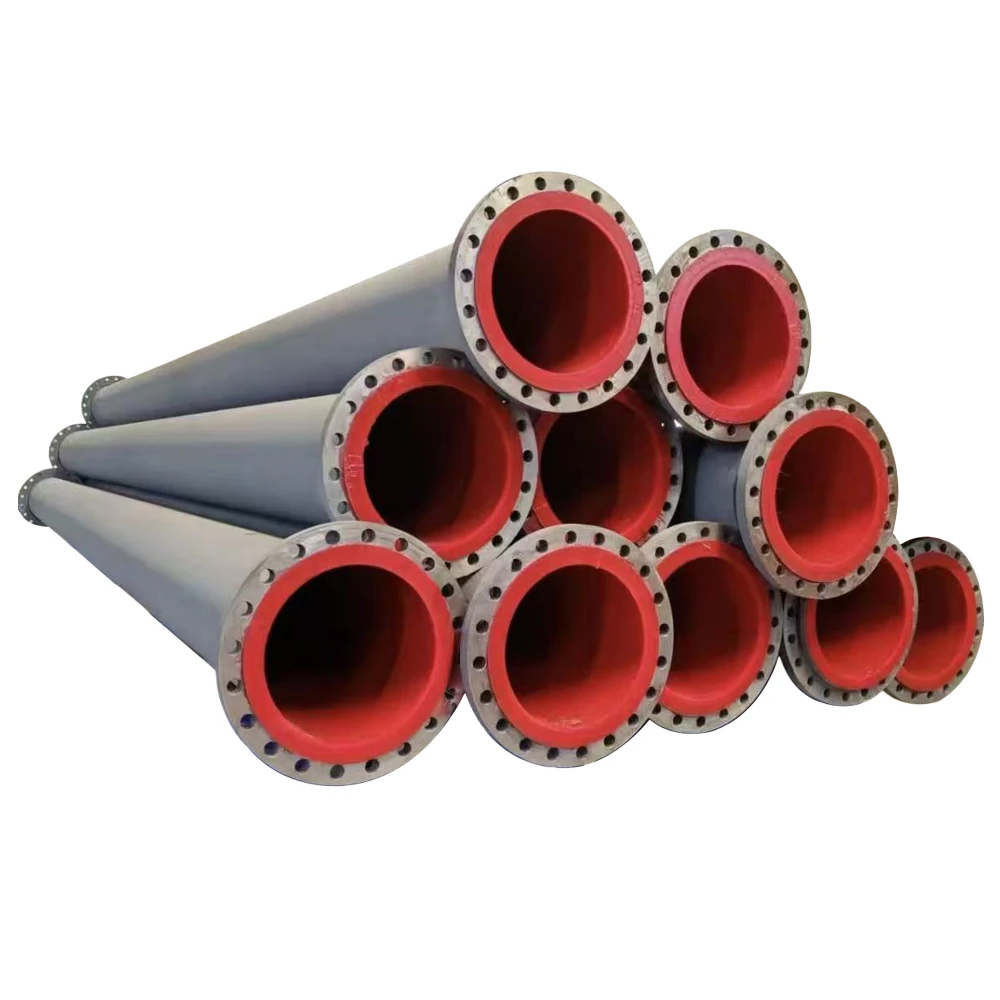
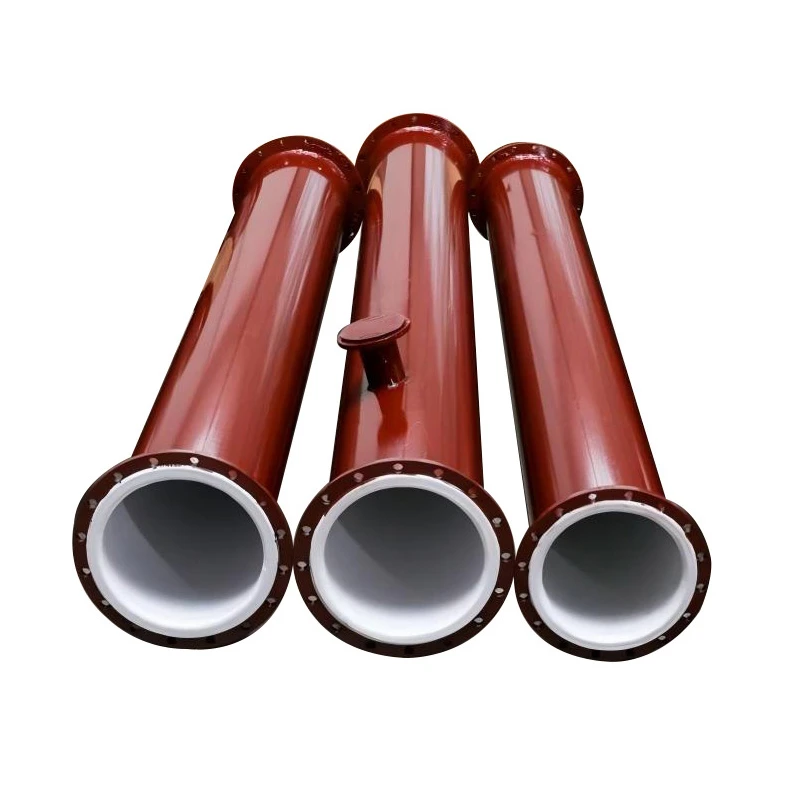
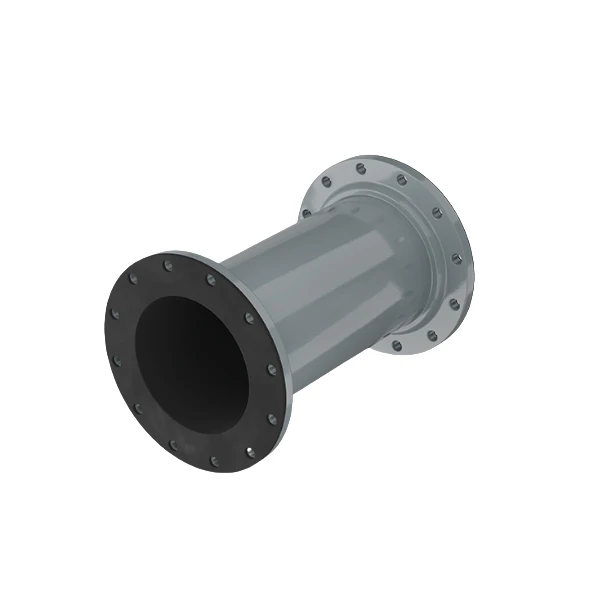

Related Products
Our main products are polyurethane lined pipes, mining equipment fittings and metal hoses.