Comprehensive Guide to Chemical Storage Tank Selection and Safe Handling
Chemical Storage Tank: A Comprehensive Guide
Selecting the right chemical storage tank is crucial for the safe and compliant handling of various substances across industries. From industrial manufacturing to water treatment, the correct tank ensures environmental protection, worker safety, and the integrity of stored materials. This article delves into the types, materials, considerations, and applications of chemical storage tanks, providing valuable insights for informed decision-making. Investing in a quality tank is an investment in the longevity and security of your operations.
Types of Chemical Storage Tanks
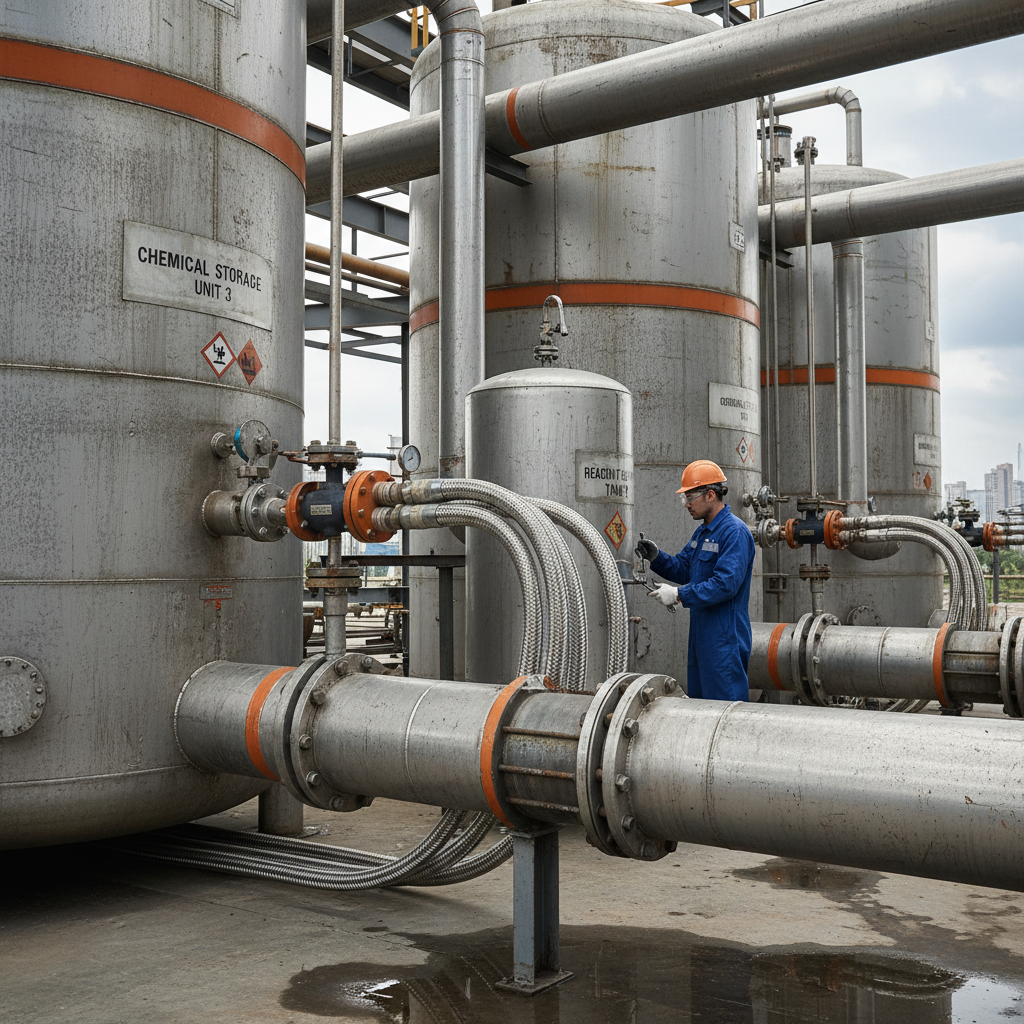
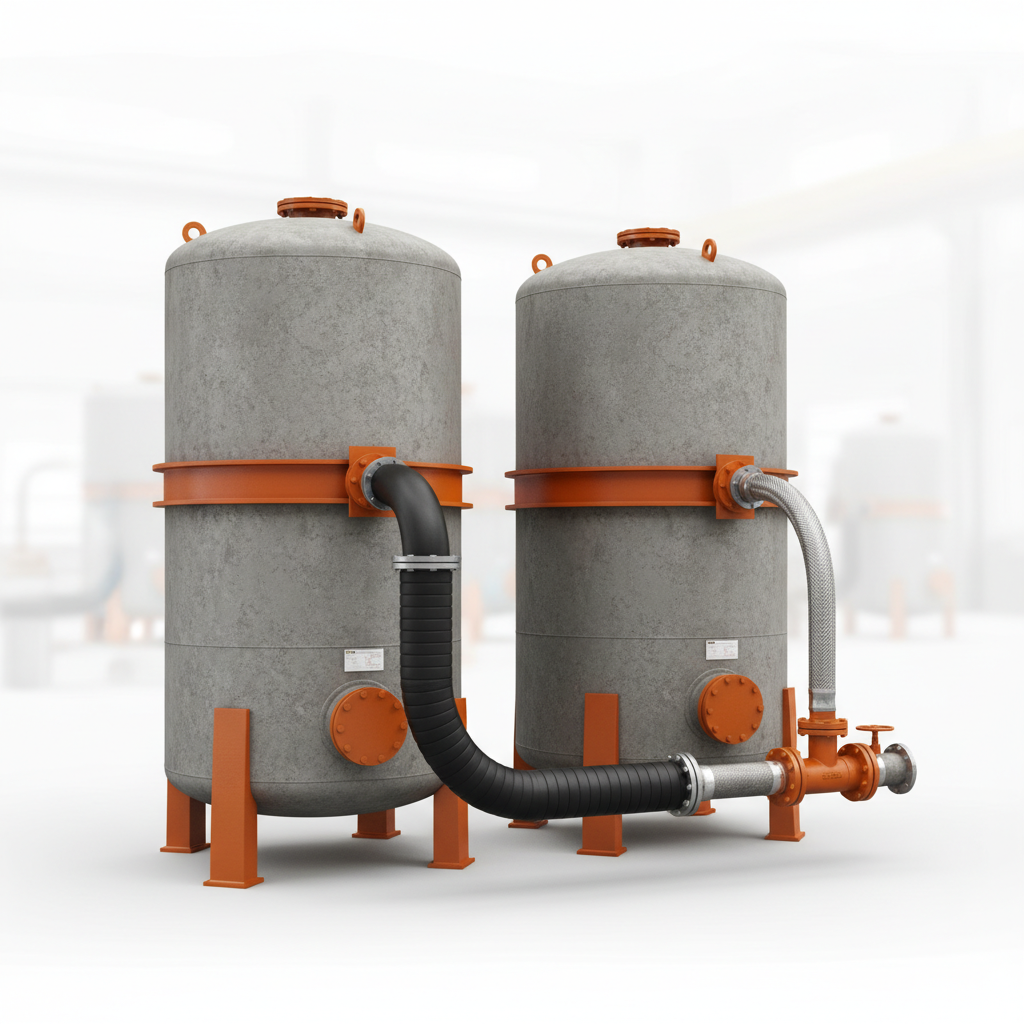
Chemical storage tanks come in a variety of types, each suited for different applications and chemical compatibility requirements. Common types include vertical tanks, horizontal tanks, conical bottom tanks, and open-top tanks. Vertical tanks are space-efficient and commonly used for large volumes, while horizontal tanks are often preferred for lower profiles and easier access. Conical bottom tanks facilitate complete drainage, crucial for certain chemicals, and open-top tanks are used for less hazardous materials and allow for visual inspection. Choosing the right type depends on factors like chemical properties, storage volume, site constraints, and regulatory compliance.
Key Considerations: Carefully assess the chemical's characteristics, required storage volume, and site constraints before selecting a tank type.
Material Selection for Chemical Storage Tanks
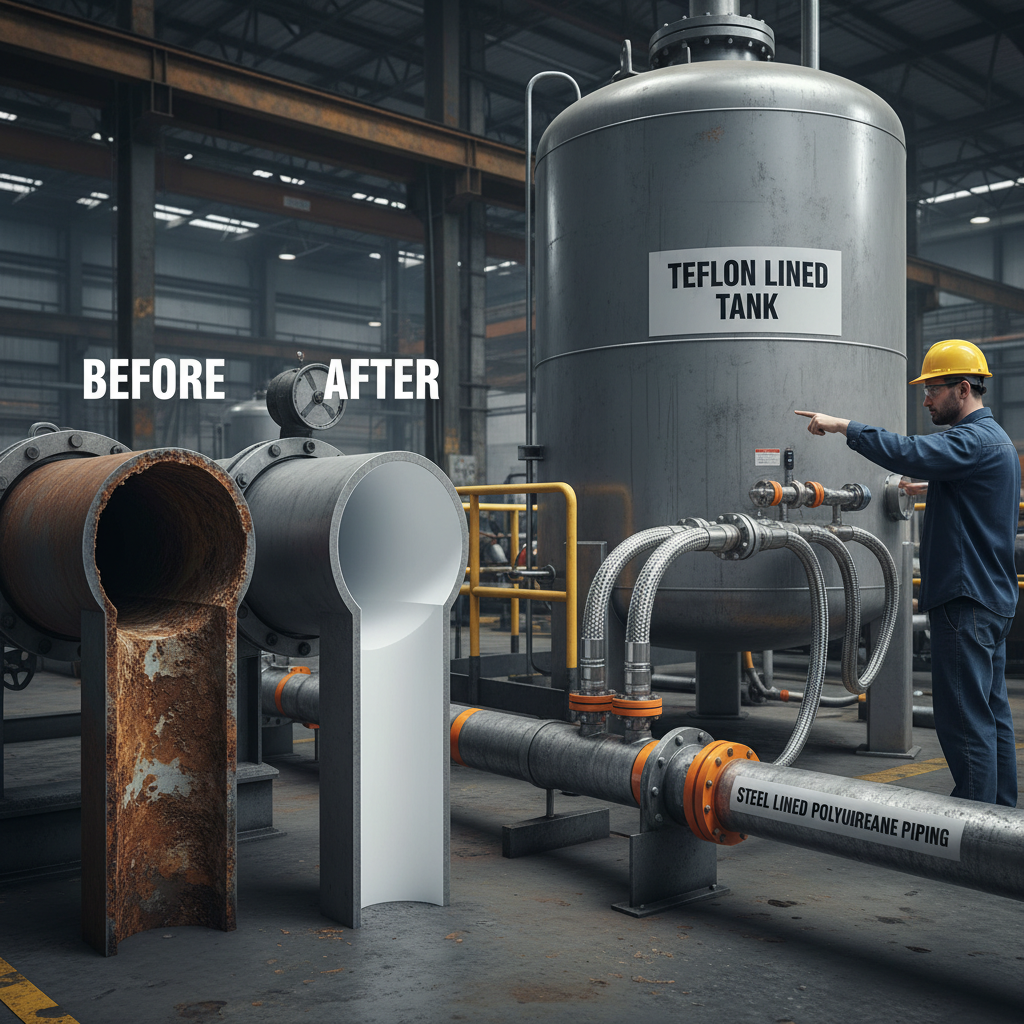
The material of a chemical storage tank is paramount, dictating its compatibility with the stored substance, lifespan, and resistance to corrosion. Common materials include polyethylene (PE), polypropylene (PP), fiberglass reinforced plastic (FRP), and stainless steel. Polyethylene tanks are cost-effective and suitable for many chemicals, while polypropylene offers higher temperature resistance. FRP tanks provide excellent corrosion resistance but can be susceptible to damage from impact. Stainless steel tanks are the most durable and chemically resistant but also the most expensive. Proper material selection prevents leaks, contamination, and tank failure.
Material Comparison:
• Polyethylene (PE): Cost-effective, good chemical resistance.
• Polypropylene (PP): Higher temperature resistance than PE.
• Fiberglass Reinforced Plastic (FRP): Excellent corrosion resistance.
• Stainless Steel: Most durable and chemically resistant.
Choosing the Right Chemical Storage Tank: Key Considerations
Beyond type and material, several factors influence the ideal chemical storage tank. These include the specific gravity of the chemical, its viscosity, potential for off-gassing, and local environmental regulations. Tank size should be calculated based on current and projected storage needs, allowing for expansion. Features like level indicators, vent systems, and secondary containment are also crucial for safe and compliant operation. A thorough risk assessment is essential to identify potential hazards and implement appropriate safeguards.
Secondary Containment Systems for Chemical Storage Tanks
Secondary containment is a critical safety measure to prevent environmental contamination in the event of a tank leak or spill. This can include concrete dikes, spill pallets, or double-walled tanks. The containment volume must be sufficient to hold at least 110% of the largest tank’s capacity. Regular inspection of containment areas is vital to ensure they are free from cracks or damage. Properly designed secondary containment minimizes the risk of spills reaching soil, groundwater, or waterways.
Industry Applications of Chemical Storage Tanks
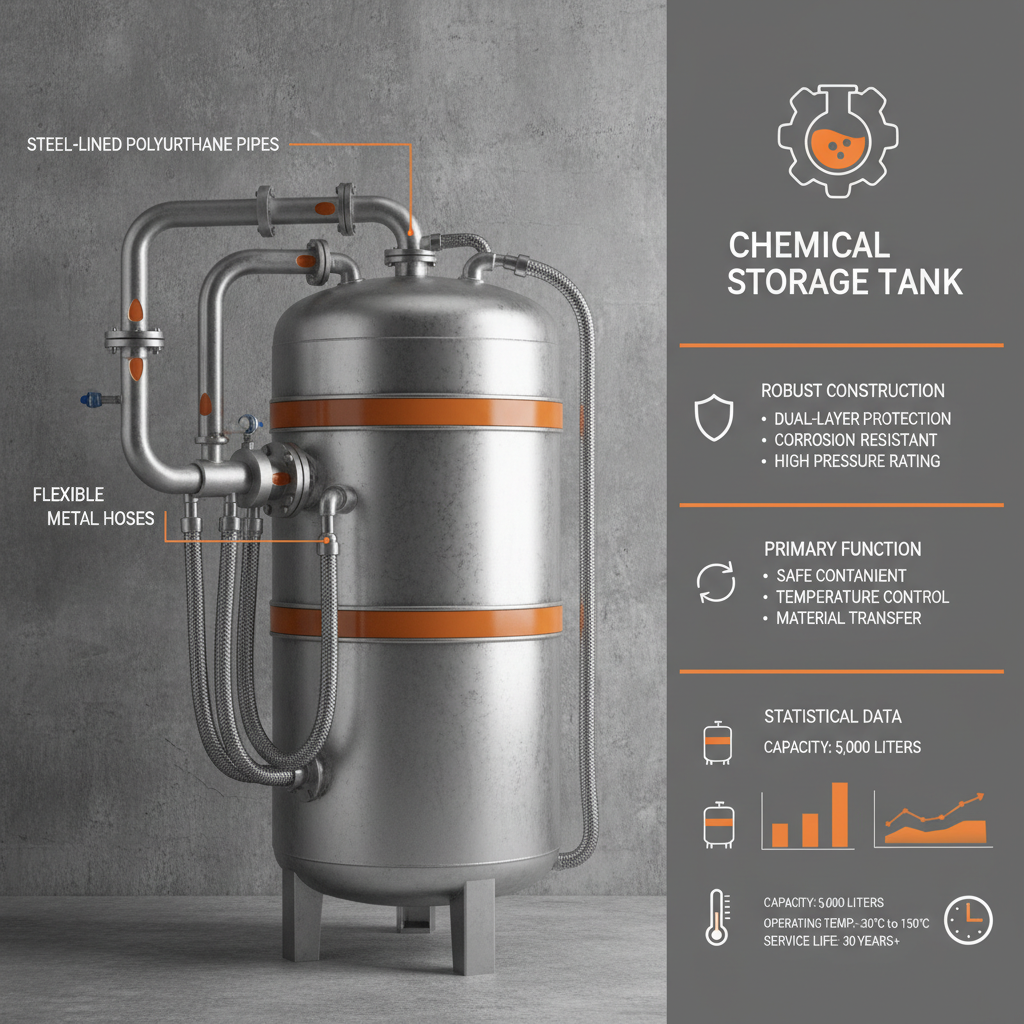
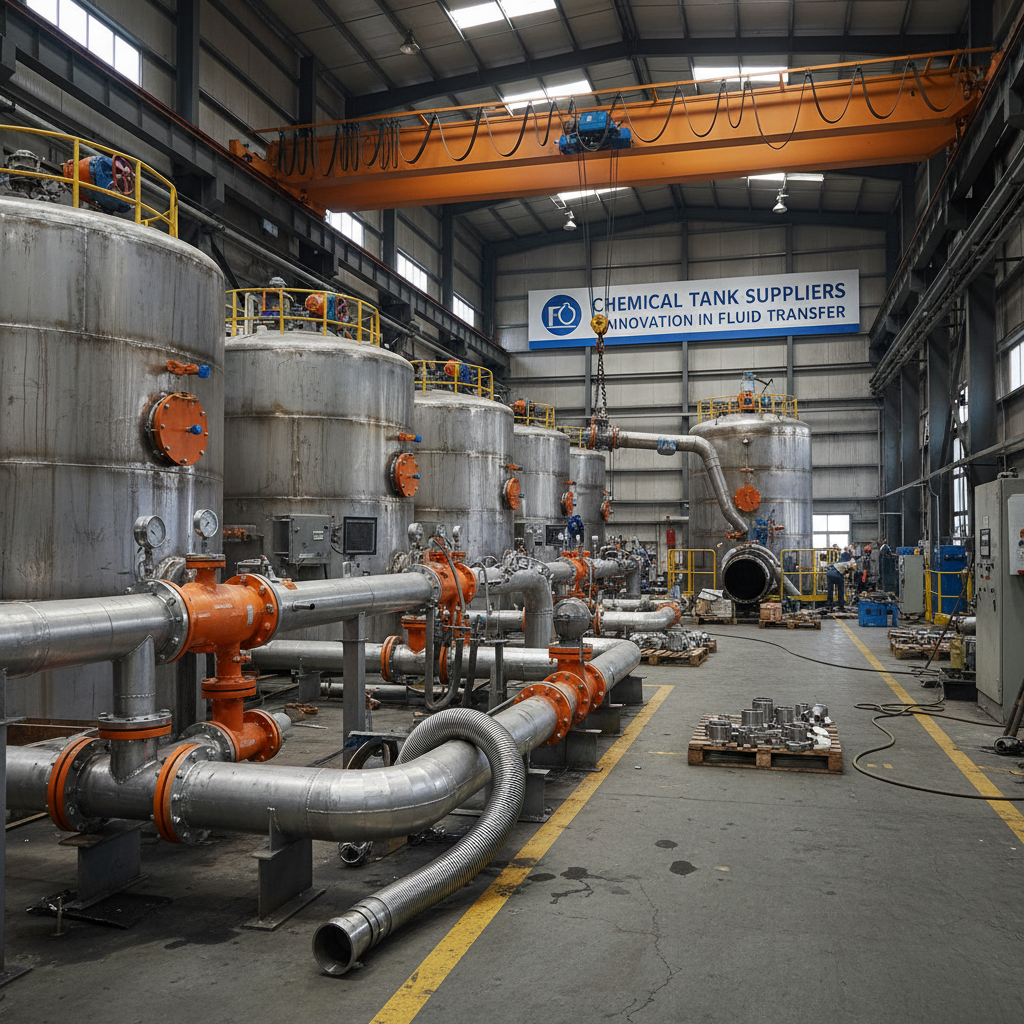
Chemical storage tanks are essential across a wide array of industries. In the water treatment sector, they store chemicals used for purification and disinfection. The pharmaceutical industry relies on tanks for storing raw materials and finished products. Manufacturing facilities utilize them for processing chemicals and storing waste materials. Agriculture uses tanks for fertilizer and pesticide storage. Each application demands specific tank features and materials to ensure safety, efficiency, and regulatory compliance. QW Metal provides solutions for diverse industrial needs.
Conclusion: Investing in Reliable Chemical Storage
Selecting the appropriate chemical storage tank is a critical investment in safety, environmental protection, and operational efficiency. Careful consideration of chemical compatibility, material selection, regulatory requirements, and secondary containment is essential. By prioritizing these factors, businesses can ensure the safe and compliant storage of hazardous materials, minimizing risks and protecting both people and the environment.
Frequently Asked Questions (FAQs)
What is the typical lifespan of a chemical storage tank?
The lifespan of a chemical storage tank varies depending on the material, the chemicals stored, and environmental conditions. Polyethylene tanks generally last 15-20 years, while fiberglass tanks can last 25-30 years with proper maintenance. Stainless steel tanks have the longest lifespan, potentially exceeding 50 years. Regular inspections are crucial to identify any signs of corrosion, cracking, or degradation. Proper maintenance, including cleaning and protective coatings, can extend the tank's lifespan.
How important is secondary containment?
Secondary containment is extremely important. It acts as a crucial safety barrier in the event of a tank leak or spill, preventing hazardous chemicals from reaching the environment and minimizing potential damage. Regulations often mandate secondary containment for specific chemicals and storage volumes. A properly designed and maintained secondary containment system can significantly reduce the risk of costly cleanup operations and environmental liabilities.
What regulations govern chemical storage tanks?
Regulations governing chemical storage tanks vary by location and the type of chemical stored. In the United States, the Environmental Protection Agency (EPA) and state environmental agencies have regulations related to spill prevention, control, and countermeasure (SPCC) plans, as well as underground storage tanks (USTs). Local fire codes may also apply. It's crucial to understand and comply with all applicable regulations to avoid penalties and ensure responsible chemical handling.
What maintenance is required for chemical storage tanks?
Regular maintenance is essential for ensuring the longevity and safety of chemical storage tanks. This includes visual inspections for cracks, corrosion, or leaks, cleaning the tank interior to prevent buildup of sediment, and checking the functionality of all accessories like vents and level indicators. Maintaining accurate records of inspections and maintenance activities is also important. A preventative maintenance program can identify potential issues before they escalate into major problems.
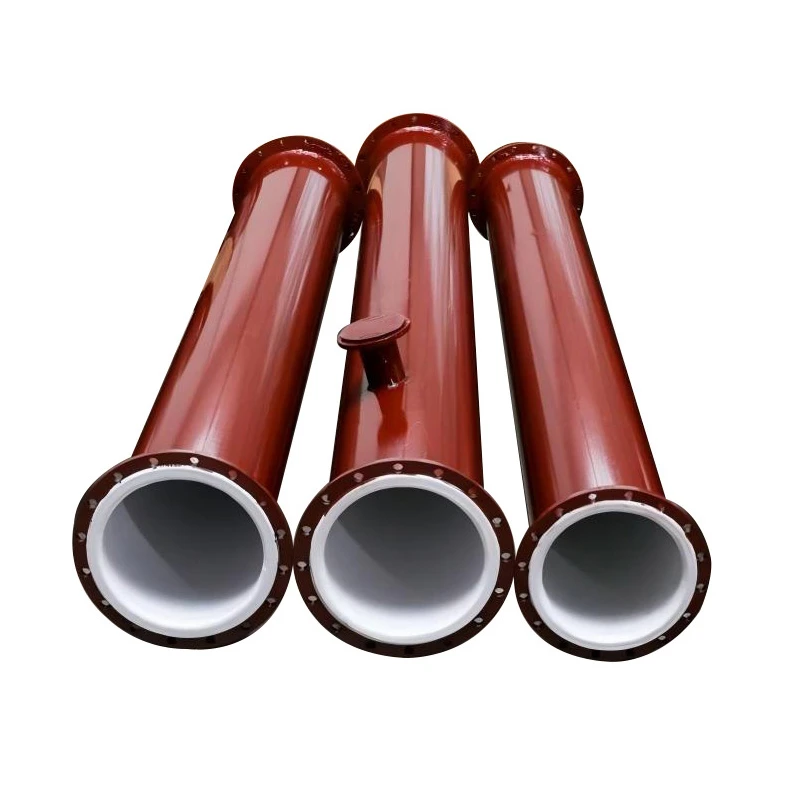
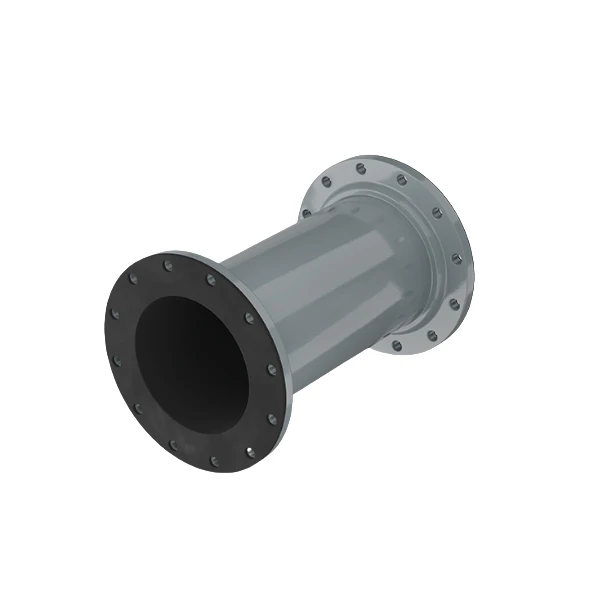
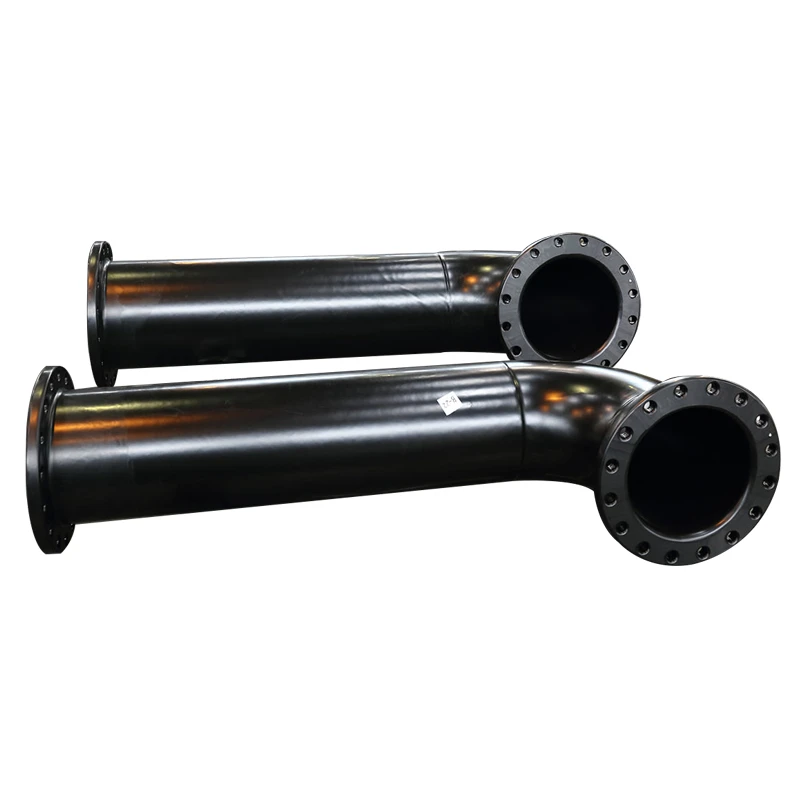
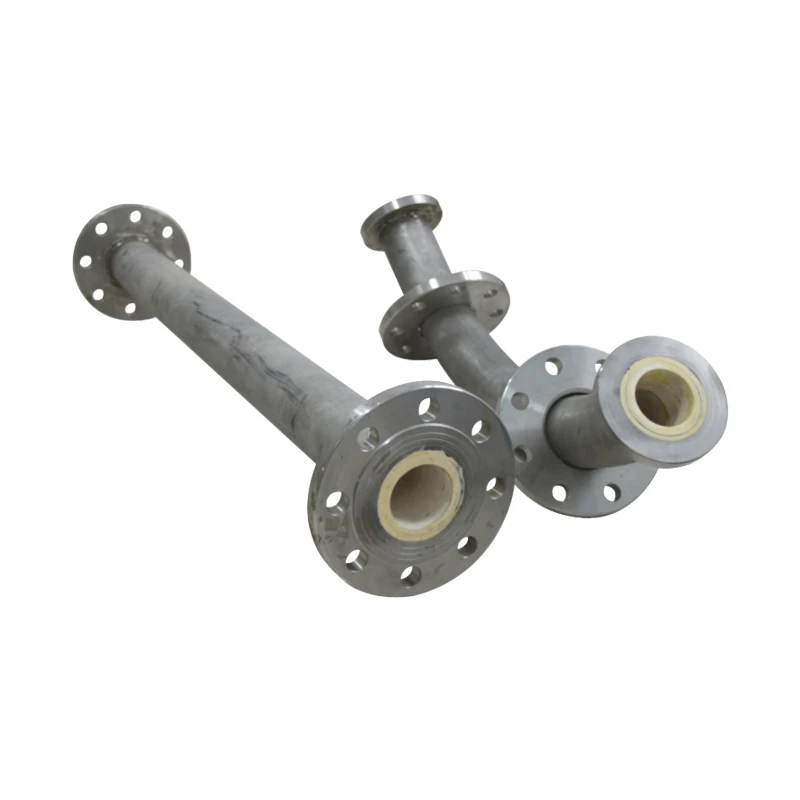

Related Products
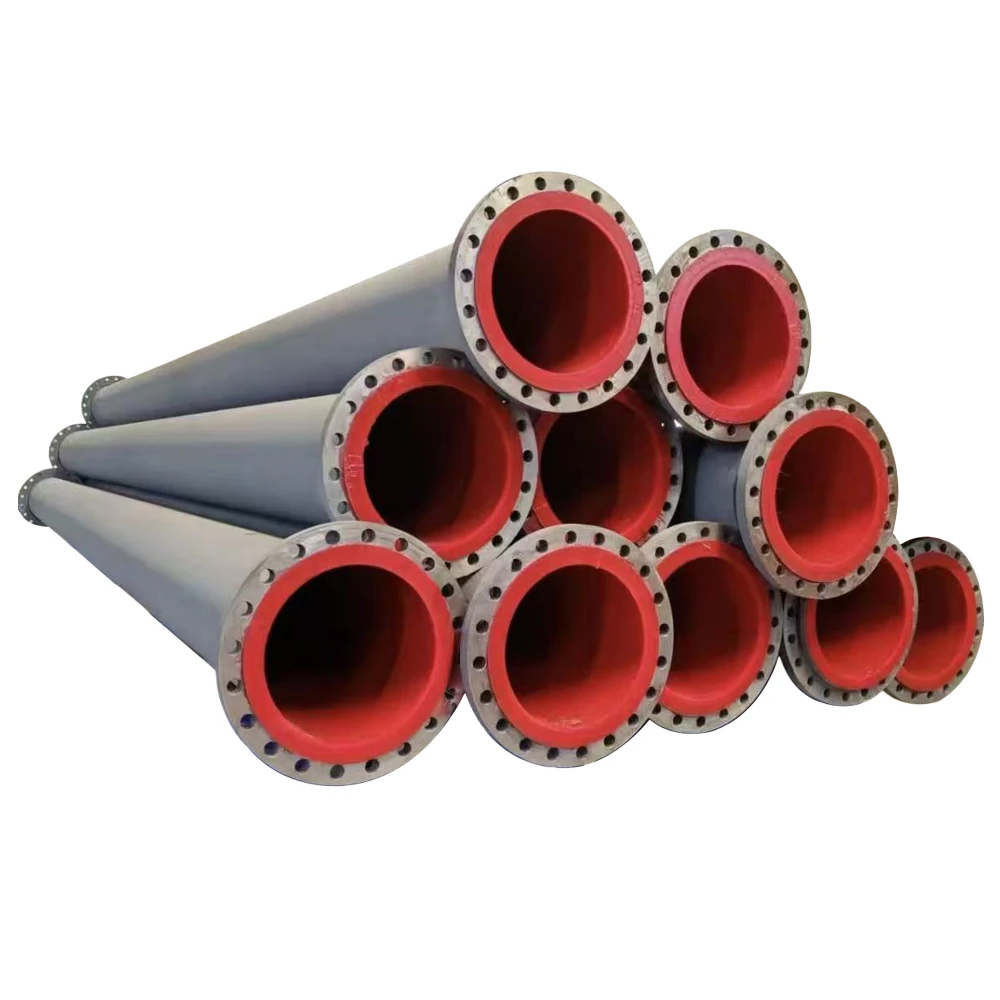
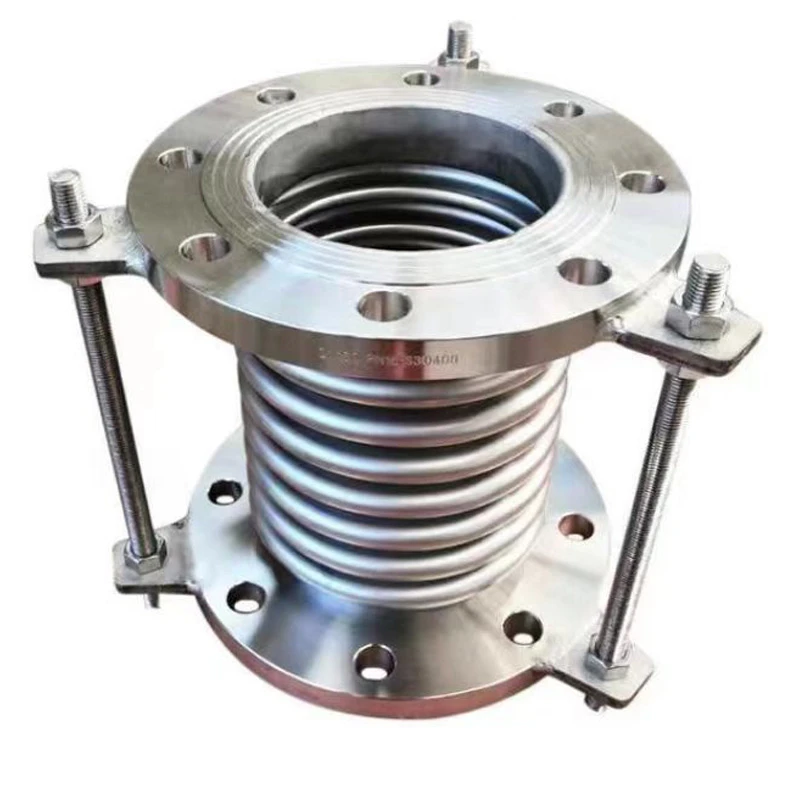
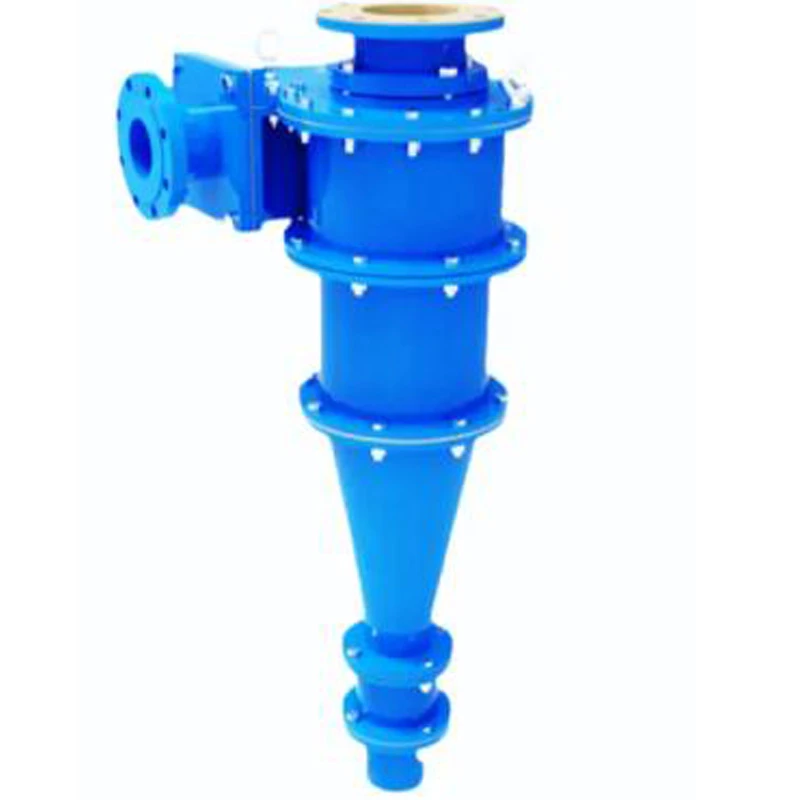
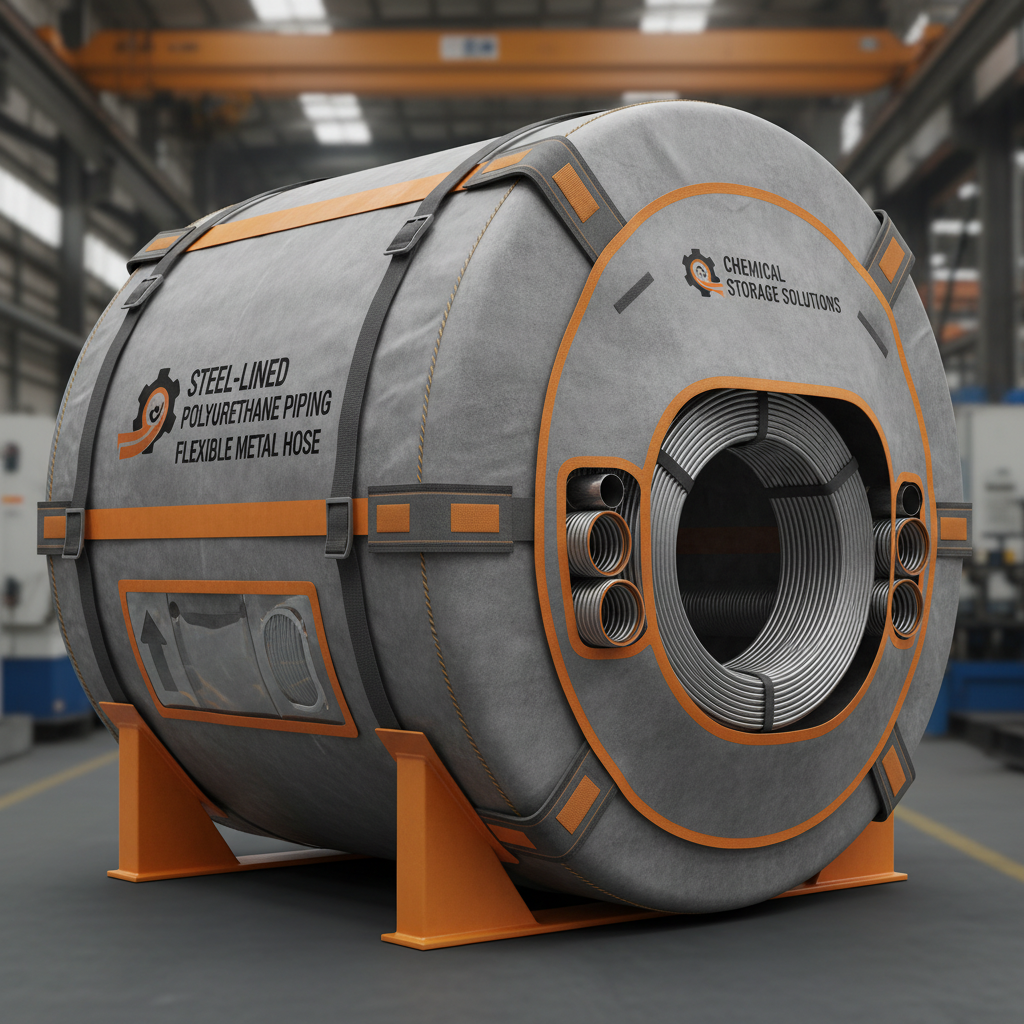
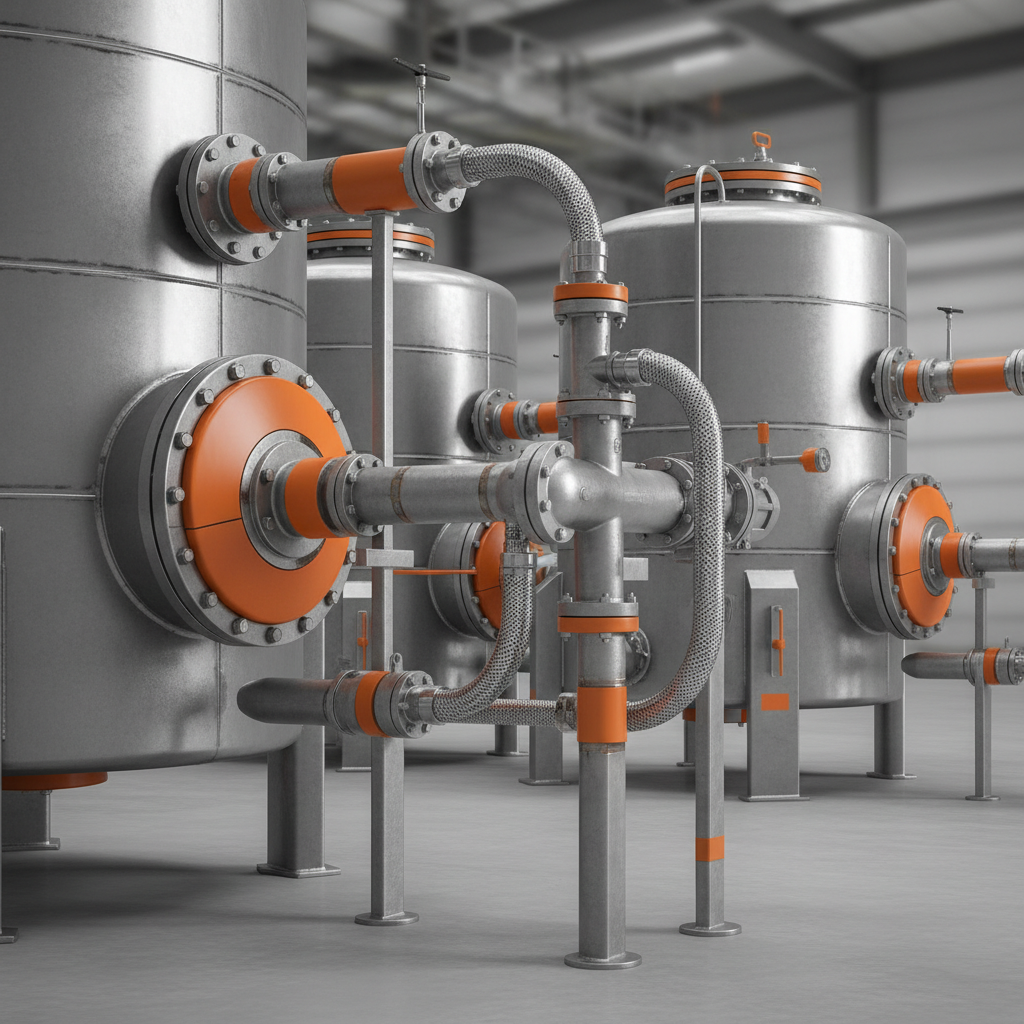
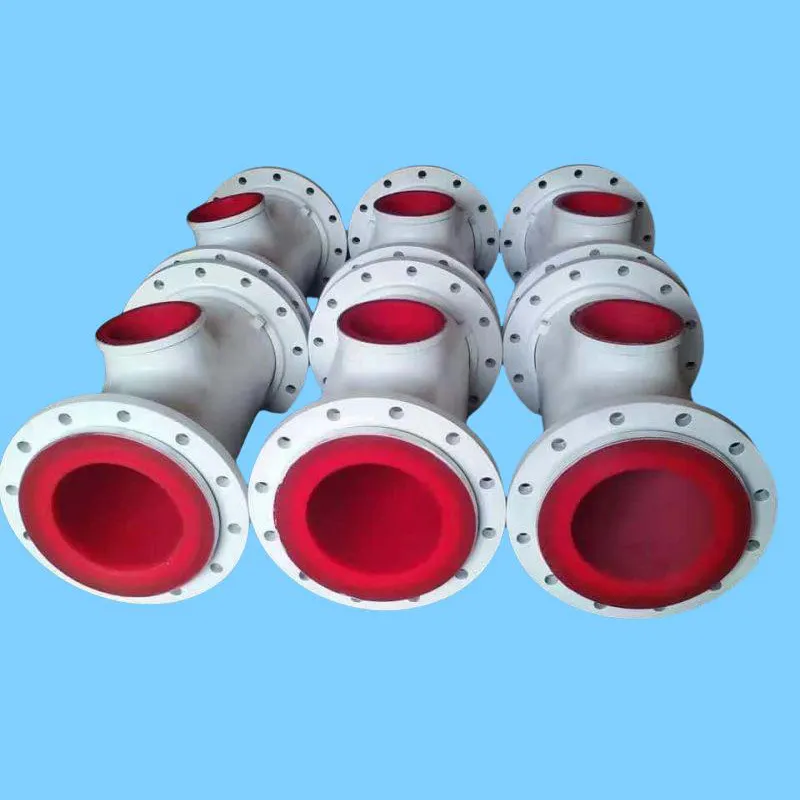
Our main products are polyurethane lined pipes, mining equipment fittings and metal hoses.