Comprehensive Guide to Rubber Lined Tanks for Corrosive Material Storage
Rubber Lined Tanks: A Comprehensive Guide
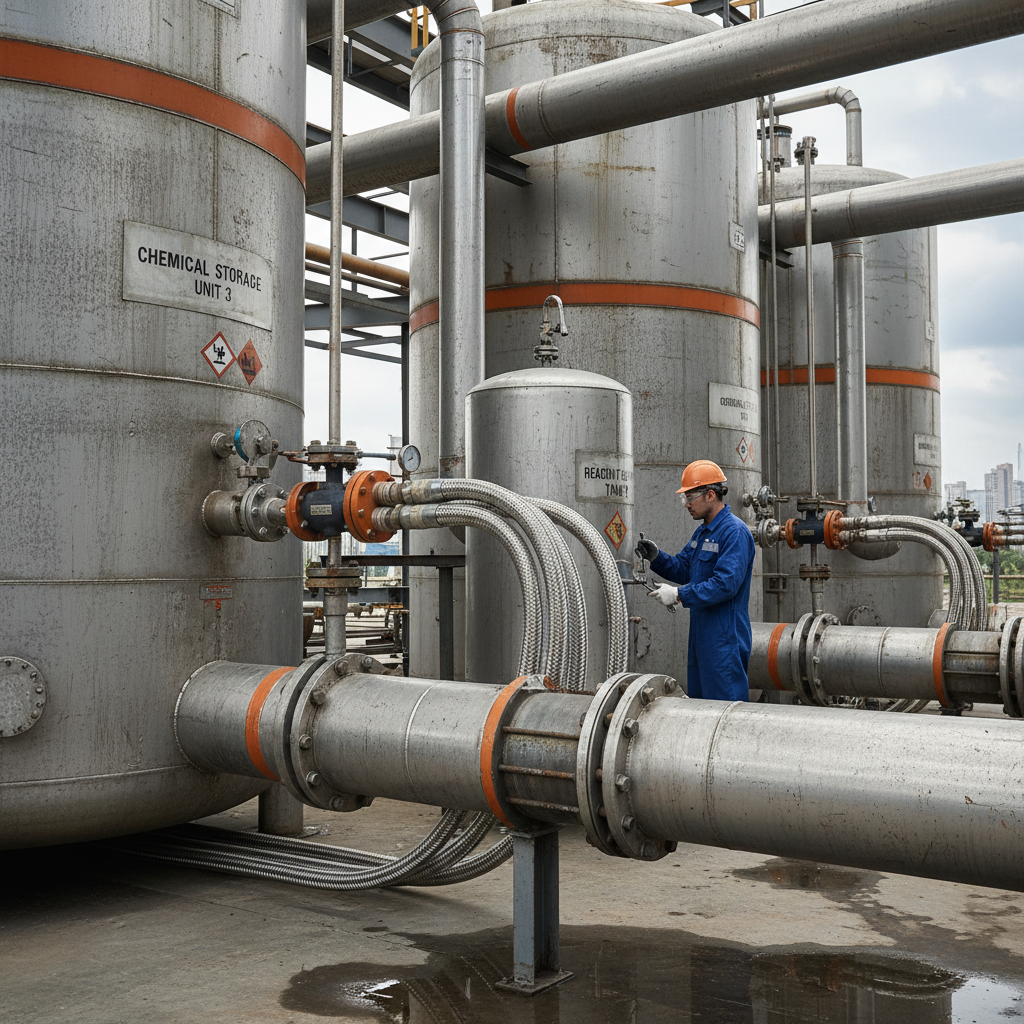
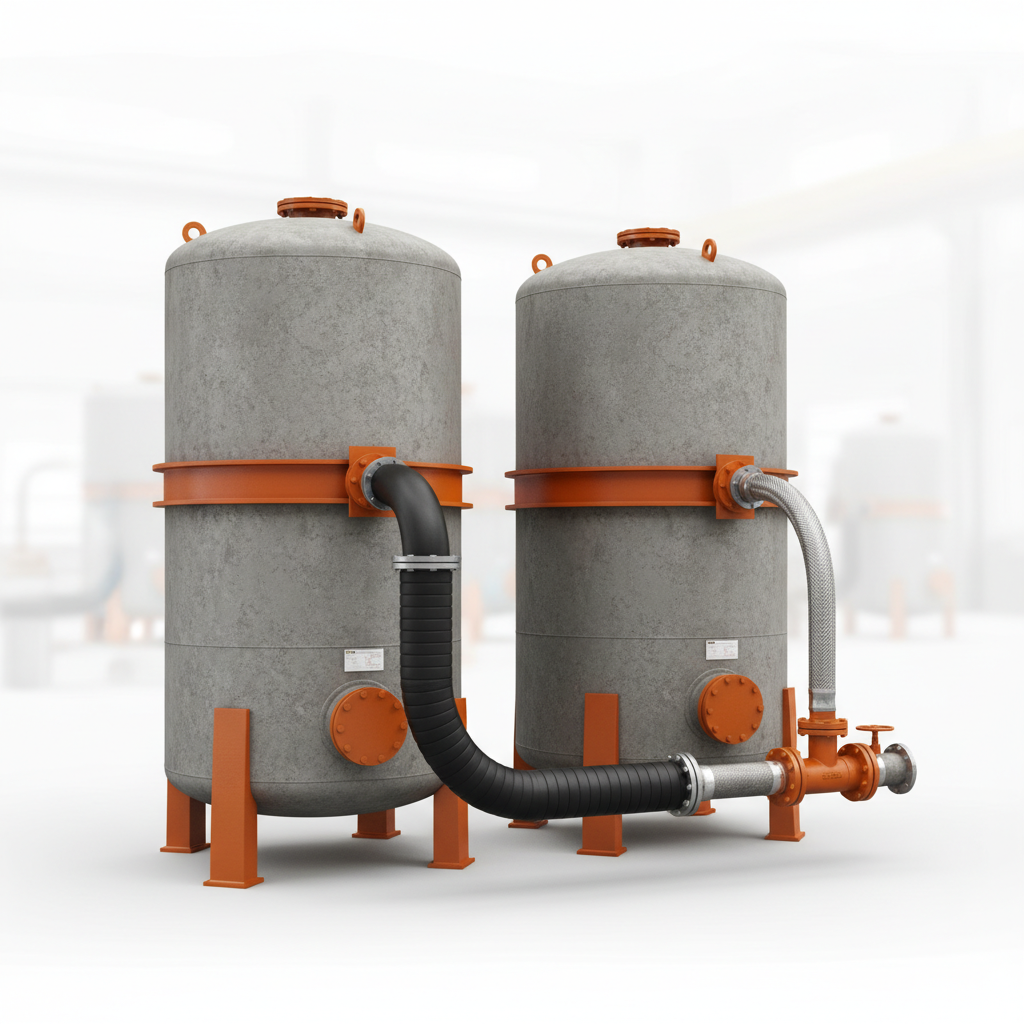
When dealing with corrosive materials, choosing the right storage solution is critical. Rubber lined tanks provide exceptional protection against chemical attack and are widely used across various industries. This article delves into the benefits, applications, materials, and considerations for selecting a rubber lined tank, providing a thorough overview for engineers, procurement managers, and anyone involved in handling corrosive substances. Ensuring the integrity of your storage systems safeguards your operations and protects the environment.
Understanding Rubber Lining and its Benefits
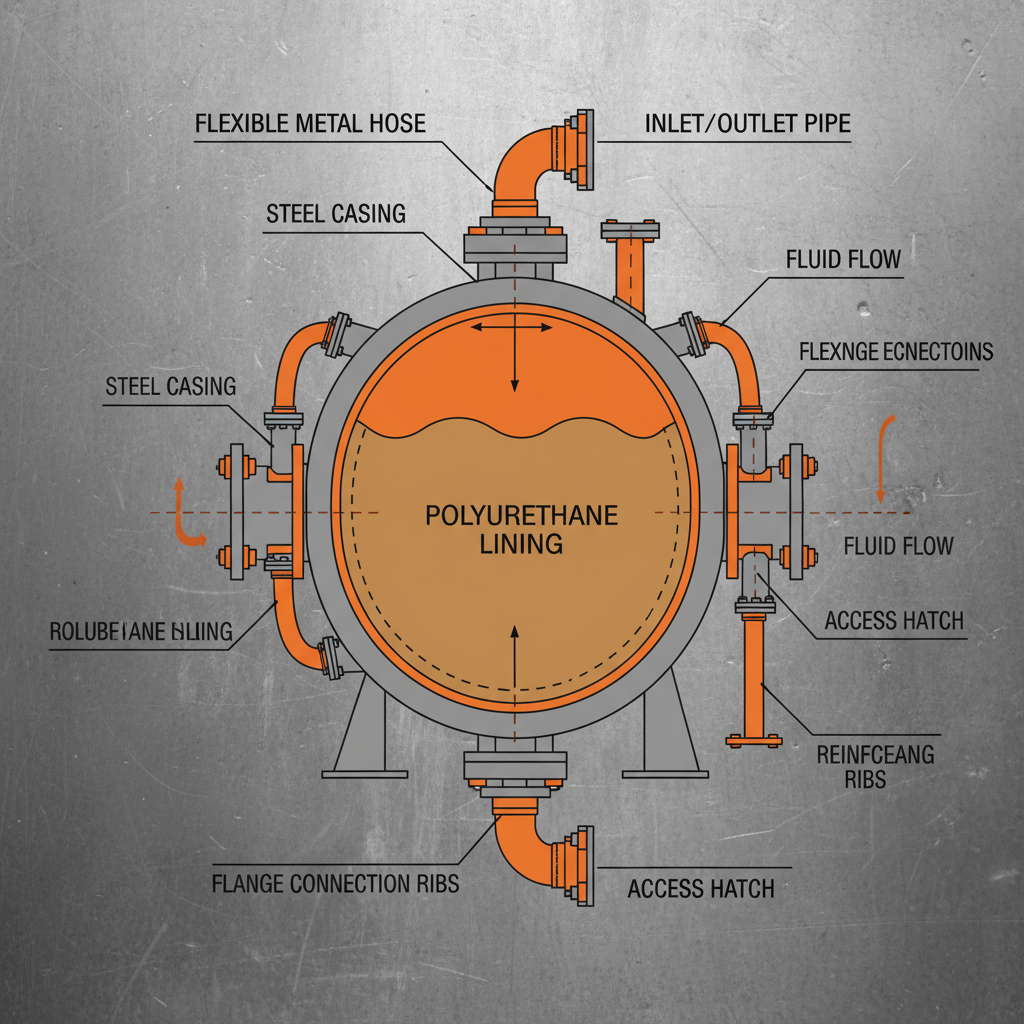
Rubber lining is a process where a layer of rubber is bonded to the interior surface of a steel tank. This creates a barrier that protects the steel from corrosion and prevents contamination of the stored media. The primary benefit of a rubber lined tank is its superior resistance to a wide range of chemicals, including acids, alkalis, and solvents. Other advantages include excellent abrasion resistance, reduced maintenance costs, and extended tank lifespan. This makes it a cost-effective solution compared to using expensive alloys or frequent tank replacements. Proper rubber lining also ensures product purity and prevents metallic contamination, which is crucial in industries like pharmaceuticals and food processing.
Key Highlights: Exceptional resistance to a wide range of chemicals, abrasion resistance, reduced maintenance, extended tank lifespan, and prevention of product contamination.
Common Rubber Lining Materials
Several types of rubber can be used for lining tanks, each offering different properties and suitability for specific applications. Natural rubber is cost-effective and offers good flexibility, but its chemical resistance is limited. Butyl rubber excels in resisting gases and vapors. Chlorobutyl rubber provides improved resistance to oxidizing chemicals. EPDM rubber is known for its excellent resistance to heat, ozone, and weathering. Finally, Hypalon rubber boasts exceptional resistance to a broad range of chemicals, including strong acids and oxidants. Selecting the appropriate rubber material is crucial to ensure compatibility with the stored media and the operating conditions.
Rubber Material Comparison:
• Natural Rubber: Cost-effective, good flexibility, limited chemical resistance.
• Butyl Rubber: Excellent gas and vapor resistance.
• Chlorobutyl Rubber: Improved resistance to oxidizing chemicals.
• EPDM Rubber: Excellent heat, ozone, and weathering resistance.
• Hypalon Rubber: Exceptional chemical resistance, including strong acids and oxidants.
Applications of Rubber Lined Tanks
The versatility of rubber lined tanks makes them suitable for a wide array of applications. These include chemical processing, wastewater treatment, pulp and paper production, mining, electroplating, and pharmaceutical manufacturing. They are commonly used for storing acids, alkalis, sulfates, chlorides, and other aggressive chemicals. Additionally, they find applications in the food and beverage industry for storing fruit juices, syrups, and other sensitive products. The ability to customize tank size and design further expands their applicability.
Choosing the Right Rubber Lined Tank: Key Considerations
Selecting the optimal rubber lined tank requires careful consideration of several factors. First, identify the chemical composition and concentration of the stored media. Second, assess the operating temperature and pressure conditions. Third, determine the required tank volume and dimensions. Fourth, consider any specific regulatory requirements or industry standards. Finally, choose a reputable manufacturer with proven expertise in rubber lining technology and quality control. QW Metal provides custom tank solutions tailored to your specific needs.
Quality Control and Inspection
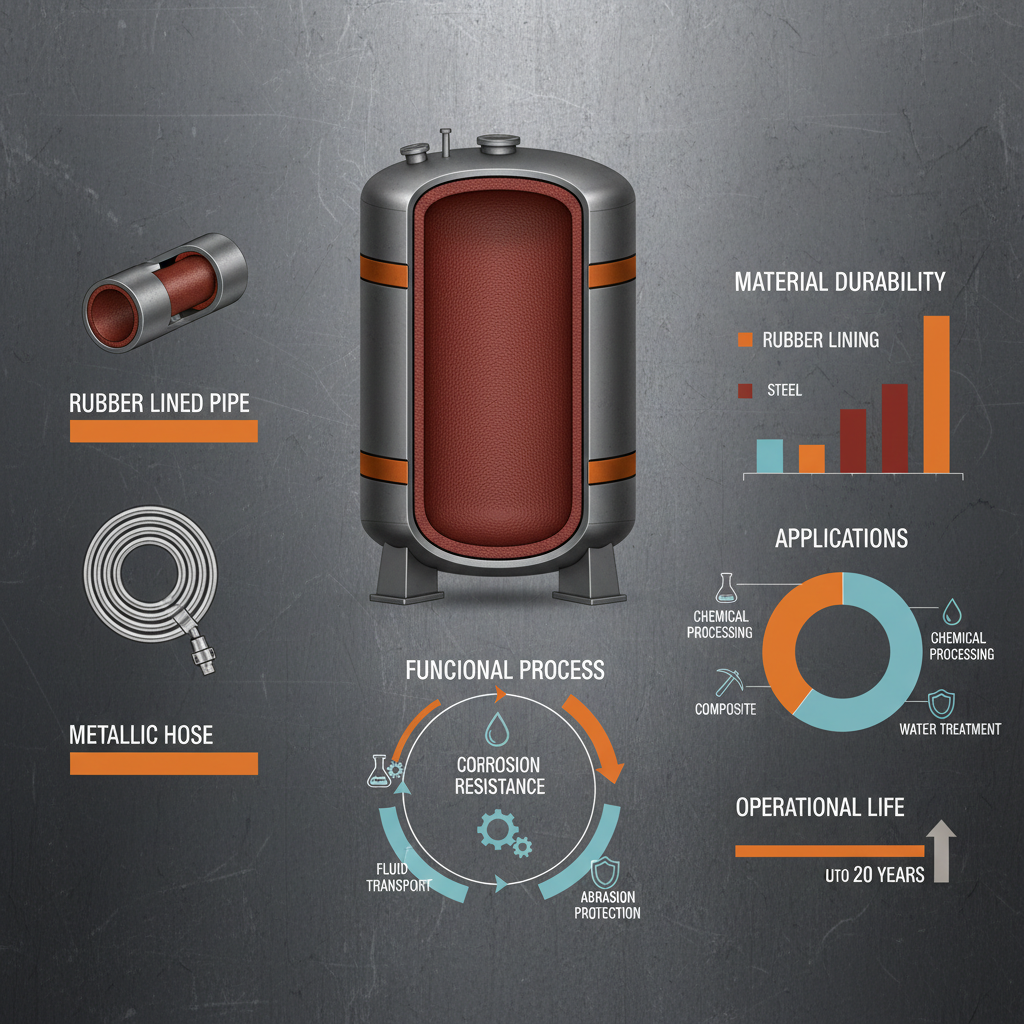
Ensuring the quality of the rubber lining is paramount. Manufacturers should employ rigorous quality control procedures, including surface preparation inspection, rubber thickness measurements, and adhesion testing. Visual inspection for defects such as pinholes, blisters, or cracks is also crucial. Regular inspections of the tank during service life are recommended to identify any signs of degradation or damage. Proper maintenance and repair procedures should be followed to ensure the continued integrity of the lining.
Conclusion: Investing in Durable Chemical Storage
Investing in a high-quality rubber lined tank is a strategic decision that provides long-term benefits. It safeguards your operations, protects the environment, and ensures product integrity. By carefully considering the factors outlined in this guide and partnering with a trusted manufacturer like QW Metal, you can make an informed choice and secure a reliable solution for your chemical storage needs.
Frequently Asked Questions (FAQs)
What is the typical lifespan of a rubber lined tank?
The lifespan of a rubber lined tank can vary significantly depending on the operating conditions, the type of rubber lining, and the chemical being stored. Generally, a well-maintained tank can last between 10 to 20 years, or even longer. Regular inspections are crucial to identify and address any signs of degradation, such as cracking or blistering of the lining. Factors like temperature fluctuations, pressure variations, and exposure to UV radiation can also affect the lifespan.
How is a rubber lining applied to a steel tank?
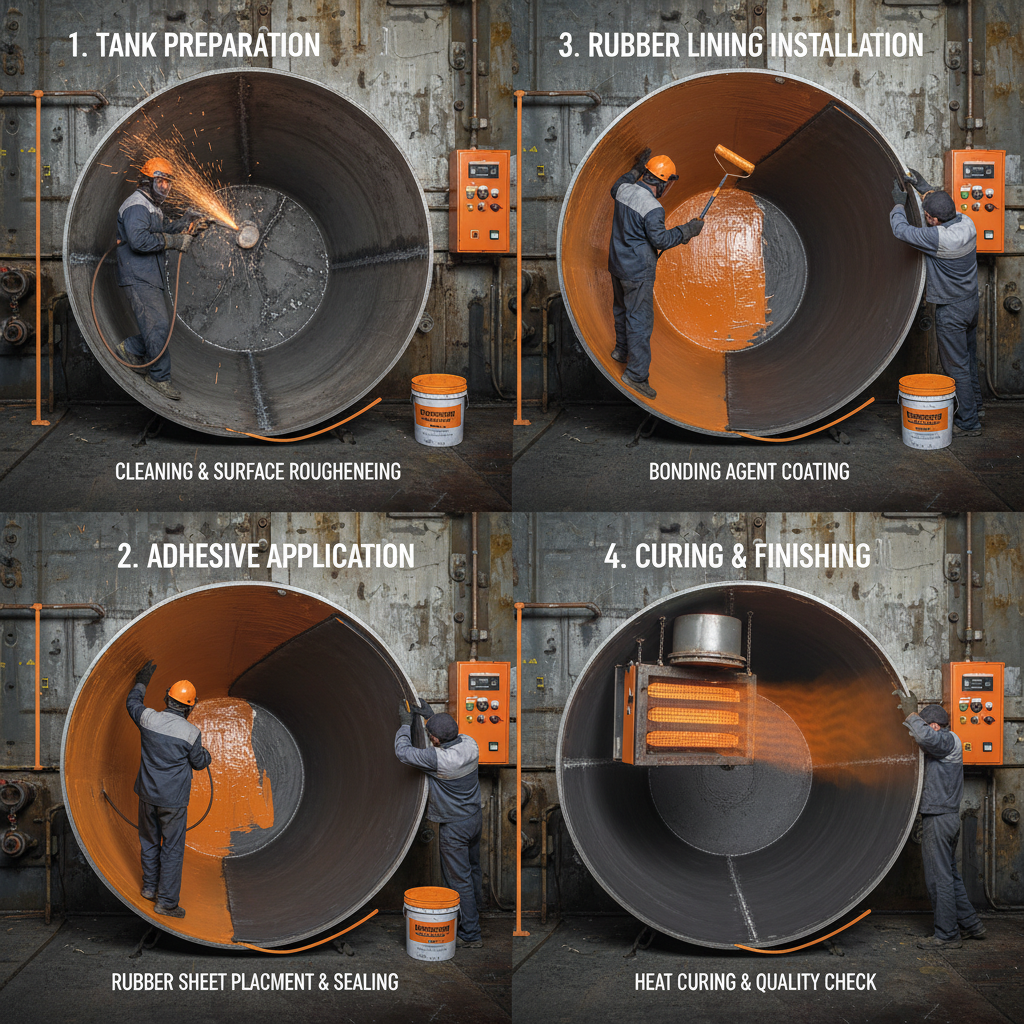
The rubber lining process typically involves several stages. First, the steel tank is thoroughly cleaned and prepared to create a suitable surface for bonding. This often includes grit blasting to remove rust and scale. Next, a primer is applied to enhance adhesion. The rubber is then applied using various methods, such as spraying, calendaring, or hand lay-up. Finally, the tank is cured under heat and pressure to vulcanize the rubber and create a strong, durable bond. QW Metal utilizes advanced techniques to ensure consistent and reliable rubber lining application.
What maintenance is required for a rubber lined tank?
Regular maintenance is key to extending the life of a rubber lined tank. This includes visual inspections for any signs of damage, such as cracks, blisters, or delamination. Avoid abrasive cleaning methods that could damage the lining. Implement a program for monitoring the chemical compatibility and operating conditions. Any damage should be repaired promptly by qualified technicians using appropriate patching materials and techniques.
Can rubber lined tanks be repaired if damaged?
Yes, many types of damage to rubber lined tanks can be repaired. The repair process typically involves cleaning and preparing the damaged area, applying a compatible patching compound, and curing it to create a strong bond. The extent of repairable damage depends on the size and location of the defect. It’s important to engage experienced technicians who can assess the damage and perform the repairs according to industry standards.
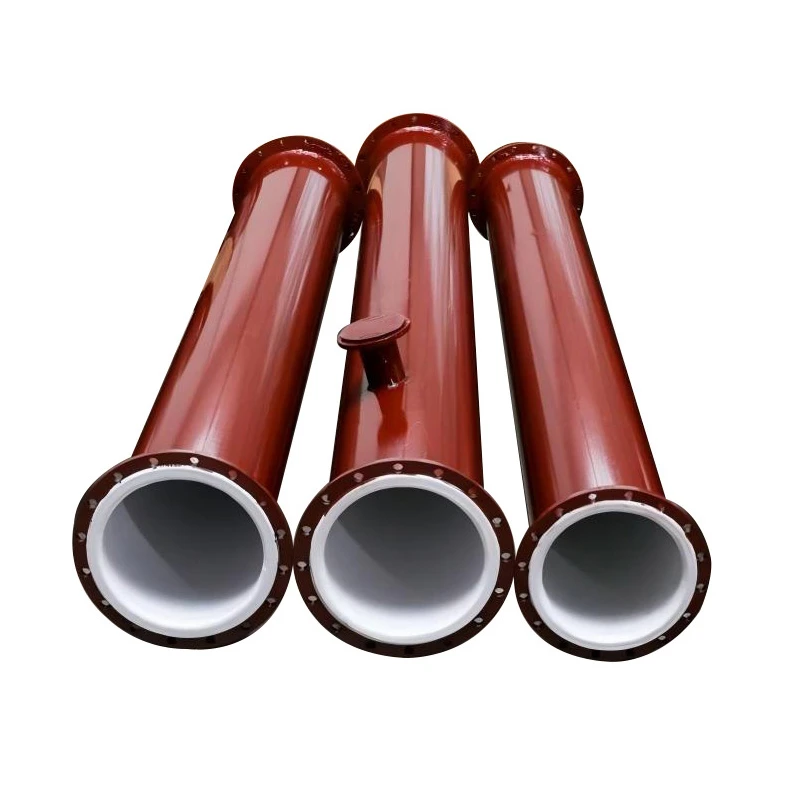
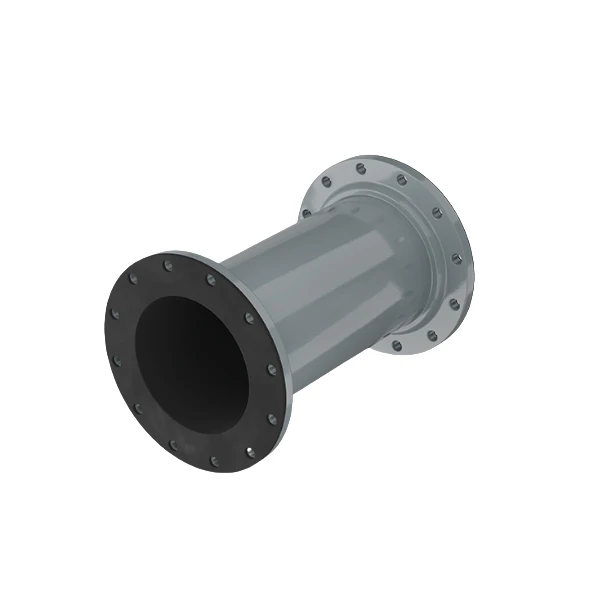
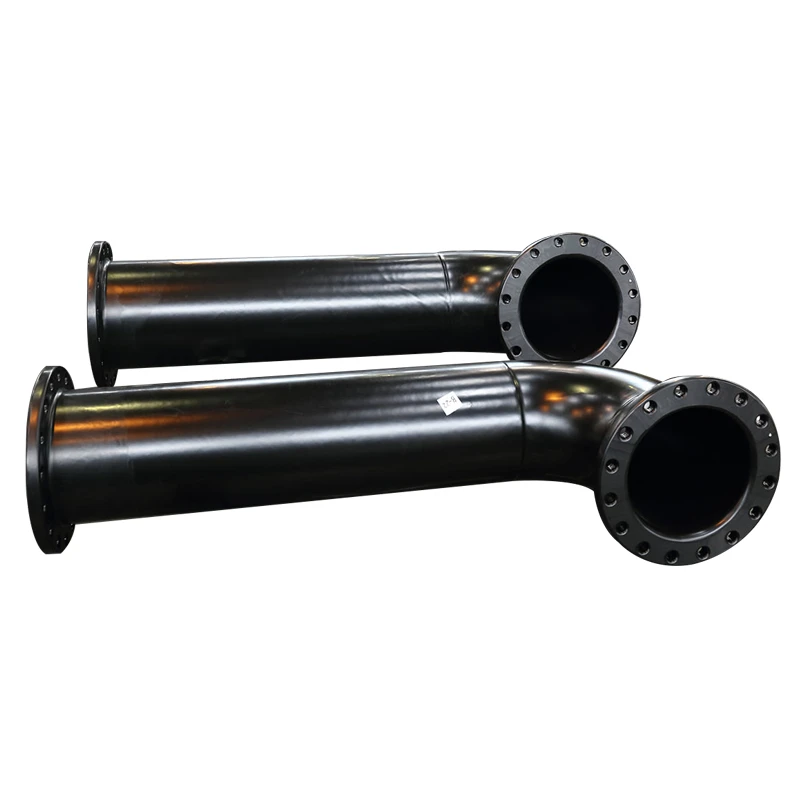
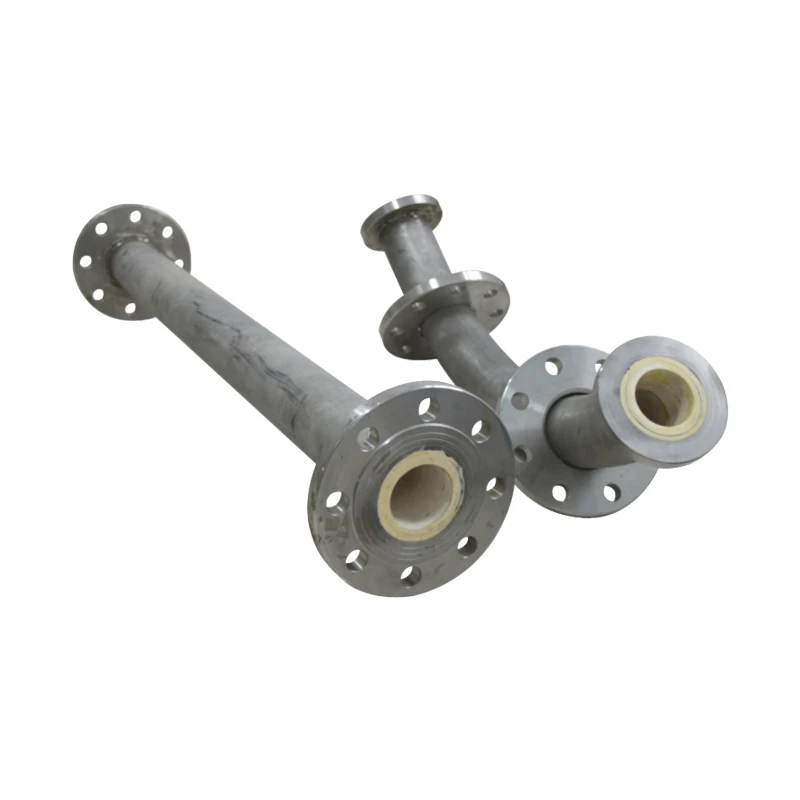
Related Products
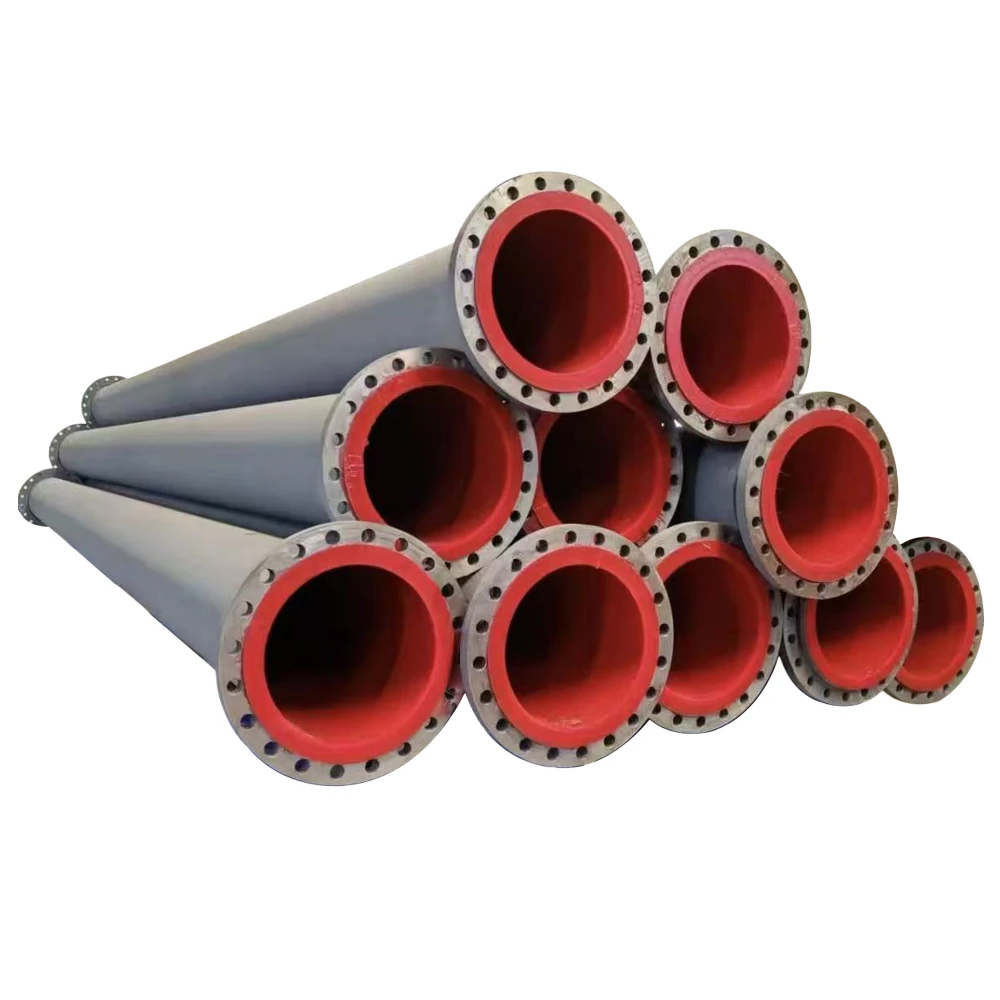
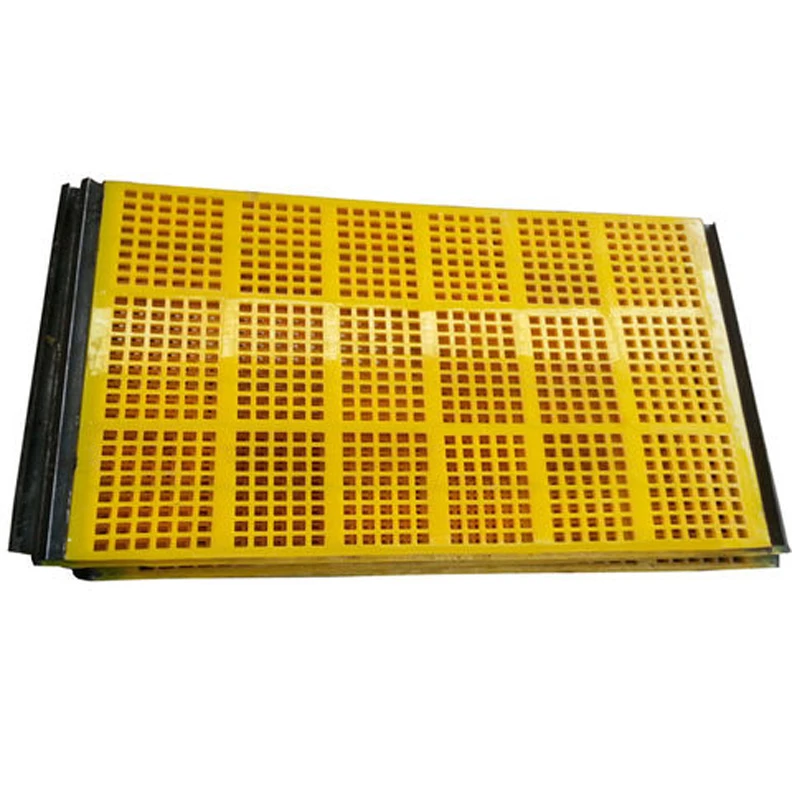
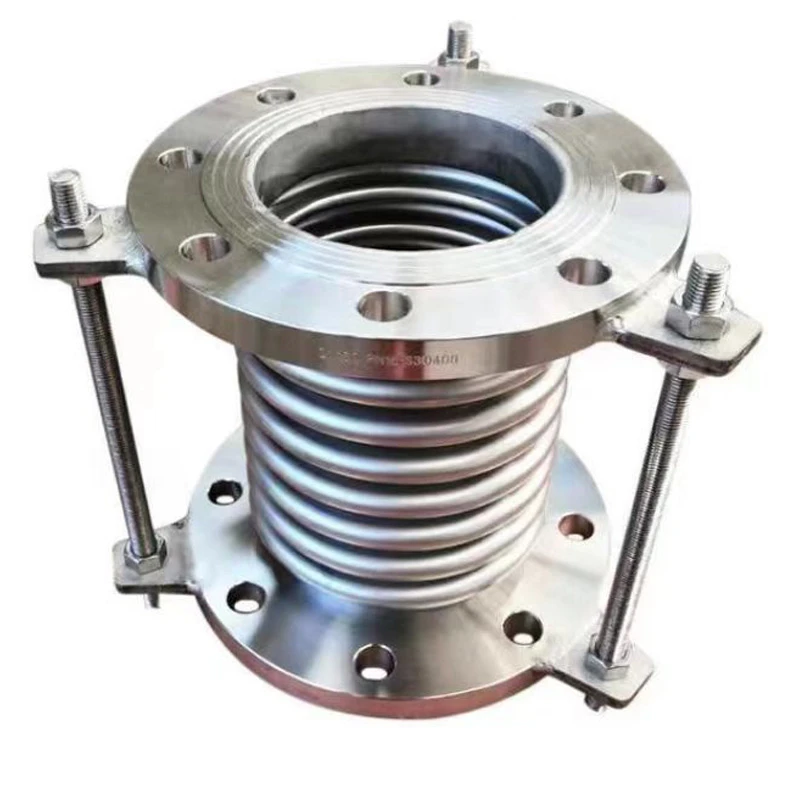
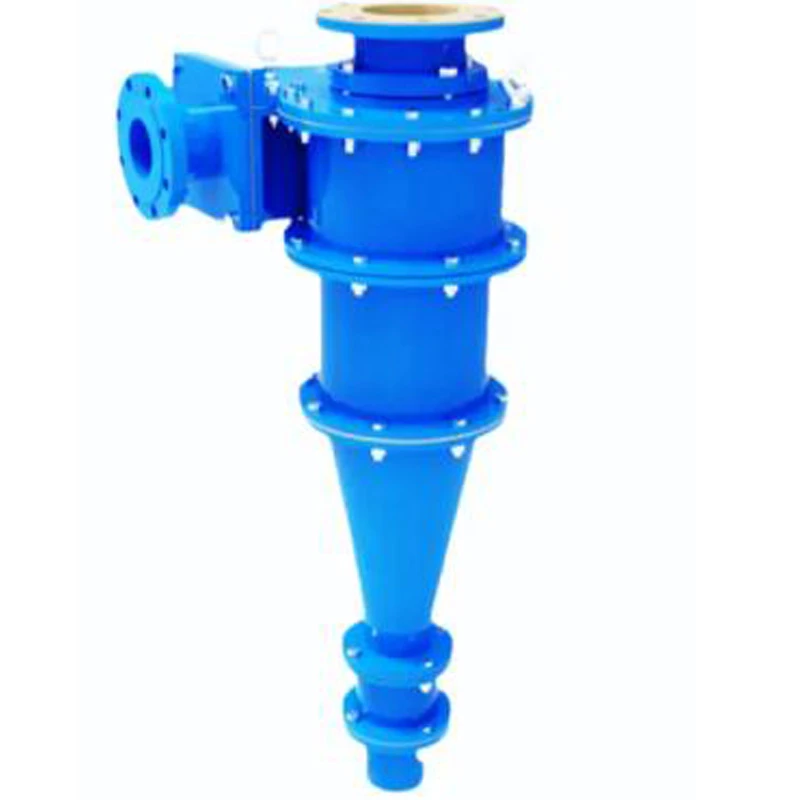
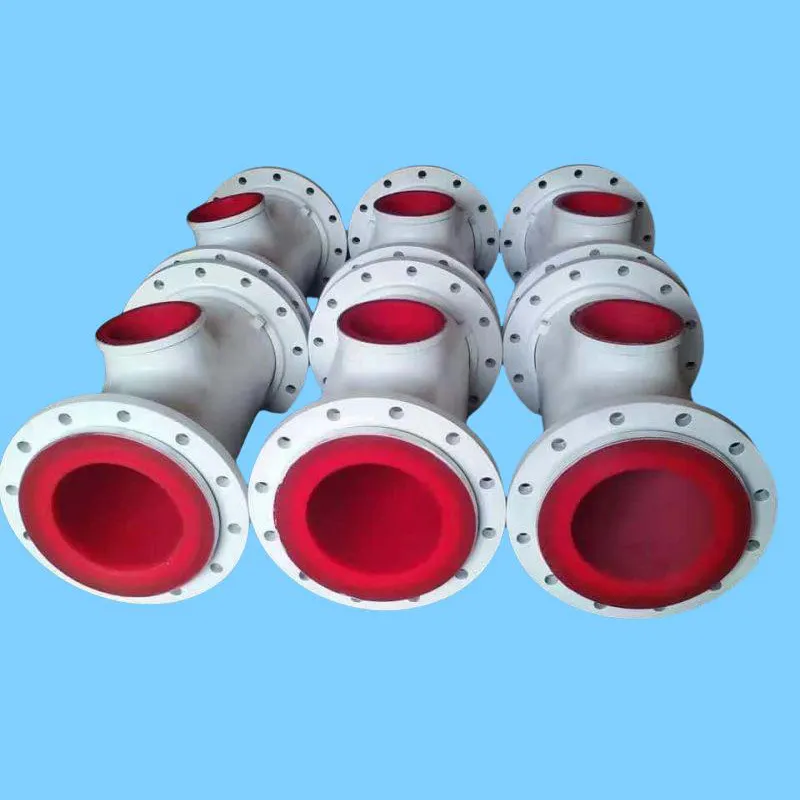
Our main products are polyurethane lined pipes, mining equipment fittings and metal hoses.