Durable Acid Tanks for Industrial Use | Reliable & Customizable
Understanding Acid Tanks in Industrial Equipment
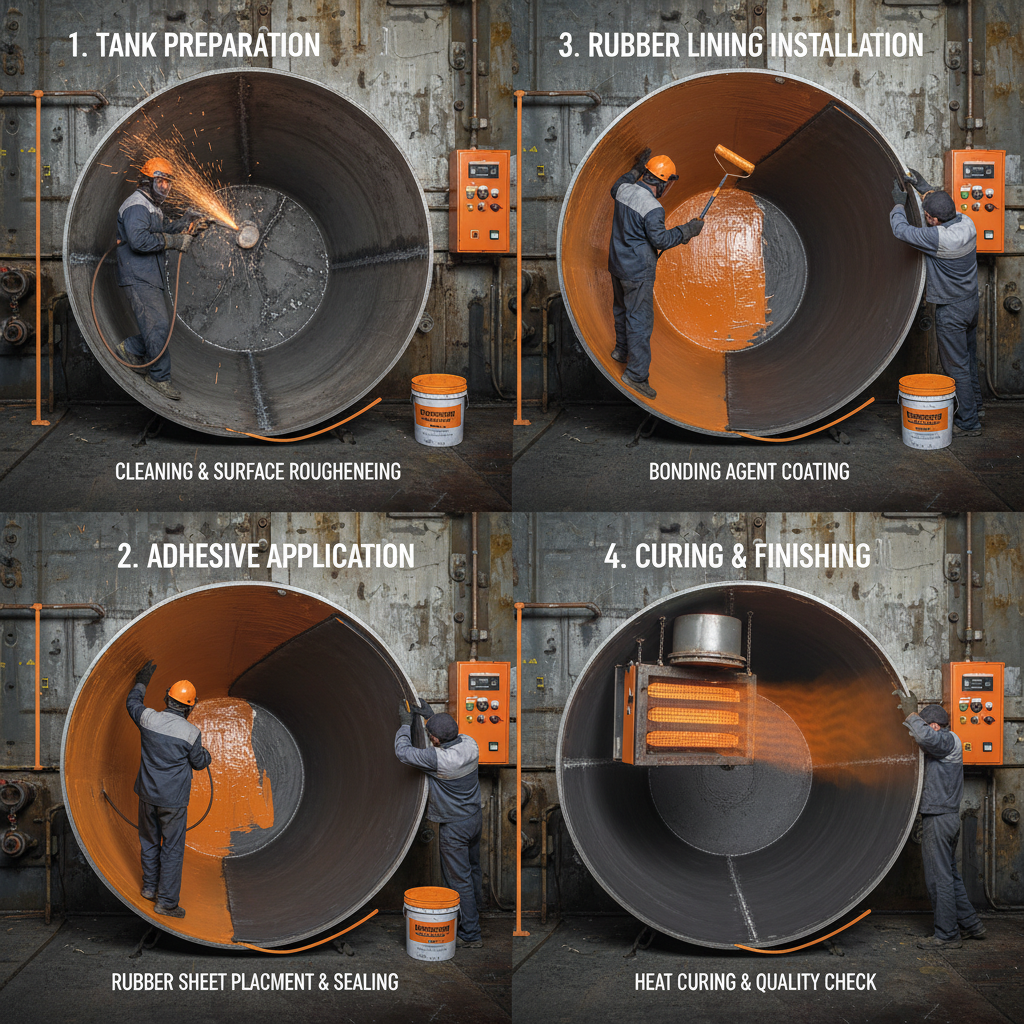
Having spent well over a decade working with industrial equipment—and acid tanks in particular—I’ve come to appreciate just how crucial the right tank can be. Acid tanks aren't just barrels; they're carefully engineered vessels designed to tolerate harsh chemicals without degrading. You might think, “Why is the tank so complicated?” but in real terms, the choice of materials and the construction process make all the difference between safe, reliable operation and a costly disaster.
One of the first things you learn in this sector is that the type of acid and concentration play a massive role. Sulfuric acid, hydrochloric acid, nitric acid – each behaves differently, and the tank materials must be specialized to match. For instance, fiberglass reinforced plastic (FRP) tanks are quite popular due to their corrosion resistance and cost-effectiveness, but sometimes stainless steel or specialized alloys are necessary. Frankly, it feels like every job comes with its own quirks—a bit of custom engineering that keeps you on your toes.
Speaking of construction, it’s not just about choosing the right material. Testing standards—like ASTM and ISO certifications—ensure that acid tanks can safely withstand pressures, temperature variations, and chemical interactions without leaks or structural failures. The tanks also often include safety features such as ventilation, secondary containment, and level sensors, which I’ve seen save a lot of headaches during operations.
Over the years, I’ve noticed a trend: customization is king. Plants increasingly require tanks tailored exactly to their processing demands. Sometimes it’s the shape; sometimes it’s added reinforcements or specific coatings. One of my clients once needed a tank with a unique lid design for easier maintenance—turns out, small design tweaks have big impacts on long-term usability.
If you're exploring options, you might have come across manufacturers that boast about quality, price, or innovation. But odd enough, what really matters is the balance of all these factors plus reliable local support. That’s why I recommend checking out acid tanks from reputable suppliers—they often combine solid manufacturing practices with helpful customer service.
| Specification | Details |
|---|---|
| Material | Fiberglass Reinforced Plastic (FRP), Stainless Steel 316L, Alloy 20 |
| Capacity | 500 - 20,000 Liters (custom sizes available) |
| Operating Temperature | -20°C to 80°C (higher with special alloys) |
| Acid Compatibility | Sulfuric, Hydrochloric, Nitric, Phosphoric acids etc. |
| Certifications | ASME, ASTM, ISO 9001 |
| Optional Features | Level sensors, pressure relief valves, custom coatings |
Now, when it comes to selecting a vendor, I've seen a fair share of options. Price is always important—but, as any experienced engineer will tell you, quality and support are equally critical. Below is a quick comparison of three well-known acid tank vendors I’ve encountered in the market:
| Feature | Vendor A | Vendor B | Vendor C |
|---|---|---|---|
| Material Options | FRP, Steel | FRP, Alloy 20, Stainless Steel | FRP only |
| Customization | Limited | Extensive | Moderate |
| Lead Time | 4-6 weeks | 6-8 weeks | 3-5 weeks |
| Price | Mid-range | Higher-end | Budget-friendly |
| Warranty | 1 Year | 2 Years | 1 Year |
| Technical Support | Email & Phone | On-site & Remote | Limited |
It reminds me of a case at a mid-sized chemical plant I worked with a few years back—after switching to a more customizable supplier for acid tanks, their downtime decreased significantly. The improved tank design meant fewer maintenance shutdowns—and in an industry like ours, that’s priceless.
If you’re new to acid tanks or maybe just looking to upgrade, remember the essentials: material compatibility, tank specs, and trusted vendors. And please, don’t skimp on safety. Trust me, your plant (and your nerves) will thank you.
For those interested, the full range of reliable acid tanks out there is well worth exploring.
A practical takeaway? Investing upfront in a well-made acid tank saves loads of trouble down the line. Sometimes it really is that simple.
- ASTM International. “Standards for FRP Tanks.” ASTM.org
- Industrial Safety Standards, ISO 9001 overview, ISO.org
- QW Metal Solutions, Product Catalogue 2024.
Related Products
Our main products are polyurethane lined pipes, mining equipment fittings and metal hoses.