Durable Chemical Tanks for Industrial Storage | QW Metal Solutions
Chemical Tanks: Durability and Design in Industrial Storage
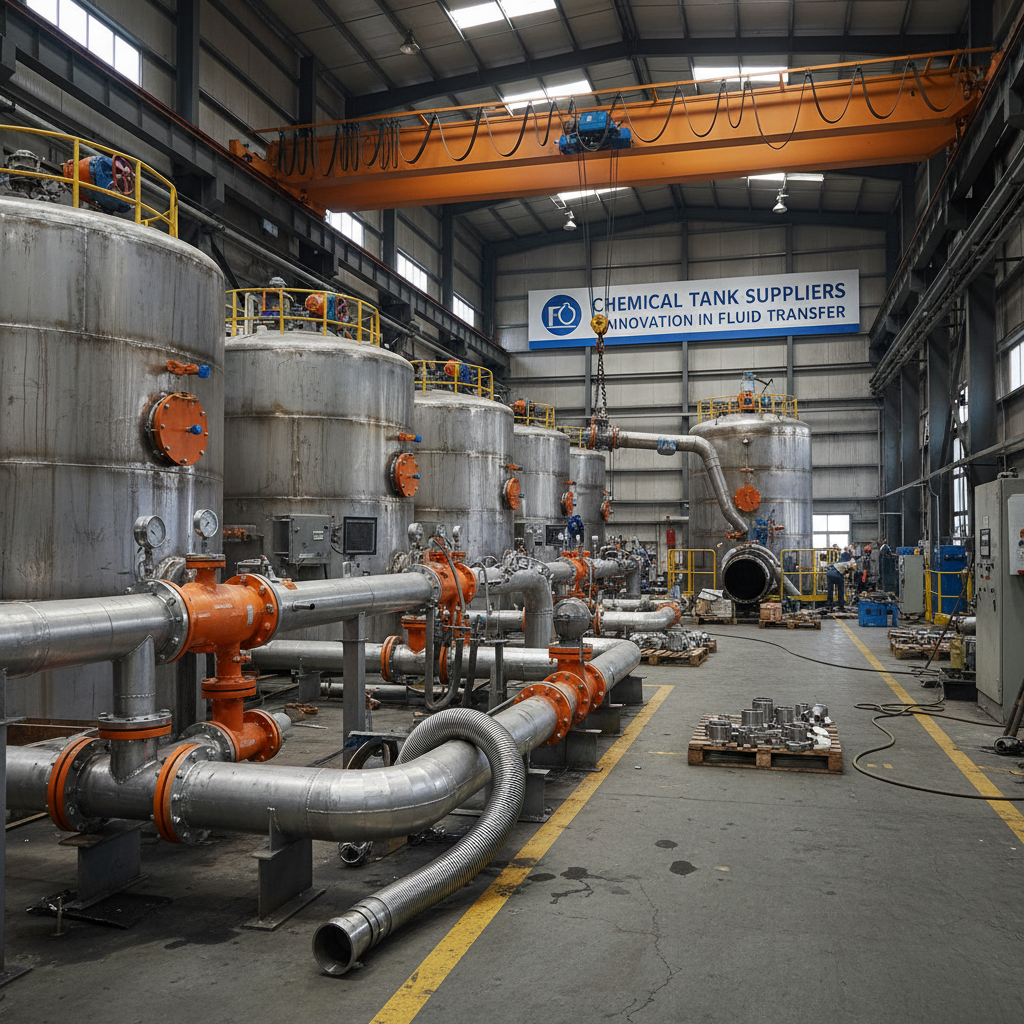
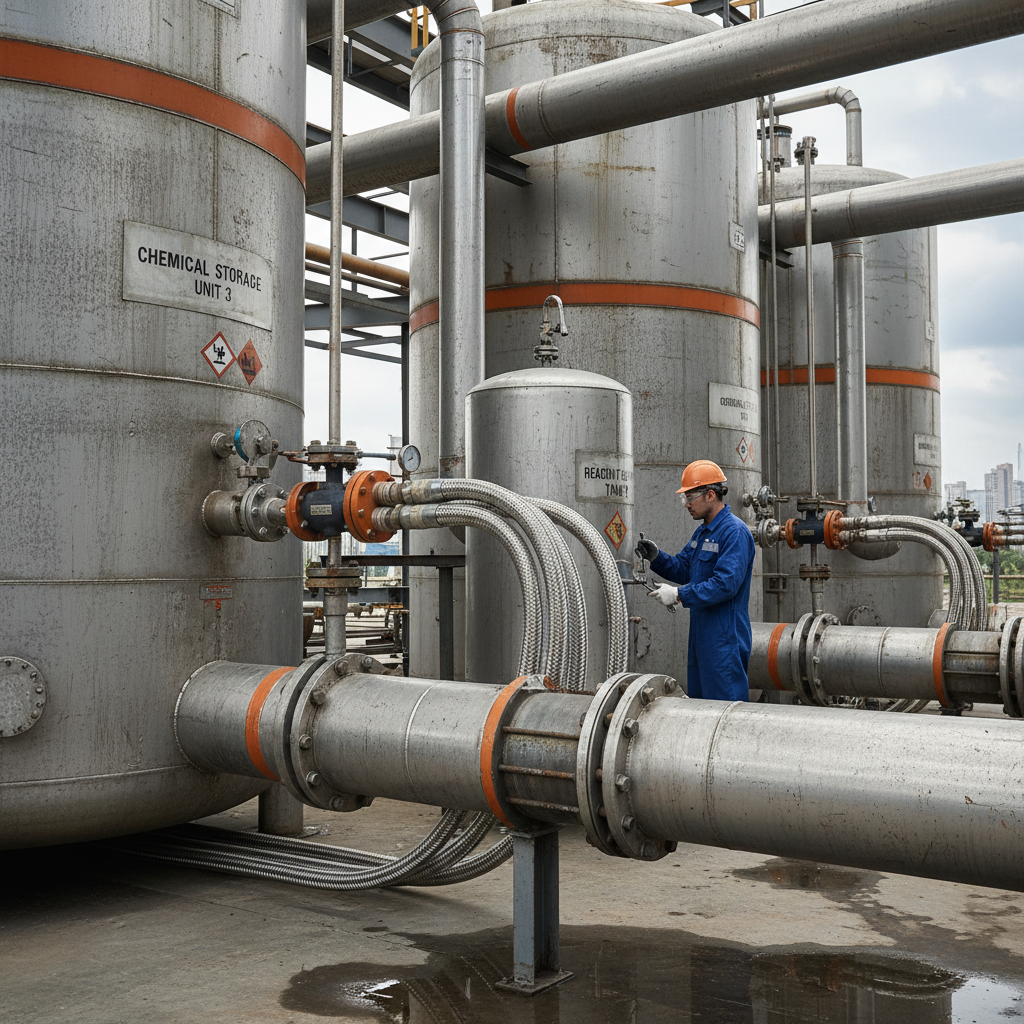
Having spent over a decade in the industrial equipment sector, I can tell you that chemical tanks are more than just large containers. They’re the unsung heroes of chemical storage, handling everything from acids to solvents, often under tough conditions. Companies like QW Metal have really upped the game by blending fine materials with smart design, and honestly, you start to appreciate the engineering when you see tanks withstand harsh environments without a hitch.
One time, I visited a plant where a steel chemical tank had been in use for nearly 15 years — no leaks, no corrosion spots. That’s the kind of reliability that speaks to quality. And yet, anyone who’s worked around these tanks knows there’s always a story behind their specs and materials.
Materials and Construction – Why It Matters
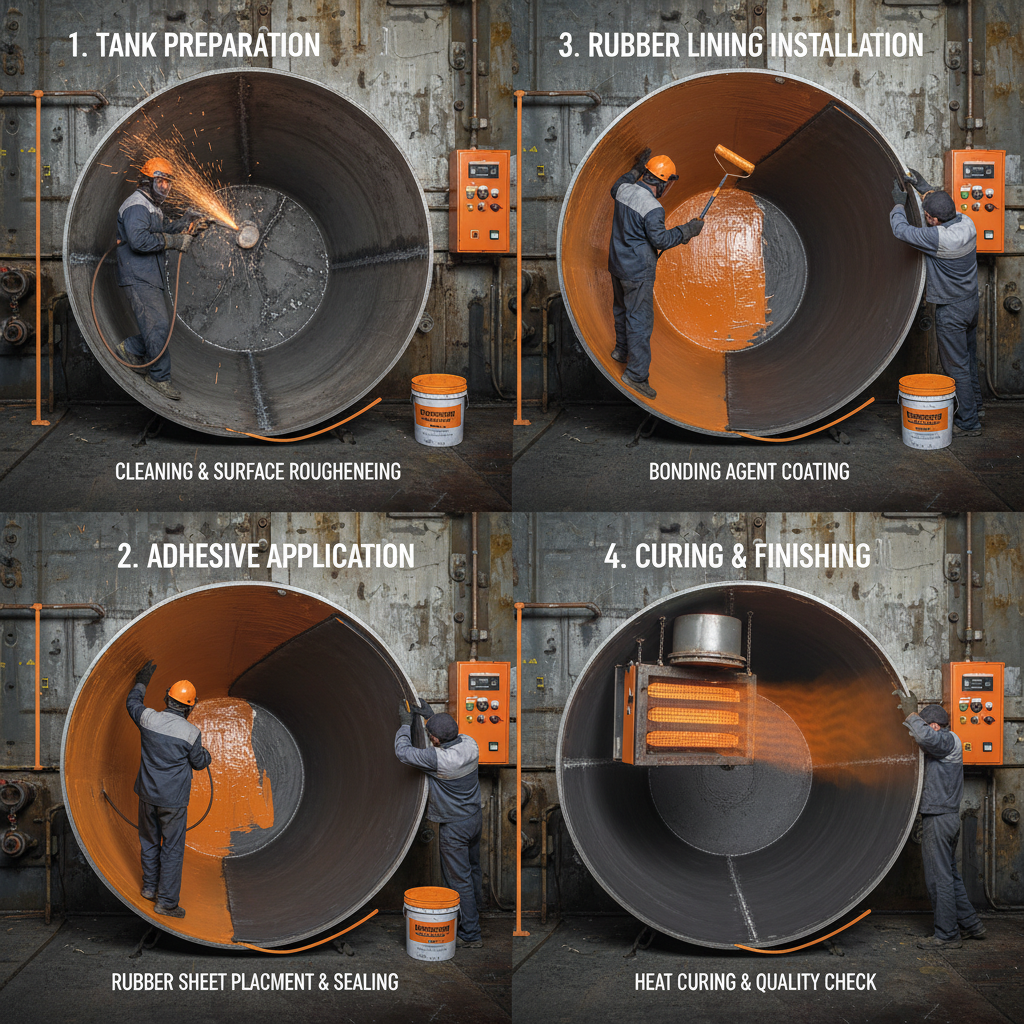
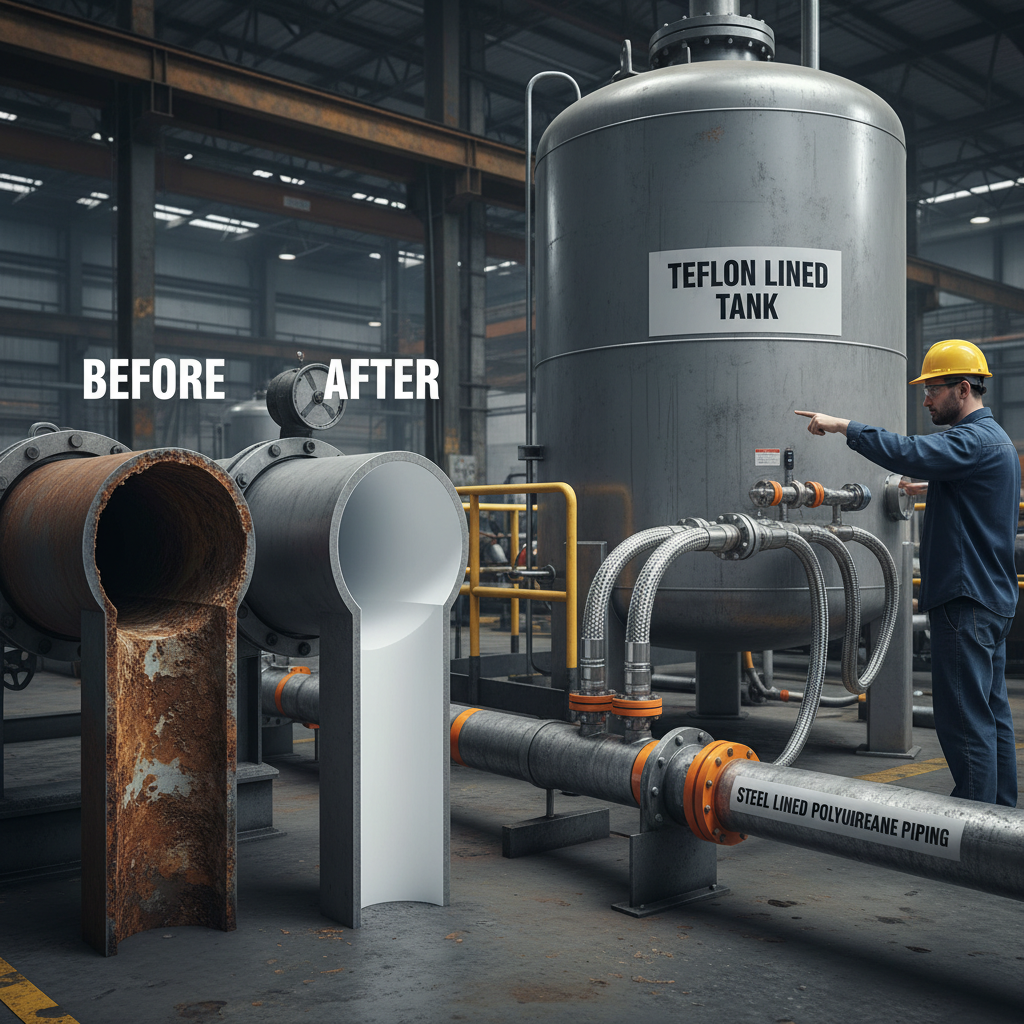
Chemical tanks come in various materials like carbon steel, stainless steel, fiberglass, and even polyethylene. While steel is strong and can handle high pressure and temperature, it often needs coatings or linings to resist corrosion from aggressive chemicals. On the other hand, fiberglass tanks feel lighter and corrosion-resistant but have their own limits, especially on mechanical strength.
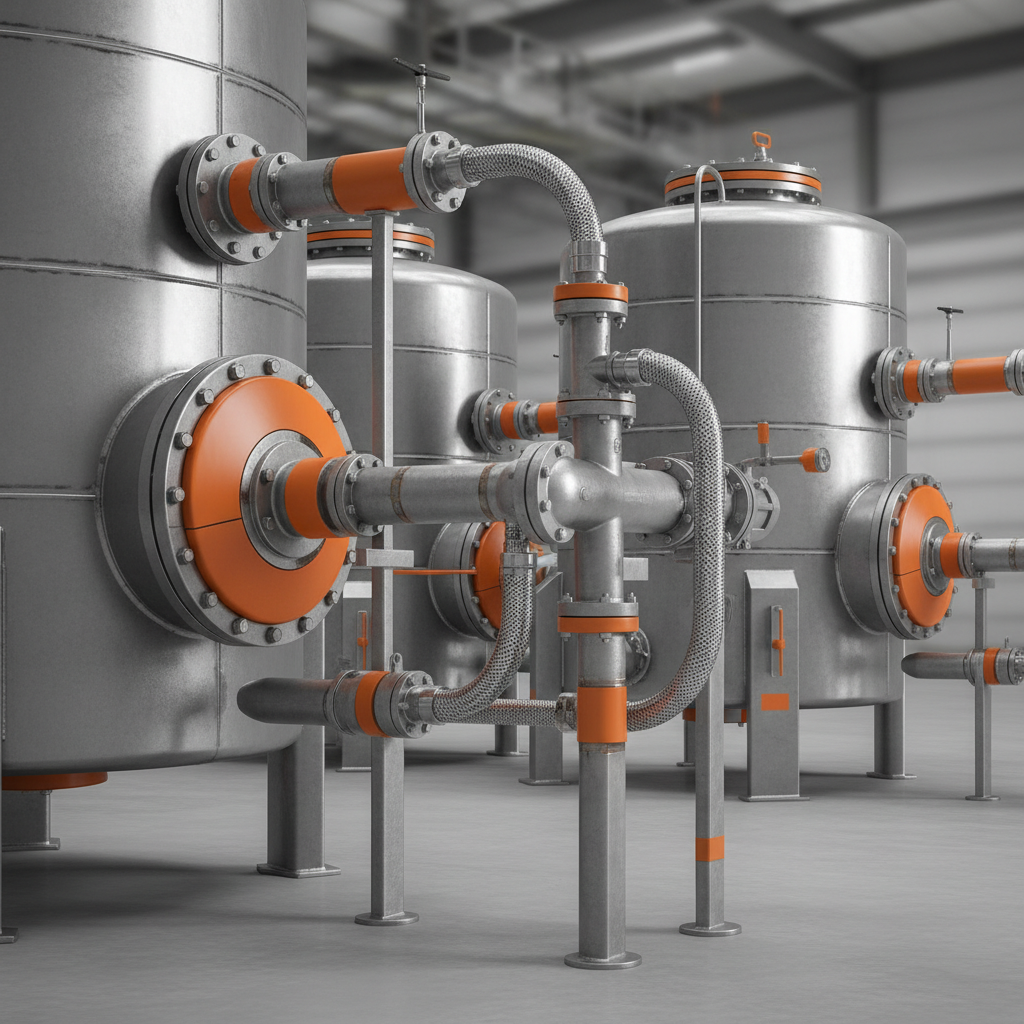
In real terms, choosing the right tank means balancing chemical compatibility, capacity requirements, and budget. Oddly enough, many engineers overlook tank ventilation and fittings at first glance — but improper venting can lead to pressure build-up and even safety hazards. I suppose that’s why vendors now emphasize customization.
Product Specifications at a Glance
| Specification | Details |
|---|---|
| Material | 304 or 316 Stainless Steel / Carbon Steel (lined) |
| Capacity | 500 – 50,000 Liters |
| Wall Thickness | 4 – 12 mm (depending on chemical) |
| Design Standard | ASME, EN 14015 |
| Pressure Rating | Up to 3 Bar (customizable) |
| Finish | Electropolished / Painted / Lined |
Comparing Industry Vendors
When it comes to sourcing chemical tanks, you really want a supplier who melds quality with service. I’ve worked with various vendors, and here’s my take on three notable ones, based primarily on product range, customization, and delivery.
| Vendor | Customization | Delivery Time | Technical Support | Price Range |
|---|---|---|---|---|
| QW Metal | High – custom sizes, linings, fittings | 4-6 weeks | Excellent – on-site consultation | Mid to High |
| SteelTech Solutions | Medium – several options available | 3-5 weeks | Good – remote support | Mid |
| Fiberglass Pros | Low – mostly stock models | 2-3 weeks | Fair – email only | Low |
Testing & Compliance – The Safety Net
Frankly, the parts that don’t get much shine are the rigorous tests these tanks go through – hydrostatic pressure tests, leak tests, and chemical resistance checks. Without passing these, you’re basically gambling with safety. I’ve seen tanks fail early when specs were fudged — never a pretty sight. So it pays off to request full documentation, especially compliance with international standards like ASME or ISO.
Final Thoughts: The Importance of Long-Term Value
Chemical tanks aren’t just capital expenses; they represent long-term industrial partnerships. When you choose a tank, it’s about trust: in the product, the manufacturer, and their warranty. That’s why I often recommend engaging vendors who offer customization like QW Metal.
Personally, I feel the best tanks are those that just quietly work in the background – no fuss, no failures. And isn’t that what every plant manager wants?
References:
- ASME Boiler and Pressure Vessel Code Section VIII – Division 1
- EN 14015: Specification for welded steel tanks for oil storage
- Industry whitepaper on chemical storage safety, Chemical Engineering Journal
Related Products
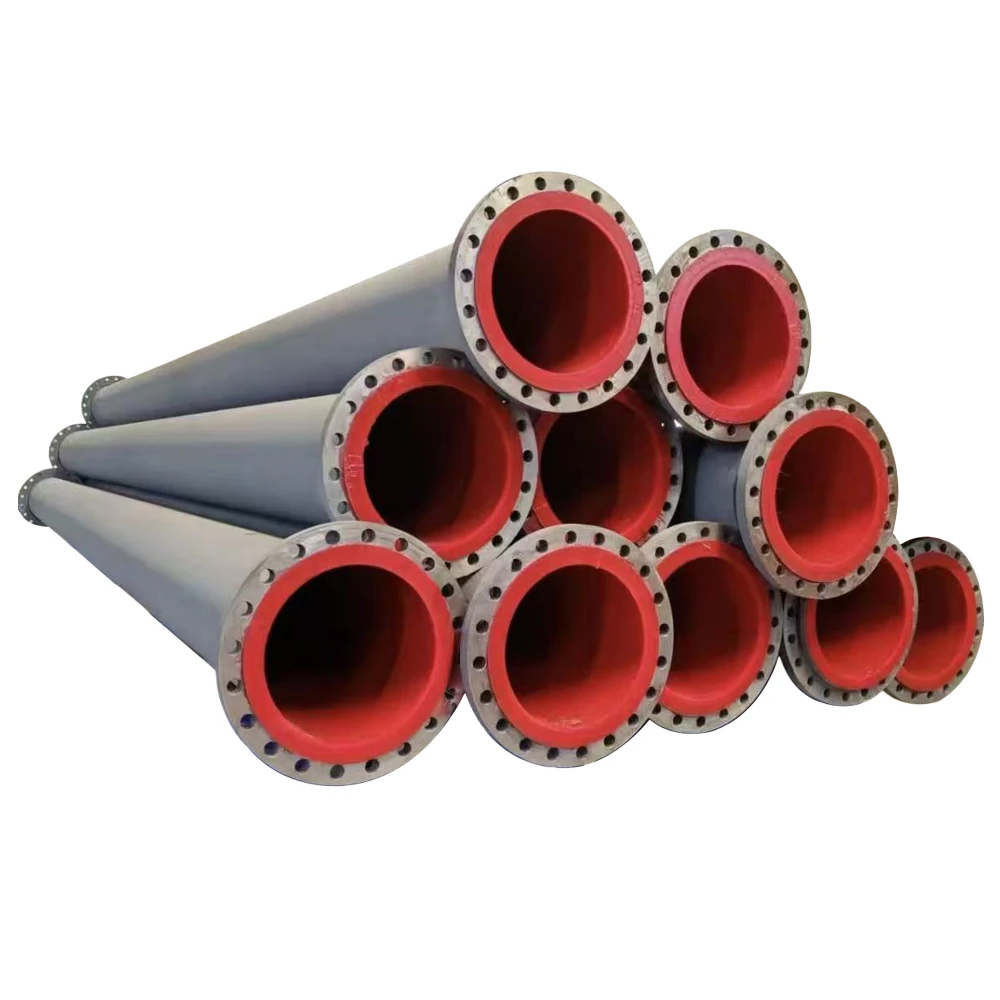
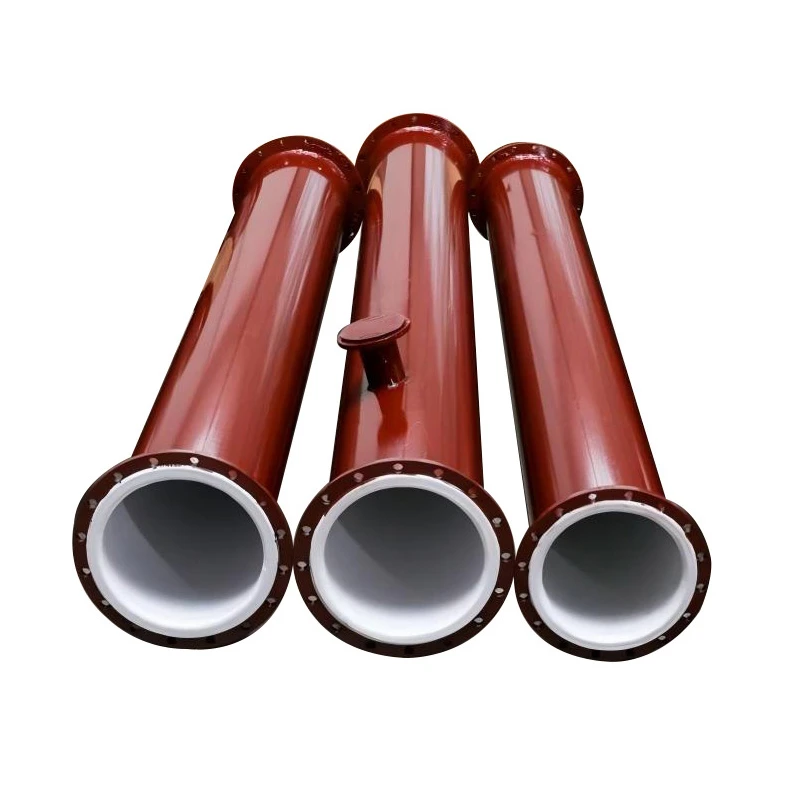
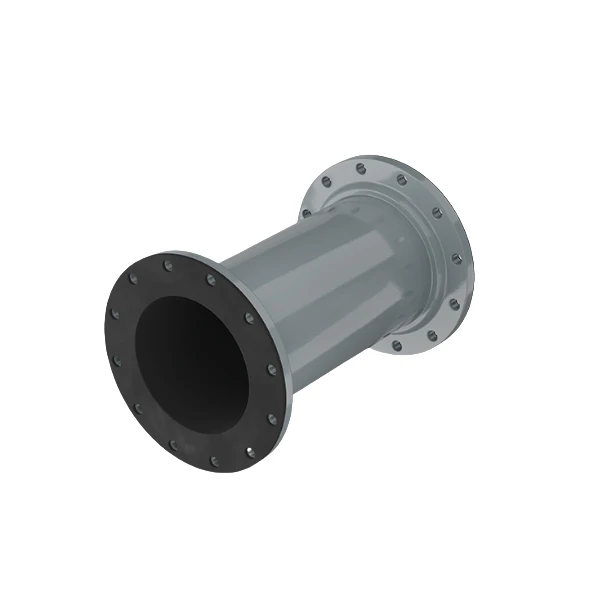
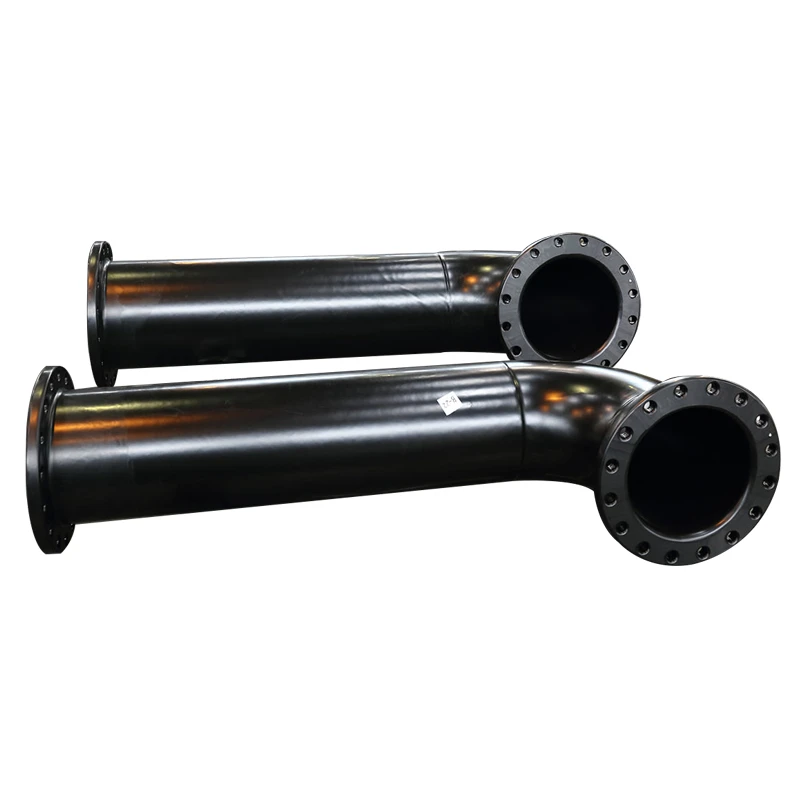
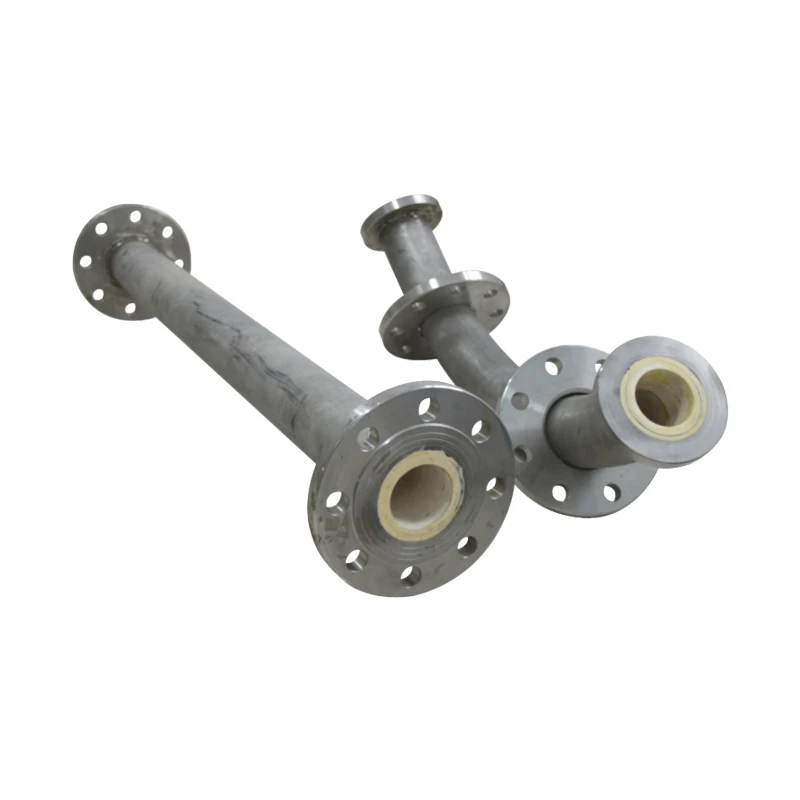
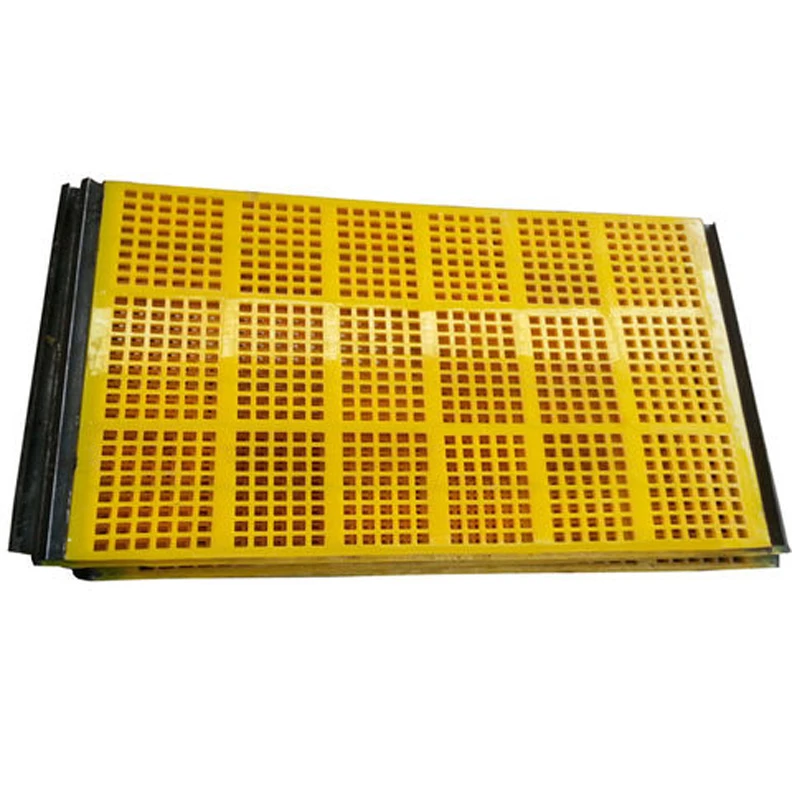
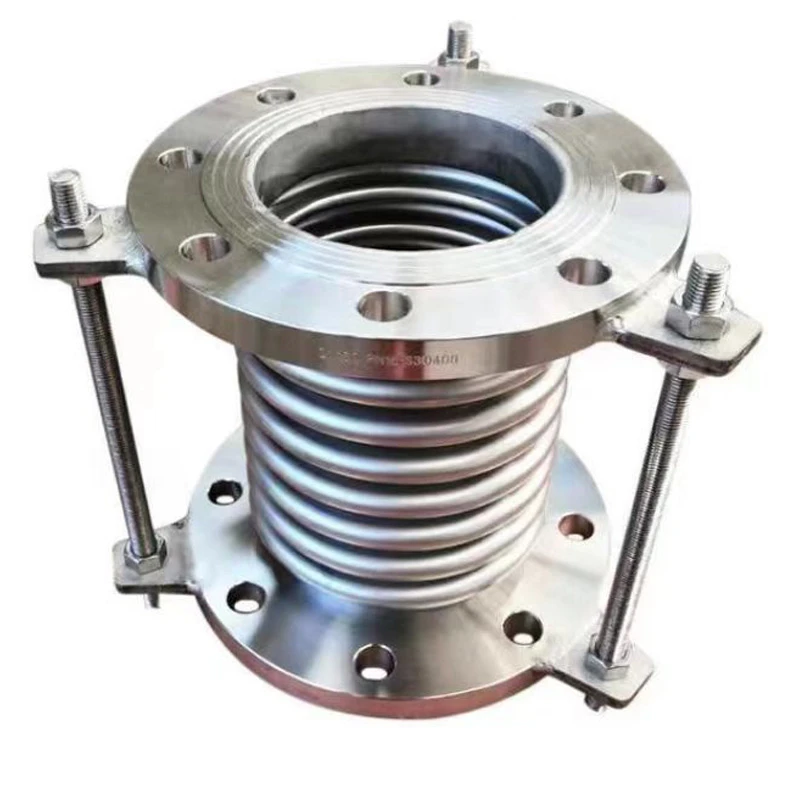
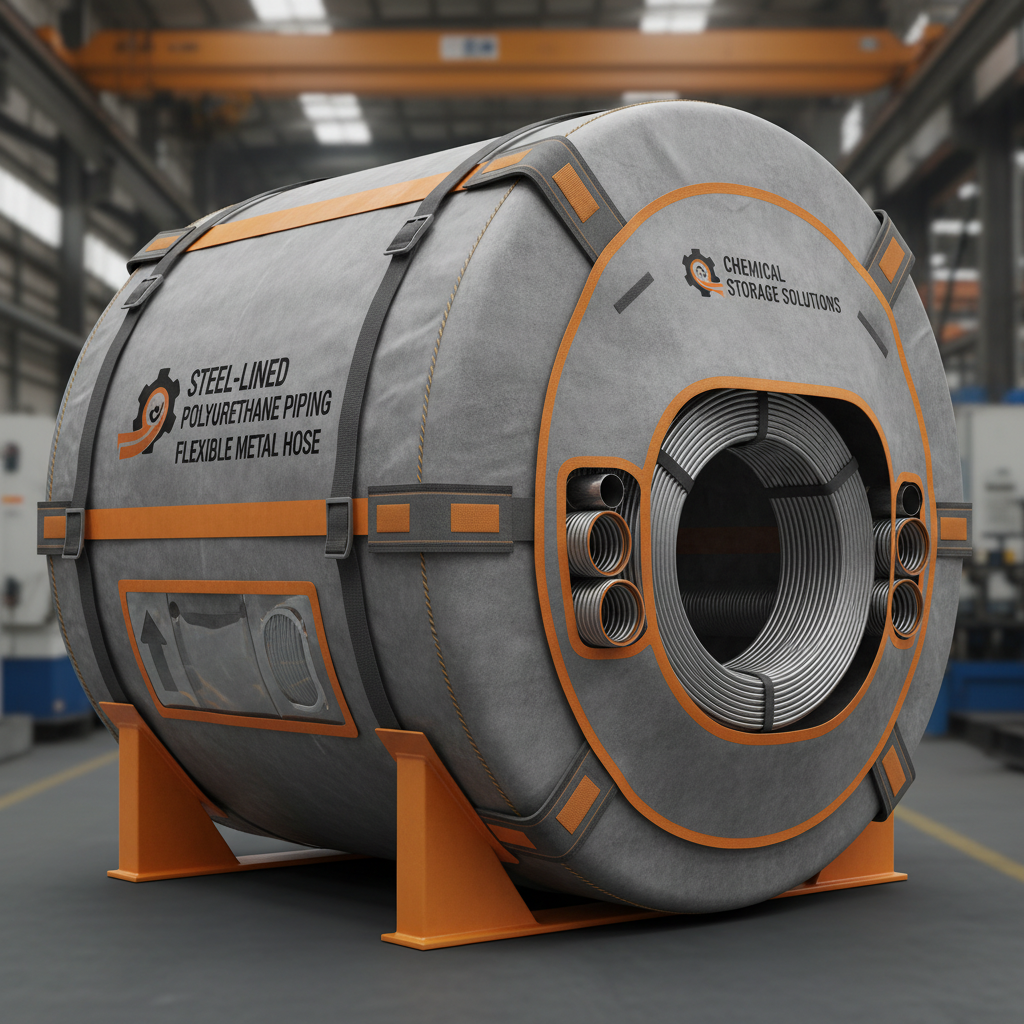
Our main products are polyurethane lined pipes, mining equipment fittings and metal hoses.