Durable Chemical Tanks for Industrial Use | QW Metal Solutions
Chemical Tanks are an essential solution in various heavy industries, especially those dealing with corrosive liquids and volatile substances. This article explores how QW Metal supplies professionals with durable, high-performance products and explains why their chemical tanks are an ideal choice for businesses looking for reliability and longevity.
Table of Contents
- Chemical Tanks Overview
- Benefits & Use Cases of Chemical Tanks
- Cost, Maintenance & User Experience
- Sustainability & Market Trends
Chemical Tanks Overview
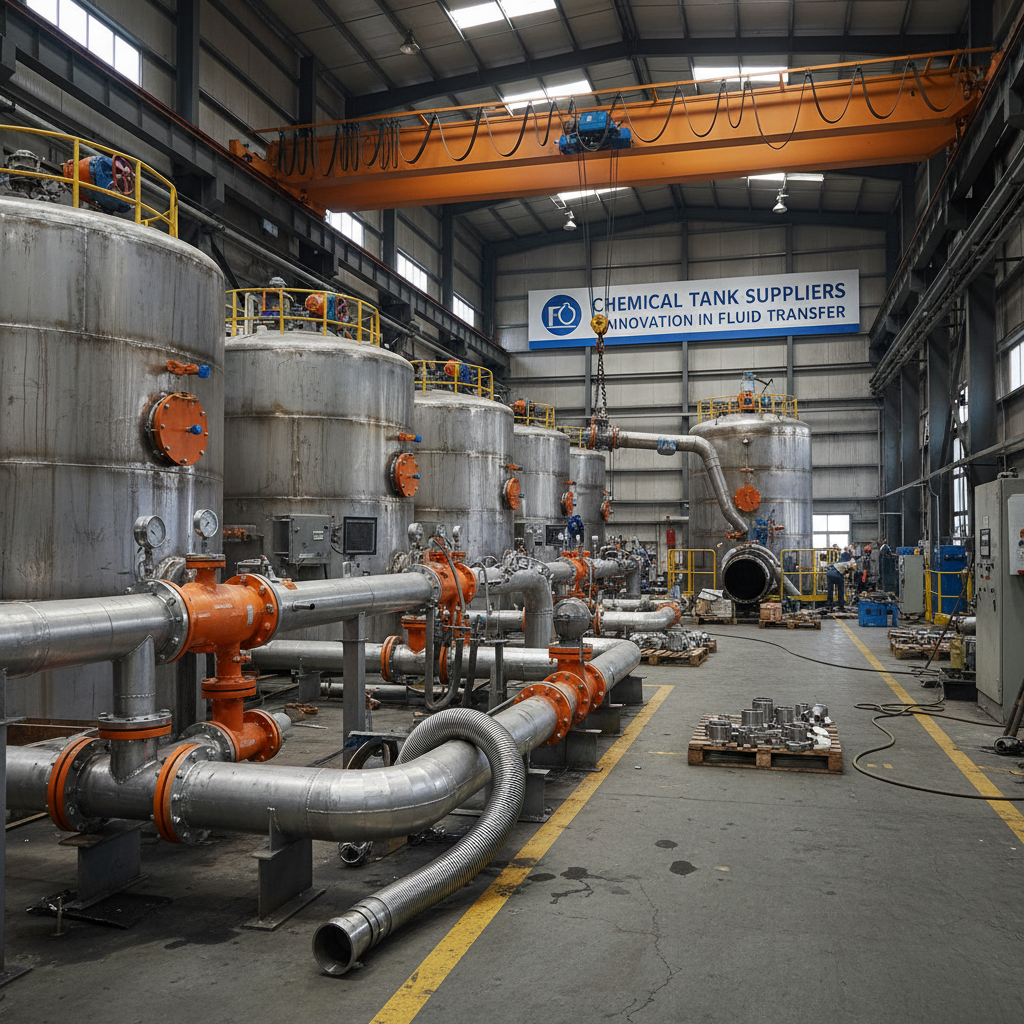
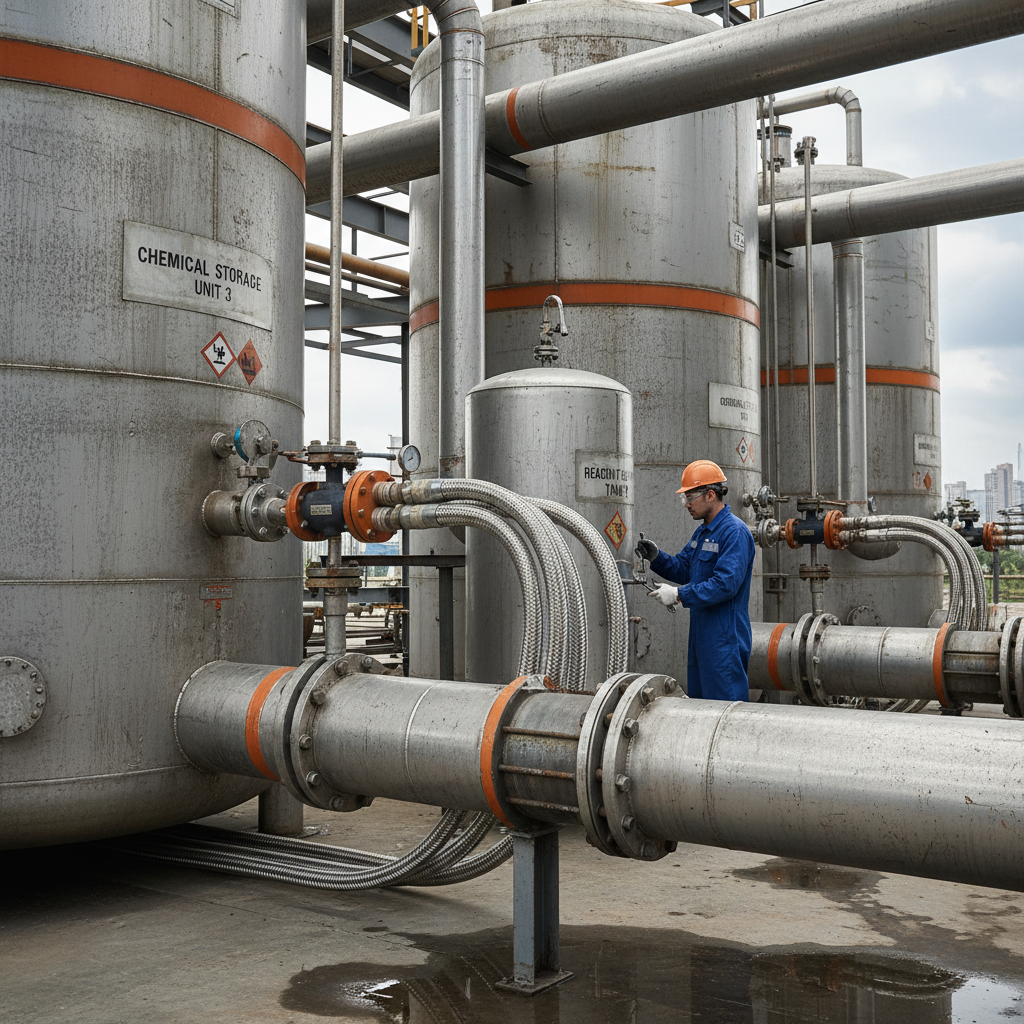
At their core, chemical tanks are specialized containers designed to securely hold and transport a wide variety of chemicals, many of which are highly corrosive or volatile. Frankly, they’re the unsung heroes of industrial storage, ensuring safety and compliance in environments as diverse as water treatment plants, pharmaceuticals, and petrochemical refineries. The importance of these tanks stems from their precise material composition and structural engineering — built to withstand chemical reactions, pressure changes, and even extreme weather conditions without leaching or degrading.
QW Metal’s chemical tanks, for instance, typically feature high-grade stainless steel or specialized alloys, selected for corrosion resistance and mechanical strength. Many models come equipped with reinforced welds and certified coatings, which not only guarantee durability but also extend service life considerably. Here’s a quick glance at typical specs for a standard industrial chemical tank they offer:
| Specification | Details |
|---|---|
| Material | 304/316 Stainless Steel, Alloy 20 |
| Capacity Range | 500L to 50,000L |
| Operating Temperature | -40°C to +120°C |
| Pressure Rating | Up to 2 bar (customizable) |
| Certifications | ASME, ISO 9001, CE |
Benefits & Use Cases of Chemical Tanks
In real terms, the benefits of using chemical tanks from a reliable supplier like QW Metal are vast. They offer consistent chemical resistance—crucial for sectors handling hazardous substances where leakage or contamination is not an option. You’ll find these tanks fitting seamlessly in industries like wastewater treatment, agriculture fertilizers, food processing, and even electronics manufacturing where ultra-pure chemicals require secure containment.
Some features stand out, honestly: customizable capacities and shapes, easy integration with piping and control systems, and options for insulation or agitation mechanisms. What’s sort of unique is how QW Metal balances robust engineering with flexibility — they can tailor tanks to exact chemical compatibilities and operational needs. Compared with some generic alternatives, this sort of bespoke approach can save operational headaches down the line.
Cost, Maintenance & User Experience
When it comes to cost, chemical tanks might seem like a big upfront investment. But in my experience—and based on feedback from plant managers and engineers—the total cost of ownership is actually quite reasonable, especially given the increased lifespan and reduced downtime. A durable tank means fewer replacements, less risk of costly spills, and decreased maintenance budgets overall. So, while the initial expense may prompt a pause, it’s the long-term ROI that counts.
I’ve spoken with several users of QW Metal tanks who praise how maintenance can often be as simple as routine visual inspections and occasional surface cleaning, no major refurbishing required for years. One mid-sized chemical processor mentioned their transition from older tanks to these newer models reduced chemical losses and even regulatory fines. That kind of tangible user experience validates that good engineering pays off.
Sustainability & Market Trends
Sustainability is creeping higher and higher on the agenda in chemical storage. Around the globe, environmental regulations push manufacturers toward greener, safer materials and processes. Chemical tanks are no exception — the trend is towards recyclable metals, improved energy efficiency in manufacturing, and safer disposal methods. QW Metal is reportedly active in evolving their designs to match these demands, which aligns well with the increasing industry emphasis on cradle-to-cradle lifecycle management.
Another interesting market trend is the rise of smart tanks equipped with sensors to monitor chemical levels, pressure, and temperature in real time — that’s sort of becoming the new norm. While not every facility has adopted this yet, it’s a sign of where the industry is heading. Optimizing tank use and preventing hazards through IoT integration adds a new layer of trustworthiness and efficiency for B2B buyers.
| Feature | QW Metal | Competitor A | Competitor B |
|---|---|---|---|
| Material Options | Stainless Steel, Alloy 20 | Carbon Steel Only | Stainless Steel Basic Grade |
| Customization | High (Capacity, Shape, Features) | Low (Standard Sizes Only) | Medium (Limited Options) |
| Integrated Sensors | Available | No | No |
| Lead Time | 4-6 weeks | 6-8 weeks | 5-7 weeks |
| Price Range | $$$ (Value Over Cost) | $$ (Lower Quality) | $$$ (Comparable) |
Frequently Asked Questions about Chemical Tanks
- What is Chemical Tanks and how does it work?
- Chemical tanks are specially designed containers used to safely store and transport industrial chemicals. They work by using corrosion-resistant materials and airtight seals to prevent leaks and chemical reactions, ensuring substances remain stable and secure.
- What are the main benefits of using Chemical Tanks in industrial applications?
- The primary benefits include enhanced durability, resistance to corrosive substances, customizable sizing, and compliance with safety regulations. This means less downtime, fewer accidents, and ultimately a better return on investment.
- How does Chemical Tanks compare to traditional alternatives?
- Compared to traditional tanks made from carbon steel or weaker plastics, chemical tanks from specialized manufacturers like QW Metal offer better longevity, reduced maintenance, and improved chemical compatibility, minimizing risks of failure or environmental harm.
- What industries can benefit most from Chemical Tanks implementation?
- Industries such as chemical manufacturing, pharmaceuticals, agriculture (fertilizers and pesticides), petrochemical refining, and water treatment rely heavily on chemical tanks for safe containment and processing of their liquid products.
Conclusion on Chemical Tanks from china
To sum it up, Chemical Tanks by QW Metal represent a powerful combination of engineering, safety, and practical design. For B2B decision makers, investing in tanks that offer long service life, customization, and regulatory compliance is a no-brainer. Ultimately, it feels like these tanks do more than just hold chemicals — they hold peace of mind. If your operations need solid reliability, it’s worth a closer look at what QW Metal delivers. Visit our website: https://www.qwmetal.com
Related Products
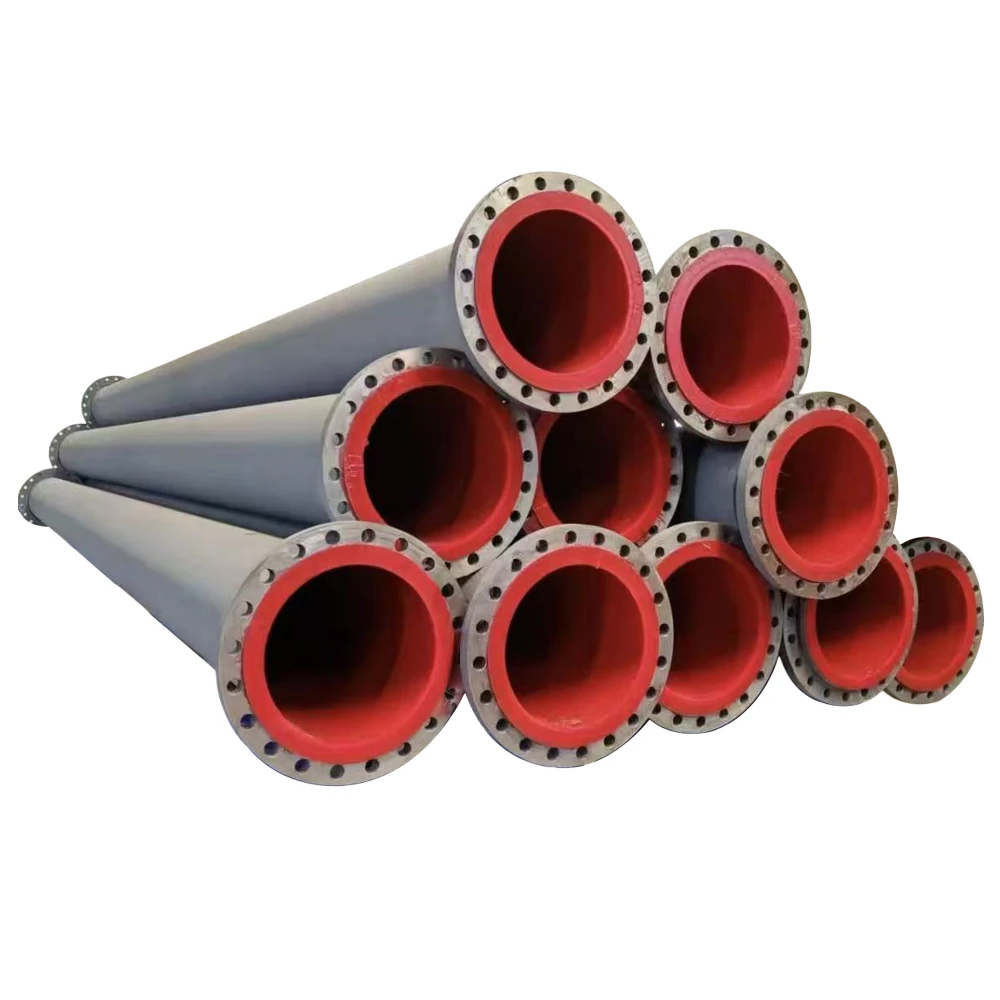
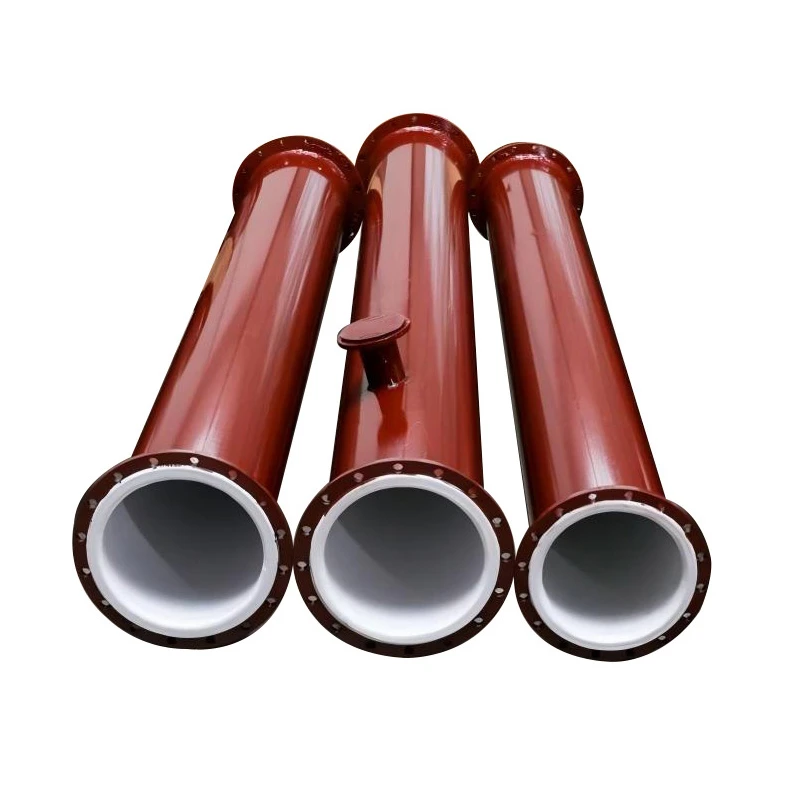
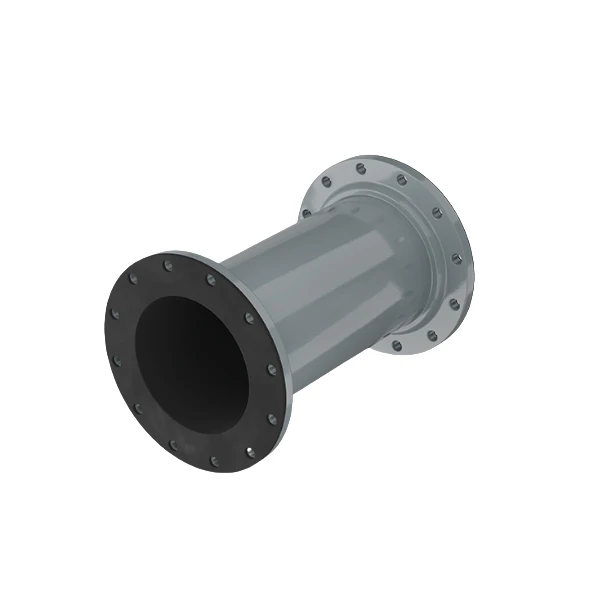
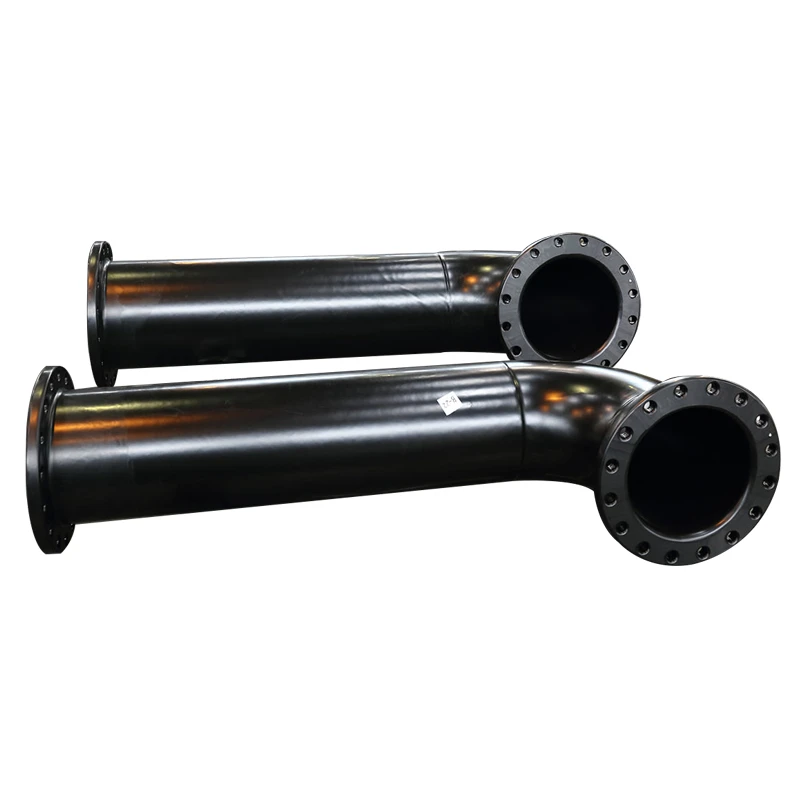
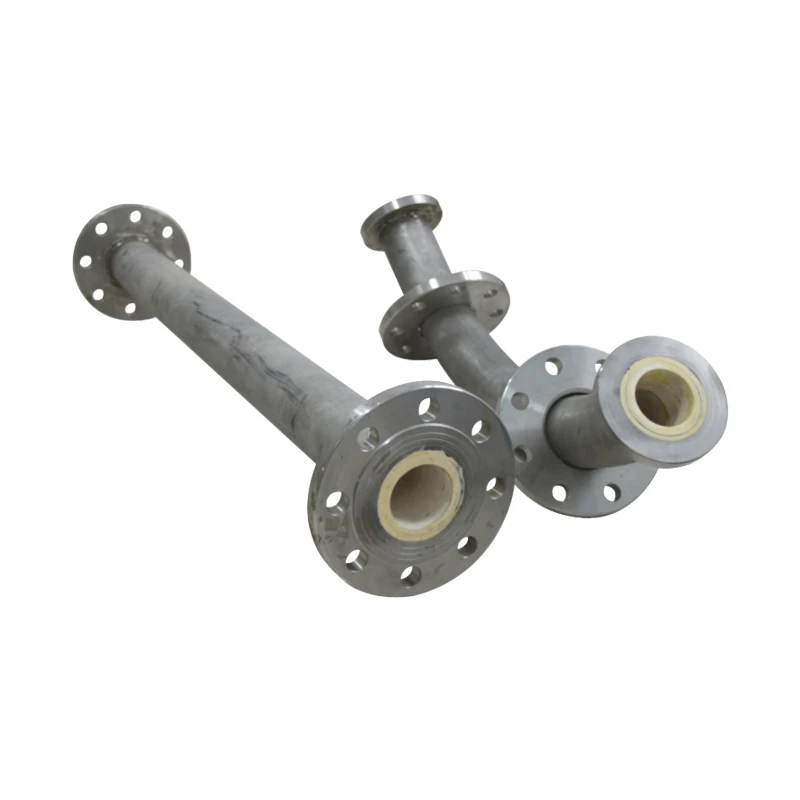
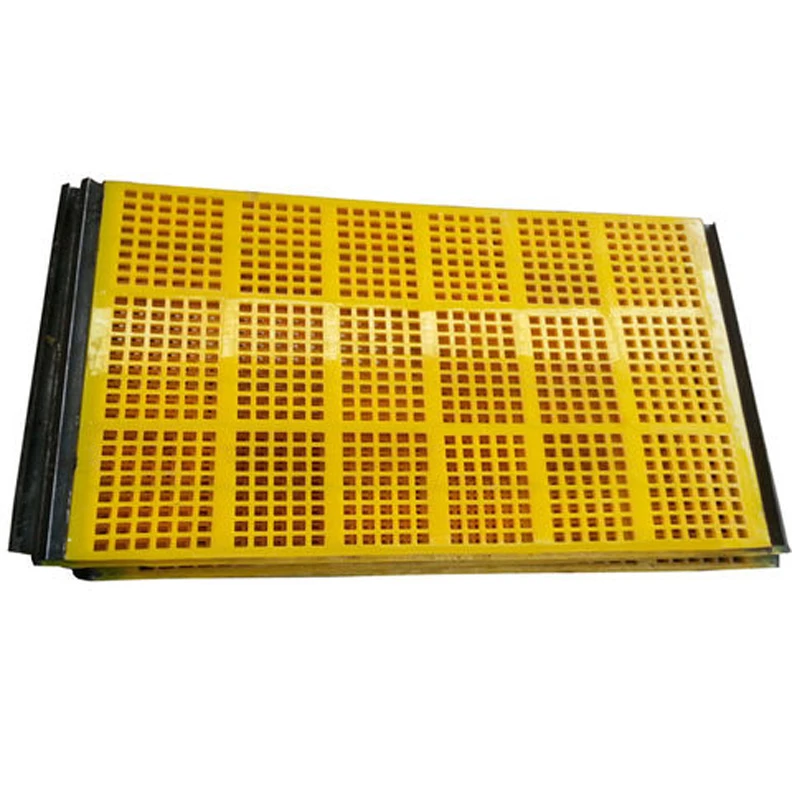
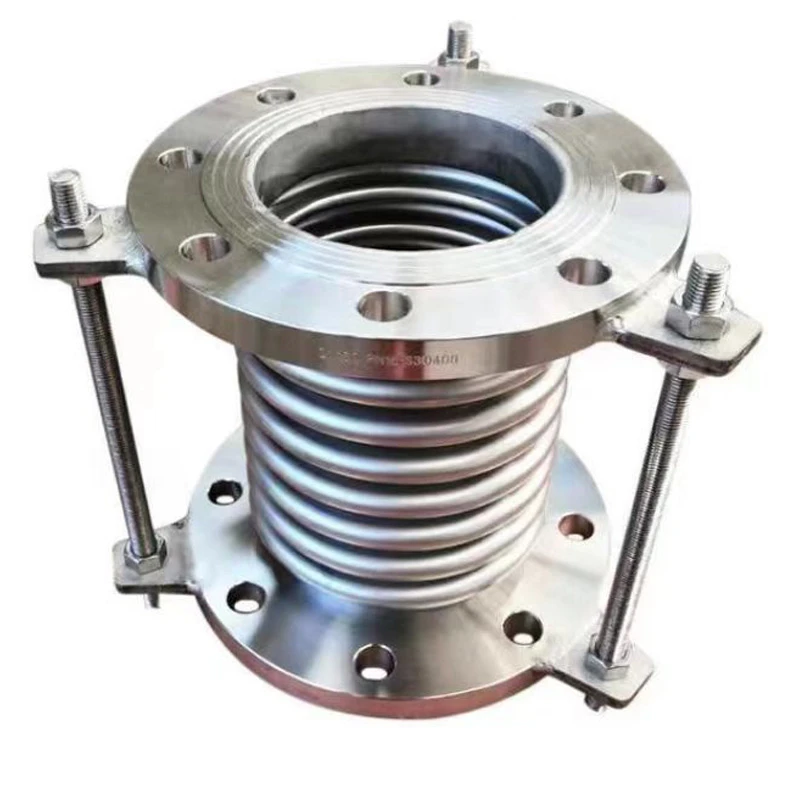
Our main products are polyurethane lined pipes, mining equipment fittings and metal hoses.