Durable PU Screen Panels for Efficient Fine Screening17450
Introduction to Advanced Screening Solutions
In mineral processing, aggregate production, and various industrial separation applications, the efficiency and durability of screening media are paramount to operational success and cost-effectiveness. Traditional screening materials often fall short in challenging environments characterized by abrasion, corrosion, and high impact. This necessitates advanced solutions that offer extended service life, reduced maintenance, and superior performance.
Polyurethane screen panels have emerged as a leading technology, specifically designed to address these demanding conditions. Their unique material properties and innovative design significantly enhance screening efficiency, minimize downtime, and contribute to a more sustainable operational footprint. This article delves into the technical aspects, advantages, applications, and strategic considerations for implementing polyurethane screen panels in modern industrial settings.
Industry Trends in Screening Technology
The global mineral processing and aggregate industries are continuously evolving, driven by the need for higher throughput, finer separation, and improved operational economics. Key trends include the shift towards sustainable practices, increased automation, and the adoption of advanced materials. There's a growing demand for screening media that can withstand aggressive conditions while maintaining precise classification.
Polyurethane, with its superior wear resistance, elasticity, and noise-dampening characteristics, is rapidly replacing conventional steel and rubber screens. This trend is fueled by stringent environmental regulations requiring reduced noise pollution and dust, coupled with economic pressures to minimize operational expenditure (OpEx) through prolonged equipment life and reduced energy consumption. The market for high-performance screening media, particularly polyurethane variants, is projected to grow significantly, reflecting its indispensable role in modern processing plants.
Understanding Polyurethane Screen Panels: Technical Specifications
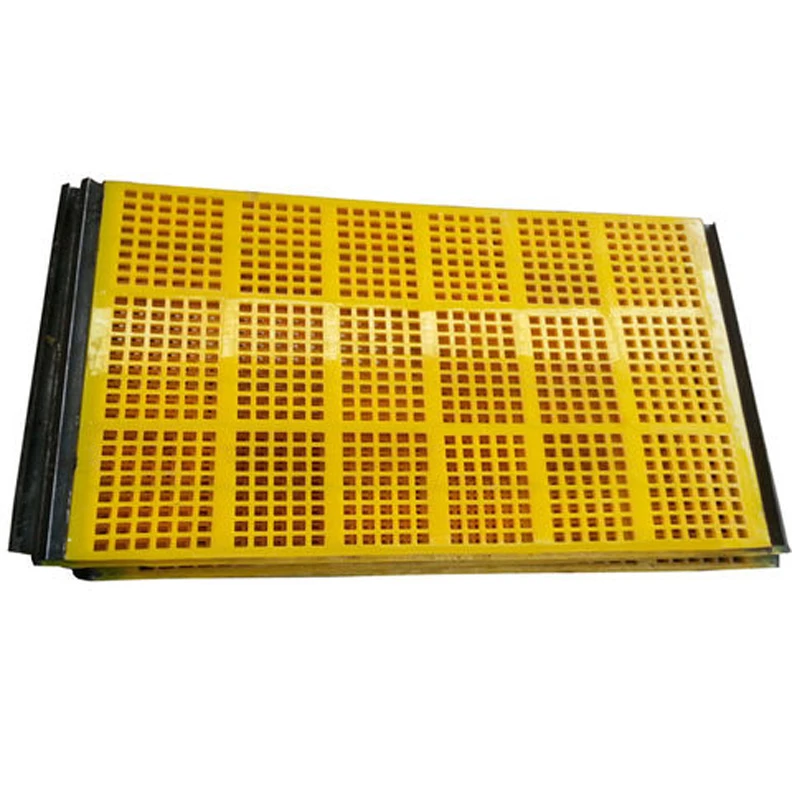
Polyurethane screen panels are engineered solutions for efficient material separation. They are characterized by a high load-bearing capacity and resilience, making them ideal for heavy-duty applications. The core material, polyurethane, is a polymer known for its excellent abrasion resistance, tear strength, and chemical inertness. These properties directly translate into extended service life and reduced operational costs.
Key Product Specifications for Polyurethane Screen Panels
| Parameter | Specification Range | Benefit |
|---|---|---|
| Material Hardness (Shore A) | 65A - 95A | Optimal balance of abrasion resistance and elasticity for specific applications. |
| Operating Temperature Range | -40°C to +85°C | Reliable performance in diverse environmental conditions. |
| Abrasion Resistance (ASTM D4060) | Excellent, typically 5-10 times better than rubber | Significantly extended service life, reduced replacement frequency. |
| Tensile Strength | 30-60 MPa | High structural integrity under dynamic loads. |
| Elongation at Break | 300-600% | Flexibility to absorb impact and resist tearing. |
| Panel Thickness | 25mm - 60mm | Customizable to application requirements for durability and screening accuracy. |
| Aperture Size | 0.2mm - 150mm | Fine to coarse screening capabilities, minimizing blinding. |
These specifications highlight the versatility of polyurethane in various screening tasks, from dewatering and fine sizing to heavy-duty scalping. The ability to customize hardness and aperture sizes allows for precise tailoring to specific material characteristics and desired separation outcomes, making pu screen panels a highly adaptable solution.
Manufacturing Process of pu screen Panels
The production of high-quality Polyurethane Screen Panels involves a meticulously controlled manufacturing process, ensuring superior material integrity and dimensional accuracy. The process typically combines advanced polymer chemistry with precision engineering techniques to achieve the desired performance characteristics. This section outlines the generalized steps:
Process Flow
- Raw Material Preparation: High-grade polyurethane pre-polymers and curing agents are selected. These materials are chosen based on the desired final hardness, abrasion resistance, and chemical stability. Additives such as UV stabilizers, anti-hydrolysis agents, and color pigments are incorporated at this stage.
- Mixing and Degassing: The pre-polymers and curing agents are accurately measured, mixed thoroughly, and then degassed under vacuum. This critical step removes any trapped air bubbles, which could compromise the mechanical properties and surface finish of the final product.
- Casting/Molding: The liquid polyurethane mixture is then precisely cast into custom-designed molds. These molds dictate the final dimensions, aperture size, and panel configuration (e.g., modular, tensioned). For panels requiring structural reinforcement, steel inserts or frames may be strategically placed within the mold prior to casting. This ensures robust integration between the polyurethane and the supporting structure.
- Curing: After casting, the panels undergo a controlled curing process in heated ovens. This thermal treatment is essential for polymerizing the mixture, allowing the polyurethane to achieve its full mechanical properties, including optimal hardness, tensile strength, and elasticity. The curing profile (temperature and duration) is meticulously managed to prevent defects and ensure material consistency.
- Demolding and Finishing: Once cured, the panels are carefully demolded. Any flash or excess material is trimmed, and the panels undergo initial inspection.
- Precision Machining (Optional but Common): For complex geometries, specific attachment points, or extremely tight tolerances, panels may undergo CNC machining. This allows for precise customization and integration with existing screening decks.
- Quality Control & Testing: Each panel undergoes rigorous quality control. This includes visual inspection, dimensional checks using precise instruments, and mechanical property testing (e.g., hardness, tensile strength, abrasion resistance) in accordance with international standards like ISO 9001 and relevant ANSI or DIN specifications. Testing confirms the product meets design specifications and operational requirements, ensuring a reliable service life.
- Packaging: Finished panels are carefully packaged to prevent damage during transit, ready for dispatch to target industries such as petrochemicals, metallurgy, mining, aggregate production, and water supply & drainage.
The meticulous attention to detail at each stage, from material selection to final testing, ensures that these polyurethane screen panels offer exceptional performance, including superior energy saving characteristics due to reduced friction, outstanding corrosion resistance in harsh chemical environments, and significantly extended operational lifespan compared to traditional metallic alternatives.
Technical Advantages of Polyurethane Screens
The adoption of pu screen panels stems from their comprehensive technical advantages over conventional screening media. These benefits translate directly into operational efficiencies and significant cost savings for industrial clients.
- Exceptional Abrasion Resistance: Polyurethane's intrinsic elasticity and toughness provide superior resistance to abrasive wear, a common challenge in processing abrasive materials like sand, gravel, and crushed ore. This leads to a service life that can be 3 to 10 times longer than that of steel or rubber screens.
- Superior Blinding Resistance: The flexible nature and tapered apertures of polyurethane reduce material adhesion and pegging, significantly minimizing blinding, especially when processing sticky or fine materials. This maintains consistent screening efficiency and reduces downtime for cleaning.
- Reduced Noise Pollution: Polyurethane is an excellent dampening material. Its application in screen panels results in a substantial reduction in operational noise levels, contributing to a safer and more compliant working environment, often exceeding regulatory requirements for noise reduction.
- Corrosion and Chemical Resistance: Unlike metallic screens, polyurethane is inherently resistant to corrosion from water, acids, alkalis, and many industrial chemicals. This makes it ideal for applications involving wet screening or chemically aggressive slurries, enhancing the durability and longevity of the screening media.
- Lightweight Design: Polyurethane panels are considerably lighter than steel screens, simplifying installation, reducing structural load on screening equipment, and enhancing worker safety during change-outs.
- Improved Throughput and Efficiency: With optimal open area designs and anti-blinding properties, pu screen panels facilitate higher throughput rates and more accurate material separation, directly improving overall plant efficiency.
- Lower Maintenance Costs: The extended service life and reduced instances of blinding or damage mean less frequent replacements and maintenance interventions, leading to significant savings in labor and parts.
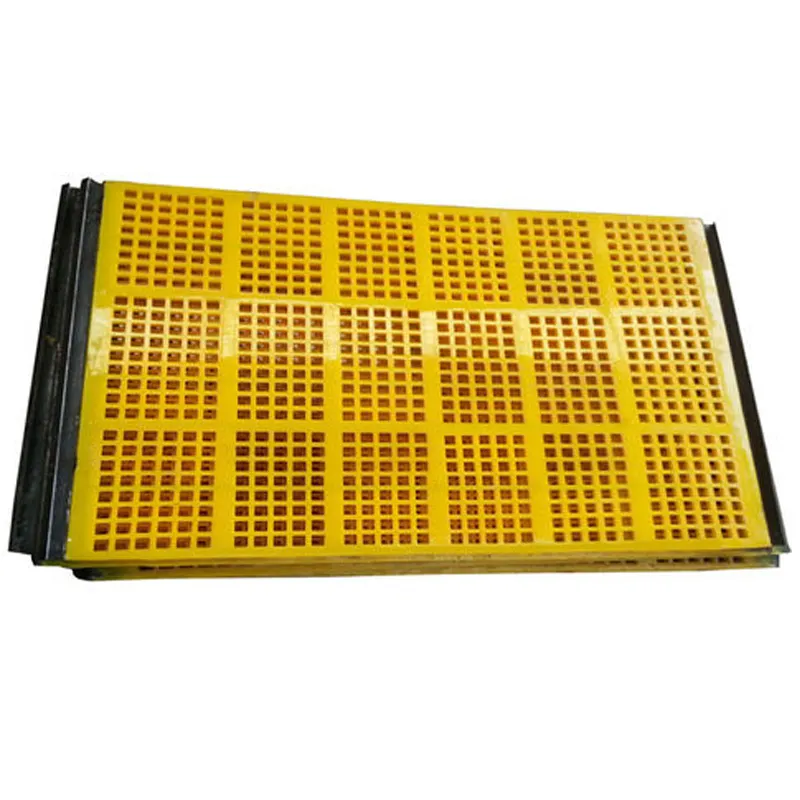
These advantages collectively position polyurethane screen panels as a high-performance, cost-effective solution for a wide range of industrial screening challenges, embodying expertise and experience in material science applied to practical engineering problems.
Key Application Scenarios
Polyurethane screen panels are integral to numerous industries due to their adaptability and robust performance. Their design flexibility allows for customization to specific operational demands, making them suitable for a broad spectrum of screening and separation tasks.
- Mining and Mineral Processing: Used for primary, secondary, and tertiary screening of metallic and non-metallic ores, coal, and industrial minerals. Applications include dewatering, sizing, and scalping in hostile, abrasive environments.
- Aggregate Production: Essential for classifying sand, gravel, crushed stone, and recycled concrete. Their anti-blinding properties ensure efficient separation of construction materials, optimizing product quality and yield.
- Quarry Operations: High-impact applications involving large, heavy rocks benefit from the durability and impact resistance of polyurethane, reducing wear and tear on screening equipment.
- Coal Preparation Plants: Effective in coal washing and sizing, where resistance to abrasion and impact from coal particles is critical.
- Waste Management and Recycling: Employed in sorting and sizing municipal solid waste (MSW), construction and demolition (C&D) debris, and other recyclables, where resistance to varied and often sharp materials is required.
- Industrial Applications: Beyond bulk materials, they find use in various industrial processes requiring particle separation, such as in chemical plants for separating granular materials, or in water treatment facilities for preliminary filtration stages.
These scenarios underscore the versatility and reliability of pu screen technology in enhancing processing efficiency and extending equipment life across diverse industrial sectors.
Real-World Application Case Studies
Case Study 1: Iron Ore Processing Plant
A major iron ore processing plant in Western Australia faced severe blinding and rapid wear of traditional woven wire screens, leading to frequent shutdowns and high replacement costs. After consulting with our engineers, the plant implemented our specialized polyurethane fine screen panels for their secondary sizing circuits. The solution involved panels with a Shore A hardness of 85A and a specific aperture design to optimize material flow and minimize blinding of fine iron ore particles.
Results: Within six months, the plant reported a 70% reduction in screen replacement frequency and a 15% increase in throughput due to sustained screening efficiency. Maintenance man-hours related to screen cleaning dropped by 45%, translating into an estimated annual savings of over $250,000. This demonstrated the robustness and longevity of the polyurethane fine screen solution under extreme abrasive conditions.
Case Study 2: Municipal Waste Recycling Facility
A large-scale municipal waste recycling facility in North America struggled with metal and rubber screens failing prematurely due to a combination of abrasive wear, impact from various waste materials, and corrosion from organic decomposition. They adopted a modular polyurethane screen panel system for their primary trommel screen.
Results: The facility experienced a significant improvement in screen life, extending from an average of 4-6 weeks to over 9 months. The flexibility of the pu screen panels effectively resisted tearing and puncturing from sharp objects in the waste stream, while the inherent corrosion resistance minimized degradation. This led to a substantial reduction in waste processing costs and improved environmental compliance.
Vendor Comparison and Selection Criteria
Choosing the right vendor for polyurethane screen panels is crucial for optimizing performance and ensuring long-term value. While many suppliers offer these products, their manufacturing processes, material quality, and engineering expertise can vary significantly. This table provides a comparative overview of key criteria to consider:
| Feature/Criterion | Premium Vendor (e.g., QW Metal) | Standard Vendor | Low-Cost Vendor |
|---|---|---|---|
| Material Quality & Durability | Virgin high-grade PU, advanced formulations, ISO certified. Superior abrasion & tear strength. | Standard PU, decent quality. Moderate abrasion & tear strength. | Mixed-grade PU, potentially recycled. Sub-optimal durability, shorter lifespan. |
| Manufacturing Process | Precision casting, strict curing profiles, CNC finishing, comprehensive QA. | Standard molding, basic QC, potential for inconsistencies. | Basic molding, limited QC, high variability in product quality. |
| Customization & Engineering Support | Extensive customization, application engineering, site visits, design optimization. | Limited customization, basic technical advice. | Off-the-shelf products only, minimal support. |
| Certifications & Standards | ISO 9001, relevant ASTM/DIN compliance, verifiable test data. | Basic certifications, less transparent testing. | Few or no internationally recognized certifications. |
| After-Sales Support & Warranty | Comprehensive warranty, responsive support, technical assistance, performance guarantees. | Standard warranty, basic support. | Limited or no warranty, minimal support. |
While low-cost options might seem appealing initially, the long-term total cost of ownership (TCO) often favors premium suppliers. Investments in superior material quality, precise manufacturing, and robust engineering support lead to significantly longer product life, reduced downtime, and optimized operational efficiency. When selecting an industrial pu screen, evaluating vendors based on these comprehensive criteria is essential for ensuring both immediate performance and sustained operational advantage.
Customized Solutions for Optimal Performance
Recognizing that no two industrial operations are identical, leading manufacturers offer highly customized pu screen solutions. This bespoke approach ensures that screening media are perfectly matched to specific material characteristics, equipment parameters, and desired separation outcomes. Customization encompasses several critical aspects:
- Material Composition: Tailoring polyurethane formulations to achieve specific hardness (e.g., Shore A 65-95), elasticity, and chemical resistance for particular aggregates or slurries.
- Aperture Design: Customizing aperture shapes (square, slotted, round) and sizes (from sub-millimeter to several centimeters) to optimize screening efficiency, minimize blinding, and ensure precise cut points.
- Panel Dimensions and Thickness: Manufacturing panels to exact dimensions to fit existing screen decks, with varying thicknesses to enhance durability or open area as needed.
- Reinforcement: Integrating steel frames or rods within the polyurethane matrix for enhanced structural integrity in high-impact applications.
- Attachment Systems: Designing compatible attachment methods (e.g., pin & sleeve, bolt-down, rail systems) to ensure seamless integration and rapid change-outs.
- Modular vs. Tensioned Panels: Offering both modular snap-on designs for ease of replacement and tensioned panels for specific older screen types.
Through collaborative engineering and a deep understanding of client processes, customized polyurethane fine screen panels can unlock new levels of performance, extending component life and significantly reducing operational overhead.
Ensuring Trustworthiness and Support
Establishing and maintaining trust is fundamental in B2B relationships. Our commitment to clients extends beyond product delivery, encompassing comprehensive support, transparent processes, and unwavering quality assurance.
Frequently Asked Questions (FAQ)
Q: What is the typical service life of a polyurethane screen panel?
A: The service life varies significantly based on application, material characteristics, and operational parameters, but generally ranges from 6 months to 3 years, often outlasting traditional steel screens by 3-10 times.
Q: Can these panels be used for both wet and dry screening?
A: Yes, polyurethane screen panels are highly effective for both wet and dry screening applications, offering excellent dewatering capabilities and resistance to chemical degradation in wet environments.
Q: How do I select the correct aperture size?
A: Our engineering team works closely with clients to analyze material characteristics, desired cut points, and existing equipment specifications to recommend the optimal aperture size and configuration.
Lead Time and Fulfillment
Standard polyurethane screen panels typically have a lead time of 3-5 weeks from order confirmation, depending on volume and current production schedules. Custom-engineered solutions may require slightly longer, usually 6-8 weeks, to accommodate design, prototyping, and rigorous testing phases. We maintain transparent communication throughout the fulfillment process, providing regular updates on production status and shipping estimates.
Warranty Commitments
All our Polyurethane Screen Panels are backed by a comprehensive 12-month warranty against manufacturing defects and material failures under normal operating conditions. Specific project-based performance guarantees can also be negotiated for large-scale implementations, ensuring client confidence in the longevity and effectiveness of our products.
Customer Support
Our dedicated customer support team and field engineers are available to provide technical assistance, troubleshooting, and optimization advice. This includes pre-sales consultation, installation guidance, and post-sales performance monitoring to ensure optimal integration and long-term satisfaction. We pride ourselves on rapid response times and expert-level support, reflecting our authoritative position in the industry.
Conclusion
The evolution of screening technology, particularly with the advent of advanced polyurethane formulations, marks a significant leap forward for industries reliant on efficient material separation. Polyurethane screen panels offer an unparalleled combination of durability, efficiency, and cost-effectiveness, addressing the critical challenges of wear, blinding, and environmental impact that plague traditional screening media.
By embracing these innovative solutions, businesses in mining, aggregate production, and recycling can achieve higher throughput, extend equipment life, and significantly reduce operational expenditure. The strategic investment in high-quality, customized pu screen technology is not merely an upgrade but a fundamental shift towards more sustainable, productive, and profitable operations. As industries continue to seek greater efficiency and reliability, the role of advanced polyurethane screening solutions will only expand, cementing their status as an indispensable component of modern processing plants.
References
- ISO 9001:2015 - Quality management systems — Requirements. International Organization for Standardization.
- ASTM D4060-14 Standard Test Method for Abrasion Resistance of Organic Coatings by the Taber Abraser. ASTM International.
- Polyurethane Handbook: Chemistry, Raw Materials, Processing, Application, Properties (2nd Edition). G. Oertel (Editor), Hanser Publishers, 1994.
- Mineral Processing Design and Operations (2nd Edition). M. D. G. S. Rao, Elsevier, 2009.
Related Products
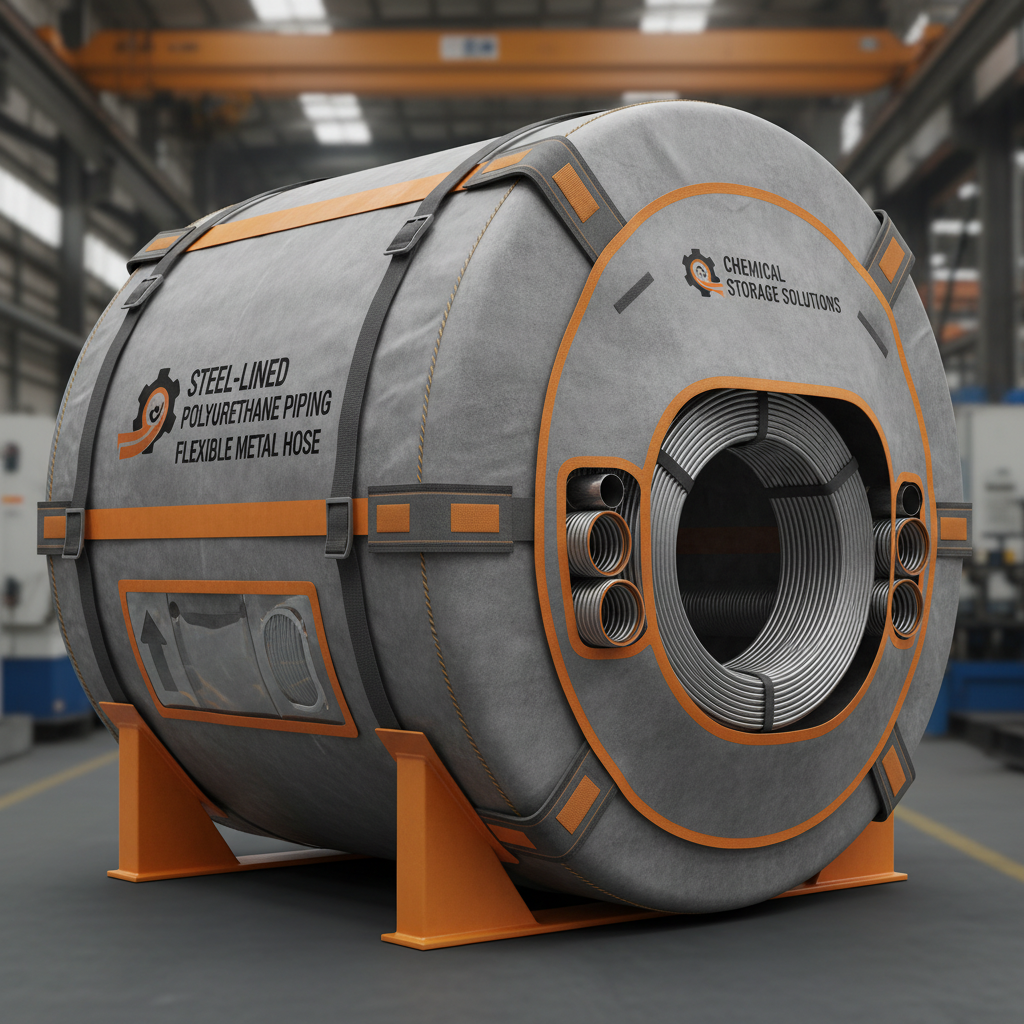
Our main products are polyurethane lined pipes, mining equipment fittings and metal hoses.