Durable PU Screen Panels: High Efficiency & Long Life
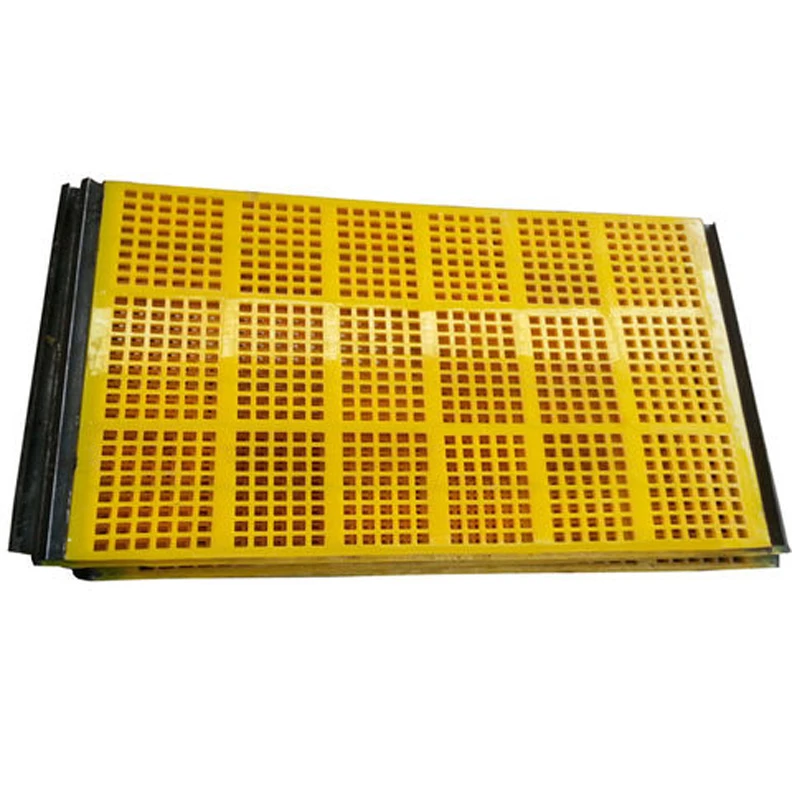
Understanding Polyurethane Screen Panels: An Industry Overview
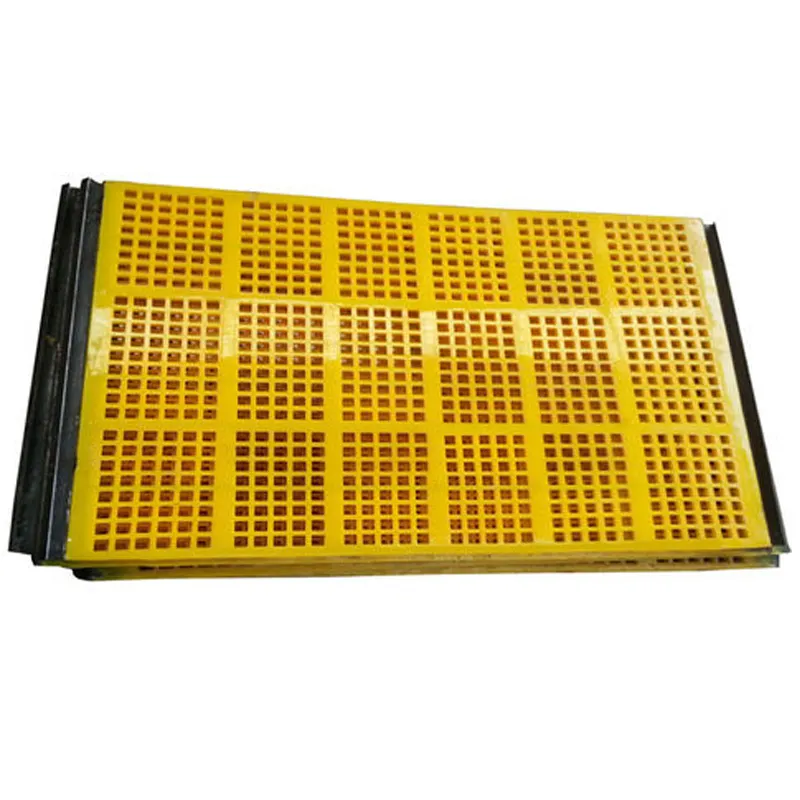
In the demanding environments of modern industrial processing, efficient and reliable screening solutions are paramount. The advent of high-performance materials has revolutionized equipment capabilities, particularly in separation and sizing applications. Among these innovations, the pu screen stands out as a critical component, offering superior performance compared to traditional options. This article delves into the intricate details of polyurethane screen panels, exploring their manufacturing, technical specifications, diverse applications, and the significant advantages they bring to various sectors. We aim to provide B2B decision-makers and engineers with a comprehensive understanding of this essential technology.
Industry Trends Shaping Polyurethane Screen Adoption
The global demand for efficient mineral processing, aggregate production, and waste management continues to surge, driving innovation in screening technology. Key trends influencing the adoption of pu screen panels include:
- Increased Focus on Operational Efficiency: Industries are under constant pressure to reduce downtime and optimize throughput. Polyurethane screens, with their extended service life and reduced blinding, directly address these needs.
- Environmental Sustainability: The push for greener operations favors materials that last longer, reduce waste, and potentially lower energy consumption. The durability of polyurethane fine screen panels contributes to these goals.
- Advancements in Material Science: Ongoing research in polymer chemistry yields polyurethane compounds with enhanced wear resistance, elasticity, and chemical inertness, broadening application possibilities.
- Customization for Specific Applications: The ability to tailor aperture sizes, panel dimensions, and material hardness makes polyurethane screens adaptable to a wider array of particle sizes and material types, driving their market growth.
- Lower Maintenance Costs: Reduced frequency of replacement and cleaning translates into significant cost savings over the operational lifespan, a critical factor for B2B procurement.
Manufacturing Process Flow of Polyurethane Screen Panels
The production of a high-quality pu screen panel is a sophisticated process, meticulously controlled to ensure optimal performance and durability. It combines advanced polymer chemistry with precision engineering. Here’s a detailed breakdown of the typical manufacturing workflow:
1. Material Selection and Preparation
The foundation of any superior polyurethane screen lies in the selection of premium raw materials. High-grade polyurethane elastomers, typically a blend of polyols and isocyanates, are chosen for their specific mechanical properties such as hardness, tensile strength, tear resistance, and resilience. These materials are precisely measured and pre-heated to ensure uniform viscosity and reactivity, crucial for consistent product quality.
2. Mixing and Casting/Molding
The pre-heated polyols and isocyanates are thoroughly mixed under controlled conditions, often in a vacuum environment to prevent air entrapment. Catalysts and specific additives (e.g., UV stabilizers, anti-hydrolysis agents) are introduced to control the reaction rate and enhance material properties. The mixed liquid polyurethane pre-polymer is then poured into pre-designed molds. These molds are precisely engineered, often using CNC machining, to create the desired panel dimensions, aperture shapes (e.g., square, slot, round), and fixing mechanisms (e.g., pin, bolt, rail systems).
3. Curing and Demolding
Once cast, the molds are transferred to curing ovens where they undergo a carefully controlled thermal process. This curing phase allows the polyurethane to polymerize fully, achieving its intended mechanical strength and resilience. Temperature and time are critical parameters, optimized to ensure complete cross-linking and avoid internal stresses. After curing, the panels are carefully demolded.
4. Finishing and Quality Control
Post-curing, the polyurethane fine screen panels undergo finishing operations, which may include trimming excess material or light sanding. Strict quality control measures are implemented at multiple stages. This includes visual inspection for defects, dimensional checks against engineering drawings, and material property testing. Key tests often involve hardness (Shore A/D), tensile strength, tear strength, and abrasion resistance, ensuring compliance with internal standards and often with international standards like ISO 28721 for screening media or ASTM D412 for rubber properties. The service life of these panels is often significantly extended through these rigorous processes, often exceeding 2-5 times that of traditional steel screens.
5. Packaging and Dispatch
Finished pu screen panels are meticulously packaged to prevent damage during transit, ensuring they arrive at the client's site in pristine condition, ready for immediate installation. Our commitment to quality extends through the entire supply chain, ensuring product integrity from manufacturing to delivery.
Technical Specifications and Parameters of Polyurethane Screen Panels
The efficacy of a pu screen is directly linked to its precise technical specifications and material characteristics. These parameters dictate performance in specific applications, making a detailed understanding crucial for proper selection and integration. Our products are engineered to meet stringent industry demands, validated by extensive testing and adherence to global standards.
Key Material Properties:
- Polymer Type: High-grade thermosetting polyurethane elastomer.
- Hardness Range: Typically Shore A 65-95, optimized for wear resistance and flexibility depending on application.
- Tensile Strength: Exceeding 40 MPa (ASTM D412), indicating high resistance to pulling forces.
- Tear Strength: Ranging from 80-150 KN/m (ASTM D624), crucial for resisting tearing propagation under stress.
- Abrasion Resistance: Significantly higher than rubber or steel, often 5-10 times better, as per DIN 53516 or ASTM D1044.
- Operating Temperature: Stable performance from -40°C to +80°C, with specialized formulations extending this range.
- Chemical Resistance: Excellent resistance to most acids, bases, oils, and greases, enhancing longevity in corrosive environments.
Product Specification Table: Standard Polyurethane Screen Panels
| Parameter | Typical Range/Value | Unit | Standard |
|---|---|---|---|
| Panel Dimensions (Length x Width) | 300x300 to 3000x1200 (Custom available) | mm | Manufacturer Spec. |
| Panel Thickness | 30 - 75 | mm | ISO 28721 |
| Aperture Size | 0.1 to 150 | mm | ISO 3310 |
| Aperture Shape | Square, Slot, Round, Custom | N/A | N/A |
| Open Area | Up to 45% (dependent on aperture) | % | Manufacturer Spec. |
| Panel Type | Modular (Pin, Bolt, Rail), Tensioned | N/A | N/A |
| Material Hardness | 70-90 Shore A | Shore A | ASTM D2240 |
| Working Temperature | -40 to +80 | °C | N/A |
Note: Specific parameters can be customized based on application requirements. Our engineering team adheres to ISO 9001 quality management standards throughout the design and manufacturing process, ensuring consistent product excellence.
Technical Advantages of Polyurethane Screen Panels
The widespread adoption of pu screen panels across diverse heavy industries is a testament to their inherent technical superiority over traditional screening media. These advantages translate directly into enhanced operational efficiency, reduced costs, and improved product quality.
-
Exceptional Wear and Abrasion Resistance
Polyurethane's unique molecular structure provides outstanding resistance to abrasive wear, significantly outperforming steel wire mesh and rubber. This property is crucial in applications involving highly abrasive materials like ore, coal, sand, and gravel. A longer wear life means fewer replacements, less downtime, and substantial savings in maintenance labor and material costs. Data consistently shows that polyurethane screens last 3-5 times longer than their steel counterparts in similar conditions.
-
Superior Corrosion and Chemical Resistance
Unlike metallic screens, polyurethane is largely impervious to rust and corrosion caused by moisture, acids, alkalis, and various industrial chemicals. This makes pu screen panels ideal for wet screening processes, chemical processing, and environments exposed to corrosive agents, maintaining structural integrity and screening accuracy over extended periods.
-
Reduced Blinding and Pegging
The inherent elasticity and non-stick properties of polyurethane significantly reduce blinding (clogging of apertures by near-size particles) and pegging (particles wedging into apertures). The flexibility of the material allows the apertures to vibrate and dislodge trapped particles, ensuring consistent throughput and requiring less manual cleaning. This directly translates to higher screening efficiency and reduced operational interruptions, a critical factor for continuous processing plants.
-
Lower Noise Levels
The damping properties of polyurethane effectively absorb impact energy from screened materials, leading to a substantial reduction in operational noise compared to metallic screens. This improvement in the working environment contributes to employee safety and compliance with occupational noise regulations.
-
Lighter Weight and Easier Installation
Polyurethane fine screen panels are considerably lighter than steel screens of comparable size, simplifying handling, installation, and replacement procedures. This ergonomic advantage reduces the risk of workplace injuries and speeds up maintenance tasks, further contributing to operational efficiency.
-
Energy Saving Potential
By reducing blinding and maintaining consistent open area, pu screen panels allow screen machines to operate more efficiently, often reducing the power consumption required to achieve desired separation rates. This energy saving aspect aligns with modern sustainability goals and reduces operational costs.
Diverse Application Scenarios
The versatility and robust performance of pu screen panels make them indispensable across a wide spectrum of heavy industries. Their ability to withstand harsh conditions while maintaining screening precision is a key factor in their widespread adoption. Here are typical application scenarios:
-
Mining and Mineral Processing
This is arguably the largest application area. Polyurethane fine screen panels are extensively used for dewatering, sizing, and classifying various ores (iron ore, gold, copper, bauxite) and minerals. Their abrasion resistance is critical in processing highly abrasive materials, and their anti-blinding properties are invaluable when handling sticky or moist ores. Specific uses include primary and secondary screening, tramp material removal, and efficient separation of fines from coarse material.
-
Aggregates and Construction Materials
In sand and gravel operations, quarries, and asphalt plants, pu screen panels are vital for accurate sizing of aggregates, road base materials, and decorative stones. Their durability ensures consistent product quality and reduced operational costs in high-volume production. They handle wet and dry screening processes with ease.
-
Coal Preparation and Coking Plants
For coal washing, sizing, and dewatering, polyurethane screens provide superior performance, especially with high moisture content coal that typically blinds traditional screens. Their resistance to impact and abrasion from coal lumps ensures a longer service life and higher efficiency in critical coal preparation steps.
-
Chemical and Petrochemical Industries
Due to their excellent chemical resistance, pu screen panel are employed in screening various chemicals, fertilizers, and catalysts, where metallic screens would quickly corrode. They ensure product purity and prevent contamination in sensitive processes.
-
Water Supply & Drainage / Wastewater Treatment
In municipal and industrial wastewater treatment plants, pu screen panels are used for primary screening of solids, grit removal, and dewatering sludge. Their resistance to biological fouling and corrosive water makes them a reliable choice for these continuous, harsh environments.
-
Recycling and Waste Management
From municipal solid waste (MSW) sorting to construction and demolition (C&D) waste recycling, polyurethane screens efficiently separate materials like plastics, glass, metals, and organics. Their ability to handle varied material streams and resist wear from sharp objects contributes to higher recovery rates.
Vendor Comparison: Selecting the Right Polyurethane Screen Provider
Choosing the right vendor for pu screen panels is a critical strategic decision that impacts operational efficiency, cost-effectiveness, and product reliability. While many manufacturers offer polyurethane screens, not all provide the same level of quality, engineering support, or customization. Here's a comparative overview of factors to consider:
Key Comparison Criteria:
- Material Quality and Formulation: Different vendors use varying polyurethane formulations. Premium vendors utilize proprietary blends that offer enhanced wear resistance, specific hardness, and chemical stability, directly influencing the lifespan and performance of the pu screen panel.
- Manufacturing Precision: The accuracy of aperture sizes, panel dimensions, and fitting mechanisms is crucial for screening efficiency and compatibility with existing equipment. Look for vendors with ISO-certified manufacturing processes and advanced molding technologies.
- Customization Capabilities: The ability to provide tailored solutions for unique applications – including custom aperture shapes, panel sizes, and material properties – is a significant differentiator.
- Technical Support and Engineering Expertise: A strong vendor offers comprehensive technical support, including application engineering, installation guidance, and troubleshooting. Experience in specific industries is invaluable.
- Lead Time and Supply Chain Reliability: Consistent lead times and a robust supply chain are essential for minimizing downtime and maintaining production schedules.
- After-Sales Service and Warranty: Clear warranty terms, responsive customer service, and readily available spare parts or replacement modules are indicators of a reliable long-term partner.
- Certifications and Industry Recognition: Adherence to international quality standards (e.g., ISO 9001), environmental certifications, and positive client testimonials build trust and authority.
Vendor Comparison Table (Illustrative)
| Feature/Vendor Type | Premium Manufacturer (e.g., QW Metal) | Mid-Tier Manufacturer | Budget/Generic Supplier |
|---|---|---|---|
| Material Quality & Formulation | High-grade, proprietary blends, optimized performance. | Standard industrial grade, general performance. | Basic grade, variable consistency. |
| Manufacturing Precision | Excellent, tight tolerances, ISO certified. | Good, acceptable tolerances, internal QA. | Moderate, wider tolerances, minimal QA. |
| Customization Options | Extensive (aperture, size, hardness, fixings). | Limited to standard variations. | Minimal or none. |
| Technical Support | Full engineering support, site visits, design optimization. | Basic product information, some application guidance. | Limited to sales catalog. |
| Lead Time Reliability | Consistent, predictable, robust supply chain. | Generally reliable, occasional delays. | Variable, prone to delays. |
| After-Sales & Warranty | Comprehensive warranty, responsive service. | Standard warranty, limited support. | Minimal warranty, often no support. |
Our company prides itself on being a premium manufacturer, dedicated to delivering superior polyurethane fine screen products backed by extensive expertise and unparalleled customer support, ensuring maximum value and operational reliability for our clients.
Customized Solutions for Optimal Performance
Recognizing that no two industrial applications are identical, we specialize in providing highly customized pu screen solutions. Standard off-the-shelf panels may suffice for generic tasks, but optimizing screening efficiency, throughput, and service life often requires tailor-made designs. Our engineering approach focuses on understanding the specific challenges of each client to deliver a truly optimized product.
Our Customization Process Includes:
- Detailed Application Analysis: We begin by thoroughly analyzing material characteristics (size distribution, abrasiveness, moisture content, stickiness), screen machine specifications, desired output, and environmental conditions.
- Material Formulation Adjustment: Based on the analysis, we can modify the polyurethane elastomer blend to achieve specific hardness (Shore A/D), tensile strength, tear strength, or chemical resistance properties, ensuring the polyurethane fine screen excels in its intended environment.
- Aperture Design Optimization: Custom aperture sizes, shapes (e.g., elongated slots for dewatering, square for precision sizing), and open area percentages are designed to maximize screening efficiency and minimize blinding for specific feed materials.
- Panel Dimensions and Fixing Systems: We custom-engineer panel dimensions to seamlessly integrate with existing screen decks (e.g., modular, tensioned, pin-style, bolt-down systems). This includes precise design of attachment points and frame compatibility.
- Integration of Specialty Features: This can include incorporating features like dam bars to control material flow, wear indicator inserts, or specialized support structures to enhance panel longevity and performance.
- Prototyping and Testing: For highly complex or novel applications, we can develop prototypes and conduct pilot tests to validate performance before full-scale production, ensuring optimal outcomes.
Our expertise in designing customized pu screen solutions has allowed our clients to overcome persistent screening challenges, achieve higher throughput, and significantly reduce operational expenditure. We work collaboratively with client engineering teams to deliver solutions that are not just products, but integral components of their success.
Application Case Studies
Our commitment to delivering high-performance pu screen panel solutions is evidenced by numerous successful applications across various industries. These case studies highlight the tangible benefits our products provide, from extended service life to improved operational efficiency.
Case Study 1: Iron Ore Sizing in a Major Mining Operation
-
Challenge: A large iron ore mining company faced significant downtime due to rapid wear and frequent blinding of traditional steel wire mesh screens in their secondary sizing plant. The highly abrasive nature of iron ore fines led to screen replacement every 2-3 weeks, severely impacting production targets.
Solution: We supplied customized pu screen panels with specific aperture designs and a proprietary high-wear-resistant polyurethane formulation. The modular panels were designed for quick installation and removal.
Results: The polyurethane screens achieved an impressive service life of over 12 months, reducing replacement frequency by more than 80%. Blinding was virtually eliminated, leading to a 15% increase in throughput and a 20% reduction in maintenance costs. The client reported improved particle size distribution uniformity, enhancing downstream processing.
Case Study 2: Dewatering in a Wastewater Treatment Plant
-
Challenge: A municipal wastewater treatment facility was struggling with inefficient dewatering of biological sludge using conventional screens, leading to high moisture content in the final discharge and increased disposal costs. Corrosion was also a persistent issue.
Solution: We engineered polyurethane fine screen panels with narrow, elongated slot apertures, specifically designed for efficient liquid-solid separation in high-moisture environments. The chemical-resistant polyurethane formulation ensured longevity in the corrosive wastewater.
Results: The new screens improved dewatering efficiency by 25%, significantly reducing the moisture content of the sludge cake and lowering disposal volumes. The corrosion resistance of the polyurethane panels extended their operational life to over 2 years, where metal screens failed in less than 6 months. This resulted in substantial operational savings and enhanced environmental compliance.
Case Study 3: Aggregate Sizing for Road Construction
-
Challenge: An aggregate producer supplying materials for major road infrastructure projects required precise sizing of crushed stone while minimizing screen wear in high-impact zones. Frequent screen changes disrupted project timelines.
Solution: We collaborated with their engineers to design and supply heavy-duty pu screen panel for specific deck locations, incorporating thicker sections and a harder polyurethane formulation in high-impact areas, alongside standard panels for other sections. The installation method was also optimized for rapid changeouts.
Results: The tailored polyurethane screens achieved consistent classification of aggregates, meeting strict project specifications. Screen life in the high-impact zones increased from 1 month to over 8 months, dramatically reducing maintenance interventions. Overall production efficiency improved by 10%, directly contributing to the timely completion of the road construction projects.
Frequently Asked Questions (FAQ)
Q1: What is the typical service life of a pu screen compared to steel?
A1: In most abrasive applications, polyurethane screen panels typically last 3 to 5 times longer than equivalent steel wire mesh screens. In some highly aggressive environments, this can extend to 10 times longer, leading to significant reductions in replacement costs and downtime.
Q2: Can polyurethane fine screen panels be customized for specific aperture sizes or shapes?
A2: Absolutely. Customization is one of the key advantages of polyurethane. We can engineer panels with a wide range of aperture sizes (from 0.1mm up to 150mm), various shapes (square, slot, round, harp-shaped), and specific open area percentages to precisely match your material's characteristics and screening requirements.
Q3: Are polyurethane screens suitable for both wet and dry screening applications?
A3: Yes, polyurethane screens excel in both wet and dry screening. Their inherent flexibility and non-stick properties significantly reduce blinding in wet, sticky material applications. Additionally, their chemical resistance makes them ideal for processes involving water, acids, or other corrosive liquids.
Q4: How do pu screen panels contribute to lower operational costs?
A4: They contribute in several ways: significantly longer service life reduces replacement frequency and associated labor costs; reduced blinding increases throughput and minimizes cleaning time; lower noise levels improve working conditions; and improved screening efficiency can lead to energy savings by optimizing machine operation.
Q5: What is the typical lead time for an order?
A5: Standard pu screen panel orders typically have a lead time of 2-4 weeks, depending on volume and current production schedules. Custom orders may require slightly longer for design and mold fabrication. We work closely with clients to meet urgent requirements and provide accurate lead time estimates at the time of quotation.
Q6: What warranty do you offer on your polyurethane screen panels?
A6: We offer a comprehensive warranty against manufacturing defects and premature wear under normal operating conditions. Specific warranty details are provided with each quotation and may vary based on product type and application. Our commitment to quality ensures reliable performance.
Q7: What kind of after-sales support is available?
A7: Our after-sales support includes technical consultation, installation guidance, troubleshooting, and replacement part services. Our experienced engineering team is available to assist with any performance-related queries or operational challenges to ensure your screens perform optimally throughout their lifespan.
Conclusion
Polyurethane screen panels represent a significant advancement in screening technology, offering a compelling blend of durability, efficiency, and cost-effectiveness across a diverse range of demanding industrial applications. From critical mineral processing to environmental waste management, the superior wear resistance, anti-blinding properties, and chemical resilience of the pu screen consistently outperform traditional alternatives.
By understanding the intricate manufacturing process, leveraging precise technical specifications, and exploring customized solutions, industries can unlock substantial operational efficiencies and achieve higher product quality. As a trusted partner, we are committed to providing expert guidance, innovative products, and robust support to ensure our clients maximize the value of their screening operations. Embracing polyurethane screen technology is not merely an equipment upgrade; it is a strategic investment in enhanced productivity, reduced maintenance, and sustainable operational growth.
References
- ASTM International. (2020). ASTM D412-16: Standard Test Methods for Vulcanized Rubber and Thermoplastic Elastomers—Tension. ASTM International.
- ISO. (2018). ISO 9001:2015 Quality management systems – Requirements. International Organization for Standardization.
- Mining Technology. (2022). Screening and Classifying Equipment in Mineral Processing. Available from: https://www.mining-technology.com/features/screening-classifying-equipment-mineral-processing/
- Polyurethane Manufacturers Association. (2021). The Versatility of Polyurethane Elastomers. Available from: https://www.pmaonline.org/
- Sharma, N., & Gupta, P. (2019). "Advances in Polyurethane Composites for Wear Applications." Journal of Materials Science and Engineering, 8(3), 1000213.
- Environmental Protection Agency (EPA). (2023). Industrial Wastewater Treatment Technologies. Available from: https://www.epa.gov/npdes/industrial-wastewater-treatment-technologies
Related Products
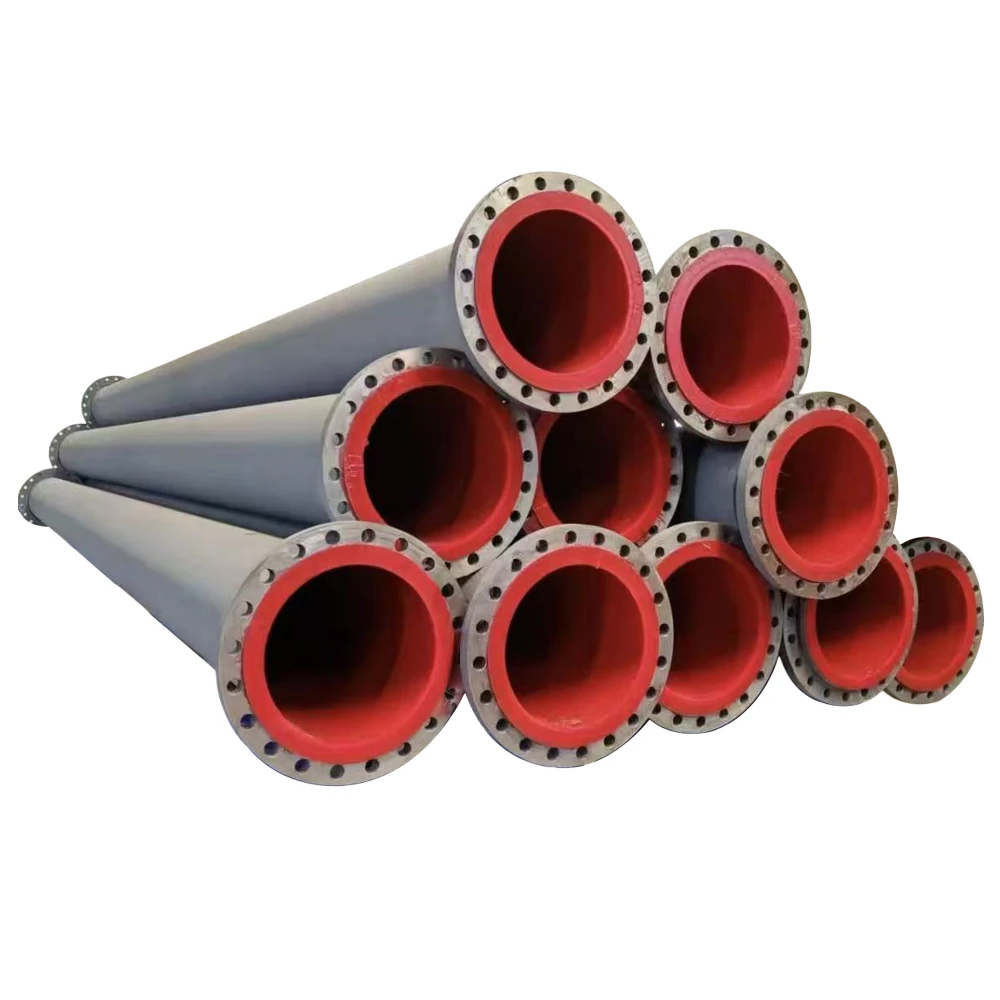
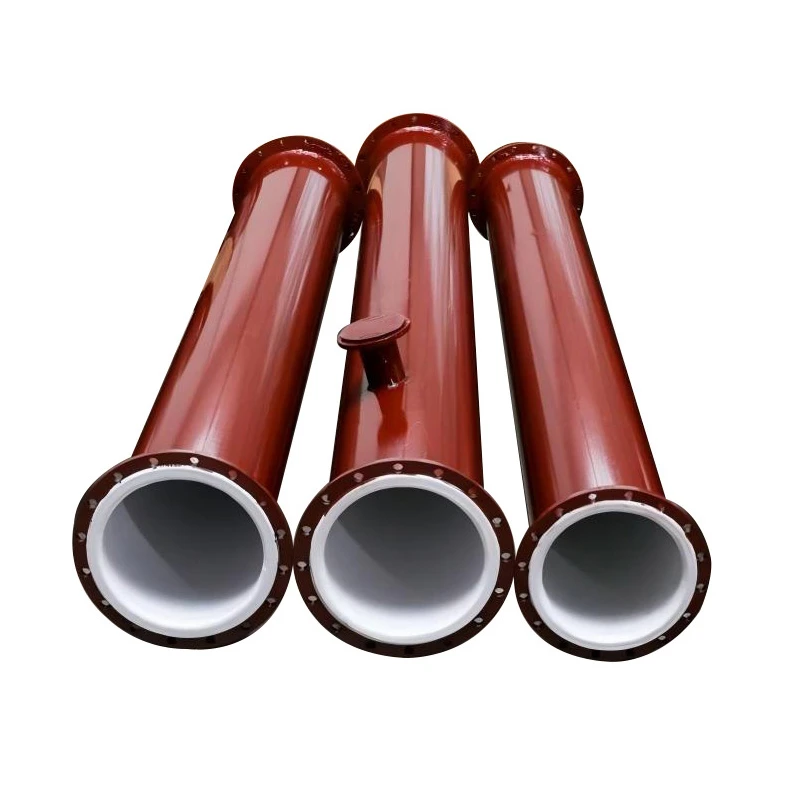
Our main products are polyurethane lined pipes, mining equipment fittings and metal hoses.