Durable Tank Chemical Solutions | Industrial Storage Tanks by QW Metal
Understanding the Tank Chemical: A Veteran’s Take
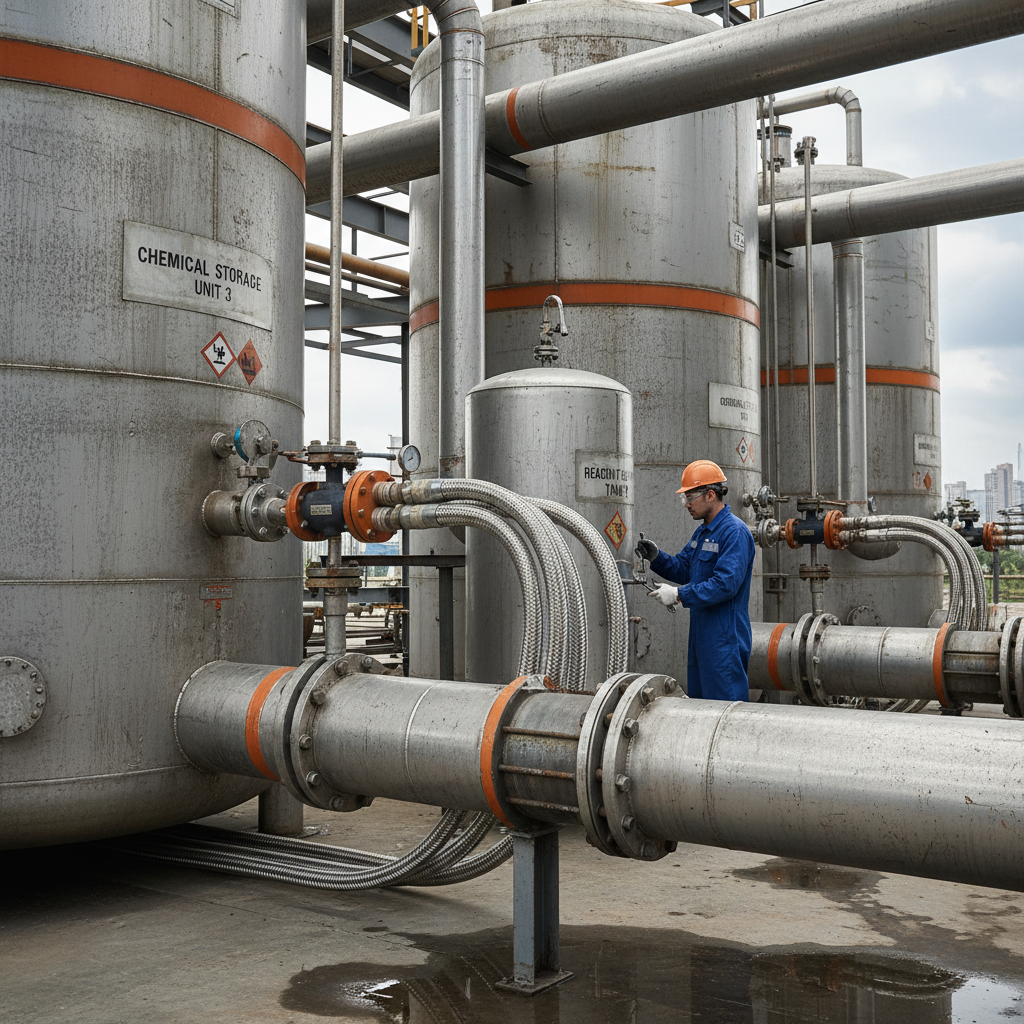
Working in the industrial equipment sector for over a decade, I’ve come across a slew of components and equipment that make or break the job on site. One that always stands out is the tank chemical. At first glance, it might sound straightforward — a tank used to store chemicals — but trust me, there’s a lot more beneath the surface.
Oddly enough, many engineers I’ve spoken to tend to underestimate just how critical proper tank chemical design and selection are. The materials, construction methods, and certified testing all play pivotal roles in ensuring safety, efficiency, and durability. In real terms, choosing the wrong tank chemical can lead to costly downtime, contamination, or even hazardous leaks.
From my experience, a good tank chemical typically involves corrosion-resistant alloys—304 or 316 stainless steel are common favorites in corrosive environments. But frankly, even within stainless steel options, quality varies widely depending on the source and treatment. Plus, newer composite materials are making waves for certain chemical storage needs, offering lighter weight and higher chemical resistance.
Below is a quick specification table based on a typical stainless steel tank chemical model I’ve frequently worked with:
| Specification | Details |
|---|---|
| Material | 316L Stainless Steel |
| Capacity | 5,000 to 50,000 Liters |
| Pressure Rating | Up to 2 bar (standard) |
| Surface Finish | Electropolished interior |
| Certifications | ASME, ISO 9001, PED |
Now, when it comes to choosing a vendor, I’ve seen a couple of major players in the market. The reliability, lead times, and post-sale support can vary quite a bit. Here is a handy comparison I put together from firsthand experience and feedback from colleagues:
| Vendor | Material Quality | Customization Options | Delivery Time | Customer Support |
|---|---|---|---|---|
| QW Metal | High-grade (316/304 SS) | Extensive & Tailored | 4-6 weeks typical | Responsive & Knowledgeable |
| Vendor B | Standard SS quality | Limited | 6-8 weeks | Moderate |
| Vendor C | Mixed reviews on durability | Fair | 8+ weeks | Limited |
One interesting anecdote comes from a project I handled last year where the client required a tank chemical for a particularly corrosive acid storage application. We went with a custom electropolished 316L tank from QW Metal — and honestly, it felt like a safe bet given their reputation. Post-installation, the tank has performed flawlessly through rigorous CIP (clean-in-place) cycles, something other solutions struggled with.
Safety certifications and compliance aren’t just checkboxes in this industry. I’ve noticed that when tanks undergo proper testing and quality control—often documented as ASME or ISO certifications—it drastically reduces risk. So a well-built tank chemical is not just a container; it’s part of an entire safety ecosystem.
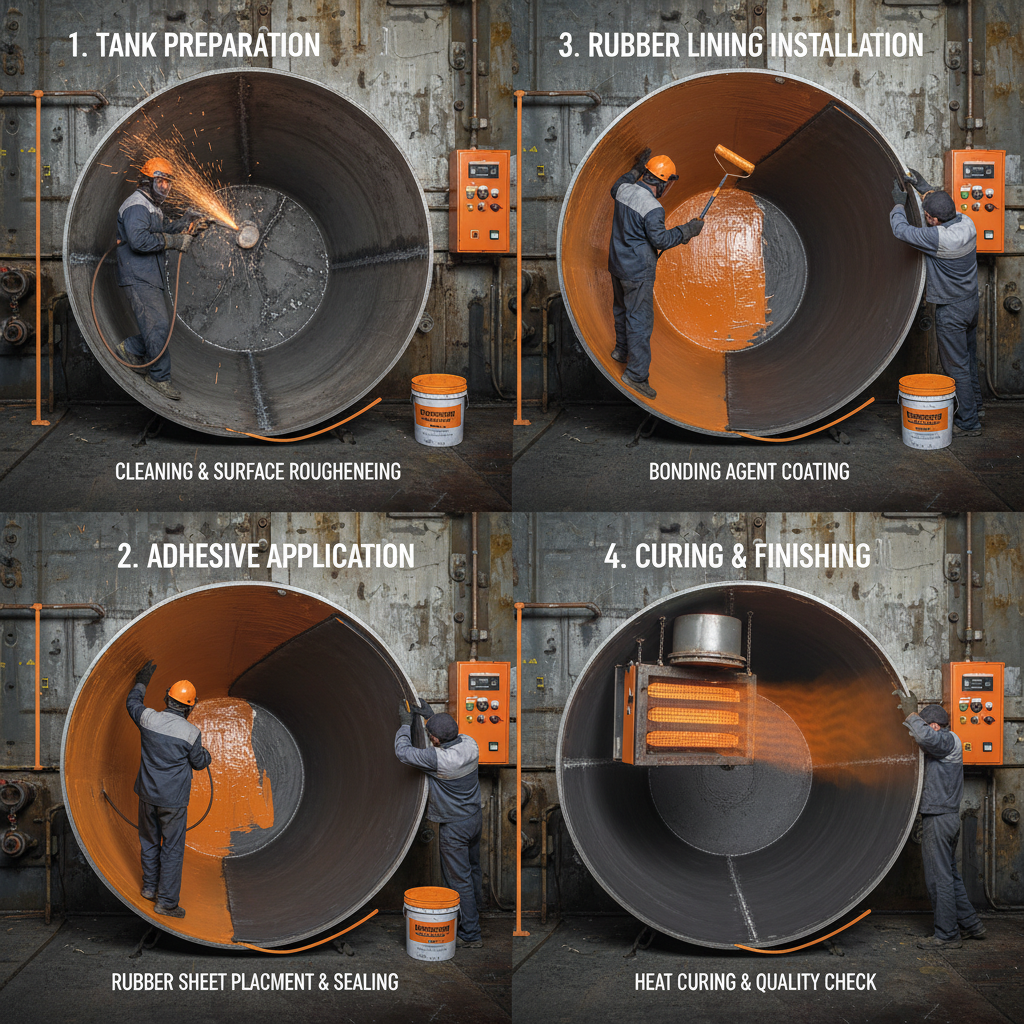
Custom fabrication is another angle where tank chemical vendors differentiate themselves. You’ll often find that standard tanks don’t quite fit every need. The ability to tweak dimensions, add specialized nozzles, or change internal coatings can be a real lifesaver in the field.
Frankly, the tank chemical might not be the flashiest item on a job spec sheet, but it’s the one you don’t want to compromise on. In nearly every plant visit or installation I’ve been part of, a reliable tank chemical has quietly made the difference between smooth operations and unexpected hiccups.
If you’d like to delve deeper or check out some solid options, take a look at QW Metal’s range of tank chemical products. They strike a neat balance of quality, customization, and support — and that kind of partnership is priceless in this industry.
A lot goes into something as seemingly simple as a tank chemical — and, for what it’s worth, when you get it right, it really takes a load off your mind.
References
- ASME Boiler and Pressure Vessel Code (BPVC) standards for pressure vessels
- ISO 9001 Quality management standards and impact on equipment manufacturing
- Industry case studies on chemical storage tank failures and best practices
Related Products
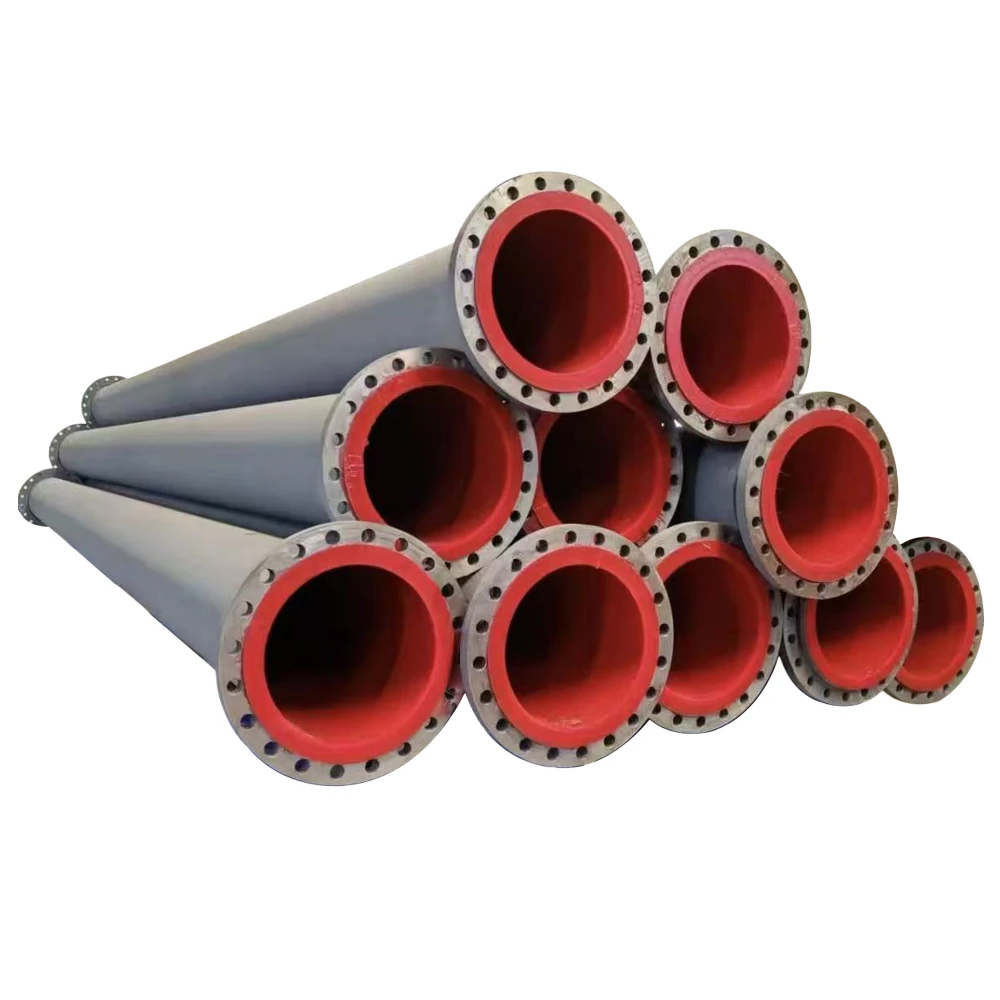
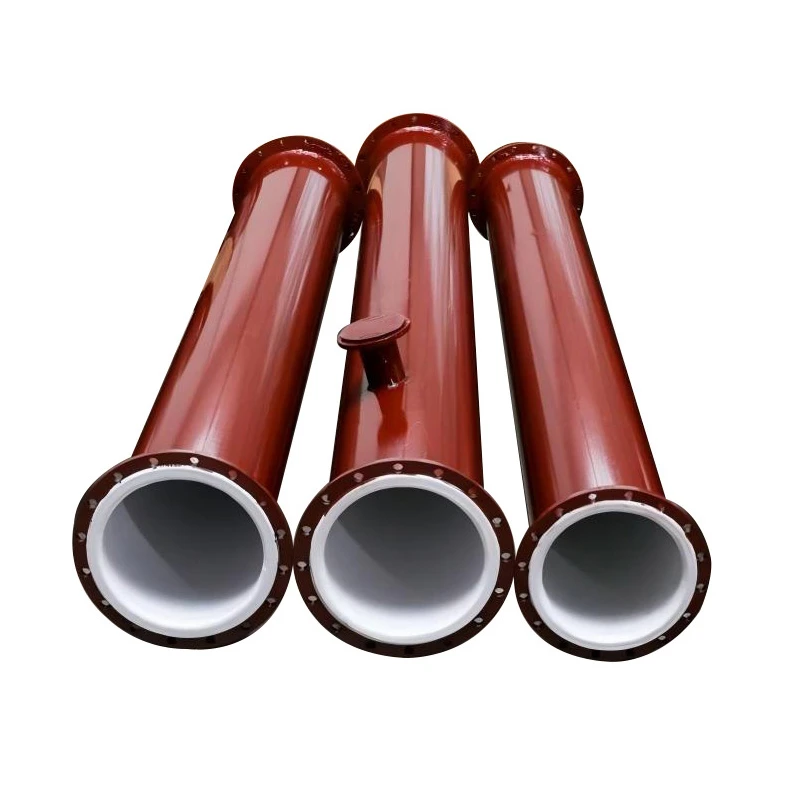
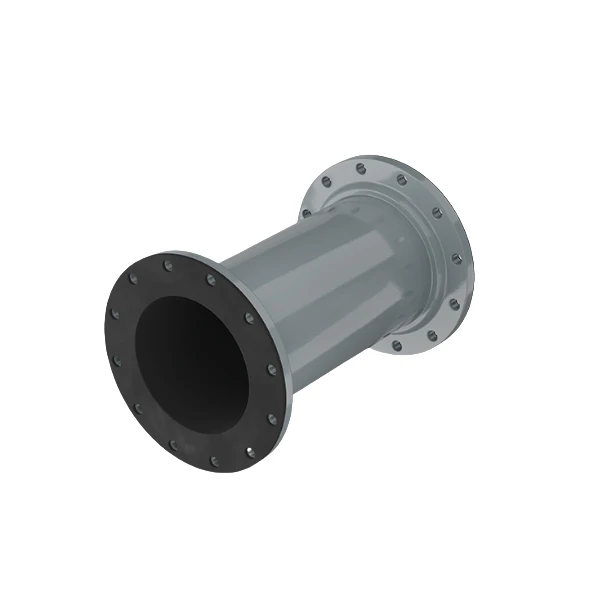
Our main products are polyurethane lined pipes, mining equipment fittings and metal hoses.