Durable Tank Chemical Storage Solutions for Industrial Use
Understanding tank chemical tanks: durability and design insights
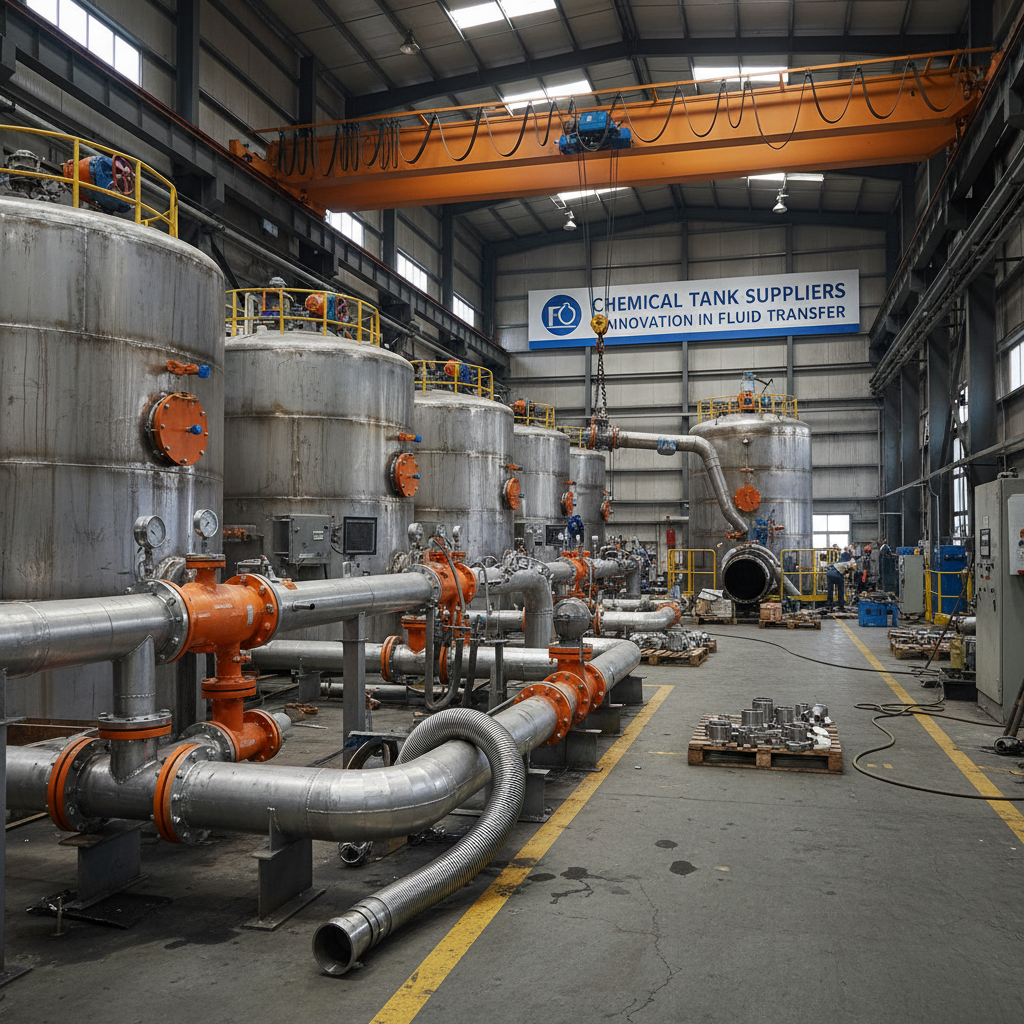
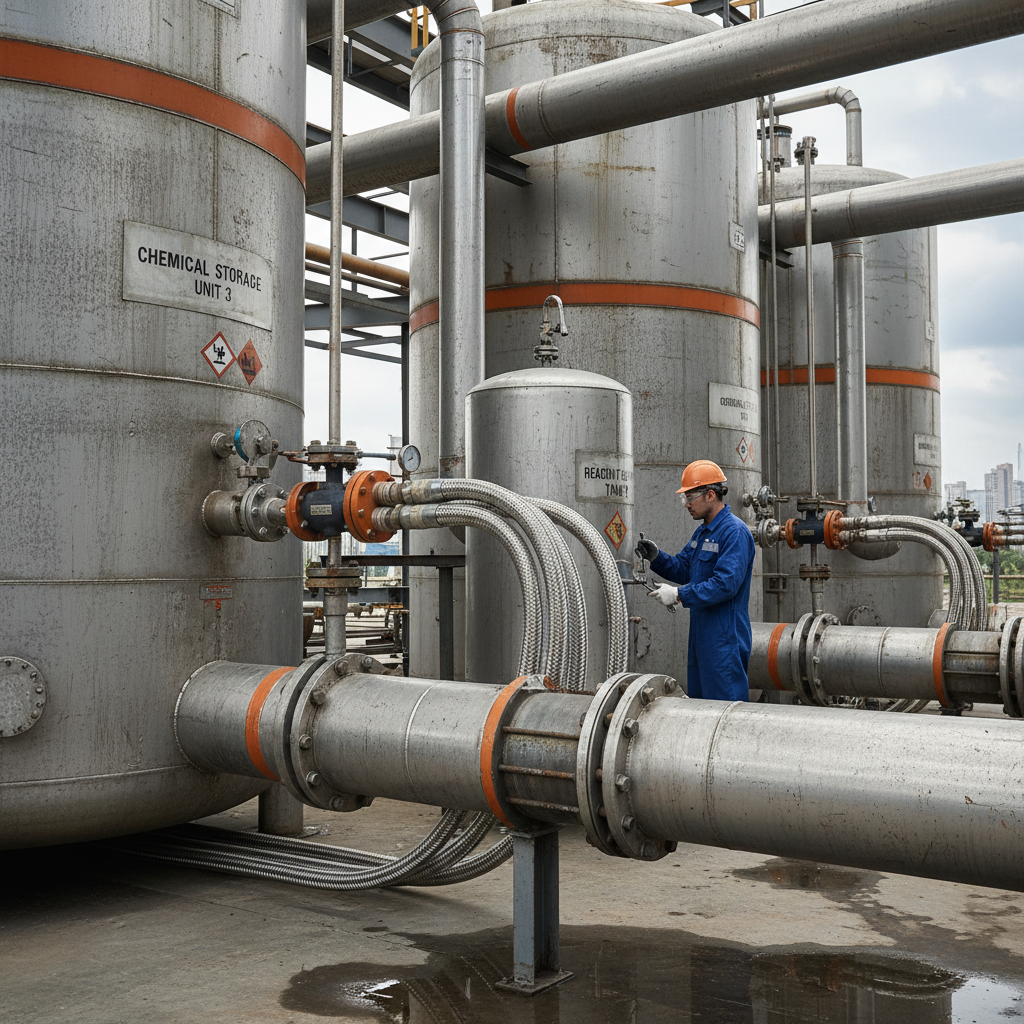
Having spent well over a decade in the industrial equipment arena, I can say the topic of tank chemical storage often gets overlooked by those outside of engineering circles. But honestly, the devil’s in the details here. You unknowingly rely on these tanks to safely hold corrosive liquids for months, sometimes years, while ensuring environmental safety and maintaining compliance — not trivial at all.
One thing I’ve learned along the way is that the choice of materials and manufacturing methods directly impacts the tank’s lifespan and performance. Oddly enough, even slight variations in metal alloy compositions or welding techniques can make a huge difference when storing aggressive chemicals.
Modern tanks typically use stainless steels or specialized carbon steel with linings, but the trend leans towards materials that resist corrosive action without frequent maintenance. For instance, austenitic stainless steels, such as 304 and 316 grades, offer excellent corrosion resistance for a wide range of chemicals, which is why tank chemical producers favor them.
Beyond materials, the design incorporates various safety and functional features—pressure vents, manholes, mixing provisions, or insulation layers—tailored for specific industries like pharmaceuticals or petrochemicals. Customization isn’t just a buzzword; it’s a necessity. Frankly, I’ve overseen projects where off-the-shelf tanks failed to meet process specs, causing costly delays.
Testing before deployment is another area you can’t skimp on. Hydrostatic testing, leak checks, and non-destructive exams are standard, but experience shows you must also consider your operational environment. I recall a site in the Midwest where extreme temperature swings demanded additional reinforcement and corrosion allowance on the tanks.
Typical tank chemical product specifications
| Parameter | Value / Range | Notes |
|---|---|---|
| Material | Stainless Steel 304 / 316, Carbon Steel with Lining | Depends on chemical compatibility |
| Capacity | 500L to 50,000L+ | Custom sizes available |
| Design Pressure | Atmospheric to 3 bar (optional higher) | Based on application |
| Temperature Range | -40°C to 150°C | Varies by insulation and lining |
| Testing | Hydrostatic, Leak, NDT (Ultrasonic/ radiographic) | Ensures integrity and safety |
Now, suppliers out there vary quite a bit in experience and quality. I remember working alongside three different vendors on a single project — a real eye-opener.
Vendor comparison: what sets them apart?
| Feature | Vendor A | Vendor B | Vendor C |
|---|---|---|---|
| Years in Industry | 25+ | 10 | 8 |
| Material Certification | ISO 9001, ASTM | ASTM only | Not consistently provided |
| Customization Options | Extensive, including lining & instrumentation | Limited to standard sizes | Basic customization only |
| Lead Time | 6-8 weeks | 4-6 weeks | 3-5 weeks |
| After-Sales Support | Comprehensive; field support available | Email support only | Minimal support |
From those experiences, I tend to recommend going with a supplier who values certified quality and stands behind their product post-sale. Like that time with a medium-sized chemical processing plant, where quick access to vendor’s technical team literally saved a batch from contamination. It's not just about buying a tank—it's about the partnership.
In real terms, investing upfront in a higher-quality tank chemical system pays dividends over time—less downtime, fewer replacements, and peace of mind over inspections. Believe me, I’ve seen too many scrapped projects because someone's chosen the cheapest option and had to retrofit or replace tanks literally within months.
So if you’re in the market for dependable, well-engineered chemical tanks, keep a close eye on specs, ask lots of questions (don’t be shy!), and remember that experience counts—both yours and that of your supplier.
Here’s to safer, smarter storage solutions—you deserve it.
References:
1. ASTM International standards on tank materials
2. Industry case studies from chemical processing plants
3. Interviews with tank manufacturing experts
Related Products
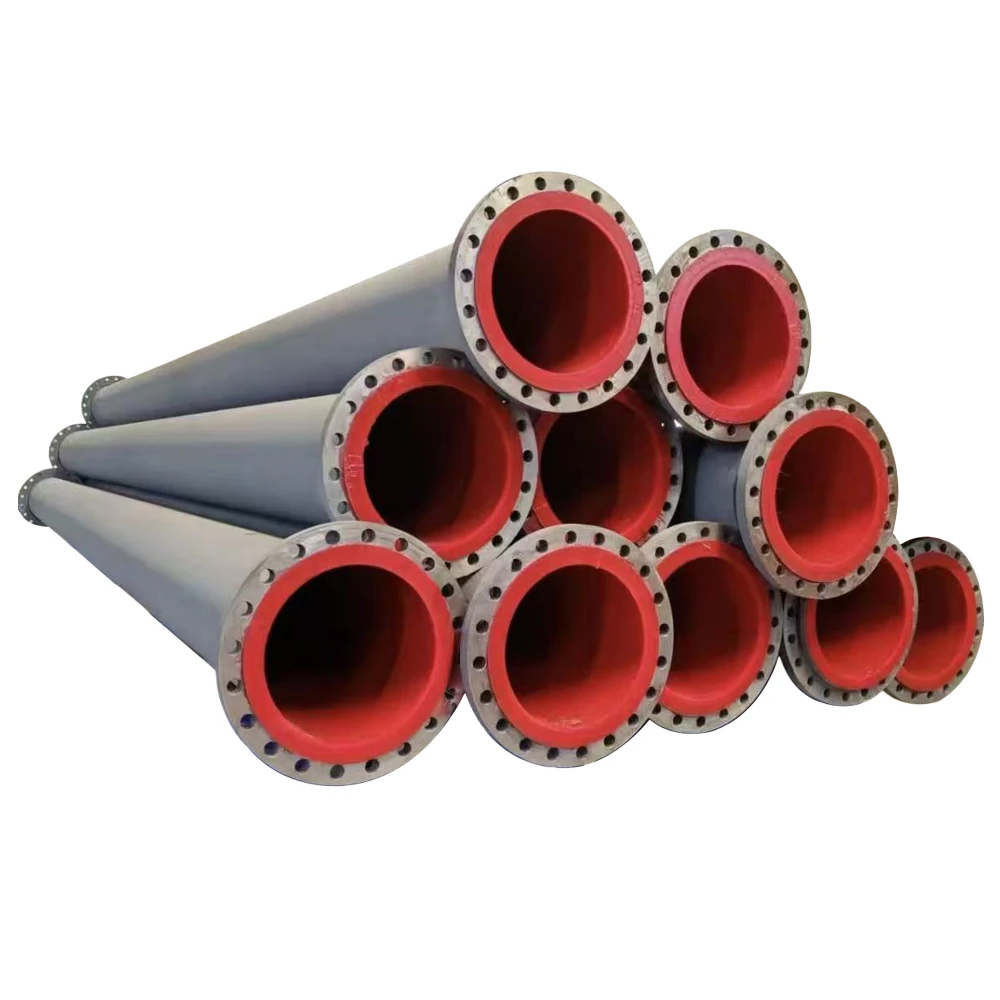
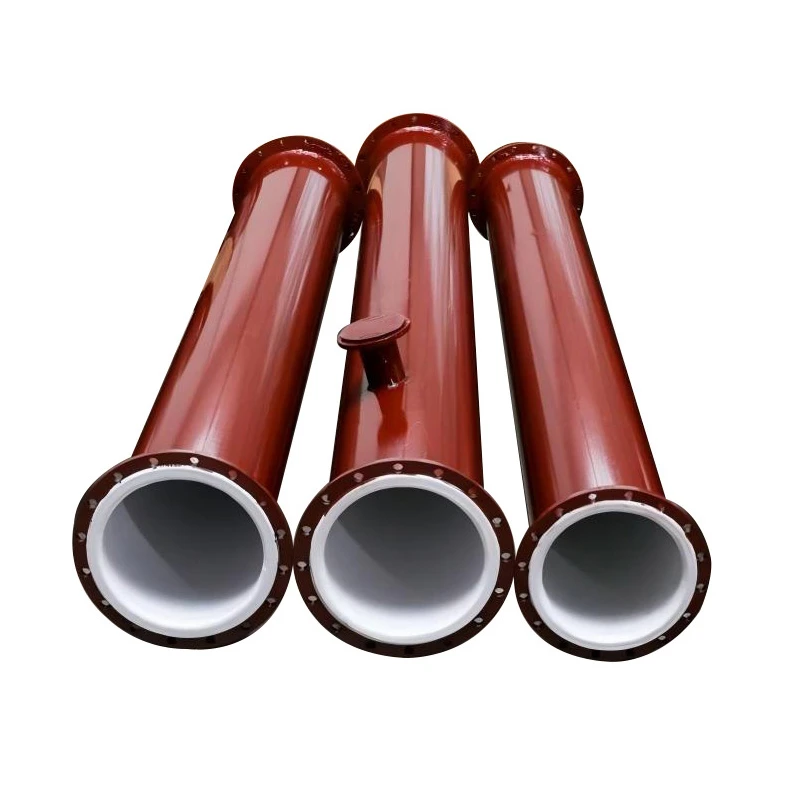
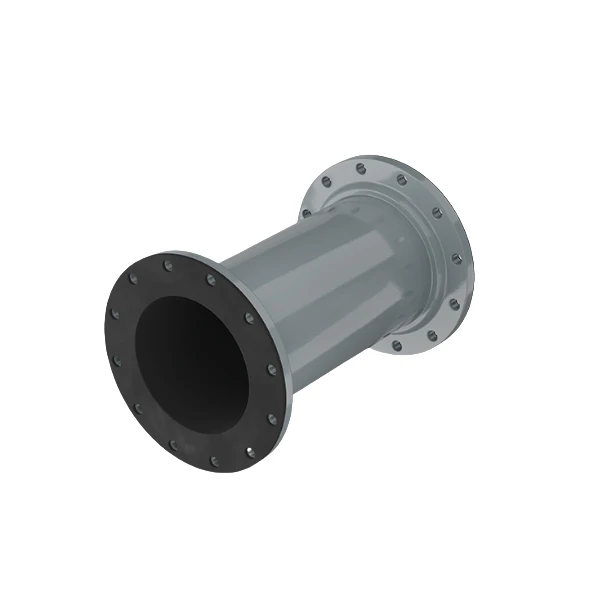
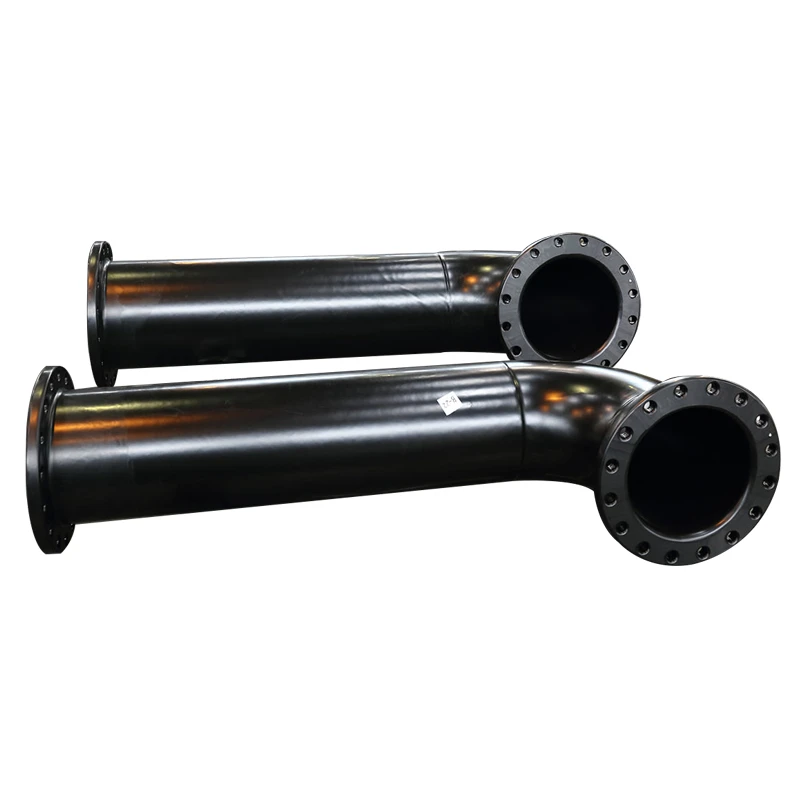
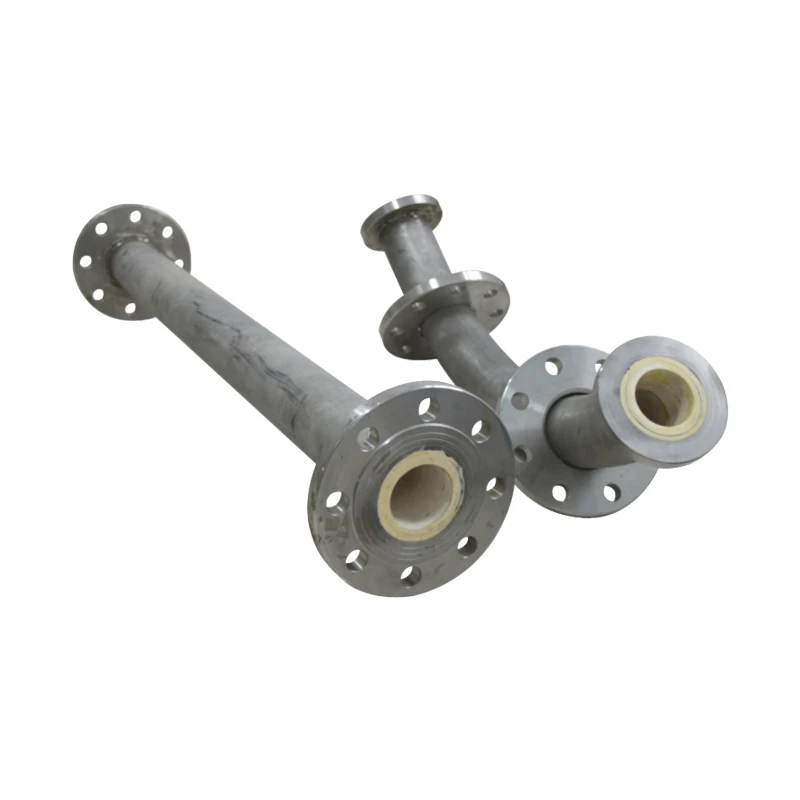
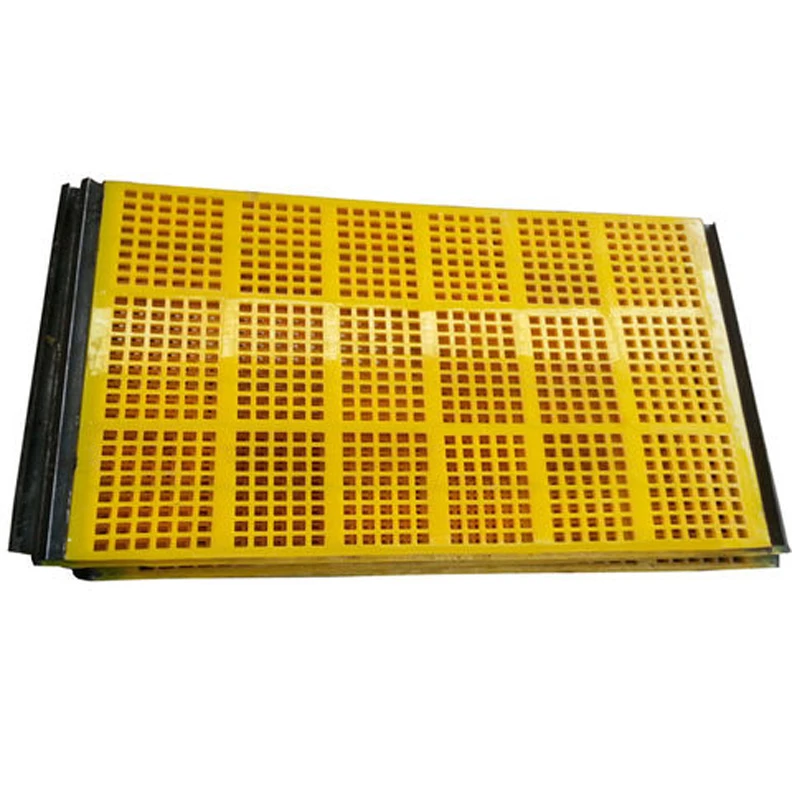
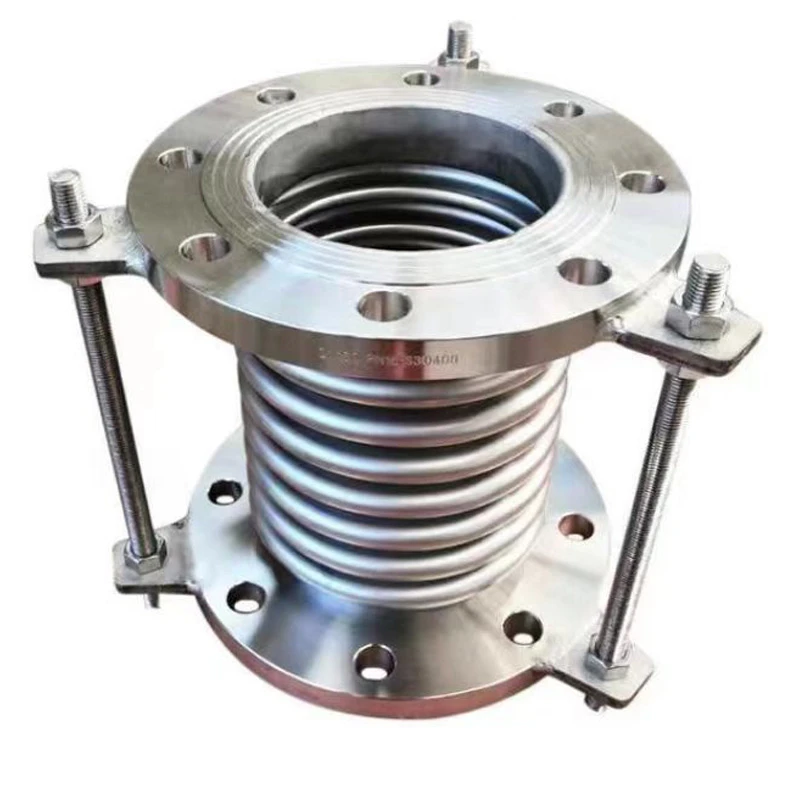
Our main products are polyurethane lined pipes, mining equipment fittings and metal hoses.