PTFE Lined Tank: Durable Industrial Chemical Storage Solutions
A Practical Guide to PTFE Lined Tanks for Industrial Use
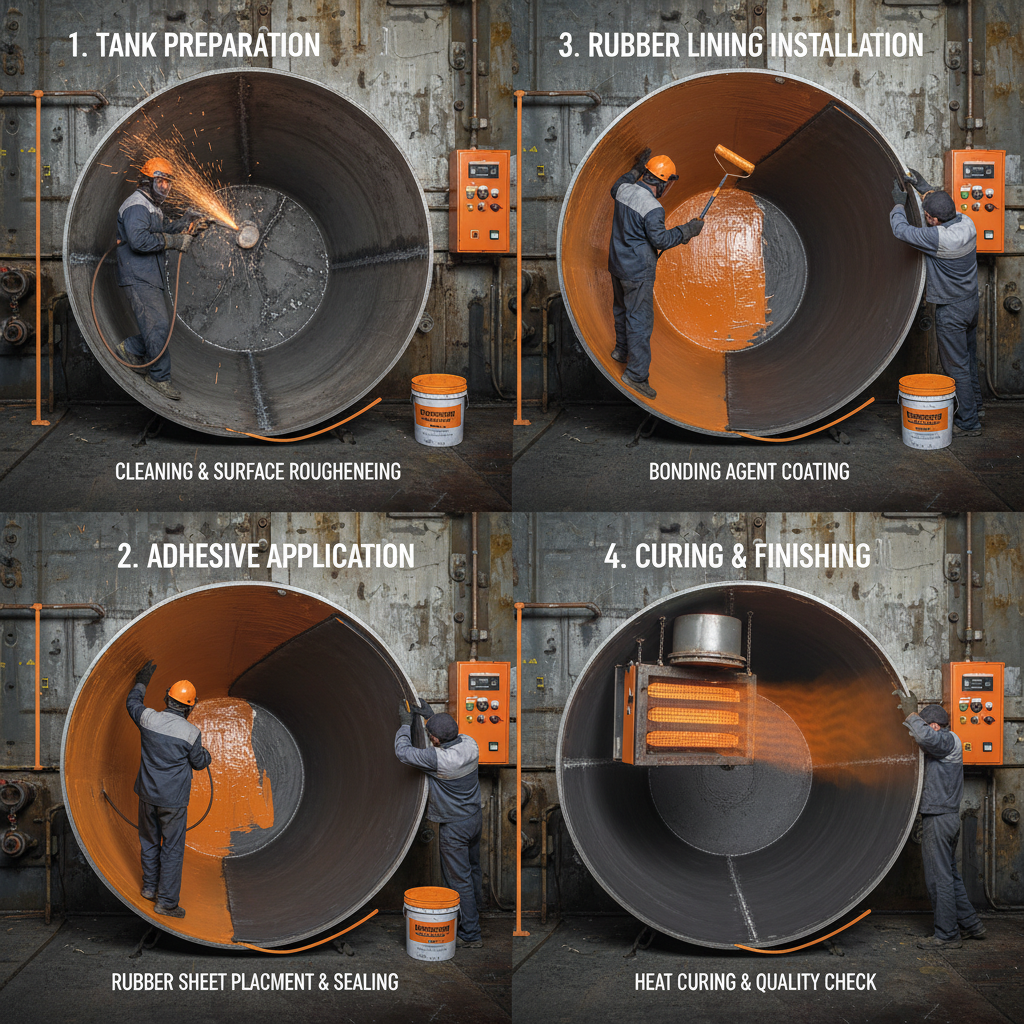
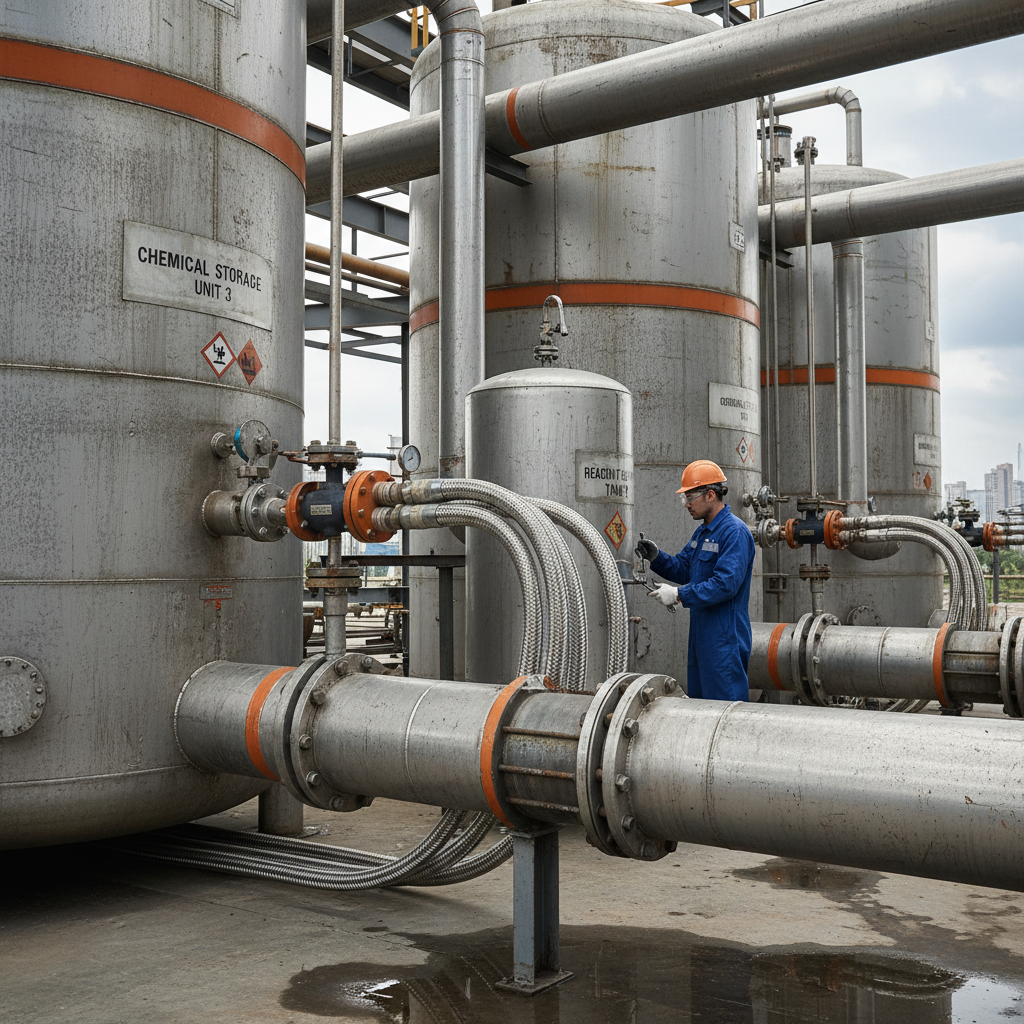
Having spent a good chunk of my career in the industrial equipment sector, I’ve come across many types of storage tanks, but PTFE lined tanks always stand out. They’re the unsung heroes in harsh chemical environments, quietly resisting corrosion and contamination where others might just give up.
PTFE—short for polytetrafluoroethylene, but most folks just stick to the acronym—is a fluoropolymer known for its incredible chemical inertness and resistance to almost everything. It’s that slick, non-stick layer you may recognize from cookware, but in industrial tanks, it serves a much heavier purpose.
If you’re considering a PTFE lined tank for your operation, here’s what I’ve learned about why they’re widely trusted, how they’re built, and what to watch for when making a purchase.
Why PTFE Lined Tanks?
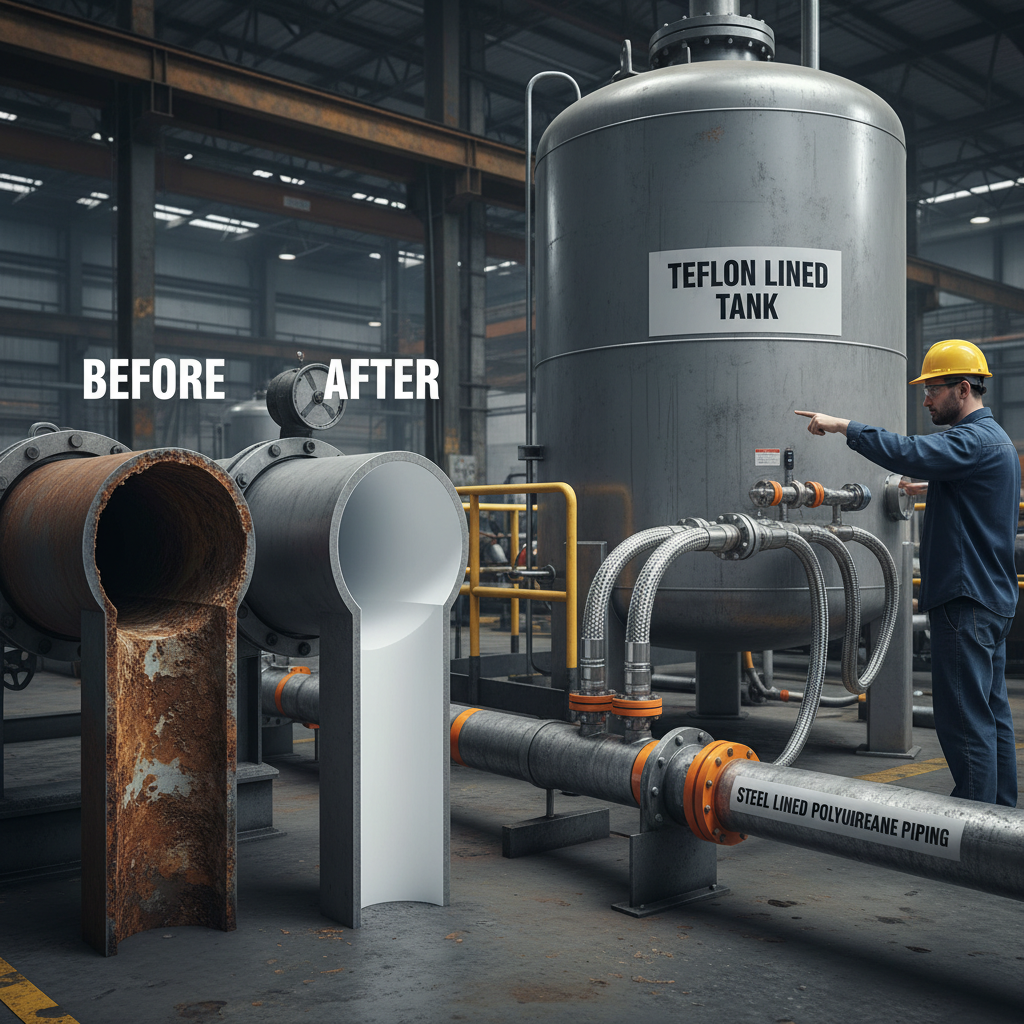
Honestly, the biggest advantage is corrosion resistance. Most metals just can’t handle highly aggressive acids, alkalis, or solvents over time. PTFE lining protects the metal substrate inside the tank and prevents contamination of the product. In real terms, that means fewer maintenance shutdowns, longer equipment life, and less product loss.
One neat thing I noticed on-site with PTFE lined tanks is their smooth surface—it literally prevents material buildup. This saves cleaning time and effort, which everybody appreciates when production deadlines loom.
Key Specifications of PTFE Lined Tanks
| Feature | Specification |
|---|---|
| Tank Capacity | 500L to 50,000L |
| Lining Thickness | 2mm to 5mm (standard) |
| Operating Temperature | -70°C to 260°C |
| Material of Shell | Carbon Steel, Stainless Steel Available |
| Pressure Rating | Up to 10 bar |
| Custom Features | Agitator compatibility, Certification options |
Choosing Your Vendor: What to Consider
In my experience, not all PTFE lined tanks come off the same production line—even if specs look similar on paper. Sometimes, the real difference lies in quality control, lining adhesion techniques, or post-fabrication testing procedures. These can drastically impact durability and tank lifespan.
| Vendor | Lining Method | Certifications | Typical Lead Time | Customization |
|---|---|---|---|---|
| QW Metal | Electrofusion Bonding | ISO 9001, CE | 6-8 weeks | Full Custom Specs |
| Vendor B | Mechanical Fixation | None | 4-6 weeks | Limited |
| Vendor C | Spray Coating | ISO 14001 | 8-12 weeks | Moderate |
A Quick Story from the Field
I once worked with a chemical plant where they’d been struggling with frequent acid tank replacements. After switching to PTFE lined tanks from a reputable supplier, the downtime dropped significantly. Operators told me it just felt 'solid'—not just in build but in confidence. It’s those small, human factors that sometimes matter most in the long run.
Wrapping Up
In a nutshell, if your process demands chemical resistance, minimal contamination risk, and lower maintenance, PTFE lined tanks are a solid bet. Just make sure you know what lining technique and certifications your vendor provides—because, frankly, those details impact your bottom line more than we often realize.
And if you need a trustworthy source, QW Metal is a name I’ve seen deliver consistent quality for these specialized tanks.
Oddly enough, it feels a bit like choosing the right PTFE lined tank is an art combined with science—a mix of specs, experience, and maybe a bit of luck.
- “Chemical Resistance of Fluoropolymers,” Fluoropolymer Industry Review, 2021.
- Client Case Study: Industrial Acid Storage, Confidential, 2022.
- ISO 9001 Certification Impact on Manufacturing Quality, ISO.org, 2023.
Reflecting back, choosing the right PTFE lined tank always reminded me that the most reliable solutions aren’t all flash—they’re built on solid understanding and practical experience.
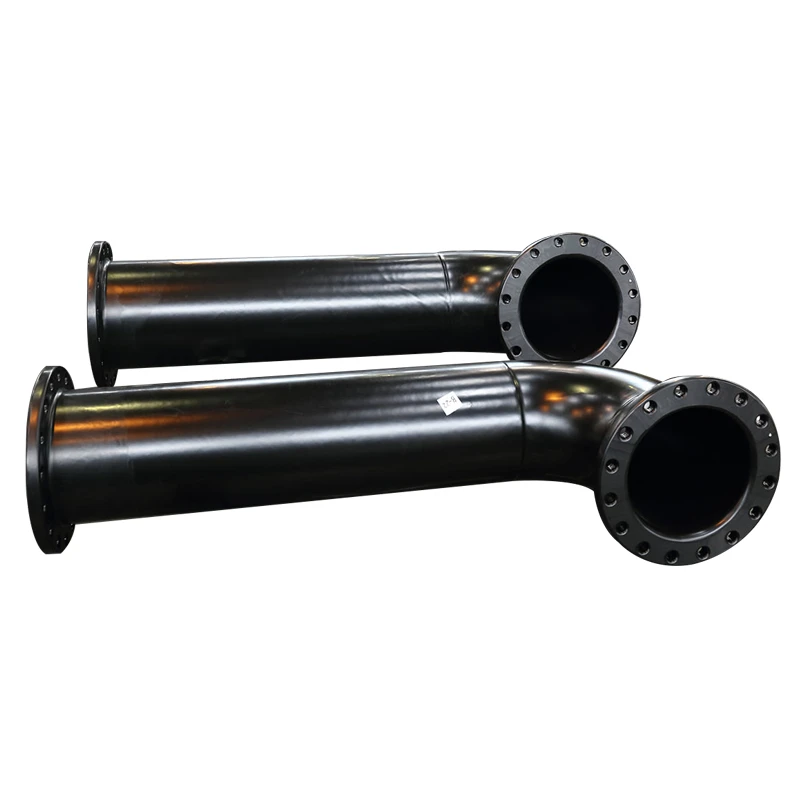
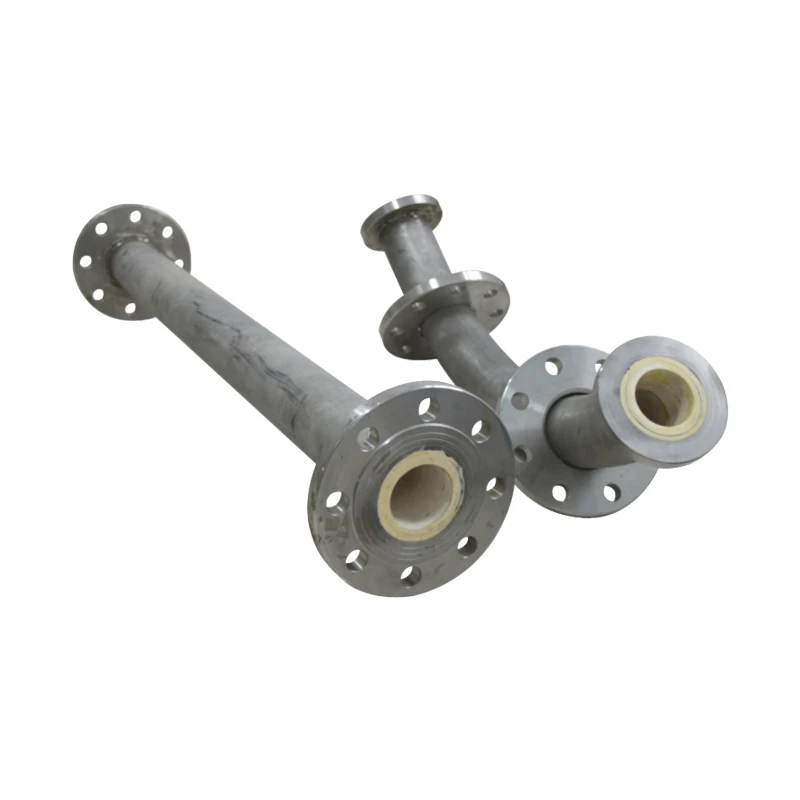
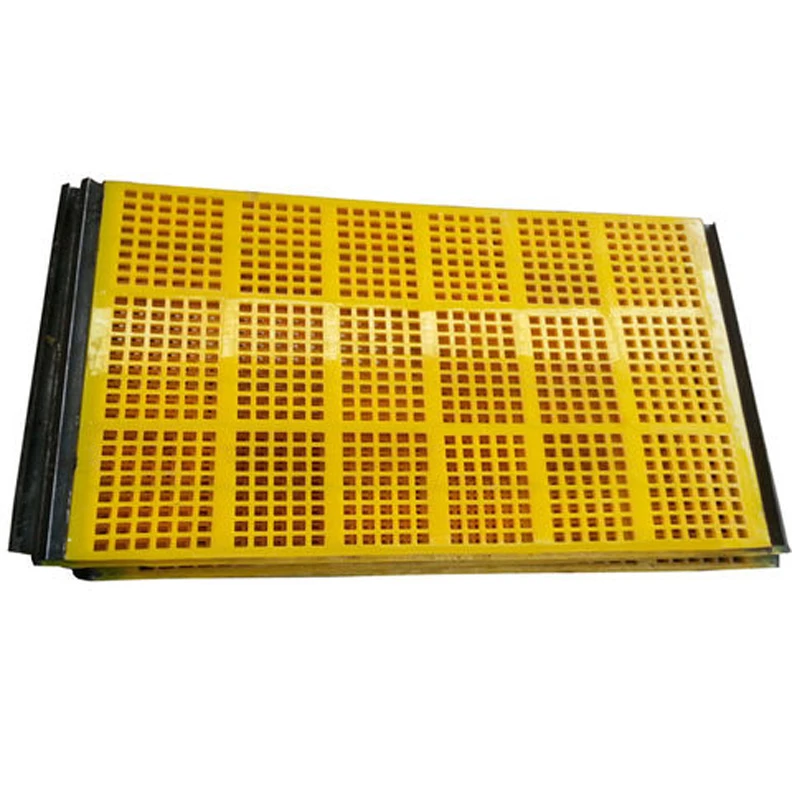
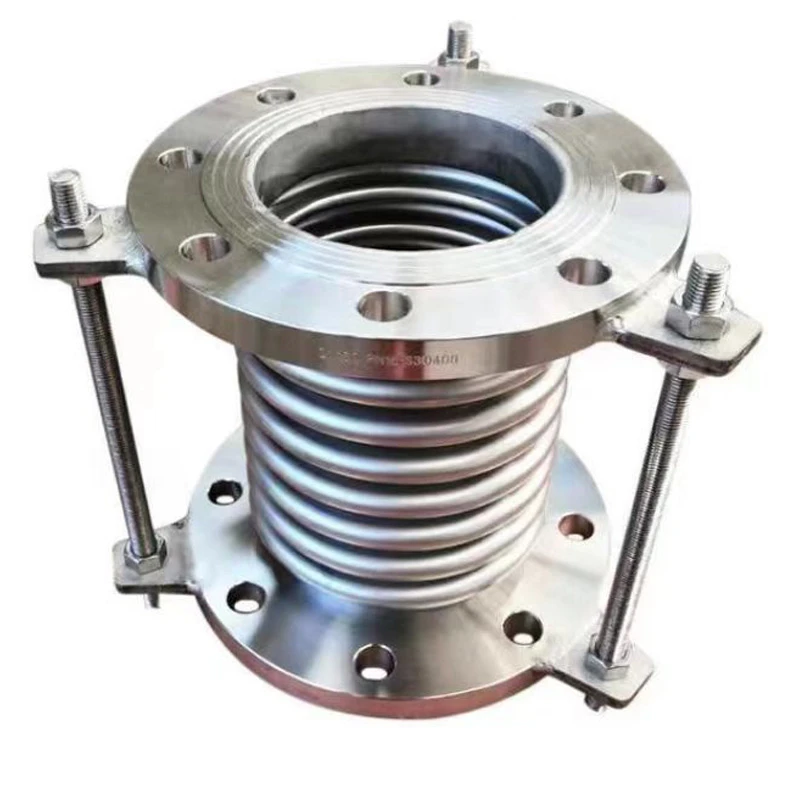
Related Products
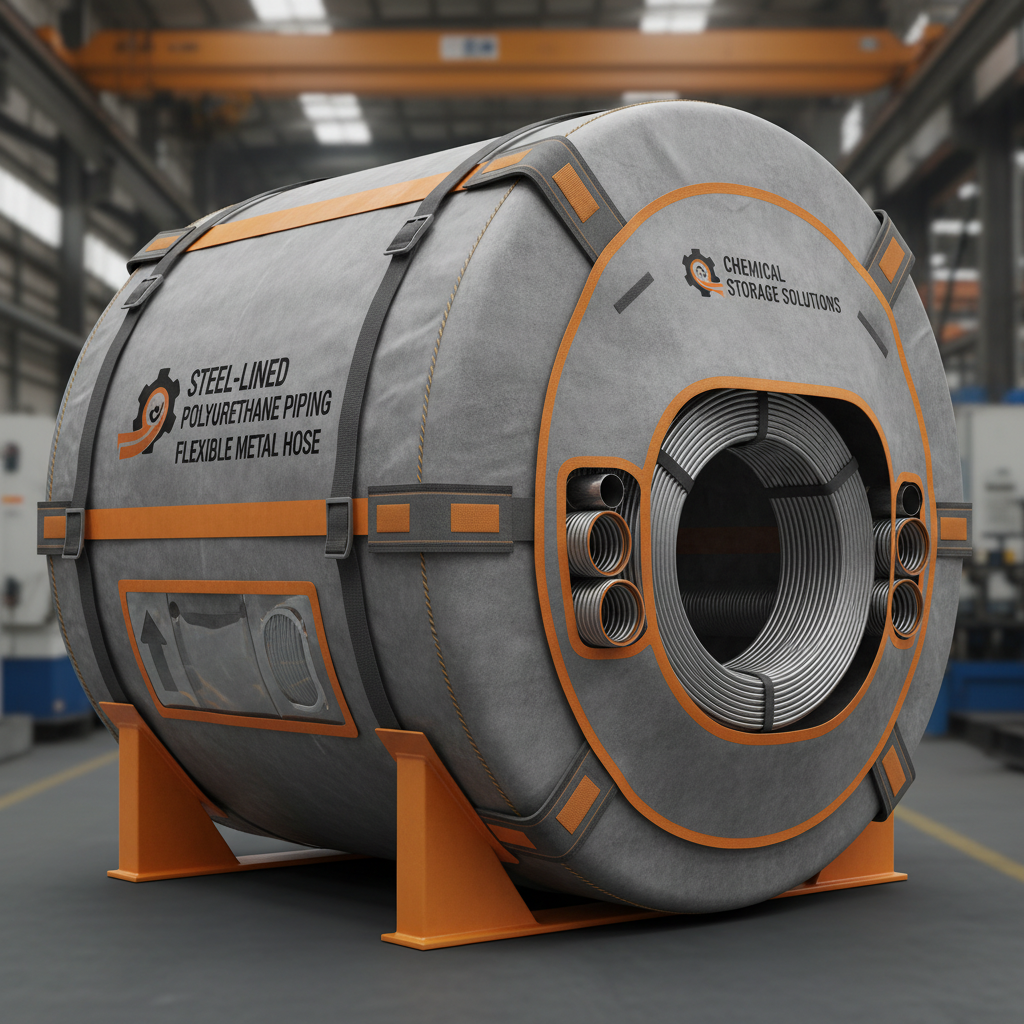
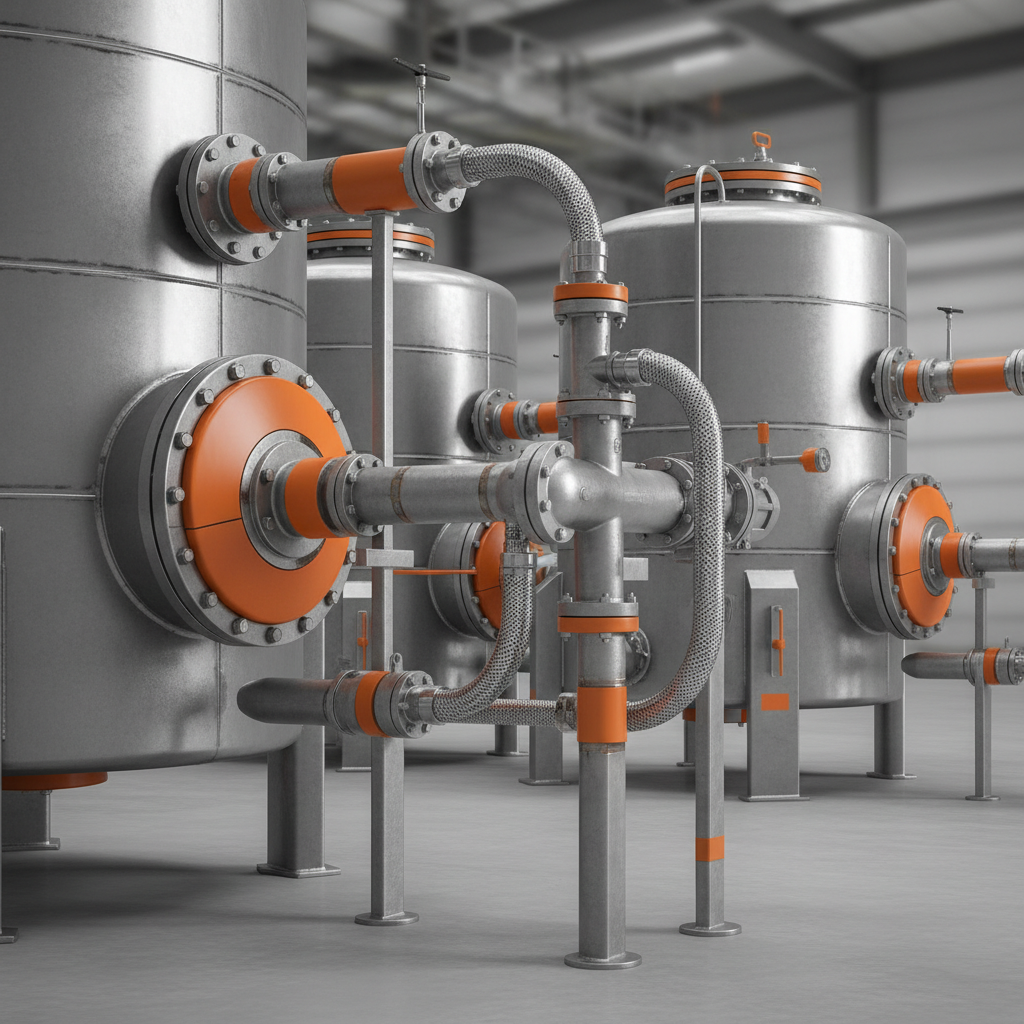
Our main products are polyurethane lined pipes, mining equipment fittings and metal hoses.