Reliable Acid Tanks for Industrial Use | Durable & Customizable
Understanding Acid Tanks: What You Need to Know Before Buying
Having been around industrial equipment for more years than I’d like to admit, I’ve learned that acid tanks aren’t just about holding corrosive liquids safely—they’re the unsung heroes in many demanding processes. Frankly, the right tank can save downtime, protect workers, and keep operations humming smoothly.
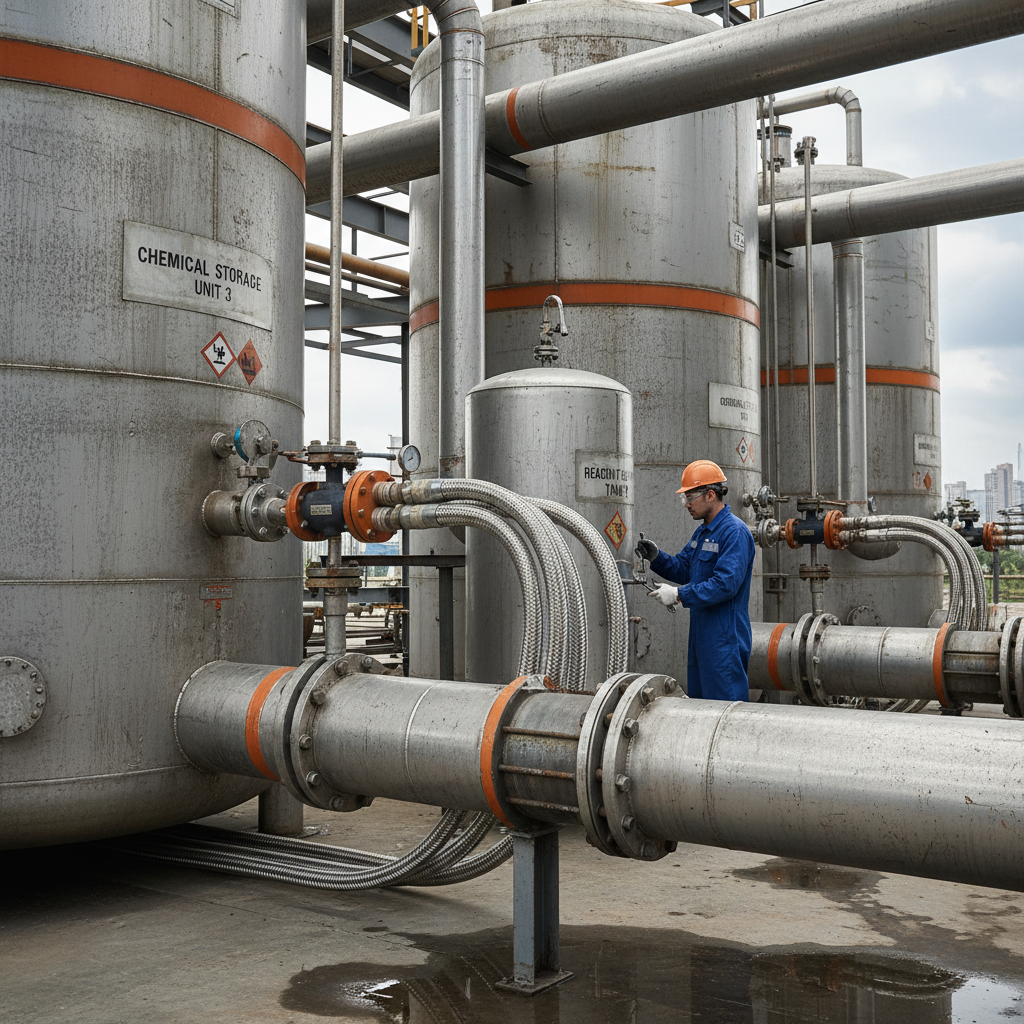
Acid tanks, in simplest terms, are specially designed containers made to store acids and corrosive chemicals without degrading. Yet, there’s a world of nuance beneath that simple definition: from the choice of materials to rigorous testing protocols, each factor ensures they withstand the brutal conditions they face daily. Oddly enough, not all tanks labeled “acid resistant” will work for every acid and concentration, so knowing the specs is key.
Acid tanks often come crafted from materials like carbon steel with special linings, fiberglass-reinforced plastic (FRP), or high-density polyethylene (HDPE). Each has its pros and cons—steel feels robust but needs the right inner lining to fend off corrosion, while FRP is generally lightweight and resistant but can be pricier.
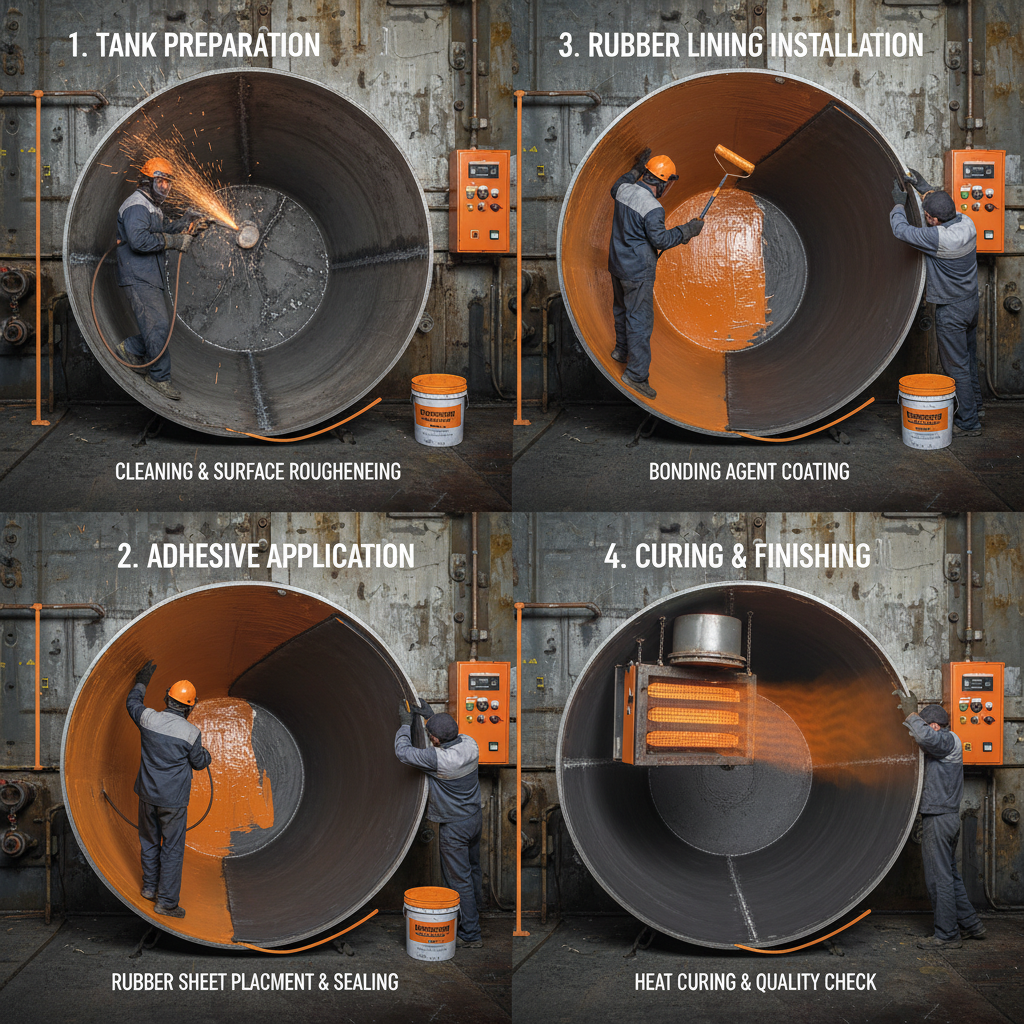
A few years ago, I worked with a facility that chose carbon steel tanks coated internally with a rubber lining designed for sulfuric acid. At first, there was some skepticism – that lining felt almost too thin. But over months in harsh conditions, it held strong and prevented leaks, avoiding costly shutdowns. Experiences like that shape how I now recommend products.
Design and testing cycles matter a lot, too. Tanks must undergo hydrostatic testing, chemical resistance verification, and sometimes seismic resistance checks depending on the location. It’s not uncommon for engineers to request custom sizes or extra fittings, like vents, level sensors, or agitators, to optimize handling. It feels like the best vendors are those who listen to these practical needs instead of just pushing standard models.
| Feature | Specification |
|---|---|
| Material | Carbon Steel with Rubber Lining / FRP / HDPE |
| Capacity Range | 500 to 20,000 liters (custom sizes available) |
| Operating Temperature | -20°C to 80°C (depends on material) |
| Acid Compatibility | Sulfuric, Nitric, Hydrochloric acids (specific grades vary) |
| Compliance | ASME, ISO 9001 certified manufacturing |
Choosing the right vendor is another tricky part. Here’s a simple comparison of three typical manufacturers I’ve met on the trade shows and site visits—each with slightly different strengths:
| Vendor | Material Expertise | Customization | Price Range | Lead Time |
|---|---|---|---|---|
| QW Metal | Steel & FRP, specialized linings | High, custom fittings & sizes | Moderate | 4-6 weeks |
| Alpha Tanks | Primarily FRP | Limited | Higher | 3-4 weeks |
| Beta Containers | HDPE and other plastics | Moderate | Lower | 5-7 weeks |
It feels like the difference often comes down to who understands your specific application and can communicate that well. I always recommend checking for certifications and warranties—they may seem like small things but often speak volumes about quality.
In real terms, an acid tank is more than just a container — it’s an investment into safety and efficiency. So don’t rush it; spend a little time assessing your needs and suppliers. You’ll thank yourself later when things run smoothly without corrosion headaches.
And if anyone tells you acid tanks are boring, well… they probably never depended on one to keep their plant operational on a rainy Monday.
References:
1. API Standard 650 - Welded Tanks for Oil Storage (for design principles)
2. Chemical Resistance Chart for Tank Linings, Industrial Plastics Inc.
3. QW Metal Product Catalog and Certifications (https://www.qwmetal.com)
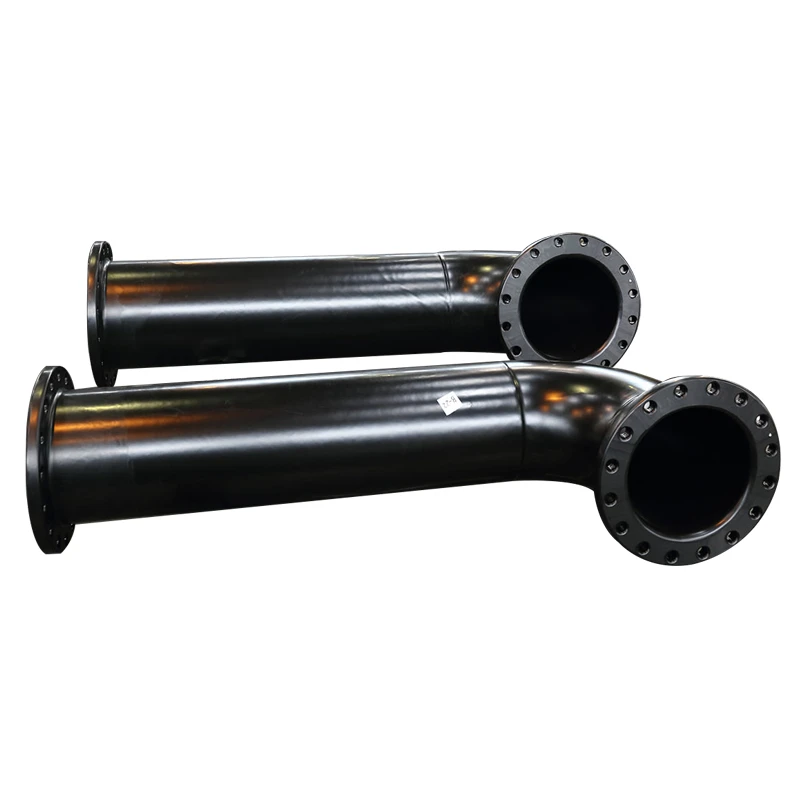
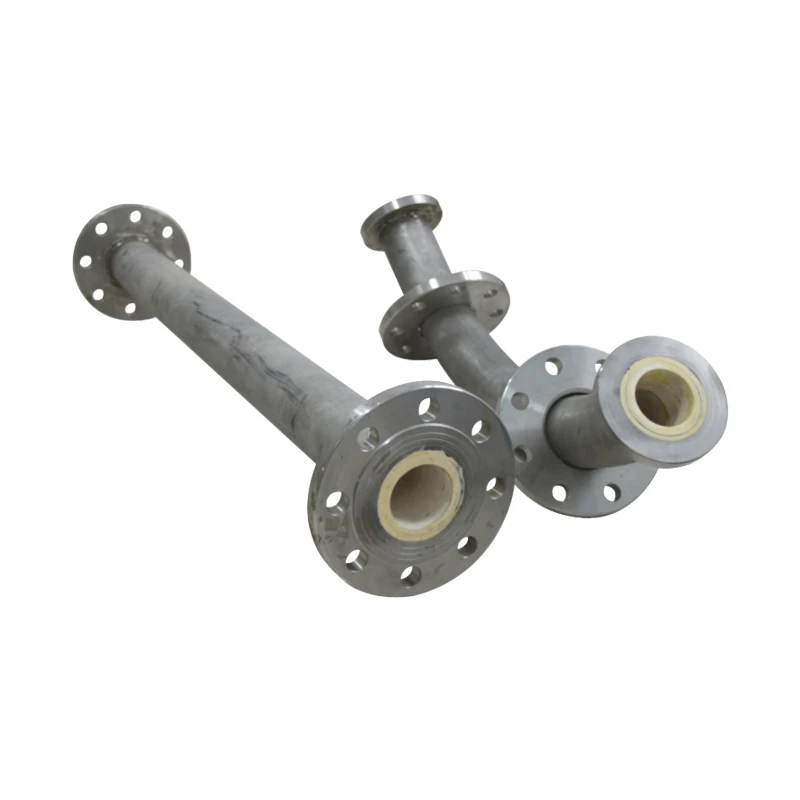
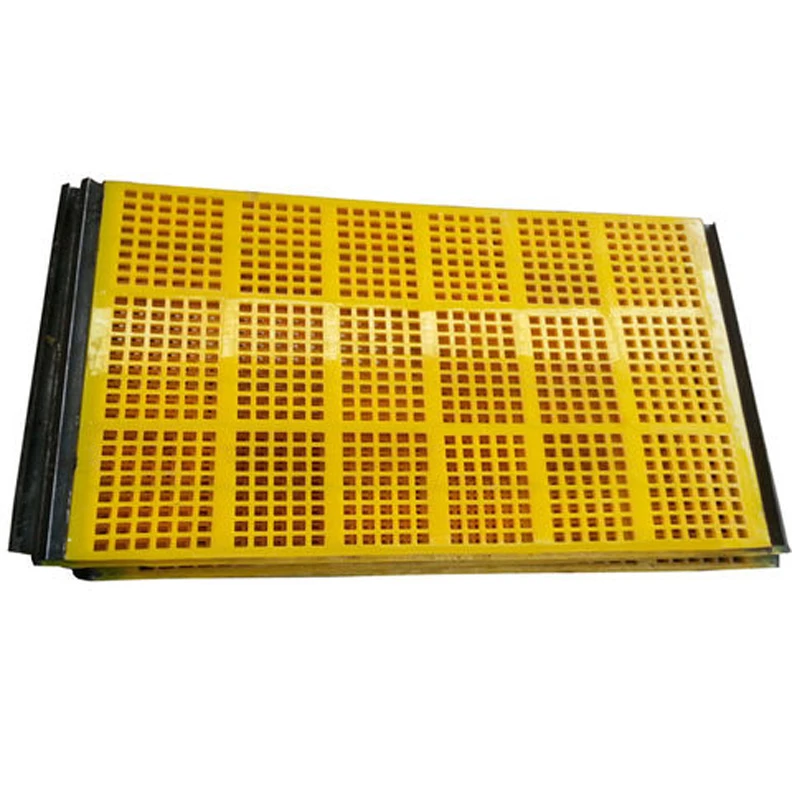
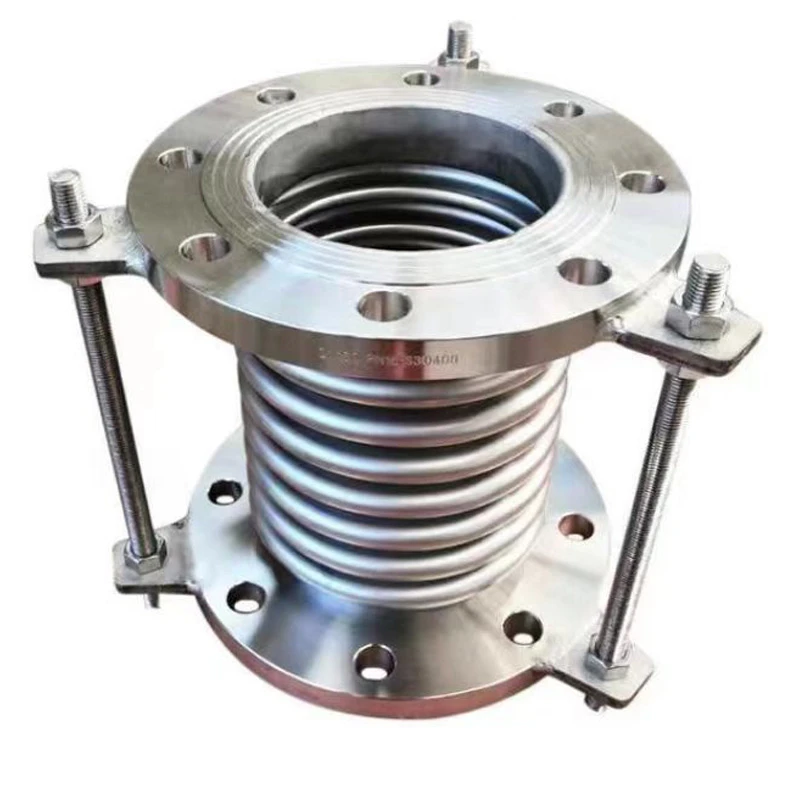
Related Products
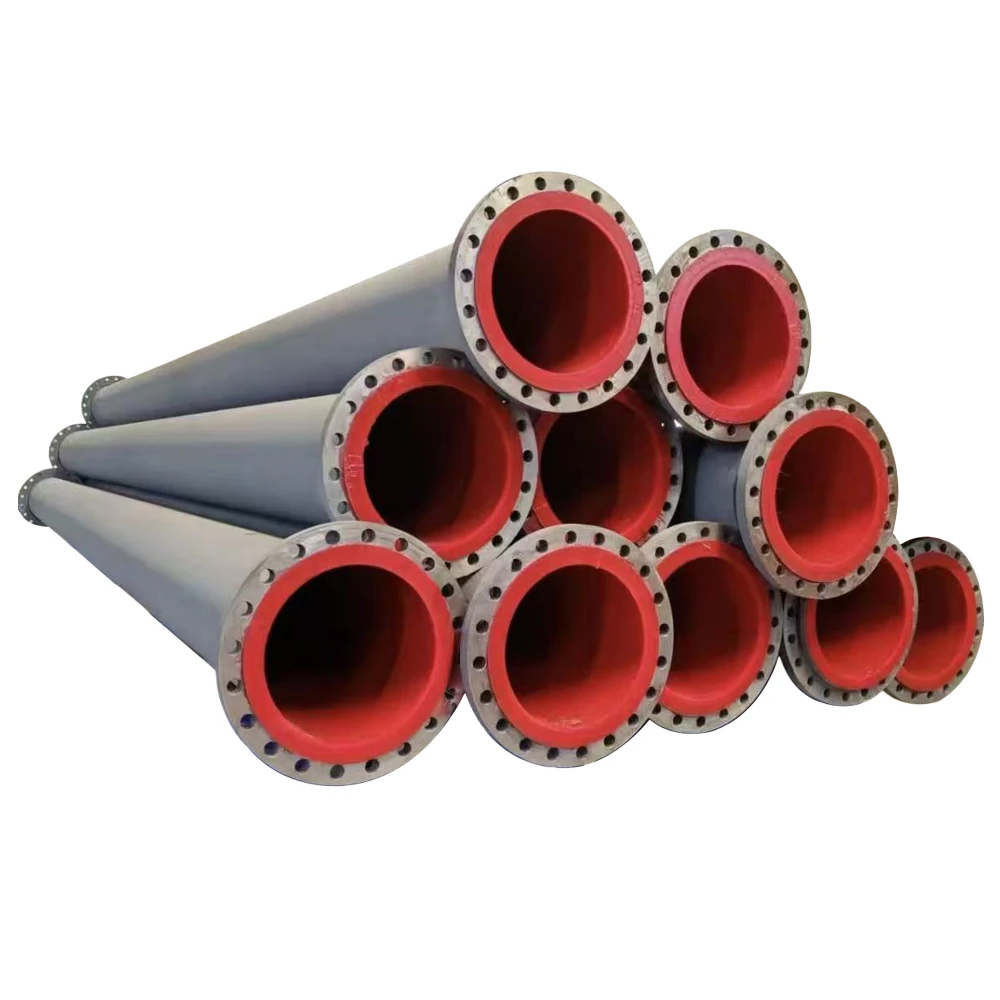
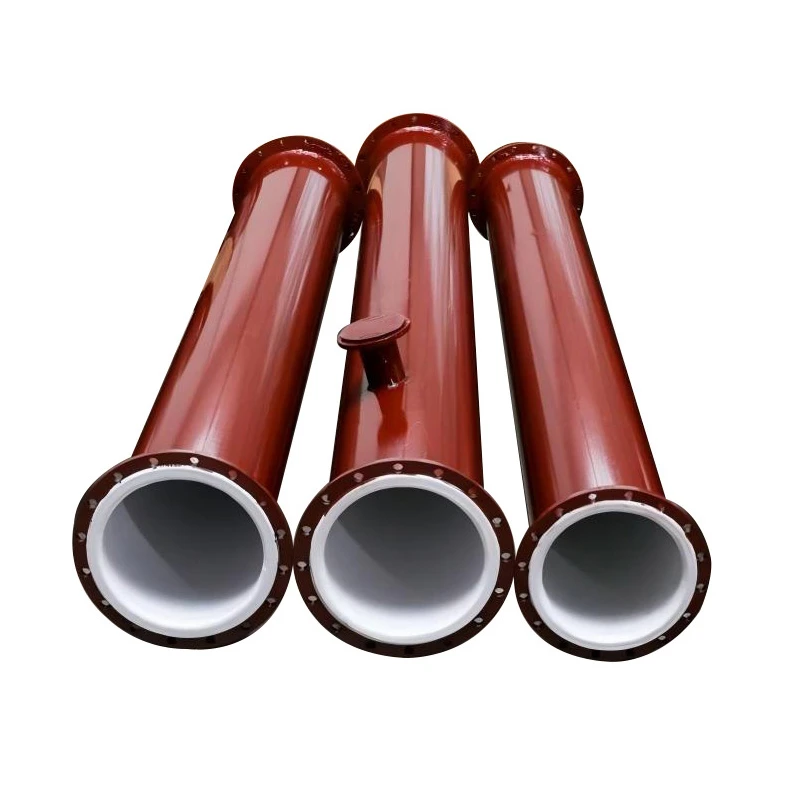
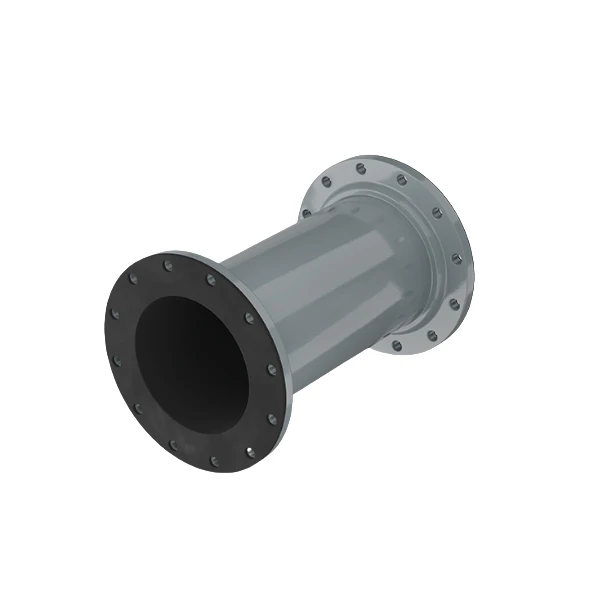
Our main products are polyurethane lined pipes, mining equipment fittings and metal hoses.