Rubber Lined Tank: Durable & Sustainable Industrial Storage Solutions
Understanding Rubber Lined Tanks: Durable Solutions for Critical Industrial Needs
Rubber lined tanks are an unsung hero when it comes to storing and handling aggressive chemicals and corrosive materials. While they might sound like a niche industrial term, these tanks play a massive role globally—especially in industries such as chemical manufacturing, wastewater treatment, and mining. They protect assets and environments by combining metal strength with rubber’s chemical resistance. In this article, we’ll take a natural, deep dive into what rubber lined tanks are, why they matter so much worldwide, and the key benefits you might not expect.
Global Importance of Rubber Lined Tanks
It may surprise some that according to the International Organization for Standardization (ISO), industrial storage failures caused by corrosion cost billions annually, affecting not just company profit margins but environmental safety. Around the world, industries are pressured to improve sustainability and reduce hazardous leaks. Rubber lined tanks come into play as a practical solution to these challenges—offering enhanced protection and extended lifespan. For example, chemical plants in Asia and Europe increasingly rely on these tanks to meet strict regulatory standards on containment.
Globally, the economic and environmental stakes tied to tank integrity have only grown. The World Bank estimates that proper chemical management prevents thousands of pollution cases yearly, enhancing both ecosystem health and human safety. So, understanding the role of rubber lined tanks is not just a technical matter—it’s a shared benefit for industrial sustainability and public welfare.
What Is a Rubber Lined Tank?
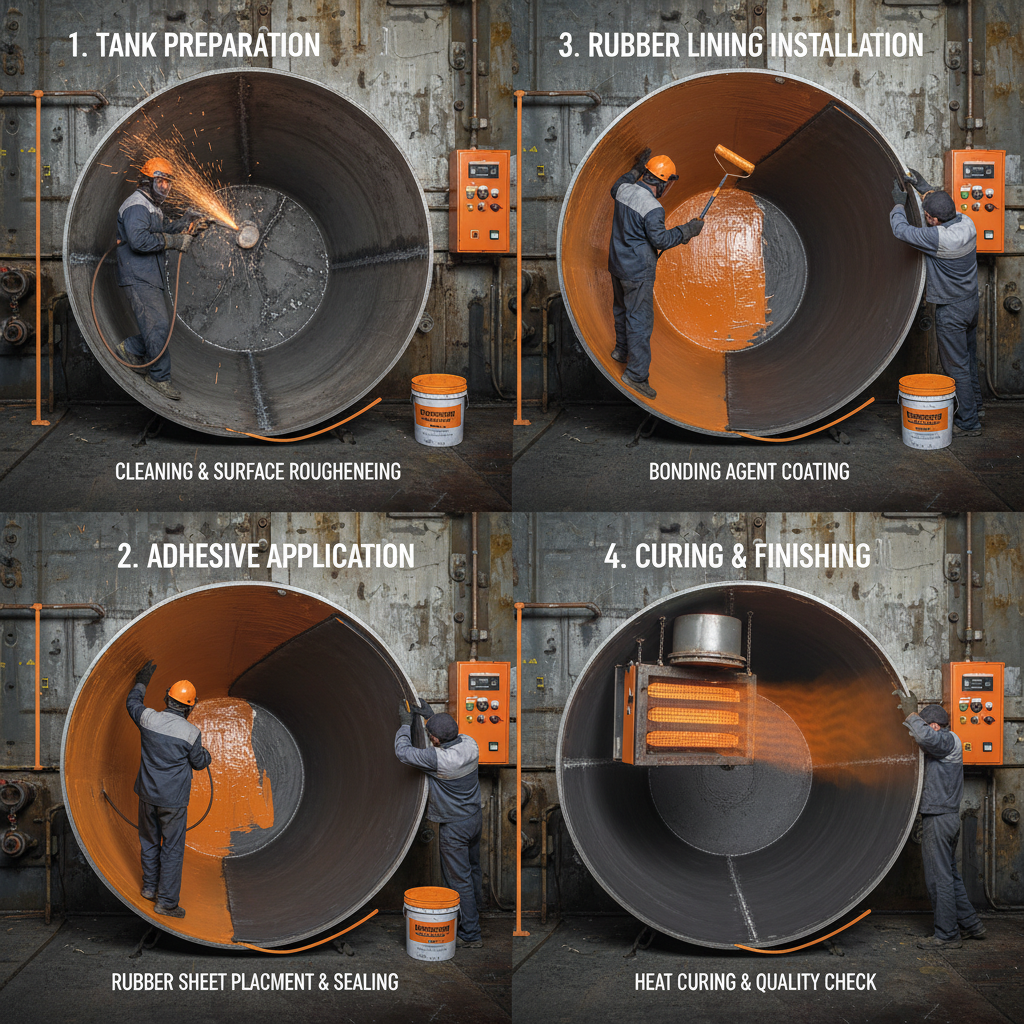
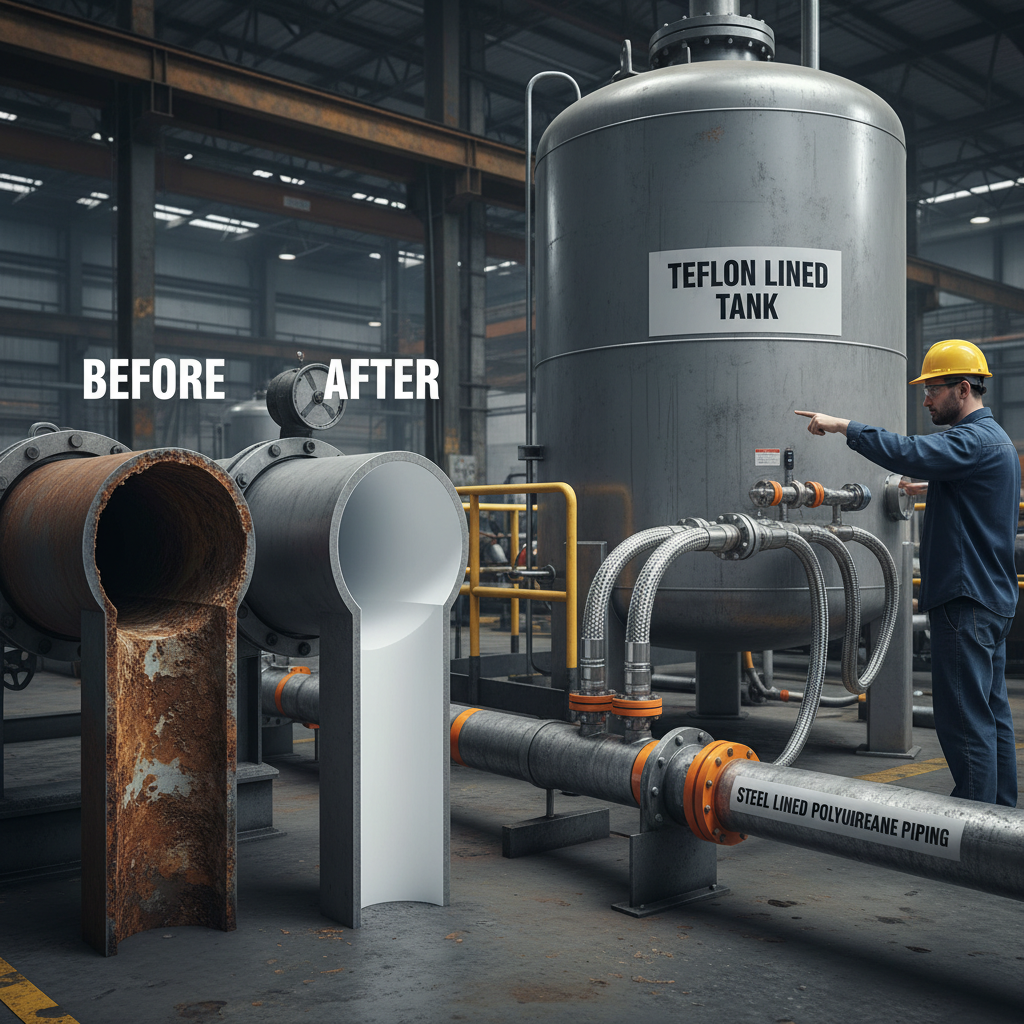
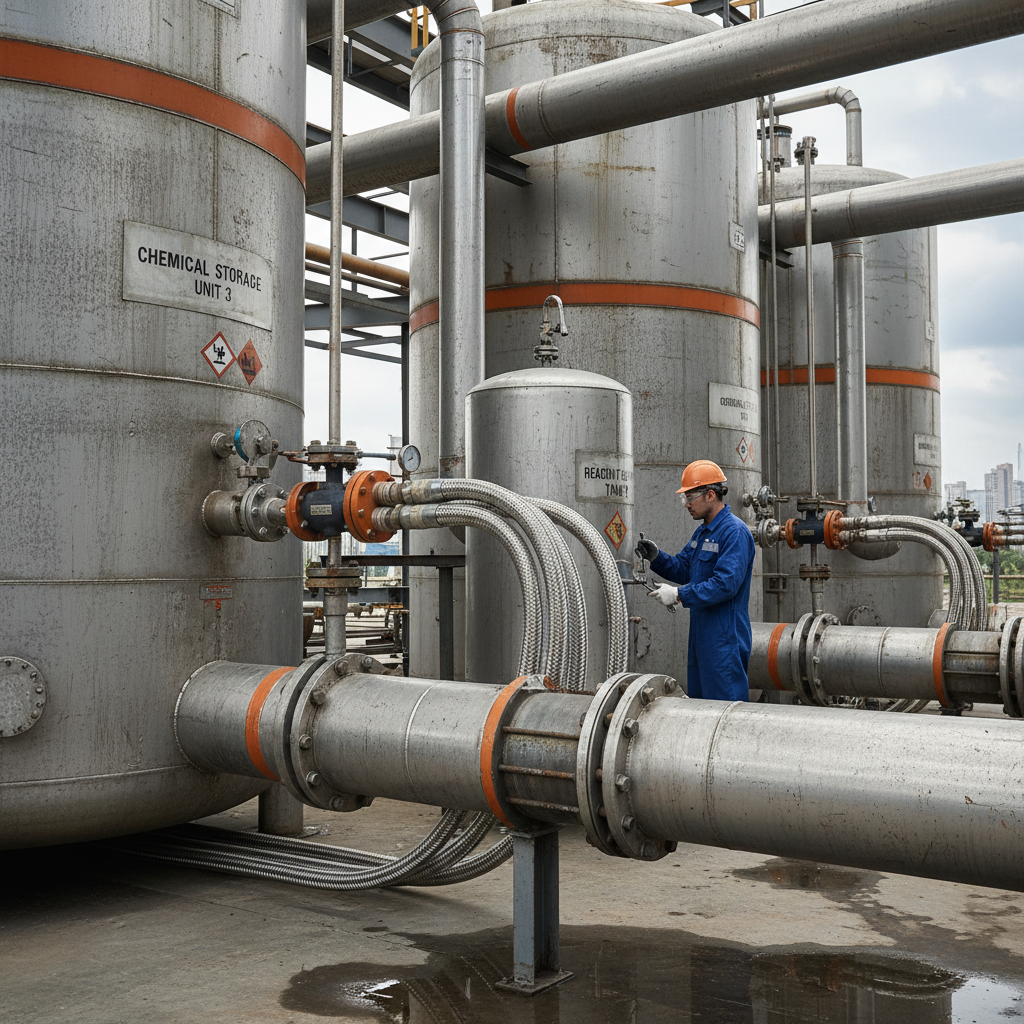
Put simply, a rubber lined tank is a storage container, typically made from steel or another metal, with an internal layer of specialized rubber lining. This lining protects the tank’s inner walls from corrosive chemicals, abrasion, and impact damage—things that would quickly degrade bare metal. This hybrid design marries metal’s structural durability with rubber’s chemical resistance, which is why such tanks are preferred for handling acids, alkalis, slurries, and other tough substances.
The concept isn’t just industrial jargon. It connects directly with modern manufacturing, environmental management, and even humanitarian efforts wherever safe chemical storage is critical.
Core Components & Key Factors of Rubber Lined Tanks
- Durability: The rubber lining offers remarkable protection against corrosion and abrasion, significantly extending tank life. In corrosive settings, this is a game-changer.
- Scalability: Tanks come in various sizes, from a few hundred liters to thousands of cubic meters, suiting small plants to massive refineries.
- Customization: Rubber thickness, type (e.g., natural rubber, neoprene, EPDM), and application method vary to match specific chemical profiles.
- Safety Compliance: Many tanks are designed to meet ISO and ASTM corrosion resistance standards, ensuring operational safety.
- Maintenance Ease: The inner rubber lining can be inspected and refurbished, allowing continued use instead of full replacement.
Product Specification Table: Typical Rubber Lined Tank Features
| Feature | Specification | Description |
|---|---|---|
| Material | Carbon Steel / Stainless Steel | Structural shell providing strength and shape |
| Rubber Lining Type | Natural Rubber, EPDM, Neoprene | Protects inner surfaces from chemical corrosion |
| Volume Range | 100 L – 50,000 L+ | Suitable for small to large-scale industrial storage |
| Temperature Resistance | Up to 80°C (can vary) | Dependent on rubber type, ensures safe storage |
| Installation | Welded/Flanged assembly | Custom setups for site-specific needs |
How Rubber Lined Tanks Are Used Worldwide
Rubber lined tanks have a global footprint. They’re common in chemical plants in Germany and the US, where safety and environmental regulations push for corrosion-resistant storage. The mining industry in South America also relies heavily on these tanks—particularly for slurry storage where abrasiveness would otherwise cause rapid wear.
In more humanitarian or environmental settings, such as water treatment facilities in Africa and Southeast Asia, rubber lined tanks ensure that contaminated materials don’t seep into soil and groundwater. Even in remote industrial zones—you’ll often find modular rubber lined tank installations that can be transported and assembled quickly to fulfill operational needs.
Vendor Comparison Table: Top Rubber Lined Tank Suppliers
| Supplier | Rubber Types Offered | Customization Options | Typical Industries Served |
|---|---|---|---|
| QW Metal | Natural rubber, Neoprene, EPDM | Full thickness, lining method, tank shapes and sizes | Chemical, Mining, Water treatment |
| CorroTech Industries | EPDM, Viton | Standard sizes with limited custom options | Oil & gas, Chemical processing |
| SafeLine Tanks | Neoprene, Butyl | Modular designs, mix and match components | Wastewater, Agriculture, Food processing |
Advantages and Long-Term Value of Rubber Lined Tanks
From my experience, the advantages of rubber lined tanks go beyond just protection—they’re about peace of mind. These tanks reduce maintenance costs by preventing corrosion-related failures, which often cause expensive downtime. Plus, the environmental benefits are huge: preventing leaks saves ecosystems, protects workers, and limits liability.
Thinking logically, investing in a robust rubber lining is smart money. Emotionally, it feels reassuring to rely on a solution that helps safeguard communities and natural resources, embodying a trust that the industry can operate responsibly.
Future Trends and Innovations
The field is evolving quickly. Emerging innovations such as nanocomposite rubber linings promise even better chemical resistance and longer life spans. There’s also a push toward greener production techniques and recycling of rubber liner materials to minimize waste.
Automation and digital monitoring systems are being integrated to detect early signs of wear—imagine a tank that tells you it’s time for maintenance before a problem even starts. This aligns perfectly with sustainability goals and smart industry practices.
Challenges and Solutions
Of course, no technology is perfect. One challenge is the initial cost, which some smaller operators find prohibitive. Addressing this, flexible leasing or modular tank options are becoming more available to ease upfront investments.
Another practical issue is the compatibility between rubber types and certain chemicals—incorrect matching may reduce efficacy. Expert consultation, thorough testing, and quality assurance protocols help mitigate such risks.
FAQ: Frequently Asked Questions About Rubber Lined Tanks
- 1. How long does a rubber lined tank typically last?
- With proper maintenance and correct material selection, rubber lined tanks can last 15-25 years, sometimes longer. The lifespan depends on chemical exposure, temperature, and usage conditions.
- 2. Can the rubber lining be repaired if damaged?
- Yes, minor damages like punctures or small cracks can often be repaired on-site, which avoids costly full replacements. However, severe damage might require re-lining or tank replacement.
- 3. Are rubber lined tanks suitable for food industry applications?
- Generally, standard rubber linings are not food-grade, but specialized food-safe linings do exist. Always verify specific rubber types and certifications before using them for food storage.
- 4. How do I choose the right rubber lining for my chemicals?
- It’s crucial to match the chemical compatibility with rubber type—consult suppliers like QW Metal who provide technical guidance and testing services.
- 5. What maintenance is required for these tanks?
- Routine inspections for wear and lining integrity, cleaning to prevent buildup, and timely repairs will ensure optimal performance and longevity.
Conclusion
Summing up, rubber lined tanks are a vital solution with far-reaching benefits—from protecting costly infrastructure to ensuring environmental safety and supporting sustainable industry worldwide. The blend of durability, flexibility, and innovation makes this technology a smart choice for many sectors.
If you want reliable, tailored rubber lined tanks or want to learn more, I highly recommend visiting QW Metal—they offer customizable solutions that address modern industrial challenges head-on.
Mini takeaway: Rubber lined tanks stand at the crossroads of durability, safety, and sustainability—practical tech that’s quietly underpinning safer industries globally.
References
Related Products
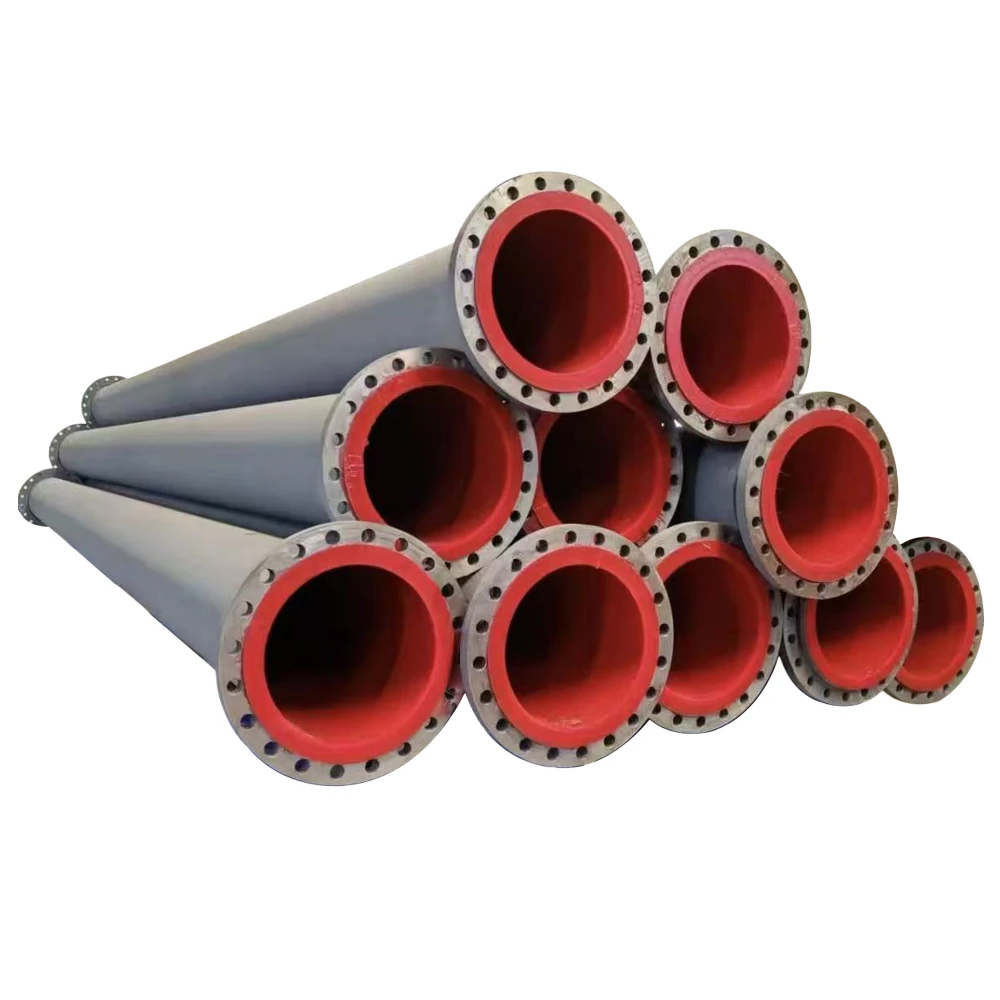
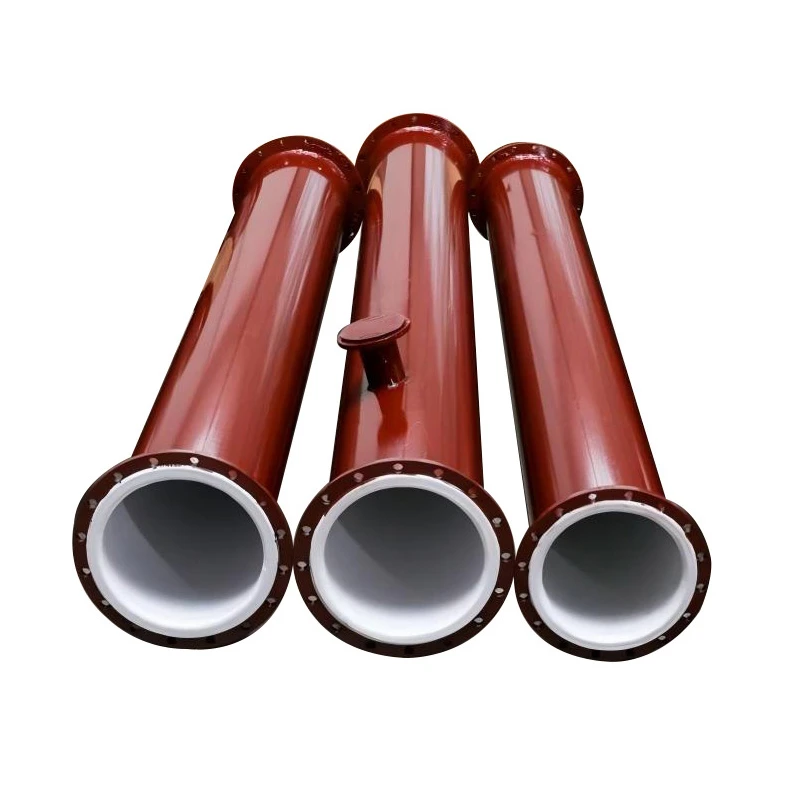
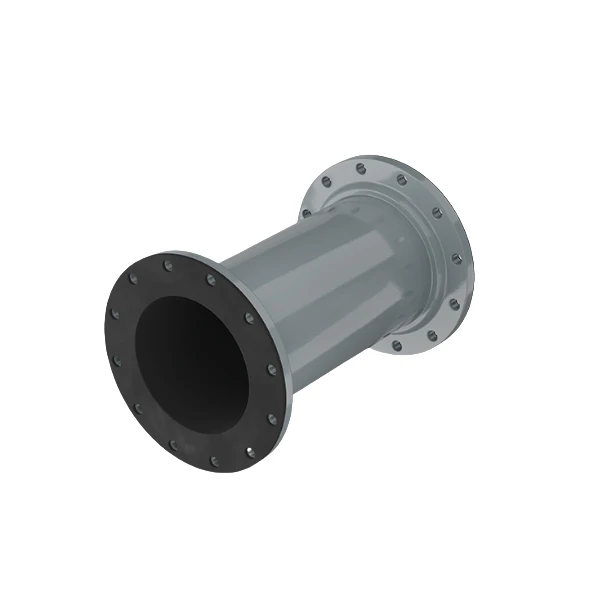
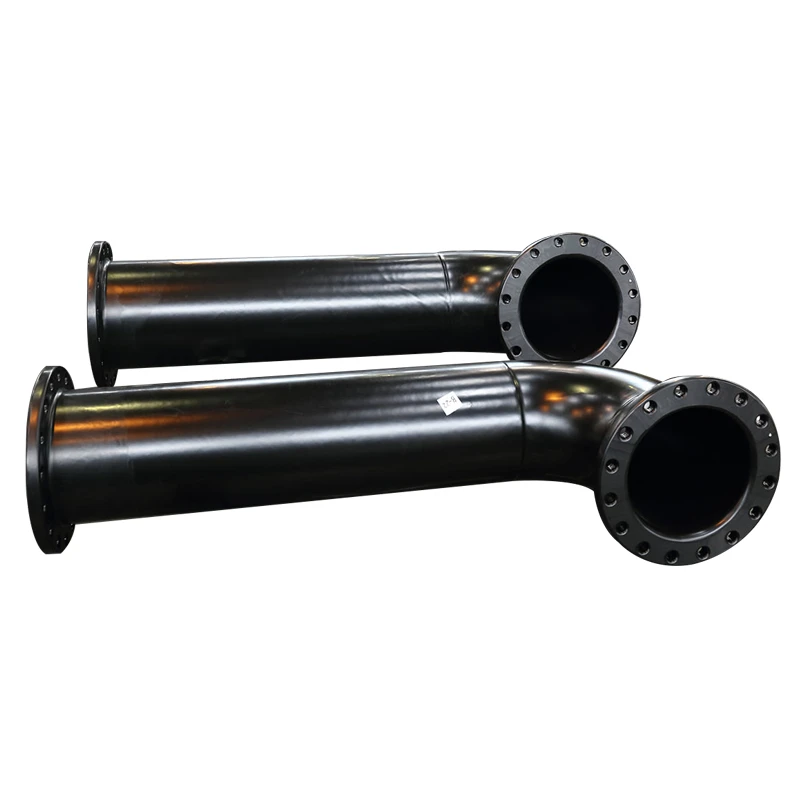
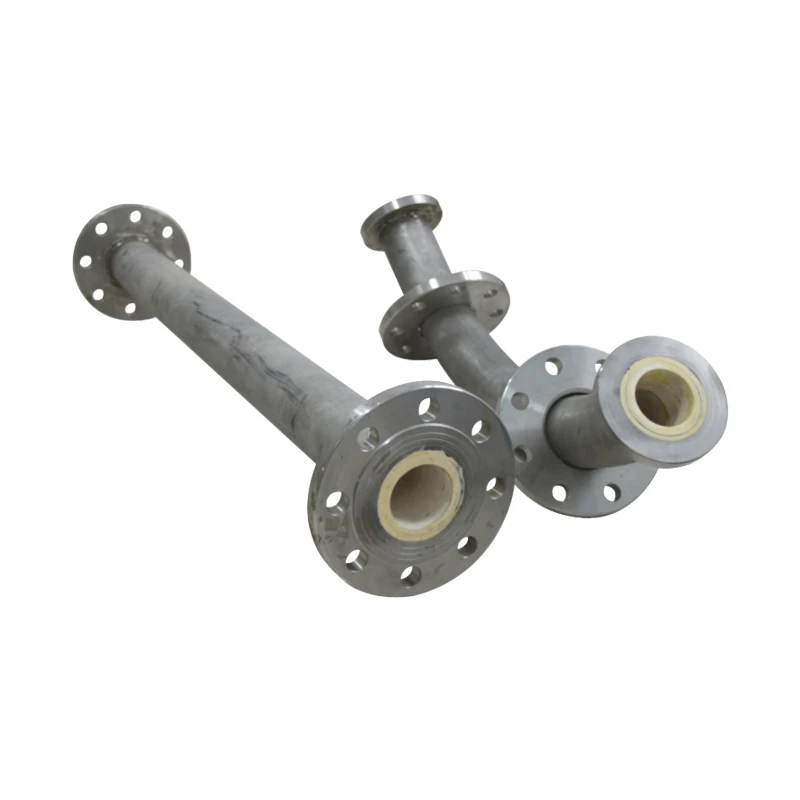
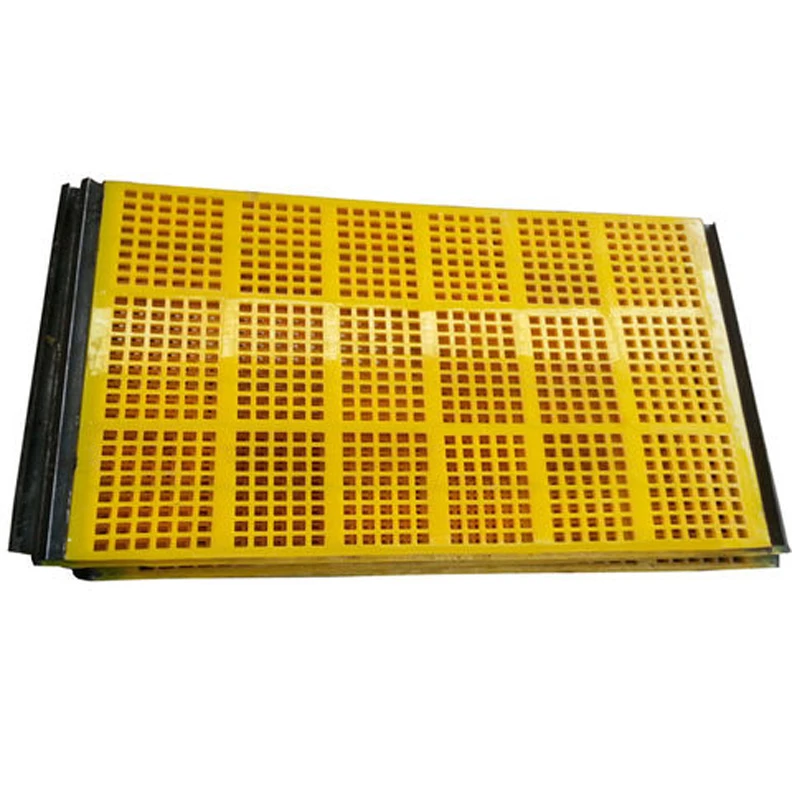
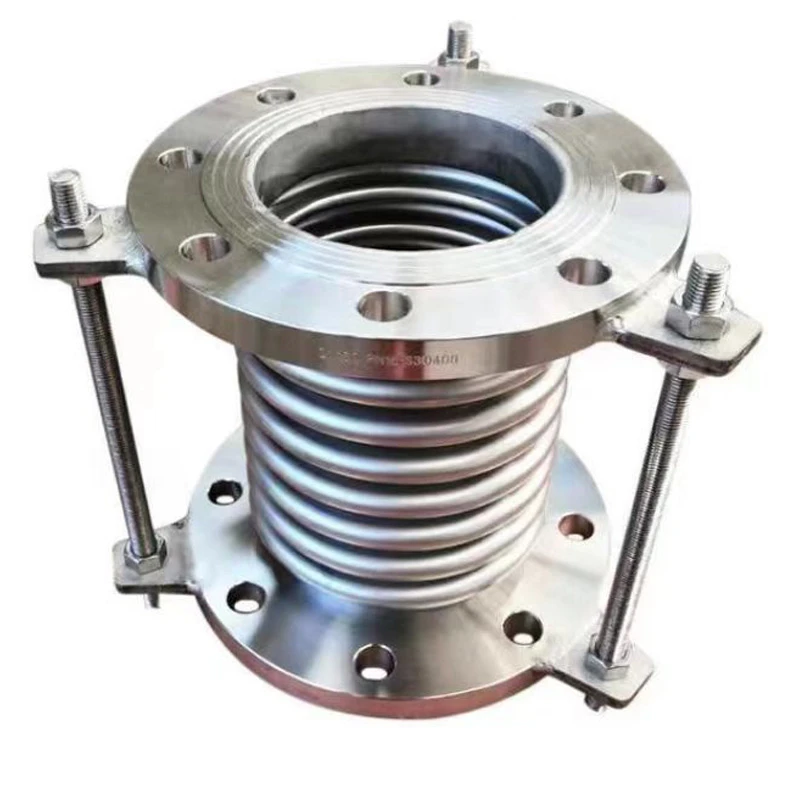
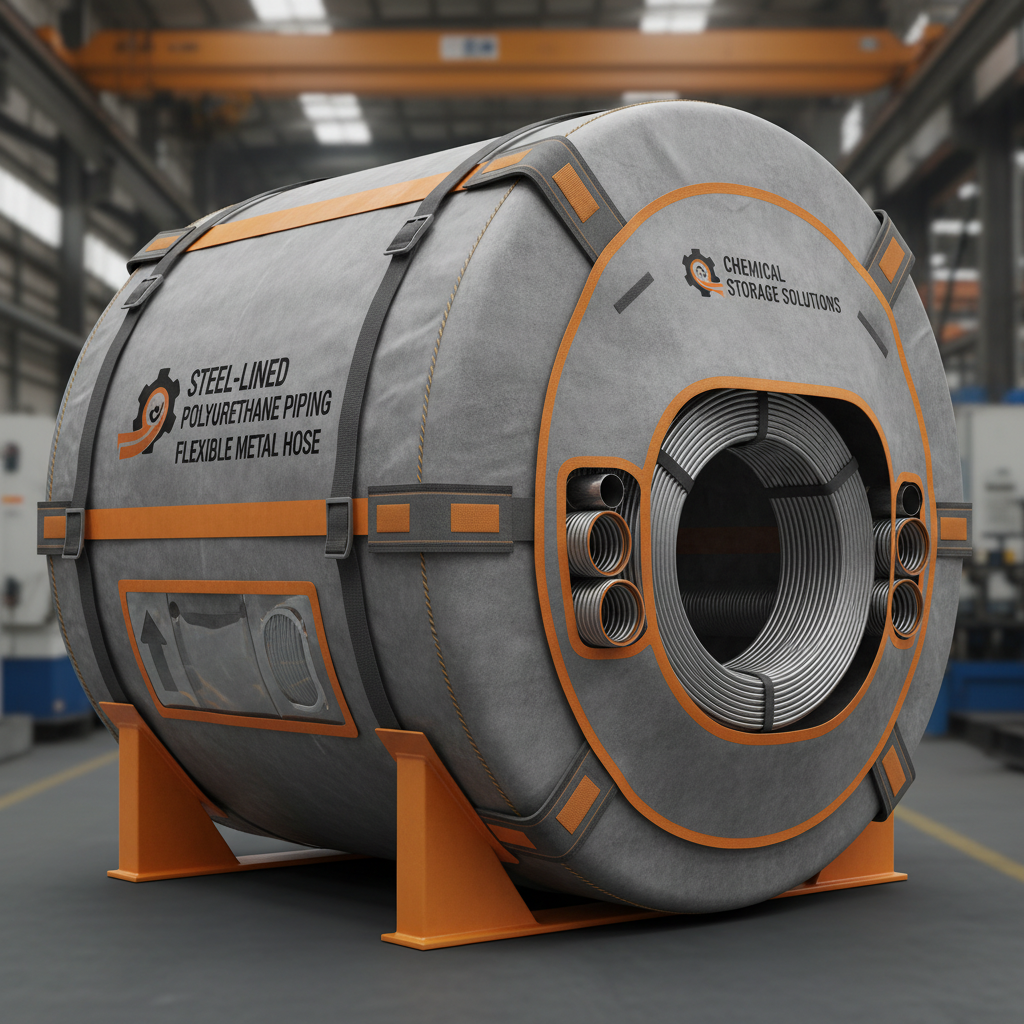
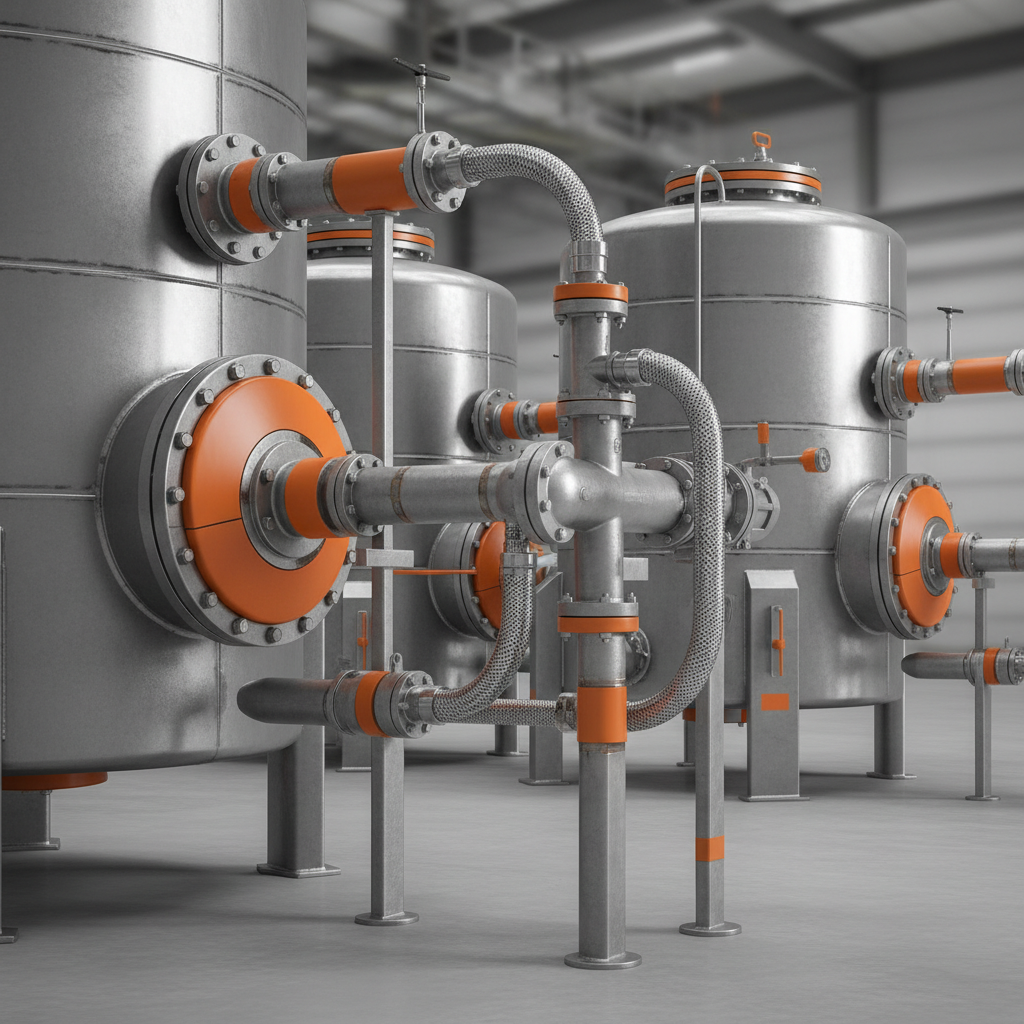
Our main products are polyurethane lined pipes, mining equipment fittings and metal hoses.