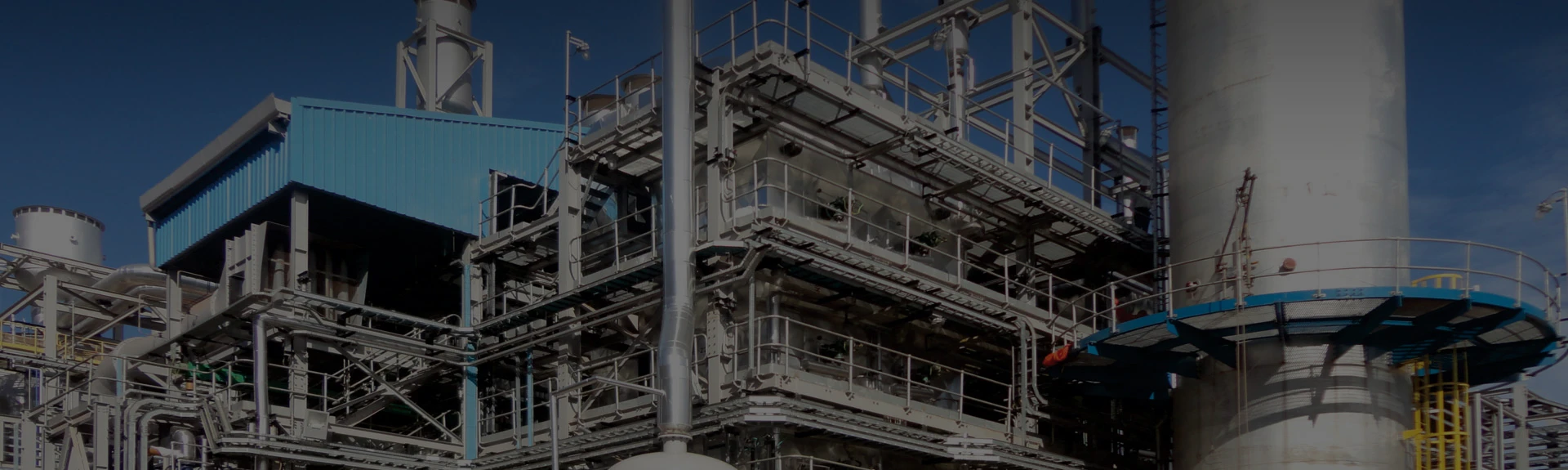
Top Chemical Tank Suppliers for Safe and Sustainable Industrial Storage
Understanding Chemical Tank Suppliers: The Backbone of Industrial Safety and Efficiency
When you think about the mighty infrastructure behind the global chemical industry, chemical tank suppliers don't typically jump to mind—but they certainly should. These suppliers provide the crucial containment solutions that keep our roads safe, industries flowing, and the environment protected. Given the rising demand for safer chemical storage worldwide, understanding who these suppliers are and what they bring to the table is more important than ever.
Globally, the chemical storage market is projected to grow significantly, partly driven by expanding industrial sectors and more rigorous environmental regulations. Frankly, the stakes have never been higher—chemical tank suppliers help mitigate risk, reduce contamination incidents, and support sustainable growth across numerous industries.
Mini takeaway: In an age where safety and sustainability are paramount, chemical tank suppliers serve as unsung heroes enabling modern industry to operate smoothly and securely.
The Global Relevance of Chemical Tank Suppliers
Look around—the industries that depend on chemical tanks range from agriculture to pharmaceuticals, energy to wastewater management. According to the International Organization for Standardization (ISO), proper chemical containment reduces both accidents and environmental spills by nearly 40% when standards are followed. The World Bank estimates the global chemicals industry contributes over $5 trillion to the economy, underscoring how intertwined safe storage solutions are with worldwide economic health.
But here's the catch: chemical storage isn't just about tanks. It’s a complex challenge involving regulatory compliance, materials science, and logistical expertise. Suppliers play a critical role by offering tanks that meet varying capacity and safety demands, which is crucial in periods of rapid growth or crisis response.
Mini takeaway: Chemical tank suppliers are global players in safety and compliance, bridging industrial needs with regulatory demands while supporting economic vitality.
What Are Chemical Tank Suppliers?
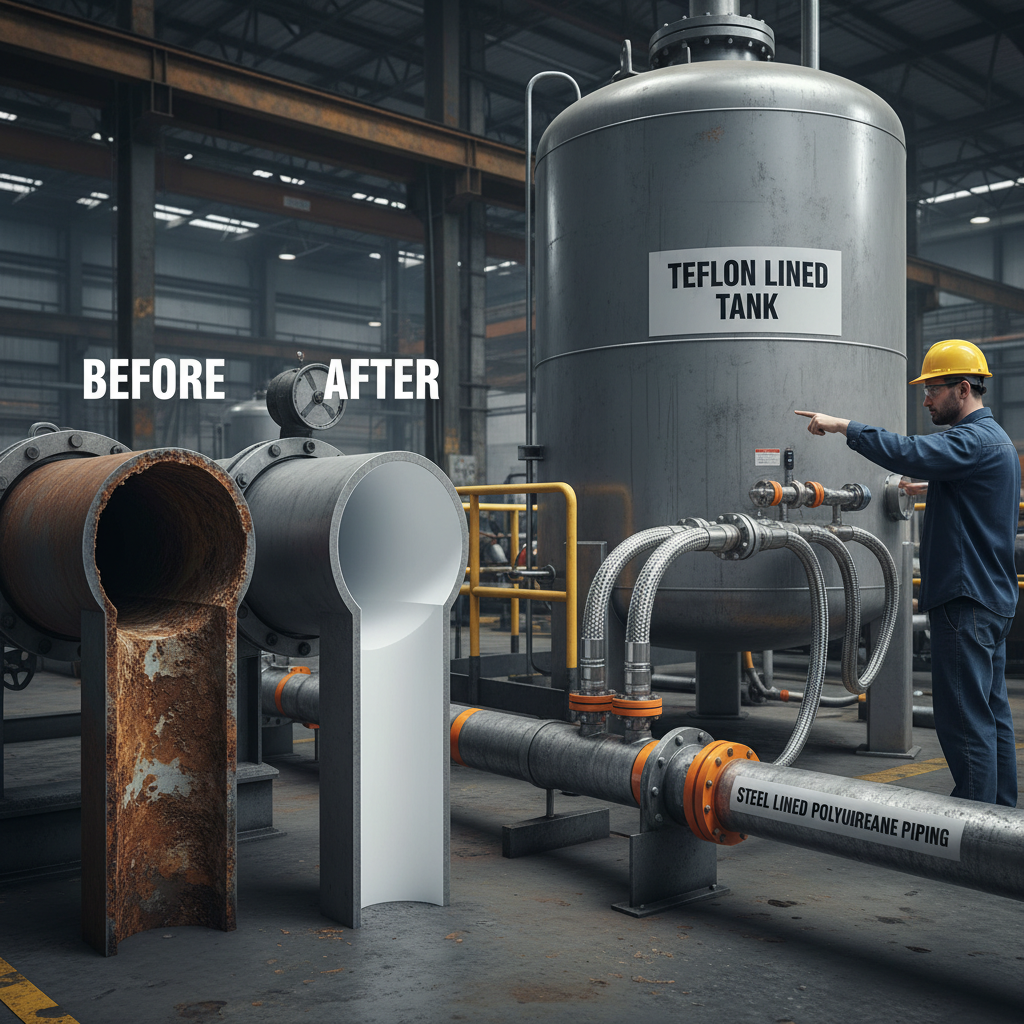
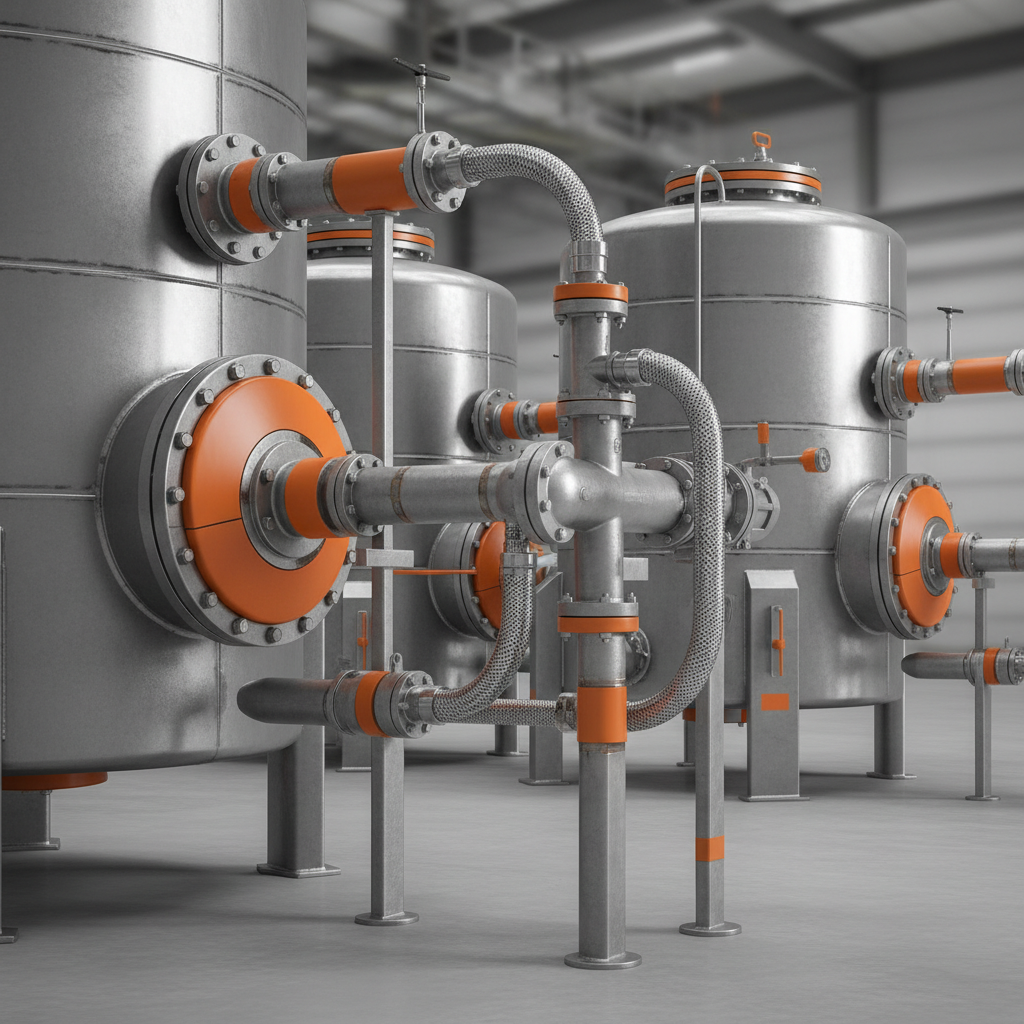
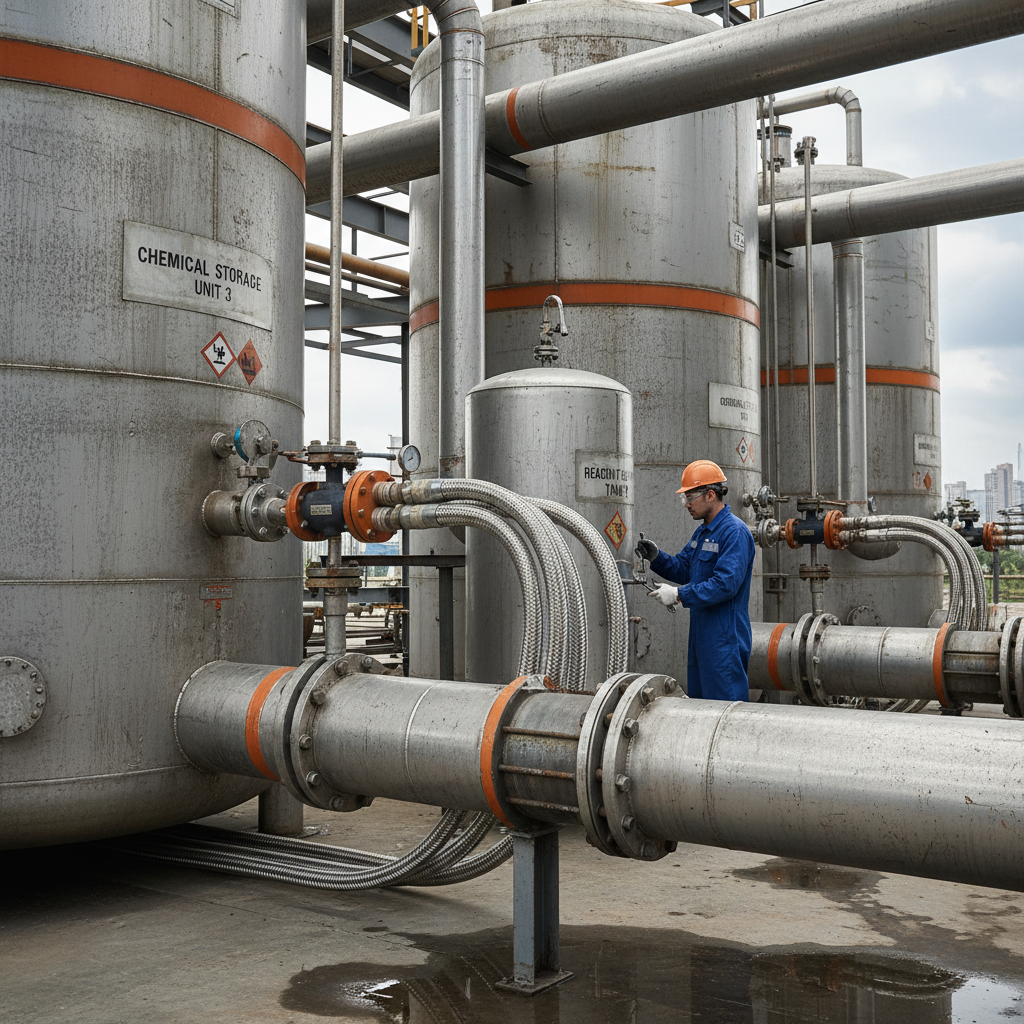
Simply put, chemical tank suppliers are companies or manufacturers who design, produce, and sometimes install tanks for the storage and transportation of chemical substances. These can be above-ground or underground tanks, crafted from different materials like stainless steel, polyethylene, or fiber-reinforced plastics—each selected based on the chemical's properties and use case.
They form the link between raw chemical producers and end users, ensuring that sensitive or hazardous materials are stored properly to avoid leaks, spills, or degradation. In modern humanitarian efforts, for example, these suppliers support water treatment and sanitation infrastructure by providing reliable containment solutions that maintain public health standards.
Mini takeaway: At their core, chemical tank suppliers are solutions providers who marry material science with safety to meet diverse chemical storage demands.
Core Components of Quality Chemical Tank Supply
Durability
Tanks must endure corrosive chemicals, extreme temperatures, and mechanical stress. Premium suppliers focus on corrosion-resistant materials and rigorous testing to ensure tanks last decades without failure.
Scalability
From small-scale labs needing a few hundred gallons to massive petrochemical refineries requiring tens of thousands, tanks must scale up or down. Flexible supplier portfolios enable clients to find just the right size and configuration.
Cost Efficiency
A good chemical tank balances initial investment with maintenance and replacement costs. Innovative materials and modular designs often reduce long-term expenses without sacrificing safety.
Environmental Compliance
Reputable suppliers support clients by meeting or exceeding environmental standards, such as secondary containment and leak detection, helping prevent costly violations.
Customization
Industries vary immensely. Vendors offering tailored tanks, fittings, and sensors for specific chemicals or site conditions stand out and add real value.
Installation and Support
Some suppliers provide on-site setup, maintenance, and inspection—a service often critical in complex or regulated environments.
Mini takeaway: Durable, scalable, economical, compliant, and customizable—the best chemical tank suppliers don’t just sell products; they offer peace of mind.
Global Applications: Real-World Impact
- In post-disaster relief: Quick-deploy tanks store potable water or safely hold hazardous waste, vital for health and sanitation recovery.
- In remote industrial zones: Chemical tanks supply mining and drilling operations with fuel and chemicals, often where infrastructure is minimal.
- In agricultural sectors: Tanks hold fertilizers and pesticides securely, minimizing environmental runoff in countries from the US to Brazil.
- In pharmaceuticals and food: They provide sterile, contaminant-free containment, critical to product safety and regulatory compliance.
Mini takeaway: From farms to emergency zones, chemical tank suppliers have far-reaching impacts, often working behind the scenes but crucial for operations.
Advantages and Long-Term Value
Choosing the right chemical tank supplier isn't just a transaction. It’s an investment in safety, sustainability, and efficiency. The long-term benefits include:
- Cost savings: Durable tanks reduce replacement cycles and maintenance costs.
- Environmental stewardship: Tanks designed for leak prevention protect ecosystems.
- Social responsibility: Safe chemical storage reduces accidents that threaten communities.
- Operational reliability: Trusted tanks ensure smooth, uninterrupted workflows.
Emotionally, there’s a sense of trust and dignity in knowing hazardous materials are responsibly contained—especially when these solutions support communities recovering from disasters or striving for sustainability.
Product Specifications at a Glance
| Specification | Details |
|---|---|
| Material | High-density polyethylene, Stainless steel, Fiberglass |
| Capacity Range | 500 - 50,000 gallons |
| Temperature Tolerance | -40°C to 120°C (varies by material) |
| Compliance Standards | ISO 9001, EPA Spill Prevention, OSHA |
| Secondary Containment | Optional modular containment berms |
Comparing Leading Chemical Tank Suppliers
| Supplier | Materials Offered | Customization | Geographic Reach | Support Services |
|---|---|---|---|---|
| Global Tanks Inc. | Steel, Fiberglass | High | North America, Europe | Installation & Maintenance |
| ChemSafe Supplies | HDPE, Fiberglass | Medium | Asia, Africa | Consulting, Testing |
| EcoTank Solutions | Recycled HDPE | Low | Global | Sustainability Audits |
Emerging Trends and Future Outlook
The chemical tank supplier industry isn’t resting on its laurels. There’s a notable shift toward greener materials — think recycled plastics and bio-based resins that reduce carbon footprint. Automation is creeping in too, with digital sensors and IoT connectivity allowing real-time tank monitoring to prevent leaks and optimize maintenance schedules.
Moreover, global regulatory bodies are tightening restrictions, pushing suppliers to innovate faster. Some are developing modular, rapidly deployable tanks aimed at emergency response and temporary storage, an area expected to grow due to climate-related disasters.
Mini takeaway: Smart, sustainable, and speedy — the future chemical tanks will be high-tech guardians of chemical safety.
Challenges and How Suppliers Are Tackling Them
One difficulty is balancing cost with safety; premium materials can be expensive, especially for developing regions. Also, chemical variability means tanks must be incredibly adaptable, which isn’t always easy.
Suppliers often partner with research institutes and deploy advanced simulation software to test tank behavior under extreme conditions, improving design without escalating costs. Additionally, expanding after-sales service networks helps clients maintain safety standards long after purchase.
Frequently Asked Questions About Chemical Tank Suppliers
Q1: How do I choose the right chemical tank supplier for my industry?
A: Consider the chemicals you'll store, tank materials, compliance with local regulations, and supplier support services. Look for suppliers with proven experience in your sector and check for customization options that suit your operational needs.
Q2: Are chemical tanks customizable to fit unique operational environments?
A: Yes, many suppliers offer tailored solutions including size, shape, materials, and integrated monitoring systems to adapt tanks for specific chemical properties and site conditions.
Q3: What kind of maintenance do chemical tanks typically require?
A: Regular inspections for corrosion, structural integrity, and leak detection are essential. Some tanks feature automated sensors that simplify maintenance by alerting operators to issues early on.
Q4: Can chemical tanks be quickly deployed in emergency situations?
A: Increasingly so. Modular and portable tanks designed specifically for disaster relief are available from several suppliers, facilitating rapid deployment where traditional infrastructure is compromised.
Q5: How important is environmental compliance in selecting a chemical tank supplier?
A: Extremely important. Compliance ensures your operations avoid legal issues and protects communities and ecosystems. Trusted suppliers align their products with recognized standards such as EPA and ISO guidelines.
Wrapping Up: Why Chemical Tank Suppliers Matter More Than Ever
As you can see, chemical tank suppliers are much more than simple vendors—they’re crucial partners in global safety, environmental protection, and industrial success. They tackle complex challenges by blending engineering, compliance, and innovation to deliver tanks that keep industries running smoothly and communities safe.
Ready to take a closer look at top-tier chemical tanks and expert suppliers? Visit our website: chemical tank suppliers for trusted options and tailored solutions.
References:

Related Products
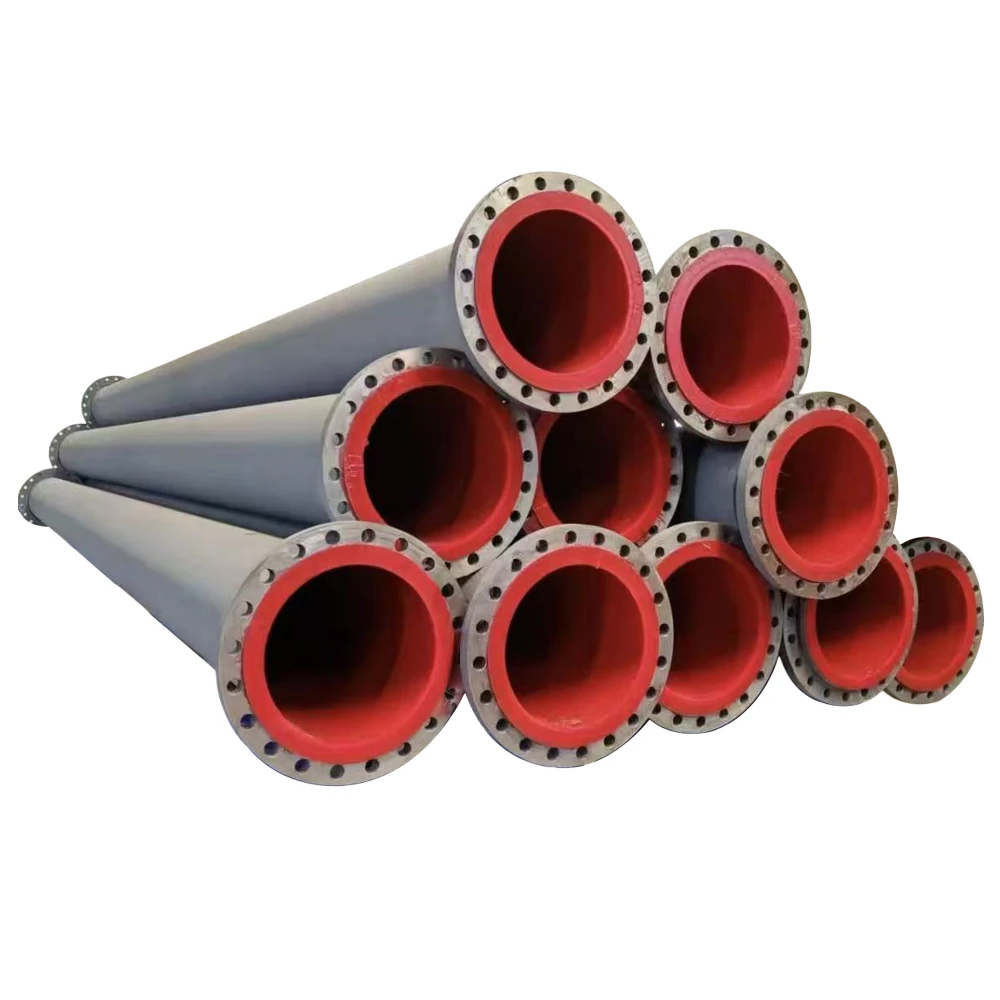
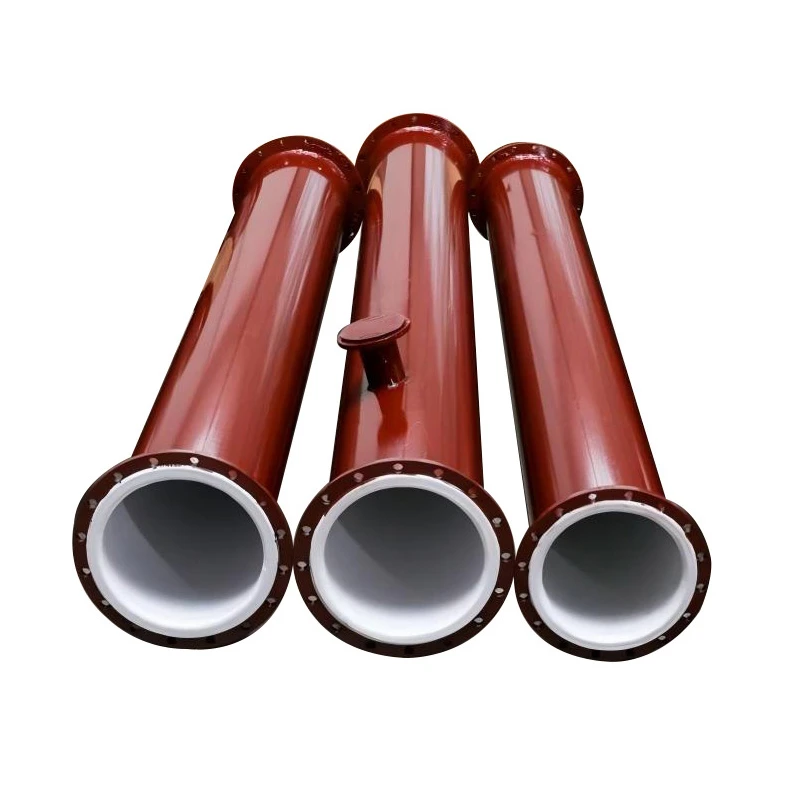
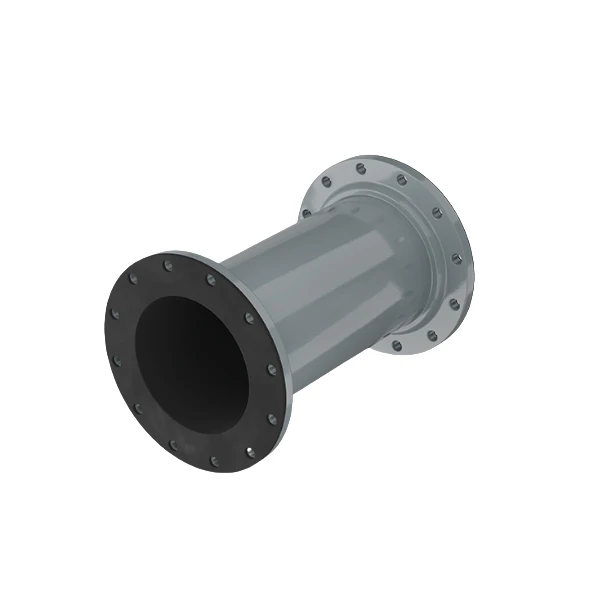
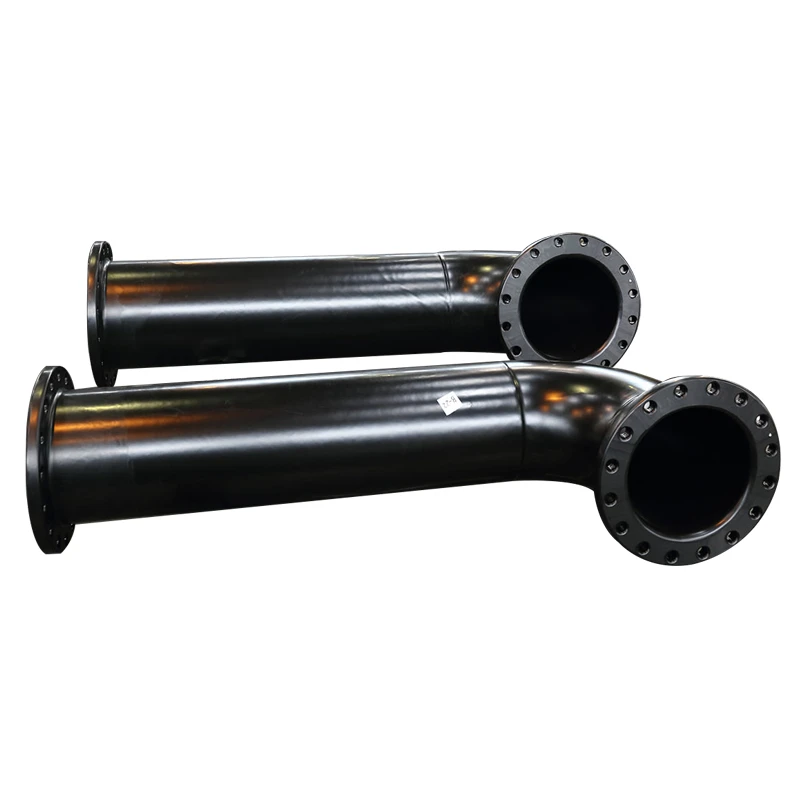
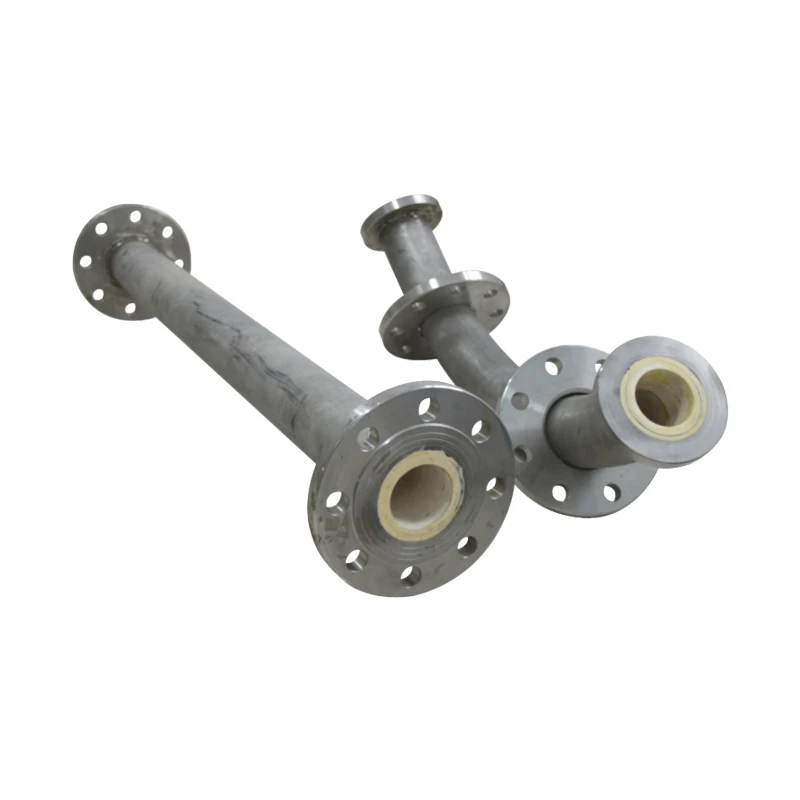
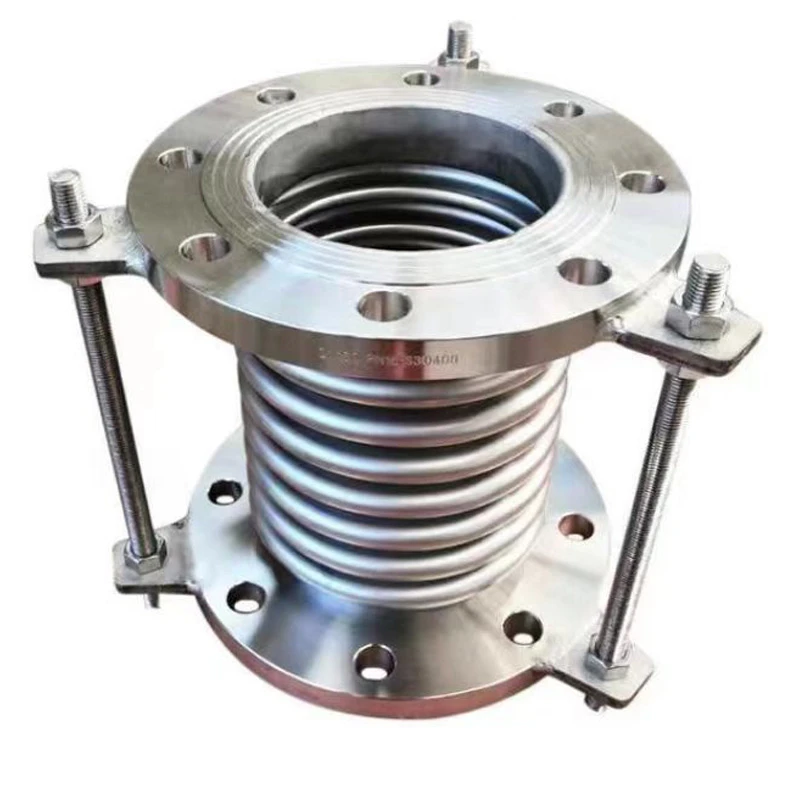
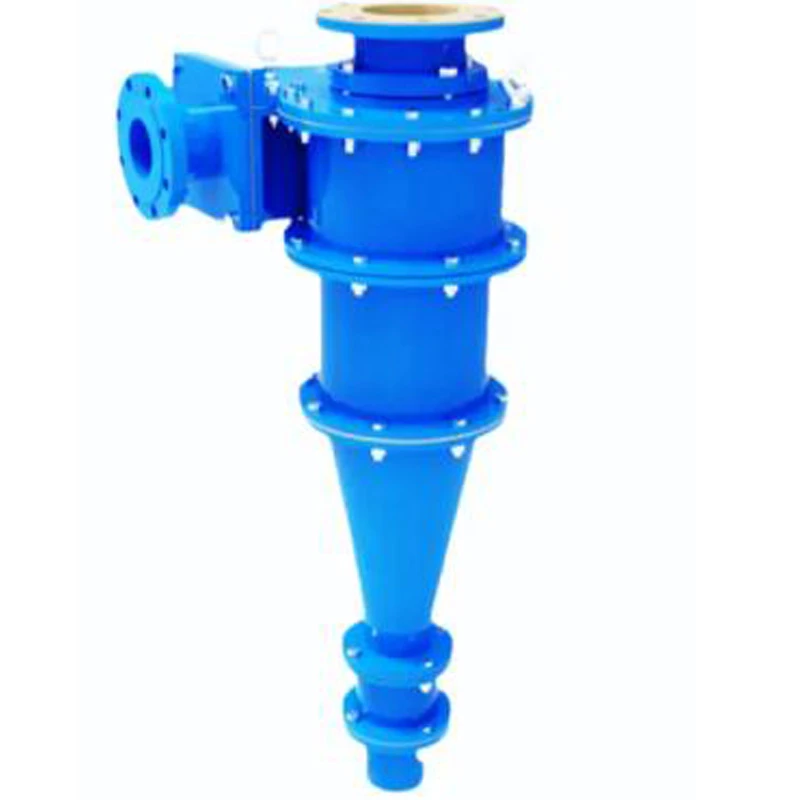
Our main products are polyurethane lined pipes, mining equipment fittings and metal hoses.