Acid Tanks: Expert Insights on Selection, Specs & Vendors
A Practical Look at Acid Tanks: What Industry Pros Should Know
Having spent a good part of my career working hands-on with industrial equipment, I can tell you acid tanks aren’t just another piece of metalware. They’re vital to chemical processing, water treatment, and countless manufacturing operations. Frankly, choosing the right acid tanks often makes the difference between smooth operation and costly downtime.
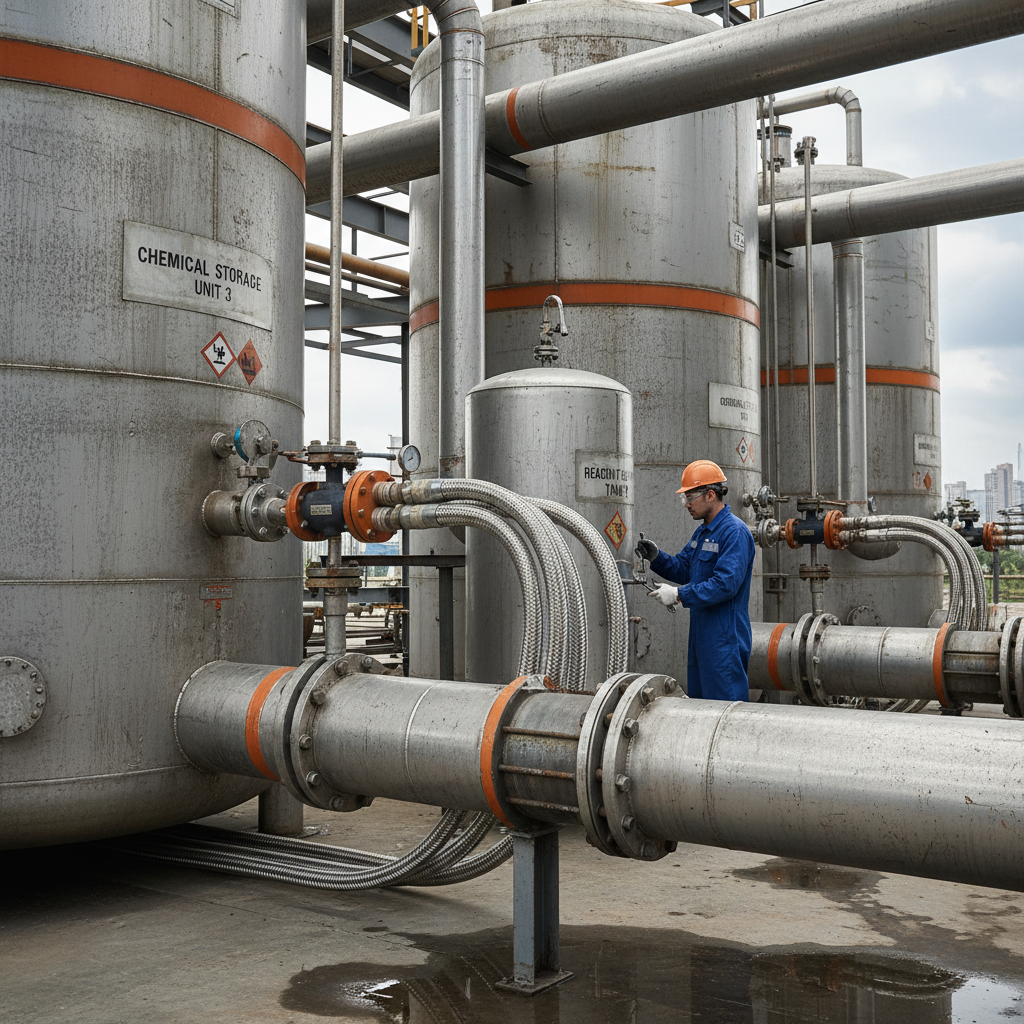
Acid tanks are built to hold corrosive substances like sulfuric acid, hydrochloric acid, and nitric acid, which — if contained improperly — can cause serious environmental and safety hazards. Over the years, I noticed that folks sometimes underestimate the importance of material choice and testing standards when selecting these tanks. Oddly enough, the difference between a reliable tank and a dud often comes down to subtle design nuances and stringent quality control.
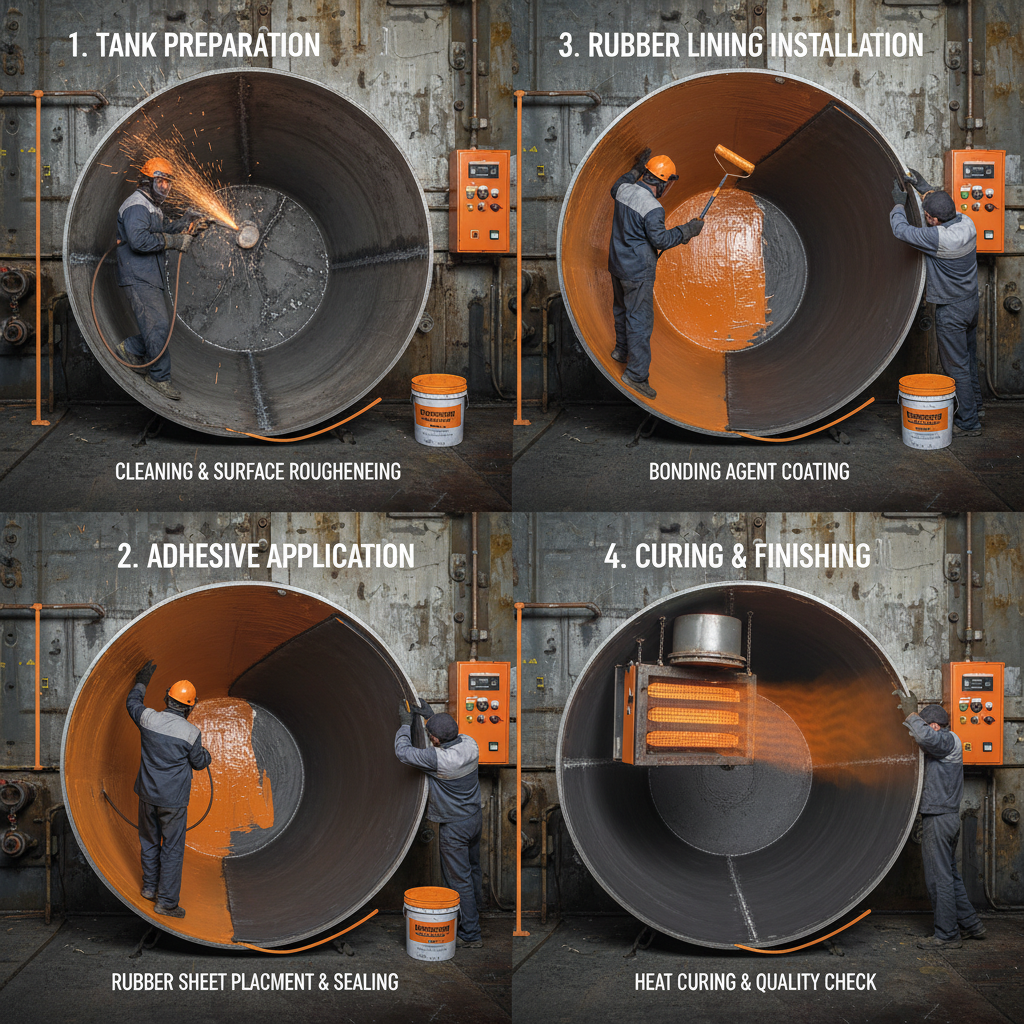
In real terms, reputable acid tanks use specialized stainless steel alloys or lined carbon steel to resist corrosion and prolong service life. You want to avoid reactive metals or poorly coated tanks because, as many engineers say, “Once corrosion sets in, the tank's integrity plummets.” I recall one job where a plant upgraded from basic mild steel tanks to properly lined ones, and the reduction in maintenance costs was striking.
Common Acid Tank Specifications
| Parameter | Typical Values |
|---|---|
| Material | 304/316 Stainless Steel, Lined Carbon Steel |
| Capacity | 500 – 50,000 Liters |
| Pressure Rating | Atmospheric to 5 bar |
| Temperature Range | -20°C to 120°C |
| Compliance | API 650, ASME Section VIII, ISO 9001 |
Customization is another aspect I find fascinating. Customers often ask for tanks with special coatings, agitation systems, or ventilation designed in. Some years ago, I visited a plant where the tanks were outfitted with custom acid-resistant mixers that helped speed up processing times. It’s this flexibility that often sways purchasing decisions. After all, off-the-shelf just sometimes isn’t quite enough.
Acid Tank Vendor Comparison
| Vendor | Material Options | Customization Available | Lead Time | Typical Price Range (USD) |
|---|---|---|---|---|
| QW Metal | 304/316 SS, Lined Steel | High – custom sizes/coatings | 4-8 weeks | 3,000 – 25,000 |
| Acme Tanks | Carbon Steel, Fiberglass | Moderate | 6-10 weeks | 2,500 – 20,000 |
| SteelWorks Inc. | 304 SS, Painted Steel | Limited | 3-5 weeks | 3,500 – 22,000 |
If you ask me, sometimes the best move is to partner with a vendor who offers both quality materials and customization options — the ability to tailor tanks to your needs often pays dividends down the line. I stumbled upon QW Metal during a project a while back and was impressed by their attention to detail and transparent communication. It’s no surprise that many of their clients stick around for repeat business.
One more thing: never skimp on testing. Acid tanks typically undergo hydrostatic and pressure tests, plus non-destructive tests like dye penetrant or ultrasonic inspections. These ensure wall integrity and leak resistance — and save you headaches later.
Overall, acid tanks may seem straightforward at first glance, but… well, they carry risks and nuances that require experience and trust in quality manufacturing. So, next time you’re asked to specify one, remember the details—materials, standards, customization, and working with reliable vendors. It’s what keeps plants running safe and sound.
In my experience, investing a bit more upfront on the right acid tank always pays off. Couldn’t agree more with that.
References
- API Standard 650 – Welded Steel Tanks for Oil Storage
- ASME Boiler and Pressure Vessel Code, Section VIII
- Industry discussions: Corrosion resistance in acid tanks (Chemical Processing Magazine)
Related Products
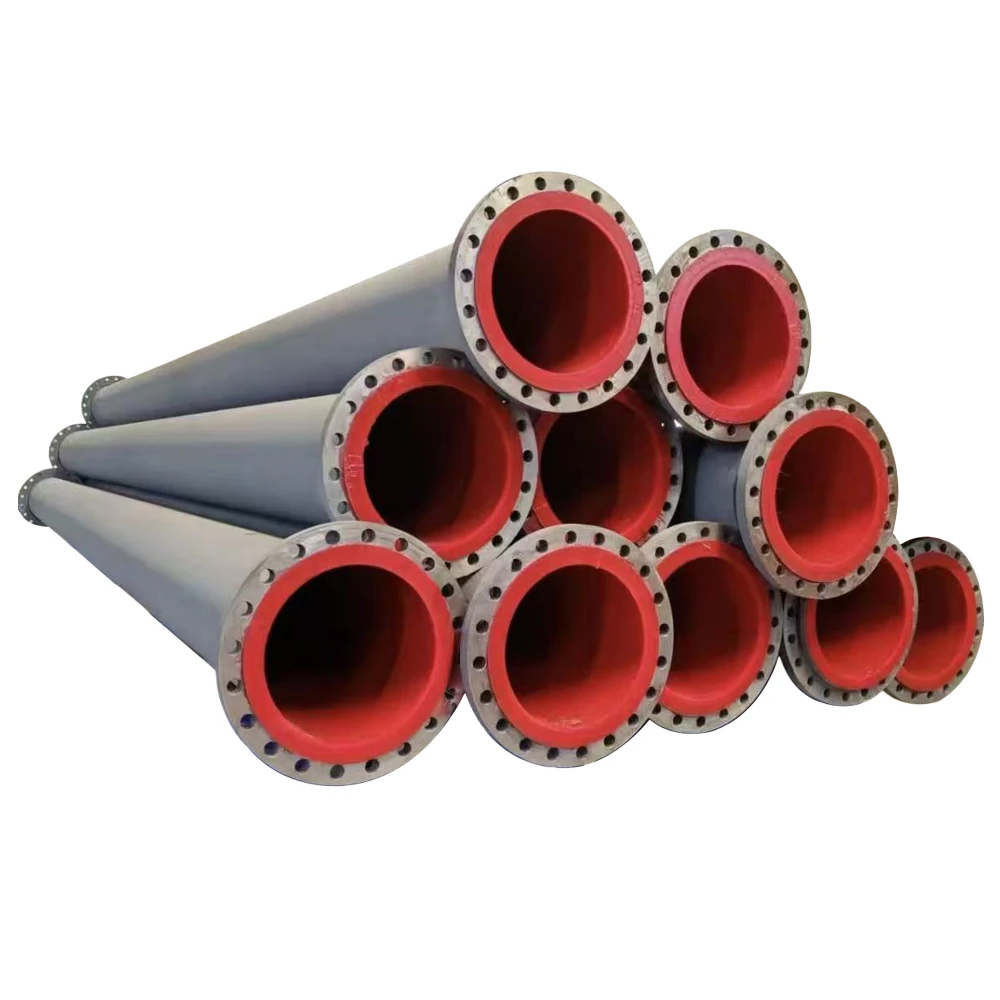
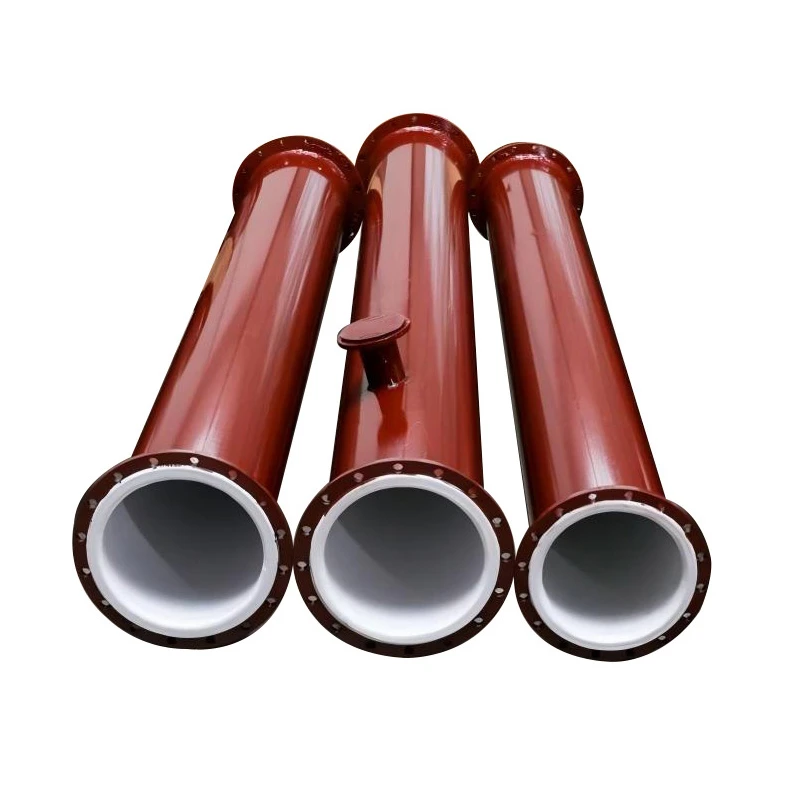
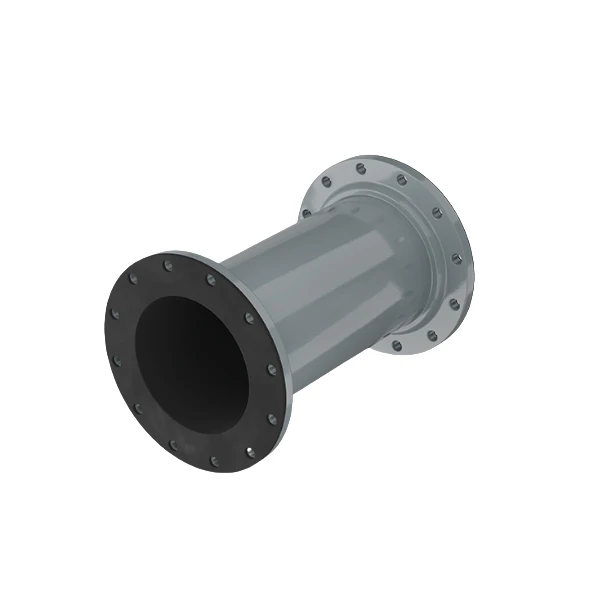
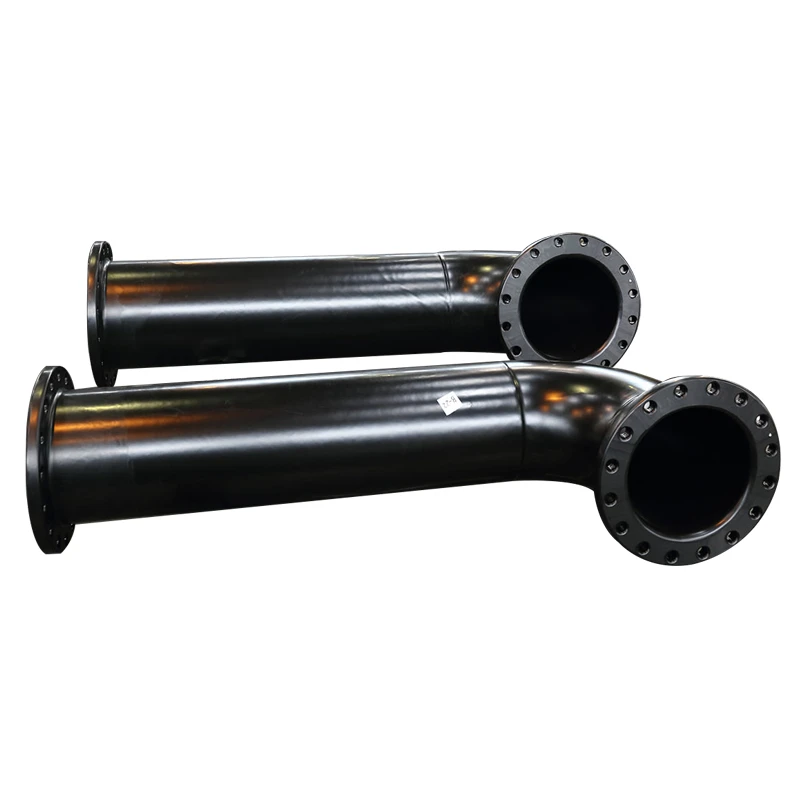
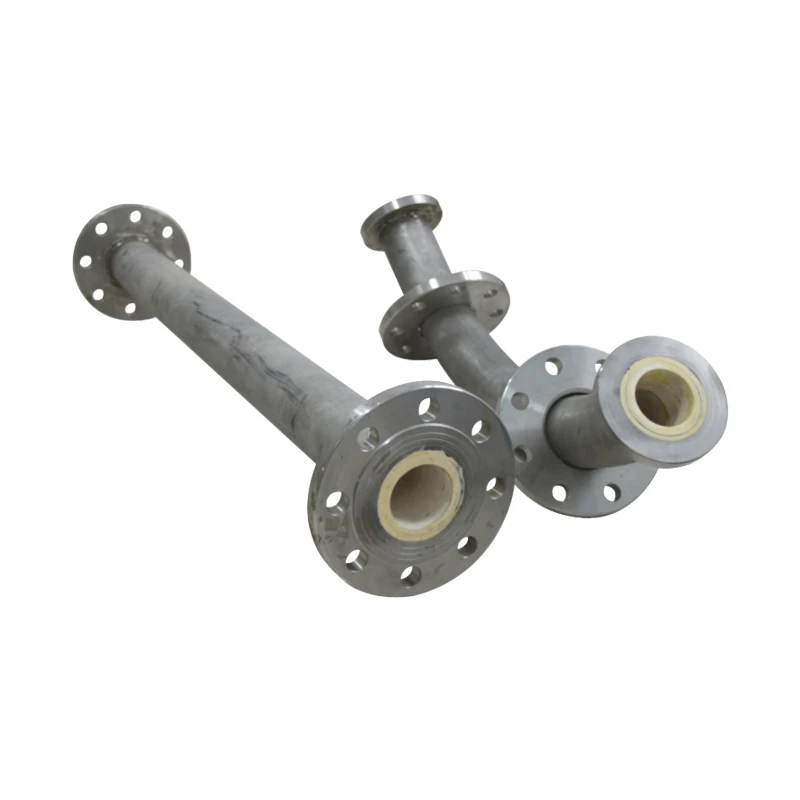
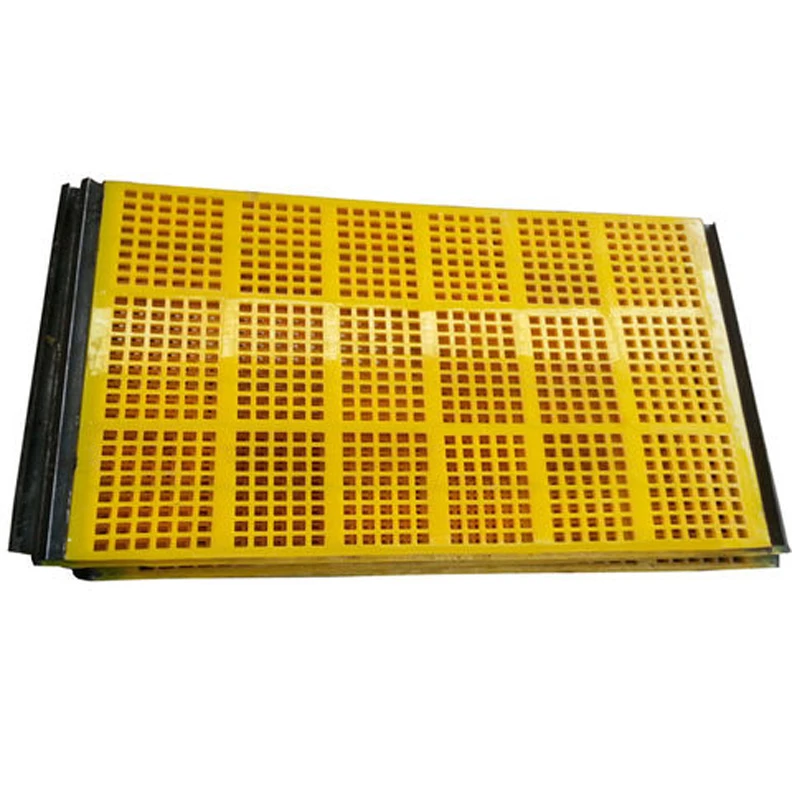
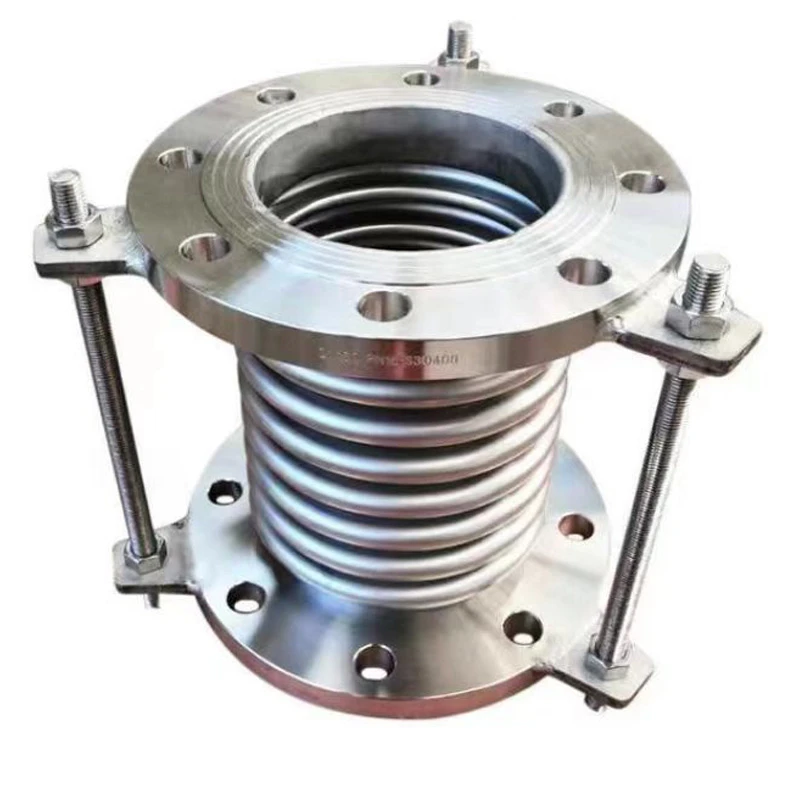
Our main products are polyurethane lined pipes, mining equipment fittings and metal hoses.